
Admin

30 Sep, 2025
Bafana Bafana betrayed by the boardroom
Statement by Nqabayomzi Kwankwa, MP, UDM Deputy President and Leader in Parliament The United Democratic Movement (UDM) notes with concern the admission by the South African Football Association (SAFA) of the administrative blunder that has led to Bafana Bafana losing valuable World Cup qualifying points and being fined by Fédération Internationale de Football Association (FIFA). While SAFA has taken responsibility and apologised, this is not enough. An apology does not repair the damage done to the team’s qualification campaign, nor does it address the deeper governance weaknesses that allowed such an avoidable error to occur in the first place. Minister of Sport, Arts and Culture Gayton McKenzie has himself described this incident as an embarrassment and has promised a probe. The UDM supports this call. However, it must not end with another report gathering dust. We need genuine reform that ensures accountability at leadership level and the strengthening of administrative and compliance systems within SAFA. Football is the passion of millions of South Africans. The players on the field have given their all to carry the hopes of a nation. They should never have to see their efforts undermined by failures in administration. The UDM therefore calls for urgent reforms at SAFA, accountability measures for those responsible, and stronger oversight mechanisms to safeguard the integrity of our sporting institutions. South African football deserves leadership that is competent, transparent and worthy of the people’s trust.

Admin
30 Sep, 2025
The R2 billion warning: reform procurement or repeat Tembisa everywhere
Statement by Thandi Nontenja, MP, UDM Member of the Standing Committee on Public Accounts The United Democratic Movement (UDM) has note with alarm the interim report of the Special Investigating Unit (SIU) into the looting of Tembisa Hospital. The SIU has confirmed what many South Africans feared: more than R2 billion was siphoned away through coordinated syndicates that exploited procurement loopholes. The report reveals that 2 207 procurement bundles, 4 501 purchase orders and 207 service providers are under scrutiny. Three criminal networks alone are linked to nearly R1.7 billion. At least 15 officials have been implicated, while R122 million in corrupt payments have been traced to insiders. Services were invoiced and paid for but never delivered. Even losing bidders were paid. The sophistication of these schemes, including fake supply chain documents, front companies and manipulation of three quote rules, proves that this was not opportunism but organised criminality within the state. The assassination of whistle-blower Babita Deokaran is a tragic reminder of how dangerous it has become to expose corruption in our country. Her murder was not in vain; the SIU findings vindicate her warnings. But South Africans cannot be expected to rely on martyrs to defend public money. The UDM is clear: Tembisa is not an outlier. It is a mirror of how corruption has hollowed out our state. The same patterns can be seen in housing projects, water schemes, municipal contracts, state owned enterprises and schools. This case must be treated as a wakeup call for comprehensive reform across all sectors, not only in health. We therefore call for: 1. Swift prosecution of all implicated individuals with clear timelines for referrals from the SIU to the National Prosecuting Authority (NPA), and public updates on progress in the courts. 2. End to end digital procurement across government with full transparency and audit trails. 3. Whistle-blower protection as a matter of urgency, with the state ensuring that the next Babita is not left vulnerable. 4. A specialised anti-corruption task team combining the SIU, NPA, Auditor General and SAPS commercial crimes units, with quarterly public reporting. 5. Swift recovery of assets so that mansions, cars and bank accounts bought with stolen funds are seized and redirected to service delivery. 6. Political accountability so that senior officials and politicians who presided over these failures must answer, not hide behind process. South Africa cannot afford another decade of commissions and reports gathering dust while syndicates loot unchecked. Every stolen rand is a bed without linen, a clinic without medicine and a community without water. The Tembisa heist is not only about one hospital. It is the clearest example yet of a state where corruption has become a parallel system of government. Unless procurement is reformed from top to bottom, we will see Tembisa repeated in every department and municipality. The UDM stands ready to fight for reforms that restore dignity to our public finances, protect whistle-blowers, and return stolen resources to the people they were meant to serve.

Admin
28 Sep, 2025
Restore our teachers’ dignity: support them, pay them, protect them
Statement by Zandile Phiri, Acting Secretary General of the United Democratic Movement The United Democratic Movement (UDM) is deeply alarmed by the growing crisis in South Africa’s education system, as mounting evidence shows that thousands of teachers are either leaving the profession or contemplating resignation. Reports this year confirm that nearly half of South Africa’s teachers want to quit, citing unbearable stress, excessive administrative duties, intimidation by learners and parents, poor pay, and lack of meaningful support. Teaching is one of the most critical professions in South Africa’s economy. Yet teachers are being demoralised, overburdened, and driven from classrooms at the very moment our country most needs stability and quality in education. This is not only an education crisis but a national crisis, directly affecting the learning outcomes of millions of children. The UDM’s position is clear: we must restore dignity, respect, and proper support to the teaching profession. We therefore call for: • Reducing administrative burdens by investing in support staff and digital systems so teachers can teach rather than drown in paperwork. • Strengthening teacher well-being through counselling services, professional development, and programmes to address burnout. • Improving safety and discipline in schools by addressing disruptive and violent behaviour from learners and parents. • Fair and competitive remuneration that recognises the value of teachers and secures their role as central to national development. • Investment in infrastructure and resources so that classrooms are fit for learning. The UDM also believes reforms to teacher training must be urgent and far-reaching. Closing teachers’ colleges was a case of throwing the baby out with the bathwater. The UDM has long argued for their reopening, with reformed curricula to meet modern needs. In addition, we call for: • Proper orientation and induction for new teachers so that they are supported rather than burned out in their first years. • Stronger inclusion of early childhood development (ECD) practitioners in teacher training to build the pipeline from the earliest stages of learning. • Comprehensive language training to help teachers manage the difficult transition from mother tongue instruction to English in early grades. • Modern, evidence-based pedagogical tools and continuous professional development to ensure teachers remain prepared for the classrooms of the future. • Compulsory training and awareness on professional ethics and abuse prevention, to ensure that the rare but devastating cases of sexual misconduct by teachers are never repeated and that the integrity of the profession is protected. This crisis is further compounded by reports of job losses in early 2025 due to budget cuts in provincial education departments. No teacher should be jobless because of government failures. Teachers deserve a living wage, stability, and job security, not retrenchment notices. It is unacceptable that those tasked with shaping the nation’s future are the first to face the axe when budgets are squeezed. The root cause is plain: wasteful spending and corruption are bleeding provincial budgets dry. Funds meant to pay teachers and fix schools are stolen by inflated contracts, ghost workers, luxury perks for officials, and failed projects. Every rand looted is a teacher not paid, a school left to crumble, or a child robbed of education. Until this rot is confronted head-on, it is our teachers and learners who will keep paying the price for provincial government’s failures. We call on Minister of Basic Education Siviwe Gwarube and the Government of National Unity to act with urgency, and for basic education reform to be placed firmly on the National Dialogue agenda as a collective national priority The UDM believes that teachers are central to the success of our basic education system. Without them, the future of our children and of our nation itself is at risk.

Admin
26 Sep, 2025
Children must be protected, not burned: UDMYV on murder of 12-year-old Centane boy
Statement by Zintombi Sododile, Chairperson of United Democratic Movement Youth Vanguard in the Eastern Cape The United Democratic Movement Youth Vanguard (UDM Youth Vanguard) in the Eastern Cape is horrified by the recent gruesome death of a 12-year-old boy who was allegedly beaten and set alight by three suspects, aged between 30 and 41. The incident occurred at Nkondwane Location in Centane in the Eastern Cape. The suspects were reportedly arrested and have already appeared in the Centane Magistrate’s Court where they were remanded in custody. It is alleged that the 12-year-old boy was not the only victim of this horrendous crime, as another boy was also assaulted. According to police reports, the children were playing football when a male came and grabbed the boy, slapped and kicked him, and accused him of stealing money. The boys were then forcefully taken to a homestead where they were assaulted and set alight. One of the boys managed to extinguish the flames and escaped, but the other was unable to escape. He was rushed to Butterworth Hospital and later to Frere Hospital where he sadly succumbed to his injuries. This horror cannot be normalised. While the frustration of communities who live under constant crime is real and understood, taking the law into our own hands cannot and must not be condoned. No amount of anger or desperation can justify the murder of a child. The UDM Youth Vanguard in the Eastern Cape demands that the suspects who took the life of this innocent boy should be imprisoned for life and never see the light of day again. They are a danger to society and must be treated as such. We call on the National Prosecuting Authority to build a watertight case to ensure that justice is not delayed and that no technicality allows these men to escape accountability. The UDMYV also calls for urgent psychosocial and material support to be provided to the grieving family of the deceased and to the surviving child and his family. No parent should have to endure such a devastating loss, and no child should have to carry the trauma of such violence without care and support. We further call on communities to work to ensure the safety of children and to report any kind of abuse or violence to the police rather than resorting to vigilante justice. The UDM Youth Vanguard in the Eastern Cape believes that this tragedy must galvanise all of us to confront violence and crime with unity and lawful action. Our message is clear: children must never again be left unprotected against such cruelty. It is in this context that we must remind ourselves that South Africa has strong legal protections for children, yet violent crimes against them remain shockingly high. Section 28 of the Constitution explicitly safeguards the rights of every child to be protected from maltreatment, neglect, abuse, and degradation. These rights cannot remain words on paper while children continue to be brutalised in our communities. We are further disturbed by other recent reports of children being burned, beaten, and killed in South Africa, incidents widely covered by the media and condemned by child rights activists. Police dockets and advocacy groups like the Khula Community Development Project have repeatedly highlighted the scale of this scourge. This appalling pattern deepens the urgency for action, as no society that tolerates such cruelty can claim to value its future.

Admin
26 Sep, 2025
UDM at 28: honouring the past, acting today, shaping tomorrow
Statement by Nqabayomzi Kwankwa, MP, UDM Deputy President and Leader in Parliament As the UDM marks another year in its journey, we pause to reflect, not with pride alone but with renewed purpose. From its birth in on 27 September 1997, this Movement has never sought glory. It has always sought impact, to stand between power and the people, to guard against complacency, and to speak truth to authority. Our record tells its own story. We have defended the rights of South Africans against loadshedding, where the courts ruled in favour of our challenge, compelling government to shield schools, hospitals, and police stations from blackouts. We have championed accountability in Parliament and beyond, from helping abolish the immoral floor-crossing legislation to exposing corruption at the Public Investment Corporation, IEC, NSFAS, and within Cabinet itself. We have protected democracy and transparency through our fight for fair party funding, electoral reform, and clean governance, work that has shaped laws and strengthened institutions. And we have stood with the vulnerable and voiceless, whether by rallying behind rural sub-headmen, advocating for SATBVC pensioners, or demanding the eradication of pit latrines in our schools. In the 2024 elections, the UDM demonstrated measurable growth and renewed public trust. Nationally, we expanded our parliamentary representation to four Members of Parliament, and in the Eastern Cape Legislature we secured three seats. These gains are a clear sign that our message of integrity, service, and accountability resonates with the people of South Africa. Since joining the Government of National Unity in 2024, the UDM has assumed a special responsibility. Not merely to govern but to scrutinise, to hold every decision, every policy, and every expenditure to the light. That has always been our defining role: not power for its own sake but oversight in the public interest. As Deputy Minister of Defence and Military Veterans within that framework, UDM President Bantu Holomisa’s tireless diligence has revealed systemic challenges such as legacy lapses, budget distortions, and capacity gaps. His work has compelled deeper accountability in areas where many had ceased to ask hard questions. Through this role he has ensured that even those serving in government would not escape public scrutiny. Looking ahead to the Local Government Elections of 2026, the UDM is actively preparing to build on its track record of principled leadership. We are strengthening our structures on the ground, growing our membership base, and empowering the next generation through the UDM Youth Vanguard and United Democratic Students’ Movement. Far from resting on the shoulders of one leader, the UDM is building collective leadership and preparing its public representatives to serve with accountability and integrity. Our focus is on issues that matter most to the people, including reliable access to water, proper housing, safe schools, dignified healthcare, and responsive municipalities. These priorities will shape our manifesto and guide our contribution to local government renewal. As we celebrate, we recommit ourselves to the children still forced to learn in unsafe schools, to the pensioners whose years of service were forgotten, and to the communities left without reliable access to water, dignified housing, proper sanitation, or dependable electricity. We recommit to exposing corruption, resisting abuse, demanding consequences, and never allowing power to rest while service delivery continues to fail our people. We stand with the vulnerable and voiceless, confronting gender-based violence, rural neglect, and the scourge of maladministration that robs our nation of dignity. Happy Birthday, UDM. Twenty-eight years later, our purpose is unchanged. We guard, we challenge, we serve. The road ahead is long, but our resolve remains rock steady.
Admin
24 Sep, 2025
Heritage Day 2025: celebrate, protect and pass on our heritage
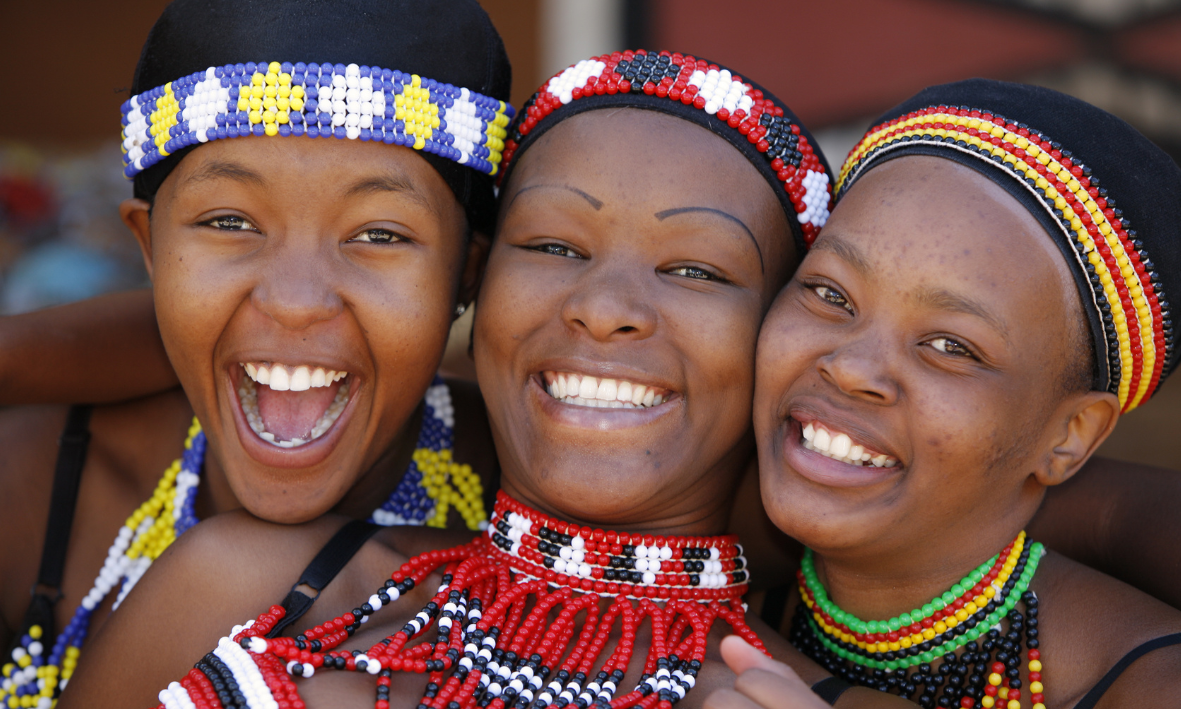
Statement by Zandile Phiri, Acting Secretary General of the United Democratic Movement In commemoration of this year’s Heritage Day, the United Democratic Movement (UDM) would like to remind South Africans about the importance of our diverse cultures and uniqueness. As we celebrate Heritage Month, we must consider that there are some setbacks surrounding our heritage. For instance, when looking back at the past 31 years, what is sad is that people have been assimilated to tourists of their own heritage. Our identity is no longer an anchor of our daily lives; it is something we now visit occasionally. Western cultures and tendencies have now formed habits which create new identities and heritages. It is these new heritages that the current generations will bequeath to forthcoming generations, and old ones will be extinct if we do not do something about it. We must invest in the preservation of South African history and heritage. Our government and other related sectors and stakeholders should invest more funding in creative productions that teach South Africans about their history and heritage; cultural storytelling through film, theatre and documentaries to make our past accessible, engaging and inspiring. We acknowledge and congratulate the producers who have been filming and delivering an exceptional portrayal of South African stories and its rich history. Indeed, nations are made up of a collection of stories and legends. These stories shape the way we think about our country and our standing within it. And for our children to know exactly where they are going, they first need to understand where they come from. That is an important symbol of heritage. Our identity cannot be bound solely by sporting triumphs, such as the excitement surrounding the Springboks’ victories. True nationhood is built on a shared understanding of history, culture and heritage. That is the framework through which we understand our collective purpose and navigate our shared destiny, and it must be actively nurtured for generations yet to come. On this Heritage Day, the UDM calls on all South Africans to celebrate not only the diversity of our cultures but also to commit to their preservation. Let us pass on traditions, languages and stories with pride, so that future generations inherit a South Africa that honours its past while building a united and inclusive future.
Admin
24 Sep, 2025
UDESMO calls for justice and protection for learners across South Africa!
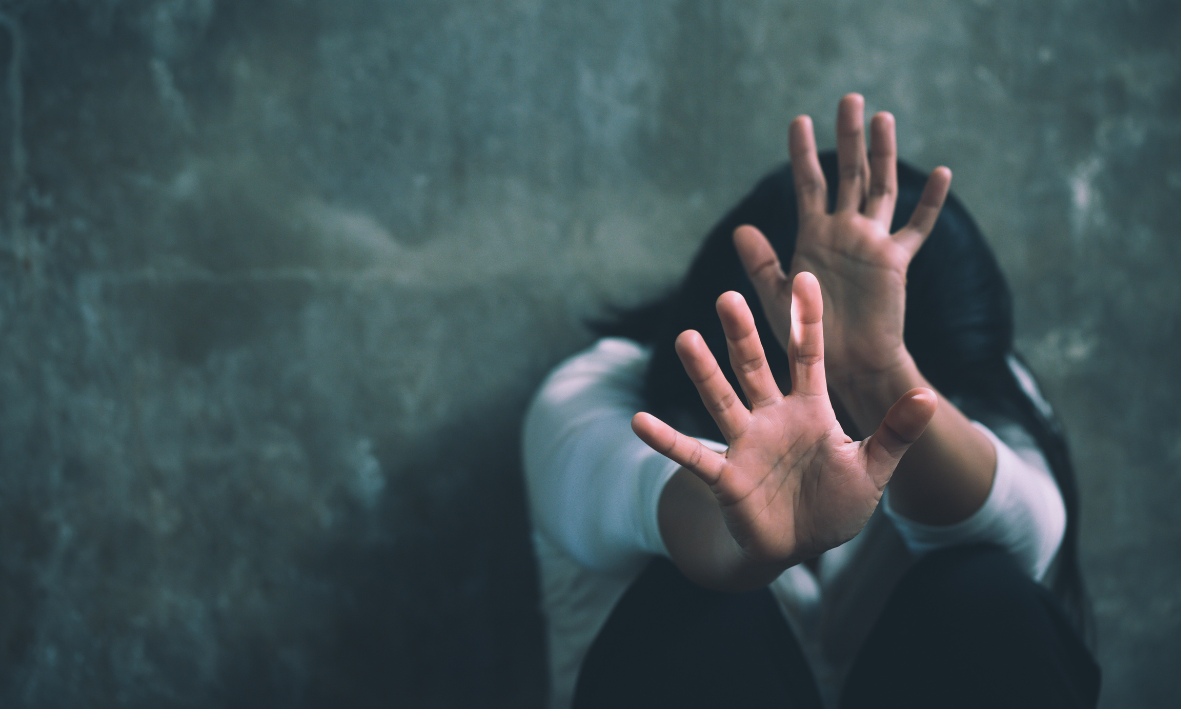
Statement by Lucia Matomane, UDESMO Eastern Cape Provincial Chairperson The United Democratic Students’ Movement (UDESMO) is horrified by the continuing violation of children in schools by those who are meant to protect them. The recent flood of cases, from St John’s College in Mthatha (Eastern Cape), to Tiyelelani Secondary in Soshanguve (Gauteng), from St Bernard High in Bloemfontein (Free State), to Thubalethu Secondary in Pinetown (KwaZulu-Natal), and Sunward Park High in Boksburg (Gauteng), shows that what should be a place of learning has become a hunting ground for predators hiding behind the title of “teacher.” We cannot pretend these are isolated incidents. Girls as young as 12 and 14 are being preyed upon. They are being impregnated, forced into abortions, infected with diseases, and threatened into silence. These crimes are ripping futures away from young people before their lives have even begun. The pain and anger of learners are boiling over. When pupils are forced to protest and shut down schools just to be heard, it shows the system has failed them. The silence of adults who should act faster is part of the problem. But there are signs that justice can prevail. In one case, a teacher who impregnated a learner, infected her with HIV, and then tried to escape responsibility was struck off the roll and ordered by a court to pay maintenance. That is what it looks like when the law works — but it should never take this long, and it should never be the exception. UDESMO demands more than words of sympathy. We demand: • No bail for accused teachers; our children’s lives matter more than the freedom of predators. • Swift prosecutions and maximum sentences for offenders. • Educators found guilty of sexual offences against learners must be struck off the roll and permanently listed the National Child Protection Register. • Real support for survivors in the form of counselling, protection, and dignity. We say enough is enough. Our schools must be safe. Our teachers must be trustworthy. And our generation refuses to accept a future where classrooms are places of fear.
Admin
25 Sep, 2025
UDMYV demands justice at JS Skenjana Senior Secondary School
Statement by Zintombi Sododile, Chairperson of United Democratic Movement Youth Vanguard in the Eastern Cape The United Democratic Movement Youth Vanguard (UDM Youth Vanguard) in the Eastern Cape is appalled by the allegations of sexual harassment and drug abuse at JS Skenjana Senior Secondary School in Dutywa. We stand in solidarity with the victims and condemn these acts in the strongest possible terms. A former learner from JS Skenjana Senior Secondary School recently took to social media to expose teachers who, despite serious allegations of sexual abuse, remain employed at the school. She stated that these allegations have been public knowledge for years, yet no decisive action has been taken. The UDM Youth Vanguard in the Eastern Cape finds this deeply disturbing and demands that the Department of Education act without delay to address these matters. We call on all learners who have experienced or witnessed any form of abuse to come forward and report these cases to law enforcement, especially if they fear intimidation. We assure all learners of our unwavering support and will stand with you throughout the process. We note that, tragically, one of the teachers implicated in these allegations, reportedly, suffered a heart attack upon discovering he was trending on social media for his involvement. While we cannot verify the circumstances surrounding his death, our focus remains on ensuring justice for the victims and preventing such incidents in the future. The UDM Youth Vanguard of the Eastern Cape demands that the Department of Education and the South African Police Service (SAPS) take immediate and decisive action to protect learners and hold perpetrators accountable. We will closely monitor this situation and advocate for the rights and dignity of learners to be safeguarded. In addition, the selling of drugs to learners in a nearby field is a serious concern that requires immediate attention from law enforcement. We urge the SAPS to increase patrols and ensure the safety of learners. UDM Youth Vanguard of the Eastern Cape welcomes the Eastern Cape Department of Education investigations into multiple cases of alleged sexual abuse across several schools in the province, and MEC Fundile Gade condemnation of such acts, as well as his vow to take decisive action to protect children's constitutional rights. We also welcome Basic Education Minister Siviwe Gwarube announcement that urgent steps to address reports of sexual abuse and disruptions to teaching in schools across the Eastern Cape will be taken. The UDM Youth Vanguard of the Eastern Cape’s key demands: • Immediate action from law enforcement to protect learners and hold perpetrators accountable. • Swift and decisive action from the Department of Education to investigate and address the allegations, • Increased patrols and safety measures to prevent drug sales and abuse, • Support and protection for victims and witnesses, • Implementation of comprehensive safety protocols in schools to prevent future incidents. • Mandatory training for educators and staff on identifying and reporting abuse. • Regular monitoring and evaluation of school safety measures. We believe that every learner has the right to a safe and supportive learning environment, free from fear and intimidation. The UDM Youth Vanguard in the Eastern Cape fully aligns with our mother body, the United Democratic Movement, in its stance of zero tolerance for any form of abuse or sexual misconduct, particularly within educational institutions.

Admin
22 Sep, 2025
UDM calls for a festive season free of drunk driving tragedies
Statement by Zandile Phiri, Acting Secretary General of the United Democratic Movement The United Democratic Movement (UDM) notes with deep concern the alarming rise in drunk driving cases across South Africa. In KwaZulu-Natal (KZN) alone, 93 motorists were arrested in a single weekend, bringing the total number of arrests since 15 August to 293. These included 33 arrests in Kokstad, 24 in Pietermaritzburg and 16 in Ladysmith. These figures are a stark reminder that reckless behaviour on our roads continues to endanger lives. This is not unique to KZN. In June, the Johannesburg Metropolitan Police Department reported 226 motorists arrested in a single week for driving under the influence. In the Western Cape, between 30 June and 6 July, 23 people lost their lives in road crashes while 57 motorists were arrested for drunk driving in that same week. These reports illustrate that drunk driving is not a provincial problem but a national crisis that requires urgent coordinated intervention. As the festive season approaches, a period when alcohol consumption, travel and road use are at their highest, we must confront the devastating consequences of drunk driving. Every arrest represents a life that could have been lost, a family that could have been shattered or a community left grieving. The UDM commends the dedication of law enforcement officers across the provinces who have prevented potential tragedies. However, the numbers show that more must be done. The UDM therefore calls for: 1. Stronger enforcement and visible policing on all major routes and in high-risk areas. 2. Increased breathalyser checks, patrols and roadblocks, particularly during peak travel periods. 3. Expanded public awareness campaigns that highlight the devastating human cost of drunk driving. 4. Greater community participation to support road safety initiatives and report reckless behaviour. The UDM also makes a direct appeal to all South Africans. Stop this behaviour before more innocent lives are lost. Do not drink and drive. Choose responsibility over recklessness. Protect yourself, your loved ones and every other road user. South Africa cannot afford to normalise drunk driving. The safety of law-abiding motorists, passengers and pedestrians depends on a collective effort to change behaviour, enforce accountability and protect lives on our roads.
Admin
22 Sep, 2025
Schools must be safe: UDM calls out national scandal of sexual abuse
Statement by Zandile Phiri, Acting Secretary General of the United Democratic Movement The United Democratic Movement (UDM) is outraged and heartbroken by the recent reports of sexual abuse, harassment and misconduct involving educators across our country. In just the past month, cases have surfaced in Gauteng, the Eastern Cape, KwaZulu-Natal and the Free State which exposes a deep and systemic crisis in our education system. Recent incidents show the scale of this scourge. In Gauteng, teachers at Tiyelelani Secondary in Soshanguve were removed after protests exposed a pattern of sexual assault, while at Sunward Park High in Boksburg a teacher was dismissed for abusing pupils. In Bronkhorstspruit, a deputy principal faces charges of raping a nine-year-old and was let free on bail. In the Eastern Cape, St John’s College in Mthatha saw mass protests after allegations that teachers impregnated pupils and forced them into abortions, while further cases have surfaced in Dutywa and surrounding schools. In KwaZulu-Natal, teachers at Thubalethu Secondary in Pinetown are under investigation for molesting learners, while in Kokstad a teacher was arrested with weapons and stolen vehicles which raises further questions about vetting and oversight. In the Free State, learners from St Bernard High in Bloemfontein used social media to expose years of harassment by teachers, including explicit images and physical advances. These are not isolated cases. They reveal how schools across South Africa are failing in their most basic duty which is to keep children safe. Too often it has taken pupil protests, community outrage or viral social media posts for authorities to act. This points to a pattern of systemic neglect and silence. The UDM is clear. South African children cannot wait another day for change. We therefore demand urgent interventions. 1. Mandatory reporting of all allegations of sexual misconduct, with consequences for any adult who covers up such cases. 2. Immediate suspension and vetting of accused educators pending investigations, with permanent deregistration for those found guilty. 3. Swift criminal prosecutions that treat these cases with the seriousness they deserve, ensuring perpetrators are jailed and not quietly dismissed. 4. No bail for accused educators or authority figures facing charges of sexual abuse against learners. Allowing them back into communities, places children at further risk and undermines faith in the justice system. 5. Psychosocial support through counsellors and social workers permanently based in schools. 6. Accountability for principals and school governing bodies who fail to act, since inaction enables abuse to continue. Schools must be sanctuaries of learning, not sites of trauma. Our children’s right to safety and dignity is non-negotiable and the UDM will continue to press for systemic reforms to end this national shame.

Admin
19 Sep, 2025
Porous borders fuel illicit trade: time to act
Statement by Zandile Phiri, Acting Secretary General of the United Democratic Movement The United Democratic Movement is alarmed by the rise in illicit cigarettes and alcohol in South Africa. These crimes rob the state of revenue, endanger public health, and weaken confidence in law enforcement. Recent cases show how criminal syndicates exploit porous borders, weak controls, and the complicity of some South Africans. Recently, in Musina, Limpopo, five SANDF members and two undocumented Zimbabwean nationals were arrested after illicit cigarettes worth R300,000 were found hidden at the Artonvilla military base. In the Cape Winelands, seven Somali nationals were detained at a Klapmuts facility where thousands of litres of ethanol and alcohol production equipment were seized. In Phoenix, Durban, police confiscated 1,500 bottles of illicit alcohol valued at R468,000 and arrested undocumented migrants working as delivery riders. These examples illustrate a pattern. While foreign nationals are often visible in these crimes, South Africans, including officials in uniform, play a central role in enabling and profiting from them. The South African Revenue Service has estimated that illicit alcohol cost the state R16.5 billion in lost tax revenue in 2024. It is reported that nearly one in five drinks consumed is illegal. Communities are exposed to unsafe products, while legitimate businesses lose jobs and investment. The UDM calls for urgent action. Border security and immigration enforcement must be strengthened. Corruption within security forces must be rooted out. Ethanol and alcohol production must be tightly regulated. Law enforcement agencies must coordinate to dismantle syndicates. Public awareness campaigns are needed to highlight the dangers of counterfeit goods. This is not a call to stigmatise foreign nationals, but to recognise that organised crime flourishes through cross-border networks, local collusion and weak enforcement. South Africa cannot afford to lose billions of rand and sacrifice lives to criminal profiteering.
Admin
17 Sep, 2025
Jongikhaya crisis exposes broken promises on pit toilet eradication
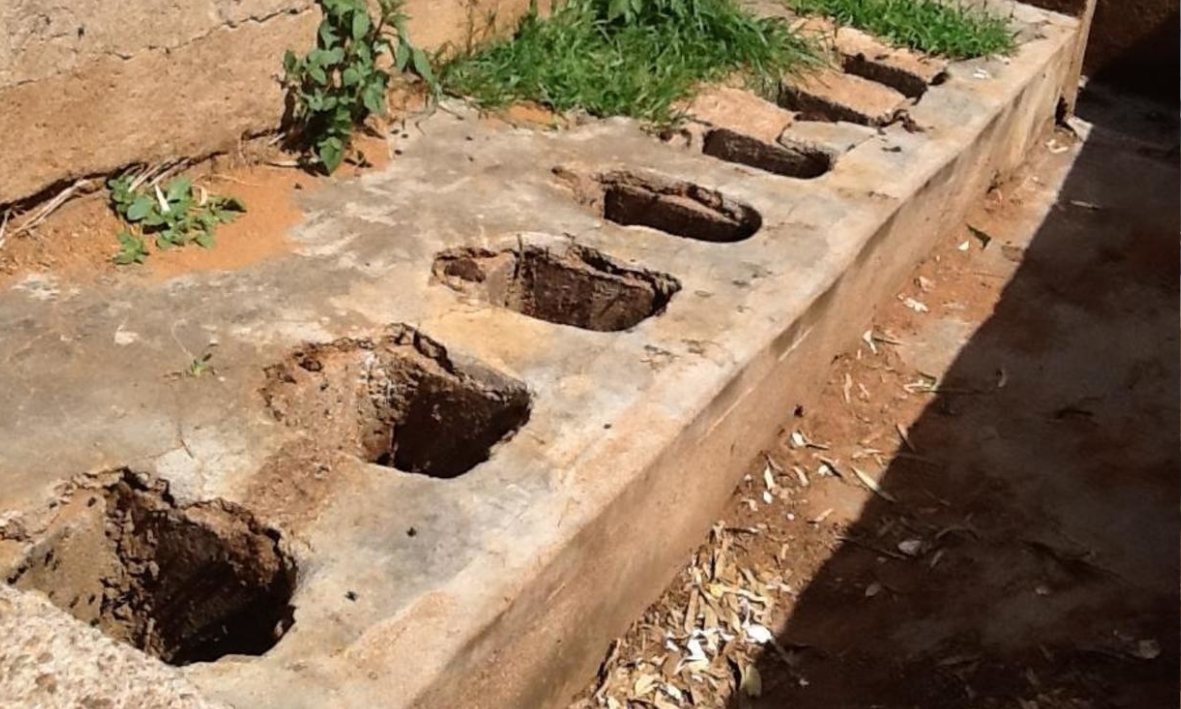
Statement by Yongama Zigebe, Councillor in the City of Johannesburg for the United Democratic Movement and Chairperson of the S79 Committee on Gender, Youth and People with Disabilities The United Democratic Movement (UDM) warned earlier this year that the Department of Basic Education’s failure to meet its 31 March 2025 pit latrine eradication deadline would have real consequences. Today, those fears have been confirmed by the shocking conditions at Jongikhaya Junior Secondary School in Lusikisiki, Eastern Cape, where teachers and learners are forced to share collapsing pit toilets. Teachers have even surrendered one of their own toilets for Grade R learners, after a child narrowly avoided falling into a crumbling pit. This is not just neglect, it is an insult to the dignity, safety, and rights of our children. In April, the UDM, now a proud participant in the Government of National Unity, expressed deep disappointment when this administration missed its own pit latrine eradication deadline. Our role in government does not silence us. On the contrary, it strengthens our responsibility to highlight failures and demand urgent corrective action. A missed target in this case is not a small bureaucratic slip; it is the extension of a public health crisis that continues to endanger children. Basic Education Minister Siviwe Gwarube claimed that 93 percent of pit toilets had been eradicated, but civil society groups such as SECTION27 raised serious concerns that this progress was being measured against an outdated 2018 audit, and that many schools with dangerous pit toilets had simply been overlooked. The situation at Jongikhaya proves that our warnings were not alarmist, they were accurate. Learners here continue to risk their lives daily because of collapsing toilets, while parents now tell their children to use the bushes instead, trading one unsafe environment for another. The Eastern Cape Department of Education has reportedly admitted that Jongikhaya is not even on the Sanitation Appropriate for Education (SAFE) programme, despite years of pleas from the school. This is a betrayal of the community and of the constitutional rights of learners. This crisis is not only about one school. It is the result of decades of poor planning, missed targets, and billions of rands underspent or misallocated, while rural schools continue to be treated as second-class. The GNU cannot repeat the mistakes of past administrations. We must be honest with the public: unless we act decisively, learners will continue to pay the price for government neglect. The UDM therefore calls on Minister Gwarube to: 1. Prioritise Jongikhaya JSS for emergency sanitation upgrades before a tragedy occurs. 2. Conduct a new, transparent national audit of all schools still using pit latrines, and make the results public. 3. Publish a clear, time-bound implementation plan to eradicate all pit toilets, with no further extensions. 4. Ringfence funds transparently for rural school infrastructure, with community oversight to prevent underspending and corruption. 5. Work with civil society and the private sector to accelerate safe sanitation projects. South Africa cannot afford another empty promise. The dignity and safety of our children must come first. Jongikhaya is not just another case, it is living proof that government’s failure to deliver on its own deadlines has left our children in danger. The UDM will continue to raise its voice within the GNU and outside of it, ensuring that the safety, dignity, and future of learners are placed above political convenience. We will not rest until every learner in South Africa has access to safe and dignified school infrastructure. Note: When Cllr Zigebe served as the Secretary General of the UDM, he championed the eradication of pit latrines as a matter of human rights and learner dignity. His presentation to Parliament in November 2023, alongside the Nguvu Collective, cemented his role as a leading voice on this issue. Today, even in his capacity as councillor, he continues to act as a spokesperson for the thousands of learners still forced to endure unsafe and undignified sanitation conditions, ensuring that this campaign remains alive in both Parliament and the public domain.

Admin
17 Sep, 2025
No Space, No Future? UDESMO says Enough!
Statement by Lucia Matomane, UDESMO Eastern Cape Provincial Chairperson The United Democratic Students’ Movement (UDESMO) in the Eastern Cape has long been outraged by the persistent crisis in higher education. For years, students have been forced to carry the burden of the government’s failure to plan, NSFAS’s chaos, and issues like universities that reward executives while neglecting learners. Each academic year brings the same broken promises, the same delays, and the same exclusion of thousands of young people who only seek the chance to study further. This year, 850,000 matriculants will sit for exams, but only half of them will find a place in universities, TVETs, or CET colleges. The rest will be left behind. Imagine working hard to pass matric, only to be told there is no space for you. That is not just bad planning, it is a betrayal of our generation. At the same time, the National Student Financial Aid Scheme (NSFAS) is collapsing under the weight of its own failures. Kimberley is the latest example, centred on Sol Plaatje University, where landlords housing more than 500 students have not been paid for over a year. Businesses are closing, jobs are being lost, and students now face the threat of eviction. This is not a “Kimberley issue,” it is a national crisis that repeats itself every year. Meanwhile, vice-chancellors and executives continue to pocket millions while students sleep in libraries, go hungry, and drop out because allowances never arrive. The inequality is staggering, and it proves that the system serves the powerful, not the students. • Now we are told that a “war room” will solve these problems. But students do not need another committee. We need urgent action. Minister Manamela’s war room must address the following issues: • Pay landlords now to stop evictions. • Expand the number of student spaces for 2026 so that no deserving learner is left behind. • Ensure safe, affordable housing by funding universities and TVET colleges to expand residences, and by holding NSFAS and accredited private providers accountable for the conditions students live in. • Stop rewarding executives with inflated salaries while students are denied basic dignity. • Think long term: expand infrastructure, build new universities and TVET colleges, and create the capacity to serve the next generation of students instead of leaving them stranded year after year. The truth is that the Department of Higher Education and Training has failed to plan for the long term. In 2026, we will see the same heartbreak as in 2025: young people arriving at campuses only to be turned away. For 30 years, successive ministers have wasted opportunities and resources, while the system remains stuck in crisis mode. Year after year, students pay the price for their inaction. We as UDESMO say: enough is enough. We will not be silent while our generation is robbed of opportunity. We will organise, we will mobilise, and we will hold government, NSFAS, and institutions accountable. Students cannot wait. Our future cannot be postponed. Inclusion now!
Admin
17 Sep, 2025
Service delivery in crisis: Merafong residents left to fend for themselves
Statement by Ndidi Gcalangobuthi, UDM Councillor in Merafong City Local Municipality The United Democratic Movement (UDM) in Merafong City notes with deep concern Merafong City Municipality’s poor governance and worsening finances that have resulted in residents enduring prolonged service disruptions. The recent case of a private individual drilling a borehole in his yard as a means of providing water after residents in Merafong have endured three weeks without, underscores a serious breakdown in the municipality’s duty to its residents. It is deeply concerning that residents are being forced to do what municipalities should. Currently, Rand Water is owed over R1.41 billion by the Merafong City Local Municipality which has resulted in an imposed 40% water restriction in the area, leaving taps dry for weeks. It can be agreed that the domino effect of chronic mismanagement has resulted in low revenue collection rates, operational losses, debt accumulation and escalating tariffs. A clear indication of municipal collapse. While these failures can be viewed as mere technicalities, residents in affected areas bear the burden of governance failures that undermine health, dignity and the right to water. Ensuring provision of basic services is municipalities’ legal obligation, yet residents are forced to bear the costs and risks of government negligence. The UDM in Merafong City further notes that this crisis is worsened by the growing culture of non-payment of rates and taxes. When people do not pay, the municipality loses vital revenue and service delivery grinds to a halt. At the same time, we cannot ignore that many families in Merafong are struggling with poverty and unemployment and simply cannot afford ever-increasing tariffs. This is why the whole system must be fair: those who are able to pay must do so, while government must create a safety net for those who genuinely cannot. Without this balance, Merafong will continue to sink deeper into collapse and ordinary residents will suffer most. We demand accountability from Merafong’s leadership and from provincial and national authorities tasked with oversight. The failure to act decisively will deepen the collapse of governance and further strip residents of their constitutional rights.
Admin
17 Sep, 2025
UDM calls for urgent action on hijacked and unsafe buildings in Joburg
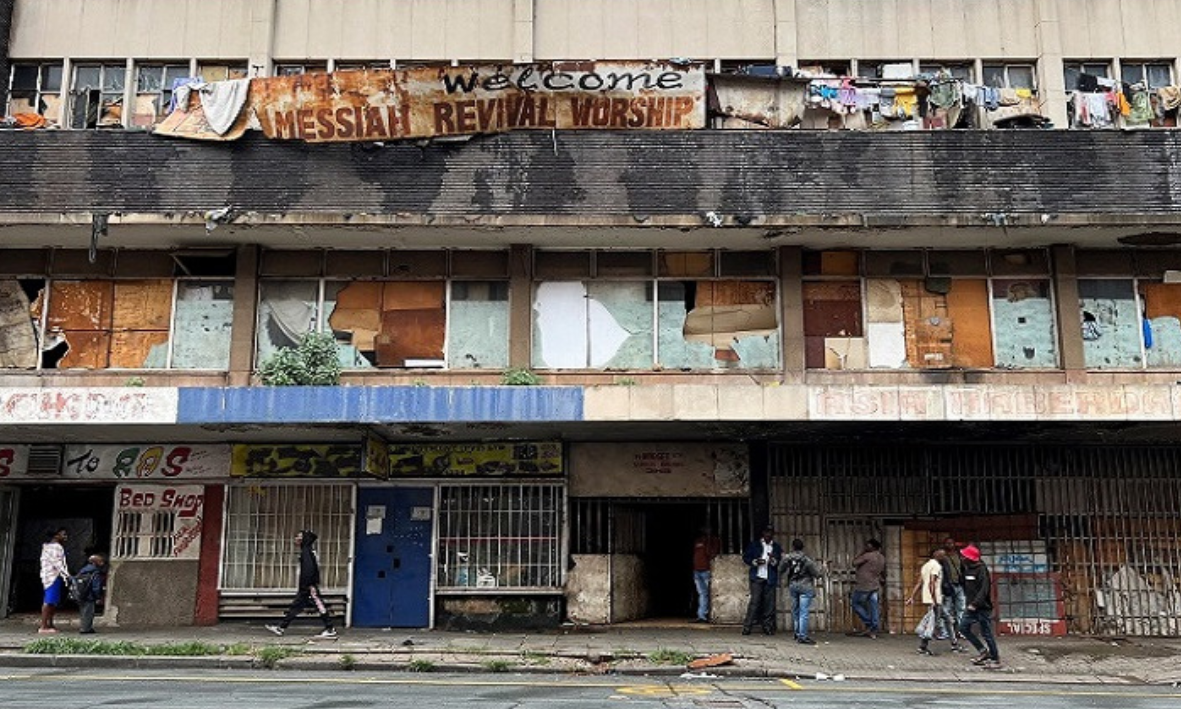
Statement by Yongama Zigebe, Councillor in the City of Johannesburg for the United Democratic Movement and Chairperson of the S79 Committee on Gender, Youth and People with Disabilities The United Democratic Movement (UDM) in the City of Johannesburg is deeply alarmed by the worsening crisis of hijacked and unsafe buildings across the city, particularly those owned by government. The tragic Usindiso fire of 2023, which claimed 77 lives, remains a painful reminder of what happens when authorities fail to act. The recent reports about families occupying the old SAPS building in Yeoville highlight the complex realities facing our city. While these buildings provide a desperate refuge for people who cannot afford formal housing, they are also unsafe and unfit for human habitation. They pose extreme risks, from fires and structural collapse to poor sanitation and crime, while placing additional pressure on already fragile municipal systems. The UDM recognises that hijacked and “dark” buildings are not simply a matter of criminality. They are a symptom of deeper failures; poverty, unemployment, and the housing shortage that continue to plague Johannesburg. The truth is that many residents occupy these spaces out of desperation, not choice. We therefore call on the City of Johannesburg to take decisive and humane action. Enforcement alone will not solve this crisis; nor can the City continue to look away while people live in death traps. What is required is a comprehensive, compassionate approach that balances public safety with social justice. The UDM in the City of Johannesburg proposes: 1. A full and transparent audit of hijacked and unsafe buildings in the city, starting with government-owned properties. We note Premier Lesufi’s commitment to a so-called “bad building strategy” and the audit of more than 200 unsafe buildings in Johannesburg. While these promises are welcome, progress has been painfully slow, and communities remain at risk. The City and Province must move beyond announcements to urgent, visible action. 2. An emergency plan to relocate residents living in life-threatening conditions into safe, alternative accommodation. 3. Action against syndicates and officials implicated in building hijackings. 4. A sustainable housing strategy that expands affordable rental options and partners with civil society and the private sector. Johannesburg cannot afford another Usindiso tragedy. The UDM will continue to speak up for residents whose lives are being placed at risk by negligence and poor governance. The City has a duty to act, not with force alone, but with fairness, foresight, and a commitment to the dignity of all its people.
Admin
16 Sep, 2025
Safeguarding press freedom while strengthening policing
Statement by Nqabayomzi Kwankwa, MP, UDM Deputy President and Leader in Parliament The United Democratic Movement (UDM) is deeply concerned by recent incidents that expose a disturbing trend in the treatment of journalists by the South African Police Service (SAPS). Press freedom has been one of the cornerstones of our new democracy, enshrined in the Constitution to safeguard transparency, accountability and the people’s right to know. Yet, increasingly, journalists are finding themselves under siege by the very institutions mandated to protect those freedoms. The case of Cape Town journalist Sandiso Phaliso, who was assaulted, harassed, and twice unlawfully deprived of his phone while reporting in Nyanga, is a chilling reminder of how far things have fallen. Despite his press credentials, Phaliso was subjected to violence and intimidation, and to date, his equipment has not been returned. Similarly, in Johannesburg, Julia Evans of the Daily Maverick was wounded by a rubber bullet while covering community protests in Westbury. According to her account, SAPS deployed a flashbang and fired rubber bullets without prior warning, putting the lives of residents, demonstrators and journalists in danger. These incidents cannot be dismissed as isolated. They speak to a broader tendency within SAPS to abandon restraint in favour of brute force. This is particularly troubling because it undermines both public trust in policing and the constitutional guarantee of a free and independent press. It must be said clearly: a police service that bullies journalists, obstructs their work, and ignores the very policies that protect press freedom is a danger to our democracy. The protections guaranteed by Standing Orders and National Instructions are meaningless if they are not enforced in practice. At the same time, the UDM acknowledges the extreme pressures under which our police operate. South Africa is gripped by high levels of violent crime, and SAPS officers often face life-threatening situations. Their frustrations are understandable, but they cannot be allowed to spill over into indiscriminate heavy-handedness. To “shoot first and ask questions later” is to abandon discipline and professionalism, which are the bedrock of effective policing. The balance between firm crime prevention and respect for rights must never be lost. Police officers must be supported with the resources, training and leadership needed to combat crime decisively, but also guided to uphold constitutional values in the execution of their duties. Journalists are not enemies of the police – they are allies of the public in shining a light on injustice and holding everyone, including criminals and government, accountable. When SAPS upholds this balance, it strengthens trust and legitimacy. The UDM therefore calls on the Minister of Police, the National Commissioner, and provincial leadership to urgently reinforce this principle: that in the fight against crime, the police must never lose sight of the Constitution and the freedoms it guarantees. To do so would be to surrender to lawlessness, rather than overcome it.
Admin
13 Sep, 2025
Justice delayed, justice denied: UDM on forensic backlogs and victims’ rights
Statement by Zandile Phiri, Acting Secretary General of the United Democratic Movement The United Democratic Movement (UDM) is deeply concerned about the ongoing forensic backlog in South Africa, which is denying victims of crime timely access to justice. A tragic example is the Lambert family in Roodepoort, whose daughter Kaayla Lambert, along with two friends, lost their lives in a drunk driving crash. Due to the severe backlog in toxicology and postmortem reports in Gauteng, the investigation into the crash has been delayed, leaving the families without closure while the suspect remains free. According to reports, the alleged drunk driver might be a Member of Parliament, which makes this case particularly important. Nationally, the backlog is compounded by over 140,000 pending DNA case entries as of May 2025, including more than 28,000 court-bound cases, many of which involve gender-based violence, femicide, and other violent crimes. These delays prevent timely prosecutions and undermine public confidence in the justice system. Crime in South Africa is out of control, with violent crime, drunk driving fatalities, and other criminal acts devastating families and communities. Every delay in processing forensic evidence and DNA analyses emboldens criminals and leaves ordinary South Africans exposed and unprotected. The justice system’s slow response sends a dangerous signal that perpetrators can act with impunity. The human cost of these delays is immense. Families endure prolonged trauma while perpetrators evade accountability, eroding trust in law enforcement and the courts. The Lambert case illustrates the tragic consequences of systemic failures, highlighting the urgent need for the government to act. The UDM calls on the national government to: • Rapidly increase staffing, equipment, and operational capacity at all forensic laboratories, including toxicology and DNA units. • Complete and operationalise pending forensic infrastructure, such as the KwaZulu-Natal facility. • Prioritise court-bound cases, especially those involving violent crime, gender-based violence, and femicide. • Strengthen coordination between SAPS, the NPA, and courts to ensure timely prosecutions. Justice delayed is justice denied. The UDM urges government to act decisively so that all South Africans, particularly victims of crime, can trust that the law protects them and that perpetrators are held accountable.
Admin
13 Sep, 2025
Stop the loss: ensuring safe school transport in KwaZulu-Natal
Statement by Remington Mazibuko, Councillor in the Inkosi Mtubatuba Local Municipality and UDM KwaZulu-Natal Provincial Chairperson The United Democratic Movement in KwaZulu-Natal is deeply saddened by the tragic news of the fatal taxi accident in Imbali Unit 18, which claimed the lives of five young learners and left several others injured. Our hearts go out to the families, classmates, teachers, and communities affected by this devastating incident. This tragedy underscores the urgent need for stricter oversight, regulation, and enforcement of learner transport services across our province. Children entrusted to the care of transport operators must be guaranteed safe passage to and from school. The repeated occurrence of learner transport accidents in KwaZulu-Natal, including this being the second incident in a week, signals a systemic failure in both road safety enforcement and transport management. The UDM in KwaZulu-Natal calls for immediate interventions, including: • Comprehensive inspections of all school transport vehicles to ensure roadworthiness and compliance with safety standards. • Accountability measures for transport operators who fail to meet legal and safety requirements. • Implementation of robust safety protocols and driver training programs for those responsible for transporting learners. • Enhanced coordination between the Department of Education, Department of Transport, law enforcement agencies, and local authorities to prevent future tragedies. The safety of our scholars is non-negotiable. The UDM in KwaZulu-Natal urges all relevant authorities to act decisively and to make the protection of learners a top priority, so that no parent, guardian, or community has to endure such heartbreak again. We express our deepest condolences to the families, friends, and classmates of the learners who tragically lost their lives in the Imbali Unit 18 accident. We share in the grief and anguish of the affected communities during this incredibly difficult time. We also wish a full and speedy recovery to all those who were injured, and we call on authorities to ensure that they receive the necessary medical care, counselling, and support.
Admin
13 Sep, 2025
Violence against law enforcement in Valhalla Park a symptom of broken trust in policing
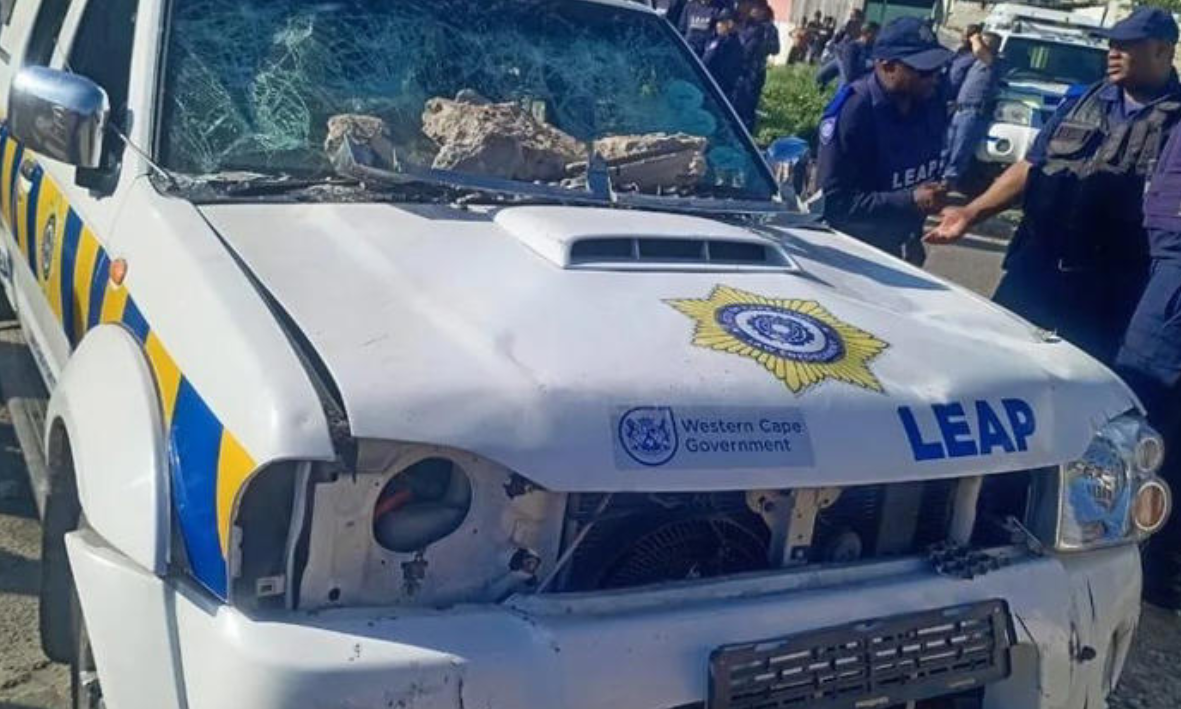
Statement by Bongani Maqungwana, UDM Councillor in the City of Cape Town The United Democratic Movement (UDM) in the City of Cape Town condemns in the strongest terms the recent attack on City of Cape Town Law Enforcement Advancement Plan (LEAP) officers in Valhalla Park, Cape Town. This happened after officers deployed to Valhalla Park as part of an ongoing operation responded to the sound of gunshots at approximately 3:26pm on Friday, 12 September 2025. While approaching the scene, they apparently encountered a suspect running with a firearm who allegedly pointed it at their vehicle. We understand that the driver lost control, colliding with a wall and injuring three people in the process. However, no amount of community anger or frustration can justify violence, the stoning of officers, or the destruction of public property. Such acts place lives at risk, undermine the rule of law, and rob residents of much-needed safety resources. At the same time, the UDM in the City of Cape Town recognises that these violent incidents do not happen in a vacuum. Communities like Valhalla Park are trapped in the grip of crime, gangsterism, and drug abuse, while the South African Police Service (SAPS) continues to fail in its constitutional duty to provide safety and security. Years of under resourcing, corruption, slow response times, and neglect have left residents vulnerable and frustrated, eroding trust between citizens and law enforcement. When communities feel abandoned to crime, they sometimes turn their anger against the very officers who should protect them. This is a dangerous cycle that must urgently be broken. The UDM in the City of Cape Town therefore calls for: • A strengthened and better resourced SAPS that can effectively combat crime and gangs in vulnerable communities like Valhalla Park. • A genuine rebuilding of trust between communities and law enforcement through visible policing, accountability, and properly functioning community policing forums. • An urgent national review of policing capacity in high crime areas, including Cape Town, to ensure that communities are not left to fend for themselves. The UDM in the City of Cape Town further urges communities to channel their anger through peaceful and organised engagement rather than violence. Law enforcement officers are also mothers, fathers, sons, and daughters who deserve to return safely to their families after serving the public. South Africans want safety, justice, and dignity. For this to happen, policing must be transformed into a service that people trust and respect, and communities must play their part in building safer neighbourhoods without resorting to violence.

Admin
13 Sep, 2025
Fair access, safer roads: UDM on e-hailing regulation
Statement by Yongama Zigebe, Councillor in the City of Johannesburg for the United Democratic Movement and Chairperson of the S79 Committee on Gender, Youth and People with Disabilities The United Democratic Movement (UDM) in the City of Johannesburg welcomes the gazetting of the National Land Transport Amendment Act and its regulations, which now officially recognise e-hailing as a legitimate mode of transport in South Africa. This long overdue development provides clarity, protection, and structure for both commuters and drivers, ensuring safety and accountability in a sector that has for too long operated in a legal grey area. However, this move comes in the wake of painful tragedies. Recently, the gruesome killing of e-hailing driver Mthokozisi Mvelase at Maponya Mall shocked the nation. This is not an isolated incident other drivers and commuters have fallen victim to violence, intimidation, and crime linked to the previously unregulated state of the industry. The UDM in the City of Johannesburg maintains that legislation must be matched by effective enforcement on the ground to restore confidence and protect lives. While we welcome the formal recognition of e-hailing in South Africa, the industry is currently dominated by foreign nationals. This reality limits South Africans’ meaningful participation in an important sector of the economy. The UDM proposes a regulatory framework that balances opportunity and inclusivity: at least 70 percent of operating permits should be reserved for South African citizens, while 30 percent may be allocated to documented migrants. This approach ensures that locals can access jobs and economic empowerment while maintaining space for legally residing foreigners to contribute. The UDM in the City of Johannesburg will, therefore, continue to advocate for stricter regulation of such industries to ensure that job opportunities, particularly in the transport sector, are reserved for South Africans. We call on law enforcement agencies, the Department of Transport, and local government to work with urgency to implement the provisions of the Act. Panic buttons, proper operating licenses, visible branding of vehicles, and rigorous compliance checks must be enforced without delay. The UDM in the City of Johannesburg stands firmly with e-hailing drivers and commuters, committed to building a safer, fairer, and more dignified public transport system that prioritises the interests of South Africans.
Admin
12 Sep, 2025
Water crisis in South Africa: a call for accountability and sustainable solutions
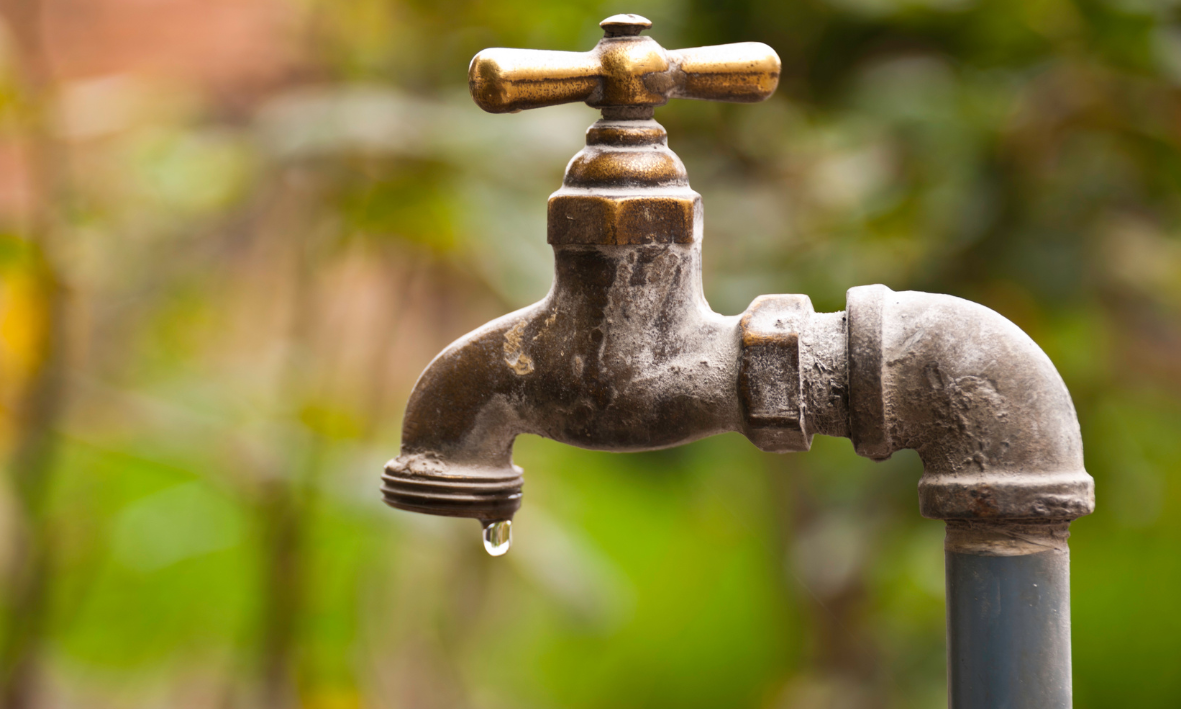
Statement by Zandile Phiri, Acting Secretary General of the United Democratic Movement The United Democratic Movement (UDM) notes with alarm Deputy President Paul Mashatile’s revelation that as of June 2025, municipalities collectively owe South Africa’s water boards R25.1 billion. This staggering debt is not a new phenomenon. It reflects long-standing financial mismanagement and poses a severe threat to the equitable provision of water services for millions of households. Water is a scarce and precious resource in South Africa. Yet instead of building capacity to deliver this essential service, many municipalities remain trapped in cycles of arrears, infrastructure decay, and disputes. These failures compromise both urban and rural communities and demonstrate a persistent breakdown in governance. The UDM cautions government against treating this crisis as merely a matter of debt collection. Punitive measures, such as slicing municipal budgets, may provide temporary relief for water boards but will ultimately deepen dysfunction in local government and compromise the delivery of water and sanitation services. Adding to the urgency, water boards themselves have faced severe dysfunctionality for years, driven by instability in leadership, poor governance, and weak oversight. Without stable boards, effective CEOs, and proper institutional controls, service delivery, financial management, and strategic planning remain compromised. The UDM believes that a sustainable solution requires that household water supply becomes a reality for every family, with local government fully supported and capacitated by national government. Infrastructure renewal and maintenance must be prioritised to address aging systems, avoidable losses, contamination, and service breakdowns. Clear national standards for water treatment and sanitation must be enforced to safeguard public health. A universal system of water charges, including a Basic Service Subsidy, must ensure access for indigent and poor households, with fair and transparent revenue collection ring-fenced for service provision. Capacity-building and skills transfer from national to local government are essential to ensure municipalities can meet their constitutional obligations. The UDM calls for a comprehensive stabilisation plan for water governance that balances financial accountability with capacity-building. Municipalities that deliberately withhold payments despite collecting revenue must face consequences. Equally, national government has a duty to strengthen the systems, skills, and infrastructure required for sustainable water delivery. The urgency of this crisis is visible in communities across the country. In Gauteng, families in Coronationville, Westbury, and Ivory Park, Tembisa, have clashed with police over dry taps. In the Eastern Cape, residents of Qunu have been forced to draw water from untreated rivers, exposing themselves to deadly waterborne diseases, a situation compounded by allegations that the town has had no proper running water since 2014. These incidents are not isolated; they are symptomatic of systemic collapse in water governance. Communities should not have to protest, blockade highways, or drink unsafe water to access a basic constitutional right. Water is a right, not a privilege. South Africans cannot be made to suffer for the failures of governance. The time for government to stop papering over the cracks and to decisively address the root causes of municipal dysfunction is long overdue.