Admin

11 Feb, 2026
Johannesburg water crisis exposes a city run without foresight
Statement by Yongama Zigebe, Councillor in the City of Johannesburg for the United Democratic Movement and Chairperson of the S79 Committee on Gender, Youth and People with Disabilities The United Democratic Movement (UDM) in the City Johannesburg notes with grave concern the protest by residents in Parktown West following more than twenty days without water. When a historically well-resourced suburb such as Parktown is forced into open protest over basic services, it signals not an isolated disruption but a systemic failure across the City of Johannesburg. If residents in Parktown are now pushed to the brink, one must pause and ask how communities in Alexandra, Soweto, Orange Farm, Eldorado Park, Riverlea and other working-class areas are coping. Many of these communities have endured intermittent supply, pressure reductions and prolonged outages for years. They do not have the financial cushion to hire private tankers, install storage systems, or absorb inflated municipal bills. For poorer residents, a water outage is not an inconvenience. It is a daily assault on dignity, health and survival. The crisis unfolding in Parktown is therefore not about geography. It is about governance. Johannesburg’s water challenges are rooted in years of inadequate planning, delayed infrastructure maintenance and reactive management instead of strategic investment. Our reservoirs and reticulation networks are aging; this is not breaking news. Demand has grown with urban expansion. Preventative maintenance has been deferred. Communication with residents remains inconsistent and often opaque. Instead of long-term infrastructure renewal and capacity planning, the city has relied on pressure management and emergency measures that treat symptoms while the underlying system continues to weaken. Water is not a luxury service. It is a constitutional right and the foundation of public health, economic activity and human dignity. When supply collapses for weeks in one part of the city, the ripple effects are felt across households, schools, clinics and businesses. When communication fails, trust collapses alongside it. The UDM in the City Johannesburg calls on the City council and management to present a transparent, citywide water recovery plan with clear timelines, infrastructure investment commitments and measurable targets. Residents deserve honest explanations, not shifting blame between entities. The City must strengthen coordination with bulk suppliers, accelerate infrastructure upgrades, address leak management aggressively and ensure equitable distribution across all regions. The current situation reflects a failure of foresight. A city of Johannesburg’s size and economic significance cannot operate on crisis mode governance. Proper planning, disciplined maintenance schedules and capital investment are not optional. They are the minimum requirements of responsible administration. Parktown’s protest should serve as a wakeup call. If communities across the socioeconomic spectrum are now united by water insecurity, then the problem is not localised. It is structural. Johannesburg must choose between continued decline through neglect or renewal through decisive leadership. The UDM in the City Johannesburg stands firmly for the latter.

Admin
11 Feb, 2026
FMD is not a photo opportunity: farmers need solutions, not political point-scoring
Statement by Zandile Phiri, Acting Secretary General of the United Democratic Movement The United Democratic Movement (UDM) condemns the emerging political row over who deserves credit for South Africa’s renewed local production of the Foot and Mouth Disease vaccine. At a time when thousands of farmers are facing income collapse, livestock losses and prolonged movement bans, it is deeply inappropriate for political parties to reduce a national agricultural crisis to a contest over headlines. This outbreak is not about party branding. It is about farmers who have been unable to sell cattle for months. It is about rural families who cannot pay school fees. It is about auction houses losing jobs. It is about rising beef and milk prices affecting ordinary households. It is about cultural and economic systems in rural communities being placed under severe strain. It is also, critically, about smaller and communal farmers who simply cannot absorb the financial shock while political point scoring continues. Unlike large commercial operations, small scale farmers do not have reserves to cushion prolonged movement bans. When cattle cannot be sold, income stops immediately. There is no fallback. There is no diversification. For many households, livestock is the only reliable asset. Every week of delay deepens debt, weakens herds and pushes families closer to crisis. The production of locally manufactured vaccines after more than two decades is a positive development. It should be welcomed. However, the question South Africans are asking is not who stands in front of the cameras. The question is why the country allowed itself to become so dependent on external supply for over 20 years. Why were biosecurity weaknesses not addressed earlier. Why was vaccine manufacturing capacity not rebuilt proactively. Why was this level of outbreak not anticipated and prevented through stronger surveillance, traceability and veterinary capacity. These are governance questions, not partisan ones. South Africa has experienced previous outbreaks in 2000 and 2010. The risks associated with cross border movement, buffalo reservoirs and livestock traceability have long been known. The scale of the current crisis suggests that systemic vulnerabilities were allowed to persist. Political energy would be better directed toward correcting those structural weaknesses rather than arguing over retrospective credit. The UDM calls for the following urgent measures: 1. Full transparency on vaccine production volumes and distribution timelines. 2. A clear national vaccination rollout plan with measurable targets. 3. Stronger enforcement of livestock movement controls, supported by community engagement rather than coercion alone. 4. Inclusion of private veterinarians and agricultural bodies to accelerate implementation where capacity is stretched. 5. Clear communication channels for farmers so that misinformation and uncertainty do not undermine compliance. 6. Consideration of temporary financial relief mechanisms for severely affected small scale and communal farmers. This crisis requires unity of purpose. It requires coordination between national and provincial governments. It requires collaboration with organised agriculture, communal farmers and traditional leaders. It requires urgency. Farmers do not care which party claims a breakthrough. Smaller farmers in particular cannot take the financial hit while this situation drags on. They care whether vaccines reach their herds in time. They care whether auctions reopen. They care whether their livelihoods survive. The UDM urges all political actors to lower the temperature of partisan conflict and focus on delivery. The fight against Foot and Mouth Disease must be guided by competence, transparency and speed, not political theatre. In a Government of National Unity, political sensitivity should compel all partners to prioritise collective responsibility and delivery over partisan credit, especially in moments of national crisis affecting livelihoods and food security. South Africa’s agricultural stability and rural economy depend on it.

Admin
09 Feb, 2026
The perennial crisis of degrees without beds
Statement by Zandile Phiri, Acting Secretary General of the United Democratic Movement Recent scenes of students arriving at Cape Peninsula University of Technology (CPUT) and sleeping outside campus in the hope of securing a bed are a stark reminder that South Africa’s student accommodation crisis is not new. It is perennial, systemic, and worsening. Reports from the start of the 2026 academic year show that hundreds of students were left waiting without confirmed residence placements, highlighting a failure of planning, policy and delivery at every level of our higher education system. The National Student Financial Aid Scheme (NSFAS) has noted that it does not run university residences and that the responsibility for placing students in housing lies with institutions themselves. NSFAS also pointed out that some accommodation providers accepted students without confirming the finalisation of their funding, adding complexity to an already fraught process. These statements, while factually accurate, expose a cycle in which no single actor takes full responsibility, yet the consequences fall squarely on students. The United Democratic Movement (UDM) notes that this crisis persists year after year for reasons that straight reporting can only begin to explain: • Under-investment in public accommodation has left universities unable to match the rapid growth in student enrolment. Many institutions simply lack enough beds for even a fraction of students who need them. • NSFAS funding allocations, caps and timelines remain misaligned with real accommodation costs and academic calendars. Students arrive before their allowances are paid and before accommodation placements are finalised, often with no interim support. • Private accommodation markets have expanded in the absence of sufficient public options, but high rents and safety concerns mean that private housing is out of reach for many students and is not a true substitute for university-linked residences, • Coordination failures between NSFAS, universities and private providers create bottlenecks in accreditation, payment and placement decisions. Each year the same breakdowns occur because systemic coordination has never been fixed. The result is predictable i.e. students arrive with hope and ambition, only to find themselves without a safe place to sleep, study or rest. This is not about isolated mishaps at a single campus. It is about a policy vacuum where capacity, planning and student welfare are treated as secondary to enrolment figures. The perennial nature of this crisis speaks to leadership failure across the sector. The UDM urges that: 1. Government and NSFAS immediately align funding timelines with academic calendars and accommodation market realities. 2. Institutions adopt transparent placement criteria, backed by interim housing solutions for students still waiting for beds. 3. Long-term investment in public student housing must be prioritised, especially for TVET and CET students who are too often excluded from structured accommodation support. 4. Private accreditation and regulation must be strengthened so that student experience is protected and affordable. Students should never have to sleep outside campus to pursue their education, yet here we are, again. It is time for real, lasting solutions.

Admin
09 Feb, 2026
More electricity tariff hikes, same failures
Statement by Zandile Phiri, Acting Secretary General of the United Democratic Movement The United Democratic Movement (UDM) notes the recent decision arising from the re determination of Eskom’s electricity tariffs, following a court ordered correction of regulatory calculations, which will result in further increases in electricity prices over the next two financial years. South Africans are once again being asked to pay more for electricity not because the system has improved, but because years of poor management, governance failures, and operational decay at Eskom continue to be shifted onto the public. The approval of further tariff increases confirms a painful truth. Ordinary households, small businesses, and municipalities are paying for Eskom’s mistakes. Cost overruns, delayed maintenance, mismanaged capital projects, and leadership instability have not been absorbed by Eskom as an institution, but are repeatedly recovered through higher tariffs, turning mismanagement into a permanent burden on the people. While Eskom and regulators point to technical processes and financial corrections, the lived reality is simple. Electricity is becoming more expensive without becoming more reliable, eroding public trust and undermining the social contract that underpins any functional public utility. At the same time, the UDM is clear that the growing culture of non-payment of electricity bills cannot be ignored or excused. Non-payment deepens Eskom’s financial crisis, destabilises municipalities, and shifts greater costs onto compliant consumers. A sustainable electricity system requires both competent governance at Eskom and responsible conduct by consumers. Non-payment is often a symptom of deeper failures, including unaffordable tariffs, collapsing municipal billing systems, unemployment, and the erosion of trust caused by load shedding and poor service delivery. Addressing non-payment therefore requires more than enforcement alone. It requires credible billing, protection for indigent households, and restored confidence that payment leads to reliable and fair service. Regarding the court ruling, it must be stated honestly that the judgment did not endorse Eskom’s performance or absolve it of failure. The court found that the National Energy Regulator of South Africa erred in its earlier regulatory calculations and directed a lawful re determination. This was a legal correction, not a validation of Eskom’s governance record. The UDM is further concerned that these tariff increases arise from fundamental regulatory error. When regulators fail, the consequences are not technical. They are felt directly by households and businesses through higher prices. This undermines confidence in regulation and reinforces the perception that the public is routinely asked to absorb the cost of institutional failure. The court ruling does not change the underlying reality. South Africans are paying today for failures that should have been prevented years ago. Regulatory processes may smooth tariffs, but they cannot erase the damage caused by mismanagement, weak accountability, and delayed reform. The UDM maintains that meaningful relief will only come when failure carries consequences. Eskom cannot be allowed to operate in a system where mistakes are socialised while accountability is endlessly deferred. Consumers must not be treated as the insurer of last resort. South Africa needs a power utility that is competently managed, transparently governed, and accountable, alongside a payment culture that is fair, realistic, and rooted in trust. Without both, tariff increases will continue and public anger will deepen. The UDM will continue to press for accountability at Eskom, stronger regulatory oversight, protection for vulnerable households, and decisive action to restore a fair and functional electricity system. The people cannot be asked to pay indefinitely for failures they did not cause.

Admin
09 Feb, 2026
The slow collapse: banal corruption and state failure
Statement by Zandile Phiri, Acting Secretary General of the United Democratic Movement Recent reports of queue jumping and the exploitation of desperate citizens at offices of the Department of Home Affairs expose a form of corruption that is often ignored precisely because it appears small, routine, and ordinary. This is not grand corruption involving dramatic scandals or massive sums of money. It is banal corruption: the everyday abuse of a malfunctioning system, where inefficiency becomes profitable and desperation is quietly monetised. When access to identity documents, birth certificates, or civic registration depends on who can pay a small bribe or find a “fixer”, corruption has been normalised. This is not a new phenomenon, but one that has steadily worsened over time, nor is it confined to the Department of Home Affairs alone. If grand corruption is a robbery, banal corruption is termites in the walls. By the time the building collapses, everyone swears they did not notice the damage. Yet it is this slow, continuous erosion that weakens the state long before any spectacular collapse occurs. Banal corruption leaves a trail that South Africans know all too well. It is visible in roads that crumble months after being “rehabilitated”; in water and sanitation projects that consume millions yet never quite reach completion; in wastewater plants that repeatedly fail compliance without consequence. It is seen in clinics without medicine, ambulances without fuel, schools without textbooks, and housing projects that stall while contractors are paid. It is present in municipalities that cannot produce basic records, where audit findings are repeated year after year, and where failure carries no personal cost. At Home Affairs, banal corruption feeds on long queues, broken appointment systems, understaffed offices, weak supervision, and the absence of visible accountability. Informal queue-jumpers and fixers thrive not because the system is complex, but because dysfunction is tolerated and allowed to become a business model. The greatest victims of banal corruption are the poor and vulnerable. Those seeking documents for grants, school registration, employment, or healthcare are exploited precisely because they cannot afford to wait indefinitely or return repeatedly. What should be a basic constitutional right becomes a daily humiliation. Banal corruption can be defeated, but only if government confronts it deliberately and consistently. This requires fixing the conditions that allow it to exist by restoring functional systems, predictable turnaround times, and orderly queues that cannot be manipulated or sold. It requires visible management at frontline offices, clear service standards, and strict supervision of high-risk points of service delivery. Most importantly, it requires real and visible consequences. Officials who enable, ignore, or benefit from petty corruption must face swift disciplinary action. Quiet transfers and internal reshuffles are not accountability. Consequence management must be public, consistent, and unavoidable. Government must also draw a firm line between politics and administration. Political interference in queues, procurement, staffing, or service prioritisation is a major driver of banal corruption and must end. A professional, protected public service is essential if integrity is to be restored. Whistleblowers and ordinary citizens must be protected and empowered. Reporting corruption must be safe, simple, and worthwhile. Silence thrives where people believe nothing will change and retaliation is guaranteed. The UDM cautions that focusing only on headline corruption scandals while ignoring these everyday abuses is a serious error. Banal corruption is the seedbed of larger corruption. It normalises dishonesty, erodes discipline in the public service, and teaches citizens that the state only works for those who can pay. A state does not collapse overnight. It collapses quietly, one compromised queue, one incomplete project, one normalised injustice at a time. Confronting banal corruption is therefore not optional. It is essential to restoring trust, dignity, and the rule of law.

Admin
09 Feb, 2026
From forecast to failure: South Africa’s disaster readiness crisis
Statement by Zandile Phiri, Acting Secretary General of the United Democratic Movement In light of the recent Orange Level 5 severe thunderstorm warnings issued by the South African Weather Service for parts of KwaZulu-Natal, together with flooding alerts affecting the Eastern Cape and other regions, the United Democratic Movement (UDM) expresses serious concern about South Africa’s preparedness and resilience in the face of increasingly frequent and severe weather events. These impact-based warnings make clear that climate-related risks are no longer isolated incidents but structural threats that demand a capable and coordinated response from the state. South Africa is experiencing more intense rainfall, flooding, heatwaves, droughts, and storms that place lives, livelihoods, and infrastructure at risk. While adverse weather cannot be prevented, its consequences can and must be mitigated through proper planning, infrastructure maintenance, and competent governance. The UDM is deeply concerned that many municipalities remain dangerously ill-prepared for extreme weather. Inadequate stormwater systems, neglected roads and bridges, failing electricity infrastructure, and unsafe human settlements continue to turn foreseeable weather events into humanitarian crises. When drains are blocked, rivers unmanaged, and informal settlements located in flood-prone areas, it is ordinary communities who suffer the most. Disaster management in South Africa remains largely reactive rather than preventative. Early warnings are routinely issued, yet they are too often treated as communications exercises instead of operational triggers. Municipalities fail to clear stormwater systems, secure vulnerable infrastructure, prepare emergency shelters, or position response teams despite clear forecasts. When damage and loss of life follow, these outcomes are framed as unforeseen disasters rather than the predictable result of ignored warnings and poor planning. The UDM reiterates that climate change is no longer an abstract debate. It is a lived reality for millions of South Africans, particularly the poor and working class, who are most exposed to floods, droughts, food insecurity, and infrastructure collapse. Climate adaptation and resilience must therefore be embedded into national, provincial, and municipal planning, budgeting, and infrastructure development. South Africa’s growing vulnerability to extreme weather is not the result of limited capacity. It is the consequence of leadership failure. The country has the technical knowledge, policy frameworks, and resources to manage climate-related risks, yet communities continue to suffer because political will is absent, municipalities are allowed to decay, and infrastructure is neglected without consequence. The UDM rejects the normalisation of disaster under these conditions. When credible early warnings exist, loss of life and widespread damage cannot be blamed on nature alone. They reflect failures of governance, planning, and accountability. The state has a constitutional duty to protect communities from foreseeable harm, and repeated failure to translate warnings into preventative action represents a serious breach of that duty.
Admin
19 Jan, 2026
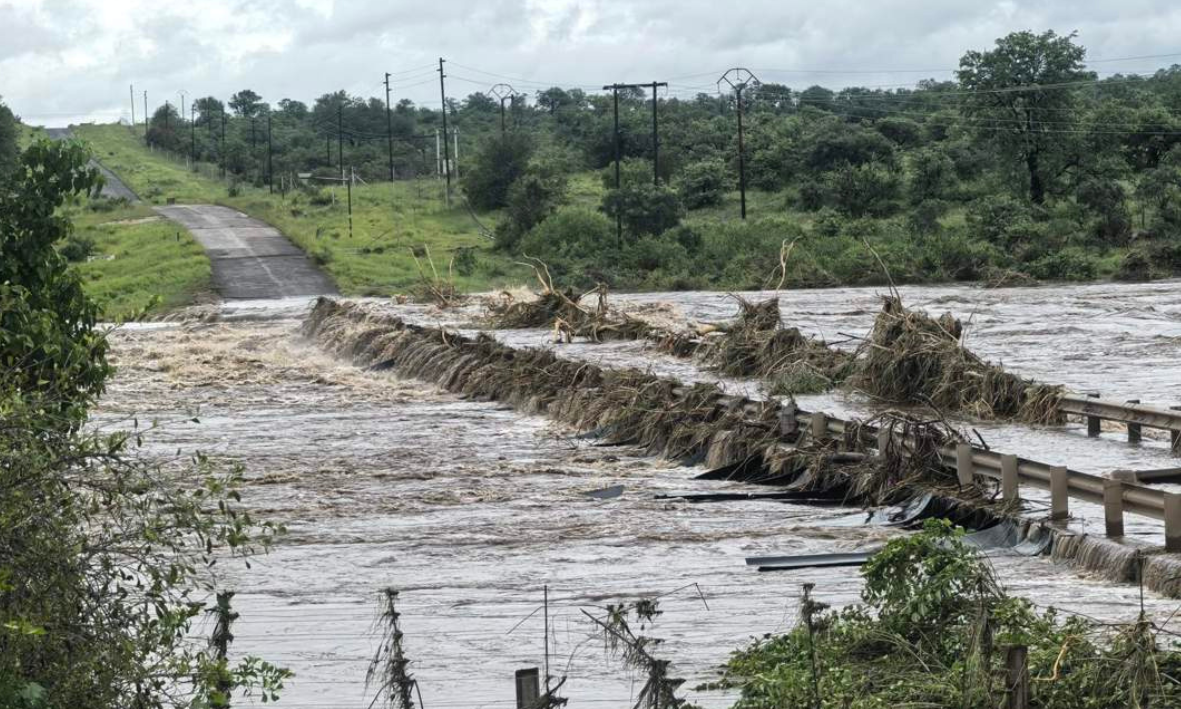
UDM calls for decisive government action as Limpopo flood death toll rises
Statement by Zandile Phiri, Acting Secretary General of the United Democratic Movement The United Democratic Movement (UDM) expresses its deepest condolences to the families and communities affected by the devastating floods that have struck Limpopo Province, particularly in the Mopani and Vhembe Districts. The tragic loss of at least 17 lives is a painful reminder of the human cost of extreme weather events and the vulnerability of many of our communities. We extend our heartfelt sympathy to all families who have lost loved ones, homes, and livelihoods. Many residents have been displaced, critical infrastructure has been damaged, and access to basic services has been disrupted. These floods have left communities traumatised and in urgent need of assistance. While the UDM acknowledges the efforts of emergency services, disaster management teams, and humanitarian organisations currently on the ground, we stress that disaster response must be swift, coordinated, and adequately resourced. Government at all levels must ensure that affected families receive immediate relief, including shelter, food, medical care, and psychosocial support. The UDM further calls on national and provincial authorities to prioritise long term disaster preparedness and climate resilience. Flooding is no longer an exceptional occurrence but an increasingly frequent reality. This demands serious investment in stormwater infrastructure, early warning systems, maintenance of riverbanks and bridges, and proper spatial planning that protects communities from preventable harm. As a member of the Government of National Unity, the UDM urges all spheres of government to work together without delay to ensure that relief efforts are effective and transparent, and that reconstruction places the dignity and safety of affected communities at the centre of recovery plans. We also urge residents to heed official warnings and avoid crossing flooded rivers and roads, as conditions remain dangerous. Saving lives must remain the foremost priority. We will continue to monitor the situation closely and will hold government accountable to ensure that no community is abandoned in the aftermath of this disaster.
Admin
19 Jan, 2026
32 years of neglect: South Africa’s water crisis is manufactured
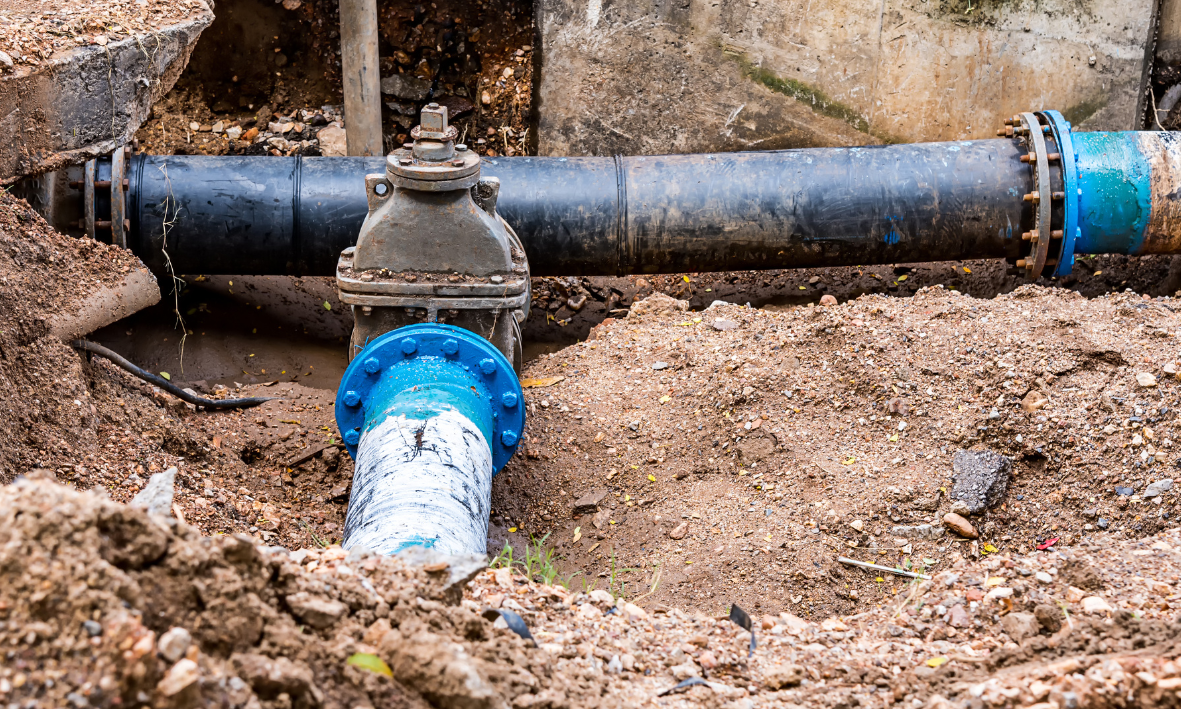
Statement by Zandile Phiri, Acting Secretary General of the United Democratic Movement South Africa is staring down a water emergency that has been decades in the making. The warnings now coming from within government itself confirm what communities have lived with for years: collapsing infrastructure, chronic leaks, failing storage systems, and a state that no longer plans for the future. The Director General of the Department of Water and Sanitation, Sean Phillips, has made it clear that the country’s water problems are deep, structural, and cannot be fixed quickly. This is not a sudden crisis. It is the predictable outcome of 32 years of neglect, mismanagement, and failure to invest in basic infrastructure. Gauteng residents are now being told to cut water consumption by as much as 40 percent, not because South Africa has run out of water, but because municipalities lack storage, lose vast volumes through leaking pipes, and fail to collect revenue. This is an indictment of governance. Households are being asked to sacrifice while billions of litres are lost every year through decaying infrastructure that was never maintained. The situation in Johannesburg is especially alarming. Despite having a technically sound water and sanitation turnaround plan, the City is unable to implement it because of severe financial distress. Contractors are not paid. Projects are abandoned. Funds generated by water services are diverted to cover other municipal pressures, despite National Treasury requirements to ring fence this revenue. This is not a lack of ideas. It is a collapse of discipline, accountability, and political will. The reality is that municipalities across the country are trapped in a vicious downward spiral. High levels of non-revenue water mean less income. Less income means poor maintenance. Poor maintenance leads to further infrastructure failure and even greater water losses. Communities pay the price through outages, rationing, and unsafe supply. Long term relief will only come when major supply projects are completed, but even here the story is one of delay and corruption. Strategic water projects that should have been completed years ago are now only expected late in the decade. South Africans are being asked to endure restrictions today because planning failed yesterday. What is emerging in Gauteng is already visible in other metros, including eThekwini, where leaks, limited storage, flooding damage, and excessive consumption mirror the same warning signs. Regions such as Nelson Mandela Bay and Knysna are facing drought conditions that place millions at risk. This is a national crisis, not an isolated municipal problem. Water has now replaced electricity as the main constraint on economic activity and daily life. Without reliable water, clinics cannot function, schools cannot operate, businesses cannot grow, and human dignity is stripped away. South Africa does not suffer from a lack of expertise. It suffers from a lack of consequence. The UDM has consistently warned that infrastructure cannot be wished into existence through speeches and plans that are never implemented. Maintenance, storage expansion, leak reduction, and disciplined financial management must happen together. Anything less is failure. The time for excuses has passed. South Africa needs urgent, coordinated action to protect water as a strategic national resource. The cost of continued failure will be paid not in reports, but in lost livelihoods, deepening inequality, and growing social instability.
Admin
12 Jan, 2026
Honouring the class of 2025 while confronting the truth about our schools
Statement by Zandile Phiri, Acting Secretary General of the United Democratic Movement The United Democratic Movement (UDM) extends its sincere congratulations to the Class of 2025 on the release of the National Senior Certificate results. These results represent more than academic outcomes. They reflect perseverance, sacrifice, and resilience by learners who completed their schooling journey under challenging social and economic conditions. We commend the learners who succeeded, not only for their results, but for the discipline and determination required to reach this milestone. We also recognise educators, school support staff, parents, guardians, and communities whose collective effort played a decisive role in supporting learners throughout the year. Education remains a shared national responsibility, and where communities stand together, young people are better equipped to succeed. At the same time, the UDM cautions against celebrating pass rates without confronting the deeper realities within the basic education system. While progress must be acknowledged, it must not be used to conceal persistent inequalities between schools, unsafe and dilapidated infrastructure, overcrowded classrooms, shortages of learning materials, and weak administrative oversight. These challenges continue to deny many learners an equal opportunity to realise their full potential. We are particularly concerned about learners who did not achieve the outcomes they hoped for. Their futures must not be written off or ignored. Government has a responsibility to ensure that meaningful post school pathways exist, including access to second chance programmes, skills training, TVET colleges, and community education opportunities. No young person should be abandoned at the point of disappointment. The UDM reiterates that strong matric results do not automatically translate into a healthy education system. True success will only be measured when every learner, regardless of geography or background, learns in a safe, well-resourced school and is supported by a capable and accountable state. We call on the Department of Basic Education to act decisively on the findings of investigations into systemic failures, to enforce accountability where there has been negligence, and to prioritise infrastructure, teacher support, and learner welfare as matters of urgency. Community support strengthens schools, but government must remain fully accountable for delivering quality basic education. To the Class of 2025, we say this. Be proud of your effort. Your worth is not defined by a single set of results, but by your determination to keep moving forward. The UDM remains committed to advocating for an education system that is fair, inclusive, and worthy of the aspirations of South Africa’s youth.
Admin
30 Dec, 2025
Elections 2026: Bantu Holomisa's message
LISTEN TO BANTU HOLOMISA IN NGUNI AND ENGLISH As we enter the 2026 Local Government Elections, the United Democratic Movement is hitting the ground running. Our mission is clear and uncompromising: to restore clean governance, champion ethical leadership, and ensure that service delivery becomes a lived reality and not merely a promise. Our communities deserve municipalities that are functional, financially responsible, and accountable to the people they serve. For too long, corruption, mismanagement, and political interference have crippled local development. The United Democratic Movement stands ready to break that cycle. In 2026, we step forward with renewed energy and purpose. We will work with integrity, manage public funds responsibly, and prioritise water, sanitation, infrastructure, safety, and economic opportunities for youth and small businesses. This election is not only about voting, it is about reclaiming municipalities for the people. Let us move together toward municipalities that work. Where councillors serve rather than enrich themselves. Where communities have a voice. Where hope is rebuilt, street by street, ward by ward. 2026 is the year for accountability. The year for service. The year for change. Vote United Democratic Movement. A leadership you can trust.

Admin
10 Nov, 2025
From job offer to captivity: how human traffickers prey on South Africa’s desperate
Statement by Zandile Phiri, Acting Secretary General of the United Democratic Movement Human trafficking in South Africa has become a national emergency hiding in plain sight. It is destroying lives through sexual exploitation, forced labour, and debt bondage, and it thrives on poverty, desperation, and the failures of the state to coordinate an effective response. Recent reports have exposed the scale of this crisis. Three young women from Botswana were rescued at OR Tambo International Airport after being lured through social media with false promises of lucrative jobs in Sierra Leone. A 22-year-old woman from Bonteheuwel was tricked into travelling to Thailand, later trafficked to Cambodia, and forced into work after her passport was confiscated. In Johannesburg, seven Chinese nationals were convicted earlier this year of human trafficking after exploiting more than ninety Malawian workers, including thirty-three minors, in a garment factory where they were kept under guard and paid R65 a day. In the past year, investigations have revealed houses in Sandton, Johannesburg, and Durban where dozens of foreign nationals were held captive by trafficking syndicates. In one incident in March 2025, more than 50 people escaped from a house in Lombardy East, and in May 2025, 44 victims were rescued from a locked property in Parkmore, Sandton. Similar discoveries have been made in Durban, exposing a network that uses residential properties as holding sites for victims awaiting transport across borders. It is reported that less than one percent of victims is ever rescued. At the centre of this tragedy are employment scams that promise opportunity but deliver slavery. These operations exploit South Africa’s severe unemployment, preying on people desperate for income or a chance to work abroad. Our joblessness has become a recruitment tool for traffickers, and the state has done too little to close that door. The problem is compounded by weak coordination among law-enforcement agencies, poor data collection, and a lack of capacity in social services. Police, immigration, labour inspectors, and welfare officials often work in isolation, while traffickers move people freely across borders and provinces. Corruption and bureaucracy slow down victim identification, shelter placements, and prosecutions. South Africa’s porous borders worsen the crisis. Traffickers exploit weak controls and under-resourced posts to move victims alongside migrants and contraband. Until border management is tightened, corruption addressed, and regional intelligence improved, the country will remain a key corridor for trafficking across southern Africa. The United States Trafficking in Persons Report has again warned that South Africa is failing to identify victims, prosecute offenders, or coordinate a national response. The country’s placement on the Tier 2 Watchlist signals growing international concern over its weak efforts to combat trafficking. Unless coordination and enforcement improve, South Africa risks further sanctions and the erosion of its global credibility on human rights. The UDM calls for decisive action to break this cycle of exploitation and neglect: 1. A national anti-trafficking strategy led by the Department of Justice and Constitutional Development, bringing together the South African Police Service (SAPS), Department of Home Affairs, Department of Employment and Labour, Department of Social Development, and reputable civil society organisations under one command structure with measurable targets and real accountability. 2. Public awareness and prevention campaigns coordinated by the Department of Communications and Digital Technologies, in partnership with Basic and Higher Education, to educate communities about fake job offers, social-media recruitment, and passport confiscation; especially in provinces with high unemployment such as Mpumalanga, Limpopo, and the Eastern Cape. 3. Protection and reintegration services for victims managed by the Department of Social Development and provincial governments, with the support of accredited NGOs, to ensure safe shelters, counselling, and job placement programmes so survivors can rebuild their lives without fear or stigma. 4. Enforcement of labour laws and regulation of recruiters overseen by the Department of Employment and Labour and the SAPS, with heavy penalties for those who exploit undocumented workers, confiscate passports, or deceive jobseekers. Inspections must be routine and unannounced, and corrupt officials must be prosecuted. 5. Investment in youth employment and skills development driven by the Departments of Employment and Labour, Trade, Industry and Competition, and Higher Education and Training, working alongside the National Youth Development Agency and private sector partners. Preventing trafficking begins with creating real, sustainable opportunities at home through job creation, apprenticeships, and skills programmes that give young people viable alternatives to risky job offers and exploitation. 6. Strengthened cross-border cooperation spearheaded by the Department of International Relations and Cooperation and the Border Management Authority, working with SADC partners to dismantle trafficking networks, share intelligence, and ensure the safe repatriation of victims. Human trafficking is not only a criminal enterprise but a profound moral failure that strikes at the heart of our nation’s values. South Africa cannot claim to be a democracy that protects human rights while allowing syndicates to trade in human lives with impunity. The UDM calls on government to act with urgency, unity, and compassion to protect the vulnerable, prosecute the guilty, and restore integrity to our borders and institutions. Every victim rescued is a life reclaimed, but true victory will come only when no person in South Africa can be bought, sold, or enslaved.

Admin
10 Nov, 2025
No leader above the law: UDM KwaZulu-Natal condemns Councillor Ndlovu’s alleged sexual assault of young girl
Statement by Remington Mazibuko, Councillor in the Inkosi Mtubatuba Local Municipality and UDM KwaZulu-Natal Provincial Chairperson The United Democratic Movement (UDM) in KwaZulu-Natal is shocked and dismayed by reports that an Inkatha Freedom Party (IFP) councillor from Ward 14 in Inkosi Mtubatuba Local Municipality, Cllr Ndlovu, allegedly sexually assaulted a young girl and later attempted to bribe the child’s mother with R10,000 to conceal the incident. The details of this case reveal a painful abuse of power and a failure of conscience. Those chosen to serve must protect the dignity of every person, especially the young and vulnerable. Anything less undermines the values on which our democracy stands. The UDM calls on the IFP to immediately suspend Cllr Ndlovu from office pending the outcome of the criminal investigation. Failure to do so will raise serious questions about the IFP’s commitment to ethical leadership and the protection of vulnerable citizens. The Party further calls for a swift, transparent, and impartial investigation into this case. Law enforcement must act decisively to ensure that justice is served, and no political affiliation or public office should be allowed to shield anyone from accountability. We also call for immediate support and protection for the victim and her family. The South African Police Service and the Department of Social Development must ensure that the child receives proper psychosocial care and that her safety is guaranteed throughout the legal process. Gender-Based Violence and Femicide are symptoms of a leadership crisis that has allowed impunity to thrive. Until those in positions of authority lead by example and enforce accountability, our communities will continue to suffer the pain of fear and loss. The UDM in KwaZulu-Natal believes that leadership means protecting the most vulnerable, not preying on them. We expect every public representative to embody the values of honesty, accountability, and respect for human dignity. Those who violate these principles should have no place in public life.

Admin
07 Nov, 2025
UDM BCMM denounces callous evictions and Red Ants brutality in Reeston
Statement by Anele Skoti, United Democratic Movement Councillor and Whip in Buffalo City Metropolitan Council The United Democratic Movement (UDM) in the Buffalo City Metropolitan Municipality (BCMM) has taken serious exception to the municipality’s ruthless eviction of families from Reeston Phase 2, where residents who believe they are the rightful beneficiaries have now been forced to survive on the roadside for more than three weeks. On 16 October 2025, municipal officials escorted, by the now dreaded Red Ants, carried out a violent operation that left families destitute. Doors were kicked down, residents were allegedly assaulted, and household furniture, beds, clothing, and personal belongings were thrown into trucks and dumped at the municipal landfill site. Many items were broken, stolen, or damaged beyond repair. What was once the furniture of a home was reduced to waste overnight. For twenty-three days, men, women, and children have been living beside the road, exposed to heavy rain and cold winds, sleeping among the remnants of their destroyed possessions. Some continue to search through piles of rubbish to retrieve what little remains of their belongings. This is a scene of humiliation created by the very municipality that claims to serve them. It represents a direct violation of Section 26 of the Constitution and the Prevention of Illegal Eviction from and Unlawful Occupation of Land Act (PIE Act), which prohibit evictions without adequate notice, due process, and provision for alternative accommodation. The destruction of personal property further constitutes malicious damage to property and gross misconduct by those who executed the order. The affected residents argue that they are not illegal occupants. They are beneficiaries of the Reeston Phase 2 housing project, land that was originally fought for under the leadership of the late Councillor Lameki Mlingwana. The houses had been vandalised for years and were reoccupied by local families believe they are the rightful beneficiaries. Instead of regularising and protecting these residents, Buffalo City chose violence and chaos, punishing the poor for reclaiming what is theirs. UDM in BCMM demands accountability and urgent relief 1. Immediate provision of temporary housing for all displaced households, with proper sanitation, water, and security. This must be implemented by the BCMM City Manager, under direct supervision of the Executive Mayor, within seven days. 2. Full replacement or compensation for all personal belongings and furniture destroyed or dumped during the eviction. The BCMM Executive Mayor and the Head of Human Settlements must table a report to Council detailing the losses, the cost of restitution, and the disciplinary action to be taken against officials who authorised or participated in the destruction of property. 3. A transparent investigation into the Reeston Phase 2 housing allocations and the conduct of officials and Red Ants during the eviction. The Municipal Speaker must convene an urgent Council oversight inquiry, assisted by the Eastern Cape Department of Human Settlements and the Office of the MEC for Cooperative Governance and Traditional Affairs (COGTA), to establish who authorised the operation, who benefitted, and whether due process was followed. 4. A public inquiry led by the Eastern Cape COGTA and Human Settlements Departments into the broader failures of Buffalo City’s housing management system and the mismanagement of rightful beneficiary lists. This inquiry must make binding recommendations for disciplinary and criminal proceedings against implicated officials. 5. Urgent intervention by the MEC for Human Settlements, the MEC for COGTA, and the South African Human Rights Commission to ensure lawful, humane treatment of all affected families and compliance with the Constitution and the PIE Act. The UDM in BCMM is considering submitting a formal complaint with video and photographic evidence to the South African Human Rights Commission, the Public Protector, and the Eastern Cape MEC for Human Settlements.

Admin
23 Oct, 2025
On the eve of United Nations Day, UDM urges Israel and Palestine to return to the path of peace
Statement by Nqabayomzi Kwankwa, MP, UDM Deputy President and Leader in Parliament As the world prepares to mark United Nations Day tomorrow, the United Democratic Movement (UDM) reflects on the founding vision of the United Nations: a world governed by peace, justice and respect for human dignity. The UN was established in 1945 to prevent the horrors of war and to create a framework for collective security, equality and cooperation among nations. This year’s observance comes at a time when the principles on which the UN was built are being tested. The International Court of Justice (ICJ) reaffirmed that Israel, as an occupying power, has a binding legal duty to protect the rights of the Palestinian people and to allow humanitarian aid to reach civilians in need. The Court found that Israel has failed to meet these obligations and ordered it to facilitate the work of UN agencies and other impartial organisations providing relief in Gaza. For South Africa, this judgment carries deep significance. It was our nation that brought the case before the ICJ, guided by the belief that the rule of law must apply equally to all nations. In doing so, South Africa demonstrated that moral leadership and courage are not measured by power, but by principle. The United Nations’ Independent International Commission of Inquiry on the Occupied Palestinian Territory, including East Jerusalem, and Israel has confirmed that acts committed in Gaza amount to genocide as defined under the 1948 Convention on the Prevention and Punishment of the Crime of Genocide. The Commission found evidence of systematic attacks on civilians, the destruction of essential infrastructure, the denial of humanitarian access and the expression of genocidal intent by state officials. These are not political claims; they are the findings of a UN mandated body, and they demand accountability. At the same time, the UDM believes that accountability must be matched by diplomacy. The tragedy in Gaza will not end through arms alone. The UDM calls on Israel and Palestine to find each other at the negotiation table, to engage sincerely and inclusively under international mediation, and to pursue a permanent peace that recognises the rights, security and dignity of both peoples. Peace without justice cannot last, but justice without dialogue cannot begin. The UDM believes that these developments renew the global relevance of the United Nations and the urgent need for multilateral cooperation. The UN remains the only legitimate forum where justice can be pursued collectively and where the weak can stand equal before the law with the powerful. However, the credibility of this system depends on the willingness of member states to respect its institutions and to implement its rulings in good faith. On the eve of United Nations Day, South Africa must reaffirm its commitment to the ideals that inspired our own liberation. Our nation must continue to champion human rights, international justice and solidarity with oppressed peoples everywhere. The promise of the United Nations will only be fulfilled when the world measures peace not by silence between wars, but by justice among nations.

Admin
23 Oct, 2025
Gambling away the future: UDM demands action on online betting and NSFAS misuse
Statement by Zandile Phiri, Acting Secretary General of the United Democratic Movement South Africa is witnessing a moral and social emergency. Gambling has become a trillion-rand industry feeding on the hopes of the poor, the unemployed and the young. According to the National Gambling Board, more than R1.5 trillion was wagered in the 2024/25 financial year, a staggering 45 percent increase from the previous year. What was once a leisure pastime has now become a mechanism of mass economic extraction that drains households, deepens poverty, and destroys families. The United Democratic Movement (UDM) is alarmed by the evidence that gambling is no longer limited to casinos or horse racing. The proliferation of online betting platforms, aggressive advertising, and the use of celebrities and social media influencers have normalised gambling across society. For millions of South Africans, it has become an illusion of escape in a reality of joblessness, debt, and despair. Clinical experts warn that gambling addiction is rising sharply, driven by smartphone access and constant exposure to digital marketing. As people chase losses, they borrow, steal, or beg to sustain the habit. These are the symptoms of a society where the line between hope and exploitation has been erased. The UDM is particularly disturbed by reports that students are gambling with their National Student Financial Aid Scheme (NSFAS) allowances. Young South Africans entrusted with public funds meant for food, accommodation and study materials are using these allowances to bet online. This is not a story about moral weakness. It is a story about desperation, systemic neglect, and an absence of accountability from institutions that should protect them. Universities and NSFAS cannot continue to look away while students are being consumed by the very system meant to lift them out of poverty. Government’s failure to regulate online gambling, curb advertising excesses, and enforce existing laws has turned this crisis into a national tragedy. The Department of Trade, Industry and Competition, the National Gambling Board, and the National Gambling Policy Council must act immediately to: 1. Regulate online gambling platforms and close legal loopholes exploited by unlicensed operators. 2. Restrict advertising and influencer marketing, especially content that glamorises gambling or targets youth. 3. Introduce responsible gambling education at tertiary institutions and within communities. 4. Ensure that NSFAS and universities implement monitoring systems to prevent misuse of allowances and support students who fall into addiction. 5. Strengthen and better resource the national gambling helpline and expand access to counselling and rehabilitation services, ensuring that support reaches schools, universities, and communities most affected by addiction.. The UDM calls for the issue of gambling and its devastating social and economic consequences to be formally placed on the agenda of the National Dialogue. This matter cannot remain at the periphery while it destroys lives and undermines social stability. The National Dialogue must confront how gambling, poverty, and inequality intersect, and develop coordinated solutions that protect vulnerable citizens, especially young people and low-income families. South Africa cannot claim to build a just and equal society while it profits from the despair of its own people. The UDM calls for urgent government action, stronger laws, and accountability from every institution that has allowed this exploitation to flourish.

Admin
22 Oct, 2025
Johannesburg cannot live under the gun: UDM demands urgent action on gang violence
Statement by Yongama Zigebe, Councillor in the City of Johannesburg for the United Democratic Movement and Chairperson of the S79 Committee on Gender, Youth and People with Disabilities The United Democratic Movement in the City Johannesburg is outraged by the surge of gun violence that continues to claim innocent lives and sow fear in our communities. Over the past three months, Johannesburg has been gripped by a wave of shootings that have turned our townships and suburbs into war zones. Families are burying loved ones, children are dying in crossfire, and the sound of gunfire has become an unbearable soundtrack of daily life. The latest tragedy in Westbury, where two teenagers were killed and four others injured in a suspected gang related shooting, exposes the depth of our crisis. In Alexandra, a community that already bears the scars of poverty and inequality, gunfire has become routine. From the brutal killing of community leader and businessman Vincent Ndima to the shooting of community guardian Zandile Mojapelo and the murder of patrollers who volunteered to protect their neighbours, Alexandra has become a mirror reflecting the broader decay of safety across Johannesburg. These are not isolated incidents. They are the visible wounds of a system that has lost control over illegal firearms, failed to dismantle gangs, and neglected to restore community confidence in law enforcement. Johannesburg residents are living in fear because the state has failed to protect them. This must end now. The UDM in the City Johannesburg also notes with grave concern the National Police Commissioner General Fannie Masemola’s admission that police have been attacked by the very communities they are meant to protect. This breakdown of trust between law enforcement and residents reveals a deeper crisis of legitimacy and accountability. When communities no longer believe that reporting criminals will lead to justice, criminal syndicates gain strength while honest citizens retreat in fear. It is clear that policing alone cannot solve this epidemic. Without trust, intelligence sharing and visible integrity from officers on the ground, enforcement efforts will continue to fall short. The fight against guns and gangs must therefore begin with rebuilding confidence between the police and the people. Recent remarks by National Police Commissioner have confirmed what communities have long feared, that Johannesburg’s gang crisis now involves the recruitment of children as young as thirteen. This revelation is horrifying and underscores the complete collapse of prevention and early warning systems that should protect young people from being drawn into crime. It is unacceptable that our schools have become recruiting grounds and our streets a battlefield for minors doing the bidding of adult gangsters. The UDM in the City Johannesburg calls for urgent intervention from the Departments of Basic Education, Social Development and Police to disrupt this pipeline of child recruitment and to introduce community-based rehabilitation programmes that can save these children from a lifetime of violence and incarceration. The UDM in the City Johannesburg calls upon the Acting Minister of Police to treat Johannesburg’s gun violence epidemic as a national emergency. The time for excuses has passed. We expect an intensified anti-gang and firearm recovery operation that focuses on hotspots such as Westbury, Alexandra, Eldorado Park and Hillbrow. Police visibility must increase, community policing must be revived, and coordination between SAPS, Metro Police and Crime Intelligence must be restored. The City of Johannesburg’s Public Safety Department must strengthen patrols, fix broken streetlights and install CCTV cameras in high-risk areas. Law enforcement cannot win this war alone. The Department of Social Development must mobilise youth rehabilitation and anti-substance abuse programmes that steer young people away from criminal networks. Parliament and the Gauteng Provincial Legislature must hold law enforcement agencies accountable for their failure to regulate firearms and combat gun trafficking. The UDM in the City Johannesburg calls on the people of our city to rise together. Our safety is our collective responsibility. We cannot be silent while criminals dictate how we live. Communities must reclaim their streets, report criminals and stand united against fear. The time has come to restore dignity, to protect our children and to defend the right to life that our Constitution guarantees. This is not just about policing, it is about leadership, justice and the soul of our city. The UDM in the City Johannesburg will not look away while our city bleeds. We will hold those in power accountable, insist on real policing reform and work tirelessly to rebuild a city where safety and dignity belong to every resident.

Admin
22 Oct, 2025
UDM says Mayor Mchunu’s excuses insult the people of uMzinyathi: where is the water?
Statement by Remington Mazibuko, Councillor in the Inkosi Mtubatuba Local Municipality and UDM KwaZulu-Natal Provincial Chairperson The United Democratic Movement (UDM) in KwaZulu-Natal notes with deep concern the recent comments by uMzinyathi District Mayor Thembisile Mchunu, who has admitted that the municipality lacks the technical skills and resources to maintain its collapsing water infrastructure. These excuses come six years after the UDM first exposed corruption and maladministration in uMzinyathi, and two years after the South African Human Rights Commission (SAHRC) confirmed that the district violated the Msinga community’s right to water under Section 27(1)(b) of the Constitution. The UDM in KwaZulu-Natal lodged the original complaint with the SAHRC in 2019 on behalf of the Msinga community, under the leadership of the then UDM KwaZulu-Natal Provincial Secretary, Mr Boysey Gumede. That complaint laid the groundwork for the Commission’s 2023 Final Report, which found that uMzinyathi’s failures stem from poor management, lack of planning, and corruption, not water scarcity. The SAHRC’s 2024 follow-up visits reiterated those findings and urged urgent implementation of the recommendations. Just last week, CoGTA Minister Velenkosini Hlabisa acknowledged that uMzinyathi had incurred R1.4 billion in irregular expenditure, calling it “a lost opportunity.” He pledged that his department would conduct skills audits and strengthen capacity. The UDM welcomes this admission but reminds the Minister that words alone will not fill a water drum. The people of Msinga, Nquthu, Endumeni and Umvoti have heard these promises before. Meanwhile, Water and Sanitation Minister Pemmy Majodina continues to tout the progress of large-scale projects such as the Lower uMkhomazi Water Scheme while turning a blind eye to municipalities that have failed for years to deliver basic services. National leadership cannot boast about megaprojects while households in KwaZulu-Natal still rely on rivers and tankers for their daily water. The UDM in KwaZulu-Natal demands that: 1. Mayor Mchunu and the uMzinyathi District Council immediately table a public implementation plan for the SAHRC’s recommendations, with clear timelines and funding commitments. 2. The Department of Co-operative Governance and Traditional Affairs invoke Section 139 should the municipality fail to act within 60 days. 3. The Department of Water and Sanitation and National Treasury provide written updates to the SAHRC on corrective action taken since 2023. The UDM in KwaZulu-Natal will continue to monitor this matter closely to ensure that the SAHRC’s findings are implemented and that accountability follows where corruption and incompetence have stolen people’s right to water.

Admin
21 Oct, 2025
Call for calm and no protest action at Milnerton High tomorrow
Statement by Nqabayomzi Kwankwa, MP, UDM Deputy President and Leader in Parliament The United Democratic Movement (UDM) is aware of calls circulating for protest action at Milnerton High School tomorrow, following the assault of ten Grade 10 learners during an alleged initiation ritual. The UDM does not support the call for protest action at the school tomorrow. Such action would only disrupt the learning environment and risk inflaming tensions at a time when constructive engagement is yielding results. Mr Nqabayomzi Kwankwa has met with the parents of the affected learners, who expressed appreciation for the support extended to their children and for the constructive manner in which the matter is being handled. They have appealed for calm and for all actions to remain peaceful and respectful of the ongoing processes. The UDM notes and welcomes the announcement by the Milnerton High School, that the School Governing Body has met and approved the precautionary suspension of eight learners. This step was taken to ensure a fair and transparent process while maintaining a safe and conducive learning environment for all learners. The UDM commends this responsible action, which demonstrates that the matter is being dealt with seriously and in accordance with due process. The UDM calls on all concerned parties to act with patience and responsibility. The matric learners are currently writing their final examinations, and it is essential that their focus and peace of mind are not disrupted. The safety and stability of the school environment must be preserved so that teaching and learning can continue without interference. South Africans must allow due process to take its course. Justice for the victims must be achieved through the rule of law, not through disorder.

Admin
21 Oct, 2025
CPUT: campuses are no safe haven, as another student is raped
Statement by Lucia Matomane, UDESMO Eastern Cape Provincial Chairperson The United Democratic Students’ Movement (UDESMO) is dismayed and angered by the alleged rape of a 23-year-old female student at the Cape Peninsula University of Technology (CPUT) Observatory residence. It is unacceptable that such a violent crime could be committed against a student in an environment meant for learning and personal growth. No student should ever feel unsafe or be sexually targeted in a space that is supposed to nurture their future. UDESMO extends its heartfelt sympathies to the victim, her family, and the wider CPUT student community during this deeply distressing time. Sexual violence has no place in our society, and least of all on our university campuses. It is especially troubling that this incident has occurred so close to the annual 16 Days of Activism Against Gender-Based Violence, a global campaign dedicated to raising awareness and driving action against the very crimes we continue to witness. Sadly, this case is one of many in a country where gender-based violence remains one of South Africa’s most urgent human rights crises, marked by shocking levels of abuse, rape, and femicide. It has been reported that a 24-year-old male student has been arrested in connection with the incident and has already appeared before the Cape Town Magistrates’ Court. We understand that the case has been postponed to 27 October for a formal bail application. UDESMO commends the courage of the CPUT students who have peacefully taken to the streets to demand justice and accountability. Their actions reflect the growing frustration of young South Africans who continue to feel unsafe and unheard.

Admin
21 Oct, 2025
UDM demands accountability after Milnerton High bullying incident
Statement by Nqabayomzi Kwankwa, MP, UDM Deputy President and Leader in Parliament The United Democratic Movement (UDM) notes with great concern the disturbing incident that took place at Milnerton High School on Thursday, 16 October 2025, where ten Grade 10 learners were brutally assaulted in what has been described as an initiation ritual carried out by Grade 11 boys, allegedly members of the school’s first-team rugby squad. Reports indicate that the victims were struck with various objects, including hockey sticks, during this so-called initiation. One learner sustained serious injuries and required medical attention, while others remain traumatised. Some of the victims have reportedly received threats from those implicated in the attack. Video footage circulating on social media appears to confirm that the incident was not an isolated act of bullying, but an organised initiation assault conducted within a school environment. The recording shows a group of older learners in sports attire surrounding and striking younger pupils while others looked on and encouraged the abuse. This reinforces the urgent need for accountability not only from the perpetrators but also from the school authorities who failed to prevent or detect such behaviour. The UDM welcomes confirmation from Western Cape Provincial Commissioner of Police, Lieutenant General Thembisile Pathekile, that a criminal investigation into the incident is underway, following Mr Kwankwa’s engagement with his office. The Party also notes the assurance from Western Cape MEC for Education, Mr David Manier, that disciplinary measures are being implemented after Mr Kwankwa raised the matter with him. Mr Kwankwa will also personally meet with the parents of the affected learners during the course of the day to hear their experiences first-hand, monitor progress on both the criminal and disciplinary fronts, and ensure that the learners receive the protection and support they deserve. While these steps are necessary, the UDM maintains that the matter cannot end there. We are writing to Minister of Basic Education Ms Siviwe Gwarube to demand that her Department intervene decisively to eradicate violent initiation practices from all schools, and to institute a comprehensive review of learner-safety protocols, particularly in sporting environments. In addition, Mr Kwankwa has engaged the Western Cape MEC for Social Development, Mr Jaco Londt, who has agreed to assist in ensuring that psychosocial support services are provided to the affected learners and their families without delay. We will soon write formally to Mr Londt with the details of the affected learners to facilitate this support. The UDM welcomes this commitment, as the emotional and psychological trauma inflicted by such violence can be long-lasting, and professional assistance is essential to help these young people recover and rebuild their confidence. This act of violence is indefensible. It represents a breakdown of discipline and moral leadership within the school environment. There can be no justification for the culture of intimidation and abuse that continues to masquerade as tradition or team bonding in some schools. Bullying and violent initiation practices have no place in a democratic society that values human dignity and child protection. Schools must be safe spaces where learners grow in confidence and character, not fear and humiliation. The UDM urges parents, teachers, and learners to unite in speaking out against school violence and to restore the values of safety, respect, and discipline in our education system.

Admin
21 Oct, 2025
Gade hides behind matric exams as Eastern Cape education crumbles
Statement by Bulelani Bobotyane, Provincial Secretary of the UDM in the Eastern Cape The United Democratic Movement (UDM) in the Eastern Cape condemns the conduct of Eastern Cape Education MEC Fundile Gade, who attempted to postpone Parliamentary oversight visits under the pretext of matric examinations. This was not a scheduling conflict. It was a blatant attempt to dodge responsibility in the face of damning findings about the provincial department’s failures, including criticism from members of his own party. The Auditor-General has confirmed that the Eastern Cape Provincial Department of Education spent 99.9% of its budget yet achieved only 10% of its infrastructure targets. Even African National Congress (ANC) Members of Parliament were forced to admit that the situation is devastating and called for heads to roll. Instead of welcoming oversight and taking urgent corrective action, MEC Gade’s instinct was to evade scrutiny and hide behind the hard work of matriculants who deserve his full accountability, not excuses. The ANC’s provincial government is effectively pretending to fix education infrastructure while knowing the maths do not add up. Officials admit that the province needs R72 billion to clear its backlog within ten years, yet they budget only R1.8 billion a year. That is less than a quarter of what is required, and even those limited funds fail to deliver. Spending 99.9% of a budget while meeting only 10% of targets is not progress; it is the illusion of governance. If the provincial education department truly spends 99.9% of its budget, the people of this province deserve to know what it is being spent on. Where are the new classrooms, the repaired roofs, the functioning toilets and the rebuilt storm-damaged schools? How can so much money disappear into paperwork, travel and administration while learners sit under leaking prefabs and teachers work without electricity or proper sanitation? This is not a resource problem; it is a leadership and accountability crisis. The timing of the exams does not absolve MEC Gade from appearing before Parliament or explaining how billions have been spent with almost nothing to show for it. Leadership means facing the truth, not running from it. The province’s learners study in prefabricated classrooms, hundreds of schools remain closed or vandalised, and 427 schools still have pit latrine toilets. These are the real emergencies, not the Parliamentary calendar. The UDM in the Eastern Cape welcomes this decision and commends Parliament for standing firm in defence of accountability. Oversight is not a favour to the provincial executive; it is a constitutional duty. The time for excuses is over. The children of the Eastern Cape deserve leadership that works, not officials who hide behind exams and empty audits.