
Admin

12 Sep, 2025
Lawlessness, violent protests, and broken governance: South Africa needs urgent reform
Statement by Nqabayomzi Kwankwa, MP, UDM Deputy President and Leader in Parliament The United Democratic Movement (UDM) notes with concern the violent turn taken by community protests in Mondlo township, KwaZulu-Natal, where municipal buildings and vehicles were torched in the wake of anger over load reduction, poor services, and a lack of municipal accountability. Similar scenes unfolded in Coronationville in Westbury and Ivory Park in Tembisa, where residents clashed with police over prolonged water cuts, leaving community members injured. These incidents are neither isolated nor unprecedented. They form part of a deepening national crisis of lawlessness, in which citizens increasingly turn to destruction, arson, and violent attacks to express their grievances. This alarming trend reflects both a collapse of governance and the erosion of trust in peaceful engagement with authorities. International examples provide a stark warning for the powers that be. In Nepal, widespread protests by young citizens over corruption, nepotism, and mismanaged policy escalated into the burning of parliament and the homes of prominent politicians, forcing the army to airlift government ministers to safety. South African politicians must take heed: ignoring the cries of communities for basic services risks a similar escalation, where frustration could spill over into chaos and threaten social stability. Experts have already warned that South Africa’s legacy of socio-economic neglect, political disillusionment, and an ineffective justice system has created an environment where violence is seen as the only language government listens to. Communities often exhaust every formal avenue, writing memoranda, petitioning councillors, and pleading with municipal officials, only to be ignored until protests erupt. While the frustration of citizens who live without water, electricity, and safe infrastructure is understandable, the UDM strongly condemns the destruction of property and the loss of life that follow such unrest. Burning municipal buildings, petrol-bombing government offices, and attacking fellow citizens only deepen the crisis, disrupt service delivery further, and strip communities of the very resources they need. Equally, the UDM abhors the excessive and sometimes indiscriminate use of force by the South African Police Service (SAPS), including reports of rubber bullets fired at elderly people and children during recent protests. Heavy-handed policing only hardens anger and deepens mistrust. The UDM calls for: • A comprehensive reform of local governance to restore accountability, transparency, and service delivery. • Stronger and fairer enforcement of the law, so that criminal acts of arson and violence do not go unpunished, while ensuring that policing respects human rights and protects vulnerable community members. • Genuine dialogue between government (especially at local level) and communities before frustrations boil over into unrest. Engagement must be consistent, respectful, and solutions-driven. • National government to urgently intervene in municipalities crippled by corruption, maladministration, and financial collapse, to prevent further violent flashpoints. Many communities exhaust formal channels, such as petitioning ward councillors, municipal officials, and provincial leaders, before resorting to violence. The UDM therefore calls for the agenda of the National Dialogue to address these repeated frustrations. Service delivery challenges, local governance failures, and mechanisms for meaningful citizen participation must be central, with clear commitments and accountability measures to ensure that public grievances do not escalate into unrest. South Africa cannot build a future by burning the present. Violence and destruction must never become acceptable or normalised as a way of forcing government action. At the same time, government must demonstrate through action, not words, that it listens to peaceful demands, honours commitments, and delivers the basic services enshrined in our Constitution. The cycle of neglect, protest, violence, and suppression must be broken. What is at stake is not only community stability but the very fabric of our democracy.
Admin
11 Sep, 2025
NCA’s inclusion of educational institutions is a death knell for student credit records
Statement by Lucia Matomane, UDESMO Eastern Cape Provincial Chairperson The United Democratic Students’ Movement (UDESMO) in the Eastern Cape is deeply troubled about the Department of Trade, Industry and Competition’s, proposed amendment to the National Credit Act (NCA), which seeks to include educational institutions as data sources for credit reporting. We strongly oppose this amendment and its potential consequences for South African students and graduates. South Africa is already facing an unprecedented unemployment crisis, with graduates forming a significant part of the jobless population. Many young people, despite having completed their studies, remain unemployed and unable to service their crippling student debt. Instead of addressing the structural challenges that hinder youth employment, this amendment risks trapping graduates in a cycle of debt and financial exclusion. There is also a very real risk that negative credit records arising from unpaid student debt could prevent graduates from employment opportunities, particularly in the financial sector and other industries where a clean credit record is required. This policy could worsen youth unemployment and deny poor and previously disadvantaged graduates, access to already limited economic opportunities. Education must serve as a pathway to empowerment and upliftment. Instead, these proposed credit measures will deepen inequality and effectively oppress the financially vulnerable and economically marginalised youth, closing the door to economic participation and social mobility. The NCA is threatening to kill the future of our generation. Young people who wish to start businesses risk being blacklisted at the very beginning of their journeys, with their futures destroyed before they even have the chance to build them. As UDESMO Eastern Cape, we stand firm in advocating for fair and transparent credit practices, greater financial education, and meaningful support for vulnerable students. We call on policymakers to take into account the unique challenges students face and to work towards creating a more inclusive, just, and supportive financial environment that empowers rather than cripples young South Africans. The UDESMO Eastern Cape therefore calls for the withdrawal of this amendment and for the Department of Trade, Industry and Competition to engage with stakeholders on solutions that address the root causes of graduate debt and unemployment, such as debt relief measures and sustainable pathways to employment. South Africa’s future cannot be built on the financial exclusion of its youth.
Admin
11 Sep, 2025
Usindiso fire: poverty, governance failures, and the search for truth
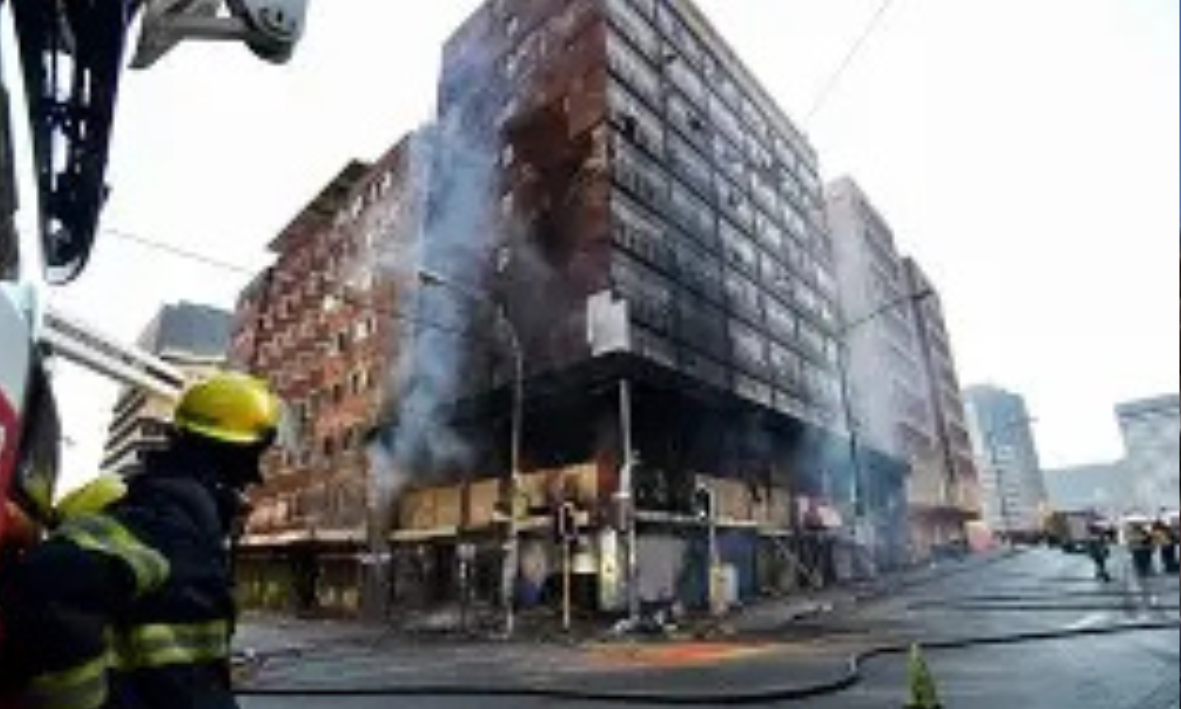
Statement by Yongama Zigebe, Councillor in the City of Johannesburg for the United Democratic Movement and Chairperson of the S79 Committee on Gender, Youth and People with Disabilities The United Democratic Movement (UDM) in the City of Johannesburg notes with concern the shocking turn in the Usindiso fire trial, where the accused now claims he falsely confessed to starting the blaze in order to secure food and shelter in prison. This desperate admission speaks volumes about the depth of poverty and despair in South Africa. That someone would rather take responsibility for one of the most heinous crimes in recent memory, a fire that killed 76 people, simply to secure “three meals and a roof over their head” is a harsh illustration of the conditions facing our nation. While the courts must determine the truth of the matter, the UDM in the City of Johannesburg insists that this tragedy cannot be seen only through the lens of one man’s testimony. It also reflects a collapse of governance, social safety nets, and accountability around hijacked and unsafe buildings. The families of the victims deserve clarity, justice, and closure. Every contradictory statement, every delay, and every failure to ensure accountability, whether through arson, negligence, or corruption in the management of municipal properties, deepens the pain of survivors. The UDM in the City of Johannesburg calls for: • A thorough and transparent investigation that goes beyond the individual accused to the broader systemic failures that enabled this tragedy • Accountability from the Johannesburg Property Company (JPC) and city authorities who allowed unsafe and hijacked buildings to become sites of danger. • Urgent action by government to address the crisis of hijacked and unsafe buildings across South Africa before another tragedy occurs. The truth about what happened at Usindiso must not be lost in shifting testimonies. The memory of the 76 lives lost demands nothing less than the full truth, accountability, and justice.

Admin
11 Sep, 2025
Gangs, guns, and governance: UDM Cape Town calls for urgent stabilisation in the Western Cape
Statement by Bongani Maqungwana, UDM Councillor in the City of Cape Town The United Democratic Movement (UDM) in the City of Cape Town notes with grave concern the ongoing surge of gang-related violence in Mitchells Plain, Mfuleni, and across the Cape Flats. Communities remain trapped in daily fear as shootings, extortion, and drug-related crimes devastate families and undermine social stability. We welcome Acting Police Minister Firoz Cachalia’s engagement with communities, as well as his acknowledgement that gangsterism in the Western Cape is deeply tied to organised and transnational crime. However, these challenges require more than conversations; they demand urgent and decisive action. Reports that weapons stolen from Namibian police and military stockpiles have been smuggled into Cape Town highlight the complexity of the threat. Military-grade firearms, including AK-47s, have found their way into the hands of gangs, fuelling violence and overpowering already stretched police resources. SAPS and Namibian authorities must urgently strengthen cross-border collaboration, secure state armouries, and disrupt trafficking networks. Equally alarming are the recent shootings at the Athlone, Mitchells Plain, and Wynberg courts, where three people (including alleged gangsters) were killed in separate attacks. Such incidents have placed staff, witnesses, and the public at risk, forced lockdowns, and delayed court proceedings. These attacks further destabilise the justice system and underline the urgent need for comprehensive security measures, including increased police presence and better technological safeguards. The UDM further notes Minister Cachalia’s statement that he has not ruled out the deployment of the South African National Defence Force (SANDF) to gang hotspots. While the UDM appreciates the desperation of communities calling for military support, we caution against treating the army as a first line of defence. Soldiers are not trained in civilian policing, and their use in urban communities carries serious risks. If such an option is pursued, it must be as part of a carefully coordinated, temporary stabilisation effort alongside reinforced policing and intelligence operations. Equally concerning is the Minister’s revelation that the long-awaited Cooperation Agreement between SAPS, the Western Cape government, and the City of Cape Town, signed more than a year ago, has not yet been implemented. This agreement, which includes commitments to share intelligence, data, and resources, was designed to enhance collaboration and strengthen crime-fighting capacity in the province. Its failure to materialise is an indictment of poor coordination between spheres of government at a time when unity is most urgently required. What is urgently needed is a comprehensive stabilisation plan: • A fully resourced and effective anti-gang strategy by SAPS. • Intelligence-driven operations targeting drug lords, arms smugglers, and extortion networks. • Cross-border security collaboration to cut off the flow of high-calibre weapons. • Increased police visibility in affected communities. • Implementation of the Cooperation Agreement without further delay. • Transparent communication and accountability from both national and provincial government. • Strengthened court security to protect staff, witnesses, and the public from gang-related attacks. The flow of illegal firearms, the unchecked rise of gangsterism, and the failure of government coordination represent a national security crisis. Communities cannot continue to live under siege. The UDM in the City of Cape Town calls on the national and provincial governments to act with urgency, precision, and accountability to restore safety, dignity, and stability to the people of the Western Cape.

Admin
11 Sep, 2025
Alleged rape of 8 Soweto boys at gunpoint; are our children safe at school?
Media Statement by Thandi Nontenja, MP and UDEMWO Secretary General The United Democratic Movement Women’s Organisation (UDEMWO) notes with deep concern reports that eight boys from Khomani Primary School in Diepkloof, Soweto, were allegedly drugged by a fellow grade 7 learner and subsequently raped at gunpoint by an adult. We are shocked, outraged and devastated by this heinous act. This tragedy highlights how sexual violence against learners is escalating; this is an unacceptable and recurring crisis in South Africa’s education system. This case is a painful reminder that boys too are vulnerable to sexual abuse, and that our fight against gender-based violence must recognise the suffering of all children. It is deeply disturbing that a learner was seemingly coerced into participating in this appalling act, which speaks to the urgent need for greater vigilance, education, and support as no child should ever suffer such violence in or near a school. UDEMWO welcomes the quick arrest of a suspect in this matter and calls for a thorough, transparent investigation to make sure every detail is uncovered. The perpetrator must face the full might of the law, and no leniency should be shown for crimes of such brutality against children. We further call on authorities to strengthen protective measures in schools, to prioritise psychosocial support for survivors and to ensure that communities are mobilised to create safe and nurturing environments for all learners. Anything less than justice for the victims would send a dangerous message that our children’s lives and dignity are negotiable.
Admin
10 Sep, 2025
UDM BCMM on the Metro’s collapsing water and sanitation infrastructure
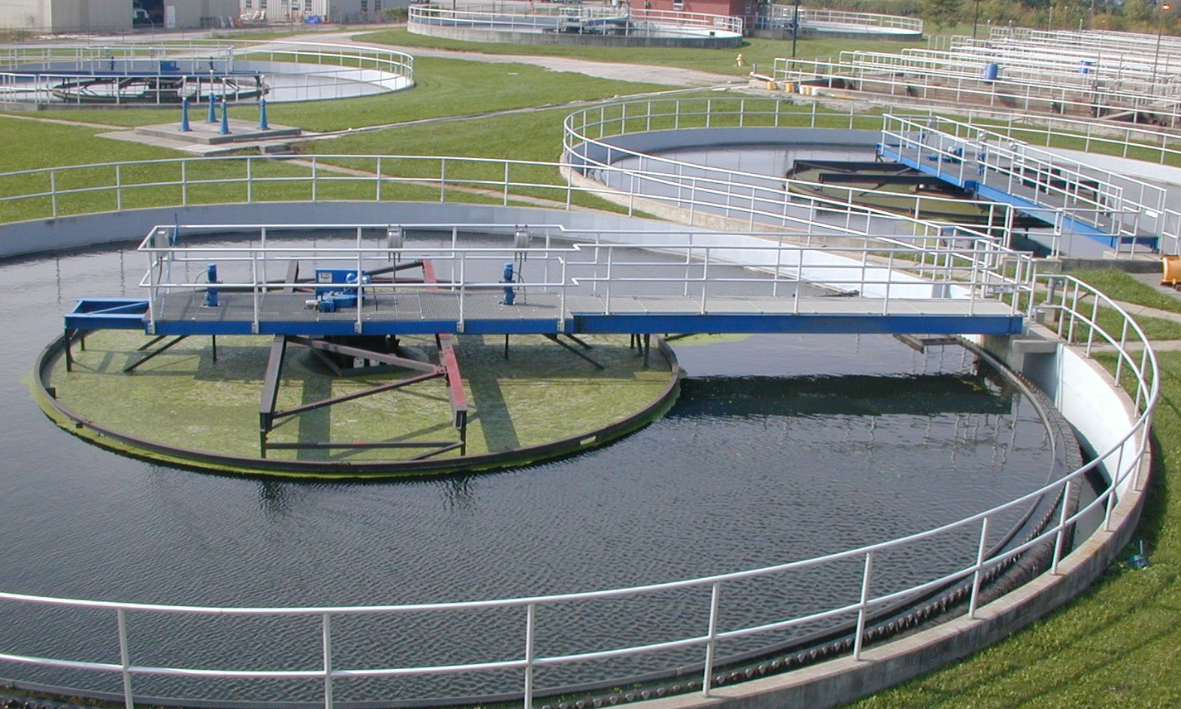
Statement by Anele Skoti, United Democratic Movement Councillor and Whip in Buffalo City Metropolitan Council The United Democratic Movement (UDM) in the Buffalo City Metropolitan Municipality (BCMM) is gravely alarmed by the recent revelations that only four of the Metro’s fifteen wastewater treatment plants are fully operational, with the rest either vandalised, unlicensed, or out of service. The disclosure by the municipal manager that more than R10 billion will be needed over the next six years to rescue the metro’s failing water and sanitation systems confirms what residents have known and lived with for years: decades of neglect, poor maintenance, and mismanagement have pushed the metro into a full-blown crisis. The UDM in the BCMM will not ignore the devastating reality confronting communities. Raw sewage running through streets and homes, foul odours in the air, and persistent health risks have become an everyday experience in many neighbourhoods. This is not only a humanitarian and environmental disaster but also a direct violation of the constitutional right to access clean water and a healthy environment. The UDM in the BCMM notes the municipal manager’s proposal to seek private sector investment and public-private partnerships (PPPs). While innovative financing models must be considered, PPPs must not become a back door to privatisation or a mechanism for elites to enrich themselves while residents continue to suffer. Any partnership must be transparent, carefully structured, and rooted in protecting water and sanitation as a public good accessible to all. The truth is that Buffalo City cannot solve this crisis on its own. National and provincial government must intervene decisively with financial, technical, and security support. Without this, the city risks further collapse, with dire consequences for residents, businesses, and future investment. The UDM in the BCMM calls for: • An immediate emergency plan to repair and secure wastewater treatment plants and sewage pump stations. • The ringfencing of infrastructure budgets to ensure that money allocated is spent only on water and sanitation. • Clear accountability for the decades of mismanagement and neglect that led to this collapse. • Transparent and inclusive public engagement on any proposed PPP arrangements. Buffalo City deserves better than this steady decline into dysfunction. The UDM in the BCMM will continue to hold the municipality and national government accountable until residents enjoy safe, reliable, and dignified water and sanitation services.
Admin
10 Sep, 2025
Massive job losses in the Eastern Cape: Aspen Pharmacare joins the litany
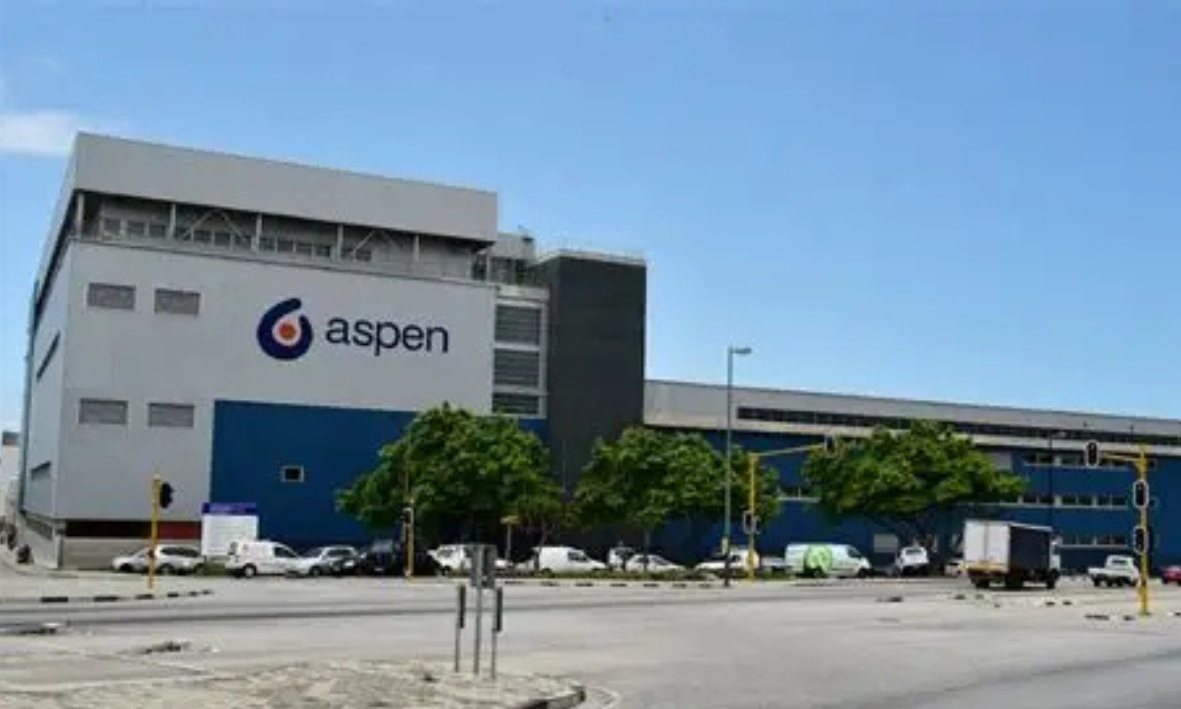
Statement by Bulelani Bobotyane, Provincial Secretary of the UDM in the Eastern Cape The United Democratic Movement (UDM) in the Eastern Cape notes with deep concern the announcement by Aspen Pharmacare that more than 900 employees face retrenchment following a fresh Section 189A notice served on unions. This comes on the back of 208 jobs already lost over the past year, including the closure of its eyedrops production facility in Gqeberha, and forms part of a growing trend of mass retrenchments across key sectors of our economy. The UDM in the Eastern Cape sympathises with the affected workers and their families. We are acutely aware of the devastating impact that job losses have on households, communities, and the country at large, especially in a context where South Africa is already in the grip of a worsening unemployment crisis. Aspen, as one of the leading pharmaceutical companies on the continent, has historically played a critical role in job creation, industrial development, and the manufacture of essential medicines. It is therefore disheartening to witness a contraction in its workforce of this magnitude. We call on Aspen to engage with unions and workers in good faith, to ensure that the consultation process is transparent, fair, and rooted in the principles of social justice. Workers must not be treated as disposable commodities in the pursuit of operational efficiency. We also urge Aspen to explore alternatives to retrenchment, including re-skilling, redeployment, and restructuring measures that can preserve as many jobs as possible. The crisis at Aspen is not an isolated case. Across South Africa, major employers are shedding jobs at an alarming rate. Goodyear has already closed its Kariega factory, resulting in 900 job losses, while ArcelorMittal, Glencore, and Ford have also announced significant cuts. These developments point to a broader pattern of industrial decline and economic stagnation, which demands urgent intervention from government and a coordinated response from all social partners. Government cannot continue to sit on its hands while South Africans lose their jobs in waves of Section 189 notices. The UDM calls on the Department of Employment and Labour, as well as the Department of Trade, Industry and Competition, to urgently intervene. We need decisive leadership to: • Protect existing jobs in strategic industries such as pharmaceuticals and manufacturing. • Support companies facing operational and compliance challenges with incentives and relief mechanisms, where appropriate. • Facilitate long-term industrial strategies that strengthen South Africa’s manufacturing capacity and competitiveness. The UDM in the Eastern Cape further demands accountability regarding the circumstances that led to the loss of Aspen’s eyedrops production lines, including the findings of the United States Food and Drug Administration (FDA). Regulatory compliance and quality assurance failures must not be allowed to undermine local jobs or compromise South Africa’s standing in global markets. South Africa (and the Eastern Cape in particular) cannot continue to bleed jobs at this scale without a decisive response. The UDM in the Eastern Cape demands that government urgently declare job losses a national emergency and present a clear plan to stem the tide of retrenchments sweeping through every sector. Empty promises and piecemeal interventions can no longer suffice; workers and their families need action, not platitudes.
Admin
09 Sep, 2025
The role, performance, and appointment of the next National Director of Public Prosecutions
Statement by Zandile Phiri, Acting Secretary General of the United Democratic Movement The National Director of Public Prosecutions (NDPP) holds one of the most vital positions in South Africa’s constitutional democracy. As the head of the National Prosecuting Authority (NPA), the NDPP is tasked with ensuring that criminal prosecutions are conducted without fear, favour, or prejudice; regardless of status, wealth, or political affiliation. This position demands more than just legal expertise. It requires a leader of the highest ethical standards, uncompromising independence, and a proven commitment to justice and constitutional values. The NDPP must possess the strength and courage to act decisively in the public interest, even when powerful forces seek to undermine the rule of law. Advocate Shamila Batohi had been appointed during a period of national crisis, following the devastating effects of state capture. She brought credibility, international experience, and a clear commitment to restoring institutional integrity. During her tenure, notable improvements were made in rebuilding internal governance structures and reinforcing the independence of the NPA. However, the pace and visibility of high-profile prosecutions have not met public expectations. The prosecution of key figures implicated in state capture has been inconsistent and often delayed, and internal divisions and morale issues within the NPA continue to hamper its effectiveness. The structural constraints of the institution, including chronic underfunding, political interference, and capacity gaps, have further limited the NDPP’s ability to deliver meaningful results. In this context, the United Democratic Movement (UDM) reaffirms its long-standing position that South Africa cannot afford another misstep in appointing the next NDPP. The credibility of the criminal justice system, and indeed the integrity of the state, hinges on this decision. The UDM believes that: 1. The appointment of the next NDPP must be a public, open, and participatory process. This must include public nominations, shortlisting by an independent panel of respected legal experts and civil society leaders, and public interviews, in a process similar to that of the Judicial Service Commission. 2. The final recommendation to the President should be subject to meaningful Parliamentary oversight. The UDM calls for the establishment of an ad hoc multi-party committee to review the shortlisted candidates and endorse the final appointment. 3. The incoming NDPP must demonstrate an unwavering commitment to independence from political or corporate influence. The UDM will oppose any appointment that reflects political patronage or serves factional interests. 4. The next NDPP prioritise the prosecution of those implicated in state capture, including former Cabinet ministers, senior officials, and private sector enablers. The era of impunity must end. 5. The capacitation and resourcing of the NPA, including the establishment of a permanent, independent anti-corruption prosecutorial unit are paramount. The NDPP must be empowered to lead a well-funded, fully functional prosecuting authority. South Africans deserve a criminal justice system that is fearless, functional, and free from interference. The appointment of the next NDPP must reflect these values and mark a decisive break from the failures of the past. Anything less will be a betrayal of the Constitution and the aspirations of the people.
Admin
09 Sep, 2025
JMPD recruitment fatalities are unacceptable
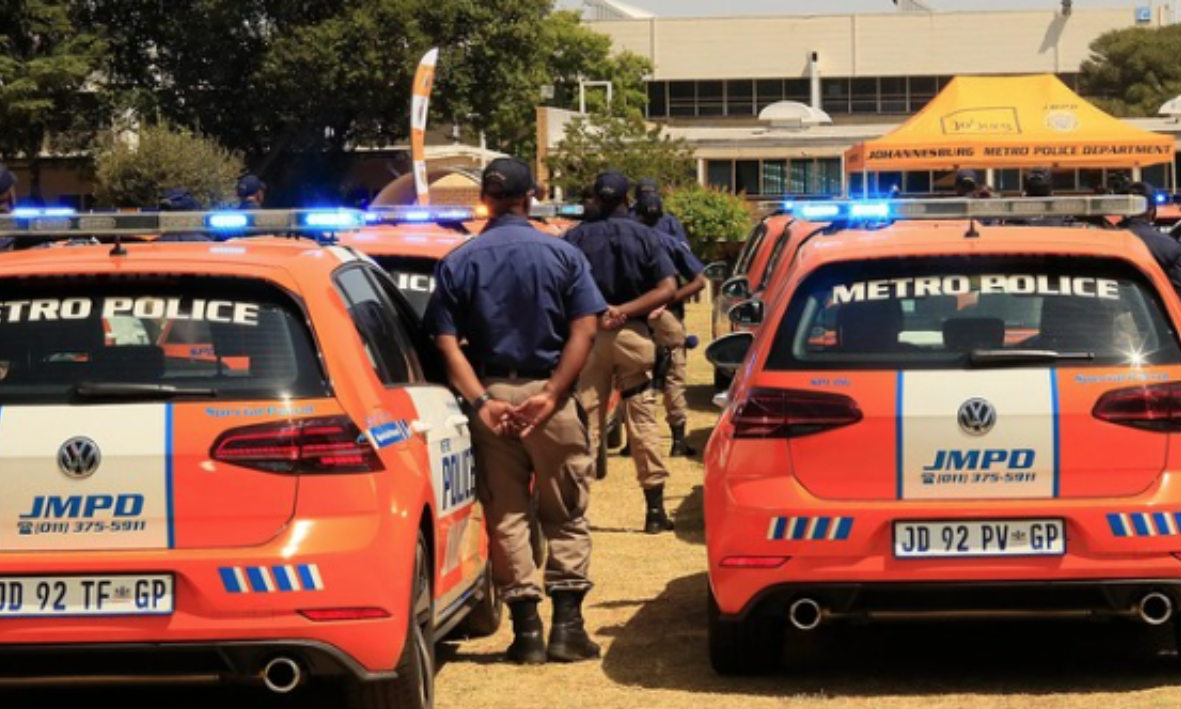
Statement by Yongama Zigebe, Councillor in the City of Johannesburg for the United Democratic Movement and Chairperson of the S79 Committee on Gender, Youth and People with Disabilities The United Democratic Movement (UDM) in the City of Johannesburg notes with deep shock and sadness the tragic deaths of two young South Africans, Mr Marvellous Michael Nyambi and Mr Zwelethu Tekete, during the recent Johannesburg Metropolitan Police Department (JMPD) recruitment programme at Ruimsig Stadium. These deaths are not only heartbreaking for their families and communities, but they also raise serious concerns about the safety, fairness, and integrity of the City’s recruitment processes. The youth of our country continue to struggle with unemployment and limited opportunities. For many, the chance to serve as JMPD officers represented hope and dignity. To have such hope end in tragedy is devastating and unacceptable. The UDM in the City of Johannesburg is further disturbed by allegations that hundreds of young applicants were turned away on the basis of proof of residence letters allegedly sourced only through councillors. If true, this points to unacceptable gatekeeping practices that undermine fairness, transparency, and equitable access to opportunities. As a Councillor in the City of Johannesburg and Chairperson of the Section 79 Oversight Committee on Gender, Youth, and People with Disabilities (GEYODI), I have formally written to the Member of the Mayoral Committee (MMC) for Public Safety, Cllr M Tshwaku, requesting a comprehensive report on the circumstances surrounding these deaths, the absence of medical and emergency readiness on site, the suitability of instructors, risk management protocols, and the measures being taken to prevent such tragedies from recurring. The Speaker of Council, Cllr M Arnolds, has also been copied in this correspondence. The UDM in the City of Johannesburg calls for: 1. Immediate transparency from the City of Johannesburg on the events that led to these fatalities. 2. Accountability for the failures in planning, oversight, and risk management. 3. Fair and inclusive recruitment practices that do not discriminate or impose unfair barriers on applicants. 4. Support and compensation for the families of the deceased candidates. The lives of young people cannot be treated carelessly in the pursuit of building law enforcement capacity. These incidents must serve as a turning point for how the City approaches youth recruitment, safety standards, and public trust. The UDM in the City of Johannesburg will continue to raise these matters until satisfactory answers and corrective measures are put in place.
Admin
05 Sep, 2025
SCA ruling against Nelson Mandela Bay Metro over toddler’s death
Statement by Zandile Phiri, Acting Secretary General of the United Democratic Movement The United Democratic Movement (UDM) notes with sadness the tragic case in which the Supreme Court of Appeal (SCA) has held the Nelson Mandela Bay Municipality liable for the death of a 17-month-old toddler who drowned in an open stormwater drain in Uitenhage in 2014. This heartbreaking incident is a stark reminder of the human cost of municipal neglect. For years, the UDM has consistently raised alarm over the collapse of infrastructure maintenance across municipalities in South Africa. The failure to maintain, secure, and inspect basic public infrastructure such as stormwater drains, sewerage systems, and roads has created daily hazards for our communities. In this case, evidence before the courts confirmed that residents had repeatedly reported the danger posed by the uncovered drain. The municipality’s failure to act, despite being warned, directly resulted in the needless death of an innocent child. No parent should have to bury their child because of government negligence. The UDM therefore calls on: 1. All municipalities to urgently audit their infrastructure, particularly stormwater systems, manholes, and open drains, and to secure or repair them without delay. 2. The Department of Cooperative Governance and Traditional Affairs (CoGTA) to strengthen oversight over municipalities and ensure consequences for negligent officials who ignore community warnings. 3. The South African Local Government Association (SALGA) to guide municipalities in implementing proactive maintenance systems to prevent further tragedies. The UDM further insists that municipalities must stop treating infrastructure maintenance as a secondary matter. It is a matter of life and death, and the SCA judgment has reaffirmed that municipalities have a legal and moral duty to protect the public. Our deepest condolences go to the family of the child who lost her life under such tragic circumstances. The UDM will continue to hold municipalities accountable until such preventable tragedies become a thing of the past.

Admin
04 Sep, 2025
UDEMWO on worrying trend of teenage pregnancies in South Africa
The United Democratic Movement Women’s Organisation (UDEMWO) is deeply alarmed by recent revelations from the Eastern Cape government that more than 100 children between the ages of 10 and 14 have given birth between April and July this year, with close to 5,000 teenagers giving birth during the same period. These statistics are not only shocking but represent a tragic failure of society, government, and law enforcement to protect our children. The fact that so many minors are becoming mothers, many as a result of statutory rape, highlights the urgent need for a coordinated national response. While we welcome the cases opened by the police against adults accused of impregnating minors, UDEMWO insists that justice must not be delayed. Perpetrators of sexual abuse and exploitation of children must face the full might of the law. Communities must also take responsibility by reporting such crimes, rather than concealing them due to stigma, fear, or misplaced loyalty. UDEMWO calls on: 1. Government and law enforcement to prioritise child protection and strengthen efforts to end the cycle of abuse. 2. The Department of Basic Education and Health to intensify comprehensive sexual education, access to family planning, and psychosocial support for learners. 3. Traditional and community leaders to be active participants in protecting children and speaking out against practices that normalise child abuse. 4. Civil society and faith-based organisations to play a stronger role in advocacy, awareness, and direct support to survivors of abuse. This is not only a women’s issue; it is a human rights crisis. Our children deserve to be children, free to grow, learn, and dream, not robbed of their childhoods by predatory adults. UDEMWO will continue to advocate for stronger laws, better enforcement, and comprehensive community-based interventions to ensure that no child is left vulnerable to such abuse.
Admin
24 Jun, 2025
Year-in-review report on my role as Deputy Minister of Defence and Military Veterans within the Government of National Unity
Honourable Nqabayomzi Kwankwa, MP Parliament Leader of the United Democratic Movement (UDM) Parliament of the Republic of South Africa Cape Town Dear Honourable Kwankwa, Year-in-review report on my role as Deputy Minister of Defence and Military Veterans within the Government of National Unity I trust this letter finds you in good health and high resolve. BACKGROUND AND PURPOSE Since my appointment as Deputy Minister of Defence and Military Veterans in July 2024, I have had the privilege of engaging meaningfully with various parliamentary structures, state institutions, and formations within the South African National Defence Force (SANDF), as well as in certain instances, alongside the Minister - as evidently drawn in a summative table below, there was no space to breathe. These engagements have highlighted both the strengths and the structural weaknesses within our broader governance ecosystem. Most of the issues identified are of a legacy nature. The Auditor-General’s report has been instrumental in guiding the new Ministry, the Joint Standing Committee on Defence, and the Portfolio Committee on Defence, providing critical insight into the terrain we are expected to navigate. It is clear that the Department of Defence did not escape the effects of state capture. The ongoing SIU investigations initiated through proclamations signed by the President and the fact that the former Minister is still before the courts highlight the depth of the challenges we face. These realities point to a protracted process of restoring the integrity and capacity of the SANDF, a task further complicated by years of chronic underfunding. Another matter that garnered considerable public and institutional attention was the Democratic Republic of Congo (DRC) debacle, which placed the Department of Defence under intense scrutiny. This incident raised serious concerns about the overall capacity, preparedness, and logistical readiness of the SANDF to effectively carry out its continental peacekeeping and combat obligations. It further brought into question the adequacy of our planning processes, resource allocation, and strategic command structures in high-risk deployments. The DRC episode served as a stark reminder of the urgent need to review and strengthen our defence capabilities, particularly in the context of multinational operations under the auspices of SADC or the African Union. Adding to the ongoing concerns is the increasing impact of climate change, which continues to present new and evolving threats to our country’s security and humanitarian stability. This changing climate landscape is testing the capacity of the SANDF to respond swiftly and effectively, particularly in the deployment of rescue equipment and disaster relief operations. A case in point is the devastating floods in the Eastern Cape, which tragically claimed the lives of at least 92 people, though the final death toll is yet to be confirmed. Despite the scale of the disaster, only one Oryx helicopter was deployed for rescue and relief efforts days after the disaster had occurred, highlighting the severe limitations in our aerial response capabilities during emergencies. This highlights the urgent need to improve SANDF’s disaster response readiness in alignment with the growing frequency and intensity of climate-related events. The purpose of this letter is twofold: To provide you, as Parliamentary Leader of the United Democratic Movement (UDM), with a concise reflection on the nature of oversight and executive engagement I have undertaken since assuming office; and To urge, in the strongest terms, the reactivation and intensification of Parliament’s role in holding the Executive accountable on several unresolved matters of national importance, especially those the UDM has historically championed. It is my belief that the UDM’s principled, consistent, and people-centred voice must now take a more assertive role in ensuring that findings, commissions, and legislative frameworks lead to real consequences and reform. SUMMARY OF ALL ENGAGEMENTS This Meetings Summary Table outlines the scope of my official engagements over the reporting period. It serves as a record of the work I have undertaken in the execution of my duties as Deputy Minister of Defence and Military Veterans. The engagements span parliamentary responsibilities, oversight of the Department and the SANDF, Cabinet cluster coordination, and international cooperation. I have always believed that public office must be anchored in accountability and purpose-driven action. Each meeting reflected in this table represents a deliberate effort to advance the priorities of our defence mandate, strengthen operational efficiency, and respond to the needs of our servicemen and women, veterans, and broader society. Whether meeting with international partners, military leadership, parliamentary committees, or community stakeholders, my focus has remained on upholding the integrity of the portfolio and ensuring that decisions are informed, inclusive, and responsive to our evolving national and global context. This table is therefore more than a schedule - it is a transparent demonstration of the work done, the responsibilities carried, and the trust placed in my office to serve with diligence, consistency, and impact. Meeting Type / Category Total Meeting Count Summary Description Department of Defence (DoD) related meetings 63 Strategic meetings with Armscor, Denel, Defence Secretariat, AG compliance briefings, logistics planning, HR and CMIS oversight, force design sessions, budget alignment talks, and NCACC duties. SANDF Service Formations 42 Operational visits and reviews at SA Army HQ, Navy HQ, AFB Waterkloof, Military Police, Defence Intelligence, SAMHS, Logistics HQ, CMIS, and SF Brigade; command parades and capability briefings. Joint Standing Committee on Defence (JSCD) 12 Defence oversight briefings, acquisition performance reviews, and coordination with Treasury and Armscor. Portfolio Committee on Defence & MV 58 Parliamentary meetings focused on oversight of military veterans, departmental annual reports, and policy matters. Cabinet & Cluster Meetings 33 Engagements in JCPS and ICTS Cabinet Clusters, Deputy Ministers forums, Cabinet Lekgotla, executive caucuses, and inter-cluster alignments. International & Diplomatic Engagements 51 Bilateral engagements with Turkey, Italy, Pakistan, Spain, China, Cuba, India, the US, Japan, France, Russia, and multilateral meetings including BRICS, Ethiopia, AU Peace & Security Council sessions, arms control dialogues, the Thabo Mbeki Foundation dialogue on peace and security, various conferences on peace and security, and embassy briefings. Countries Visited on Bilateral Missions 6 Ethiopia, India, Pakistan, Cuba, Japan, and France. Community / Civic Engagements 19 Veteran forums, traditional leadership sessions, Youth Day, Women’s events, rural civic visits, and local councillor engagements. MILITARY DIPLOMACY AND STRATEGIC BILATERAL ENGAGEMENTS Over the course of this reporting period, I have placed a strong emphasis on advancing South Africa’s military diplomacy through a series of targeted bilateral and multilateral engagements. These efforts are aimed at deepening defence cooperation, strengthening strategic partnerships, and safeguarding our national interests in a dynamic and often volatile global environment. In meetings with representatives of foreign governments, military attachés, and international defence institutions, I have consistently advocated for the expansion of opportunities for our officers to attend foreign staff courses and specialised military training programmes. Building the intellectual and leadership capacity of the SANDF remains a top priority, and external training partnerships are central to that goal. Furthermore, I have worked to promote the interests of South Africa’s defence industry, calling for increased collaboration in manufacturing, technology transfer, and procurement opportunities. By encouraging reciprocal engagement between our state-owned and private defence entities and their international counterparts, we have opened new avenues for innovation and market access. These engagements have not been ceremonial. In some instances, we have used quiet diplomacy to de-escalate tensions, clarify miscommunications, and avert diplomatic fallout that could have had far-reaching implications for our defence posture and foreign relations. I remain committed to ensuring that every interaction, whether at a reception, conference, or strategic roundtable, serves the broader purpose of peace, preparedness, and prosperity for our nation and the region. IMPLEMENTATION OF THE 2015 DEFENCE REVIEW In terms of the FY2023/24 Ministerial Priorities as agreed to with the President on 18 July 2023, the Minister of Defence and Military Veterans was set the target of “Conducting an Evaluation of the Defence Review 2015 and Action Plan” for completion by 31 October 2024. The Department completed the draft documents in fulfilment of both the FY2023/24 Ministerial Priorities, as well as the subsequent direction as was given by the President during a bilateral engagement on 24 January 2024. The above- mentioned work-in-progress was formally submitted to the Presidency before the said 31 October 2024 deadline. PROCESS UNDERTAKEN The work-in-progress includes (inter alia): A concise PESTEL(M) Analysis of the Strategic Environment at the Global, Continental, Regional and National (GCRN) Dimensions. A Draft Defence Capstone Policy Concept for the Republic of South Africa. A Draft Military Capstone Strategizing Concept for the Defence and Protection of the Republic of South Africa. A Draft South African Military Strategy, Force Design and Force Structure for the period 2025 – 2055. The Journey to Greatness (Long Term Planning Intent). It was envisaged that a planned series of engagements and consultations would be pursued with the President and other critical stakeholders under the direction of the Minister before such work is formally tabled in Cabinet and in Parliament. Consequently, the South African National Security Council (SANSC) has directed the South African National Security Secretariat (SANSS) to develop a Report on the Reviewing of the Defence Review 2015 and the considerations for “investing in a sustainable modern Defence Force”. An initial engagement took place with the SANSS on 17 March 2025, where it was decided that a one-day workshop between the Department and the SANSS would be planned for the near future. This second engagement took place on Friday 13 June 2025. The work was well received and positive support was expressed in terms of the 1.5% of GDP Defence Funding Target as set by the President. The SANSS subsequently resolved to establish a small team of DGs (including the DG of the National Treasury) to engage on the fiscal strategy for attaining the goal as set by the President. Once endorsed by the National Treasury and the Ministry of Finance, this matter will proceed to the National Security Council and possibly Cabinet for further endorsement. Furthermore, the Minister will also be engaging with the Speaker and the Chairs of Parliamentary Committees on modalities for engagement with the relevant oversight bodies, so as to add value to this important work. The Department of Defence met the deadline as it was set by the Presidency. However, the Department cannot issue copies of the documents in question to the Portfolio Committee, or any structure beyond those explicitly identified for initial consultation, until a formal directive or clearance is received from the President. The decision on whether these documents may be distributed to oversight bodies rests with the Presidency, and the Department remains bound by that process. OVERSIGHT ROLE IN THE NATIONAL CONVENTIONAL ARMS CONTROL COMMITTEE (NCACC) As part of our collective responsibilities in the National Conventional Arms Control Committee (NCACC), we have actively contributed to the clearing of a significant backlog of arms control applications and export permits. Regular sittings of the Committee have ensured that due process is followed while maintaining the momentum necessary to support South Africa’s defence trade and associated industries. The backlog, which had affected operational timelines and contract fulfilment, has been systematically addressed except in instances where further verification or end-user clarity is still required. Our approach has balanced national security interests with economic imperatives, ensuring that compliant transactions are processed without unnecessary delay. Importantly, this work has direct fiscal implications. Every approved permit contributes to sustaining the country’s defence manufacturing base, securing jobs, and increasing state revenue. The NCACC therefore functions not only as a regulatory mechanism but also as a strategic enabler of industrial and economic resilience. We remain convinced that if the recovery and growth plans presented by Denel and Armscor are implemented with urgency and alignment, these state-owned entities can be repositioned toward institutional ascendancy. Through coordinated support and policy certainty, we can restore their role as vital components of South Africa’s defence capability and global competitiveness. ENGAGEMENTS WITH DEFENCE INDUSTRY STAKEHOLDERS Recent engagements with stakeholders across the defence industry were held as part of ongoing efforts to advance the implementation of public-private partnership (PPP) resolutions adopted during previous national platforms. These interactions served both as progress reviews and as strategic exchanges aimed at deepening cooperation in critical capability areas, including artillery systems, weapons testing, and industrial modernisation. The engagements also reaffirmed a shared commitment to leveraging the local defence industry as a cornerstone of national security and economic growth. A central focus of these engagements was the increasing interest, both domestically and internationally, in concluding memoranda of understanding (MoUs) with South African partners. These MoUs are expected to strengthen collaboration in advanced defence manufacturing and testing, helping position South Africa as a serious global player in next-generation defence systems. Discussions also centred on developing a coherent industry roll-out strategy that aligns local capabilities with global demand, enables technology transfer, and revitalises underutilised infrastructure for defence innovation. Stakeholders noted some progress since the last formal conference, but also expressed concern over regulatory delays, particularly those related to the issuing of permits by oversight bodies. These delays have disrupted momentum on several priority projects, thereby limiting the speed and scale of PPP execution. On a positive note, regulatory engagements with National Treasury have yielded revised guidelines, effective June 2025, that provide broader space for PPPs in areas such as prime mission equipment maintenance and upgrades. Concurrent consultations with the SANDF are also underway to ensure that industry proposals respond directly to operational requirements. One of the most significant recommendations arising from these discussions is the proposal to establish a dedicated PPP Directorate within the Department of Defence. This unit would serve as the central coordinating body for all PPP-related initiatives, reporting directly to senior leadership and working closely with oversight structures such as the Council on Defence and SANDF command. Stakeholders further recommended that the scope of PPPs be expanded beyond weapons systems to include strategic infrastructure development such as military hospitals, new bases, and the rehabilitation of command and logistics centres, thereby enabling comprehensive capability renewal. These engagements concluded with a unified commitment to intensify coordination between government, the defence force, state-owned entities, and industry partners. The focus going forward is to finalise a practical implementation roadmap for PPPs, remove regulatory bottlenecks, and institutionalise a mechanism to drive delivery on key resolutions. Stakeholders reiterated their readiness to support the Department’s efforts in positioning the local defence industry as a strategic, responsive, and globally competitive contributor to national development and security imperatives. ISSUES FACED BY MILITARY VETERANS One of the critical departments currently facing significant challenges is the Department of Military Veterans (DMV), particularly with regard to the prolonged delays in filling vacant posts. In response, we have convened a series of strategic sessions aimed at resolving these longstanding issues. These efforts have included the development of structured data management procedures, the compilation of a comprehensive implementation plan, and the establishment of a reliable and up-to-date veterans database. Through these targeted interventions, we are confident that tangible progress will be achieved, ensuring improved service delivery and greater satisfaction for military veterans across the country. Furthermore, we are working in close collaboration with the Presidential Task Team (PTT) to accelerate the resolution of the pressing issues identified above. This partnership is anchored in a shared commitment to restoring dignity and improving the quality of life for military veterans. The PTT serves as a vital coordinating mechanism, bringing together various stakeholders across government to ensure alignment, expedite decision-making, and remove bureaucratic obstacles. PARLIAMENTARY ENGAGEMENTS TO DATE In adherence to the principles of transparency and executive accountability, I have participated in a wide range of key engagements since assuming office, as reflected in the Meetings Summary Table above. These include: Portfolio Committee on Defence and Military Veterans – Regular attendance and formal submissions on matters affecting strategic capability, force readiness, and the well-being of military veterans, including oversight on departmental performance and policy execution. Joint Standing Committee on Defence – Active participation in joint oversight sessions, with specific focus on defence budget alignment, acquisition oversight, interdepartmental coordination, and strengthening the operational posture of the South African National Defence Force. Parliamentary Budget Votes and Debates – Participation in defence-related budget vote debates, including presenting key departmental priorities, defending expenditure patterns, and outlining performance targets in support of the Vote 23 allocation. Questions and Answers in Parliament – Engagements in plenary sessions involving questions to the President and Deputy President, as well as oral and written responses to parliamentary queries related to peace and security, military procurement, international cooperation, and veterans’ affairs. The nature of these engagements has not only reinforced the importance of parliamentary oversight but has also highlighted the urgent need for meaningful and enforceable accountability across all arms of the state. These engagements reveal systemic weaknesses, recurring audit disclaimers, and a dangerous normalisation of underperformance in service delivery and defence operations. In this context, the United Democratic Movement must position itself at the forefront of revitalising Parliament’s role. We must not only build on previous oversight work, but also be uncompromising in demanding implementation, consequence management, and institutional reform. Whether dealing with state-owned entities, public funds, or post-commission reform, the UDM must lead efforts to restore ethical and effective governance. ENGAGEMENTS WITH SANDF SERVICE FORMATIONS AND DEFENCE INDUSTRY ENTITIES In line with my executive responsibilities and the constitutional duty to ensure responsive governance, we have conducted a series of structured engagements with the South African National Defence Force (SANDF) and its associated defence industry institutions. These engagements have been instrumental in mapping the operational posture, resource gaps, institutional dysfunctions, and potential areas of reform within the defence ecosystem. Within the SANDF, we have exercised oversight on the following service formations and divisions: South African Army South African Air Force South African Navy South African Military Health Service (SAMHS) Military Police Division Logistics Division Human Resources Division Military Intelligence Division, among others. Each of these components performs a critical function in safeguarding the territorial integrity, sovereignty, and national interests of the Republic. However, these briefings have revealed a pattern of declining capacity, exacerbated by chronic underfunding, outdated equipment, infrastructure backlogs, and skills attrition. ENGAGEMENTS WITH THE DEFENCE INDUSTRY: DENEL AND ARMSCOR In addition to these military briefings, we have participated in oversight and strategic discussions with the two most significant players in our domestic defence industrial base - Denel and Armscor. These engagements have been instrumental in reaffirming the defence function not as an expense, but as a constitutional guarantee of sovereignty, stability, and peacekeeping in the region. However, without strategic intervention by Parliament, the SANDF risks organisational stagnation. The effectiveness of Parliament has been ambiguous for some time, with many struggling to comprehend that portfolio committees, particularly those overseeing Defence, have been raising alarms over a continued decline, yet the resolutions have largely amounted to little more than talk shops over the years. Every week, we report to the portfolio committees on these issues, but when it comes to Parliament’s role in capacitating these committees and ensuring the protection of our country, tangible support has been lacking. Even when in 2023 the President issued a directive to increase defence funding from 0.57% to 1.5% of the Gross Domestic Product (GDP), subsequent Cabinet meetings reduced these urgent calls to mere rhetoric, and the National Treasury failed to allocate the necessary funds. Parliament and the Government of National Unity must establish a structured, accountable process to implement resolutions, especially those related to Defence and oversight bodies such as SCOPA. PARLIAMENT’S OVERSIGHT MANDATE: LEGISLATIVE AND CONSTITUTIONAL FRAMEWORK Parliament’s oversight function is grounded in our democratic Constitution and further supported by key legislation that empowers Members of Parliament to act decisively: Section 55(2) of the Constitution mandates the National Assembly to “provide for mechanisms to ensure that all executive organs of state in the national sphere of government are accountable to it”; Section 92(2) and (3) of the Constitution holds Cabinet members individually and collectively accountable to Parliament; Rules of the National Assembly empower committees to summon any person to provide evidence, produce documents, or account for their actions; The Financial Management of Parliament and Provincial Legislatures Act (Act 10 of 2009) and the Money Bills Amendment Procedure and Related Matters Act (Act 9 of 2009) outline Parliament’s role in fiscal scrutiny and resource allocation oversight. This framework makes it clear: Parliament is not a passive observer. It is a constitutional watchdog with the authority and duty to demand accountability, transparency, and implementation. URGENT NATIONAL PRIORITIES DEMANDING PARLIAMENTARY ACTION Considering the background outlined above, I respectfully urge you to deploy the full weight of your office and the UDM’s parliamentary caucus to intensify oversight and push for finality on the following critical matters: Implementation of the Zondo Commission Findings The State Capture Commission unveiled an architecture of corruption that compromised state institutions and undermined public trust. Yet, implementation of its findings remains inconsistent and slow. The UDM, through Parliamentary procedures must: Demand detailed progress reports from the Presidency and the NPA; Ensure asset recovery is expedited and transparent; Create a dedicated oversight structure within Parliament to track implementation and prevent institutional regression; Introduce reforms to seal procurement loopholes and reinforce the independence of law enforcement bodies. Champion and expedite the enactment of legislation that enshrines the Commission’s rulings into law, effectively safeguarding the state from future attempts of corruption in any form. Public Investment Corporation (PIC) Accountability The Mpati Commission laid bare the mismanagement and undue influence within the PIC, risking public servants’ pensions. The UDM, through Parliamentary procedures must: Demand a detailed and public implementation report from Treasury and the PIC; Reinforce transparency in investment decisions; Re-evaluate laws governing the PIC to insulate it from political and commercial abuse. State Response to Ex-Mineworkers The UDM has long championed justice for ex-mineworkers, many of whom continue to suffer from occupational illnesses without compensation. Despite acknowledgment from former President Mbeki, implementation remains weak. The UDM, through Parliamentary procedures must: Pursue diligent follow-up on all correspondence directed to the Presidency and the Department of Labour during the tenure of former Minister Thulas Nxesi, wherein the UDM formally submitted numerous letters concerning this matter. Demand a policy framework with timelines and budget allocations for redress; Establish an interdepartmental task team to coordinate response efforts; Oversee enforcement of legal rulings and settlement payouts to affected mineworkers and their families. Land Reform and Restitution Delays The backlog in land claims, particularly post-1998 claims, continues to disenfranchise communities. The UDM, through Parliamentary procedures must: Demand a revised, time-bound implementation plan from the Commission on Restitution of Land Rights; Introduce clearer legislative frameworks for expediting land restitution and tenure security. Collapse of Provincial Health Systems and NHI Readiness While the National Health Insurance (NHI) Bill signals intent for universal healthcare, existing infrastructure and corruption in the provincial health systems raise serious concerns where many are destitute. The UDM, through Parliamentary procedures must: Demand provincial audits on hospital infrastructure and medical staffing; Scrutinise funding flows in aim to prevent tender manipulation; Insist on a phased, measurable NHI roll-out plan with clear reporting mechanisms to Parliament. The other issue is the pension of the South Africa Transkei Bophuthatswana Venda Ciskei (SATBVC) states , President Ramaphosa during the State of the Nation Address (SoNA) instructed the minister of Finance to address the matter, but Treasury once more ignored this call, however, we managed to bring it back to Parliament and are simply asking him to monitor the progress of the finalisation of this enquiry and address the concerns of these pensioners. The other pressing matter is that which relates to the remuneration of the herdsman (iiBhodi). Numerous engagements with the Presidency, National Treasury, and COGTA had been initiated by the UDM in the 6th administration, and it my plea that your office further escalates the matter to ensure that there is action in as far as this issue concerned. Youth Unemployment and Skills Mismatch The UDM, through Parliamentary procedures must also confront the unacceptably high rate of youth unemployment, now surpassing 60% in some areas. Despite billions spent on education and skills development, graduates remain locked out of the economy. The UDM should demand: Full audits of SETAs and the National Skills Fund; Reforms linking training programmes directly to identified economic sectors; State procurement policies that prioritise youth-owned enterprises and cooperatives. CONCLUSION This report serves as a summative reflection on the engagements, responsibilities, and strategic interventions undertaken over the reporting period. It captures not only the scope of work executed in alignment with my portfolio duties, but also reflects the broader institutional and policy challenges we continue to confront as public representatives. The insights and data provided herein are intended to inform, support, and empower the critical oversight role played by your office and by Parliament more broadly. Honourable Kwankwa, we are at a historical juncture. Public confidence in democratic institutions is eroding. The gap between policy and implementation continues to widen. It is in this context that the UDM’s voice and leadership in Parliament must grow louder and more decisive. I remain committed to providing assistance wherever possible, fully appreciating the established reporting protocols given my deployment within the Executive. Nonetheless, I wish to emphasise with conviction that when these critical matters are brought forth by your esteemed office, they are far more likely to gain the necessary traction, visibility, and momentum. This will significantly amplify the many voices we represent in Parliament and ensure that our concerns receive the urgent attention they deserve. We must insist on accountability, demand justice for the forgotten, and champion ethical governance as a pillar of transformation. Through your leadership, Parliament must become a place where reports are not only tabled, but implemented; where corruption is not only debated, but punished; and where vulnerable communities are not only heard, but served. With a thorough understanding of the dynamics within the Government of National Unity (GNU), I intend to formally raise these concerns at the forthcoming Bosberaad of GNU leaders, convened as per the President’s suggestion in response to the recent budgetary challenges and the discontent expressed by other political parties regarding aspects of the decision-making process. It is particularly notable that the African National Congress (ANC) and the Democratic Alliance (DA) are, in posture, seen to be undermining other parties and excluding them in all decision-making processes. The aim of this Bosberaad is to view the priority areas that need alignment and rethinking. Please be assured of my continued cooperation and support in pursuit of this collective national duty. Yours sincerely, Maj. Gen. (Ret.) BH Holomisa President of the United Democratic Movement Deputy Minister of Defence & Military Veterans

Admin
21 May, 2025
NMB MPAC Chair Luxolo Namette’s first session as chair shows integrity of leadership
Statement by Bulelani Bobotyane, Provincial Secretary of the UDM in the Eastern Cape The United Democratic Movement (UDM) in the Eastern Cape expresses its full support and appreciation for the principled leadership demonstrated by Councillor Luxolo Namette, Chairperson of the Municipal Public Accounts Committee (MPAC) in the Nelson Mandela Bay Metropolitan Municipality. In the face of serious concerns regarding the irregular payment of R3.7 million to politically deployed individuals between 2013 and 2017, Cllr Namette has steered the committee with integrity and fairness, ensuring that the matter is handled in accordance with due process. His decision to defer the item pending a legal opinion demonstrates a commitment to responsible governance, accountability, and the rule of law. As the UDM in the Eastern Cape, we believe that public funds must be safeguarded, and any allegations of irregular expenditure thoroughly investigated. We commend Cllr Namette for prioritising transparency and due diligence, and for upholding the principles of clean governance that the UDM holds dear. We further call on the Nelson Mandela Bay Metropolitan Municipality to expedite the legal opinion process and ensure that all measures are taken to prevent a repeat of such irregularities. The citizens of this metro deserve nothing less than a government that acts in their best interest and protects the public purse. Cllr Namette’s leadership reflects the UDM’s commitment to ethical public service and the strengthening of institutions that hold power to account.

Admin
20 May, 2025
Gauteng’s subsidy cuts to independent schools amid R317 million underspending
Statement by Andile Jabavu, Provincial Secretary of the UDM in Gauteng The United Democratic Movement (UDM) in Gauteng is deeply alarmed by the Gauteng Department of Education’s (GDE) decision to slash subsidies to independent schools by 20% for secondary and 18% for primary institutions, while simultaneously failing to spend R317 million of its 2024 education budget. This decision is not only fiscally unjustifiable but also morally reprehensible in a province grappling with widespread educational inequality. Independent schools, particularly low-fee institutions, play a vital role in absorbing learners who would otherwise be left behind by a public system strained by overcrowding, inadequate infrastructure, and uneven quality. These schools often serve poor and working-class communities, offering a beacon of hope to parents who seek quality education for their children in the absence of viable public alternatives. To cut funding to these institutions while returning funds to Treasury reflects a glaring disconnect between the department’s policy intentions and the lived realities of learners and educators. What is particularly disconcerting is that this cut affects the most vulnerable - children in low-fee independent schools that operate on razor-thin margins. It undermines the constitutional imperative of access to quality education and violates the principle of equity that should guide all public funding decisions. The GDE’s explanation, that the funds were redirected to fee-free public schools, raises more questions than answers. Why must support for one group of disadvantaged learners come at the expense of another? Is the Department not capable of simultaneously planning for both? Moreover, the underspending of R317 million is a symptom of administrative inefficiency and poor planning. This is not merely a missed financial target; it is a failure to deliver services, provide resources, and invest in the future of Gauteng’s learners. Underspending on education in a province where schools still battle with infrastructure backlogs, teacher shortages, and over-enrolment is both inexcusable and an indictment on leadership. The UDM calls on MEC Matome Chiloane to account to the people of Gauteng: • Why were these funds not spent in a province with so many glaring education needs? • What processes were followed in deciding on the subsidy reductions, and were affected schools consulted? • What are the GDE’s contingency plans to prevent low-fee independent schools from collapsing under the weight of these cuts? We further urge the Provincial Legislature to institute a full review of GDE’s budgeting processes and to ringfence funding for low-fee independent schools in future fiscal years. The UDM also calls on the Portfolio Committee on Basic Education in Parliament to initiate an inquiry into provincial education departments that repeatedly underspend while simultaneously cutting essential services. Education is not a favour bestowed by government; it is a right enshrined in our Constitution. No child should be punished because their school does not fall neatly into the public sector box. The real question is not whether we can afford to support independent schools; it is whether we can afford to lose the contributions they make to an already overburdened education system.

Admin
19 May, 2025
UDM Johannesburg welcomes arrests in JMPD officer murder case
Statement by Yongama Zigebe, Councillor in the City of Johannesburg for the United Democratic Movement and Chairperson of the S79 Committee on Gender, Youth and People with Disabilities The United Democratic Movement (UDM) in the City of Johannesburg welcomes the recent arrests of suspects linked to the heinous murder of a Johannesburg Metropolitan Police Department (JMPD) officer in Lenasia. This swift action by law enforcement is a crucial step toward justice and serves as a stern message to those who seek to undermine the rule of law and the safety of our communities. We commend the South African Police Service (SAPS), the JMPD, and all involved in the investigations for their diligent work. We remain deeply concerned by the rising levels of violent crime targeting law enforcement officers, who risk their lives daily to maintain order and protect our residents. Attacks on officers are attacks on the very fabric of our democracy. As the UDM Johannesburg Caucus, we reiterate our call for better resourcing, training, and protection for our metro police officers. We also urge communities to cooperate with the police to root out criminal elements. We continue to extend our heartfelt condolences to the family, friends, and colleagues of the fallen officer. May their courage and service never be forgotten.

Admin
19 May, 2025
UDM welcomes the launch of the white paper review on local government
Statement by Yongama Zigebe, Councillor in the City of Johannesburg for the United Democratic Movement and Chairperson of the S79 Committee on Gender, Youth and People with Disabilities The United Democratic Movement (UDM) warmly welcomes the official launch of the Review of the 1998 White Paper on Local Government by the Department of Cooperative Governance and Traditional Affairs (CoGTA), under the leadership of Minister Velenkosini Hlabisa. This Review is long overdue and comes at a critical juncture in South Africa’s democratic journey. For years, local government has been the epicentre of governance failure - characterised by service delivery collapse, financial mismanagement, deepening inequality, and the erosion of public trust. The UDM has consistently raised these concerns across all spheres of government, and we are encouraged to see the Department finally initiating a reform process that seeks to address these structural and systemic shortcomings. We are particularly pleased that the Discussion Document for the Review does not shy away from confronting the hard truths. It acknowledges the challenges of over-politicisation, the disconnect between municipalities and their communities, the need for fiscal reform, and the growing threat of climate change on local infrastructure and service sustainability. However, the Review must go beyond diagnosis. It must offer a bold and implementable vision of what a fit-for-purpose, ethical, and citizen-responsive local government system should look like. This includes addressing areas not adequately covered in the Discussion Document, such as the rampant abuse of procurement and supply chain systems, the absence of a clear separation of powers within local municipalities, and the need to institutionalise participatory governance and oversight mechanisms. The UDM calls on all South Africans, community organisations, traditional leaders, youth, faith-based groups, business, labour, and academic institutions, to actively participate in this Review. It is only through inclusive and transparent engagement that we can rebuild municipalities that serve the people, not parties or elites. We remind all stakeholders that the deadline for written submissions on the White Paper Review is 30 June 2025. Submissions can be sent to WPLG26@cogta.gov.za or delivered to the Department’s offices as outlined in the official Government Gazette. Our presence at the Launch underscored the Movement’s commitment to constructive engagement on matters of governance and public accountability. As a party committed to accountable and developmental governance, the UDM will be making detailed submissions to this Review process. We believe that local government must be rescued from dysfunction and repositioned as the engine of grassroots development, social cohesion, and democratic renewal.

Admin
19 May, 2025
UDM congratulates South African U20 team on historic AFCON victory
Statement by Zandile Phiri, Acting Secretary General of the United Democratic Movement The United Democratic Movement (UDM) proudly congratulates the South African U20 national football team for making history by clinching the U20 Africa Cup of Nations (AFCON) title for the very first time on Sunday evening in Egypt. This monumental achievement is not only a victory for the young men who gave their all on the pitch, but a triumph for the entire nation. It affirms the immense potential that lies within South Africa’s youth and signals a bright future for our footballing landscape. The UDM acknowledges the dedication of the players, the strategic brilliance of the coaching staff, and the unwavering support of South African fans both at home and abroad. This win comes at a time when the country is in dire need of moments that unite and uplift. The determination, discipline, and unity displayed by the U20 squad serve as a blueprint for success and an inspiration for youth across the nation. We call on all South Africans to celebrate this milestone and to continue investing in grassroots sports development so that future generations may build on this foundation of excellence. Well done, Amajita! You have made the country proud.

Admin
16 May, 2025
UDM outraged by killing of JMPD officers – cities cannot be war zones for law enforcement
Statement by Yongama Zigebe, Councillor in the City of Johannesburg for the United Democratic Movement and Chairperson of the S79 Committee on Gender, Youth and People with Disabilities The United Democratic Movement (UDM) City of Johannesburg is outraged and deeply disturbed by the rising number of incidents in which Johannesburg Metropolitan Police Department (JMPD) officers are being murdered in cold blood while performing their duties. In the 2024/2025 financial year alone, multiple JMPD officers have been gunned down in incidents that bear the hallmarks of militarised criminal networks and a complete disregard for law and order. Most recently, the brutal killing of Officer Matome Mokoena in Vlakfontein, where he was ambushed, pursued, and executed while responding to a robbery, has sent shockwaves through the city. We extend our deepest condolences to the family, friends, and colleagues of Officer Matome Mokoena. May his sacrifice in service to the people of Johannesburg never be forgotten. Our sympathies also go to the families of Officers Judith Makwela, Nkululeko Mbambo, and Khensani Mabaso, whose lives were also tragically taken in similar ambush-style killings over the past months. This is not an isolated tragedy. These heinous acts reveal a grim reality: our law enforcement officers are being hunted, while criminals operate with impunity. It is a painful reminder that the men and women who protect our streets are increasingly becoming targets of calculated violence, with very little support or protection from the state they serve. The UDM in Johannesburg demands urgent and decisive action from the Executive Mayor, the MMC for Public Safety, and the Gauteng MEC for Community Safety. What is being done to ensure the safety of our officers? Where are the visible patrols, intelligence-led policing strategies, and early-warning systems? This is not only a security failure—it is a moral crisis. The growing brazenness of criminals undermines public confidence in law enforcement and weakens the foundations of local governance. The UDM in Johannesburg calls for: 1. A full-scale independent investigation into each officer’s death, with timelines and transparent reporting; 2. Immediate deployment of tactical units to protect police precincts and high-risk zones; 3. Psychosocial support and risk allowances for JMPD officers facing escalating threats; 4. Public Safety hearings in Council to evaluate and overhaul the City’s law enforcement strategy. We honour the courage and ultimate sacrifice of these officers. But honour must not be symbolic—it must be reflected in concrete measures to protect those who serve and to bring their killers to justice.
Admin
16 May, 2025
UDEMWO welcomes the sentencing of rapist Moses Gqesha
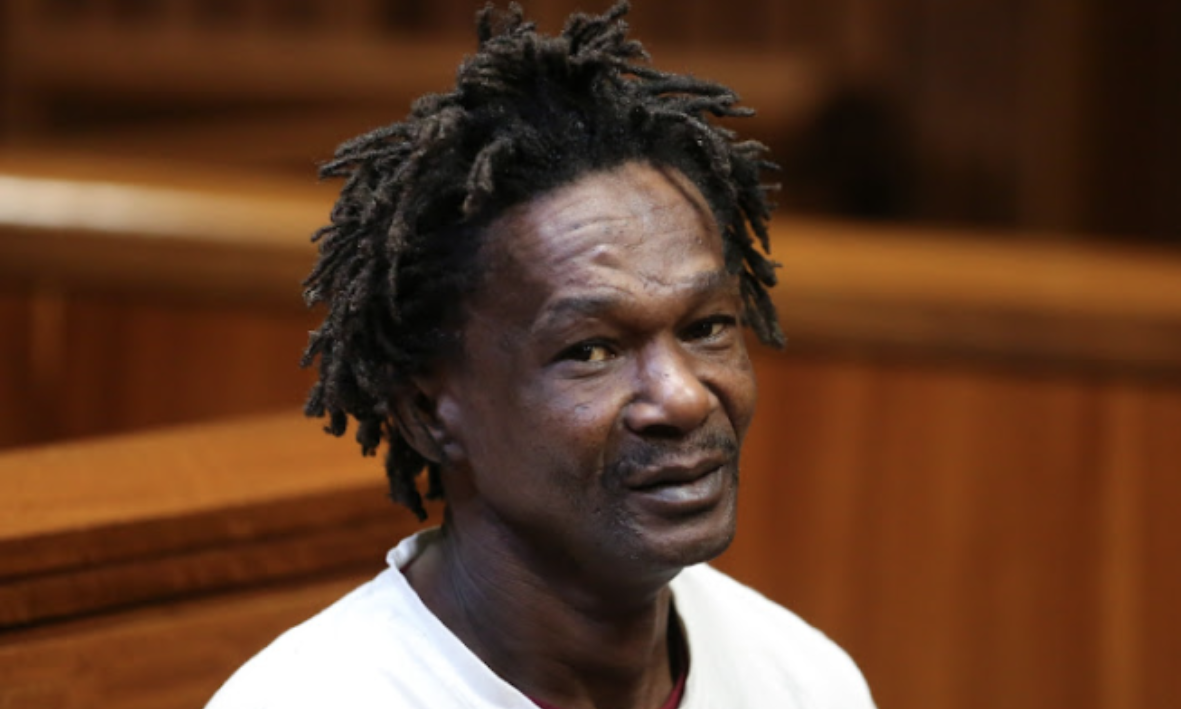
Media Statement by Thandi Nontenja, MP and UDEMWO Secretary General The United Democratic Movement Women’s Organisation (UDEMWO) welcomes the sentencing of Moses Gqesha, who has been handed eight life sentences for the brutal 2010 rape of Ms Andy Kawa, along with additional sentences for robbery, kidnapping, assault and theft. This long-overdue justice marks a significant moment for Ms Kawa, her family and all survivors of gender-based violence in South Africa. We commend her courage and unwavering pursuit of justice despite the many obstacles she has faced over the past 15 years. UDEMWO notes with deep concern, however, the unacceptable delay in securing this conviction, due in large part to the DNA backlog crisis that continues to undermine the fight against gender-based violence. Although DNA samples were collected in 2020, a match was only confirmed in 2023, leading to Gqesha’s arrest in January 2024. This delay is a glaring indictment of the state’s failure to ensure that justice is delivered swiftly and efficiently. Survivors cannot be expected to wait more than a decade for closure because of avoidable bureaucratic and systemic failures. The Department of Justice and relevant forensic units must treat the DNA backlog as an emergency and allocate the necessary resources to resolve it urgently. In addition, UDEMWO calls on the Department of Correctional Services to take a firmer stance when dealing in cases involving extreme violence, particularly those rooted in gender-based violence. Individuals convicted of such heinous crimes must not be granted parole under any circumstances. The severity of these crimes justifies the full and uninterrupted serving of life sentences. Survivors and their families should not have to live in fear of their perpetrators ever walking free again. Correctional Services must align its policies with the broader national commitment to ending gender-based violence. While the sentencing of Moses Gqesha is a step toward justice, the broader system still fails far too many survivors. UDEMWO will continue to advocate for the dignity, safety and rights of women across South Africa and will remain vigilant in holding all arms of the state accountable in the fight against gender-based violence.
Admin
16 May, 2025
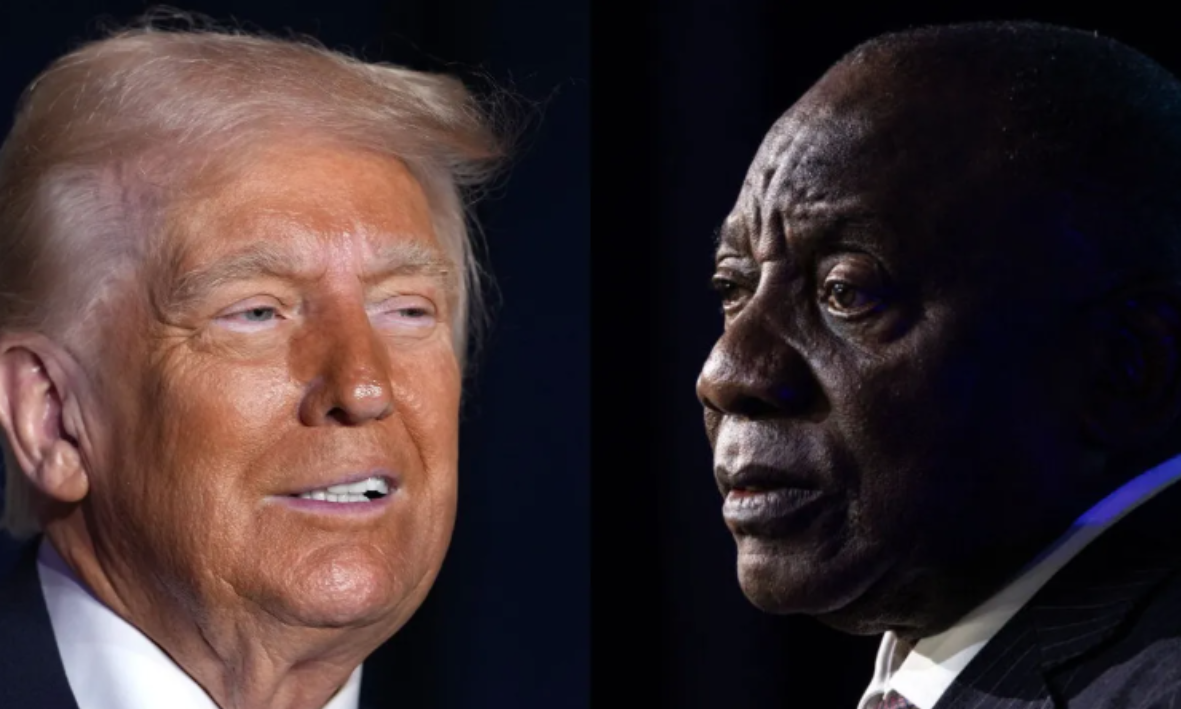
Statement by Bantu Holomisa on President Ramaphosa’s visit to the United States
Statement by Deputy Minister Bantu Holomisa, MP President of the United Democratic Movement As President Cyril Ramaphosa prepares for an important diplomatic engagement with the leadership of the United States, we take this opportunity to reflect on the recent tensions that have emerged between our two nations. These tensions have largely been attributed to unsubstantiated allegations of genocide and land being taken without compensation, among others, against certain communities within South Africa. I remember it as though it was just yesterday when I accompanied President Mandela and President Thabo Mbeki to the United States in October 1993, where President Mandela made a powerful appeal to the international community during his address to the United Nations General Assembly, calling for the lifting of sanctions against South Africa. That call was heeded by the global community, opening the door for South Africa’s reintegration into the global economy. Today, countries like China and the United States stand as South Africa’s largest trading partners. This economic relationship was significantly facilitated by the work of the Binational Commission, which enabled many companies and institutions to strengthen trade and cooperation between the two nations. To ensure a credible and forward-looking path, we call for the resumption of a Binational Commission on the same scale and structure as the historic Al Gore/Thabo Mbeki Binational Commission. This mechanism played a significant role in enhancing mutual trust, policy alignment and coordinated development efforts. A renewed Binational Commission can serve as a meaningful platform to address the current misunderstandings and to create space for practical cooperation. It is in the interest of both countries, and indeed the international community, that these concerns be approached in a constructive and solution-oriented manner. This meeting should not become an arena for blame or division. Rather, it should serve as a platform for shared understanding and cooperative action. Such a commission should include dedicated sub-committees on the Economy, Security, Education and Environment, where both governments can regularly engage on key strategic priorities. This structure would also allow for in-depth discussions on areas of concern and opportunities for collaboration, ensuring that all sectors of society benefit from the outcomes. Importantly, the work of this commission should not occur in isolation. Both Parliaments must be kept informed of its progress, ensuring transparency, accountability and alignment with national interests. Parliamentary oversight will also help institutionalise the work of the commission beyond political cycles. In addition to this, the departments responsible for trade and economic development, namely the South African Department of Trade, Industry and Competition and the United States Department of Commerce, should work closely to identify high-potential sectors and unlock investment opportunities in areas such as energy, agriculture, technology and manufacturing. We must remain conscious that unresolved tensions and negative narratives, if left unaddressed, can erode investor confidence and economic stability. It is therefore essential that diplomacy, cooperation and mutual respect guide our engagements. The weather predictions are promising, setting the stage for what is expected to be a remarkable day on the course. We trust that these two esteemed golfers, each distinguished in their own right and united by a deep love for the sport, will tee off with great enthusiasm and sportsmanship. As they take their first swings, the world watches with keen anticipation, hoping not only for a day of excellent golf, but also for a celebration of talent, passion, and the enduring spirit of the game as well as mutual national interests. Once again, this reminds me of the day when President Mandela, President Thabo Mbeki, Mr Mahlangu of KwaNdebele and I travelled to the United Nations Security Council to make a compelling case for the endorsement of the Organisation of African Unity (OAU), now the African Union, to send monitors to observe and help manage the escalating violence in South Africa. In his characteristic foresight and diplomacy, President Mandela engaged then-President George HW Bush even before the meeting to secure the support of the United States. That request was accepted, and as a result, the lives of many black South Africans were saved through timely intervention. These moments in history remind us of the enduring importance of leadership, partnership, and unity of purpose. This visit carries with it that same spirit of global engagement, shared values, and a collective hope for a more just and peaceful future.

Admin
15 May, 2025
UDM calls for urgent reform and accountability at the National Lotteries Commission
Statement by Zandile Phiri, Acting Secretary General of the United Democratic Movement The United Democratic Movement (UDM) is concerned by the findings of the Auditor-General’s 2023/24 report on the National Lotteries Commission (NLC). The qualified audit opinion, along with serious concerns around internal controls, non-compliance, and nearly R1 billion in unspent grant funding, paints a troubling picture of an institution still failing in its mandate to support vulnerable communities through grant funding. The audit highlights include grant mismanagement, delays caused by critical vacancies, and repeated failure to investigate irregular expenditure. The underspending of R957 million in grant allocations is unacceptable, particularly when those funds could have addressed urgent needs in communities across South Africa. Of great concern are the material irregularities involving incomplete or undelivered projects such as the Motheo Sports Complex and the eDumbe Old Age Home. These are not just administrative oversights but broken commitments to the people who depend on these services. While the UDM acknowledges some improvements under the new board and commissioner, the slow pace of reform and continued vacancies in key positions remain a serious barrier to restoring functionality and integrity at the NLC. The UDM calls on the Minister of Trade, Industry and Competition to take urgent action. This must include the swift appointment of competent personnel, the immediate strengthening of internal controls, full investigation of financial misconduct, and regular public reporting to restore trust. South Africans deserve a National Lotteries Commission that is transparent, accountable, and focused on serving the public good. The ongoing mismanagement of public funds meant to uplift the most vulnerable is unacceptable and must be brought to an end.