
Admin

18 Mar, 2025
Nesethu Rawuzela: UDM Eastern Cape condemns GBV and calls for justice for victims
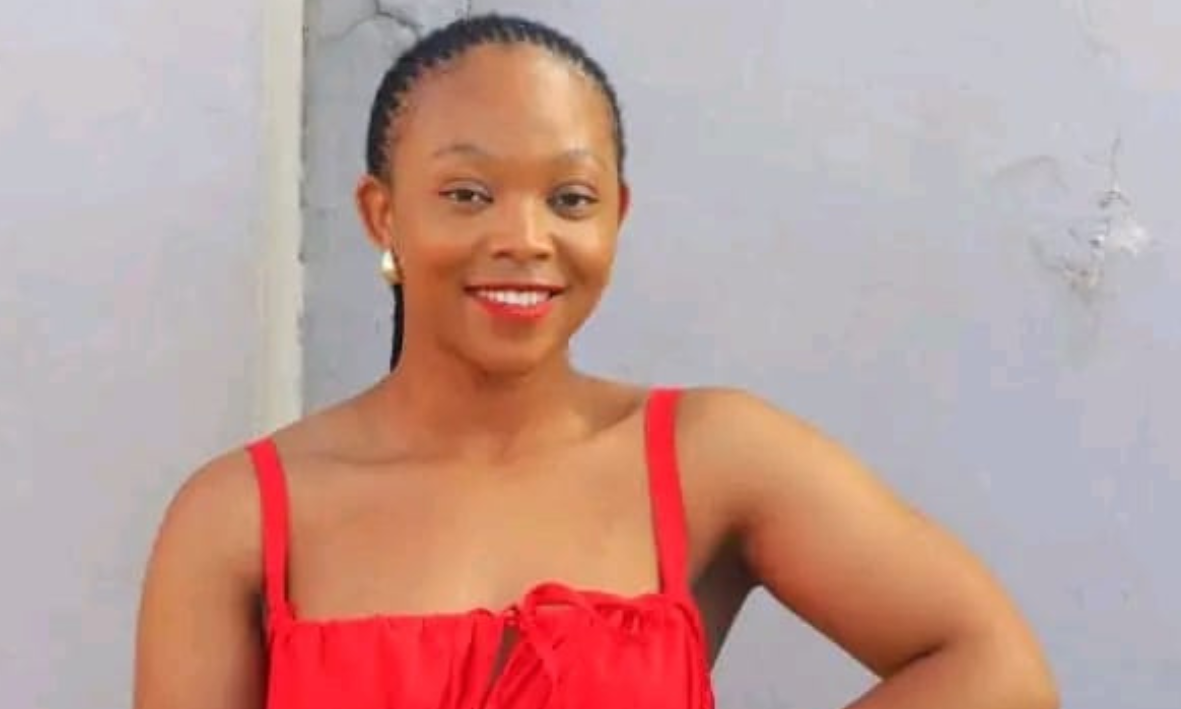
Statement by Bulelani Bobotyane, Provincial Secretary of the UDM in the Eastern Cape The United Democratic Movement (UDM) in the Eastern Cape is deeply saddened and outraged by the tragic murder of Nesethu Rawuzela, a young nurse from Qumbu, Eastern Cape, who was allegedly assaulted by her boyfriend, leading to her untimely death. We extend our heartfelt condolences to the Rawuzela family, her colleagues, and everyone affected by this senseless act of violence. No family should have to endure such pain and loss. Gender-based violence (GBV) continues to plague our society, with women and children bearing the brunt of these heinous crimes. The recent incidents in the OR Tambo district, including the case of a 32-year-old man accused of murdering his 24-year-old wife in Nkonkweni, Qumbu, highlight the urgent need for greater interventions to protect the most vulnerable members of our communities. We remain steadfast in our commitment to the fight against GBV and we call upon law enforcement agencies and the justice system to ensure that perpetrators face the full might of the law. There must be no room for impunity. Justice must be swift, decisive, and uncompromising in dealing with those who violate the rights and dignity of others. The UDM in the Eastern Cape also urge government institutions, civil society, and communities to work together in strengthening GBV awareness, support systems for survivors, and proactive interventions that will curb these atrocities before they occur. Women must feel safe in their homes, workplaces, and public spaces without fear of being attacked by those who claim to love them. The UDM in the Eastern Cape, together with its youth and women’s structures, the United Democratic Students’ Movement (UDESMO) and the United Democratic Movement Women’s Organisation (UDEMWO), will not remain silent while women continue to suffer. We will be at the forefront of advocating for policies and initiatives that address the root causes of GBV while supporting survivors and their families. To show solidarity with the family of the deceased, UDM public representatives, along with members of UDESMO and UDEMWO, will be present at the Tsolo Magistrate’s Court tomorrow to support the Nesethu Rawuzela’s loved ones and demand justice. The UDM stands firm in ensuring that this case is not just another statistic but a turning point in the fight against gender-based violence. To the Rawuzela family and all those who have lost loved ones to GBV, we stand with you in your pain. The UDM will not rest until real change is achieved, and justice prevails.

Admin
12 Mar, 2025
Mismanagement of City Power: R4.9 billion in irregular expenditure
Statement by Andile Jabavu, Gauteng Provincial Secretary of the United Democratic Movement The United Democratic Movement (UDM) in Gauteng is deeply concerned about the Auditor-General’s (AG) shocking findings on the City of Johannesburg's City Power, revealing a staggering loss of R2.8 billion in the 12 months ending 30 June 2024. Even more alarming, the entity incurred irregular expenditure exceeding R4.9 billion, raising serious questions about financial mismanagement, corruption and governance failures. City Power, a vital municipal entity responsible for electricity supply in Johannesburg, is teetering on the brink of collapse. The AG has warned of “material uncertainty” regarding its ability to continue operating, with its liabilities exceeding assets by R1.1 billion. These revelations come as residents endure frequent and prolonged power outages, exacerbating Johannesburg’s ongoing electricity crisis. Of particular concern is the R12 million advance payment allegedly made to a politically connected businessman, for a public lighting project, months before any work was done. Reports shows that internal City Power officials raised red flags, warning that this payment violated Treasury regulations under the Municipal Finance Management Act and the Public Finance Management Act. However, these concerns were allegedly overridden by a senior official who instructed subordinates to process the payment despite clear irregularities. Even more alarming, the businessman in question is allegedly linked to a known African National Congress benefactor, raising serious concerns about political interference. Transparency and accountability are non-negotiable, yet City Power’s response to these grave allegations have been vague, with promises of investigations that have so far produced no tangible results. Meanwhile, Johannesburg residents continue to endure worsening infrastructure and daily power failures. The UDM in Gauteng will not stand by while public funds are mismanaged at the expense of service delivery. We call on the City of Johannesburg and law enforcement authorities to act decisively in rooting out corruption and ensuring that those responsible for City Power’s financial collapse are held to account.
Admin
11 Mar, 2025
UDM condolences to families of R21 bus crash victims and urges road safety compliance
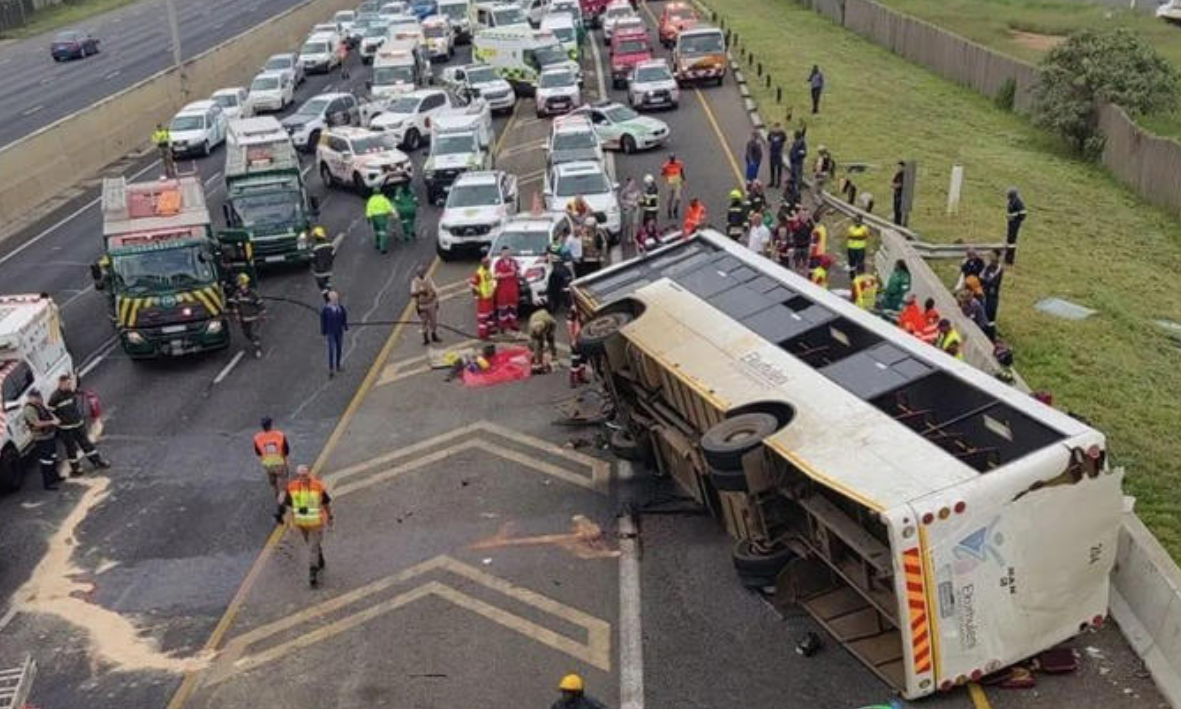
Statement by Zandile Phiri, Acting Secretary General of the United Democratic Movement The United Democratic Movement (UDM) is deeply saddened by the tragic loss of twelve lives in a devastating bus crash on the R21 near OR Tambo International Airport in Gauteng today. Our heartfelt condolences go out to the families and loved ones of the deceased during this incredibly difficult time. We also extend our thoughts and prayers to those who have been injured and wish them a full and speedy recovery. This heartbreaking incident follows two other recent bus crashes in KwaZulu-Natal and the Free State, bringing the total number of fatalities to nineteen in just two weeks. These tragedies highlight the urgent need for stricter road safety measures and responsible driving. We urge all road users, especially public transport operators, to always prioritise safety by: 1. Obeying all rules of the road i.e. the speed limit, road signs and safe following distances must always be observed. 2. Ensuring roadworthiness of vehicles by thoroughly checking them before every trip to prevent mechanical failures, especially tires and brakes. 3. Resting when tired as fatigue is a major cause of accidents, drivers must take regular breaks to ensure they are alert and able to react to road conditions. Losing lives on our roads is unacceptable. The UDM calls on the authorities to intensify road safety campaigns, enforce stricter vehicle inspections and ensure that those responsible for public transport uphold the highest safety standards. May the souls of the departed rest in peace, and may their families find strength during this painful time.
Admin
28 Feb, 2025
UDM disturbed by ill-considered McDonald's foldable desks for Grade 1 learners
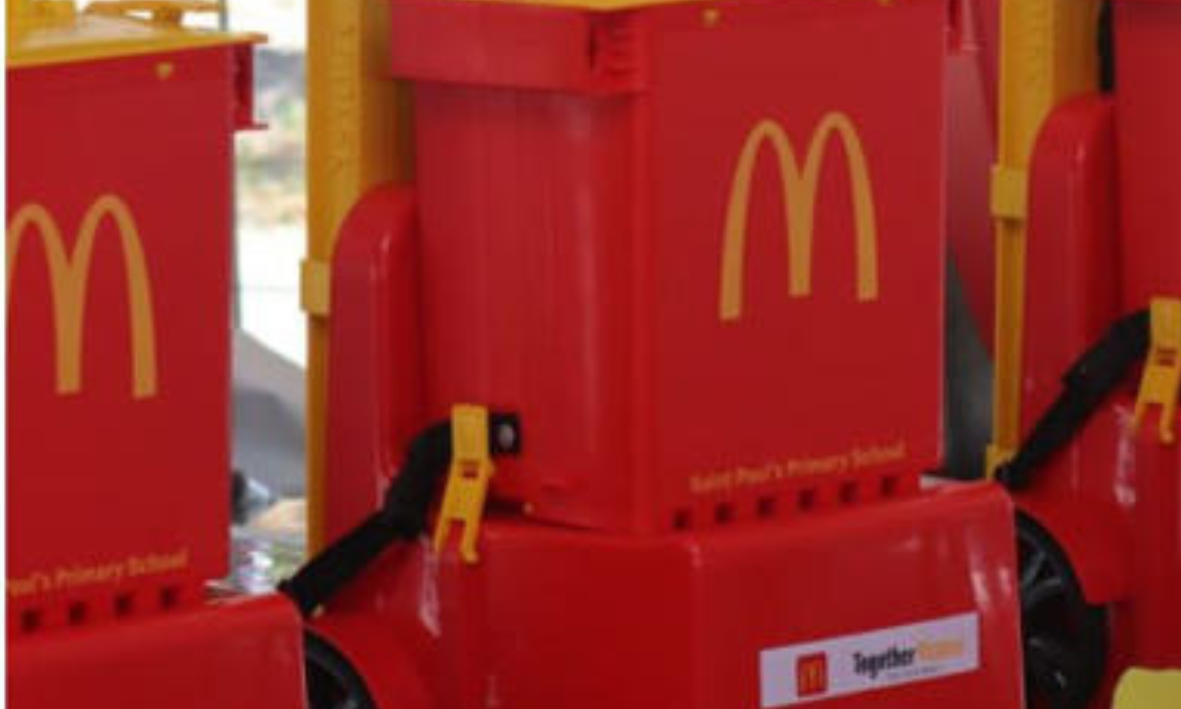
Statement by Zandile Phiri, Acting Secretary General of the United Democratic Movement The United Democratic Movement (UDM) is deeply concerned about the ill-conceived donation of foldable school desks, handed over by the Minister of Basic Education, Ms Siviwe Gwarube, in partnership with McDonald's and MiDesk Global. These desks were given to St. Paul's Primary School in Cape Town's Bo Kaap, in the Western Cape. It is unacceptable that, in 2025, our children are being used as walking advertisements for corporate branding instead of being provided with fully equipped classrooms that uphold their dignity. South African parents and educators have justifiably expressed their outrage over this situation. Rather than ensuring every child has a proper desk in the classroom, the department is celebrating a donation that shifts the responsibility from the government onto the backs of young children - literally! These desks are highly impractical, especially given the long distances and challenging roads many children must traverse to get to school. Adding this extra burden is absurd. To make matters worse, it is highly likely that the average child carrying the McDonald's foldable desk won’t even be able to afford a McDonald's Kiddies Meal in the first place! This situation is a national embarrassment for which Minister Gwarube must take full responsibility. We call on the Government of National Unity to ensure that every child, especially the poorest of the poor, has a desk to sit at when they are at school. Let us hope this is a one-time failed experiment that is not repeated elsewhere in the country.
Admin
28 Feb, 2025
UDM calls for urgent action against school bullying after more than 500 incidents occurred
Statement by Zandile Phiri, Acting Secretary General of the United Democratic Movement The United Democratic Movement (UDM) is deeply concerned about the alarming number of bullying cases reported in South African schools since the start of the 2025 academic year. A staggering 548 incident have been recorded, with Limpopo leading at 305 cases, followed by North West (78), Eastern Cape (68), and other provinces reporting significant numbers. The recent tragic deaths of learners, as well as shocking cases of physical and emotional abuse in schools, highlight the urgent need for decisive action. No child should fear going to school and no family should have to mourn a child due to bullying. The UDM calls on: 1. School authorities to strictly enforce disciplinary measures against bullies, including suspensions, expulsions and criminal charges where necessary. 2. Government to immediately launch a nationwide anti-bullying campaign, involving teachers, parents, learners and law enforcement to educate and prevent further incidents. 3. Schools and school governing bodies to have clear anti-bullying policies that are strictly implemented and monitored. An updated “Addressing Bullying in Schools” manual must be expedited and enforced by mid-2025. 4. Government to ensure that trauma counselling and legal support are available for victims of bullying and their families. 5. School principals, governing bodies and education departments must be held accountable for failing to act on bullying cases. The UDM further calls on the Department of Basic Education, SAPS and the Department of Social Development to intensify their inter-departmental efforts to prevent school violence. Parents, communities and school staff must work together to ensure that schools are safe learning environments for all children. Bullying is not just “child’s play”, it has deadly consequences. The UDM demands urgent action before more lives are lost.
Admin
27 Feb, 2025
UDM rejects commission of inquiry into initiation deaths as a wasteful exercise
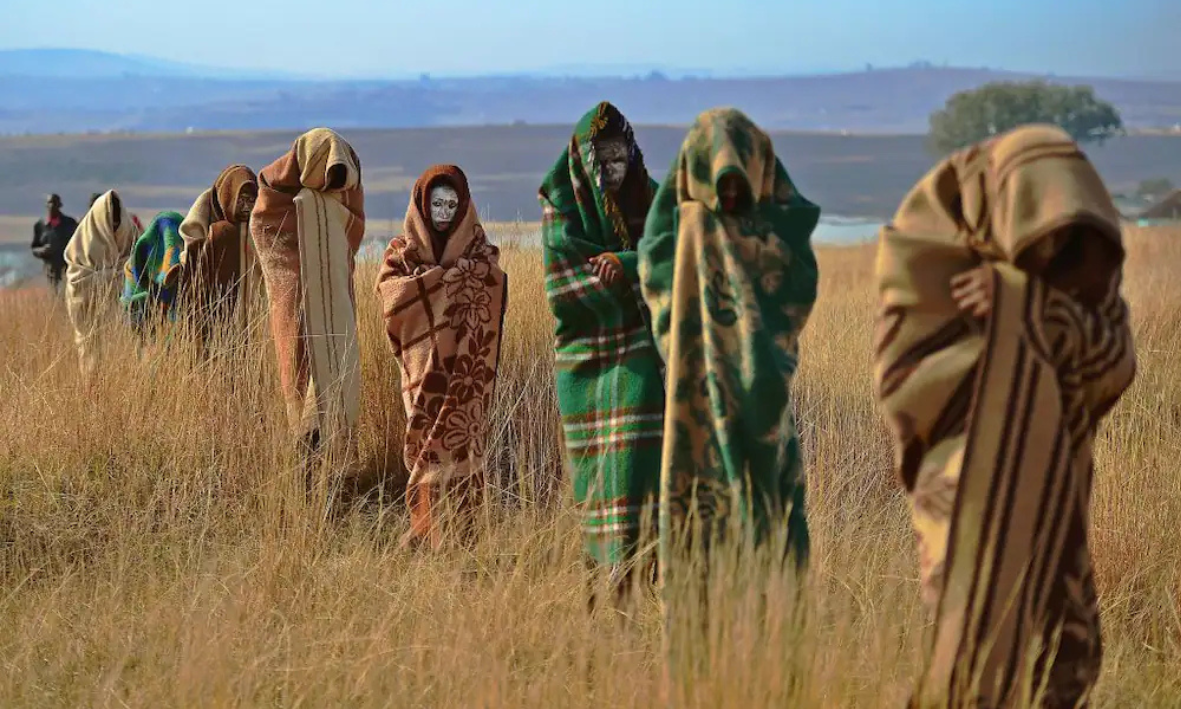
Statement by Nqabayomzi Kwankwa, UDM Deputy President and Leader in Parliament The United Democratic Movement (UDM) strongly rejects the Department of Cooperative Governance and Traditional Affairs’ (CoGTA) decision to establish yet another commission of inquiry into the tragic deaths of initiates in the Eastern Cape. This is nothing more than a wasteful exercise that will do nothing to address the ongoing crisis. We have seen this pattern before; the government launches a commission, spends millions of rands, compiles a report, and then shelves it. Meanwhile, families continue to bury their children, and the root causes of the problem remain unaddressed. If the government were truly serious about resolving this issue, it would prioritise the solutions that traditional leaders have long proposed. The House of Traditional Leaders has consistently called for stricter enforcement against illegal initiation schools, proper training and regulation of traditional surgeons, and better coordination between cultural structures, communities, and law enforcement agencies. These are practical, implementable measures, yet CoGTA chooses to waste time and money on another commission that will bring no new solutions. Even more concerning is the complete lack of consultation on this matter. Some leaders of the Congress of Traditional Leaders of South Africa (CONTRALESA) were not even informed of this decision and only learned about it through the media. This raises serious questions about the government’s true intentions. If this commission is genuinely meant to protect initiates, then why are those responsible for overseeing the tradition being sidelined? This is unacceptable and further proof that the commission is nothing more than a political smokescreen, an illusion of action with no real impact. For years, traditional leaders, as custodians of this sacred practice, have pleaded for resources to properly implement their strategies, yet they have struggled to secure government support. They have called for funding and resources to ensure that initiation schools are safe, properly regulated, and culturally authentic. Yet, instead of investing in these well-funded solutions, the government suddenly finds money for an inquiry, a process that could cost millions while delivering little to no tangible change. This is yet another example of misplaced priorities: money wasted on endless discussions instead of real, life-saving action. Should CoGTA insist on proceeding with this commission, it must be led by Xhosa men who have undergone the initiation process themselves. Anything less would be a complete insult to this deeply significant rite of passage. Initiation is not a bureaucratic procedure, it is a sacred tradition that requires respect, cultural understanding, and firsthand experience. No one who has not walked this path can claim to regulate or intervene in a process they do not fully grasp. The UDM demands that CoGTA abandon this unnecessary commission and instead redirect its resources towards real, practical interventions, such as regulating traditional surgeons and caregivers, enforcing strict oversight of initiation schools, and strengthening collaboration between cultural structures, communities, and law enforcement. Furthermore, there must be aggressive law enforcement operations targeting illegal initiation schools and unqualified surgeons, particularly in hotspot areas such as the OR Tambo and Alfred Nzo regions of the Eastern Cape. The time for talking is over, now is the time for action. Mabaye bephila, babuye bephila abantwana!
Admin
27 Feb, 2025
UDM raises concerns over education crisis: Our children deserve better
Statement by Zandile Phiri, Acting Secretary General of the United Democratic Movement The United Democratic Movement (UDM) is alarmed by the findings of the latest 2030 Reading Panel report, which confirms the ongoing crisis in South Africa’s education system. This report paints a bleak picture of literacy and mathematics skills among both pupils and educators, further entrenching inequality and threatening the future of our children. According to the Report, a shocking 80% of Grade 3 pupils still cannot read for meaning in any language, while nearly 70% of Grade 6 pupils fail to reach appropriate reading levels in their language of learning and teaching. Even more concerning is the widening gap between pupils who speak English and Afrikaans and those who speak African languages - an unacceptable reality in a democratic South Africa. Equally distressing is the sharp decline in Maths proficiency among teachers. In 2013, only 1.4% of Grade 6 maths teachers had basic maths knowledge; today, that number has jumped to 7.3%. This means too many of our children are being taught by educators who lack essential skills to prepare them for the future. How can we expect our young people to compete in a world driven by science, technology, and innovation when our education system is failing them so badly? While we note the improvement in teacher reading proficiency, with 94% of Grade 6 teachers now classified as critical readers, this progress has yet to translate into better literacy outcomes for pupils. The UDM acknowledges efforts by some provinces to introduce reading assessments, but we need a national approach that ensures no child, regardless of where they live, is left behind. The root causes of this crisis are clear: • The lack of proper teacher training and professional development. • Overcrowded classrooms that prevent individual attention. • Budget cuts that leave provinces struggling to provide basic resources. • Misalignment between universities and the Department of Basic Education, leading to teachers unprepared to teach in African languages. The Department of Basic Education’s slow response has already robbed too many children of their right to quality education. The UDM demands urgent and decisive action: • Immediate intervention in foundation phase education to equip young learners with strong literacy and numeracy skills from the start. • Better teacher training and recruitment, where universities must produce educators who are truly fit for purpose. • Investment in African language education, because language should not be a barrier to success. • Proper budget allocations: Government must better spend funding for quality education. Our children are the future of this country but without the right education, they have no future at all. The UDM calls on the Government of National Unity to step up its game so that every child in South Africa receives the quality education they deserve.
Admin
25 Feb, 2025
South Africa’s climate crisis: UDM calls on GNU to act swiftly
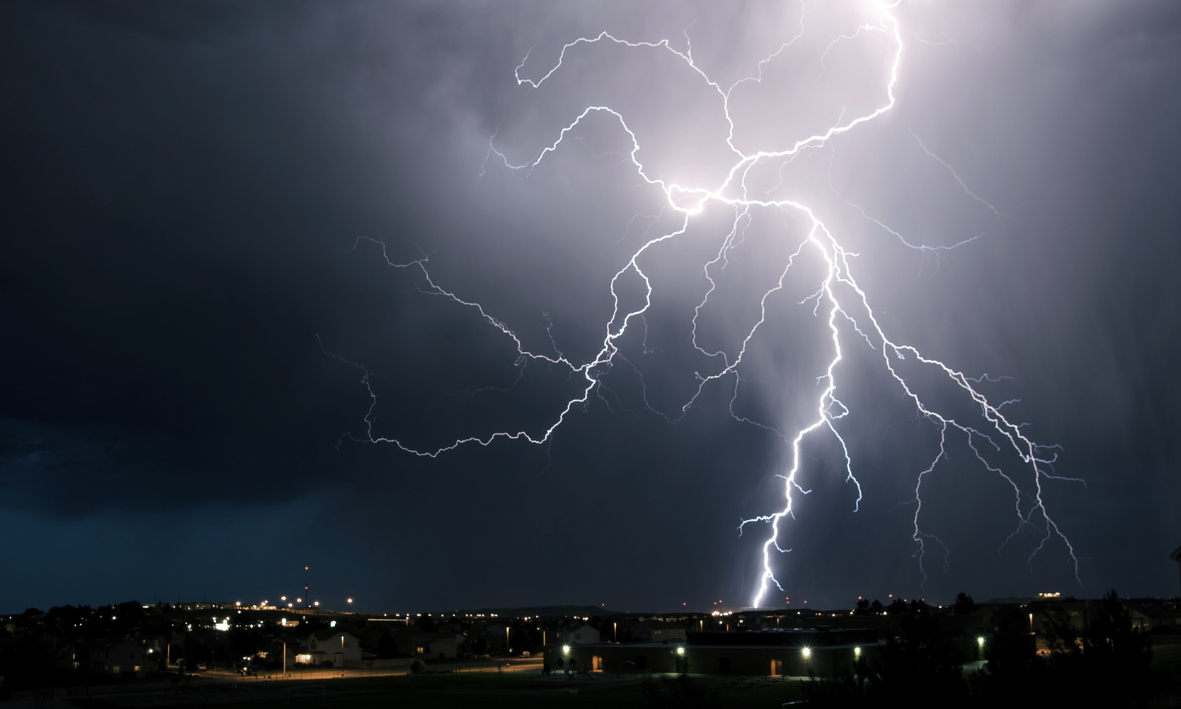
Statement by Zandile Phiri, Acting Secretary General of the United Democratic Movement The United Democratic Movement (UDM) is deeply concerned about the deteriorating climate crisis gripping South Africa. The country is in the grip of a worsening climate change crisis, with extreme weather events hitting harder and more often, putting the country’s people, economy, and environment at risk. Just this month, February 2025, KwaZulu-Natal was hammered by heavy rains and mudslides that killed seven people, while the Eastern Cape saw healthcare facilities wrecked by strong winds and flooding in the Alfred Nzo region. Pretoria has also recently endured a devastating tornado and severe flooding, prompting urgent safety warnings as homes, businesses, and infrastructure were left in ruins. South Africa needs to fight back and stop matters from getting worse. In that case, we need big, bold moves, starting with fixing our energy and transport systems, to cut emissions. The African Risk Capacity (ARC) has published a white paper titled “The State of Natural Disaster in Africa”, which examines the state of natural disasters in Africa and sheds light on a growing concern about the increased frequency of weather-related natural disasters and their devastating economic impact on the continent. Over the last decade, the frequency of disasters has steadily increased, rising from 32 incidents in 2014 to 56 occurrences in 2023, mainly due to floods. This escalating crisis has left South Africa, Mozambique, and Madagascar among the worst-affected nations in Southern Africa. Tackling this crisis requires an aggressive shift towards sustainable solutions. The country must prioritise strengthening its energy and transport systems to reduce emissions and build climate resilience. Government's commitment to renewable energy, as outlined in the Integrated Resource Plan, must be expedited to a just transition away from coal dependency. The potential of solar and wind energy, especially in resource-rich regions like the Northern Cape, must be fully, but carefully, harnessed. Additionally, investment in nuclear power, including small modular reactors that have proven successful in other nations, like China could ensure a stable and clean energy supply. Equally crucial is a transformation in the transport sector, as 90% of the country's transport emissions come primarily from private vehicles. The expansion of the Bus Rapid Transit (BRT) systems, such as Rea Vaya in Johannesburg, A Re Yeng in Tshwane and MyCiTi in Cape Town, could be a game-changer in reducing congestion and emissions. However, these systems must extend beyond major cities to smaller towns and rural areas, where deteriorating roads and limited public transport options have left communities vulnerable. To achieve this, the government must also address the ongoing tensions with the taxi industry and integrate minibus taxis into a cleaner, more efficient public transport system. Rail transport remains another area in dire need of reform. PRASA’s inefficiency, compounded by years of neglect and mismanagement, has rendered the system unreliable, leaving millions (including business and manufacturing) reliant on road transport. Restoring and modernising rail networks could significantly cut emissions while providing a safer, cost-effective transport alternative, particularly during disasters when roads become impassable. Strategic investment in rail infrastructure must become a national priority, ensuring that railways play a meaningful role in South Africa’s green transition. Beyond energy and transport, climate-proofing infrastructure must be embedded into urban planning, agriculture, water management, and disaster preparedness strategies. Extreme weather events are not anomalies but a new reality. Roads, bridges, buildings, and power grids must be designed to withstand severe weather conditions, while early warning systems and emergency response capabilities need urgent enhancement. Strengthening partnerships with global actors, like the European Union, will also be crucial in securing funding and technical expertise to meet the country’s climate targets under the Paris Agreement which for example include a greenhouse gas emission target of 350-420 MtCO2e by 2030. The evidence is undeniable, climate change is no longer a distant threat but an immediate crisis. The UDM believes that the Government of National Unity must act decisively to mitigate its effects, protect vulnerable communities, and build a sustainable future. The tools, policies, and frameworks exist, but without bold leadership and swift implementation, the country risks sliding deeper into an environmental and economic catastrophe. The time for half-measures and lip service has passed, our country needs urgent, transformative action before it is too late.
Admin
25 Feb, 2025
Ikageng Village near Rustenburg under threat of water, 3 years going, and nobody cares
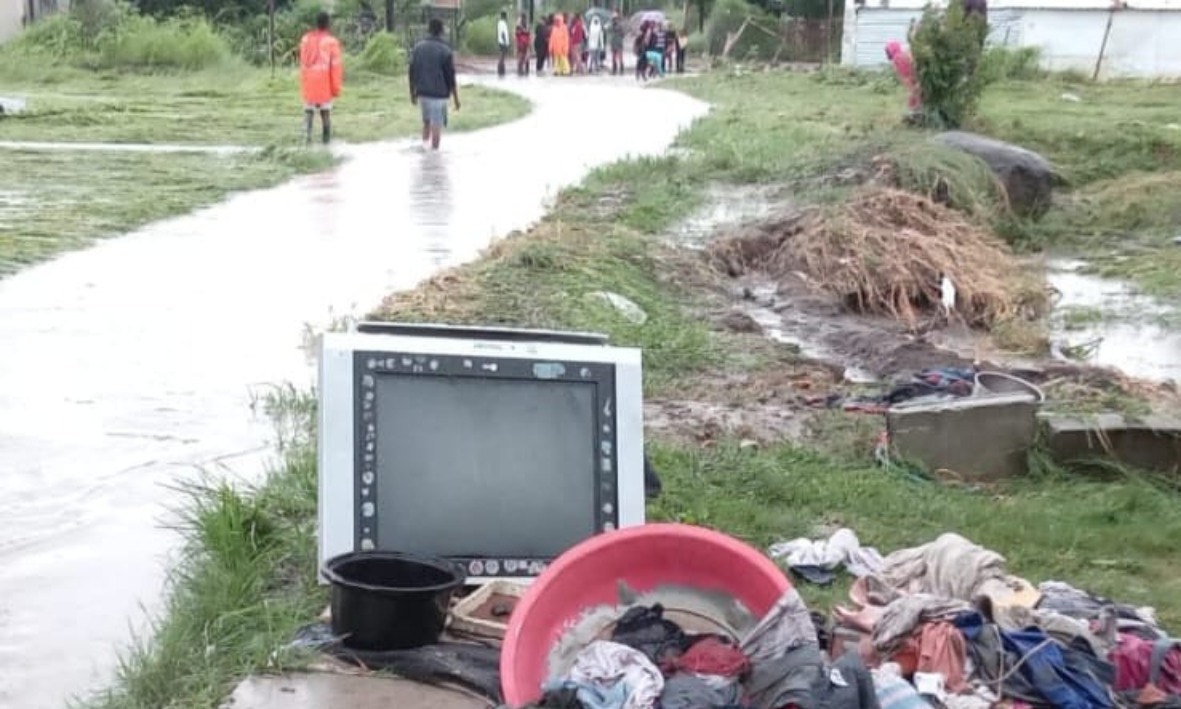
Statement by Samuel Mualefe Chairperson of the UDM in North West and Msawenkosi Dumela, UDM National Deputy Organiser who hails from North West The United Democratic Movement (UDM) in North West is deeply concerned about the persistent and worsening issue of floodwater affecting the Village of Ikageng, originating from the Village of Rankilenyana on the road to Sun City, near Rustenburg in the North West. This ongoing crisis, which has plagued the community for the past three years, continues to cause widespread damage and suffering. The floodwater, stemming from mining operating companies near Rankilenyana, flows into Ikageng, wreaking havoc on residents' homes, infrastructure, and livelihoods. Despite numerous proposals and pleas submitted to government authorities to address the situation, there has been no response, intervention, or update from either the government or the ward councillor. The silence and inaction from those in leadership positions demonstrate a gross disregard for the well-being of the affected community, leaving residents in a state of uncertainty and frustration. The consequences of the flooding are devastating and include: • Severe damage to homes, belongings, and essential infrastructure. • Loss of valuables and financial setbacks for already struggling families. • Health and safety risks, including waterborne diseases and potential drownings. • Disruptions to daily life, including access to schools, workplaces, and essential services. • Severe environmental impacts and soil erosion. While the officials from disaster management have made visits to the area, their response has been wholly inadequate. They merely take down the contact details of affected residents and leave, offering no tangible assistance, emergency relief, or long-term solutions. This level of neglect is unacceptable. The UDM in North West calls on the government and all relevant authorities to take urgent and concrete steps to resolve this crisis: 1. Government must provide a detailed and transparent response to the proposals submitted by pressure groups and concerned community leaders, outlining their validity and the planned course of action. 2. Authorities must urgently implement sustainable flood control measures to address the root cause of the problem. This includes proper drainage systems, water diversion strategies, and holding accountable the operating companies responsible for exacerbating the crisis. 3. The government must provide tangible support to residents who have suffered financial losses due to the flooding. Compensation packages, emergency aid, and improved disaster response mechanisms should be put in place to protect vulnerable families from further hardship. This ongoing disaster is a failure of governance and planning. The residents of Ikageng cannot continue to suffer while those in power remain inactive and unresponsive. The UDM will not allow this issue to be ignored any longer and will continue to push for accountability and action. The time for empty promises is over, government must act now!
Admin
20 Oct, 2020
President Ramaphosa does not take the youth seriously!
The United Democratic Movement Youth Vanguard (UDM Youth Vanguard) thinks President Cyril Ramaphosa lives in a fool’s paradise if he believes that his government will implement his big plans. Since Mr Ramaphosa became president, every speech has been full of optimism and plans for a new dawn, however South Africans have not seen any implementation. The UDM Youth Vanguard has a lingering question as to what exactly makes the President thinks his big plans are easily implementable and we would like to know if there is an effective strategy in place to successfully execute his plans. Our concern stems from the looting culture we recently witnessed with the Coronavirus pandemic, where government officials were accused of the abuse of state funds, as well as the severe maladministration of the President’s initiatives. A simple example is the dismal failure to implement the R350 special Covid-19 Social Relief of Distress Grant (SRD grant) as, to date, young unemployed South Africans have not received their full grants as promised. It is a struggle for the department of social development to disburse these grants every month to deserving beneficiaries. We strongly reject the assertion, and proffered statistics, that these SRD grants have helped young unemployed South Africans to live above the poverty line. We have experienced a ridiculous increase in food prices, therefore the R350 certainly is not enough to make a tangible difference. The statistics are misleading, and it surely does not represent the realities and hardships that young people daily face. It is repulsive to see the President addressing the nation with misleading information and this culture must be condemned The UDM Youth Vanguard would like the President to present an effective implementation strategy of all the plans he mentioned in his speech, more especially on his plans regarding job creation. We should be cognisant of the fact that thousands of South Africans have lost their jobs during the Covid-19 pandemic and therefore creating 800,000 jobs will not only be challenging, but insufficient. This kind of plan requires strong leadership and integrity which the current leadership has failed to provide to date. The President also needs to be specific regarding the duration of the employment, because it is unfair to create job opportunities that only last for a few months and thereafter the recipients must return to the unemployment benches. We refuse to call that job-creation and it cannot be documented on the statistics as it is demeaning and undignified. We call on President Ramaphosa to issue a directive to all departments with clear plans and implementation strategies, with timeframes, that clearly sets out how his plans must be implemented. Accordingly, those plans must be published so that young people can hold those departments and the relevant ministers accountable. Furthermore, young people are hungry for change and we are tired of empty promises. We want urgent change, and the government should respond with speed. President Ramaphosa must take the necessary measures to hold all government officials who are suspected of corruption to account. Suspend, fire and open criminal cases. The youth is ready to serve this nation and thereby better the lives of all our people. We cannot afford to continue on this slippery slope of corruption and degradation. Young South Africans do not need motivation, they have it is an innate ability. They do not want pity, they want change. Cut the red tape and make it possible for young people to thrive, work and build their own businesses and enhance their standard of living. Issued by: Mr Yongama Zigebe UDM Youth Vanguard
Admin
18 Sep, 2020
Ivanplats: a community tragedy in waiting
The United Democratic Movement (UDM) in Mogalakwena is deeply saddened by the tragedy that took place early this week at an Ivanplats owned mine in Mokopane, which has rocked our entire community. As we keep those families in our thoughts, we are also concerned for this entire community who solely depend on Ivanplats’ Platreef Project to keep food on the table and care for their children. Since the beginning of the year, we have several times seen the mineworkers and the people of Mogalakwena marching on Ivanplats as there are on-going problems, mainly around unfair retrenchments. Another of our concerns is the community’s feeling that the company retrenches locals, yet it continues to employ outsiders. There are lingering allegations that mining on that site is illegal and the Department of Mineral Resources and Energy must give definitive leadership on that score. The UDM in Mogalakwena therefore appeals to Minister of Mineral Resources and Energy to promptly step in to resolve the various conflicts regarding mining in the area to avoid an escalation in community unhappiness, as well as the related acts of civil disobedience that ordinarily follows. This has been going on long enough. – end – Issued by: Mr Pholotsi Samuel Mahlabela UDM Chairperson of Mogalakwena Municipality
Admin
11 Sep, 2020
Nosiviwe Mapisa-Nqakula must resign!
The United Democratic Movement Women’s Organisation (UDEMWO) is totally dismayed at how Nosiviwe Mapisa-Nqakula decided to use a South African Air-Force jet to transport African National Congress members to Zimbabwe. The ruling party is so used to abuse state resources, that are paid by the hard-earned money of taxpayers, this mind set is not helping the country to go forward nor our crummy economy. UDEMWO calls on the Minister of Defence Nosiviwe Mapisa-Nqakula to resign with immediate effect clearly she is not interested in her job and has no respect for the taxpayers, which is why she takes such irrational decisions. It is high time that the ANC start drawing a line between the state and their organisation, the abuse of state resources has to come to an end. Since when state assets are to be used to give lifts? Nosiviwe Mapisa Nqakula’s attitude is disgusting! This is unacceptable and as UDEMWO we won’t allow it to happen under our watch. Issued by: Ms Thandi Nontenja UDEMWO Secretary General
Admin
10 Sep, 2020
Mathole High School bullying incident
The shocking video clip that has been circulating on social media, of a female learner degradingly, physically abusing another, who tried to shield herself from the beating, has left us repulsed. This incident, taking place between two Mathole High School learners, is yet another harrowing demonstration, this year alone, of the undesirable culture of bullying in our schools and in our broader society. The United Democratic Movement Youth Vanguard (UDM Youth Vanguard) commends the KwaZulu-Natal Education Department’s suspension of two Mathole High School learners in relation to the incident, although we would like to understand why the second learner was suspended. We are also happy to hear that the victim, in particular, will receive counselling, that she has been advised of her rights and that she will be assisted in opening a case with the police. Bullying is an increasingly prevalent problem in schools and the degree of violence is arguably escalating. Not only does bullying directly affect academic performance, but it also has long-term damaging effects on a child’s confidence and self-esteem. Consequently, bullying extends far beyond the academic scope as learners can also develop anger issues and are far too often driven to suicide. It is for this reason that we call on the Department of Basic Education to take a long-term view in addressing all types of bullying in schools. An inclusive solution should include the implementation of a standardised anti-bullying policy for all schools and increased awareness campaigns, to teach learners, teachers and school governing bodies about bullying and its serious consequences. The UDM Youth Vanguard denounces physical, emotional, verbal, cyber, sexual and prejudicial bullying and we stand with those who say that this undesirable culture has no place in our institutions of learning. Schools, universities, colleges and other places of learning should not be palaces of terror, but temples of learning where our youth are safe to fulfil one mission and that is to learn. Moreover, we urge every young South African to speak up against bullying and to never be part of the problem, but to be part of the solution. Issued by: Mr Yongama Zigebe UDM Youth Vanguard
Admin
01 Sep, 2020
Open Letter by UDEMWO to Minister of Women, Youth and Persons with Disabilities Mrs Maite Nkoana-Mashabane
Mrs Maite Nkoana-Mashabane Minister of Women, Youth and Persons with Disabilities Private Bag X931 Pretoria 0001 Dear Minister Nkoana-Mashabane ACTIONS SPEAK LOUDER THAN WORDS: YOU ARE LEAVING THE WOMEN OF THIS COUNTRY WITH THE IMPRESSION THAT YOU SIMPLY DO NOT CARE ABOUT THEM The time for annual talk shops, when it is Women’s Month in August, and in December, for Sixteen Days of Activism, is over. The same applies to the drawing of rosy pictures by the provincial representatives as was seen at the recent Women’s Parliament held on 28 August 2020. The United Democratic Movement Women’s Organisation (UDEMWO) has heard enough lip-service as women’s lives are ruined and lost, daily, and you appear to be nothing more than a minister that is there for window dressing. We want action and we want to see you taking that action. Gender-based violence (GBV) is real and claiming far too many women and children’s lives and we are left with the impression that you are not taking this matter very seriously. UDEMWO was totally flabbergasted at the fact that you chose to join this year’s Women’s Parliament virtually. What has happened to the Batho Pele principle that says: “Citizens should be treated with courtesy and consideration.” Seemingly, Minister, you have forgotten about this principle. This event happens only once a year and you could have taken the time from your “busy schedule” to show respect due to the women of South Africa and in particular to the victims of GBV. We understand that Covid-19 has meant that we must navigate uncharted waters, but travelling is possible now and your presence in the house would have made a difference. Worse still, you left the virtual platform just after your presentation, leaving many women hanging with several unanswered questions. This brings a new level to disrespect and is a total disregard of the Batho Pele principles. If President Cyril Ramaphosa attends Parliament for a mere question and answer session in person, as he recently did, what excuse could you have for not attending Women’s Parliament? Your department’s, and therefore your, mission is: “To provide strategic leadership, coordination and oversight to government departments and the country in mainstreaming empowerment programmes on women, youth and persons with disabilities”. Yet this seems to be a few words strung together with no personal or professional meaning to you. What are you in reality doing to fight the scourge of GBV; i.e. not riding on the coattails of the President and the Minister of Police? Simply delivering a Women’s Month speech, issuing a press release here and there, and attending press briefings cannot be the scope, and entire product, of your work. Minister, seemingly you do not have a solution for GBV, besides the so-called Thuthuzela Care Centres, which we do not even see in our communities, that only try to assist after the crime of rape has been committed. UDEMWO calls you to establish a mass programme that focusses on self-defence for women, so that they can fight for themselves when they are pushed into a tight corner by the opposite gender. Women die with protection orders in their hands and such a self defence programme could help to flatten the GBV curve. We are tired of being victims, it is time for us to be able to defend ourselves. The need of South African women is great, and the time for action is now, please help! Yours sincerely Ms Thandi Nontenja UDEMWO Secretary General
Admin
25 Aug, 2020
Service delivery protests in Msinga: UDM in KZN condemns mayors’ bullying
Year-on-year, the Msinga Municipality in KwaZulu-Natal (KZN) has been rated one of the worst performing municipalities in the country. Water provision for this community has been a perennially unsolved problem with the Umzinyathi District Municipality, even though the United Democratic Movement (UDM) in KZN has consistently highlighted this issue. It is therefore no wonder that residents in this area have recently taken to the streets to protest poor service delivery. The UDM in KZN is however concerned about the language and tone of Msinga Mayor, Buyiswa Ngcobo, in addressing these service delivery issues, in particular regarding Ward 12, where she is the responsible ward councillor. When she recently spoke on a community radio station, she was arrogant and unsympathetic, indicating that some protestors had already been arrested. As much as the UDM condemns violence and destruction of property, the powers that be in Msinga must realise that the blame for such behaviour is to be laid squarely at their feet. The UDM in KZN furthermore would like to understand why the Mayor of Msinga and the Mayor of Umzinyathi District Municipality, Petros Ngubane, would drag community representatives to a meeting, today, at the Helpmekaar Police Station, which is quite far for the community leaders to travel at great cost to themselves, whilst they are amongst the poorest of the poor. We also question why the mayors wanted the meeting to take place in a police station at all? No community member would feel free to voice their frustrations about service delivery whilst surrounded by armed police, inside a police station. Should tempers flare, we could have another Marikana on our hands. This is unadulterated intimidation and is, in fact, quite irresponsible. The UDM in KZN calls on both the MECs for Cooperative Governance and Traditional Affairs and for Safety and Security to speedily intervene in this situation to help the people of Msinga. — end — Issued by: Mr Boysey Gumede UDM-KZN Interim Provincial Secretary.
Admin
09 Aug, 2020
Women’s Day Celebrations vs GBV
Once again, yesterday the nation saluted our foremothers of 1956, those courageous women who took the initiative and challenged the apartheid regime. We owe the freedom we claim to have today to those heroines. What is missing today is that calibre of women, who held the knife on the sharp side. The year 2020 sadly marks a gloomy picture in this history as we contend with the daily escalation of Gender Based Violence in our country. Gender Based Violence and femicide have taken root and threaten the very fabric of our diverse communities. Reports in media state that with the Covid19 pandemic, the numbers in GBV have increased drastically worse. The question is; why are our male counterparts taking out their frustrations on women? Did the women bring Covid19 in this country? Every parliamentary term, the ruling party appoints a Minister for women however the ministry of women seems to be voiceless. We don’t hear their inputs or condemnation of these heinous incidents. The ruling party prides itself on having a 50-50 representation of women in all their structures, including the Cabinet. Do these women have a voice or input on the formulation of policies and laws that govern this country and women in particular? It would seem the 50-50 represents 50% of spectators or rubber stampers. The missing voice of faith-based institutions is a matter of concern especially when one considers the role of the churches during the liberation struggle. Are the faith-based condoning what is happening at the moment? South Africa used to have formations like PWMSA and SAWID which were representative of various stakeholders. What happened to those formations? What is their role in the new dispensation? GBV is rampant in South Africa; raping and killing young and old on a daily basis. A day before this year’s Women’s Day, a mother, a sister, an aunt, a grandmother, a daughter, a mentor, was buried in Sterkspruit after being brutally killed for being accused with witchcraft. This is not an isolated incident. As a nation we have to commit to justice and gender transformation in all sectors of our society; we need to review our laws which seem to favour the perpetrators at the expense of the victims. South Africa needs to create an enabling environment for meaningful existence and equal opportunities for women. A gender equal society is possible. We must draw strength from the spirit of the generation that marched to Pretoria. UDEMWO calls on all women in South Africa to walk in the footsteps of those women, in fighting the scourge of GBV. We must always remember that those women came from all walks of life; there were no political, religious, race divisions. I would like to quote from Tata Mandela where he said “Freedom cannot be achieved unless the women have been emancipated from all forms of oppression.”
Admin
05 Aug, 2020
R30m PPE scandal: AFU must restrain KZN social development officials’ property
The United Democratic Movement (UDM) in KwaZulu-Natal (KZN) calls on the National Prosecuting Authority’s Asset Forfeiture Unit (AFU) to urgently apply for an order of restraint of the property of the high-ranking provincial social development officials who have been accused of contravening the Public Finance Management Act and who face charges of misconduct over the dodgy procurement of personal protective equipment (PPE) as well as blankets. We commend the department’s move to suspend the implicated officials as announced by the KwaZulu-Natal MEC for social development Nonhlanhla Khoza. However, suspending them and opening criminal cases are not enough, the AFU should obtain a restraint order to seize property before their potential conviction to ensure that the property is available to be sold later if needs be to recoup the R30 million. Furthermore, the department must take the public into confidence and indicate whether this is the only filthy transaction that these officials might have been involved in, if there are any other transactions, those too must be made known publicly. It is however an indictment of the department that it only ordered investigation, into what appears to be blatant theft, due to public pressure. Whether public pressure is exerted or not, the government owes it to the South African taxpayer to be transparent in all its dealings, especially where corruption is concerned. The UDM also calls upon the department to name and shame the involved service providers and to blacklist them so that they may not do any further business with the government. Issued by: Mr Boysey Gumede UDM KZN Interim Provincial Secretary
Admin
05 Aug, 2020
Is dissolution of executive, in favour of a caretaker, not the answer to corruption?
Media release by Mr Bantu Holomisa, MP and UDM President To put things in perspective the start of South Africa’s steady descent into the depths of dishonesty and exploitation was Sarafina II, what followed was the Arms Deal, Oilgate, Travelgate, as well as the Chancellor House/Hitachi deal. Then it was Transnet, Prasa, VBS, PIC, relationships with the Gupta family, to name but a few headliners and most recently, the alleged corruption involving the R500 billion Covid-19 relief fund, which took an already despicable practice to new moral lows. How can the people of this country believe Ace Magashule when he says his party is “outraged and deeply embarrassed” by acts of corruption allegedly committed by some of its members and leaders in Covid-19 procurement across the country? Tenderpreneurship, (ab)using ties with family and/or friends, is certainly not new. South Africa has reeled from one scandal to another and the African National Congress (ANC) National Executive Committee (NEC) saw nothing wrong, and has, for years, allowed the comrades in corruption to perfect their craft. Now, suddenly, the ANC NEC woke up to the idea that, even if its legal to benefit at a suffering people’s expense, which has been its primary defence in the past, it is unethical. If it had not been for the Covid-19 experience, things would have merrily continued… as it turns out, some corruption are worse than others. Cadre deployment, as well as factional infighting, have paralyzed the state completely. That said, after a quarter of a century’s worth of corruption, the truth of the matter is that the governing party is incapable of rooting out corruption. Not only because of a lack of political will, but mainly because its entire leadership is tainted, and it is impossible for the accused to preside over the investigation, trial and punishment. Maybe the time is ripe for South Africans to consider, and debate, something a little more drastic i.e. should they not demand that the executive arm of government be dissolved and be replaced by a caretaker administration until the 2024 National and Provincial Elections? Such a structure could be comprised of representatives from civil society and the judiciary; with no political component. Parliament must be kept in place to play its crucial oversight role. Part of its mandate should be to develop legislation to specifically, and definitively, deal with corruption and the recovery of taxpayers’ stolen monies, as well as drafting a white paper on what kind of local government system this country requires as our current system is failing the people. Resuscitating our economy should be at the top of such a caretaker government’s agenda, as well as a review of the Chapter 9 institutions and addressing our collapsing infrastructure and waste management (our country is dirty). Issued by: Mr Bantu Holomisa, MP UDM President
Admin
29 Jul, 2020
Billion-dollar loans and budget adjustments are relegating our children to economic misery
No matter at which statistic or projection one looks, South Africa’s economy is in acute trouble and is being effectively paralyzed by government, despite their promises to the contrary. Our economy was standing with one foot in the grave before Covid-19 and the around US$10 billion South Africa borrowed from the World Bank, the BRICS New Development Bank, the African Development Bank and the International Monetary Fund (IMF), in the name of fighting the Coronavirus, is going to dig us, but mostly our children, into a deeper economical grave. To place things in perspective, it is reported that, South Africa’s debt levels will exceed 100% of gross domestic product by 2024/25. Have we not sold our souls to these banks, and for what? In the letter of intent to the IMF, government committed to introduce debt sustainability measures yet the United Democratic Movement (UDM) has been calling on government to introduce fiscal rules (debt management) since the end of 2018. The UDM furthermore believes that borrowing US$10 billion is one thing, and that seeing that this vast amount of money is spent in the right way, is another… especially given that government’s pre-Coronavirus modus operandi has been marred by rising levels of corruption and endemic wasteful expenditure. We must remember that the combined fruitless and wasteful expenditure for both completed and outstanding audits at municipalities was R3.12 billion, just for the 2018/19 financial year, and irregular expenditure had increased to R32.06 billion. When counting this with the provincial and national governments’ sins, we annually lose about R80 billion due to government failures. Also, let us remind ourselves, that President Ramaphosa is on record saying that State Capture cost South Africa R500 billion, and there are those who argue this is a conservative estimation. South Africans have already coined a new term, “coronapreneurship” and as much as President Cyril Ramaphosa talked tough about fighting corruption, we are of the view that a leopard does not change its spots, and to abuse another saying, the proof will be in the pudding. The UDM is extremely worried for South Africa’s socio-economic future and the impact this omnishambles will have on our people, but especially on the lives of the formerly disadvantaged and poor South Africans. The reality is this, if South Africa had managed its operations and money properly, we would not have needed to borrow any money from anyone. That we are in this position is the African National Congress government’s fault. Furthermore, the UDM is of the view that the Adjustments Appropriations Bill is nothing but a case of robbing Peter to pay Paul and the repercussions of reducing the ten currently affected departments’ budgets will be felt for years to come. The reduction of income across the various departments “due to restricted economic activity imposed by the Covid-19 pandemic” is cause for serious concern. However, using language which states that a virus had imposed restrictions on economic activity is a bit of a reach, as these are surely the decisions of the Ramaphosa administration. The main areas of concern for the UDM (both for the immediate future and on the long term) is the reduction in various infrastructure development and maintenance grants and provincial road maintenance, the non-filling of vacant posts across various departments, the reduction in the Integrated National Electrification Programme and large reductions in the urban and human settlements grants. Specifically, the R2.4 billion reduction in the Department of Agriculture, Land Reform and Rural Development budget baseline is a problem as this will surely impact on food security and the UDM believes that agriculture, as a main driver of the economy, should not be targeted. Tourism, which the UDM argues is one of South Africa’s main economic contributors and job-generating industries, is already vanishing and will suffer even more with the R1 billion (40.3%) cut to its budget. The massive reallocations in the education budgets are mindboggling, especially the proposed delay in the funding of the Historically Disadvantaged Institutions Development Programmes and Generation of Academic Programme and Technical, and impact on the Vocational Education and Training (TVET) colleges by delaying the operationalisation of new colleges and deferring the intake of the Centres of Specialisation Programme. The reduction on the Education Infrastructure Grant of R2 billon for infrastructure maintenance at schools, the eradication of mud schools, etc. is totally unacceptable. Once more, it is the poor and formerly disadvantaged that are paying the price. The proposed downward adjustment of the Department of Small Business Development’s 2020/21 main appropriation by R67 million, even if it is justified as being “non-essential goods and services”, is a case of a government shooting itself in the foot. Taking away R39 million from the Township Entrepreneurship Fund makes no sense either. The UDM is concerned that the adjustment budget shows the suspension of R257 million at the Department of Water and Sanitation. We also noted that, in terms of the department’s non-financial performance, 26% of its targets were not achieved as at the end of the fourth quarter of the 2019/20 financial year. This is a patent indication that a key service is not being delivered and it will be negatively affected by the proposed adjustment. Considering this turn of events, it is ironic that we must wash our hands as a tool to combat the spread of Covid-19. We noted that R3 billion has been earmarked for the recapitalisation of the Land Bank, but the UDM is of the view that the perennial bail-outs of the ailing, corruption-ridden, State Owned Enterprises (SOEs) has a knock-on effect on service delivery and that their reforms are long overdue. The Ramaphosa administration must find the political will to definitively deal with corruption and maladministration to bring SOEs back on course, streamlining and even possibly privatising them. The UDM appreciates that the Coronavirus pandemic has become the government’s central priority, but it cannot make sacrifices – on behalf of the nation – that are short-sighted and might end up being a case of throwing the baby away with the bathwater where long-term projects are concerned. Issued by: Mr Bantu Holomisa, MP UDM President
Admin
24 Jul, 2020
UDEMWO welcomes the President’s intervention on schools
After numerous calls and press statements from various organisations, including the United Democratic Movement (UDEMWO), as well as frustrations from parents, sundry teachers’ unions and those who care for the younger generation and the nation at large, the President of South Africa finally took the brave and courageous decision to close schools for some time. UDEMWO welcomes President Ramaphosa’s intervention to close schools for four weeks, Looking from a climatological view, as the country, we will be seeing the back-side of the winter season so the young pupils being Grade R will go back to classroom when it is a little warmer. The Department of Basic Education should use this time to clean up schools, procure the required personal protective equipment (PPE) and monitor the infections, death and recoveries, no blanket opening of schools, our children are not weapons to fight coronavirus, they must be protected at all cost. UDEMWO also accepts the extension of the current academic year into 2021, should the community transmission of Covid-19 continue to increase, the nation must be prepared to sacrifice this school year. Our schools, students and teachers need all the support and compassion during this time. Issued by: Ms Thandi Nontenja UDEMWO Secretary General
Admin
22 Jul, 2020
A farewell to Andrew Mlangeni
I first met struggle stalwart, Andrew Mlangeni in 1989, when we welcomed him and his colleagues, in Mthatha (then Umtata), after their recent release from jail. Thereafter we saw each other at other functions and meetings at Shell House. But one meeting I will never forget occurred in 1990, in Enkululekweni in Umtata, when Ahmed Kathrada, Nelson Mandela, Govan Mbeki, Raymond Mhlaba, Wilton Mkwayi, Elias Motsoaledi, John ‘Joe’ Nkadimeng, Walter Sisulu and OR Tambo met with Generals Matanzima, Mgwebi and I to discuss the so-called black-on-black violence. We were extremely impressed with their thinking and their line of questioning. One thing we agreed upon was that the plan was clear that De Klerk’s government wanted to discredit these leaders who did not have the tools necessary to defend themselves. The Andrew Mlangeni I knew was very humble and it always made an impression on me that he decided to stay in his original home in Soweto. When we played golf together with him and he beat us, I always jokingly asked him why he played so well as there was no golf course on Robben Island for him to have practiced and that this must be investigated. I last saw uTata uMlangeni earlier this month to present him with a gift for his birthday and wish him well, little did I know it would be the last time we would see each other. To his family, and particular his son Sello, his friends, and the African National Congress, our deepest condolences. He will live on in our memories. May his soul rest in peace. Issued by: Mr Bantu Holomisa, MP UDM President