
Admin

10 Aug, 2026
UDM mourns the passing of Mkululi Mcotsho, Member of the Eastern Cape Provincial Legislature
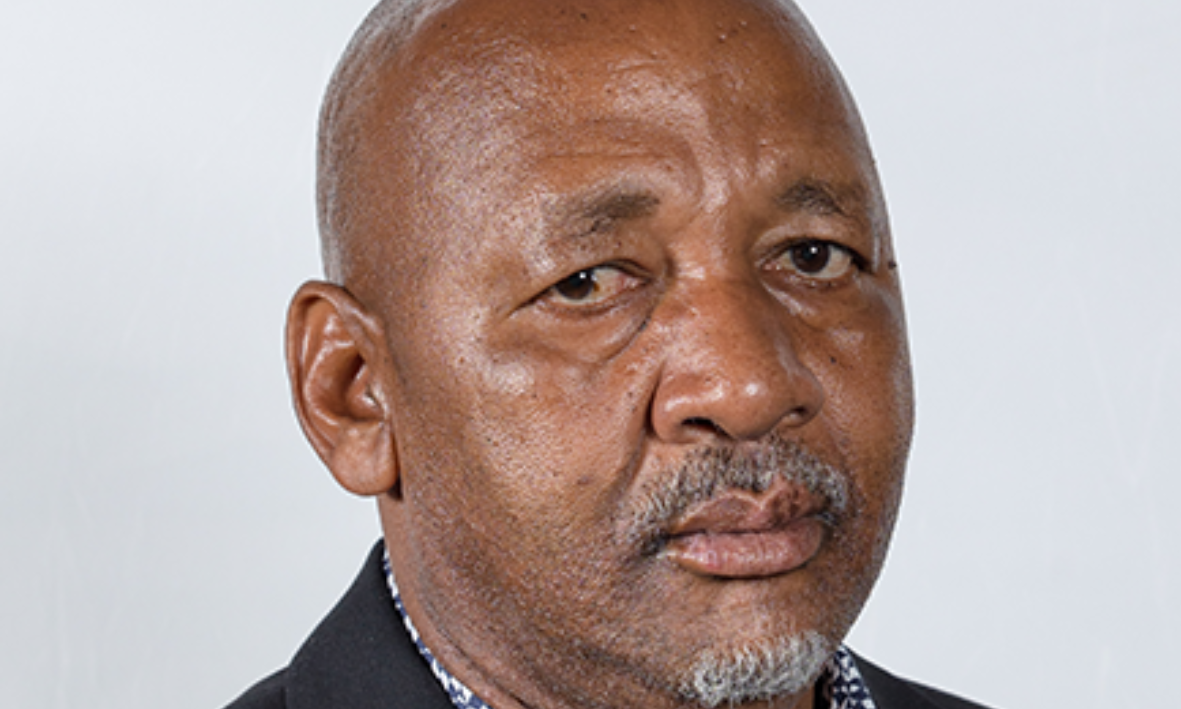
Statement by President of the United Democratic Movement, Deputy Minister Bantu Holomisa, MP It is with profound sadness that we announce the passing of Mr Mkululi Mcotsho, our Member of the Eastern Cape Provincial Legislature and a valued member of the United Democratic Movement (UDM). We extend our deepest condolences to the Mcotsho family, his relatives, friends, colleagues and all those whose lives he touched. Mr Mcotsho came to the UDM with considerable experience in local government and public service. Before joining our ranks, he had served the people of Mbhashe Local Municipality in several capacities, including as Speaker of the Municipal Council and in responsibilities relating to infrastructure and service delivery. His experience, knowledge of local government and understanding of the everyday challenges facing communities made him a valuable addition to the UDM. Following the 2024 National and Provincial Elections, Mr Mcotsho took his place in the Eastern Cape Provincial Legislature as a UDM representative. He continued his public service through the Legislature's oversight and portfolio structures, contributing to the work of holding government accountable and ensuring that the concerns of ordinary communities were heard. For the UDM, his election to the Eastern Cape Legislature represented more than the gaining of a seat. We had entrusted him with carrying the voice of ordinary people into the provincial lawmaking and oversight process, and he accepted that responsibility with commitment. His passing comes at a particularly painful time for his family, which has already endured great personal loss in recent months. We therefore hold them especially close in our thoughts as they confront yet another bereavement. South African politics is too often remembered only through its most prominent national figures. Yet our democracy depends equally upon men and women who spend years working at municipal and provincial level, dealing directly with the problems experienced by communities and giving practical expression to public service. Mr Mcotsho belonged to that tradition. The UDM has lost a colleague and public representative. The Eastern Cape has lost an experienced servant of the people. Most importantly, his family has lost a loved one whose place in their lives can never be replaced. May they find strength and comfort in the knowledge that his contribution to public life and to the communities he served will be remembered. May his rest in peace.
Admin
10 Aug, 2026
Western Cape communities cannot continue living under the gun
Statement by Ms Bulelwa Zondeka, Chairperson of the UDM in the Western Cape The United Democratic Movement (UDM) in the Western Cape extends its deepest condolences to the families and loved ones of the eleven people killed in separate shootings in Langa, Gugulethu and Khayelitsha over the weekend. We wish those injured a full recovery. We condemn these killings in the strongest terms. But condemnation is no longer enough. For decades, Western Cape communities have endured gangsterism, drug trafficking, extortion, illegal firearms and recurring gun violence. Government cannot keep treating each mass shooting as an isolated tragedy followed by temporary intervention and promises of arrests. The UDM in the Western Cape has repeatedly warned about the proliferation of illegal firearms and the criminal networks that sustain gun violence. Every illegal firearm recovered should trigger an investigation beyond the person carrying it: where did it come from, who supplied it, and to what other crimes can it be linked? The suspicion that drugs and extortion may be connected to the latest violence further demonstrates that illegal firearms, gangsterism, drugs and extortion cannot be tackled separately. They form part of an organised criminal economy sustained by fear and intimidation. The UDM in the Western Cape is particularly concerned about the relationship between affected communities and the South African Police Service (SAPS). Residents are repeatedly urged to provide information and assured that they can do so anonymously, yet people in gang-affected areas fear that doing so could expose them and their families to retaliation. Government must take these fears seriously rather than lecture frightened communities about remaining silent. Where residents allege that confidential information supplied to law enforcement reaches criminals, those allegations must be independently investigated. Even the perception that information is compromised destroys trust, and cripples crime intelligence. The state cannot demand the courage of witnesses while failing to guarantee their safety. The UDM in the Western Cape is equally concerned about the fragmented response to this crisis. For years, national government and the Democratic Alliance-led Western Cape Government have argued over policing resources, powers and responsibilities. The City of Cape Town has its own Metro Police and law-enforcement capacity, while SAPS remains nationally controlled. South Africa now also operates under a Government of National Unity. After decades of bloodshed, communities should not still be caught between competing spheres of government. The criminals are integrated. Government is not. Gun traffickers, drug dealers, gangs and extortion syndicates do not respect jurisdictional boundaries. Neither can the state's response. The UDM in the Western Cape calls for an integrated, intelligence-led intervention involving SAPS, provincial and municipal law enforcement, crime intelligence and prosecutors. The priority must be dismantling gun-trafficking, drug and extortion networks; tracing illegal firearms; protecting witnesses and informants; rooting out corruption within law enforcement; and securing successful prosecutions. Communities across Langa, Gugulethu, Khayelitsha, Mitchells Plain, Manenberg, Hanover Park, Bonteheuwel and other affected areas have carried this burden for far too long. Repeated shootings, gang activity and intimidation cannot be allowed to become an accepted part of daily life. The Western Cape does not need another cycle of outrage, temporary intervention and eventual silence. National, provincial and local government may continue debating their respective powers and responsibilities, but communities cannot remain collateral damage in that argument. The people of the Western Cape do not care which sphere of government wins the argument over policing powers. They want the killing to stop.
Admin
20 Jul, 2026
One communal tap does not end Majamisa Village’s water crisis, but it brings relief
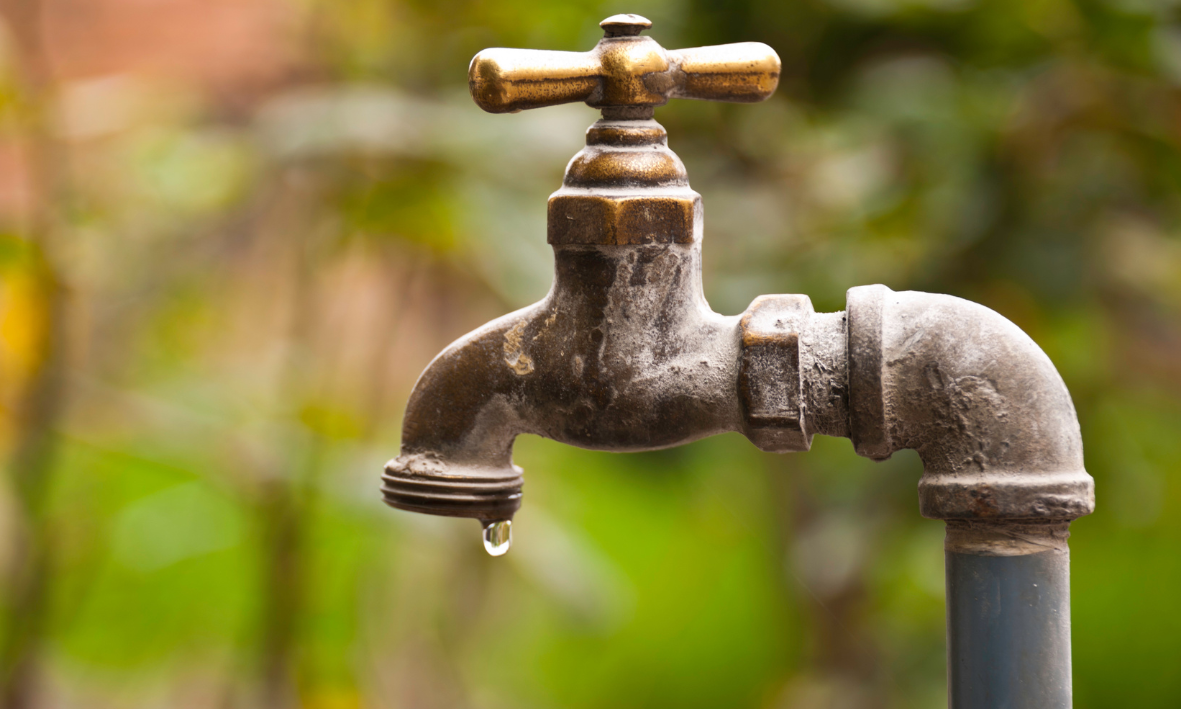
Statement by Remington Mazibuko, Councillor in the Inkosi Mtubatuba Local Municipality and UDM KwaZulu-Natal Provincial Chairperson The United Democratic Movement (UDM) in Mtubatuba welcomes the restoration of access to water at a communal tap in Majamisa Village, within the Inkosi Mtubatuba Local Municipality, after residents had complained for a prolonged period without receiving assistance. When the community approached me, I joined residents in taking up the matter and remained involved until water access was restored. The immediate relief experienced by residents is understandable. However, access to one communal tap must not be presented as though the water crisis in Majamisa Village has been resolved. Residents should not have to carry containers, queue at a communal collection point or organise their daily lives around an uncertain water supply. A communal tap may provide temporary relief, but it is not a substitute for reliable running water and proper household infrastructure. The fact that residents are grateful simply to have water flowing from one tap shows how badly they have been failed. Access to water is a constitutional right, not a favour that communities must repeatedly plead for. The uMkhanyakude District Municipality is the water services authority responsible for water and sanitation services within the Inkosi Mtubatuba municipal area. The water crisis in uMkhanyakude predates the current municipal term. Following the local government elections in November 2021, the national Department of Water and Sanitation invoked section 63 of the Water Services Act in February 2022 and appointed a water board to support the management, operation and maintenance of the District Municipality’s water and sanitation infrastructure. The intervention has since included the refurbishment and upgrading of water schemes across the district. Government has indicated that 22 projects, valued at approximately R1.3 billion, are being implemented and that the programme is expected to continue until September 2027. Despite this substantial and prolonged intervention, residents of Majamisa Village still do not have reliable running water in their homes. This raises serious questions about what has been achieved, which projects have reached communities in Inkosi Mtubatuba and why residents remain dependent on temporary communal water points. Furthermore, the people of Majamisa Village must not become casualties of political rivalry or administrative buck passing between the African National Congress (ANC) led uMkhanyakude District Municipality and the Inkatha Freedom Party (IFP) led Inkosi Mtubatuba Local Municipality. The District Municipality bears responsibility for water services, while the Local Municipality is the government closest to residents and has a duty to ensure that the needs of communities are not ignored. Political differences cannot be allowed to delay cooperation or leave residents trapped between two municipalities blaming one another. Water has no party colour. The people of Majamisa Village are entitled to functioning infrastructure and dependable services regardless of which political party governs the District Municipality, the Local Municipality or any particular ward. The restoration of the communal tap must therefore be treated as an emergency measure while a permanent solution is implemented. The UDM in Mtubatuba calls on the uMkhanyakude District Municipality to explain how long Majamisa Village has been without reliable running water, why residents do not have adequate household connections and whether the current communal water point is intended only as a temporary intervention. The District Municipality must also disclose whether Majamisa Village forms part of any current water infrastructure project and provide the community with the relevant budget, implementation plan and timeframe for establishing a reliable and sustainable supply. The Inkosi Mtubatuba Local Municipality must ensure that the plight of Majamisa Village remains before council and that residents receive regular and truthful information about progress.
Admin
17 Jul, 2026
UDM mourns the loss of two SANDF members and condemns the scourge of illegal mining
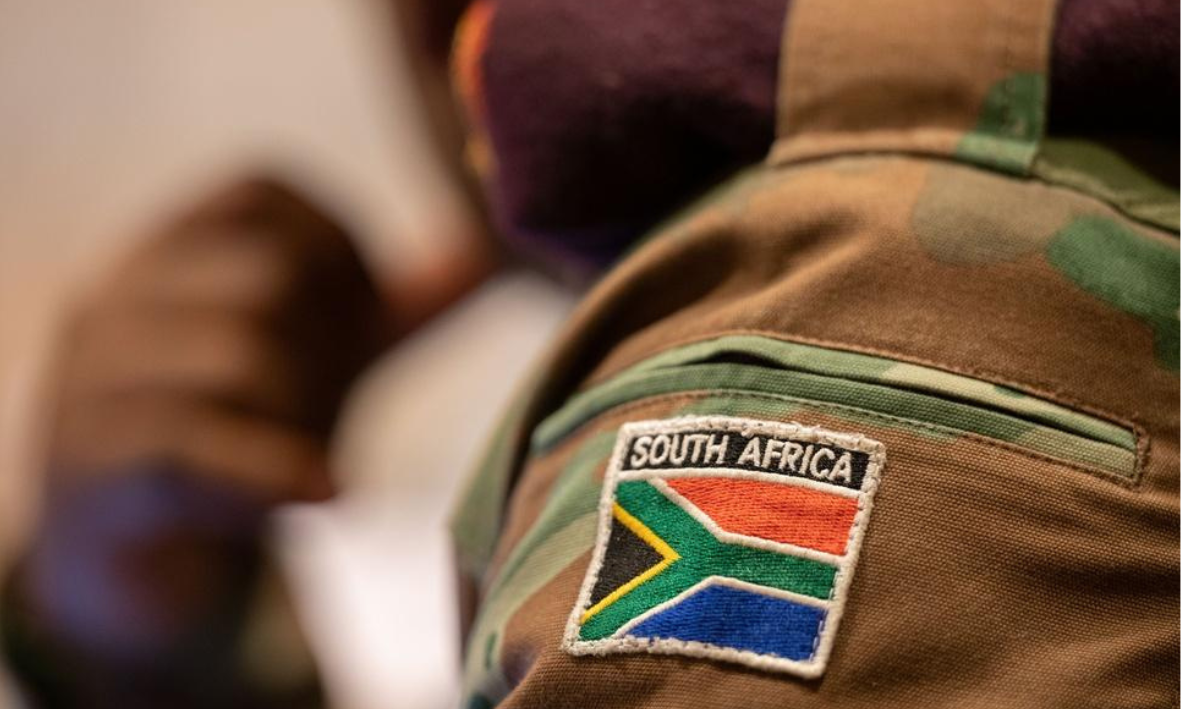
Statement by President of the United Democratic Movement, Deputy Minister Bantu Holomisa, MP The United Democratic Movement and our President, Major General (Ret) Bantu Holomisa, extend our heartfelt condolences to the families, loved ones and colleagues of the two South African National Defence Force (SANDF) members who tragically lost their lives after falling into an abandoned mineshaft during an operation against illegal mining. We also convey our deepest sympathies to the Chief of the SANDF, the broader defence community and all those mourning this devastating loss. The deaths of these two soldiers are a painful reminder of the dangers faced by the men and women entrusted with serving and protecting the Republic. Their dedication and sacrifice in the service of South Africa will not be forgotten. This tragedy also draws renewed attention to the serious dangers associated with illegal mining and the continued existence of unsecured and abandoned mine shafts across the country. Illegal mining is not a victimless crime. It endangers surrounding communities, undermines the rule of law, damages the environment and enables organised criminal networks. It also exposes members of the SANDF, the South African Police Service and other security personnel to extremely hazardous conditions. The UDM strongly condemns illegal mining and the criminal syndicates that organise, finance and profit from it. These networks must be identified, investigated and dismantled through coordinated and sustained law enforcement action. The UDM calls for a comprehensive investigation into the circumstances surrounding this tragic incident and urges all relevant authorities to accelerate efforts to identify, secure and rehabilitate abandoned mineshafts to prevent further loss of life among security personnel and civilians alike. Greater cooperation is required between mining companies and the departments responsible for mineral resources, defence, policing, local government and environmental management. Mining companies must also be held accountable for properly securing and rehabilitating disused mining infrastructure. South Africa cannot allow abandoned mineshafts to remain accessible to criminal enterprises while posing a continuing danger to communities and those entrusted with enforcing the law. The UDM honours the memory of the two fallen soldiers and extends its support and deepest sympathies to their families, the SANDF and the entire defence community during this time of grief. May their courage, dedication and sacrifice continue to inspire all South Africans. May their souls rest in eternal peace.
Admin
17 Jul, 2026
Nelson Mandela Day must be a call to service, honesty and responsibility
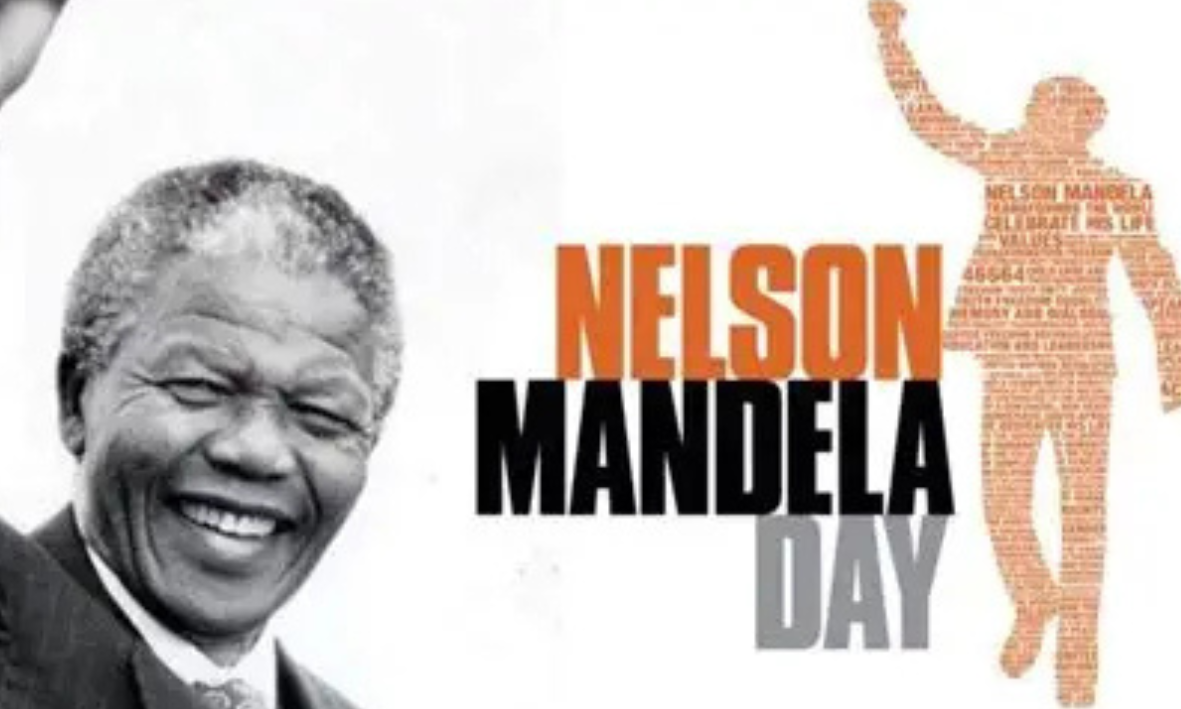
Statement by Nqabayomzi Kwankwa, MP, UDM Deputy President and Leader in Parliament As South Africa observes Nelson Mandela International Day on 18 July 2026, we remember former President Nelson Rolihlahla Mandela with the respect due to a departed elder and former Head of State. Nelson Mandela Day should, however, be more than an annual exercise in praise or symbolism. It should be a call to service, reflection and honest engagement with the condition of our country. President Mandela’s legacy remains the subject of two broad schools of thought. Many South Africans regard him as a central figure in the struggle against apartheid, a leader who helped guide the country through a dangerous political transition and who contributed to the establishment of a democratic constitutional order. Others believe that the political settlement reached during that period did not sufficiently transform the economic structure of the country, and that too many of the inequalities created under apartheid were allowed to continue. For many black South Africans who remain landless, unemployed, poor and excluded from economic opportunity, these concerns are neither abstract nor disrespectful. They arise from the realities of their daily lives. A mature democracy must be able to acknowledge both perspectives. We should neither dismiss President Mandela’s contribution nor pretend that the democratic transition resolved the structural injustices that continue to confront our people. United Democratic Movement (UDM) President Bantu Holomisa shared a deep relationship of trust with President Mandela. That relationship was built during a difficult period in our country’s history and was founded on frank engagement, mutual respect and a shared concern for South Africa’s future. Respect for President Mandela’s memory must therefore include the honesty that characterised relationships of that nature, rather than reducing his life and legacy to empty ceremony. Nelson Mandela Day should remind those who hold public office that leadership is not about personal enrichment, privilege or public performance. It is about service, integrity and responsibility to the people. South Africa continues to face deep poverty, unemployment, inequality, failing public services, crime and widespread disillusionment with political leadership. These conditions cannot be addressed through 67 minutes of activity once a year. They require sustained work, accountable government and the courage to confront the unfinished business of our democracy. The UDM calls upon South Africans to use this day to serve their communities, assist the vulnerable, care for the elderly, support young people and contribute to the restoration of dignity in the places where they live. As we remember President Mandela, may we do so respectfully, honestly and without mythmaking. May his soul continue to rest in peace, and may Nelson Mandela Day inspire a renewed commitment to building a just, equal and accountable South Africa.
Admin
05 Jul, 2026
UDM in UThukela conveys condolences to the Mahlaba family and ANC in KwaZulu-Natal
Statement by Mr Dumisani Khumalo, UDM National Deputy Organiser and Chairperson of the United Democratic Movement in the UThukela Region The United Democratic Movement in the UThukela Region has received with sadness the news of the sudden passing of Dr Ntuthuko Mahlaba, an African National Congress (ANC) Provincial Task Team member in KwaZulu-Natal, a Member of the KwaZulu-Natal Provincial Legislature, and former Mayor of the Newcastle Local Municipality. Dr Mahlaba reportedly died after a vehicle knocked him down while he was jogging in Newcastle on Saturday morning. Reports further indicate that the police are investigating a case of culpable homicide following his death. On behalf of the UDM in the UThukela Region, I extend sincere condolences to Dr Mahlaba’s wife, children, family, friends, colleagues, the ANC in KwaZulu-Natal, and the communities who knew and worked with him. Dr Mahlaba’s passing is a tragic loss. He was taken before his time, at an age when he still had much to offer his family, his community and public life in KwaZulu-Natal. No family should have to face such a sudden and painful loss, and our thoughts are with those closest to him as they come to terms with this tragedy. The UDM in the UThukela Region further notes that, in KwaZulu-Natal, any sudden death of a political figure lands in a province with a deeply painful and tragic history of political violence, intimidation and political killings. This is not to prejudge the circumstances of Dr Mahlaba’s death, which are for the police to investigate. It is to recognise the hurt, fear and painful memories that such news can awaken in communities that have lived through political bloodshed for many years. At a moment such as this, politics must give way to humanity. KwaZulu-Natal has known too much political violence and too many political killings. While no one should speculate about the circumstances of Dr Mahlaba’s death, the matter must be investigated thoroughly, transparently and without delay. His family and the public deserve clarity, and his passing must not be reduced to rumour, factional talk or political point-scoring. The UDM in the UThukela Region joins the people of Newcastle, Amajuba, UThukela and KwaZulu-Natal in mourning this sudden loss. May Dr Mahlaba’s family find strength during this difficult time, and may his soul rest in peace.
Admin
04 Jul, 2026
Illegal alcohol bust in Gugulethu exposes wider Western Cape alcohol crisis
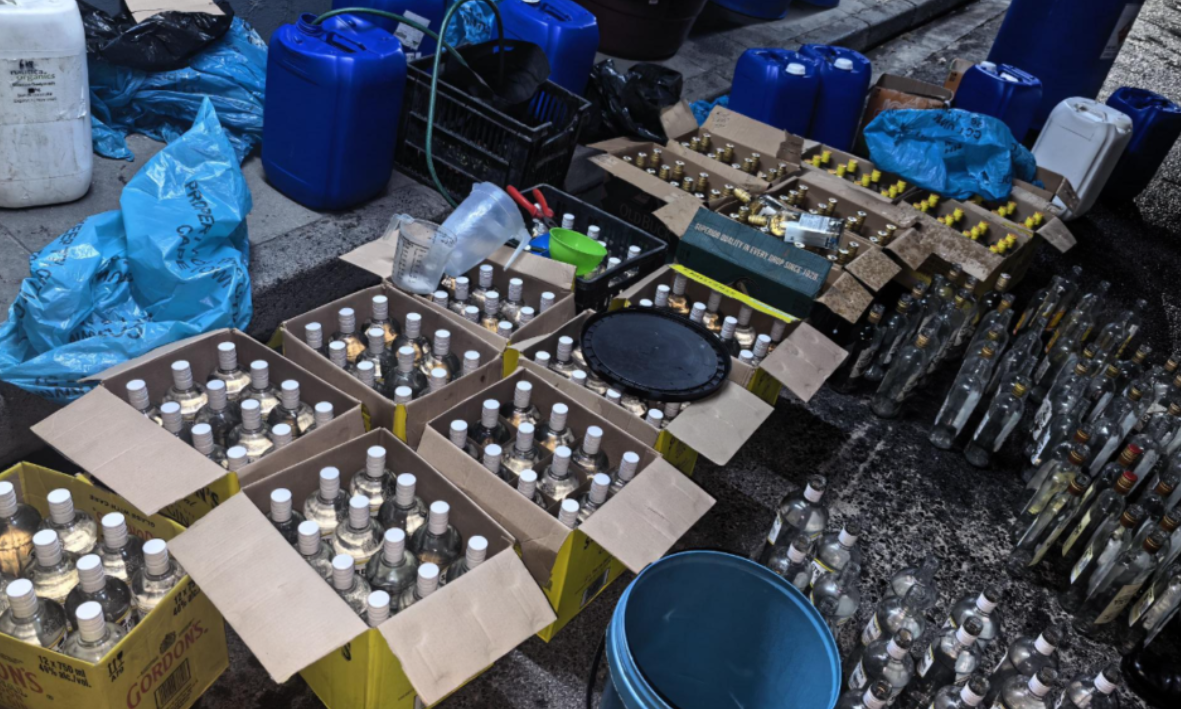
Statement by Ms Bulelwa Zondeka, Chairperson of the United Democratic Movement in the Western Cape The United Democratic Movement (UDM) in the Western Cape notes the arrest of five suspects following the reported discovery of an illegal alcohol manufacturing operation in Gugulethu, where police allegedly found chemicals, bottles, labels, packaging material and equipment used in the production of illicit alcohol. The UDM in the Western Cape welcomes this police action. Illegal and counterfeit alcohol is not a minor offence. It places lives at risk, avoids regulation, undermines lawful traders and feeds a wider alcohol economy that already causes serious damage in many Western Cape communities. This matter must not be treated as an isolated Gugulethu incident. Reports of counterfeit and illicit alcohol operations in areas such as Eerste River and Paarl show that illegal alcohol production and distribution in the province is organised, profitable and dangerous. These operations do not only break the law. They put unsafe products into communities that are already struggling with alcohol-related harm. The Western Cape has a long and painful relationship with alcohol misuse. The damage is visible in household poverty, domestic violence, road crashes, trauma units, foetal alcohol spectrum disorder, school dropouts, crime and the weakening of family life. In many communities, alcohol abuse is not only a personal problem. It is tied to unemployment, despair, overcrowding, violence, poor access to treatment and the absence of safe social spaces, especially for young people. This is also a rural and farmworker issue. The old dop-system, where farmworkers were partly paid in alcohol, is illegal and may no longer exist in its crude historical form on most farms. However, the legacy of that system has not disappeared. Alcohol dependency, poverty, poor living conditions and the historic use of alcohol as a tool of control have left deep scars in many farming communities. The UDM in the Western Cape therefore calls for a serious provincial response that deals with both enforcement and social conditions. The South African Police Service, the Western Cape Liquor Authority, the South African Revenue Service, municipalities and health authorities must work together to trace illegal supply chains, shut down counterfeit operations, act against corrupt facilitation and protect communities from unsafe alcohol. At the same time, the Western Cape provincial government must confront the social roots of alcohol abuse. Poverty, unemployment, trauma, weak recreational facilities, poor access to rehabilitation services and the historic exploitation of farmworkers cannot be policed away. Communities need visible enforcement, but they also need treatment services, family support, youth programmes, safer public spaces and proper oversight of alcohol outlets. The UDM in the Western Cape further calls for a focused investigation into alcohol harm in farming communities, including whether any form of the dop-system, informal alcohol inducement or alcohol-linked labour control still exists. Farmworkers must not be trapped in conditions where poverty, dependency and substance abuse are normalised. The Gugulethu bust is a warning. The Western Cape cannot allow illegal alcohol factories, counterfeit alcohol networks, unregulated alcohol outlets and old patterns of exploitation to operate while communities carry the damage. Alcohol policy must protect people first, especially children, women, farmworkers and poor households who carry the heaviest burden.
Admin
04 Jul, 2026
UDM in Mtubatuba conveys condolences on the passing of Councillor BP Mthiyane
Statement by Remington Mazibuko, Councillor in the Inkosi Mtubatuba Local Municipality and UDM KwaZulu-Natal Provincial Chairperson The United Democratic Movement (UDM) in Mtubatuba extends its sincere condolences to the family, friends, colleagues and community of Councillor BP Mthiyane of the Inkatha Freedom Party (IFP), Ward 21 councillor in the Inkosi Mtubatuba Local Municipality, following his passing last night. Councillor Mthiyane’s passing has come as a shock to many in the municipality. He was known as a humble man who cared about the people of Ward 21 and served his community with commitment. Although we served from different political parties, we shared the responsibility of serving the people of Mtubatuba. In local government, councillors are closest to residents, and the loss of a ward councillor is felt directly by the community that relied on him for representation, assistance and leadership. On behalf of the UDM in KwaZulu-Natal and Mtubatuba, I convey our condolences to Councillor Mthiyane’s family, the IFP, the Inkosi Mtubatuba Local Municipality, his fellow councillors and the residents of Ward 21. May his family find strength during this difficult time, and may his contribution to his community be remembered with respect.
Admin
04 Jul, 2026
Boipatong neglect exposes national failure to protect South Africa’s heritage
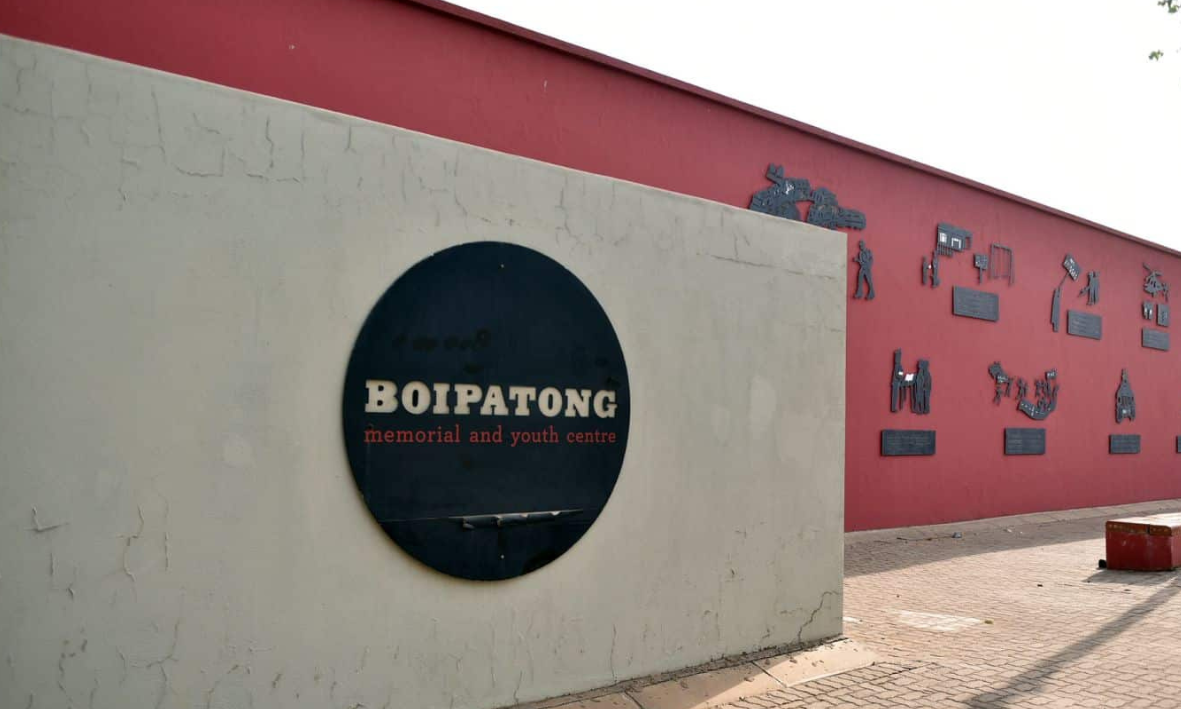
Statement by Bulelani Bobotyane, Secretary General of the United Democratic Movement The United Democratic Movement (UDM) notes with concern reports that the Boipatong Monument and Youth Heritage Centre in Vanderbijlpark has been neglected, despite public funding reportedly having been allocated for its upkeep and operation. This matter is not only about the reported R2.3 million. It points to a wider failure to maintain historical sites, museums, monuments, archives and community heritage facilities across South Africa. The Boipatong Monument honours the victims of the Boipatong Massacre of 17 June 1992, when 45 people were killed in one of the most painful events of the final years of apartheid. A site of this nature must not be allowed to decay because officials failed to maintain it, account for funds or manage its operations properly. However, this national problem is not limited to Struggle history. South Africa’s history is broad, layered and shared. It includes indigenous, cultural, colonial, military, labour, religious, scientific, artistic, community and liberation history. It also includes archaeological sites, museums, historic buildings, battlefields, graves, archives, libraries, memorials and places of community memory. When these places are neglected, the country loses more than buildings. It loses evidence, records, artefacts, oral histories, research material, local identity and opportunities for public education. This pattern can be seen in poorly maintained heritage sites, closed or underused museums, deteriorating historic buildings and community heritage centres that exist on paper but do not function properly. These are not isolated administrative problems. They point to a national failure of heritage governance. Museums and heritage sites are public institutions of memory, education and identity. They support research, tourism, local economic activity and cultural work, and give communities a place to record their own experiences. The UDM is disturbed by allegations that families of victims and survivors have had to clean and maintain the Boipatong site themselves. The reported failure to pay local artists and performers involved in heritage events also requires answers. Victims’ families and cultural workers should not be used to cover government failure. The UDM calls on the Department of Sport, Arts and Culture, provincial departments, municipalities and heritage agencies to provide a national account of publicly funded heritage sites that are closed, derelict, underused or without proper maintenance plans. This must include the condition of each site, the money allocated and spent, the responsible authority, the operational status, and the steps being taken to restore public access. The UDM further calls for consequence management where heritage funds have been wasted, misdirected or left without visible results. Heritage budgets cannot become another channel for failed projects, inflated contracts and ceremonial spending without proper maintenance. South Africa cannot speak about nation-building while allowing museums, archives, monuments, historic buildings and community heritage centres to deteriorate. The preservation of history is a public duty requiring maintenance, staffing, security, conservation, record-keeping, community involvement and honest reporting. This failure also reflects an imbalance in the Department of Sport, Arts and Culture. Sport is important and deserves support, but it cannot be elevated to near-sacred status while arts, culture, heritage, museums, archives and community history are left to decay. A country’s identity is not built on stadiums and tournaments alone. It is also built through language, memory, artefacts, performances, historic buildings, artists, cultural workers and the places that tell communities who they are. Boipatong must be treated as part of a national problem. South Africa needs a clear heritage infrastructure recovery plan that covers all forms of heritage and restores public access to sites that have been allowed to fail.
Admin
04 Jul, 2026
Kouga sewage pollution: residents need results, not paper compliance
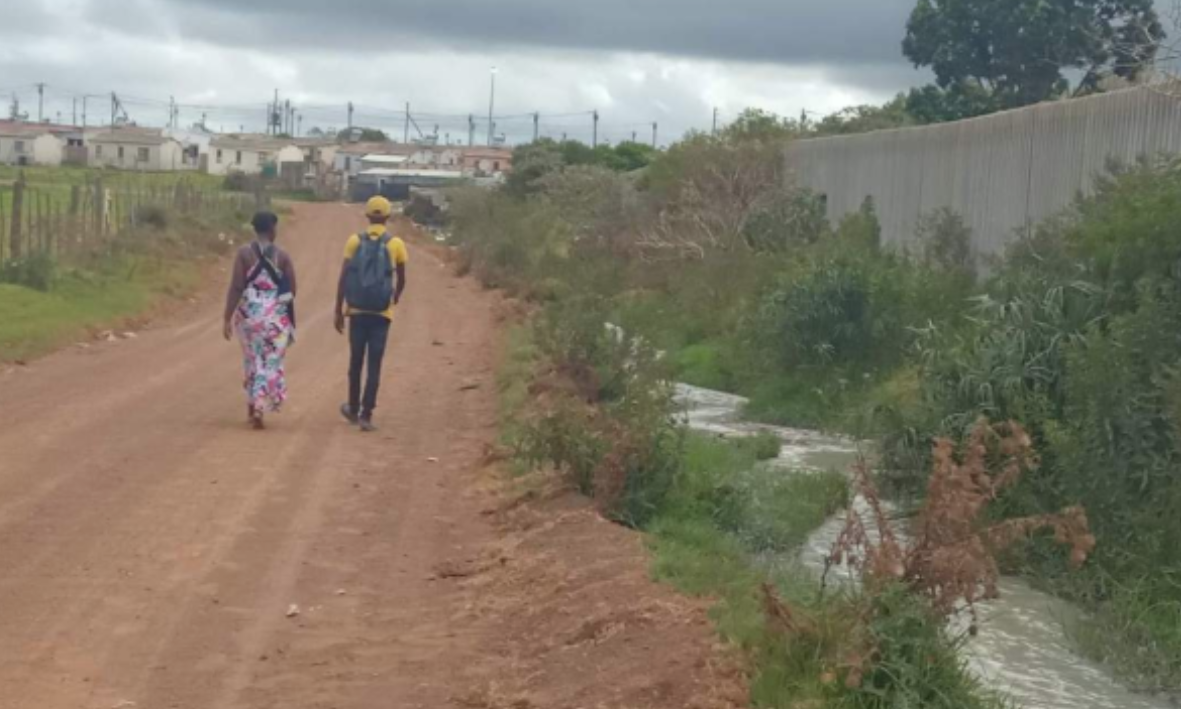
Statement by Mr Chris Mtyaleka, UDM Eastern Cape Provincial Fundraiser and Jeffreys Bay resident The United Democratic Movement (UDM) in Jeffreys Bay notes with serious concern the continued allegations of sewage pollution affecting Jeffreys Bay, KwaNomzamo, Humansdorp and the Seekoei Estuary. This is not a distant administrative matter. It affects residents directly. It concerns public health, the safety of beaches, the protection of the environment, local businesses, tourism, and the credibility of the Kouga Local Municipality. The Public Protector’s report, dated 29 September 2025, found that the allegation that the Kouga Local Municipality had failed to properly maintain the Jeffreys Bay and KwaNomzamo wastewater treatment works was substantiated. That finding cannot be answered with public relations language, technical excuses or vague promises of future improvement. This matter did not begin yesterday. The complaint reportedly dates back to 2019, while residents and activists have alleged that people have been exposed to contaminated water in the Seekoei Estuary since around 2016. That means this community has lived with sewage-related risk for years. The municipality now says that an implementation plan requested by the Public Protector in September 2025 has been tabled before council, approved, and is being implemented. That may be the municipality’s position, but the real test is whether sewage spills stop, whether the wastewater treatment works function properly, whether water quality is safe, and whether residents receive honest and timeous information. By July 2026, residents are entitled to ask what has actually changed since the Public Protector’s report. They are entitled to know what work has been completed, what remains outstanding, what deadlines apply, and who is responsible for delivery. The UDM in Jeffreys Bay is concerned that residents, activists and affected communities have had to raise these issues over several years before meaningful action became visible. No municipality should wait for repeated complaints, media attention or formal findings before maintaining wastewater infrastructure, protecting public health and safeguarding the environment. Jeffreys Bay is a residential area, a tourism destination, an economic asset and part of South Africa’s coastal heritage. Pollution of beaches and estuaries damages public confidence, affects local businesses, threatens livelihoods and places residents at unnecessary risk. The UDM in Jeffreys Bay calls on the Kouga Local Municipality to urgently publish a clear progress report on the implementation of the Public Protector’s remedial action. The report must explain what has been done since 29 September 2025, what remains outstanding, what budget has been allocated, and when residents can expect verifiable improvement. The municipality must also provide regular public updates on water quality testing, sewage spills, beach or estuary closures, and any public health risks. These updates must be factual, accessible and consistent. Residents should not have to rely on rumours, social media posts or activist monitoring to know whether their environment is safe. The UDM in Jeffreys Bay further calls on the Eastern Cape Department of Economic Development, Environmental Affairs and Tourism to ensure that its investigation is properly concluded, and that any failures by the municipality, officials, contractors or service providers are acted upon. The people of Jeffreys Bay, KwaNomzamo, Humansdorp and surrounding communities deserve clean water, safe beaches, functioning wastewater treatment works and straight answers from those responsible. The UDM in Jeffreys Bay will continue to press for measurable remedial action, public reporting and proper accountability from the Kouga Local Municipality and all responsible authorities. Consistent. UDM. Present. Accountable. Local government that works.

Admin
03 Jul, 2026
KSD mayoral change must not derail accountability
Statement by Raymond Knock, UDM Whip in the King Sabata Dalindyebo Local Municipality The United Democratic Movement (UDM) in the King Sabata Dalindyebo (KSD) Local Municipality notes the resignation of Councillor Nyaniso Goodman Nelani as Executive Mayor of KSD, and the election of Nkosi Mkhanyiseli Dudumayo as the new Executive Mayor. The UDM in KSD respects the principle that every accused person is presumed innocent until proven guilty by a court of law. The UDM does not seek to prejudge Councillor Nelani or any other accused person. However, Councillor Nelani’s resignation as Executive Mayor cannot be used as a political escape hatch. It is now clear that he remains a councillor in the KSD Council. That raises an even more serious question: what influence does he still hold, what decisions can he still affect, and what further damage could be done if accountability is treated as a mere change of title rather than a serious consequence? Where allegations involving municipal funds are before the courts, the public is entitled to clarity, vigilance and consequence management. Resigning from the mayoral office cannot be allowed to create the impression that the matter has been dealt with, while the same public representative continues to sit in Council and participate in municipal processes. Where serious allegations involving municipal funds are before the courts, the public is entitled to clarity about the status and responsibilities of those implicated. Resigning as mayor must not be used to create uncertainty, avoid accountability, or quietly shift a public representative elsewhere while criminal and internal processes are still underway. Public office is not a hiding place. It is a public trust. This matter was initially reported by the UDM in KSD after concerns were raised regarding the alleged misuse of municipal resources. It was subsequently investigated through the Municipality’s Ad Hoc Committee, which completed its work and submitted its findings to Council. The resignation of the former Executive Mayor does not erase the allegations, the municipal processes, the criminal proceedings, or the need for consequence management. The people of KSD still deserve full answers about what happened, who was involved, how municipal controls failed, and what steps will be taken to recover public money where wrongdoing is proven. The election of a new Executive Mayor must not become a political reset button. Nkosi Dudumayo must now fix what is broken in KSD and walk the straight and narrow. He must act immediately to restore public confidence, strengthen financial controls, stabilise the municipality, protect public money, and ensure that service delivery is placed above factional politics and political protection. The UDM in KSD will be on high alert on behalf of the people. We will watch closely to ensure that the new mayor does not preside over business as usual, that the Ad Hoc Committee’s recommendations are dealt with lawfully, and that no implicated official or public representative is protected for political reasons. The UDM in KSD reiterates its call for all implicated municipal officials to be suspended in accordance with applicable labour law and disciplinary processes. Public representatives implicated in this matter should step aside while the criminal and internal processes run their course. KSD residents need a municipality that delivers services, protects public money, appoints competent people, and acts against corruption without fear or favour. They do not need another round of ANC damage control, internal deals and redeployments. The UDM in KSD will continue to exercise oversight in Council and will continue to insist that this matter is followed through to its lawful conclusion. The people of KSD deserve ethical, transparent and accountable leadership. UDM. Consistent. Present. Accountable.

Admin
03 Jul, 2026
Jo’burg’s electricity crisis demands accountability and safety
Statement by Cllr Yongama Zigebe, UDM National Chairperson, UDM Councillor in the City of Johannesburg and Chairperson of the Section 79 Committee on Gender, Youth and People with Disabilities The United Democratic Movement (UDM) in the City of Johannesburg notes with grave concern the deepening electricity crisis across Johannesburg, marked by prolonged outages, ageing infrastructure, cable theft, vandalism, illegal connections, overloaded networks, poor communication, billing failures and growing threats against City Power personnel. Recent reports that City Power employees, security officers and contractors have been attacked, robbed, held hostage and prevented from carrying out repair work are deeply disturbing. The electricity crisis in Johannesburg is no longer only a technical problem. It has become a service delivery, safety and governance crisis. The UDM in the City Johannesburg understands the anger of residents who are left without electricity for days. Families are left in the dark, food spoils, small businesses lose income, learners cannot study properly, and elderly and vulnerable residents are placed at risk. Electricity is not a luxury. It is a basic service that affects dignity, safety, livelihoods, education, health and local economic activity. However, no frustration can justify violence against workers who are sent to repair the very infrastructure communities depend on. Attacking electricians, security officers and contractors only delays restoration, endangers lives and deepens the suffering of residents. Johannesburg’s electricity crisis must be viewed from all perspectives. Residents are entitled to reliable electricity, fair billing, honest communication and reasonable repair timelines. City Power workers are entitled to safety, visible law enforcement support and proper protection when entering high-risk areas. The City of Johannesburg must accept responsibility for years of underinvestment, poor maintenance, unstable governance, weak consequence management, revenue leakage and failure to protect critical infrastructure. Communities also have responsibilities. Illegal connections, meter tampering, non-payment by those who can afford to pay, vandalism and cable theft damage the system, overload transformers and mini-substations, and punish paying residents. Law enforcement must treat attacks on electricity workers and infrastructure as serious crimes. The South African Police Service, Johannesburg Metro Police Department, City Power security and community policing structures must work together to protect workers, secure critical infrastructure and act against criminal syndicates. At the same time, the financial crisis between City Power, the City and Eskom cannot be ignored. Residents cannot be expected to carry the burden of poor financial management, weak revenue collection, unresolved billing disputes, non-payment and political instability. The City must get its house in order. This is why the UDM’s 2026 Local Government Elections Manifesto focuses on municipalities that do the basics properly. Local government must work again by delivering reliable services, protecting infrastructure, managing public money responsibly, appointing competent people, enforcing by-laws fairly, involving communities, supporting local economies and ensuring accountability. The UDM in the City of Johannesburg calls on the City to urgently implement an electricity recovery plan, including a ward-by-ward audit of outage hotspots, funded maintenance, safety protocols for City Power teams, honest outage communication, strong action against cable theft and illegal connections, fair revenue collection that protects indigent households, and consequence management for those who have failed residents. Johannesburg is South Africa’s economic engine. When electricity fails, businesses lose income, workers lose wages, learners lose study time, communities become unsafe and residents lose confidence in local government. The answer cannot be violence, excuses or endless blame-shifting between City Power, the City, Eskom, residents and law enforcement. The answer must be accountable local government that is consistent in action, present in communities and accountable to the people. UDM. Consistent. Present. Accountable. Local government that works.

Admin
03 Jul, 2026
Tshiamiso Trust payments must lead to safer workplaces
Statement by Bulelani Bobotyane, Secretary General of the United Democratic Movement The United Democratic Movement (UDM) welcomes reports that the Tshiamiso Trust has paid R2.7 billion in compensation to former gold mineworkers and the dependants of deceased mineworkers who suffered from silicosis and occupational tuberculosis. This is an important step towards justice for workers who carried the health burden of South Africa’s gold mining economy. For generations, mineworkers gave their labour, their health and, in many cases, their lives to an industry that created great wealth while many workers and their families were left with illness, poverty and loss. The UDM notes that this compensation arises from the historic class-action settlement involving major gold mining companies. It confirms what mineworkers, rural communities and labour-sending areas have known for decades: that the human cost of mining was carried not only underground, but also in homes, villages and communities across South Africa and the Southern African region. The UDM is particularly mindful of the Eastern Cape, Lesotho and other labour-sending areas, where many families have lived with the consequences of occupational disease long after mineworkers returned home sick, unable to work, or passed away without proper recognition of the cause of their illness. This matter must also be viewed alongside South Africa’s painful asbestos history. Former asbestos mineworkers and affected communities also had to rely on compensation mechanisms after exposure caused serious and often fatal disease. These experiences show that occupational and environmental health failures can damage workers, families and communities for generations. South Africa cannot keep repeating this pattern, where workers are exposed to danger, communities carry the consequences, and compensation comes only years or decades later after legal action, illness and death. While the R2.7 billion payment is welcome, the UDM remains concerned that many claims have not yet been finalised. The process must not become so technical, slow or inaccessible that vulnerable former mineworkers and dependants are excluded because they lack documents, medical records, proper death certificates or the resources to navigate the system. The UDM calls on the Tshiamiso Trust, the mining companies concerned, government departments, traditional leaders, municipalities and civil society organisations to intensify outreach, especially in rural areas, so that every qualifying former mineworker and dependant is assisted to lodge and complete a claim. However, this matter cannot only be about compensation after harm has already been done. It must also be about prevention. Companies must place the health and safety of employees at the centre of how they do business. Workers are not disposable, and no industry should be allowed to generate profit while long-term health costs are shifted onto workers, families, public health systems and poor communities. The UDM calls on mining companies and all employers in high-risk industries to strengthen occupational health systems, conduct regular medical screening, maintain proper employment and health records, provide safe working environments, invest in prevention, and act immediately when workplace conditions place employees or surrounding communities at risk. Government must also strengthen oversight and enforcement to ensure that companies comply with occupational health, safety and environmental obligations in practice, not only on paper. The UDM welcomes the progress made, but insists that the work is not complete until every qualifying claimant has been reached, assisted and paid what is due to them. Looking ahead, South Africa must ensure that no worker or community is ever again forced to sacrifice their health in silence, only for justice to arrive decades too late.
Admin
02 Jul, 2026
UDM clarifies engagement with Azania Movement and notes Ms Mcinga’s decision
Statement by Bulelani Bobotyane, Secretary General of the United Democratic Movement The United Democratic Movement notes recent media reports concerning Ms Nolubabalo Mcinga and her decision not to take up active political responsibilities in the Party at this stage. For context, the UDM confirms that it met with representatives of the Azania Movement in May 2026 at the UDM National Office in Pretoria, following an approach by the Azania Movement regarding its members joining the UDM and using the UDM as their political vehicle. The meeting was attended by representatives of both the UDM and the Azania Movement, including Ms Mcinga in her capacity as President of the Azania Movement. At that meeting, it was made clear that any persons from the Azania Movement who wished to be part of the UDM would have to take up UDM membership and be subject to the UDM Constitution, structures and processes. A further meeting was envisaged, but the next step rested with the Azania Movement. Nothing materialised from that process. The UDM also places on record that its engagement was with the Azania Movement as a civic formation. It was not an engagement with the Economic Freedom Fighters (EFF), any former EFF structure, or any other political party with which Ms Mcinga may previously have been associated. Her previous political affiliations did not form part of the UDM’s consideration and were never the subject of any arrangement. The only matter before the UDM was the proposal submitted by the Azania Movement and whether any collaboration, integration or alignment with UDM structures could be considered in terms of the UDM Constitution and approved Party processes. During that engagement, the Azania Movement presented a proposal for cooperation with the UDM in areas such as civic education, community engagement, public participation, poverty eradication, youth empowerment and community mobilisation. The Azania Movement also proposed a possible coordination framework in which its structures and programmes could align with UDM outreach mechanisms. The UDM considered the approach in good faith. However, the Party also made it clear that any such process would have to comply with the UDM Constitution, its internal structures and its established organisational and electoral processes. The UDM’s own assessment of the engagement recorded that the Azania Movement had not provided a clear or verified number of members it intended to bring into any arrangement, despite a formal request from the then Office of the Acting Secretary-General. The Party also noted that no detailed framework, budget or implementation plan had been submitted to support any request for resources or operational support. The UDM further confirms that no individual, grouping or external structure has been granted automatic leadership status, candidate placement, organisational recognition or access to Party resources outside the approved processes of the UDM. All persons who join the UDM do so as members subject to the UDM Constitution, its structures, its code of conduct and its candidate-selection procedures. Any member who wishes to serve as a public representative must go through the ordinary democratic and organisational processes of the Party. The UDM notes Ms Mcinga’s reported decision not to assume active political responsibilities at this stage, as well as her reported statement that she remains a member of the Party. The Party will verify the relevant membership records and, subject to that verification, respects her stated decision. The UDM also notes her support for former Azania Movement members who have joined the Party and her positive remarks about the UDM in the Eastern Cape, particularly in Buffalo City Metro. The UDM welcomes all South Africans who genuinely wish to contribute to ethical, accountable and community-centred politics. At the same time, the Party will continue to protect its structures, its credibility and its election processes from any arrangement that bypasses the UDM Constitution or creates preferential treatment for any individual or group. The UDM’s focus remains on strengthening its structures after our recent 6th National Congress, preparing for the 2026 Local Government Elections, and offering communities a consistent, present and accountable alternative.
Admin
02 Jul, 2026
KSD fraud case shows why municipalities need clean, accountable local government
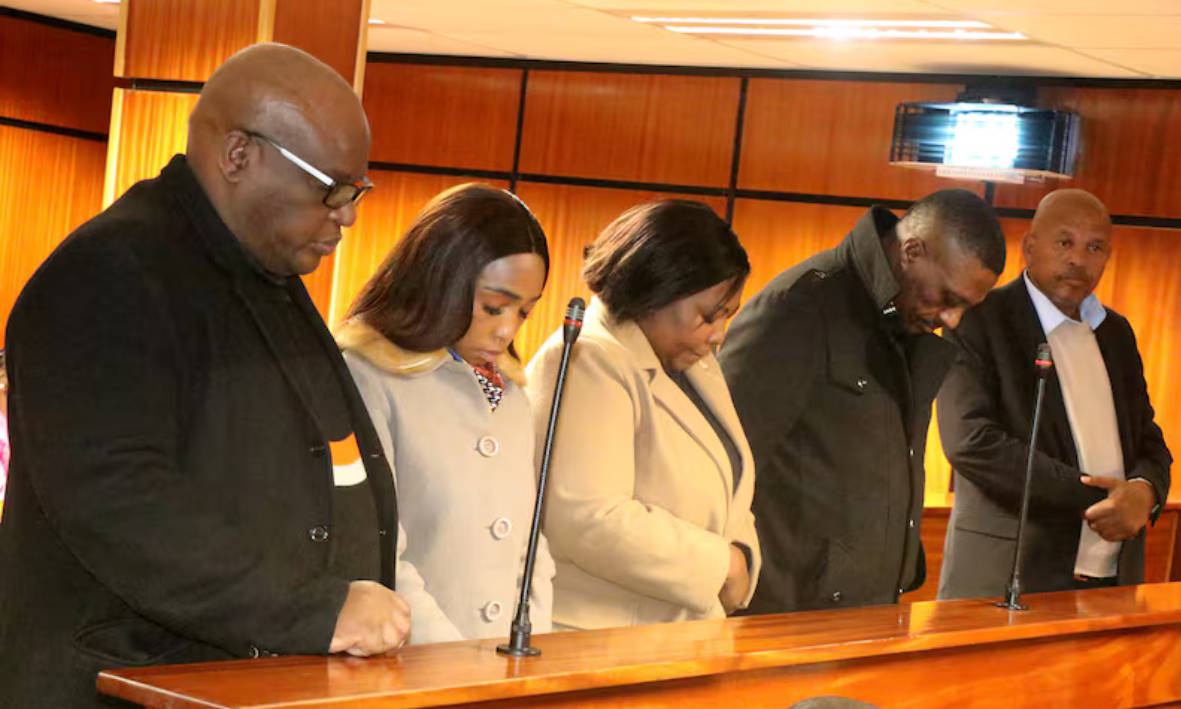
Statement by Raymond Knock, UDM Whip in the King Sabata Dalindyebo Local Municipality The United Democratic Movement (UDM) in the King Sabata Dalindyebo (KSD) Local Municipality notes the appearance of the KSD Executive Mayor, Councillor Nyaniso Goodman Nelani, together with the Municipal Manager, the former Chief Financial Officer and other municipal officials, before the Mthatha Specialised Commercial Crimes Court on allegations of fraud relating to the alleged misuse of municipal funds. The UDM in KSD respects the principle that every accused person is presumed innocent until proven guilty by a court of law. However, this matter raises serious questions about the protection of public money and the ethical standards expected of those entrusted with municipal leadership. This is not merely a court matter. It is a local government matter. Municipalities exist to provide reliable basic services, maintain infrastructure, manage public money responsibly, appoint competent people, enforce accountability, and serve residents with honesty and consistency. Municipal funds must never be treated as private convenience money or party-political resources. The people of KSD deserve a municipality that works. Every rand wasted, misused, diverted or abused is a rand taken away from communities already struggling with unemployment, poor services, failing infrastructure and poverty. This matter was initially reported by the UDM in KSD after concerns were raised regarding the alleged misuse of municipal resources. It was subsequently investigated through the Municipality’s Ad Hoc Committee, which has completed its work and submitted its findings to Council. Council must now do its work. Oversight cannot be reduced to speeches, delays, excuses or political protection. Council must consider the Committee’s recommendations and act in accordance with the law. The UDM in KSD now calls for the immediate suspension of all implicated municipal officials, in accordance with applicable labour law and disciplinary processes. Public representatives implicated in this matter should step aside while the criminal and internal processes run their course. The UDM in KSD will also write to the Member of the Executive Council (MEC) for Cooperative Governance and Traditional Affairs to request urgent intervention to ensure that all legislative and administrative processes are implemented without delay. This matter demonstrates why local government must be centred on clean governance, competent administration, responsible financial management, consequence management, and service delivery that puts residents first. As the country moves towards the 2026 Local Government Elections, residents must ask a simple question: who can be trusted with the money, services and future of their municipality? The UDM in KSD’s answer is clear. Local government must be consistent in action, present in communities and accountable to the people. It must protect public money, appoint competent people, hold leaders and officials accountable, and serve residents, not political interests. The people of KSD deserve ethical, transparent and accountable leadership. Public office is a public trust, and the UDM in KSD will continue to hold public office bearers accountable through lawful and democratic processes. UDM. CONSISTENT. PRESENT. ACCOUNTABLE.
Admin
25 Jun, 2026
UDM to hold its 6th National Congress in East London
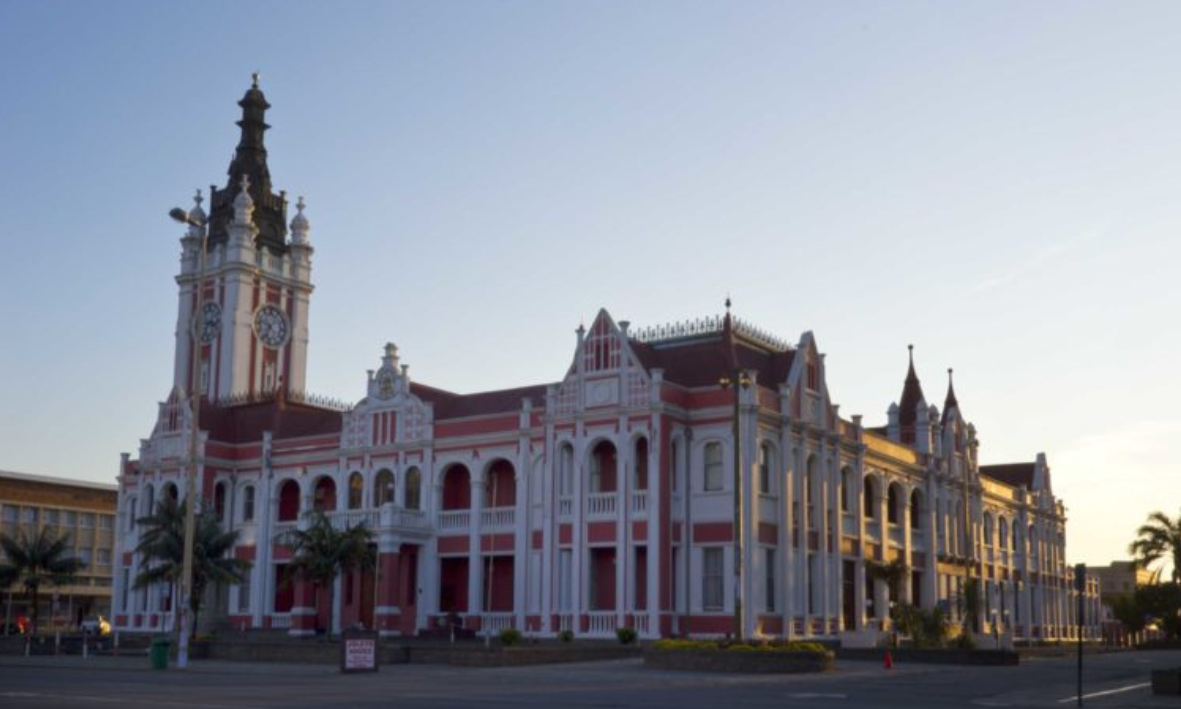
Statement by Zandile Phiri, Acting Secretary General of the United Democratic Movement The United Democratic Movement (UDM) will hold its 6th National Congress from 26 to 28 June 2026 at the grounds of Absa Stadium in East London, Eastern Cape, where 2,500 voting delegates from across the country will gather for one of the most important organisational and political moments in the life of the Party. The UDM’s 6th National Congress agenda will include the tabling and discussion of organisational and financial reports, the consideration of proposed constitutional amendments, and a review of the Party’s structures, systems and organisational health. Delegates will also consider the UDM’s strategic roadmap towards the 2026 Local Government Elections and beyond. This will include discussion on mobilisation, campaign readiness, the Party’s offer to communities, and the work required to rebuild public confidence in municipalities. On the road to the 2029 National and Provincial Elections, the 2026 local government campaign will be an important platform from which the UDM will strengthen its structures, expand its public reach, and reconnect with communities that are demanding clean, capable and accountable government. The Congress will also mark the launch of the Party’s 2026 Local Government Elections Manifesto. Through this manifesto, the UDM will sharpen its message on clean governance, reliable basic services, protection of public money, ethical leadership and accountable councillors. A key item on the programme will be the election of the UDM’s National Office Bearers for the next term of office. The electoral process will be presided over by the Electoral Institute for Sustainable Democracy in Africa (IEMSA), with Advocate Terry Tselane serving as the presiding officer for the confirmation of the voting college, announcement of duly nominated candidates, election procedure briefing, voting, counting and announcement of results. UDM President, Major General Bantu Holomisa, MP, will deliver the keynote address and launch the UDM’s 2026 Local Government Elections manifesto during the open session on Saturday, 27 June 2026. This UDM National Congress takes place at an important moment for both the UDM and South Africa. The state of the nation remains deeply concerning, with unemployment, poverty, crime, corruption, weak municipalities, unreliable services and declining public trust in government continuing to place communities under severe pressure. Against this backdrop, the UDM will use its 6th National Congress to strengthen its structures, renew its mandate, and reaffirm its commitment to disciplined, ethical and accountable political organisation, clean governance, reliable basic services, the protection of public money, community-centred leadership, and a local government agenda that puts people before power. Members of the media are invited to cover the open session of the Congress: Dates : 26, 27 and 28 June 2026 Venue : Absa Stadium, East London, Eastern Cape Open media session : Saturday, 27 June 2026 Time : Media arrival from 08:00; open session starts at 10:30 Credentials : Members of the media are requested to report to the registration desks for accreditation. The open session of the Congress will be broadcast live on national television and streamed on the UDM’s official Facebook page at https://www.facebook.com/udm.rsa/. Members of the public, supporters and stakeholders who are unable to attend in person are encouraged to follow the proceedings on television or through the UDM’s Facebook page for live coverage and updates from the Congress. UDM President Bantu Holomisa, MP’s keynote address, the tabled congress documents, and the PDF version of the UDM’s 2026 Local Government Elections manifesto will be made available on www.udm.org.za and on the UDM’s social media platforms following the official launch of the manifesto by President Holomisa on Saturday.
Admin
10 Mar, 2026
Eastern Cape UDM demands transparency and accountability as IEC probes Buffalo City mayor allegations
Statement by Bulelani Bobotyane, Provincial Secretary of the UDM in the Eastern Cape The United Democratic Movement (UDM) in the Eastern Cape has taken note of media reports indicating that the Executive Mayor of Buffalo City Metropolitan Municipality, Princess Faku, is allegedly the subject of a matter currently under consideration by the Independent Electoral Commission (IEC) relating to allegations of misrepresentation and the potential misuse of municipal resources for electoral purposes. The UDM in the Eastern Cape believes that the integrity of South Africa’s democratic and electoral systems must remain beyond reproach. Allegations suggesting the possible use of public resources, municipal programmes, or state platforms to advance partisan political interests are matters that require careful and transparent scrutiny. At the same time, the UDM in the Eastern Cape wishes to emphasise that South Africa’s constitutional framework is founded on the principle that every person is presumed innocent until proven otherwise. It is therefore important that the IEC be allowed to conduct its processes independently, fairly, and without interference so that the facts of the matter may be properly established and the public properly informed. This process must also serve as an opportunity to address persistent concerns about governance and the use of public resources within Buffalo City Metropolitan Municipality and, where wrongdoing is found, to ensure that accountability is finally enforced. Public institutions and municipal resources exist to serve communities impartially and in accordance with the law. Any situation that creates the perception that public resources may be used for electoral advantage risks undermining public confidence in governance and in the fairness of democratic competition. These allegations also reinforce longstanding concerns about governance and the use of public resources within Buffalo City Metropolitan Municipality, concerns that communities and opposition parties have raised repeatedly over time. In such circumstances it is particularly important that public representatives demonstrate the highest standards of ethical leadership, transparency, and accountability. The UDM in the Eastern Cape will continue to monitor this matter closely and supports all lawful and appropriate oversight processes to ensure that accountability is upheld and that the integrity of South Africa’s electoral framework is protected. The people of Buffalo City deserve governance that is transparent, responsible, and firmly grounded in the rule of law.
Admin
04 Mar, 2026
The UDM and President Holomisa mourns the passing of Ntate Mosiuoa Lekota
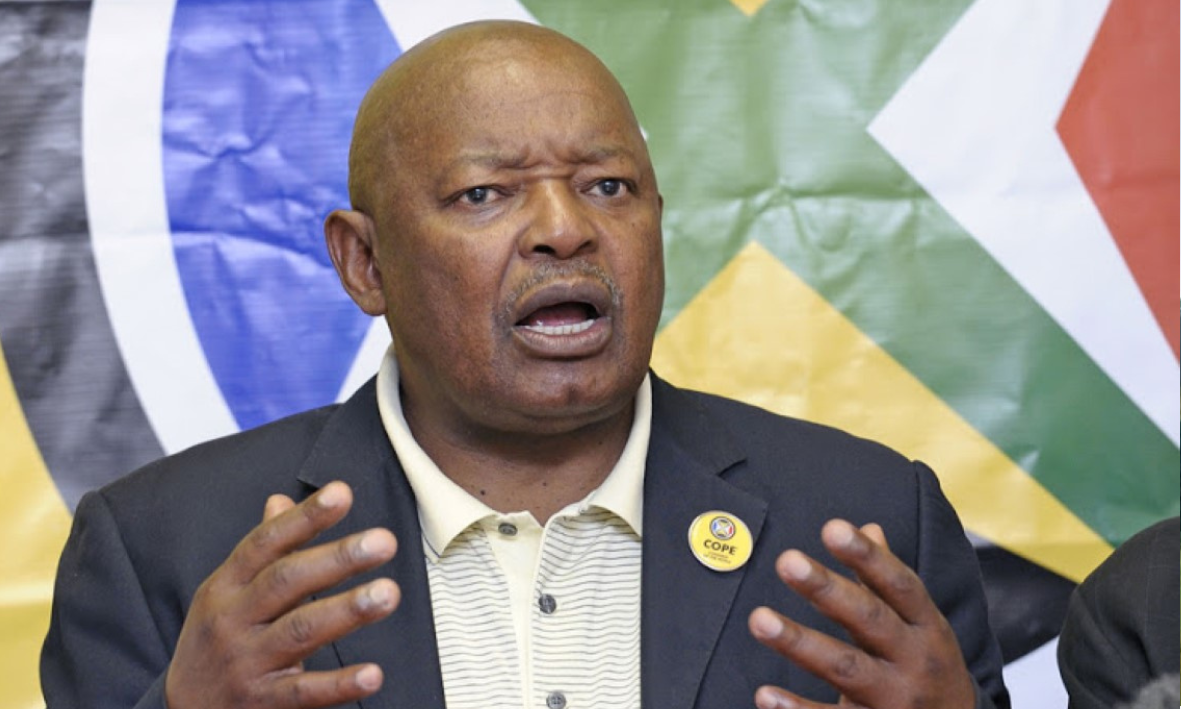
Statement by President of the United Democratic Movement, Deputy Minister Bantu Holomisa, MP I have received with deep sadness the news of the passing of Ntate Mosiuoa Lekota, a veteran of our liberation struggle and a steadfast servant of the people of South Africa. His life mirrors the difficult but determined journey of our nation towards freedom and democracy. In the period leading to our democratic breakthrough in 1994, Ntate Lekota played a significant leadership role within the liberation movement, particularly through his involvement in the United Democratic Front. Following the advent of democracy in 1994, he served as Premier of the Free State, helping to stabilise governance structures in a newly liberated South Africa. Of course, Lekota later had differences with the African National Congress (ANC). I recall when he remarked that he had “served the divorce papers” to the ANC. When he left the ANC, the Congress of the People (COPE) was formed, which was welcomed news to those of us on the opposition benches. At the time I observed that the advantage of COPE was that it was comprised of people who understood the history and passage of the struggle. Their contribution in Parliament would therefore be significant, as they would remind South Africans that the project of the struggle had been hijacked by unscrupulous elements within the ruling party. Indeed, the commissions of inquiry that followed later confirmed many of those concerns. Throughout his political life, Mosiuoa Lekota remained a firm believer in constitutionalism, accountability and open democratic discourse. On behalf of the United Democratic Movement, I extend our sincere condolences to Ntate Lekota’s family, his friends and his comrades. May they find strength and comfort during this difficult time. May his soul rest in peace.
Admin
26 Feb, 2026
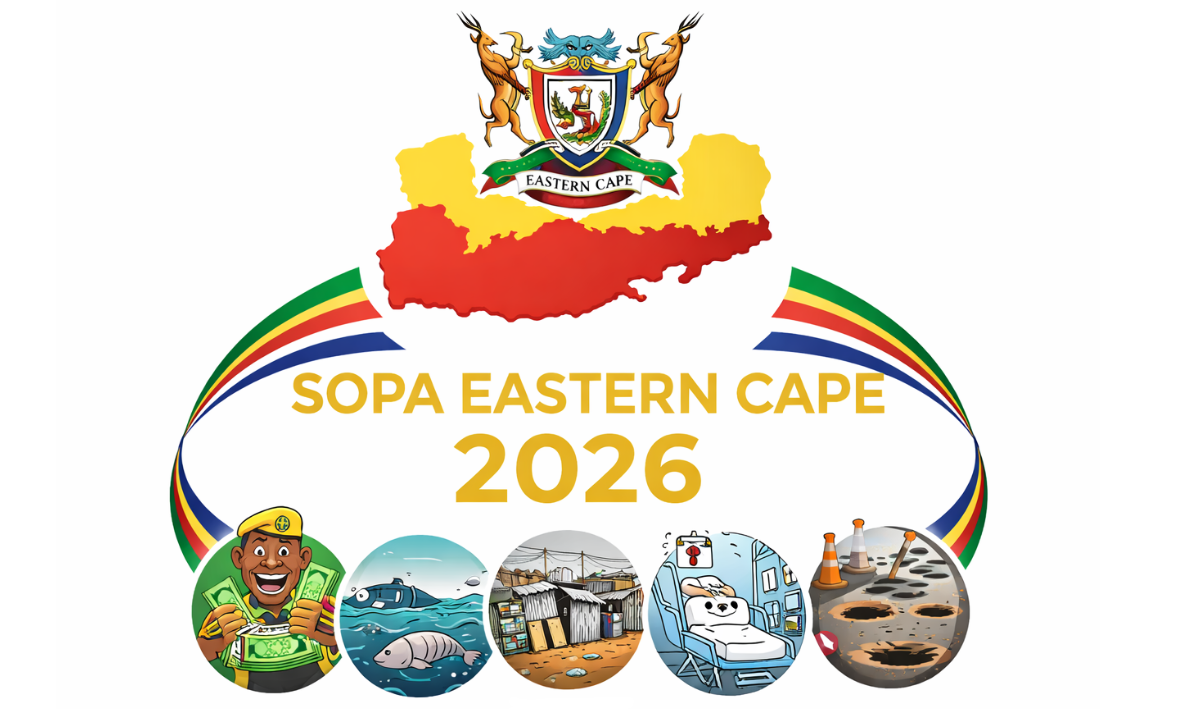
Eastern Cape SOPA2026: Mabuyane’s leadership on trial after year 7
Statement by Bulelani Bobotyane, Provincial Secretary of the UDM in the Eastern Cape The United Democratic Movement (UDM) in the Eastern Cape notes that on 27 February 2026, Premier Oscar Mabuyane will address the province in his seventh year at the helm. Across towns and villages, one hears a recurring sentiment: there was a period in this region’s history when executive authority translated into visible administrative discipline, when decisions were implemented with consistency and consequence management was not optional. That period existed within a different constitutional dispensation and must be understood in its proper historical context. It was not beyond criticism. In this province, what endures in public memory is not nostalgia for past structures, but the perception that governance was firm, coherent and enforceable. After nearly seven years in office, the current African National Congress (ANC) administration cannot dismiss that comparison. It must answer it. Seven years into the Mabuyane administration, the issue is no longer vision. The province has had vision documents, master plans, stimulus funds, growth frontiers and 2030 targets. The issue is executive control and institutional discipline. When the same sectors are re-announced year after year, when projected multipliers are pushed further into the future, and when governance reform deadlines quietly fade from the public record, the pattern reveals not a shortage of ideas, but a shortage of consolidation. After 32 years of uninterrupted ANC governance in this province, fragmentation cannot be blamed on transition or inheritance. It reflects a governing culture that accumulates initiatives faster than it stabilises systems. The Eastern Cape does not lack policy. It lacks conversion. It does not lack plans. It lacks enforcement. Seven years is sufficient time to entrench systems, discipline departments and impose consequence management. When plans multiply but structural indicators remain stubborn, it signals not complexity, but weak executive control. The ANC governs this province, with Premier Mabuyane at its helm. They cannot continue to govern through perpetual projection and recycled ambition. If the plans are sound on paper yet outcomes remain inconsistent, the question is no longer about design. It is about leadership. As the province approaches the 2026 Local Government Elections, SOPA 2026 must do more than defend a record. It must demonstrate that governance is stabilising where citizens experience the state most directly: in municipalities. Voters will not judge performance by presentation in the Chamber, but by functioning taps, maintained roads, disciplined finances and reliable services. In this election cycle, credibility will be earned on the ground. Accountability and delivery The UDM in the Eastern Cape will demand that SOPA2026 move beyond ambition and provide clear evidence of delivery. The people of the Eastern Cape have heard commitments on roads, water infrastructure, housing, health facilities and economic expansion before. This year’s address must account for what has been completed, what remains delayed and what has stalled. The public deserves measurable progress, not repetition. Municipal governance Municipal instability must be confronted honestly. If municipalities required intervention in the past year, the province must report whether those interventions worked. Financial stability, revenue collection, professional administration and consequence management determine whether communities receive services and whether local government can be trusted. Water security Access targets extending toward 2030 cannot substitute for consistent supply today. Communities experience governance through functioning taps, maintained infrastructure and effective wastewater systems. If these remain unreliable, explanations are no longer sufficient. Infrastructure maintenance Development cannot be credible if roads, stormwater systems and municipal assets deteriorate while new projects are announced. Maintenance is not secondary to growth. It is foundational to it. Economic reform and employment Sustainable job creation depends on stable municipalities, reliable infrastructure, clean procurement systems and a predictable regulatory environment. Temporary public employment programmes may offer short-term relief, but they do not replace structural reform. The province must demonstrate that institutional foundations for long-term economic expansion are being strengthened year by year. The National Development Plan’s 2030 horizon does not excuse weak implementation in the present. Governance and accountability Ethics frameworks and oversight mechanisms must translate into visible consequences. Clean governance, professional administration and disciplined public finance management are essential if public trust is to be restored. In 2020, this administration undertook to implement lifestyle audit guidelines by 2022. That deadline has passed. The province has yet to see consistent, transparent reporting on the outcomes of those audits or the consequences that followed. Anti-corruption cannot be rhetorical. It must be enforceable. With the 2026 Local Government Elections fast approaching, this address will be measured not by tone, but by evidence. The people of this province are demanding functional municipalities, reliable services and accountable leadership. In 2026, the UDM in the Eastern Cape will present a credible alternative grounded in administrative discipline, clean governance and service delivery that is felt in every municipality we contest.
Admin
13 Feb, 2026
Tragic death of Bernard Isaacs Primary School 5-year-old: protecting our youngest learners
Statement by Zandile Phiri, Acting Secretary General of the United Democratic Movement It is with profound sadness that United Democratic Movement (UDM) reflects on the tragic circumstances surrounding the death of a five-year-old learner at Bernard Isaacs Primary School in Coronationville, Johannesburg. Parents entrust schools with the care and protection of their children every single day. That trust must never be compromised. The loss of a child in a school environment is not only a family tragedy, but also a national concern. We note that the Gauteng Department of Education has appointed an independent law firm to investigate this matter. The process must be thorough, transparent and credible. The family deserves clear answers. The community deserves clarity; and where accountability is required, it must follow without delay. Tragically, this is not an isolated incident. Earlier this year, an eight-year-old learner at Klapmuts Primary School in the Western Cape died during school hours under circumstances that required police investigation. In 2025, another eight-year-old learner at Alberview Primary School in Gauteng died after sustaining injuries while playing at school, prompting an independent departmental inquiry. When incidents of this nature occur repeatedly across provinces, they demand more than case-by-case responses. They demand systemic intervention. The UDM therefore calls on the Minister of Basic Education Siviwe Gwarube and her department to initiate a nationwide review of school safety protocols. This must include: 1. A comprehensive audit of supervision policies during school hours and school events. 2. A review of infrastructure safety, including classrooms, playgrounds and sanitation facilities. 3. Clear national minimum standards for emergency response procedures at schools. 4. Mandatory reporting and transparency frameworks when serious incidents occur. 5. Immediate psychosocial support mechanisms for learners, staff and families affected by school tragedies. The safety of children cannot depend solely on provincial capacity or individual school management. National leadership must set clear standards, enforce compliance, and ensure that preventative measures are implemented uniformly across the country. Schools must remain safe spaces for learning, not sites of preventable tragedy. If gaps exist, they must be closed. If policies are inadequate, they must be strengthened. If oversight is weak, it must be reinforced. Our thoughts remain with the family of the young learner and all families who continue to seek answers in similar cases. We owe it to them, and to every child in South Africa, to move from reaction to prevention.

Admin
13 Feb, 2026
SONA2026: vision has been declared. Delivery will decide
Statement by Nqabayomzi Kwankwa, MP, UDM Deputy President and Leader in Parliament The 2026 State of the Nation Address was characteristically vision driven, aspirational and wide ranging. President Cyril Ramaphosa once again laid out an ambitious reform agenda across the economy, crime prevention, local government, infrastructure, agriculture, public service reform and social protection. The difficulty, however, has never been the quality of the vision. The difficulty has consistently been implementation. South Africa has heard many turning point speeches over the past decade. Each one has identified the correct problems. Each one has proposed the appropriate frameworks. Yet departments have repeatedly failed in execution, coordination and accountability. That is the central concern the United Democratic Movement (UDM) raises in response to this address. On the economy, President Ramaphosa points to improved macroeconomic indicators, investment commitments and infrastructure allocations. These are welcome developments. However, macro stability does not automatically translate into employment at scale. The UDM will be watching closely whether infrastructure projects move beyond announcement phases and whether small and medium enterprises actually experience reduced red tape and improved access to markets and finance. The same applies to energy reform and logistics recovery. Structural reform is necessary, but tariff stability, grid expansion and port efficiency must now be visible in declining costs and increased competitiveness. South Africans cannot live on reform processes. They must feel outcomes. The President’s firm stance against organised crime is appropriate. Organised syndicates, illicit trade, illegal mining and gang violence are undermining the state and terrorising communities. The deployment of the South African National Defence Force to support the police is a serious step and reflects the gravity of the situation. However, such deployments must be carefully managed and time bound. UDM President General Bantu Holomisa, MP has however cautioned that when the South African National Defence Force (SANDF) is deployed internally, public cooperation is essential. Communities must cooperate fully and ensure that firearms are not drawn against soldiers. Escalation will only result in tragedy. At the same time, deployment must not become a substitute for fixing weaknesses within South African Police Services (SAPS) and the criminal justice system. Long term safety depends on professional policing, intelligence coordination and successful prosecutions. On the water crisis and local government reform, the President Ramaphosa has correctly identified systemic failure, poor planning and patronage as root causes. The establishment of a National Water Crisis Committee and the threat of personal liability for municipal managers signal seriousness. But here too, the UDM’s concern is implementation. We have seen interventions before. The question is whether dysfunctional municipalities will actually be stabilised, whether revenue will be ring fenced for infrastructure maintenance and whether political interference in appointments will truly end. The response to foot and mouth disease and the commitment to vaccinate the national herd is necessary. Yet this outbreak again highlights a pattern of reactive governance rather than anticipatory planning. Biosecurity must become a permanent strategic priority, not an emergency response after damage has been done. Smaller and communal farmers must not be left exposed while policy is refined. On youth employment and skills reform, the structural overhaul of the training system is overdue. However, public employment programmes must evolve into real economic pathways. Too many young people cycle through short term opportunities without progression into permanent work. The continuation and redesign of the Social Relief of Distress grant is understandable in the current economic climate. But redesign must be credible, administratively stable and clearly linked to economic participation. Dependency without opportunity cannot be the long-term model. President Ramaphosa speaks of professionalising the public service and insulating appointments from political interference. The UDM strongly supports this. Yet the country will judge reform by whether unqualified individuals are removed from critical posts and whether disciplinary processes are finalised swiftly. Announcing professionalisation is not the same as enforcing it. In many respects, the 2026 State of the Nation Address identifies the right priorities. The risk lies in whether line departments possess the capacity, discipline and coordination to deliver at the speed required. Vision without execution deepens public frustration. The UDM therefore approaches this address with cautious scrutiny. We will support reforms that strengthen the state, protect communities and grow the economy. But we will equally insist on measurable timelines, transparent reporting and consequence management where departments fail. In many respects, the 2026 State of the Nation Address identifies the correct priorities. The risk lies in whether line departments possess the capacity, discipline and coordination to deliver at the speed required. Vision without execution deepens public frustration. The UDM therefore approaches this address with cautious scrutiny. We will support reforms that strengthen the state, protect communities and grow the economy. But we will equally insist on measurable timelines, transparent reporting and consequence management where departments fail. The true test of this vision will begin in the upcoming Budget Votes and departmental budget speeches. It is there that priorities must be matched with credible allocations, implementation frameworks and performance targets. It is there that we will see whether this is a speech of intention or a programme of action. South Africans are not asking for inspiration alone. They are asking for implementation. 2026 must not become another year of plans layered upon plans. It must become the year where delivery finally catches up with vision.