Admin

22 Sep, 2025
UDM calls for a festive season free of drunk driving tragedies
Statement by Zandile Phiri, Acting Secretary General of the United Democratic Movement The United Democratic Movement (UDM) notes with deep concern the alarming rise in drunk driving cases across South Africa. In KwaZulu-Natal (KZN) alone, 93 motorists were arrested in a single weekend, bringing the total number of arrests since 15 August to 293. These included 33 arrests in Kokstad, 24 in Pietermaritzburg and 16 in Ladysmith. These figures are a stark reminder that reckless behaviour on our roads continues to endanger lives. This is not unique to KZN. In June, the Johannesburg Metropolitan Police Department reported 226 motorists arrested in a single week for driving under the influence. In the Western Cape, between 30 June and 6 July, 23 people lost their lives in road crashes while 57 motorists were arrested for drunk driving in that same week. These reports illustrate that drunk driving is not a provincial problem but a national crisis that requires urgent coordinated intervention. As the festive season approaches, a period when alcohol consumption, travel and road use are at their highest, we must confront the devastating consequences of drunk driving. Every arrest represents a life that could have been lost, a family that could have been shattered or a community left grieving. The UDM commends the dedication of law enforcement officers across the provinces who have prevented potential tragedies. However, the numbers show that more must be done. The UDM therefore calls for: 1. Stronger enforcement and visible policing on all major routes and in high-risk areas. 2. Increased breathalyser checks, patrols and roadblocks, particularly during peak travel periods. 3. Expanded public awareness campaigns that highlight the devastating human cost of drunk driving. 4. Greater community participation to support road safety initiatives and report reckless behaviour. The UDM also makes a direct appeal to all South Africans. Stop this behaviour before more innocent lives are lost. Do not drink and drive. Choose responsibility over recklessness. Protect yourself, your loved ones and every other road user. South Africa cannot afford to normalise drunk driving. The safety of law-abiding motorists, passengers and pedestrians depends on a collective effort to change behaviour, enforce accountability and protect lives on our roads.

Admin
22 Sep, 2025
Schools must be safe: UDM calls out national scandal of sexual abuse
Statement by Zandile Phiri, Acting Secretary General of the United Democratic Movement The United Democratic Movement (UDM) is outraged and heartbroken by the recent reports of sexual abuse, harassment and misconduct involving educators across our country. In just the past month, cases have surfaced in Gauteng, the Eastern Cape, KwaZulu-Natal and the Free State which exposes a deep and systemic crisis in our education system. Recent incidents show the scale of this scourge. In Gauteng, teachers at Tiyelelani Secondary in Soshanguve were removed after protests exposed a pattern of sexual assault, while at Sunward Park High in Boksburg a teacher was dismissed for abusing pupils. In Bronkhorstspruit, a deputy principal faces charges of raping a nine-year-old and was let free on bail. In the Eastern Cape, St John’s College in Mthatha saw mass protests after allegations that teachers impregnated pupils and forced them into abortions, while further cases have surfaced in Dutywa and surrounding schools. In KwaZulu-Natal, teachers at Thubalethu Secondary in Pinetown are under investigation for molesting learners, while in Kokstad a teacher was arrested with weapons and stolen vehicles which raises further questions about vetting and oversight. In the Free State, learners from St Bernard High in Bloemfontein used social media to expose years of harassment by teachers, including explicit images and physical advances. These are not isolated cases. They reveal how schools across South Africa are failing in their most basic duty which is to keep children safe. Too often it has taken pupil protests, community outrage or viral social media posts for authorities to act. This points to a pattern of systemic neglect and silence. The UDM is clear. South African children cannot wait another day for change. We therefore demand urgent interventions. 1. Mandatory reporting of all allegations of sexual misconduct, with consequences for any adult who covers up such cases. 2. Immediate suspension and vetting of accused educators pending investigations, with permanent deregistration for those found guilty. 3. Swift criminal prosecutions that treat these cases with the seriousness they deserve, ensuring perpetrators are jailed and not quietly dismissed. 4. No bail for accused educators or authority figures facing charges of sexual abuse against learners. Allowing them back into communities, places children at further risk and undermines faith in the justice system. 5. Psychosocial support through counsellors and social workers permanently based in schools. 6. Accountability for principals and school governing bodies who fail to act, since inaction enables abuse to continue. Schools must be sanctuaries of learning, not sites of trauma. Our children’s right to safety and dignity is non-negotiable and the UDM will continue to press for systemic reforms to end this national shame.
Admin
17 Sep, 2025
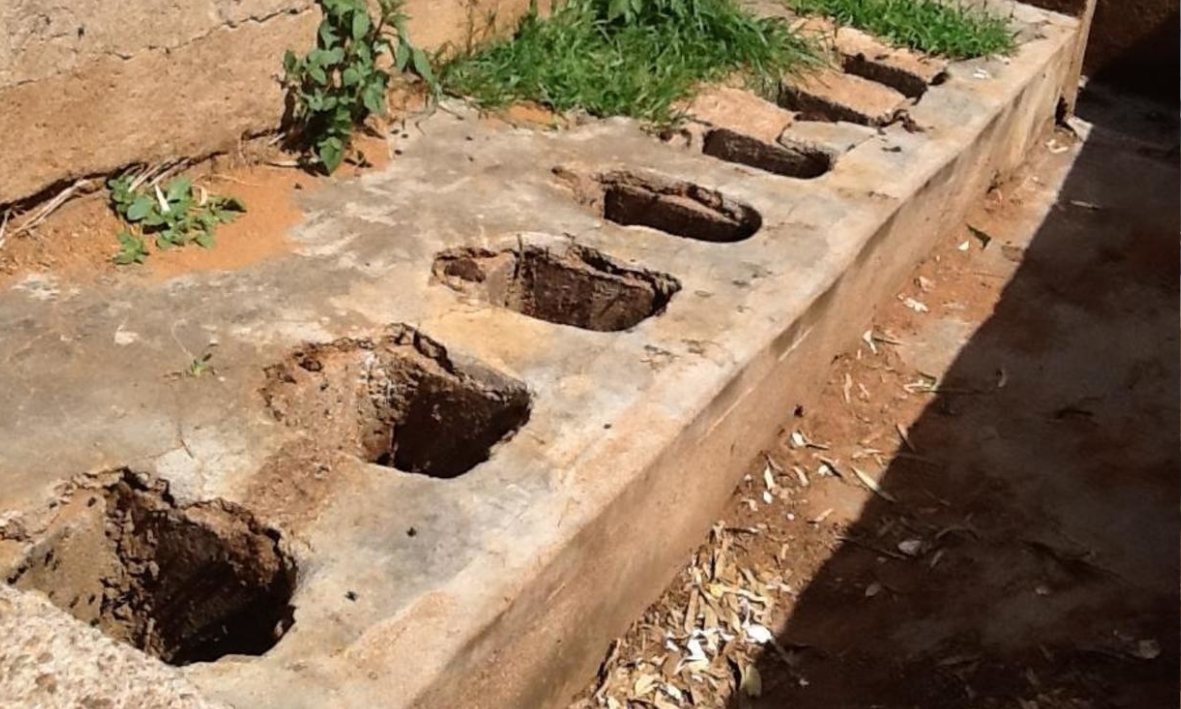
Jongikhaya crisis exposes broken promises on pit toilet eradication
Statement by Yongama Zigebe, Councillor in the City of Johannesburg for the United Democratic Movement and Chairperson of the S79 Committee on Gender, Youth and People with Disabilities The United Democratic Movement (UDM) warned earlier this year that the Department of Basic Education’s failure to meet its 31 March 2025 pit latrine eradication deadline would have real consequences. Today, those fears have been confirmed by the shocking conditions at Jongikhaya Junior Secondary School in Lusikisiki, Eastern Cape, where teachers and learners are forced to share collapsing pit toilets. Teachers have even surrendered one of their own toilets for Grade R learners, after a child narrowly avoided falling into a crumbling pit. This is not just neglect, it is an insult to the dignity, safety, and rights of our children. In April, the UDM, now a proud participant in the Government of National Unity, expressed deep disappointment when this administration missed its own pit latrine eradication deadline. Our role in government does not silence us. On the contrary, it strengthens our responsibility to highlight failures and demand urgent corrective action. A missed target in this case is not a small bureaucratic slip; it is the extension of a public health crisis that continues to endanger children. Basic Education Minister Siviwe Gwarube claimed that 93 percent of pit toilets had been eradicated, but civil society groups such as SECTION27 raised serious concerns that this progress was being measured against an outdated 2018 audit, and that many schools with dangerous pit toilets had simply been overlooked. The situation at Jongikhaya proves that our warnings were not alarmist, they were accurate. Learners here continue to risk their lives daily because of collapsing toilets, while parents now tell their children to use the bushes instead, trading one unsafe environment for another. The Eastern Cape Department of Education has reportedly admitted that Jongikhaya is not even on the Sanitation Appropriate for Education (SAFE) programme, despite years of pleas from the school. This is a betrayal of the community and of the constitutional rights of learners. This crisis is not only about one school. It is the result of decades of poor planning, missed targets, and billions of rands underspent or misallocated, while rural schools continue to be treated as second-class. The GNU cannot repeat the mistakes of past administrations. We must be honest with the public: unless we act decisively, learners will continue to pay the price for government neglect. The UDM therefore calls on Minister Gwarube to: 1. Prioritise Jongikhaya JSS for emergency sanitation upgrades before a tragedy occurs. 2. Conduct a new, transparent national audit of all schools still using pit latrines, and make the results public. 3. Publish a clear, time-bound implementation plan to eradicate all pit toilets, with no further extensions. 4. Ringfence funds transparently for rural school infrastructure, with community oversight to prevent underspending and corruption. 5. Work with civil society and the private sector to accelerate safe sanitation projects. South Africa cannot afford another empty promise. The dignity and safety of our children must come first. Jongikhaya is not just another case, it is living proof that government’s failure to deliver on its own deadlines has left our children in danger. The UDM will continue to raise its voice within the GNU and outside of it, ensuring that the safety, dignity, and future of learners are placed above political convenience. We will not rest until every learner in South Africa has access to safe and dignified school infrastructure. Note: When Cllr Zigebe served as the Secretary General of the UDM, he championed the eradication of pit latrines as a matter of human rights and learner dignity. His presentation to Parliament in November 2023, alongside the Nguvu Collective, cemented his role as a leading voice on this issue. Today, even in his capacity as councillor, he continues to act as a spokesperson for the thousands of learners still forced to endure unsafe and undignified sanitation conditions, ensuring that this campaign remains alive in both Parliament and the public domain.
Admin
17 Sep, 2025
Service delivery in crisis: Merafong residents left to fend for themselves
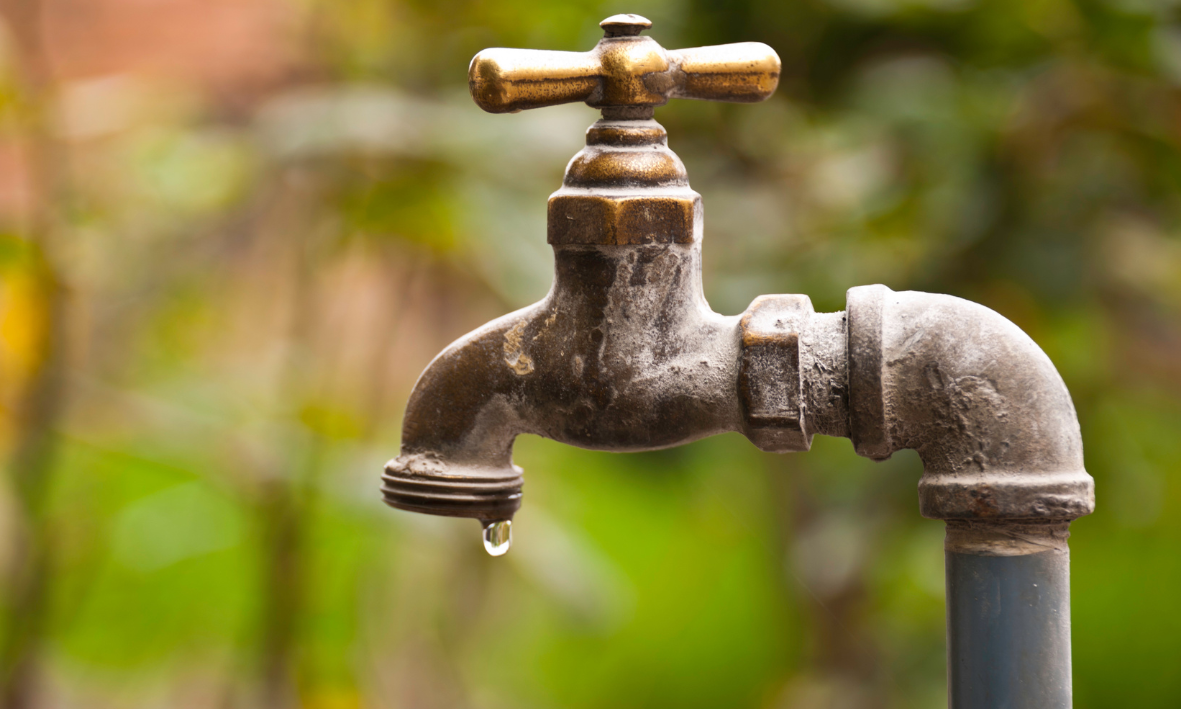
Statement by Ndidi Gcalangobuthi, UDM Councillor in Merafong City Local Municipality The United Democratic Movement (UDM) in Merafong City notes with deep concern Merafong City Municipality’s poor governance and worsening finances that have resulted in residents enduring prolonged service disruptions. The recent case of a private individual drilling a borehole in his yard as a means of providing water after residents in Merafong have endured three weeks without, underscores a serious breakdown in the municipality’s duty to its residents. It is deeply concerning that residents are being forced to do what municipalities should. Currently, Rand Water is owed over R1.41 billion by the Merafong City Local Municipality which has resulted in an imposed 40% water restriction in the area, leaving taps dry for weeks. It can be agreed that the domino effect of chronic mismanagement has resulted in low revenue collection rates, operational losses, debt accumulation and escalating tariffs. A clear indication of municipal collapse. While these failures can be viewed as mere technicalities, residents in affected areas bear the burden of governance failures that undermine health, dignity and the right to water. Ensuring provision of basic services is municipalities’ legal obligation, yet residents are forced to bear the costs and risks of government negligence. The UDM in Merafong City further notes that this crisis is worsened by the growing culture of non-payment of rates and taxes. When people do not pay, the municipality loses vital revenue and service delivery grinds to a halt. At the same time, we cannot ignore that many families in Merafong are struggling with poverty and unemployment and simply cannot afford ever-increasing tariffs. This is why the whole system must be fair: those who are able to pay must do so, while government must create a safety net for those who genuinely cannot. Without this balance, Merafong will continue to sink deeper into collapse and ordinary residents will suffer most. We demand accountability from Merafong’s leadership and from provincial and national authorities tasked with oversight. The failure to act decisively will deepen the collapse of governance and further strip residents of their constitutional rights.
Admin
17 Sep, 2025
UDM calls for urgent action on hijacked and unsafe buildings in Joburg
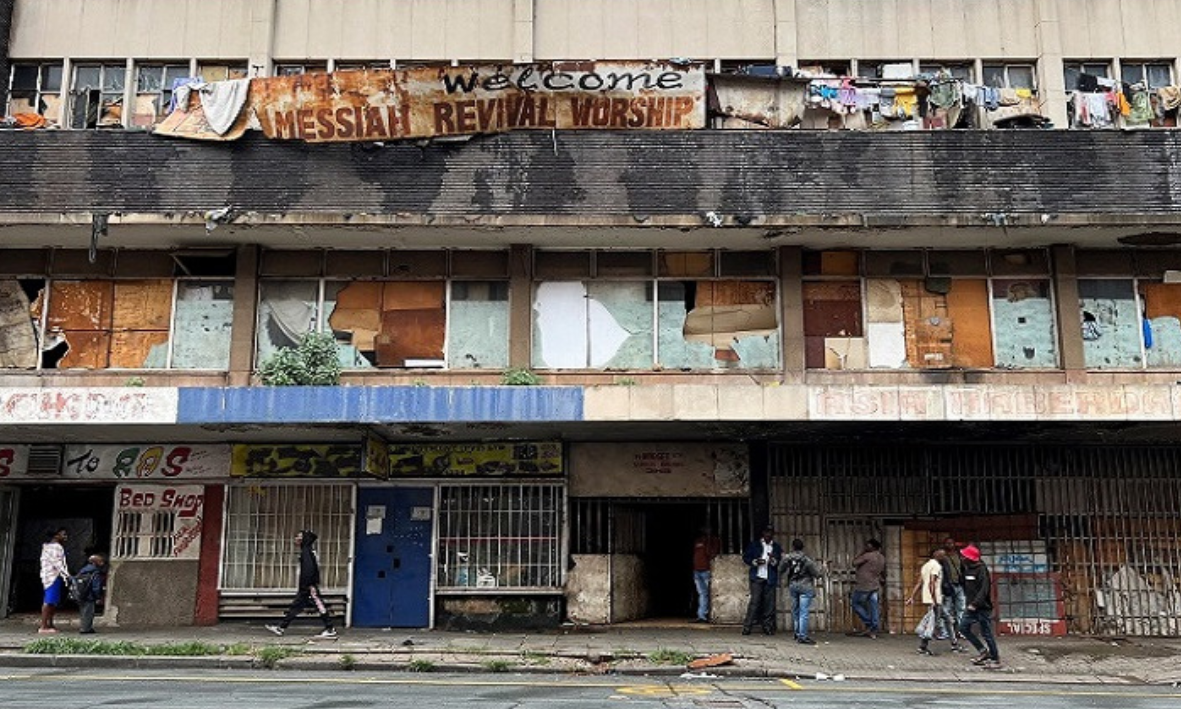
Statement by Yongama Zigebe, Councillor in the City of Johannesburg for the United Democratic Movement and Chairperson of the S79 Committee on Gender, Youth and People with Disabilities The United Democratic Movement (UDM) in the City of Johannesburg is deeply alarmed by the worsening crisis of hijacked and unsafe buildings across the city, particularly those owned by government. The tragic Usindiso fire of 2023, which claimed 77 lives, remains a painful reminder of what happens when authorities fail to act. The recent reports about families occupying the old SAPS building in Yeoville highlight the complex realities facing our city. While these buildings provide a desperate refuge for people who cannot afford formal housing, they are also unsafe and unfit for human habitation. They pose extreme risks, from fires and structural collapse to poor sanitation and crime, while placing additional pressure on already fragile municipal systems. The UDM recognises that hijacked and “dark” buildings are not simply a matter of criminality. They are a symptom of deeper failures; poverty, unemployment, and the housing shortage that continue to plague Johannesburg. The truth is that many residents occupy these spaces out of desperation, not choice. We therefore call on the City of Johannesburg to take decisive and humane action. Enforcement alone will not solve this crisis; nor can the City continue to look away while people live in death traps. What is required is a comprehensive, compassionate approach that balances public safety with social justice. The UDM in the City of Johannesburg proposes: 1. A full and transparent audit of hijacked and unsafe buildings in the city, starting with government-owned properties. We note Premier Lesufi’s commitment to a so-called “bad building strategy” and the audit of more than 200 unsafe buildings in Johannesburg. While these promises are welcome, progress has been painfully slow, and communities remain at risk. The City and Province must move beyond announcements to urgent, visible action. 2. An emergency plan to relocate residents living in life-threatening conditions into safe, alternative accommodation. 3. Action against syndicates and officials implicated in building hijackings. 4. A sustainable housing strategy that expands affordable rental options and partners with civil society and the private sector. Johannesburg cannot afford another Usindiso tragedy. The UDM will continue to speak up for residents whose lives are being placed at risk by negligence and poor governance. The City has a duty to act, not with force alone, but with fairness, foresight, and a commitment to the dignity of all its people.
Admin
16 Sep, 2025
Safeguarding press freedom while strengthening policing
Statement by Nqabayomzi Kwankwa, MP, UDM Deputy President and Leader in Parliament The United Democratic Movement (UDM) is deeply concerned by recent incidents that expose a disturbing trend in the treatment of journalists by the South African Police Service (SAPS). Press freedom has been one of the cornerstones of our new democracy, enshrined in the Constitution to safeguard transparency, accountability and the people’s right to know. Yet, increasingly, journalists are finding themselves under siege by the very institutions mandated to protect those freedoms. The case of Cape Town journalist Sandiso Phaliso, who was assaulted, harassed, and twice unlawfully deprived of his phone while reporting in Nyanga, is a chilling reminder of how far things have fallen. Despite his press credentials, Phaliso was subjected to violence and intimidation, and to date, his equipment has not been returned. Similarly, in Johannesburg, Julia Evans of the Daily Maverick was wounded by a rubber bullet while covering community protests in Westbury. According to her account, SAPS deployed a flashbang and fired rubber bullets without prior warning, putting the lives of residents, demonstrators and journalists in danger. These incidents cannot be dismissed as isolated. They speak to a broader tendency within SAPS to abandon restraint in favour of brute force. This is particularly troubling because it undermines both public trust in policing and the constitutional guarantee of a free and independent press. It must be said clearly: a police service that bullies journalists, obstructs their work, and ignores the very policies that protect press freedom is a danger to our democracy. The protections guaranteed by Standing Orders and National Instructions are meaningless if they are not enforced in practice. At the same time, the UDM acknowledges the extreme pressures under which our police operate. South Africa is gripped by high levels of violent crime, and SAPS officers often face life-threatening situations. Their frustrations are understandable, but they cannot be allowed to spill over into indiscriminate heavy-handedness. To “shoot first and ask questions later” is to abandon discipline and professionalism, which are the bedrock of effective policing. The balance between firm crime prevention and respect for rights must never be lost. Police officers must be supported with the resources, training and leadership needed to combat crime decisively, but also guided to uphold constitutional values in the execution of their duties. Journalists are not enemies of the police – they are allies of the public in shining a light on injustice and holding everyone, including criminals and government, accountable. When SAPS upholds this balance, it strengthens trust and legitimacy. The UDM therefore calls on the Minister of Police, the National Commissioner, and provincial leadership to urgently reinforce this principle: that in the fight against crime, the police must never lose sight of the Constitution and the freedoms it guarantees. To do so would be to surrender to lawlessness, rather than overcome it.

Admin
14 Sep, 2025
Modernisation of the Global South, Building Global Partnerships for Joint Advancement of Common and Sustainable Development
Speech Delivered by for Hon N Kwankwa on the Occasion of the Programme for 2025 Legislative Forum for Friendly Exchanges: (Theme) Modernisation of the Global South, Building Global Partnerships for Joint Advancement of Common and Sustainable Development Check against delivery Programme Director Heads of Parliaments from the Global South Members of the Diplomatic Core Distinguished delegates and Parliamentarians from the Global South Ladies and Gentlemen I take this opportunity on behalf of the leaders of the Parliament of South Africa and her people to convey our warm and fraternal greetings to the hosting country convening this “Legislative Forum for Friendly Exchanges” the People’s Republic of China, delegates from all the countries of the Global South. This occasion once again has come at an opportune moment to converge us in the quest of renewing the bonds of historical friendship amongst our nations, which dates back during the time of colonialism as we were engaged in the struggle for liberation. Today we convene under different conditions to respond to an array of challenges which continue to confront our countries and their people within a global climate and political landscape characterised by tectonic shifts and geopolitical tensions in different regions of the globe. The Republic of South Africa and the People’s Republic of China (PRC) enjoy historic bonds of solidarity and friendship, forged during the African liberation struggle and nurtured through decades of cooperation. The roots of this relationship can be traced back to the 1955 Bandung Conference, where China stood alongside African nations in their quest for independence. What began with solidarity in the struggle against colonialism has matured into a comprehensive partnership that continues to go from strength to strength. Our two nations have established structured bilateral mechanisms that ensure regular dialogue and practical cooperation across political, economic, social, technical, and cultural spheres. These mechanisms have delivered tangible outcomes in development, trade, infrastructure, and people-to-people exchanges, strengthening mutual trust and respect. Today, South Africa and China stand as strategic partners, not only bilaterally but also in multilateral forums such as BRICS, working together for peace, sustainable development, and a fairer global order. Distinguished Delegates Perhaps it could be argued that this occasion presents more of an inclusive forum by affording legislatures to exchange experiences as people’s representatives that carry the aspirations and act as tribunes of social transformation to many challenges confronting our people. Legislature in nature is an embodiment of democracy. Therefore, in an age where the line between domestic and the international is becoming blurred and where there is a globalisation of problems, democracy ought to be promoted at various levels of governance which include national, regional and international. Historically, parliaments had scant involvement in international relations. The role of parliaments in the area of international relations has always been confined to ratifying international agreements adopted by the executive. However, the advent of a participatory democratic order in the world, globalisation and developments in global governance structures has resulted in a dual process of internationalisation of domestic relations and domestication of international relations. Therefore, parliaments have a historic obligation to ensure that the people they represent at national level are also represented in the global arena and are not left behind as a result of the new global developments. Programme Director The overarching theme of our deliberations is premised on the question of building “Global Partnerships for Joint Advancement of Common and Sustainable Development”. The world, today, is confronted with unprecedented and accelerated changes. An important feature of the changes is that the collective rise of developing countries is gaining momentum. The rise of developing countries as a whole is based on and reinforced by their collective modernisation and reconstruction in different aspects. Thus, an in-depth discussion on the modernisation of the Global South is urgently needed, not only in response to the call of developing countries for peace, development and progress, but also to meet the aspirations of the people of all countries for modernisation and human advancement. The Global South symbolises a prominent worldwide trend of the collective rise of developing countries and reflects their strong wish for solidarity and self-reliance. The countries of the Global South once suffered from aggression, colonisation, suppression and plunder. It is through years of struggle and hard work, along with the evolving changes in this century, that the Global South has gradually become an important force driving the reforms in the world order and seeking political independence, national rejuvenation and international justice. To this end, the Global South is the source of strength for global multi-polarity. Since the end of the Cold War, the trend of global multi-polarity has evolved amid twists and turns. Along with the unfolding of profound changes across the global economic and political landscape and the collective rise of developing countries, the Global South has got an important opportunity to play a greater role on the world stage. Programme Director It is an accurate assertion that Global South needs to achieve greater collective strength. In this regard, working together to advance modernisation is what the Global South must do to achieve greater collective strength through unity. Realising modernisation is a shared pursuit of all countries of the Global South. To build a better world, the Global South must work together to pursue and realise modernisation. Their aim should be to build a strong and modern Global South, to propel the progress of civilisation and develop a human community with a shared future. Certainly, global development challenges — such as climate change, inequality, pandemics, and resource depletion — have become increasingly cross-cutting and transnational in nature. They transcend national borders and demand coordinated strategies. Our parliaments through their mandate of law-making, oversight and public participation have an obligation to monitor and ensure the implementation of the commitments our governments have committed at both domestic and international level. Equally, this Legislative Forum affords parliamentarians a space to exchange experiences on best models relating to their mandate and learn from each other’s best practises to strengthen the agenda of the Global South from the parliamentary diplomacy point of view. At different multilateral fora such as the inter-parliamentary level, parliamentarians continue to utilise the soft power of parliamentary diplomacy to complement the efforts of our governments in many areas such as conflict, trade disputes, climate change related challenges, human rights and advancement of economic diplomacy and sustainable development. Honourable Delegates South Africa, in adapting to the changes in the global system; has been faced with different challenges which in some cases have inspired rigorous debate. Faced with the need to tackle a range of domestic issues these debates will continue, but South Africa like many nations around the globe must engage with the international system in a way that encourages economic growth and development. The advancement of South-South cooperation is of strategic importance in the pursuit of the country’s foreign policy objectives to address the challenges of economic and political marginalisation that emanates from the process of globalisation. The unequal distribution of the benefits of globalisation, the imbalance of power between the countries of the global North and the countries of the global South and the lack of sustainable development has necessitated countries of the Global South to formulate strategies that would help them to level the playing field. South Africa's initial approach to promoting the Global South vision involved engaging with the Non-Aligned Movement. The goal was to foster a multi-polar world and create more cooperation opportunities for Southern countries without succumbing to bloc logic. Aligning with a single bloc would have limited many Global South countries' options. Furthermore, South Africa's foreign policy has emphasised economic diplomacy and trade relations. By establishing strategic trade partnerships with other Global South nations, South Africa seeks to diversify its economic ties and decrease dependence on traditional Western markets. The India-Brazil-South Africa (IBSA) Dialogue Forum exemplifies South Africa's commitment to building strong economic networks that support mutual growth and development. South Africa has taken several political stances in favour of the Global South. The country recognised the necessity of South-South dialogue on various issues such as economic development, cultural diplomacy, migrations, and international affairs. For instance, South Africa advocated for reforms in international financial institutions, seeking to make them more inclusive and responsive to the needs of developing countries. Additionally, South Africa oriented its foreign policy toward the challenges posed by climate change and actively worked toward sustainable development and climate justice. Acknowledging that developing countries are disproportionately affected by climate change, South Africa launched initiatives for technology transfer, capacity building, and financial support for adaptation and mitigation efforts in the Global South. South African leadership in the Global South is evident through its participation in alternative international organisations, forums, and groupings. The BRICS alliance stands out as a prime example. Initiated in 2006 in Saint Petersburg on the sidelines of the G8 by the leaders of Brazil, Russia, India, and China, the group was initially known as BRIC. Formalisation occurred a year later with the first BRIC Foreign Ministers' Meeting. South Africa formally joined in September 2010, adding the "S" to create BRICS. More recently, South Africa's position toward the Israeli/Palestinian conflict has perfectly illustrated the more assertive role the country is now endorsing. On December 29, 2023, following the Israeli offensive that destroyed large parts of Gaza, killed thousands of civilians, and led to massive population displacements, South Africa filed a case at the International Court of Justice against Israel. The country alleged that Israel was breaching the Convention on the Prevention and Punishment of the Crime of Genocide in its military assault. While South African support for Palestine is not new, the current method of support is. The particularity lies in South Africa's utilisation of existing international institutions to promote its values and defend its objectives. Until now, the Global South has mainly advocated for a New World Order based on new international institutions, as the current ones such as the UN, IMF, World Bank, and others are perceived as dominated and instrumentalised by Western powers. In different parliamentary for such as the Inter-parliamentary Union, South Africa and European Joint Parliamentary Meetings our parliamentary has echoed and complemented the efforts of government in condemning the genocide perpetrated by the government of Israel against the Palestinians, including the violation of their right to self-determination. On Building Partnerships for Global South Initiatives According to the UN perspective, ‘global partnerships represent the collaborative efforts of nations, organisations, and various stakeholders, aimed at addressing multifaceted challenges that transcend national boundaries. As such, centrally to the ambitions of the UN's 2030 Global Agenda for Sustainable Development, the 17th Sustainable Development Goal (SDG 17) specifically emphasises the role of partnerships. This is so because ‘it acknowledges that isolated efforts are insufficient when combatting complex, intertwined global issues such as poverty, hunger, education disparities, and climate change’. To be sure, SDG 17, aptly titled "Partnership for the Goals", underlines the symbiotic relationship between partnerships and the other SDGs and underscores the fact that without effective global cooperation, the realisation of the remaining 16 SDGs remains elusive. Therefore, building and strengthening partnerships becomes paramount for optimising resources, sharing best practices, and fostering innovation. As correctly pointed out by the UN, ‘the nature of global challenges, such as the urgent threat of climate change, compels nations to collectively address these issues, integrating their unique resources and perspectives’. A point in case was the global response to the COVID-19 pandemic, which demonstrated that without international cooperation, resource sharing, and mutual support, managing the pandemic's impacts would have been significantly more challenging. By pooling scientific research, sharing vaccine development insights, and assisting vulnerable nations, the world demonstrated the indispensability of global partnerships. In view of the above, legislatures of the Global South have a responsibility to define the agenda of placing parliamentary diplomacy at the heart of the development to respond to the crisis of poverty, inequality and unemployment, transformation and diversifying of economic markets in the day of the trade wars and unilateral tariffs imposed by the countries of the global north. Conclusion South Africa embraces the opportunity accorded through the Legislative Forum for friendly exchanges and looks forward to share experiences and learn from other best practices to sharpen its weapon of parliamentary diplomacy at global level and exercise her mandate of law-making, oversight and public participation. Equally, we look forward to strengthening the face of global to meet the demands of the changing global political dynamics and the geopolitical complexities that define global pollical landscape. I thank you!
Admin
13 Sep, 2025
Violence against law enforcement in Valhalla Park a symptom of broken trust in policing
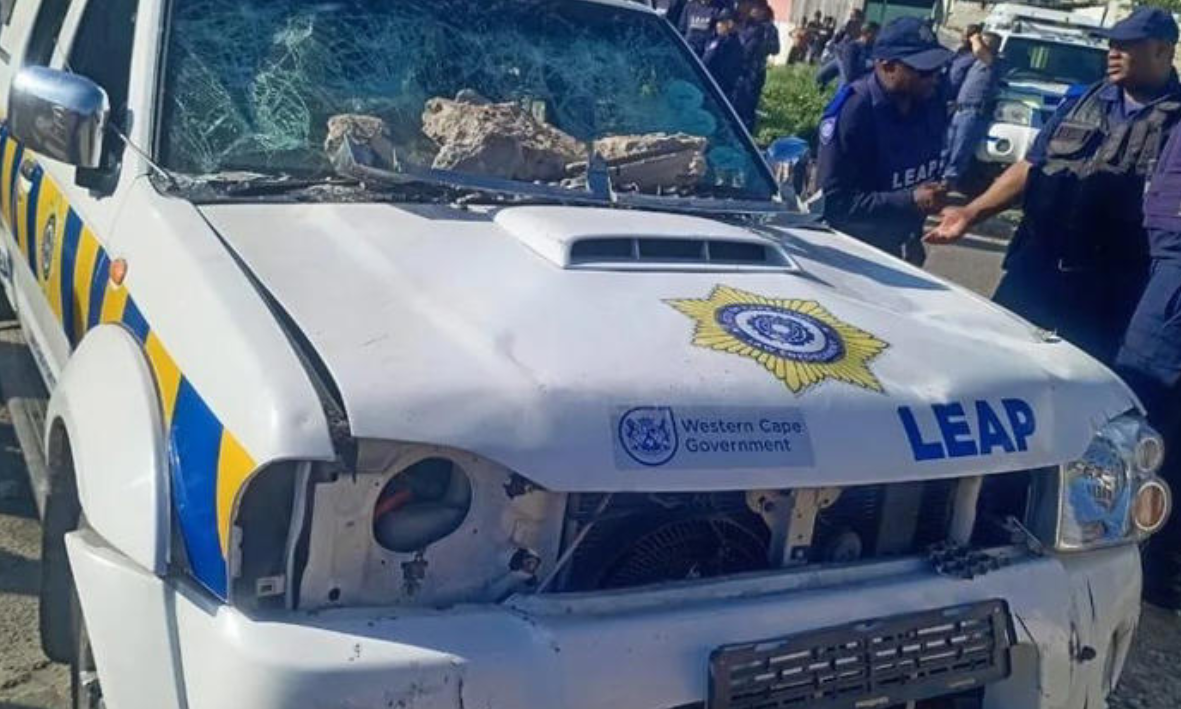
Statement by Bongani Maqungwana, UDM Councillor in the City of Cape Town The United Democratic Movement (UDM) in the City of Cape Town condemns in the strongest terms the recent attack on City of Cape Town Law Enforcement Advancement Plan (LEAP) officers in Valhalla Park, Cape Town. This happened after officers deployed to Valhalla Park as part of an ongoing operation responded to the sound of gunshots at approximately 3:26pm on Friday, 12 September 2025. While approaching the scene, they apparently encountered a suspect running with a firearm who allegedly pointed it at their vehicle. We understand that the driver lost control, colliding with a wall and injuring three people in the process. However, no amount of community anger or frustration can justify violence, the stoning of officers, or the destruction of public property. Such acts place lives at risk, undermine the rule of law, and rob residents of much-needed safety resources. At the same time, the UDM in the City of Cape Town recognises that these violent incidents do not happen in a vacuum. Communities like Valhalla Park are trapped in the grip of crime, gangsterism, and drug abuse, while the South African Police Service (SAPS) continues to fail in its constitutional duty to provide safety and security. Years of under resourcing, corruption, slow response times, and neglect have left residents vulnerable and frustrated, eroding trust between citizens and law enforcement. When communities feel abandoned to crime, they sometimes turn their anger against the very officers who should protect them. This is a dangerous cycle that must urgently be broken. The UDM in the City of Cape Town therefore calls for: • A strengthened and better resourced SAPS that can effectively combat crime and gangs in vulnerable communities like Valhalla Park. • A genuine rebuilding of trust between communities and law enforcement through visible policing, accountability, and properly functioning community policing forums. • An urgent national review of policing capacity in high crime areas, including Cape Town, to ensure that communities are not left to fend for themselves. The UDM in the City of Cape Town further urges communities to channel their anger through peaceful and organised engagement rather than violence. Law enforcement officers are also mothers, fathers, sons, and daughters who deserve to return safely to their families after serving the public. South Africans want safety, justice, and dignity. For this to happen, policing must be transformed into a service that people trust and respect, and communities must play their part in building safer neighbourhoods without resorting to violence.

Admin
13 Sep, 2025
Fair access, safer roads: UDM on e-hailing regulation
Statement by Yongama Zigebe, Councillor in the City of Johannesburg for the United Democratic Movement and Chairperson of the S79 Committee on Gender, Youth and People with Disabilities The United Democratic Movement (UDM) in the City of Johannesburg welcomes the gazetting of the National Land Transport Amendment Act and its regulations, which now officially recognise e-hailing as a legitimate mode of transport in South Africa. This long overdue development provides clarity, protection, and structure for both commuters and drivers, ensuring safety and accountability in a sector that has for too long operated in a legal grey area. However, this move comes in the wake of painful tragedies. Recently, the gruesome killing of e-hailing driver Mthokozisi Mvelase at Maponya Mall shocked the nation. This is not an isolated incident other drivers and commuters have fallen victim to violence, intimidation, and crime linked to the previously unregulated state of the industry. The UDM in the City of Johannesburg maintains that legislation must be matched by effective enforcement on the ground to restore confidence and protect lives. While we welcome the formal recognition of e-hailing in South Africa, the industry is currently dominated by foreign nationals. This reality limits South Africans’ meaningful participation in an important sector of the economy. The UDM proposes a regulatory framework that balances opportunity and inclusivity: at least 70 percent of operating permits should be reserved for South African citizens, while 30 percent may be allocated to documented migrants. This approach ensures that locals can access jobs and economic empowerment while maintaining space for legally residing foreigners to contribute. The UDM in the City of Johannesburg will, therefore, continue to advocate for stricter regulation of such industries to ensure that job opportunities, particularly in the transport sector, are reserved for South Africans. We call on law enforcement agencies, the Department of Transport, and local government to work with urgency to implement the provisions of the Act. Panic buttons, proper operating licenses, visible branding of vehicles, and rigorous compliance checks must be enforced without delay. The UDM in the City of Johannesburg stands firmly with e-hailing drivers and commuters, committed to building a safer, fairer, and more dignified public transport system that prioritises the interests of South Africans.
Admin
12 Sep, 2025
Water crisis in South Africa: a call for accountability and sustainable solutions
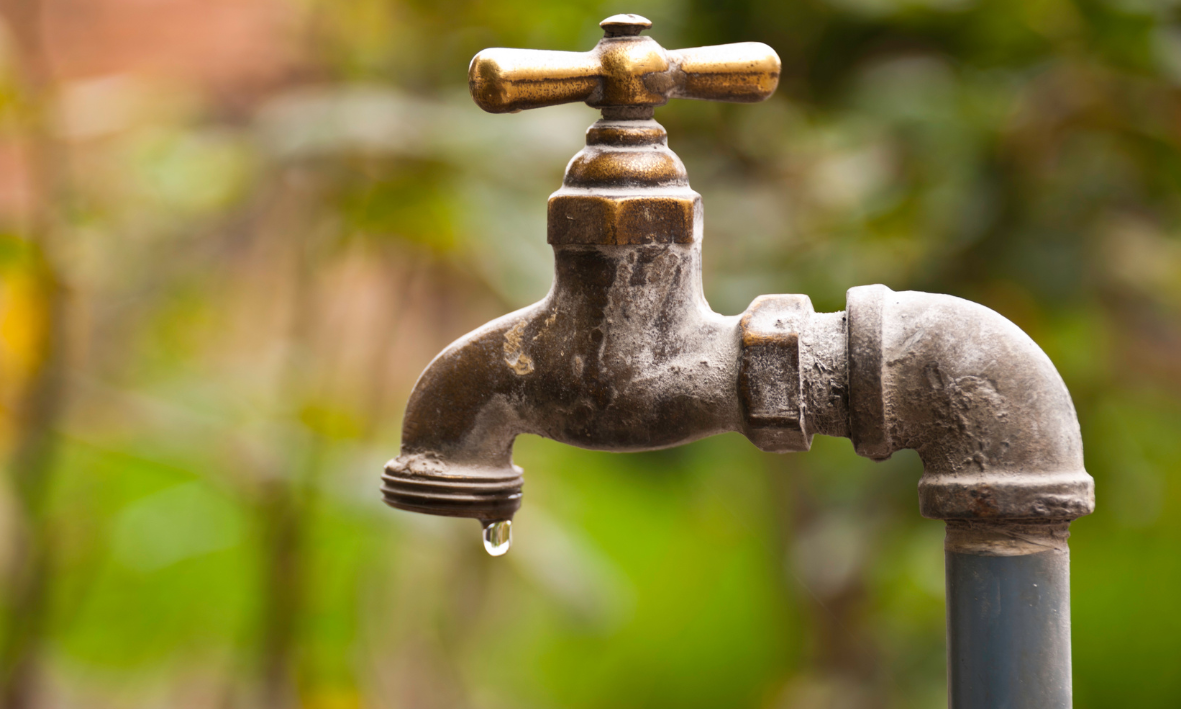
Statement by Zandile Phiri, Acting Secretary General of the United Democratic Movement The United Democratic Movement (UDM) notes with alarm Deputy President Paul Mashatile’s revelation that as of June 2025, municipalities collectively owe South Africa’s water boards R25.1 billion. This staggering debt is not a new phenomenon. It reflects long-standing financial mismanagement and poses a severe threat to the equitable provision of water services for millions of households. Water is a scarce and precious resource in South Africa. Yet instead of building capacity to deliver this essential service, many municipalities remain trapped in cycles of arrears, infrastructure decay, and disputes. These failures compromise both urban and rural communities and demonstrate a persistent breakdown in governance. The UDM cautions government against treating this crisis as merely a matter of debt collection. Punitive measures, such as slicing municipal budgets, may provide temporary relief for water boards but will ultimately deepen dysfunction in local government and compromise the delivery of water and sanitation services. Adding to the urgency, water boards themselves have faced severe dysfunctionality for years, driven by instability in leadership, poor governance, and weak oversight. Without stable boards, effective CEOs, and proper institutional controls, service delivery, financial management, and strategic planning remain compromised. The UDM believes that a sustainable solution requires that household water supply becomes a reality for every family, with local government fully supported and capacitated by national government. Infrastructure renewal and maintenance must be prioritised to address aging systems, avoidable losses, contamination, and service breakdowns. Clear national standards for water treatment and sanitation must be enforced to safeguard public health. A universal system of water charges, including a Basic Service Subsidy, must ensure access for indigent and poor households, with fair and transparent revenue collection ring-fenced for service provision. Capacity-building and skills transfer from national to local government are essential to ensure municipalities can meet their constitutional obligations. The UDM calls for a comprehensive stabilisation plan for water governance that balances financial accountability with capacity-building. Municipalities that deliberately withhold payments despite collecting revenue must face consequences. Equally, national government has a duty to strengthen the systems, skills, and infrastructure required for sustainable water delivery. The urgency of this crisis is visible in communities across the country. In Gauteng, families in Coronationville, Westbury, and Ivory Park, Tembisa, have clashed with police over dry taps. In the Eastern Cape, residents of Qunu have been forced to draw water from untreated rivers, exposing themselves to deadly waterborne diseases, a situation compounded by allegations that the town has had no proper running water since 2014. These incidents are not isolated; they are symptomatic of systemic collapse in water governance. Communities should not have to protest, blockade highways, or drink unsafe water to access a basic constitutional right. Water is a right, not a privilege. South Africans cannot be made to suffer for the failures of governance. The time for government to stop papering over the cracks and to decisively address the root causes of municipal dysfunction is long overdue.
Admin
12 Sep, 2025
Lawlessness, violent protests, and broken governance: South Africa needs urgent reform
Statement by Nqabayomzi Kwankwa, MP, UDM Deputy President and Leader in Parliament The United Democratic Movement (UDM) notes with concern the violent turn taken by community protests in Mondlo township, KwaZulu-Natal, where municipal buildings and vehicles were torched in the wake of anger over load reduction, poor services, and a lack of municipal accountability. Similar scenes unfolded in Coronationville in Westbury and Ivory Park in Tembisa, where residents clashed with police over prolonged water cuts, leaving community members injured. These incidents are neither isolated nor unprecedented. They form part of a deepening national crisis of lawlessness, in which citizens increasingly turn to destruction, arson, and violent attacks to express their grievances. This alarming trend reflects both a collapse of governance and the erosion of trust in peaceful engagement with authorities. International examples provide a stark warning for the powers that be. In Nepal, widespread protests by young citizens over corruption, nepotism, and mismanaged policy escalated into the burning of parliament and the homes of prominent politicians, forcing the army to airlift government ministers to safety. South African politicians must take heed: ignoring the cries of communities for basic services risks a similar escalation, where frustration could spill over into chaos and threaten social stability. Experts have already warned that South Africa’s legacy of socio-economic neglect, political disillusionment, and an ineffective justice system has created an environment where violence is seen as the only language government listens to. Communities often exhaust every formal avenue, writing memoranda, petitioning councillors, and pleading with municipal officials, only to be ignored until protests erupt. While the frustration of citizens who live without water, electricity, and safe infrastructure is understandable, the UDM strongly condemns the destruction of property and the loss of life that follow such unrest. Burning municipal buildings, petrol-bombing government offices, and attacking fellow citizens only deepen the crisis, disrupt service delivery further, and strip communities of the very resources they need. Equally, the UDM abhors the excessive and sometimes indiscriminate use of force by the South African Police Service (SAPS), including reports of rubber bullets fired at elderly people and children during recent protests. Heavy-handed policing only hardens anger and deepens mistrust. The UDM calls for: • A comprehensive reform of local governance to restore accountability, transparency, and service delivery. • Stronger and fairer enforcement of the law, so that criminal acts of arson and violence do not go unpunished, while ensuring that policing respects human rights and protects vulnerable community members. • Genuine dialogue between government (especially at local level) and communities before frustrations boil over into unrest. Engagement must be consistent, respectful, and solutions-driven. • National government to urgently intervene in municipalities crippled by corruption, maladministration, and financial collapse, to prevent further violent flashpoints. Many communities exhaust formal channels, such as petitioning ward councillors, municipal officials, and provincial leaders, before resorting to violence. The UDM therefore calls for the agenda of the National Dialogue to address these repeated frustrations. Service delivery challenges, local governance failures, and mechanisms for meaningful citizen participation must be central, with clear commitments and accountability measures to ensure that public grievances do not escalate into unrest. South Africa cannot build a future by burning the present. Violence and destruction must never become acceptable or normalised as a way of forcing government action. At the same time, government must demonstrate through action, not words, that it listens to peaceful demands, honours commitments, and delivers the basic services enshrined in our Constitution. The cycle of neglect, protest, violence, and suppression must be broken. What is at stake is not only community stability but the very fabric of our democracy.
Admin
11 Sep, 2025
NCA’s inclusion of educational institutions is a death knell for student credit records
Statement by Lucia Matomane, UDESMO Eastern Cape Provincial Chairperson The United Democratic Students’ Movement (UDESMO) in the Eastern Cape is deeply troubled about the Department of Trade, Industry and Competition’s, proposed amendment to the National Credit Act (NCA), which seeks to include educational institutions as data sources for credit reporting. We strongly oppose this amendment and its potential consequences for South African students and graduates. South Africa is already facing an unprecedented unemployment crisis, with graduates forming a significant part of the jobless population. Many young people, despite having completed their studies, remain unemployed and unable to service their crippling student debt. Instead of addressing the structural challenges that hinder youth employment, this amendment risks trapping graduates in a cycle of debt and financial exclusion. There is also a very real risk that negative credit records arising from unpaid student debt could prevent graduates from employment opportunities, particularly in the financial sector and other industries where a clean credit record is required. This policy could worsen youth unemployment and deny poor and previously disadvantaged graduates, access to already limited economic opportunities. Education must serve as a pathway to empowerment and upliftment. Instead, these proposed credit measures will deepen inequality and effectively oppress the financially vulnerable and economically marginalised youth, closing the door to economic participation and social mobility. The NCA is threatening to kill the future of our generation. Young people who wish to start businesses risk being blacklisted at the very beginning of their journeys, with their futures destroyed before they even have the chance to build them. As UDESMO Eastern Cape, we stand firm in advocating for fair and transparent credit practices, greater financial education, and meaningful support for vulnerable students. We call on policymakers to take into account the unique challenges students face and to work towards creating a more inclusive, just, and supportive financial environment that empowers rather than cripples young South Africans. The UDESMO Eastern Cape therefore calls for the withdrawal of this amendment and for the Department of Trade, Industry and Competition to engage with stakeholders on solutions that address the root causes of graduate debt and unemployment, such as debt relief measures and sustainable pathways to employment. South Africa’s future cannot be built on the financial exclusion of its youth.
Admin
11 Sep, 2025
Usindiso fire: poverty, governance failures, and the search for truth
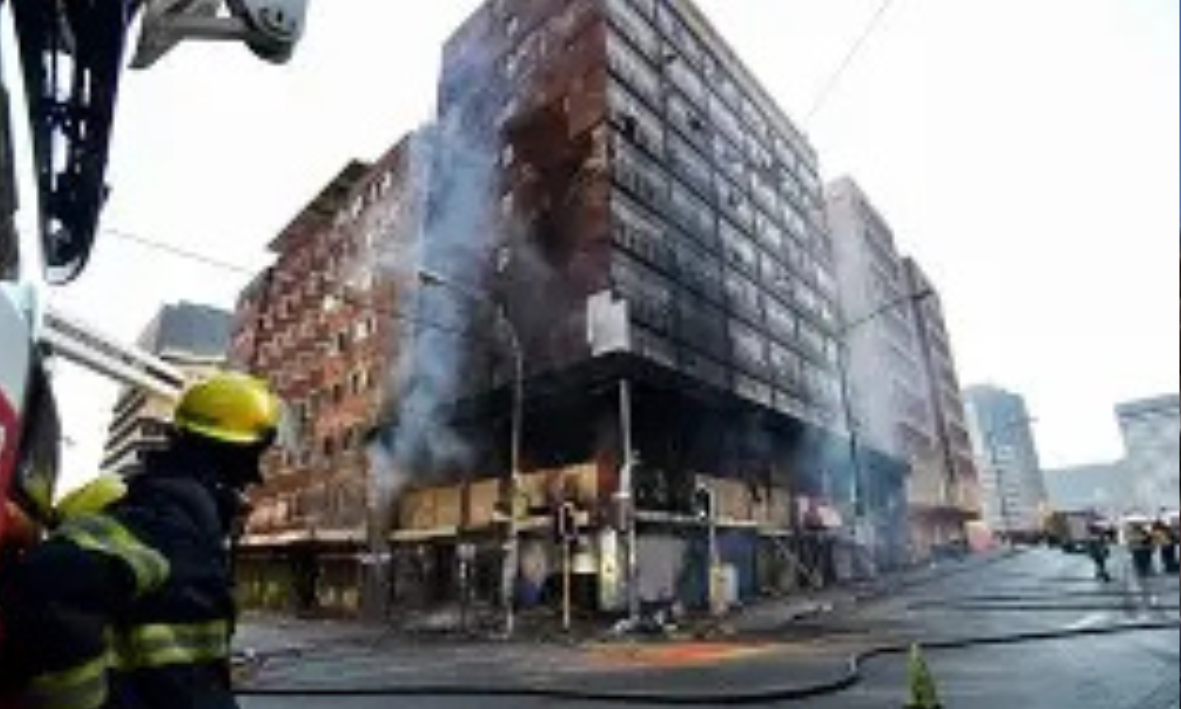
Statement by Yongama Zigebe, Councillor in the City of Johannesburg for the United Democratic Movement and Chairperson of the S79 Committee on Gender, Youth and People with Disabilities The United Democratic Movement (UDM) in the City of Johannesburg notes with concern the shocking turn in the Usindiso fire trial, where the accused now claims he falsely confessed to starting the blaze in order to secure food and shelter in prison. This desperate admission speaks volumes about the depth of poverty and despair in South Africa. That someone would rather take responsibility for one of the most heinous crimes in recent memory, a fire that killed 76 people, simply to secure “three meals and a roof over their head” is a harsh illustration of the conditions facing our nation. While the courts must determine the truth of the matter, the UDM in the City of Johannesburg insists that this tragedy cannot be seen only through the lens of one man’s testimony. It also reflects a collapse of governance, social safety nets, and accountability around hijacked and unsafe buildings. The families of the victims deserve clarity, justice, and closure. Every contradictory statement, every delay, and every failure to ensure accountability, whether through arson, negligence, or corruption in the management of municipal properties, deepens the pain of survivors. The UDM in the City of Johannesburg calls for: • A thorough and transparent investigation that goes beyond the individual accused to the broader systemic failures that enabled this tragedy • Accountability from the Johannesburg Property Company (JPC) and city authorities who allowed unsafe and hijacked buildings to become sites of danger. • Urgent action by government to address the crisis of hijacked and unsafe buildings across South Africa before another tragedy occurs. The truth about what happened at Usindiso must not be lost in shifting testimonies. The memory of the 76 lives lost demands nothing less than the full truth, accountability, and justice.

Admin
11 Sep, 2025
Gangs, guns, and governance: UDM Cape Town calls for urgent stabilisation in the Western Cape
Statement by Bongani Maqungwana, UDM Councillor in the City of Cape Town The United Democratic Movement (UDM) in the City of Cape Town notes with grave concern the ongoing surge of gang-related violence in Mitchells Plain, Mfuleni, and across the Cape Flats. Communities remain trapped in daily fear as shootings, extortion, and drug-related crimes devastate families and undermine social stability. We welcome Acting Police Minister Firoz Cachalia’s engagement with communities, as well as his acknowledgement that gangsterism in the Western Cape is deeply tied to organised and transnational crime. However, these challenges require more than conversations; they demand urgent and decisive action. Reports that weapons stolen from Namibian police and military stockpiles have been smuggled into Cape Town highlight the complexity of the threat. Military-grade firearms, including AK-47s, have found their way into the hands of gangs, fuelling violence and overpowering already stretched police resources. SAPS and Namibian authorities must urgently strengthen cross-border collaboration, secure state armouries, and disrupt trafficking networks. Equally alarming are the recent shootings at the Athlone, Mitchells Plain, and Wynberg courts, where three people (including alleged gangsters) were killed in separate attacks. Such incidents have placed staff, witnesses, and the public at risk, forced lockdowns, and delayed court proceedings. These attacks further destabilise the justice system and underline the urgent need for comprehensive security measures, including increased police presence and better technological safeguards. The UDM further notes Minister Cachalia’s statement that he has not ruled out the deployment of the South African National Defence Force (SANDF) to gang hotspots. While the UDM appreciates the desperation of communities calling for military support, we caution against treating the army as a first line of defence. Soldiers are not trained in civilian policing, and their use in urban communities carries serious risks. If such an option is pursued, it must be as part of a carefully coordinated, temporary stabilisation effort alongside reinforced policing and intelligence operations. Equally concerning is the Minister’s revelation that the long-awaited Cooperation Agreement between SAPS, the Western Cape government, and the City of Cape Town, signed more than a year ago, has not yet been implemented. This agreement, which includes commitments to share intelligence, data, and resources, was designed to enhance collaboration and strengthen crime-fighting capacity in the province. Its failure to materialise is an indictment of poor coordination between spheres of government at a time when unity is most urgently required. What is urgently needed is a comprehensive stabilisation plan: • A fully resourced and effective anti-gang strategy by SAPS. • Intelligence-driven operations targeting drug lords, arms smugglers, and extortion networks. • Cross-border security collaboration to cut off the flow of high-calibre weapons. • Increased police visibility in affected communities. • Implementation of the Cooperation Agreement without further delay. • Transparent communication and accountability from both national and provincial government. • Strengthened court security to protect staff, witnesses, and the public from gang-related attacks. The flow of illegal firearms, the unchecked rise of gangsterism, and the failure of government coordination represent a national security crisis. Communities cannot continue to live under siege. The UDM in the City of Cape Town calls on the national and provincial governments to act with urgency, precision, and accountability to restore safety, dignity, and stability to the people of the Western Cape.

Admin
11 Sep, 2025
Alleged rape of 8 Soweto boys at gunpoint; are our children safe at school?
Media Statement by Thandi Nontenja, MP and UDEMWO Secretary General The United Democratic Movement Women’s Organisation (UDEMWO) notes with deep concern reports that eight boys from Khomani Primary School in Diepkloof, Soweto, were allegedly drugged by a fellow grade 7 learner and subsequently raped at gunpoint by an adult. We are shocked, outraged and devastated by this heinous act. This tragedy highlights how sexual violence against learners is escalating; this is an unacceptable and recurring crisis in South Africa’s education system. This case is a painful reminder that boys too are vulnerable to sexual abuse, and that our fight against gender-based violence must recognise the suffering of all children. It is deeply disturbing that a learner was seemingly coerced into participating in this appalling act, which speaks to the urgent need for greater vigilance, education, and support as no child should ever suffer such violence in or near a school. UDEMWO welcomes the quick arrest of a suspect in this matter and calls for a thorough, transparent investigation to make sure every detail is uncovered. The perpetrator must face the full might of the law, and no leniency should be shown for crimes of such brutality against children. We further call on authorities to strengthen protective measures in schools, to prioritise psychosocial support for survivors and to ensure that communities are mobilised to create safe and nurturing environments for all learners. Anything less than justice for the victims would send a dangerous message that our children’s lives and dignity are negotiable.
Admin
10 Sep, 2025
UDM BCMM on the Metro’s collapsing water and sanitation infrastructure
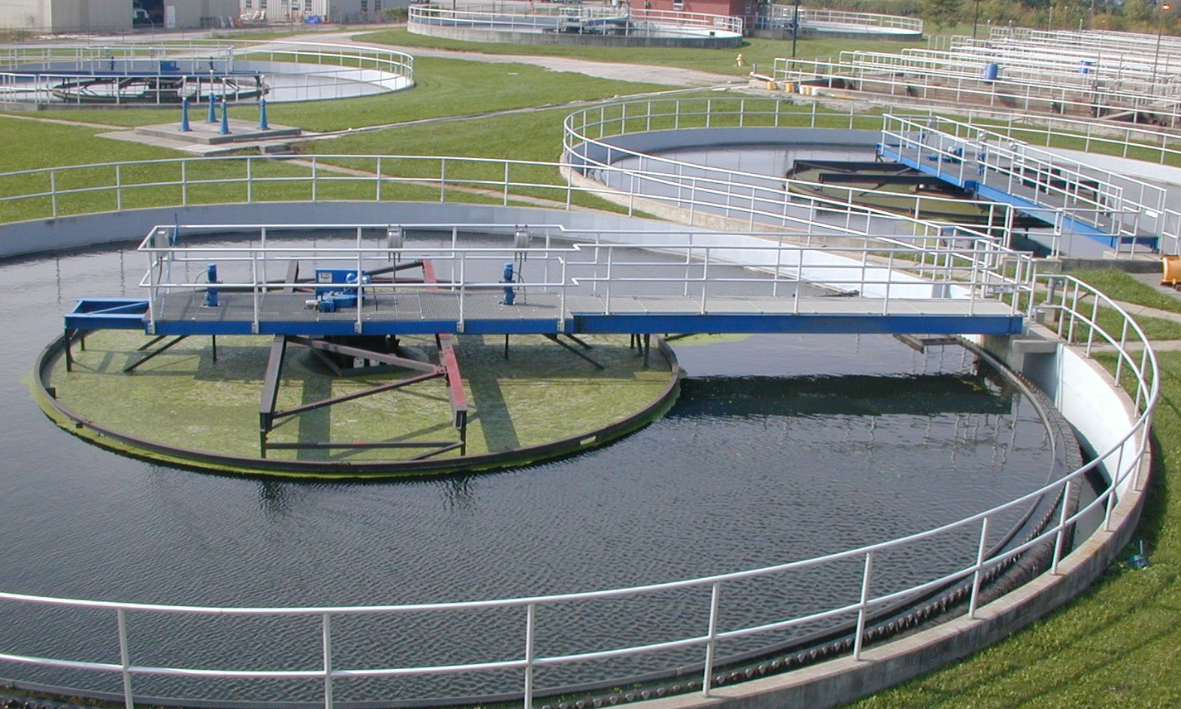
Statement by Anele Skoti, United Democratic Movement Councillor and Whip in Buffalo City Metropolitan Council The United Democratic Movement (UDM) in the Buffalo City Metropolitan Municipality (BCMM) is gravely alarmed by the recent revelations that only four of the Metro’s fifteen wastewater treatment plants are fully operational, with the rest either vandalised, unlicensed, or out of service. The disclosure by the municipal manager that more than R10 billion will be needed over the next six years to rescue the metro’s failing water and sanitation systems confirms what residents have known and lived with for years: decades of neglect, poor maintenance, and mismanagement have pushed the metro into a full-blown crisis. The UDM in the BCMM will not ignore the devastating reality confronting communities. Raw sewage running through streets and homes, foul odours in the air, and persistent health risks have become an everyday experience in many neighbourhoods. This is not only a humanitarian and environmental disaster but also a direct violation of the constitutional right to access clean water and a healthy environment. The UDM in the BCMM notes the municipal manager’s proposal to seek private sector investment and public-private partnerships (PPPs). While innovative financing models must be considered, PPPs must not become a back door to privatisation or a mechanism for elites to enrich themselves while residents continue to suffer. Any partnership must be transparent, carefully structured, and rooted in protecting water and sanitation as a public good accessible to all. The truth is that Buffalo City cannot solve this crisis on its own. National and provincial government must intervene decisively with financial, technical, and security support. Without this, the city risks further collapse, with dire consequences for residents, businesses, and future investment. The UDM in the BCMM calls for: • An immediate emergency plan to repair and secure wastewater treatment plants and sewage pump stations. • The ringfencing of infrastructure budgets to ensure that money allocated is spent only on water and sanitation. • Clear accountability for the decades of mismanagement and neglect that led to this collapse. • Transparent and inclusive public engagement on any proposed PPP arrangements. Buffalo City deserves better than this steady decline into dysfunction. The UDM in the BCMM will continue to hold the municipality and national government accountable until residents enjoy safe, reliable, and dignified water and sanitation services.
Admin
10 Sep, 2025
Massive job losses in the Eastern Cape: Aspen Pharmacare joins the litany
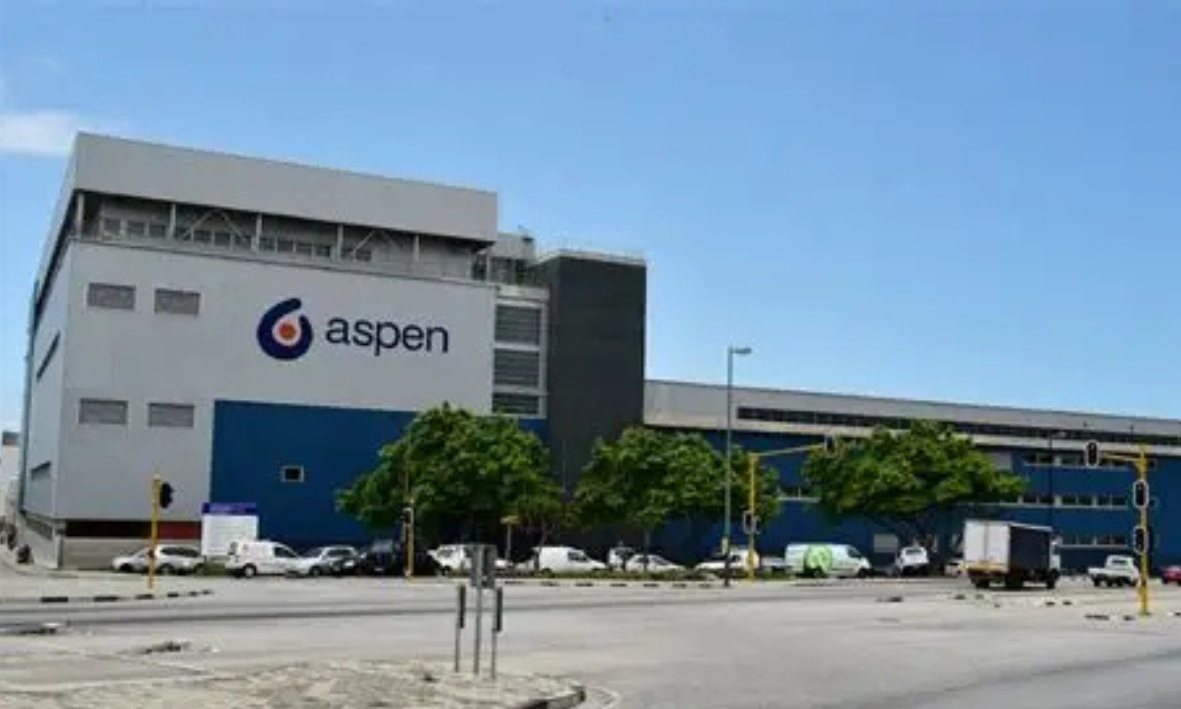
Statement by Bulelani Bobotyane, Provincial Secretary of the UDM in the Eastern Cape The United Democratic Movement (UDM) in the Eastern Cape notes with deep concern the announcement by Aspen Pharmacare that more than 900 employees face retrenchment following a fresh Section 189A notice served on unions. This comes on the back of 208 jobs already lost over the past year, including the closure of its eyedrops production facility in Gqeberha, and forms part of a growing trend of mass retrenchments across key sectors of our economy. The UDM in the Eastern Cape sympathises with the affected workers and their families. We are acutely aware of the devastating impact that job losses have on households, communities, and the country at large, especially in a context where South Africa is already in the grip of a worsening unemployment crisis. Aspen, as one of the leading pharmaceutical companies on the continent, has historically played a critical role in job creation, industrial development, and the manufacture of essential medicines. It is therefore disheartening to witness a contraction in its workforce of this magnitude. We call on Aspen to engage with unions and workers in good faith, to ensure that the consultation process is transparent, fair, and rooted in the principles of social justice. Workers must not be treated as disposable commodities in the pursuit of operational efficiency. We also urge Aspen to explore alternatives to retrenchment, including re-skilling, redeployment, and restructuring measures that can preserve as many jobs as possible. The crisis at Aspen is not an isolated case. Across South Africa, major employers are shedding jobs at an alarming rate. Goodyear has already closed its Kariega factory, resulting in 900 job losses, while ArcelorMittal, Glencore, and Ford have also announced significant cuts. These developments point to a broader pattern of industrial decline and economic stagnation, which demands urgent intervention from government and a coordinated response from all social partners. Government cannot continue to sit on its hands while South Africans lose their jobs in waves of Section 189 notices. The UDM calls on the Department of Employment and Labour, as well as the Department of Trade, Industry and Competition, to urgently intervene. We need decisive leadership to: • Protect existing jobs in strategic industries such as pharmaceuticals and manufacturing. • Support companies facing operational and compliance challenges with incentives and relief mechanisms, where appropriate. • Facilitate long-term industrial strategies that strengthen South Africa’s manufacturing capacity and competitiveness. The UDM in the Eastern Cape further demands accountability regarding the circumstances that led to the loss of Aspen’s eyedrops production lines, including the findings of the United States Food and Drug Administration (FDA). Regulatory compliance and quality assurance failures must not be allowed to undermine local jobs or compromise South Africa’s standing in global markets. South Africa (and the Eastern Cape in particular) cannot continue to bleed jobs at this scale without a decisive response. The UDM in the Eastern Cape demands that government urgently declare job losses a national emergency and present a clear plan to stem the tide of retrenchments sweeping through every sector. Empty promises and piecemeal interventions can no longer suffice; workers and their families need action, not platitudes.
Admin
09 Sep, 2025
The role, performance, and appointment of the next National Director of Public Prosecutions
Statement by Zandile Phiri, Acting Secretary General of the United Democratic Movement The National Director of Public Prosecutions (NDPP) holds one of the most vital positions in South Africa’s constitutional democracy. As the head of the National Prosecuting Authority (NPA), the NDPP is tasked with ensuring that criminal prosecutions are conducted without fear, favour, or prejudice; regardless of status, wealth, or political affiliation. This position demands more than just legal expertise. It requires a leader of the highest ethical standards, uncompromising independence, and a proven commitment to justice and constitutional values. The NDPP must possess the strength and courage to act decisively in the public interest, even when powerful forces seek to undermine the rule of law. Advocate Shamila Batohi had been appointed during a period of national crisis, following the devastating effects of state capture. She brought credibility, international experience, and a clear commitment to restoring institutional integrity. During her tenure, notable improvements were made in rebuilding internal governance structures and reinforcing the independence of the NPA. However, the pace and visibility of high-profile prosecutions have not met public expectations. The prosecution of key figures implicated in state capture has been inconsistent and often delayed, and internal divisions and morale issues within the NPA continue to hamper its effectiveness. The structural constraints of the institution, including chronic underfunding, political interference, and capacity gaps, have further limited the NDPP’s ability to deliver meaningful results. In this context, the United Democratic Movement (UDM) reaffirms its long-standing position that South Africa cannot afford another misstep in appointing the next NDPP. The credibility of the criminal justice system, and indeed the integrity of the state, hinges on this decision. The UDM believes that: 1. The appointment of the next NDPP must be a public, open, and participatory process. This must include public nominations, shortlisting by an independent panel of respected legal experts and civil society leaders, and public interviews, in a process similar to that of the Judicial Service Commission. 2. The final recommendation to the President should be subject to meaningful Parliamentary oversight. The UDM calls for the establishment of an ad hoc multi-party committee to review the shortlisted candidates and endorse the final appointment. 3. The incoming NDPP must demonstrate an unwavering commitment to independence from political or corporate influence. The UDM will oppose any appointment that reflects political patronage or serves factional interests. 4. The next NDPP prioritise the prosecution of those implicated in state capture, including former Cabinet ministers, senior officials, and private sector enablers. The era of impunity must end. 5. The capacitation and resourcing of the NPA, including the establishment of a permanent, independent anti-corruption prosecutorial unit are paramount. The NDPP must be empowered to lead a well-funded, fully functional prosecuting authority. South Africans deserve a criminal justice system that is fearless, functional, and free from interference. The appointment of the next NDPP must reflect these values and mark a decisive break from the failures of the past. Anything less will be a betrayal of the Constitution and the aspirations of the people.
Admin
09 Sep, 2025
JMPD recruitment fatalities are unacceptable
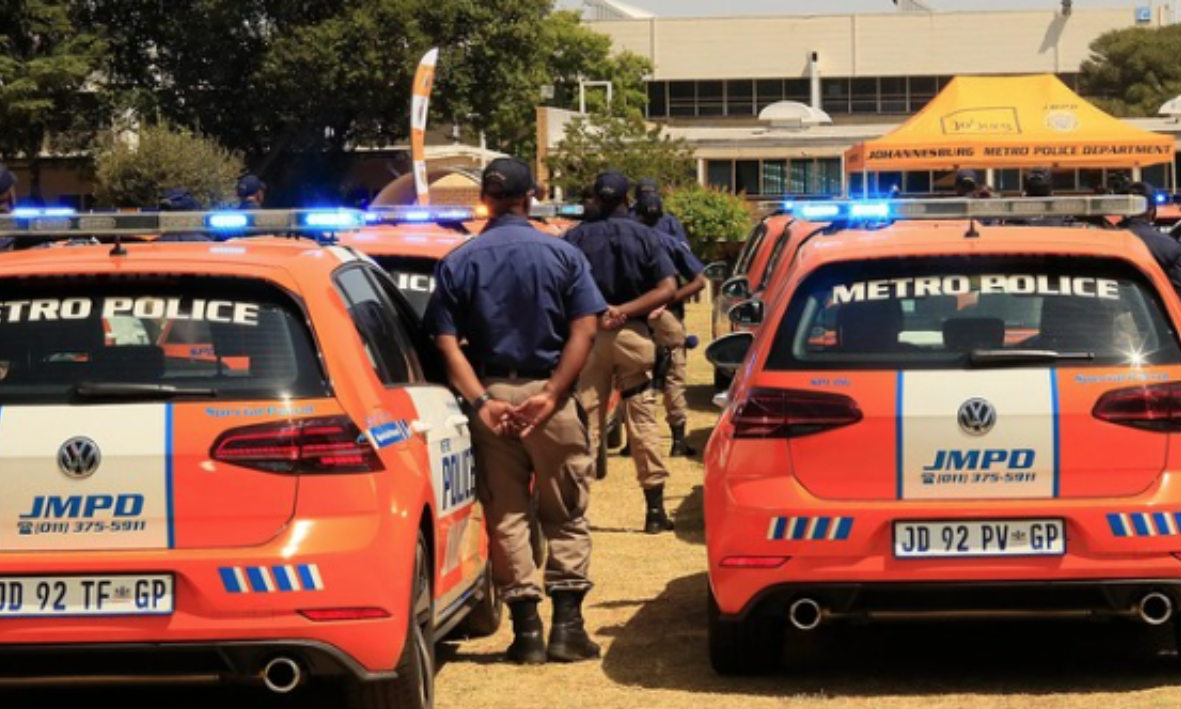
Statement by Yongama Zigebe, Councillor in the City of Johannesburg for the United Democratic Movement and Chairperson of the S79 Committee on Gender, Youth and People with Disabilities The United Democratic Movement (UDM) in the City of Johannesburg notes with deep shock and sadness the tragic deaths of two young South Africans, Mr Marvellous Michael Nyambi and Mr Zwelethu Tekete, during the recent Johannesburg Metropolitan Police Department (JMPD) recruitment programme at Ruimsig Stadium. These deaths are not only heartbreaking for their families and communities, but they also raise serious concerns about the safety, fairness, and integrity of the City’s recruitment processes. The youth of our country continue to struggle with unemployment and limited opportunities. For many, the chance to serve as JMPD officers represented hope and dignity. To have such hope end in tragedy is devastating and unacceptable. The UDM in the City of Johannesburg is further disturbed by allegations that hundreds of young applicants were turned away on the basis of proof of residence letters allegedly sourced only through councillors. If true, this points to unacceptable gatekeeping practices that undermine fairness, transparency, and equitable access to opportunities. As a Councillor in the City of Johannesburg and Chairperson of the Section 79 Oversight Committee on Gender, Youth, and People with Disabilities (GEYODI), I have formally written to the Member of the Mayoral Committee (MMC) for Public Safety, Cllr M Tshwaku, requesting a comprehensive report on the circumstances surrounding these deaths, the absence of medical and emergency readiness on site, the suitability of instructors, risk management protocols, and the measures being taken to prevent such tragedies from recurring. The Speaker of Council, Cllr M Arnolds, has also been copied in this correspondence. The UDM in the City of Johannesburg calls for: 1. Immediate transparency from the City of Johannesburg on the events that led to these fatalities. 2. Accountability for the failures in planning, oversight, and risk management. 3. Fair and inclusive recruitment practices that do not discriminate or impose unfair barriers on applicants. 4. Support and compensation for the families of the deceased candidates. The lives of young people cannot be treated carelessly in the pursuit of building law enforcement capacity. These incidents must serve as a turning point for how the City approaches youth recruitment, safety standards, and public trust. The UDM in the City of Johannesburg will continue to raise these matters until satisfactory answers and corrective measures are put in place.
Admin
05 Sep, 2025
SCA ruling against Nelson Mandela Bay Metro over toddler’s death
Statement by Zandile Phiri, Acting Secretary General of the United Democratic Movement The United Democratic Movement (UDM) notes with sadness the tragic case in which the Supreme Court of Appeal (SCA) has held the Nelson Mandela Bay Municipality liable for the death of a 17-month-old toddler who drowned in an open stormwater drain in Uitenhage in 2014. This heartbreaking incident is a stark reminder of the human cost of municipal neglect. For years, the UDM has consistently raised alarm over the collapse of infrastructure maintenance across municipalities in South Africa. The failure to maintain, secure, and inspect basic public infrastructure such as stormwater drains, sewerage systems, and roads has created daily hazards for our communities. In this case, evidence before the courts confirmed that residents had repeatedly reported the danger posed by the uncovered drain. The municipality’s failure to act, despite being warned, directly resulted in the needless death of an innocent child. No parent should have to bury their child because of government negligence. The UDM therefore calls on: 1. All municipalities to urgently audit their infrastructure, particularly stormwater systems, manholes, and open drains, and to secure or repair them without delay. 2. The Department of Cooperative Governance and Traditional Affairs (CoGTA) to strengthen oversight over municipalities and ensure consequences for negligent officials who ignore community warnings. 3. The South African Local Government Association (SALGA) to guide municipalities in implementing proactive maintenance systems to prevent further tragedies. The UDM further insists that municipalities must stop treating infrastructure maintenance as a secondary matter. It is a matter of life and death, and the SCA judgment has reaffirmed that municipalities have a legal and moral duty to protect the public. Our deepest condolences go to the family of the child who lost her life under such tragic circumstances. The UDM will continue to hold municipalities accountable until such preventable tragedies become a thing of the past.

Admin
04 Sep, 2025
UDEMWO on worrying trend of teenage pregnancies in South Africa
The United Democratic Movement Women’s Organisation (UDEMWO) is deeply alarmed by recent revelations from the Eastern Cape government that more than 100 children between the ages of 10 and 14 have given birth between April and July this year, with close to 5,000 teenagers giving birth during the same period. These statistics are not only shocking but represent a tragic failure of society, government, and law enforcement to protect our children. The fact that so many minors are becoming mothers, many as a result of statutory rape, highlights the urgent need for a coordinated national response. While we welcome the cases opened by the police against adults accused of impregnating minors, UDEMWO insists that justice must not be delayed. Perpetrators of sexual abuse and exploitation of children must face the full might of the law. Communities must also take responsibility by reporting such crimes, rather than concealing them due to stigma, fear, or misplaced loyalty. UDEMWO calls on: 1. Government and law enforcement to prioritise child protection and strengthen efforts to end the cycle of abuse. 2. The Department of Basic Education and Health to intensify comprehensive sexual education, access to family planning, and psychosocial support for learners. 3. Traditional and community leaders to be active participants in protecting children and speaking out against practices that normalise child abuse. 4. Civil society and faith-based organisations to play a stronger role in advocacy, awareness, and direct support to survivors of abuse. This is not only a women’s issue; it is a human rights crisis. Our children deserve to be children, free to grow, learn, and dream, not robbed of their childhoods by predatory adults. UDEMWO will continue to advocate for stronger laws, better enforcement, and comprehensive community-based interventions to ensure that no child is left vulnerable to such abuse.