Water crisis in South Africa: a call for accountability and sustainable solutions
Statement by Zandile Phiri, Acting Secretary General of the United Democratic Movement
The United Democratic Movement (UDM) notes with alarm Deputy President Paul Mashatile’s revelation that as of June 2025, municipalities collectively owe South Africa’s water boards R25.1 billion. This staggering debt is not a new phenomenon. It reflects long-standing financial mismanagement and poses a severe threat to the equitable provision of water services for millions of households.
Water is a scarce and precious resource in South Africa. Yet instead of building capacity to deliver this essential service, many municipalities remain trapped in cycles of arrears, infrastructure decay, and disputes. These failures compromise both urban and rural communities and demonstrate a persistent breakdown in governance.
The UDM cautions government against treating this crisis as merely a matter of debt collection. Punitive measures, such as slicing municipal budgets, may provide temporary relief for water boards but will ultimately deepen dysfunction in local government and compromise the delivery of water and sanitation services.
Adding to the urgency, water boards themselves have faced severe dysfunctionality for years, driven by instability in leadership, poor governance, and weak oversight. Without stable boards, effective CEOs, and proper institutional controls, service delivery, financial management, and strategic planning remain compromised.
The UDM believes that a sustainable solution requires that household water supply becomes a reality for every family, with local government fully supported and capacitated by national government. Infrastructure renewal and maintenance must be prioritised to address aging systems, avoidable losses, contamination, and service breakdowns. Clear national standards for water treatment and sanitation must be enforced to safeguard public health. A universal system of water charges, including a Basic Service Subsidy, must ensure access for indigent and poor households, with fair and transparent revenue collection ring-fenced for service provision. Capacity-building and skills transfer from national to local government are essential to ensure municipalities can meet their constitutional obligations.
The UDM calls for a comprehensive stabilisation plan for water governance that balances financial accountability with capacity-building. Municipalities that deliberately withhold payments despite collecting revenue must face consequences. Equally, national government has a duty to strengthen the systems, skills, and infrastructure required for sustainable water delivery.
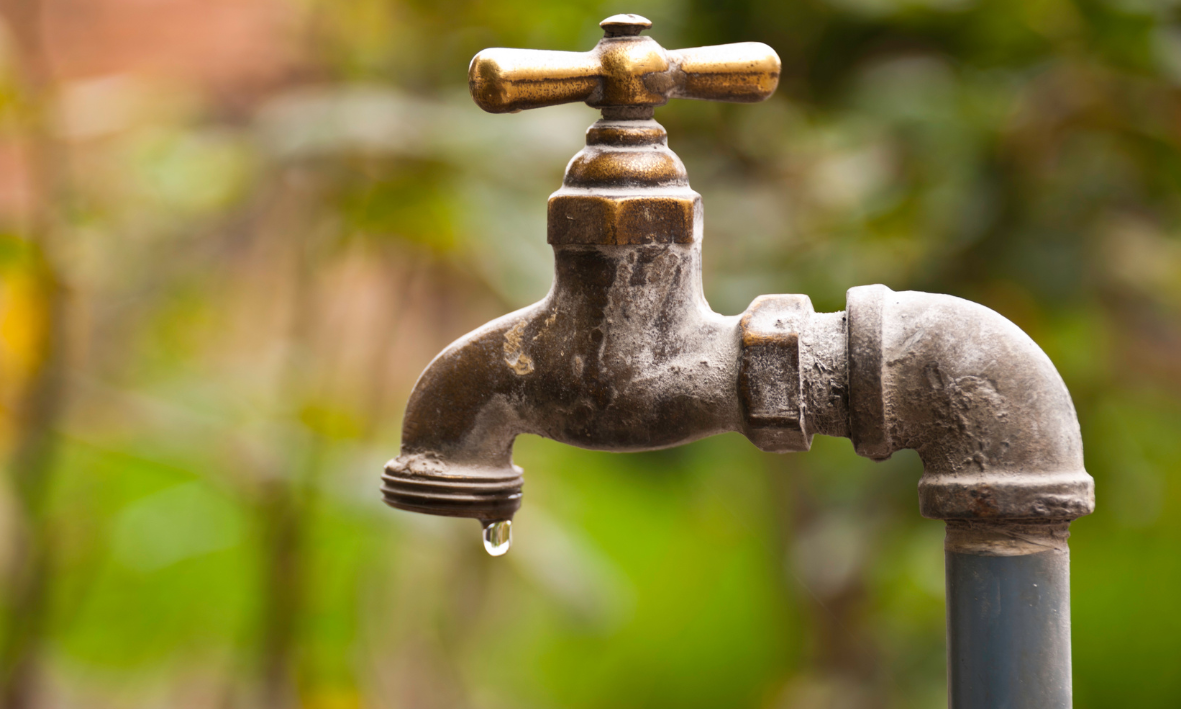
The urgency of this crisis is visible in communities across the country. In Gauteng, families in Coronationville, Westbury, and Ivory Park, Tembisa, have clashed with police over dry taps. In the Eastern Cape, residents of Qunu have been forced to draw water from untreated rivers, exposing themselves to deadly waterborne diseases, a situation compounded by allegations that the town has had no proper running water since 2014.
These incidents are not isolated; they are symptomatic of systemic collapse in water governance. Communities should not have to protest, blockade highways, or drink unsafe water to access a basic constitutional right.
Water is a right, not a privilege. South Africans cannot be made to suffer for the failures of governance. The time for government to stop papering over the cracks and to decisively address the root causes of municipal dysfunction is long overdue.