
Admin

11 Oct, 2025
For ALL Women and Girls: equality cannot wait
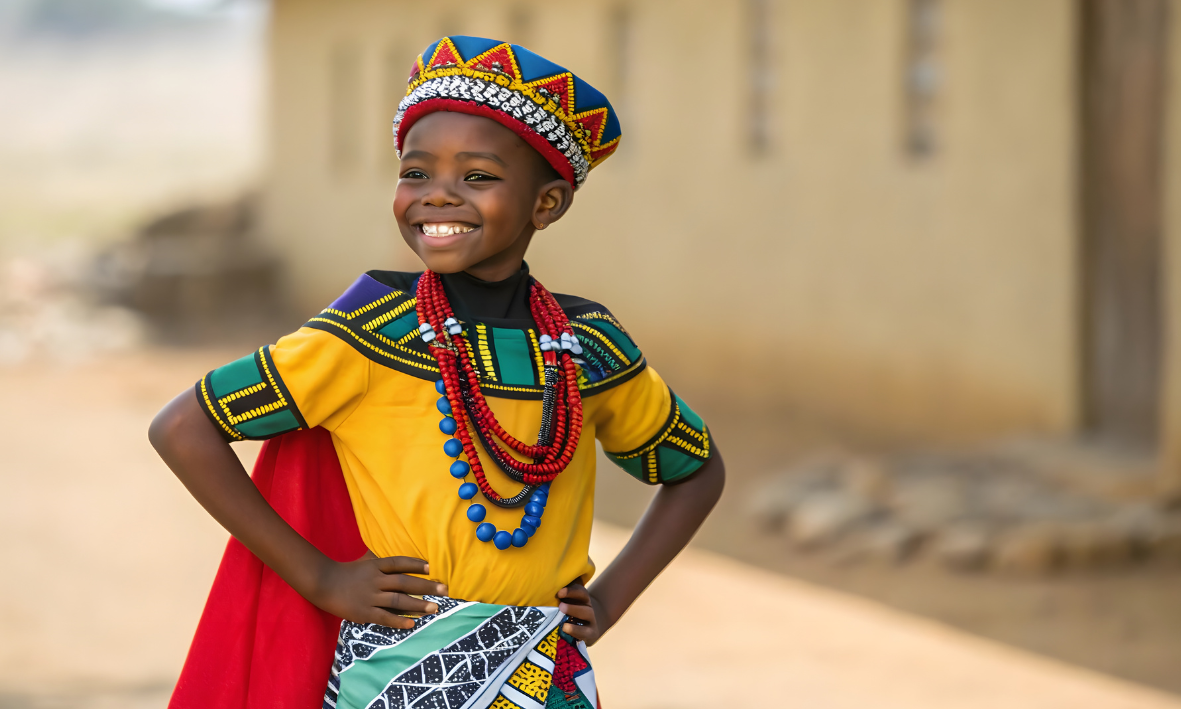
Media Statement by Thandi Nontenja, MP and UDEMWO Secretary General The United Democratic Movement Women’s Organisation (UDEMWO) joins the global community in marking the International Day of the Girl under the theme For ALL Women and Girls. This year’s observance reminds us that genuine gender equality requires inclusion across class, race, geography, and generation. Across South Africa, girls continue to live between promise and prejudice. Women make up 51% of the population and head 42% of households, yet they remain underrepresented in the economy and leadership. Female unemployment stands at 33.9%, rising to 38% among Black African women, and women occupy less than a third of senior management positions. These figures reveal not a lack of talent but a failure of opportunity. Gender-based violence and femicide remain the most devastating expression of inequality in our country. South Africa continues to record some of the highest levels of violence against women and girls, turning homes and communities into unsafe spaces. This brutality reflects a deep moral and social crisis that demands urgent action. Laws alone are not enough; we need a justice system that acts swiftly, police who protect survivors with compassion, and communities that refuse to normalise abuse. UDEMWO continues to advocate for the denial of parole to those convicted of rape and the murder of women and girls, as a clear message that such cruelty will not be tolerated. Every woman and girl deserves to live without fear, and every act of violence must be met with justice. Cultural and social norms continue to hold girls back. Faith and culture are important sources of identity and guidance, but they should never be used to justify the subordination of women and girls. A recent study shows that seven in ten men believe women should obey their husbands, demonstrating the urgent need to reinterpret cultural norms in ways that promote equality and dignity for all. From villages to boardrooms, transformation must reach tradition. Traditional and religious leaders, families, men, and boys must work together to dismantle harmful stereotypes and build communities where girls’ dreams are nurtured and respected. UDEMWO believes that empowering girls begins with economic freedom, quality education, and bodily autonomy. Economic inclusion, from equal pay to access to finance for women-owned enterprises, is not charity; it is justice. It is also smart economics because when women and girls thrive, entire communities benefit. UDEMWO therefore calls for: 1. Equal investment in girls’ education, especially in rural and low-income communities. 2. Gender-responsive budgeting at all levels of government to fund programmes that directly improve the lives of women and girls. 3. Zero tolerance for gender-based violence and femicide, including the denial of parole for rapists and murderers of women and girls, and better support for survivors through policing, prosecution, and psychosocial care. 4. Partnerships with faith and traditional leaders to reinterpret cultural practices in ways that affirm equality and human dignity. 5. Economic inclusion and empowerment through equal pay, targeted support for women-owned enterprises, and access to credit and land. 6. Mentorship and leadership pathways for girls to enter science, politics, business, and community leadership. As we commemorate the International Day of the Girl, UDEMWO honours the courage of girls who, despite obstacles, refuse to be silenced. Their struggle is not separate from that of women; it forms its foundation. Our collective task is to ensure that every girl in every community can live and lead freely, safely, and equally. For ALL Women and Girls. Our future depends on it.

Admin
07 Oct, 2025
Assault on Kimberley police officer: gender is not the story, lawlessness is
Statement by Zandile Phiri, Acting Secretary General of the United Democratic Movement The United Democratic Movement condemns in the strongest possible terms the recent assault on two police officers who were performing their duties in Kimberley’s central business district. The video of the attack, which has gone viral, is a disturbing reflection of the growing hostility toward law enforcement officers in our communities and the erosion of respect for the rule of law. The gender of the one officer should be immaterial. Whether male or female, no police officer should face physical harm or humiliation for performing their lawful duties. To highlight the gender of the one officer, as if the assault were more shocking because she is a woman, is the wrong logic entirely. It subtly reinforces the false and dangerous notion that women are somehow less capable of enforcing the law or managing conflict in the field. What happened in Kimberley is not about the strength of a woman but about the weakness of public discipline. The real issue is that criminals and ordinary citizens alike now believe they can defy, insult, and attack law enforcement officers without consequence. This is a clear sign that respect for authority and public order has collapsed. Law enforcement officers stand at the frontline of public safety. When they are attacked, it is not only an assault on an individual but on the authority of the state and on the safety of every South African. Communities cannot call for safer streets while simultaneously undermining and brutalising those tasked with maintaining them. At the same time, the South African Police Service (SAPS) must reflect deeply on how it interacts with the public. Many communities have lost confidence in law enforcement because of corruption, brutality, or neglect. SAPS must work intentionally to rebuild trust through fair, respectful, and community-based policing. Restoring public faith in the police will not only protect officers but also strengthen partnerships with residents who are often the first to see or report criminal activity. A police service that listens, serves, and respects citizens will find that respect returned. The UDM calls on SAPS to ensure that the perpetrators face the full force of the law and that consistent national measures are taken to protect officers on duty. Police morale, discipline, and safety are national priorities that require leadership and visible consequences for acts of defiance. We also urge community leaders, civic organisations, and faith-based institutions to play their part in restoring respect between citizens and the police. Building a safer country requires trust, cooperation, and the understanding that the law applies equally to everyone. No uniformed officer should ever fear for their safety while serving their nation. The time has come to restore both order and trust in South Africa’s streets.