Jongikhaya crisis exposes broken promises on pit toilet eradication
Statement by Yongama Zigebe, Councillor in the City of Johannesburg for the United Democratic Movement and Chairperson of the S79 Committee on Gender, Youth and People with Disabilities
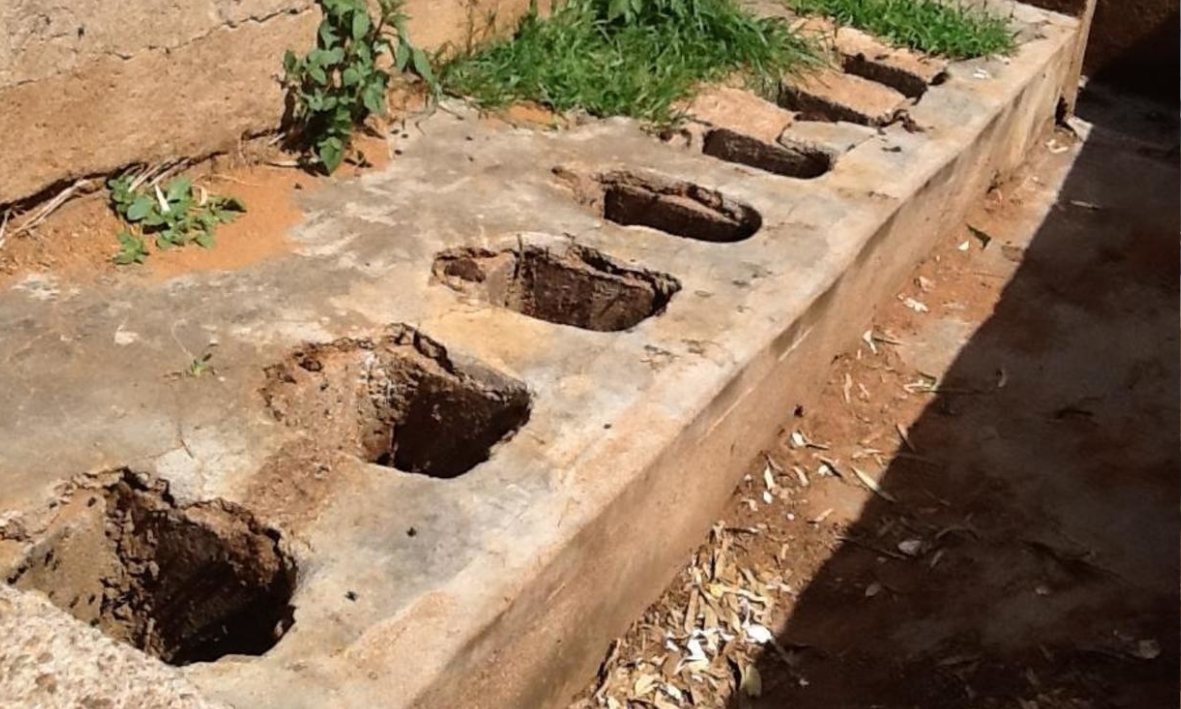
The United Democratic Movement (UDM) warned earlier this year that the Department of Basic Education’s failure to meet its 31 March 2025 pit latrine eradication deadline would have real consequences. Today, those fears have been confirmed by the shocking conditions at Jongikhaya Junior Secondary School in Lusikisiki, Eastern Cape, where teachers and learners are forced to share collapsing pit toilets. Teachers have even surrendered one of their own toilets for Grade R learners, after a child narrowly avoided falling into a crumbling pit. This is not just neglect, it is an insult to the dignity, safety, and rights of our children.
In April, the UDM, now a proud participant in the Government of National Unity, expressed deep disappointment when this administration missed its own pit latrine eradication deadline. Our role in government does not silence us. On the contrary, it strengthens our responsibility to highlight failures and demand urgent corrective action.
A missed target in this case is not a small bureaucratic slip; it is the extension of a public health crisis that continues to endanger children. Basic Education Minister Siviwe Gwarube claimed that 93 percent of pit toilets had been eradicated, but civil society groups such as SECTION27 raised serious concerns that this progress was being measured against an outdated 2018 audit, and that many schools with dangerous pit toilets had simply been overlooked.
The situation at Jongikhaya proves that our warnings were not alarmist, they were accurate. Learners here continue to risk their lives daily because of collapsing toilets, while parents now tell their children to use the bushes instead, trading one unsafe environment for another. The Eastern Cape Department of Education has reportedly admitted that Jongikhaya is not even on the Sanitation Appropriate for Education (SAFE) programme, despite years of pleas from the school. This is a betrayal of the community and of the constitutional rights of learners.
This crisis is not only about one school. It is the result of decades of poor planning, missed targets, and billions of rands underspent or misallocated, while rural schools continue to be treated as second-class. The GNU cannot repeat the mistakes of past administrations. We must be honest with the public: unless we act decisively, learners will continue to pay the price for government neglect.
The UDM therefore calls on Minister Gwarube to:
1. Prioritise Jongikhaya JSS for emergency sanitation upgrades before a tragedy occurs.
2. Conduct a new, transparent national audit of all schools still using pit latrines, and make the results public.
3. Publish a clear, time-bound implementation plan to eradicate all pit toilets, with no further extensions.
4. Ringfence funds transparently for rural school infrastructure, with community oversight to prevent underspending and corruption.
5. Work with civil society and the private sector to accelerate safe sanitation projects.
South Africa cannot afford another empty promise. The dignity and safety of our children must come first. Jongikhaya is not just another case, it is living proof that government’s failure to deliver on its own deadlines has left our children in danger. The UDM will continue to raise its voice within the GNU and outside of it, ensuring that the safety, dignity, and future of learners are placed above political convenience. We will not rest until every learner in South Africa has access to safe and dignified school infrastructure.
Note:
When Cllr Zigebe served as the Secretary General of the UDM, he championed the eradication of pit latrines as a matter of human rights and learner dignity. His presentation to Parliament in November 2023, alongside the Nguvu Collective, cemented his role as a leading voice on this issue.
Today, even in his capacity as councillor, he continues to act as a spokesperson for the thousands of learners still forced to endure unsafe and undignified sanitation conditions, ensuring that this campaign remains alive in both Parliament and the public domain.