
Admin

26 Feb, 2026
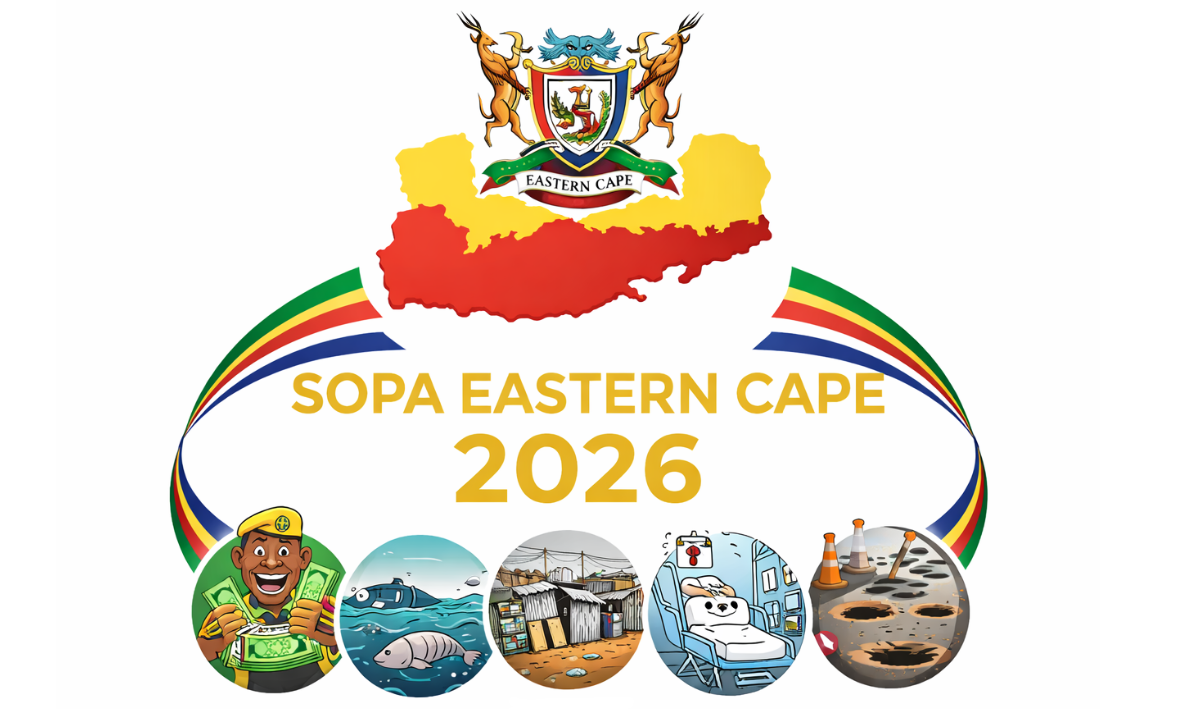
Eastern Cape SOPA2026: Mabuyane’s leadership on trial after year 7
Statement by Bulelani Bobotyane, Provincial Secretary of the UDM in the Eastern Cape The United Democratic Movement (UDM) in the Eastern Cape notes that on 27 February 2026, Premier Oscar Mabuyane will address the province in his seventh year at the helm. Across towns and villages, one hears a recurring sentiment: there was a period in this region’s history when executive authority translated into visible administrative discipline, when decisions were implemented with consistency and consequence management was not optional. That period existed within a different constitutional dispensation and must be understood in its proper historical context. It was not beyond criticism. In this province, what endures in public memory is not nostalgia for past structures, but the perception that governance was firm, coherent and enforceable. After nearly seven years in office, the current African National Congress (ANC) administration cannot dismiss that comparison. It must answer it. Seven years into the Mabuyane administration, the issue is no longer vision. The province has had vision documents, master plans, stimulus funds, growth frontiers and 2030 targets. The issue is executive control and institutional discipline. When the same sectors are re-announced year after year, when projected multipliers are pushed further into the future, and when governance reform deadlines quietly fade from the public record, the pattern reveals not a shortage of ideas, but a shortage of consolidation. After 32 years of uninterrupted ANC governance in this province, fragmentation cannot be blamed on transition or inheritance. It reflects a governing culture that accumulates initiatives faster than it stabilises systems. The Eastern Cape does not lack policy. It lacks conversion. It does not lack plans. It lacks enforcement. Seven years is sufficient time to entrench systems, discipline departments and impose consequence management. When plans multiply but structural indicators remain stubborn, it signals not complexity, but weak executive control. The ANC governs this province, with Premier Mabuyane at its helm. They cannot continue to govern through perpetual projection and recycled ambition. If the plans are sound on paper yet outcomes remain inconsistent, the question is no longer about design. It is about leadership. As the province approaches the 2026 Local Government Elections, SOPA 2026 must do more than defend a record. It must demonstrate that governance is stabilising where citizens experience the state most directly: in municipalities. Voters will not judge performance by presentation in the Chamber, but by functioning taps, maintained roads, disciplined finances and reliable services. In this election cycle, credibility will be earned on the ground. Accountability and delivery The UDM in the Eastern Cape will demand that SOPA2026 move beyond ambition and provide clear evidence of delivery. The people of the Eastern Cape have heard commitments on roads, water infrastructure, housing, health facilities and economic expansion before. This year’s address must account for what has been completed, what remains delayed and what has stalled. The public deserves measurable progress, not repetition. Municipal governance Municipal instability must be confronted honestly. If municipalities required intervention in the past year, the province must report whether those interventions worked. Financial stability, revenue collection, professional administration and consequence management determine whether communities receive services and whether local government can be trusted. Water security Access targets extending toward 2030 cannot substitute for consistent supply today. Communities experience governance through functioning taps, maintained infrastructure and effective wastewater systems. If these remain unreliable, explanations are no longer sufficient. Infrastructure maintenance Development cannot be credible if roads, stormwater systems and municipal assets deteriorate while new projects are announced. Maintenance is not secondary to growth. It is foundational to it. Economic reform and employment Sustainable job creation depends on stable municipalities, reliable infrastructure, clean procurement systems and a predictable regulatory environment. Temporary public employment programmes may offer short-term relief, but they do not replace structural reform. The province must demonstrate that institutional foundations for long-term economic expansion are being strengthened year by year. The National Development Plan’s 2030 horizon does not excuse weak implementation in the present. Governance and accountability Ethics frameworks and oversight mechanisms must translate into visible consequences. Clean governance, professional administration and disciplined public finance management are essential if public trust is to be restored. In 2020, this administration undertook to implement lifestyle audit guidelines by 2022. That deadline has passed. The province has yet to see consistent, transparent reporting on the outcomes of those audits or the consequences that followed. Anti-corruption cannot be rhetorical. It must be enforceable. With the 2026 Local Government Elections fast approaching, this address will be measured not by tone, but by evidence. The people of this province are demanding functional municipalities, reliable services and accountable leadership. In 2026, the UDM in the Eastern Cape will present a credible alternative grounded in administrative discipline, clean governance and service delivery that is felt in every municipality we contest.

Admin
13 Feb, 2026
SONA2026: vision has been declared. Delivery will decide
Statement by Nqabayomzi Kwankwa, MP, UDM Deputy President and Leader in Parliament The 2026 State of the Nation Address was characteristically vision driven, aspirational and wide ranging. President Cyril Ramaphosa once again laid out an ambitious reform agenda across the economy, crime prevention, local government, infrastructure, agriculture, public service reform and social protection. The difficulty, however, has never been the quality of the vision. The difficulty has consistently been implementation. South Africa has heard many turning point speeches over the past decade. Each one has identified the correct problems. Each one has proposed the appropriate frameworks. Yet departments have repeatedly failed in execution, coordination and accountability. That is the central concern the United Democratic Movement (UDM) raises in response to this address. On the economy, President Ramaphosa points to improved macroeconomic indicators, investment commitments and infrastructure allocations. These are welcome developments. However, macro stability does not automatically translate into employment at scale. The UDM will be watching closely whether infrastructure projects move beyond announcement phases and whether small and medium enterprises actually experience reduced red tape and improved access to markets and finance. The same applies to energy reform and logistics recovery. Structural reform is necessary, but tariff stability, grid expansion and port efficiency must now be visible in declining costs and increased competitiveness. South Africans cannot live on reform processes. They must feel outcomes. The President’s firm stance against organised crime is appropriate. Organised syndicates, illicit trade, illegal mining and gang violence are undermining the state and terrorising communities. The deployment of the South African National Defence Force to support the police is a serious step and reflects the gravity of the situation. However, such deployments must be carefully managed and time bound. UDM President General Bantu Holomisa, MP has however cautioned that when the South African National Defence Force (SANDF) is deployed internally, public cooperation is essential. Communities must cooperate fully and ensure that firearms are not drawn against soldiers. Escalation will only result in tragedy. At the same time, deployment must not become a substitute for fixing weaknesses within South African Police Services (SAPS) and the criminal justice system. Long term safety depends on professional policing, intelligence coordination and successful prosecutions. On the water crisis and local government reform, the President Ramaphosa has correctly identified systemic failure, poor planning and patronage as root causes. The establishment of a National Water Crisis Committee and the threat of personal liability for municipal managers signal seriousness. But here too, the UDM’s concern is implementation. We have seen interventions before. The question is whether dysfunctional municipalities will actually be stabilised, whether revenue will be ring fenced for infrastructure maintenance and whether political interference in appointments will truly end. The response to foot and mouth disease and the commitment to vaccinate the national herd is necessary. Yet this outbreak again highlights a pattern of reactive governance rather than anticipatory planning. Biosecurity must become a permanent strategic priority, not an emergency response after damage has been done. Smaller and communal farmers must not be left exposed while policy is refined. On youth employment and skills reform, the structural overhaul of the training system is overdue. However, public employment programmes must evolve into real economic pathways. Too many young people cycle through short term opportunities without progression into permanent work. The continuation and redesign of the Social Relief of Distress grant is understandable in the current economic climate. But redesign must be credible, administratively stable and clearly linked to economic participation. Dependency without opportunity cannot be the long-term model. President Ramaphosa speaks of professionalising the public service and insulating appointments from political interference. The UDM strongly supports this. Yet the country will judge reform by whether unqualified individuals are removed from critical posts and whether disciplinary processes are finalised swiftly. Announcing professionalisation is not the same as enforcing it. In many respects, the 2026 State of the Nation Address identifies the right priorities. The risk lies in whether line departments possess the capacity, discipline and coordination to deliver at the speed required. Vision without execution deepens public frustration. The UDM therefore approaches this address with cautious scrutiny. We will support reforms that strengthen the state, protect communities and grow the economy. But we will equally insist on measurable timelines, transparent reporting and consequence management where departments fail. In many respects, the 2026 State of the Nation Address identifies the correct priorities. The risk lies in whether line departments possess the capacity, discipline and coordination to deliver at the speed required. Vision without execution deepens public frustration. The UDM therefore approaches this address with cautious scrutiny. We will support reforms that strengthen the state, protect communities and grow the economy. But we will equally insist on measurable timelines, transparent reporting and consequence management where departments fail. The true test of this vision will begin in the upcoming Budget Votes and departmental budget speeches. It is there that priorities must be matched with credible allocations, implementation frameworks and performance targets. It is there that we will see whether this is a speech of intention or a programme of action. South Africans are not asking for inspiration alone. They are asking for implementation. 2026 must not become another year of plans layered upon plans. It must become the year where delivery finally catches up with vision.

Admin
11 Feb, 2026
Johannesburg water crisis exposes a city run without foresight
Statement by Yongama Zigebe, Councillor in the City of Johannesburg for the United Democratic Movement and Chairperson of the S79 Committee on Gender, Youth and People with Disabilities The United Democratic Movement (UDM) in the City Johannesburg notes with grave concern the protest by residents in Parktown West following more than twenty days without water. When a historically well-resourced suburb such as Parktown is forced into open protest over basic services, it signals not an isolated disruption but a systemic failure across the City of Johannesburg. If residents in Parktown are now pushed to the brink, one must pause and ask how communities in Alexandra, Soweto, Orange Farm, Eldorado Park, Riverlea and other working-class areas are coping. Many of these communities have endured intermittent supply, pressure reductions and prolonged outages for years. They do not have the financial cushion to hire private tankers, install storage systems, or absorb inflated municipal bills. For poorer residents, a water outage is not an inconvenience. It is a daily assault on dignity, health and survival. The crisis unfolding in Parktown is therefore not about geography. It is about governance. Johannesburg’s water challenges are rooted in years of inadequate planning, delayed infrastructure maintenance and reactive management instead of strategic investment. Our reservoirs and reticulation networks are aging; this is not breaking news. Demand has grown with urban expansion. Preventative maintenance has been deferred. Communication with residents remains inconsistent and often opaque. Instead of long-term infrastructure renewal and capacity planning, the city has relied on pressure management and emergency measures that treat symptoms while the underlying system continues to weaken. Water is not a luxury service. It is a constitutional right and the foundation of public health, economic activity and human dignity. When supply collapses for weeks in one part of the city, the ripple effects are felt across households, schools, clinics and businesses. When communication fails, trust collapses alongside it. The UDM in the City Johannesburg calls on the City council and management to present a transparent, citywide water recovery plan with clear timelines, infrastructure investment commitments and measurable targets. Residents deserve honest explanations, not shifting blame between entities. The City must strengthen coordination with bulk suppliers, accelerate infrastructure upgrades, address leak management aggressively and ensure equitable distribution across all regions. The current situation reflects a failure of foresight. A city of Johannesburg’s size and economic significance cannot operate on crisis mode governance. Proper planning, disciplined maintenance schedules and capital investment are not optional. They are the minimum requirements of responsible administration. Parktown’s protest should serve as a wakeup call. If communities across the socioeconomic spectrum are now united by water insecurity, then the problem is not localised. It is structural. Johannesburg must choose between continued decline through neglect or renewal through decisive leadership. The UDM in the City Johannesburg stands firmly for the latter.
Admin
19 Jan, 2026
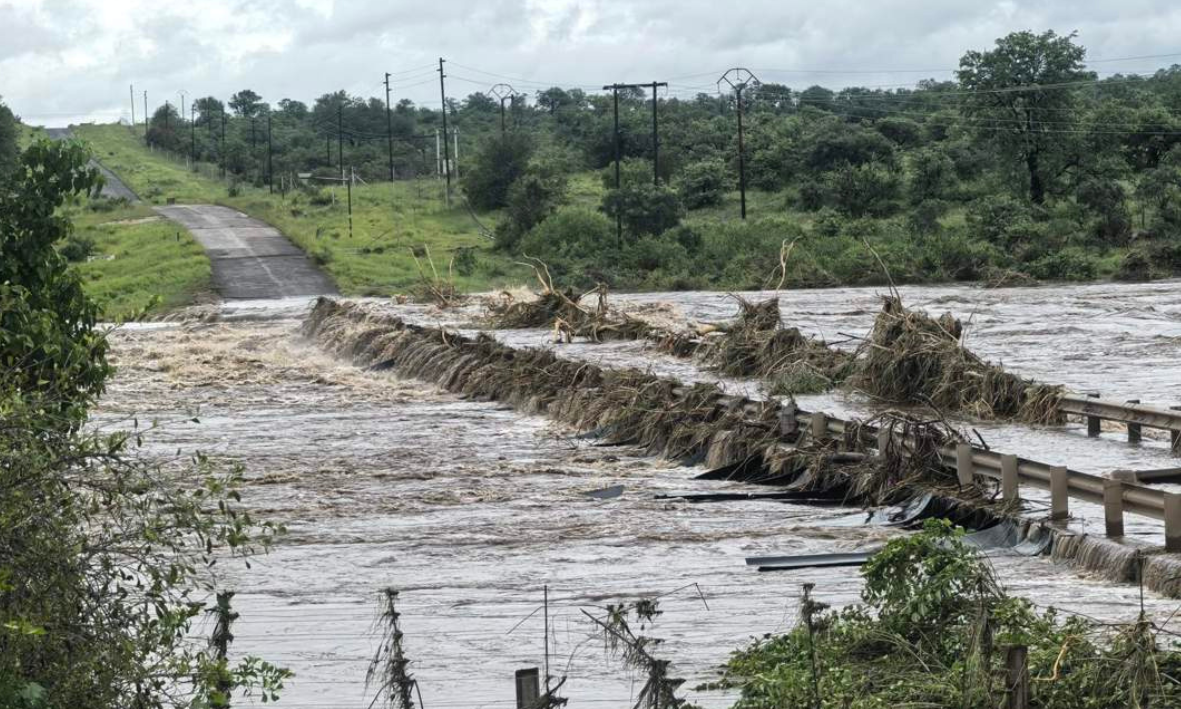
UDM calls for decisive government action as Limpopo flood death toll rises
Statement by Zandile Phiri, Acting Secretary General of the United Democratic Movement The United Democratic Movement (UDM) expresses its deepest condolences to the families and communities affected by the devastating floods that have struck Limpopo Province, particularly in the Mopani and Vhembe Districts. The tragic loss of at least 17 lives is a painful reminder of the human cost of extreme weather events and the vulnerability of many of our communities. We extend our heartfelt sympathy to all families who have lost loved ones, homes, and livelihoods. Many residents have been displaced, critical infrastructure has been damaged, and access to basic services has been disrupted. These floods have left communities traumatised and in urgent need of assistance. While the UDM acknowledges the efforts of emergency services, disaster management teams, and humanitarian organisations currently on the ground, we stress that disaster response must be swift, coordinated, and adequately resourced. Government at all levels must ensure that affected families receive immediate relief, including shelter, food, medical care, and psychosocial support. The UDM further calls on national and provincial authorities to prioritise long term disaster preparedness and climate resilience. Flooding is no longer an exceptional occurrence but an increasingly frequent reality. This demands serious investment in stormwater infrastructure, early warning systems, maintenance of riverbanks and bridges, and proper spatial planning that protects communities from preventable harm. As a member of the Government of National Unity, the UDM urges all spheres of government to work together without delay to ensure that relief efforts are effective and transparent, and that reconstruction places the dignity and safety of affected communities at the centre of recovery plans. We also urge residents to heed official warnings and avoid crossing flooded rivers and roads, as conditions remain dangerous. Saving lives must remain the foremost priority. We will continue to monitor the situation closely and will hold government accountable to ensure that no community is abandoned in the aftermath of this disaster.
Admin
19 Jan, 2026
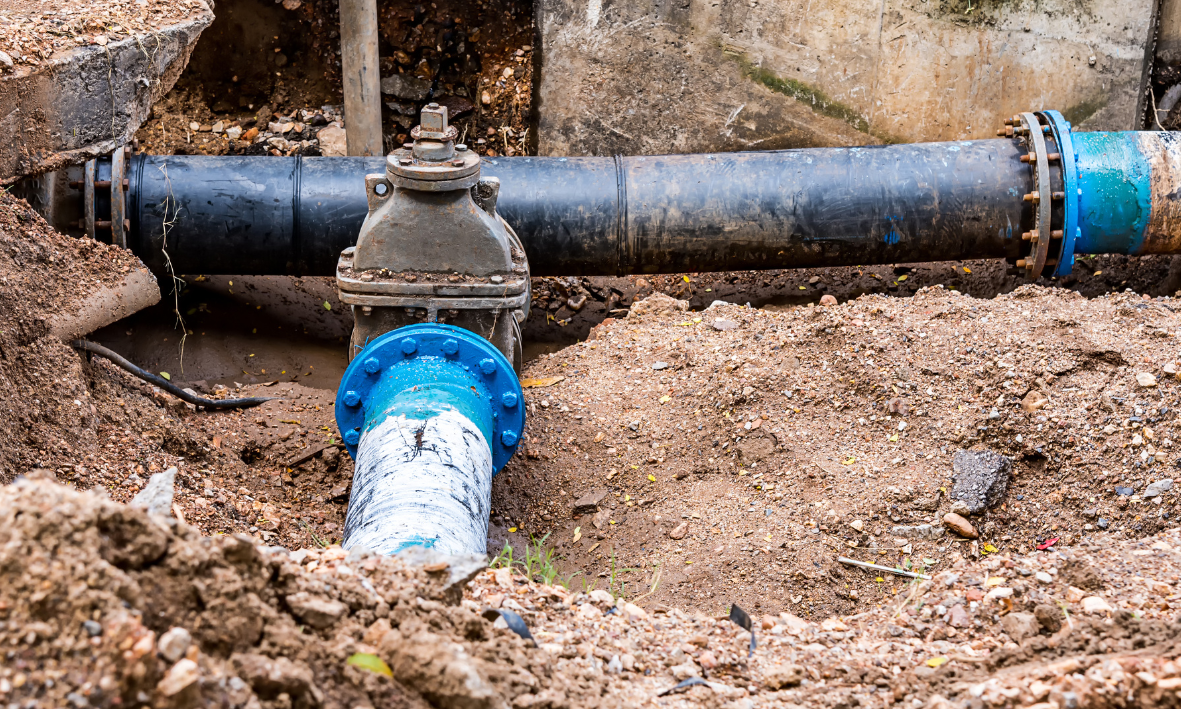
32 years of neglect: South Africa’s water crisis is manufactured
Statement by Zandile Phiri, Acting Secretary General of the United Democratic Movement South Africa is staring down a water emergency that has been decades in the making. The warnings now coming from within government itself confirm what communities have lived with for years: collapsing infrastructure, chronic leaks, failing storage systems, and a state that no longer plans for the future. The Director General of the Department of Water and Sanitation, Sean Phillips, has made it clear that the country’s water problems are deep, structural, and cannot be fixed quickly. This is not a sudden crisis. It is the predictable outcome of 32 years of neglect, mismanagement, and failure to invest in basic infrastructure. Gauteng residents are now being told to cut water consumption by as much as 40 percent, not because South Africa has run out of water, but because municipalities lack storage, lose vast volumes through leaking pipes, and fail to collect revenue. This is an indictment of governance. Households are being asked to sacrifice while billions of litres are lost every year through decaying infrastructure that was never maintained. The situation in Johannesburg is especially alarming. Despite having a technically sound water and sanitation turnaround plan, the City is unable to implement it because of severe financial distress. Contractors are not paid. Projects are abandoned. Funds generated by water services are diverted to cover other municipal pressures, despite National Treasury requirements to ring fence this revenue. This is not a lack of ideas. It is a collapse of discipline, accountability, and political will. The reality is that municipalities across the country are trapped in a vicious downward spiral. High levels of non-revenue water mean less income. Less income means poor maintenance. Poor maintenance leads to further infrastructure failure and even greater water losses. Communities pay the price through outages, rationing, and unsafe supply. Long term relief will only come when major supply projects are completed, but even here the story is one of delay and corruption. Strategic water projects that should have been completed years ago are now only expected late in the decade. South Africans are being asked to endure restrictions today because planning failed yesterday. What is emerging in Gauteng is already visible in other metros, including eThekwini, where leaks, limited storage, flooding damage, and excessive consumption mirror the same warning signs. Regions such as Nelson Mandela Bay and Knysna are facing drought conditions that place millions at risk. This is a national crisis, not an isolated municipal problem. Water has now replaced electricity as the main constraint on economic activity and daily life. Without reliable water, clinics cannot function, schools cannot operate, businesses cannot grow, and human dignity is stripped away. South Africa does not suffer from a lack of expertise. It suffers from a lack of consequence. The UDM has consistently warned that infrastructure cannot be wished into existence through speeches and plans that are never implemented. Maintenance, storage expansion, leak reduction, and disciplined financial management must happen together. Anything less is failure. The time for excuses has passed. South Africa needs urgent, coordinated action to protect water as a strategic national resource. The cost of continued failure will be paid not in reports, but in lost livelihoods, deepening inequality, and growing social instability.

Admin
22 Oct, 2025
UDM says Mayor Mchunu’s excuses insult the people of uMzinyathi: where is the water?
Statement by Remington Mazibuko, Councillor in the Inkosi Mtubatuba Local Municipality and UDM KwaZulu-Natal Provincial Chairperson The United Democratic Movement (UDM) in KwaZulu-Natal notes with deep concern the recent comments by uMzinyathi District Mayor Thembisile Mchunu, who has admitted that the municipality lacks the technical skills and resources to maintain its collapsing water infrastructure. These excuses come six years after the UDM first exposed corruption and maladministration in uMzinyathi, and two years after the South African Human Rights Commission (SAHRC) confirmed that the district violated the Msinga community’s right to water under Section 27(1)(b) of the Constitution. The UDM in KwaZulu-Natal lodged the original complaint with the SAHRC in 2019 on behalf of the Msinga community, under the leadership of the then UDM KwaZulu-Natal Provincial Secretary, Mr Boysey Gumede. That complaint laid the groundwork for the Commission’s 2023 Final Report, which found that uMzinyathi’s failures stem from poor management, lack of planning, and corruption, not water scarcity. The SAHRC’s 2024 follow-up visits reiterated those findings and urged urgent implementation of the recommendations. Just last week, CoGTA Minister Velenkosini Hlabisa acknowledged that uMzinyathi had incurred R1.4 billion in irregular expenditure, calling it “a lost opportunity.” He pledged that his department would conduct skills audits and strengthen capacity. The UDM welcomes this admission but reminds the Minister that words alone will not fill a water drum. The people of Msinga, Nquthu, Endumeni and Umvoti have heard these promises before. Meanwhile, Water and Sanitation Minister Pemmy Majodina continues to tout the progress of large-scale projects such as the Lower uMkhomazi Water Scheme while turning a blind eye to municipalities that have failed for years to deliver basic services. National leadership cannot boast about megaprojects while households in KwaZulu-Natal still rely on rivers and tankers for their daily water. The UDM in KwaZulu-Natal demands that: 1. Mayor Mchunu and the uMzinyathi District Council immediately table a public implementation plan for the SAHRC’s recommendations, with clear timelines and funding commitments. 2. The Department of Co-operative Governance and Traditional Affairs invoke Section 139 should the municipality fail to act within 60 days. 3. The Department of Water and Sanitation and National Treasury provide written updates to the SAHRC on corrective action taken since 2023. The UDM in KwaZulu-Natal will continue to monitor this matter closely to ensure that the SAHRC’s findings are implemented and that accountability follows where corruption and incompetence have stolen people’s right to water.

Admin
20 Oct, 2025
Exposing the water-tanker mafia: UDM urges SCOPA to act on corruption and sabotage in municipal supply
Mr Songezo Zibi, MP Chairperson of the Standing Committee on Public Accounts PO Box 15 Cape Town 8000 Dear Chairperson and Members of SCOPA Exposing the water-tanker mafia: UDM urges SCOPA to act on corruption and sabotage in municipal supply 1. The United Democratic Movement (UDM) wishes to bring to the Standing Committee on Public Accounts’ (SCOPA) urgent attention the alarming escalation of spending on water-tanker services by municipalities across South Africa, and the growing evidence of systemic abuse, corruption, and sabotage of water infrastructure associated with these contracts. 2. Recent investigative reports reveal that the City of Tshwane spent R777 million on water-tanker services in the 2024/25 financial year, an astronomical figure that far exceeds the reasonable cost of emergency water provision. This follows earlier findings that Tshwane alone paid more than R116 million in 2023/24 for tanker operations in areas repeatedly affected by burst pipes and alleged deliberate vandalism. 3. These numbers are not merely accounting anomalies; they speak to a wider pattern of dysfunction and profiteering. Treasury has already warned municipalities that water tankering must remain a temporary emergency measure, yet it has become a long-term business model feeding a network of contractors who thrive on public desperation. 4. The South African Human Rights Commission has gone so far as to suggest that deliberate interference with water infrastructure for profit could amount to terrorism against essential services. Lack of oversight, weak internal controls, or corruption in tendering and contracting tanker services, meaning funds may not be used optimally, or contracts may be awarded to unqualified providers. 5. The abuse of tanker procurement undermines every principle of clean administration and human dignity. It drains municipal budgets, discourages maintenance of pipelines, and forces poor communities to depend on unreliable and unsafe water sources. Every rand spent on this corruption-ridden system is a rand diverted from lasting solutions such as reservoirs, reticulation upgrades, and proper maintenance. 6. In view of these disturbing trends, I respectfully request that SCOPA: 6.1. Launch a national investigation into municipal expenditure on water-tanker services for the past five years, beginning with the City of Tshwane as a case study. 6.2. Summon the National Treasury, Department of Water and Sanitation, and the Auditor-General to account for the monitoring and control of tanker-related procurement. 6.3. Direct the Special Investigating Unit and Hawks to examine allegations of sabotage of water infrastructure and possible collusion between municipal officials and private contractors. 6.4. Recommend policy reform to ensure that water-tanker services are used only for emergency relief and are strictly time-bound, audited, and publicly reported. 6.5. Ensure transparency to communities by compelling municipalities to publish all tanker contracts, expenditure, and service records on accessible platforms. 7. South Africa’s water crisis is deepening, not only because of scarcity but because corruption has been allowed to pollute the very systems meant to deliver relief. The people deserve answers and decisive action. It is time for Parliament to intervene before water delivery becomes the next national scandal. Yours sincerely Ms Thandi Nontenja, MP United Democratic Movement Member of SCOPA

Admin
17 Oct, 2025
Request for intervention regarding Jozini: where a full dam meets empty taps
Mr Paul Shipokosa Mashatile, MP Deputy President of the Republic of South Africa Private Bag X1000 Cape Town 8000 and Ms Pemmy Majodina, MP Minister of Water and Sanitation Private Bag X9052 Cape Town 8000 and Mr Velenkosini Hlabisa, MP Minister of the Department of Cooperative Governance and Traditional Affairs Private Bag X802 Pretoria 0001 and Mr Leonard Jones Basson Chairperson of the Portfolio Committee on Water and Sanitation PO Box 15 Cape Town 8000 Dear Deputy President, Minister Majodina, Minister Hlabisa and Chairperson Basson Request for intervention regarding Jozini: where a full dam meets empty taps 1. Introduction In 2011, government promised that families living around the Jozini Dam (Pongolapoort Dam), in KwaZulu-Natal, would soon drink water from the dam for the first time in 40 years. Fourteen years later, thousands of those same families are still waiting. The people of Jozini and the greater uMkhanyakude District continue to fetch untreated water from the dam that towers above their homes. Children, elders, and livestock share the same water source in one of South Africa’s greatest contradictions, abundance without access. This is no longer an infrastructure problem. It is an accountability crisis. 2. The record of some of the reported broken promises In 2011, government announced the imminent launch of three water reticulation schemes expected to benefit about eight thousand families in the kwaJobe Traditional Authority area of Jozini. By 2015, elderly residents were still walking long distances to collect water directly from the dam, carrying heavy containers home each day while living in sight of the vast reservoir they could not access. In 2017, government declared that more than 10,000 residents across the wider Jozini area would henceforth have access to potable water. This promise was tied to phase launches of bulk infrastructure intended to expand coverage beyond urban nodes into rural settlements. However, despite this public commitment, countless households in these same areas remain without functional taps today; a stark reminder that grand launches have not translated into sustained service at the household level. That same year, the Jozini Bulk Water Supply Project launched a new treatment works designed for 40 million litres per day, meant to supply about 135,000 people (16,200 households). However, despite this major investment (over R1.075 billion spent) and the appointment of Mhlathuze Water as implementing agent, far too many in Jozini remain without functional taps. Infrastructure was built, yet the link from bulk works to community households has broken down. This disconnect between promise and performance demonstrates that the challenge is not just constructing infrastructure, but making it work for the people it was meant to serve. In 2022, the district finally obtained a licence to draw water from Jozini Dam, raising hopes that the long wait was ending. Yet, years later, the pipelines and treatment works remain incomplete, and most households still have no reliable supply. Between 2023 and 2024, frustration boiled over as residents in Mathayini and Mbabanana blocked roads and marched in protest after burst pipes, illegal connections and poor maintenance once again left entire wards without water. By 2024 and 2025, the much-celebrated Nondabuya Water Scheme, funded at R151 million and intended to reach 2,400 households, had collapsed, reaching only about 700 families before allegations of corruption and over-expenditure surfaced. Two senior officials were suspended, yet one has since resurfaced in another province’s department, continuing the cycle of impunity that defines this tragedy. 3. The cost in human dignity Behind every failed project is a community forced to live without the most basic necessity of life. Schools and clinics operate without reliable water supply. Women and children spend hours each day walking for water instead of attending school or work. Farmers lose livestock because pumps and canals lie idle. Families bury children who drown fetching water from unsafe sources. Water is life, but for many in Jozini it remains a privilege. 4. Findings from national oversight The Department of Water and Sanitation has acknowledged uMkhanyakude as one of the municipalities under Section 63 intervention, meaning national government itself recognises local collapse. The South African Human Rights Commission has confirmed that water supplied by nearly half of South Africa’s municipalities is unsafe to drink, with uMkhanyakude among those in critical condition. We take note of Water and Sanitation Minister Pemmy Majodina’s commitments in her 2025/26 Budget Vote, where she pledged to strengthen accountability, professionalise municipal water services, and accelerate delivery through the Water Partnerships Office and new legislative reforms. These undertakings are welcome and necessary. However, communities like Jozini must see these commitments materialise in real, functioning infrastructure and visible results on the ground, not only in plans, task teams, or budget lines. Minister Majodina’s speech identified vandalism, illegal connections, and non-payment as national challenges, but Jozini’s experience shows the deeper truth: these failures persist because accountability remains optional. We also note the establishment of the Makhathini Lower Pongola Water User Association in 2023 by Gazette Notice No. 48514, designed to manage the dam, river, and canal infrastructure across Jozini, uMhlabuyalingana, and parts of Zululand in a coordinated manner. Its governance structure is to include representation from farmers, municipalities, conservation authorities, traditional leaders, and other user groups to ensure equity in decision-making over water releases, allocation and infrastructure operations. Yet despite this statutory framework, the association remains largely aspirational: canal sections are vandalised or illegally tapped, refurbishment is unfunded, and community voices seem excluded from real oversight. If it is to be more than symbolic, the Water User Association must be empowered, resourced and held to account, and its operations must align with the accountability and transparency demands outlined above. We further note with grave concern the redeployment of Chuleza Hombisa Jama, a former KwaZulu-Natal Cooperative Governance and Traditional Affairs (CoGTA) official who was suspended in connection with the failed R151 million Jozini water project, to a senior position in the Eastern Cape’s disaster management unit. Despite her suspension and the unresolved investigations, she was transferred without clear vetting or accountability. Such actions undermine the principle that those under investigation should not be placed in positions of authority over public resources or emergency response. This practice erodes public trust and highlights the urgent need for national safeguards against the redeployment of officials implicated in misconduct. The UDM firmly holds that cadre deployment and redeployment without accountability have become a mechanism for perpetuating maladministration and corruption. Time and again, officials who fail or are implicated in wrongdoing are simply shuffled from one department to another with no consequence. They are recycled instead of being removed. This practice undermines public confidence and shows that loyalty and political patronage matter more than competence, integrity or results. According to UDM policy, the state must institute measures to vet, sanction and, when necessary, dismiss such officials permanently from public service. Appointments and redeployments must be subject to transparent scrutiny, and no individual should be protected from consequence because of political connections. 5. A Parliamentary call for action As a Member of the Standing Committee on Public Accounts (SCOPA), I therefore call for the following actions, each with clear lines of responsibility for the: 5.1. Minister of Water and Sanitation and the Auditor-General of South Africa to commission a joint forensic and performance audit, with the Special Investigating Unit, into all Jozini and uMkhanyakude water projects since 2010, including Nondabuya, Greater Ingwavuma, and the Makhathini Canal. 5.2. KwaZulu-Natal MEC for CoGTA to implement the immediate suspension of any official implicated in financial or project irregularities, pending the finalisation of investigations, and ensure that no redeployments occur until due process is completed. 5.3. Department of Water and Sanitation, working with the uMkhanyakude District Municipality to publish up-to-date progress reports on all water projects in Jozini and uMkhanyakude, detailing expenditure, appointed contractors, and realistic timelines for completion. 5.4. Department of Water and Sanitation and the National Treasury to fast-track the completion of the Greater Ingwavuma Bulk Water Supply Scheme and secure the funding necessary to ensure full functionality before the 2026 financial year. 5.5. Minister of Water and Sanitation, in collaboration with CoGTA and the Municipal Infrastructure Support Agent to establish a multi-agency task team, including the Department of Water and Sanitation, the Department of Cooperative Governance and Traditional Affairs, the National Treasury, the Municipal Infrastructure Support Agent, and local civil society, to coordinate funding, technical support, and consequence management. 5.6. Deputy President of the Republic, in his capacity as Chairperson of the Infrastructure and Investment Committee to provide executive coordination and oversight to ensure that national, provincial, and municipal interventions in the Jozini and uMkhanyakude water projects are properly aligned, funded, and implemented within measurable timelines, with quarterly progress reports submitted to Parliament. 5.7. Parliamentary Portfolio Committee on Water and Sanitation, together with SCOPA to receive and review all audit outcomes from the above processes and ensure ongoing Parliamentary oversight and follow-up to guarantee accountability and delivery. 6. Restoring trust and transparency The people of Jozini deserve honesty. They deserve updates, site visits, and written reports, not ribbon-cutting ceremonies. Transparency must replace secrecy and confusing messaging, and delivery must replace excuses. 7. Conclusion The African National Congress and Inkatha Freedom Party in KwaZulu Natal have repeatedly traded accusations over who are to blame for the ongoing water crisis in Jozini, while actual delivery to communities remained absent. The political squabbling has become a spectacle, a diversion from the core failure: that waterless residents suffered years of neglect. This unhealthy dynamic has allowed both parties to claim moral high ground without ever changing the status quo for the people. The Jozini crisis also reflects a massive failure of coordination between the three spheres of government. Over the years, every department and level of authority has made promises; yet there has been no sustained follow-through. The national department announces interventions, the province appoints task teams, and the district and local municipalities hold community meetings, but these efforts rarely converge into one accountable plan. The result is duplication, confusion, and continued hardship for ordinary residents. The lack of alignment between policy, funding, and implementation is glaring, and the people of Jozini are bearing the brunt. The Government of National Unity (GNU) has promised to turn a page on this legacy of division and failure. That promise will mean nothing if it does not reach the most neglected corners of our country. The crisis in Jozini is a test of the GNU’s sincerity: whether it can replace political blame with shared responsibility and turn promises into pipes that actually deliver water. Water is life, and accountability must now flow as freely as the water that surrounds Jozini. It is now imperative for Deputy President Paul Mashatile, as Chairperson of the Infrastructure and Investment Committee, to convene all stakeholders at national, provincial, and local levels, into one coordinated platform to resolve this crisis once and for all. Yours sincerely Ms Thandi Nontenja, MP United Democratic Movement Member of the Standing Committee on Public Accounts Copied to: ? Mr Enoch Godongwana, MP - Minister of Finance ? Mr Songezo Zibi, MP - Chairperson of the Standing Committee on Public Accounts ? Rev Thulasizwe Buthelezi, MPL – KwaZulu-Natal MEC for Cooperative Governance and Traditional Affairs ? Ms Tsakani Maluleke - Auditor-General of South Africa ? Adv Andy Mothibi - Head of the Special Investigating Unit ? Adv Chrystal Pillay – Acting Chief Executive Officer of the South African Human Rights Commission ? Cllr Remington Mazibuko - Provincial Chairperson of the UDM in KwaZulu-Natal

Admin
06 Oct, 2025
Urgent Inquiry into the expenditure and delays of the Upper and Lower uMkhomazi Water Projects
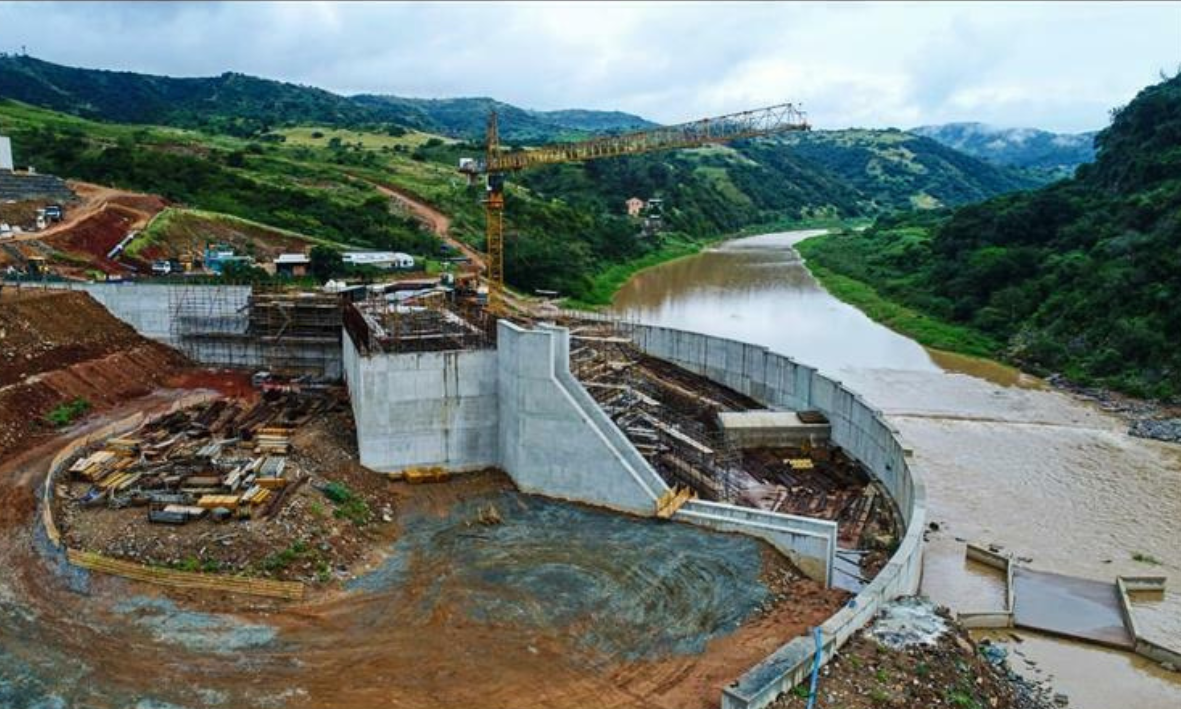
Mr Songezo Zibi, MP Chairperson of the Standing Committee on Public Accounts PO Box 15 Cape Town 8000 Dear Chairperson and Members of SCOPA Urgent Inquiry into the expenditure and delays of the Upper and Lower uMkhomazi Water Projects 1. Introduction 1.1. The United Democratic Movement (UDM) writes to formally request that the Standing Committee on Public Accounts (SCOPA) institute a full inquiry into the expenditure, procurement processes and governance failures associated with the Upper and Lower uMkhomazi Water Projects. 1.2. In my understanding, the uMkhomazi development has always been envisaged as two complementary projects with distinct roles. The Upper uMkhomazi Water Project centres on the construction of the Smithfield Dam and a transfer tunnel into the uMngeni system, designed to secure bulk raw water for Durban, Pietermaritzburg and inland communities. The total costing reportedly R28 billion. By contrast, the Lower uMkhomazi Water Project is focused on potable water delivery, with a balancing dam, treatment works, and bulk pipelines intended to serve an estimated 50,000 households in southern eThekwini and the Ugu District, including Amanzimtoti, Umkomaas, Scottburgh and Hibberdene. 1.3. The Upper project is therefore about storage and transfer to the metropolitan supply, while the Lower project is about immediate, treated water supply to households along the coast. The latter project is valued at over R20 billion. The UDM did note the recent statement by Water and Sanitation Minister Pemmy Majodina that the Lower uMkhomazi scheme has reached over 60% completion, with key components such as the Ngwadini Dam, bulk pipelines and treatment works underway. 1.4. These projects, with a combined estimated value of R48 billion, are meant to secure water supply for both inland and coastal communities in KwaZulu-Natal . Instead, they have become emblematic of delays, disputes and dysfunction, leaving thousands of households without access to their constitutional right to water. 2. Problems and delays 2.1. The Upper uMkhomazi scheme, was originally projected to be completed by 2018. It has now been pushed back to 2032, a 14-year delay . Communities such as Tafelkop , west of Durban, have already lived with dry taps for more than 15 years and now face the prospect of another generation without water. 2.2. In 2022, the then Minister of Water and Sanitation noted that the Department is making efforts to deal with abandoned projects by resuscitating them and accelerating those that have been slow to implement. He admitted that in the past the Department struggled with weak project management, premature announcements of projects without proper planning or budgets, and failures to complete essential processes such as procurement. He added that steps are currently being taken to resolve these shortcomings. 2.3. The Lower uMkhomazi scheme, has a R7 billion tender was interdicted in court due to disputes about the adjudication process . This is not a minor administrative hiccup but a sign of systemic weaknesses in procurement governance. 3. Governance and procurement failures 3.1. The UDM is gravely concerned that: 3.1.1. Funding shortfalls have been allowed to derail timelines repeatedly, even though public money continues to flow into the projects. 3.1.2. Procurement disputes have resulted in costly litigation, effectively freezing delivery while contractors and departments fight in court. 3.1.3. Former Minister Senzo Mchunu made explicit commitments to resuscitate and fast-track these projects, commitments that have not been honoured. 3.1.4. Current leadership — Minister Pemmy Majodina and Deputy President Paul Mashatile — have yet to provide the public with clear milestones or an accountability framework for delivery on both projects. 3.2. Recent media reports highlight troubling governance lapses at uMngeni-uThukela Water (UUW), the implementing institution for the uMkhomazi schemes. A forensic probe by Strauss Daly found that Mr Khanyisani Stanley Shandu, Chairperson of UUW’s subsidiary, uMngeni Water Services (UWS), failed to fully declare his and his spouse’s interests in several companies, including one doing business with UUW. Following these findings, the UUW board removed Shandu from his roles as chairperson of UWS and member of its Capital Projects and Fixed Assets Committee. However, he remains a member of the main UUW board. Reports also note that Minister of Water and Sanitation Pemmy Majodina considered his removal in July 2024 but did not proceed. These red flags go beyond individual failings. They highlight systemic weaknesses in conflict-of-interest controls, related-party disclosures, procurement integrity, and executive oversight in the water sector. The fact that a senior figure implicated in such governance failures remains on the board of a critical water utility undermines public confidence in the stewardship of multi-billion-rand projects such as the Upper and Lower uMkhomazi schemes. For this reason, SCOPA’s potential inquiry cannot be limited to tracing financial flows alone. It must also scrutinise the fitness of governance structures and leadership at implementing institutions and assess whether ministerial oversight has been exercised effectively to protect the public interest. 4. Financial oversight concerns 4.1. The scale of investment is staggering: R48 billion committed, yet the tangible benefit for communities remains minimal. Parliament has no transparent breakdown of: 4.1.1. How much of this money has already been spent. 4.1.2. Which contracts have been signed and honoured. 4.1.3. The cost implications of court interdicts and legal wrangles. 4.1.4. The extent of waste, irregular expenditure, or overpayments over the years. 4.2. Without this clarity, the risk is that billions will continue to be consumed without producing a single drop of water for households. 5. Variations in project costs 5.1. Over the past decade, the projected cost of the Upper uMkhomazi project has escalated dramatically. As far back as 2015 and 2016, government admitted “affordability concerns”, with early estimates for project climbing into the range of R19 billion . In 2023 it was estimated to cost R23 billion by 2028 . In the most recent reporting from 2024 and 2025, figures as high as R26 billion have been cited. In her 100-days performance report, Minister Pemmy Majodina confirmed that the Department is pursuing the R28 billion Upper uMkhomazi project, including a new dam and transfer tunnel intended to supply eThekwini and surrounding municipalities. 6. Human impact 6.1. At the heart of this crisis are people. Communities west of Durban such as Tafelkop, and along the coast from Amanzimtoti to Hibberdene, remain without safe, reliable water despite living next to multi-billion-rand projects. 6.2. Families are forced to fetch water from rivers and streams. Children go to school without the guarantee of clean water at home. Clinics and local businesses operate under extreme constraints. The constitutional promise of access to sufficient water is being violated. 6.3. This is not simply a technical or financial issue. It is a matter of human dignity and social justice. 7. Request to SCOPA 7.1. The UDM therefore requests that SCOPA: 7.1.1. Launch a full inquiry into the expenditure on the Upper and Lower uMkhomazi Water Projects, with disclosure of every contract, payment, and variation order to date. 7.1.2. Summon former and current Ministers of Water and Sanitation, including Mr Senzo Mchunu, as well as the incumbent Minister Pemmy Majodina, to account for promises made, delays, and failures of oversight. 7.1.3. Call Deputy President Paul Mashatile to outline the role of the Infrastructure Fund and coordination mechanisms in preventing further waste. 7.1.4. Require National Treasury to provide a detailed account of funding allocations, affordability assessments and interventions since the start of the projects. 7.1.5. Examine the impact of court interdicts on the Lower scheme and recommend measures for expediting the resolution of procurement disputes, including interim service delivery arrangements so that communities are not left hostage to litigation. 7.1.6. Assess the human cost of these delays by inviting submissions from affected communities, civil society, and municipalities in eThekwini and Ugu. 7.1.7. Report quarterly to Parliament and the public on the progress of the inquiry and recommendations for corrective action. 7.1.8. Assess the fitness of leadership at uMngeni-uThukela Water and its subsidiaries, including the conduct of board members and the adequacy of ministerial oversight, to ensure that governance failures do not derail multi-billion-rand water projects 8. Conclusion 8.1. The Upper and Lower uMkhomazi schemes were meant to represent hope for communities long denied water. Instead, they have become symbols of how governance failures, procurement disputes and weak financial oversight can hollow out even the most important infrastructure projects. 8.2. SCOPA has a constitutional duty to ensure that every rand spent produces results. Water is life, and public money is sacred. The UDM urges SCOPA to take up this inquiry without delay, as a test of Parliament’s commitment to accountability and the protection of the rights of ordinary South Africans. Yours sincerely Ms Thandi Nontenja, MP United Democratic Movement Member of SCOPA
Admin
01 Oct, 2025
The R26 billion question: where is the uMkhomazi water?
Statement by Thandi Nontenja, MP, UDM Member of the Standing Committee on Public Accounts LISTEN: Ms Nontenja on the subject of the uMkhomazi projects The United Democratic Movement (UDM) is gravely concerned about the continuing delays and disputes in the Upper and Lower uMkhomazi Water Projects, which have left communities without water despite billions of rands being committed. The Upper and Lower uMkhomazi Water Projects were meant to secure supply for both inland and coastal communities. The Upper scheme, centred on the Smithfield Dam and transfer tunnel, was designed to boost the uMngeni system and bring long-awaited relief to Durban and surrounding areas. The Lower scheme, with its storage dam and treatment works, was intended to serve southern eThekwini and the Ugu District, benefiting an estimated 50,000 households in towns like Amanzimtoti, Umkomaas, Scottburgh and Hibberdene. The Upper uMkhomazi scheme was originally projected to be completed in 2018. Instead, it has been dogged by funding shortfalls, procurement disputes and legal wrangles. Its completion date has now been pushed to 2032. This means that communities such as Tafelkop, west of Durban, have lived with dry taps for over 15 years and will wait another generation for what their constitutional right is. The UDM is disturbed that public money continues to flow, but public benefit does not. Government admitted as far back as 2015 that affordability concerns had stalled the project. In 2025, a R7 billion tender for the Lower uMkhomazi scheme was interdicted in court over disputes about the adjudication process. These are not small technical glitches — they are signs of systemic weaknesses in financial governance and procurement. The promises made to resuscitate and fast-track the project, including those by Senzo Mchunu during his tenure as Minister of Water and Sanitation, have not been honoured. Now the urgent question is what the incumbent Minister, Pemmy Majodina, and Deputy President Paul Mashatile, who oversees infrastructure coordination in the Government of National Unity, are doing to prevent billions more from being wasted while people still fetch water from streams. It is unacceptable that a R26 billion investment can be committed to schemes that deliver ribbon cuttings, contracts and disputes, but not water. The UDM therefore demands: 1. A full Standing Committee on Public Accounts (SCOPA) inquiry into the expenditure on the uMkhomazi projects to date, with disclosure of every contract and payment. The UDM will formally write to SCOPA to request that such an inquiry be initiated as a matter of urgency. 2. A halt to further waste until there is assurance that the money is translating into water for households. 3. Quarterly reporting to the Portfolio Committee on Water and Sanitation on progress, costs and delays. 4. Accountability from both current leaders and former ministers who presided over these failures, including appearances before Parliament and referrals to law enforcement where misconduct is proven. 5. Transparency and expedited resolution of procurement disputes that have landed in court, so that communities are not held hostage to years of litigation, with interim measures put in place to ensure access to water in the meantime. The UDM is serious about infrastructure development as the backbone of service delivery and economic growth. We have long argued for investment in dams and water storage schemes to secure supply for households, agriculture and industry. Projects like the uMkhomazi Water Scheme are urgently needed and should be welcomed, but they must be delivered on time, on budget and free of corruption. South Africans cannot drink blueprints and promises - they need functioning infrastructure that works Water is life, and public money is sacred. It is SCOPA’s duty to ensure that every rand spent on infrastructure, including water, translates into services that work, not empty promises and endless delays.
Admin
17 Sep, 2025
Service delivery in crisis: Merafong residents left to fend for themselves
Statement by Ndidi Gcalangobuthi, UDM Councillor in Merafong City Local Municipality The United Democratic Movement (UDM) in Merafong City notes with deep concern Merafong City Municipality’s poor governance and worsening finances that have resulted in residents enduring prolonged service disruptions. The recent case of a private individual drilling a borehole in his yard as a means of providing water after residents in Merafong have endured three weeks without, underscores a serious breakdown in the municipality’s duty to its residents. It is deeply concerning that residents are being forced to do what municipalities should. Currently, Rand Water is owed over R1.41 billion by the Merafong City Local Municipality which has resulted in an imposed 40% water restriction in the area, leaving taps dry for weeks. It can be agreed that the domino effect of chronic mismanagement has resulted in low revenue collection rates, operational losses, debt accumulation and escalating tariffs. A clear indication of municipal collapse. While these failures can be viewed as mere technicalities, residents in affected areas bear the burden of governance failures that undermine health, dignity and the right to water. Ensuring provision of basic services is municipalities’ legal obligation, yet residents are forced to bear the costs and risks of government negligence. The UDM in Merafong City further notes that this crisis is worsened by the growing culture of non-payment of rates and taxes. When people do not pay, the municipality loses vital revenue and service delivery grinds to a halt. At the same time, we cannot ignore that many families in Merafong are struggling with poverty and unemployment and simply cannot afford ever-increasing tariffs. This is why the whole system must be fair: those who are able to pay must do so, while government must create a safety net for those who genuinely cannot. Without this balance, Merafong will continue to sink deeper into collapse and ordinary residents will suffer most. We demand accountability from Merafong’s leadership and from provincial and national authorities tasked with oversight. The failure to act decisively will deepen the collapse of governance and further strip residents of their constitutional rights.
Admin
12 Sep, 2025
Water crisis in South Africa: a call for accountability and sustainable solutions
Statement by Zandile Phiri, Acting Secretary General of the United Democratic Movement The United Democratic Movement (UDM) notes with alarm Deputy President Paul Mashatile’s revelation that as of June 2025, municipalities collectively owe South Africa’s water boards R25.1 billion. This staggering debt is not a new phenomenon. It reflects long-standing financial mismanagement and poses a severe threat to the equitable provision of water services for millions of households. Water is a scarce and precious resource in South Africa. Yet instead of building capacity to deliver this essential service, many municipalities remain trapped in cycles of arrears, infrastructure decay, and disputes. These failures compromise both urban and rural communities and demonstrate a persistent breakdown in governance. The UDM cautions government against treating this crisis as merely a matter of debt collection. Punitive measures, such as slicing municipal budgets, may provide temporary relief for water boards but will ultimately deepen dysfunction in local government and compromise the delivery of water and sanitation services. Adding to the urgency, water boards themselves have faced severe dysfunctionality for years, driven by instability in leadership, poor governance, and weak oversight. Without stable boards, effective CEOs, and proper institutional controls, service delivery, financial management, and strategic planning remain compromised. The UDM believes that a sustainable solution requires that household water supply becomes a reality for every family, with local government fully supported and capacitated by national government. Infrastructure renewal and maintenance must be prioritised to address aging systems, avoidable losses, contamination, and service breakdowns. Clear national standards for water treatment and sanitation must be enforced to safeguard public health. A universal system of water charges, including a Basic Service Subsidy, must ensure access for indigent and poor households, with fair and transparent revenue collection ring-fenced for service provision. Capacity-building and skills transfer from national to local government are essential to ensure municipalities can meet their constitutional obligations. The UDM calls for a comprehensive stabilisation plan for water governance that balances financial accountability with capacity-building. Municipalities that deliberately withhold payments despite collecting revenue must face consequences. Equally, national government has a duty to strengthen the systems, skills, and infrastructure required for sustainable water delivery. The urgency of this crisis is visible in communities across the country. In Gauteng, families in Coronationville, Westbury, and Ivory Park, Tembisa, have clashed with police over dry taps. In the Eastern Cape, residents of Qunu have been forced to draw water from untreated rivers, exposing themselves to deadly waterborne diseases, a situation compounded by allegations that the town has had no proper running water since 2014. These incidents are not isolated; they are symptomatic of systemic collapse in water governance. Communities should not have to protest, blockade highways, or drink unsafe water to access a basic constitutional right. Water is a right, not a privilege. South Africans cannot be made to suffer for the failures of governance. The time for government to stop papering over the cracks and to decisively address the root causes of municipal dysfunction is long overdue.
Admin
12 Sep, 2025
Lawlessness, violent protests, and broken governance: South Africa needs urgent reform
Statement by Nqabayomzi Kwankwa, MP, UDM Deputy President and Leader in Parliament The United Democratic Movement (UDM) notes with concern the violent turn taken by community protests in Mondlo township, KwaZulu-Natal, where municipal buildings and vehicles were torched in the wake of anger over load reduction, poor services, and a lack of municipal accountability. Similar scenes unfolded in Coronationville in Westbury and Ivory Park in Tembisa, where residents clashed with police over prolonged water cuts, leaving community members injured. These incidents are neither isolated nor unprecedented. They form part of a deepening national crisis of lawlessness, in which citizens increasingly turn to destruction, arson, and violent attacks to express their grievances. This alarming trend reflects both a collapse of governance and the erosion of trust in peaceful engagement with authorities. International examples provide a stark warning for the powers that be. In Nepal, widespread protests by young citizens over corruption, nepotism, and mismanaged policy escalated into the burning of parliament and the homes of prominent politicians, forcing the army to airlift government ministers to safety. South African politicians must take heed: ignoring the cries of communities for basic services risks a similar escalation, where frustration could spill over into chaos and threaten social stability. Experts have already warned that South Africa’s legacy of socio-economic neglect, political disillusionment, and an ineffective justice system has created an environment where violence is seen as the only language government listens to. Communities often exhaust every formal avenue, writing memoranda, petitioning councillors, and pleading with municipal officials, only to be ignored until protests erupt. While the frustration of citizens who live without water, electricity, and safe infrastructure is understandable, the UDM strongly condemns the destruction of property and the loss of life that follow such unrest. Burning municipal buildings, petrol-bombing government offices, and attacking fellow citizens only deepen the crisis, disrupt service delivery further, and strip communities of the very resources they need. Equally, the UDM abhors the excessive and sometimes indiscriminate use of force by the South African Police Service (SAPS), including reports of rubber bullets fired at elderly people and children during recent protests. Heavy-handed policing only hardens anger and deepens mistrust. The UDM calls for: • A comprehensive reform of local governance to restore accountability, transparency, and service delivery. • Stronger and fairer enforcement of the law, so that criminal acts of arson and violence do not go unpunished, while ensuring that policing respects human rights and protects vulnerable community members. • Genuine dialogue between government (especially at local level) and communities before frustrations boil over into unrest. Engagement must be consistent, respectful, and solutions-driven. • National government to urgently intervene in municipalities crippled by corruption, maladministration, and financial collapse, to prevent further violent flashpoints. Many communities exhaust formal channels, such as petitioning ward councillors, municipal officials, and provincial leaders, before resorting to violence. The UDM therefore calls for the agenda of the National Dialogue to address these repeated frustrations. Service delivery challenges, local governance failures, and mechanisms for meaningful citizen participation must be central, with clear commitments and accountability measures to ensure that public grievances do not escalate into unrest. South Africa cannot build a future by burning the present. Violence and destruction must never become acceptable or normalised as a way of forcing government action. At the same time, government must demonstrate through action, not words, that it listens to peaceful demands, honours commitments, and delivers the basic services enshrined in our Constitution. The cycle of neglect, protest, violence, and suppression must be broken. What is at stake is not only community stability but the very fabric of our democracy.
Admin
10 Sep, 2025
UDM BCMM on the Metro’s collapsing water and sanitation infrastructure
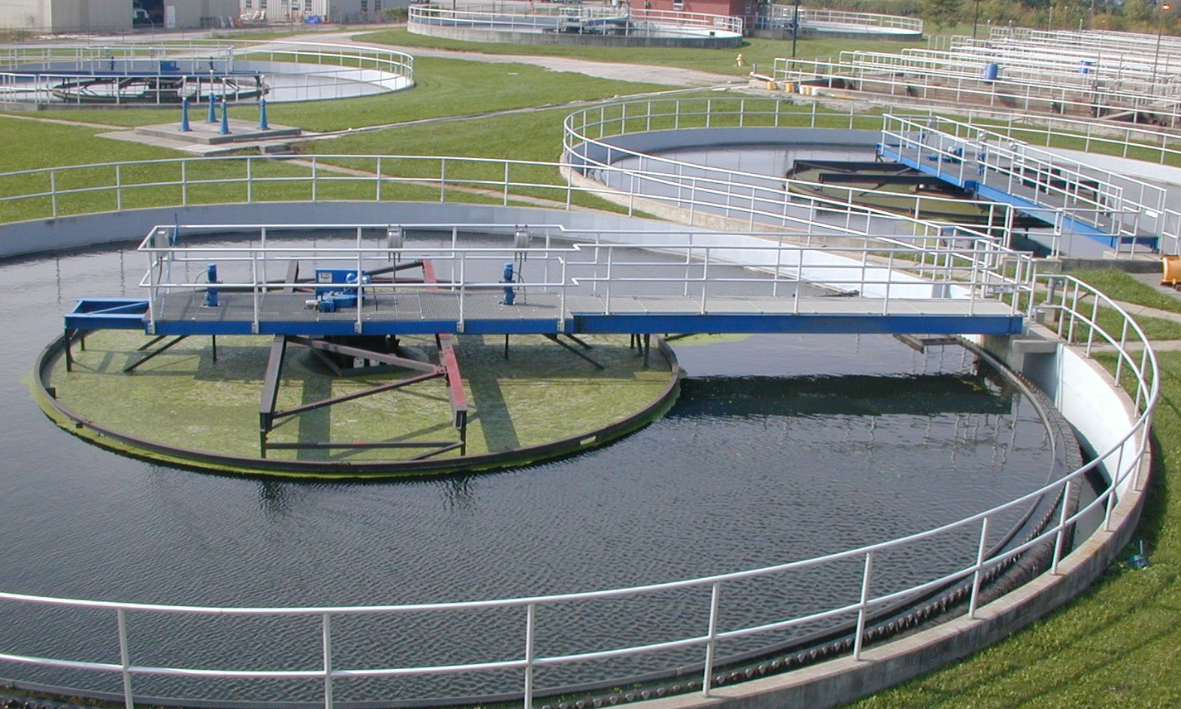
Statement by Anele Skoti, United Democratic Movement Councillor and Whip in Buffalo City Metropolitan Council The United Democratic Movement (UDM) in the Buffalo City Metropolitan Municipality (BCMM) is gravely alarmed by the recent revelations that only four of the Metro’s fifteen wastewater treatment plants are fully operational, with the rest either vandalised, unlicensed, or out of service. The disclosure by the municipal manager that more than R10 billion will be needed over the next six years to rescue the metro’s failing water and sanitation systems confirms what residents have known and lived with for years: decades of neglect, poor maintenance, and mismanagement have pushed the metro into a full-blown crisis. The UDM in the BCMM will not ignore the devastating reality confronting communities. Raw sewage running through streets and homes, foul odours in the air, and persistent health risks have become an everyday experience in many neighbourhoods. This is not only a humanitarian and environmental disaster but also a direct violation of the constitutional right to access clean water and a healthy environment. The UDM in the BCMM notes the municipal manager’s proposal to seek private sector investment and public-private partnerships (PPPs). While innovative financing models must be considered, PPPs must not become a back door to privatisation or a mechanism for elites to enrich themselves while residents continue to suffer. Any partnership must be transparent, carefully structured, and rooted in protecting water and sanitation as a public good accessible to all. The truth is that Buffalo City cannot solve this crisis on its own. National and provincial government must intervene decisively with financial, technical, and security support. Without this, the city risks further collapse, with dire consequences for residents, businesses, and future investment. The UDM in the BCMM calls for: • An immediate emergency plan to repair and secure wastewater treatment plants and sewage pump stations. • The ringfencing of infrastructure budgets to ensure that money allocated is spent only on water and sanitation. • Clear accountability for the decades of mismanagement and neglect that led to this collapse. • Transparent and inclusive public engagement on any proposed PPP arrangements. Buffalo City deserves better than this steady decline into dysfunction. The UDM in the BCMM will continue to hold the municipality and national government accountable until residents enjoy safe, reliable, and dignified water and sanitation services.

Admin
14 May, 2025
UDM BCMM expresses concern over 3-day water outage in Mdantsane
Statement by Anele Skoti, United Democratic Movement Councillor and Whip in Buffalo City Metropolitan Council The United Democratic Movement (UDM) in the Buffalo City Metropolitan Municipality (BCMM) deeply concerned about the ongoing water outage in the Mdantsane area, which has now persisted for more than three days. This situation has caused immense frustration and hardship for residents who rely on consistent water supply for their daily needs, sanitation, and well-being. Despite numerous enquiries and growing public concern, there has been no official explanation provided to residents. After consulting with the Ward Councillor, we were informed that the matter is still under investigation. Alarmingly, it has also been confirmed that councillors themselves have not been briefed or updated by the relevant authorities regarding the cause or expected duration of the outage. This lack of transparency and communication is unacceptable. Access to water is a basic human right, and the failure to provide timely information or implement contingency plans reflects poorly on those responsible for service delivery in the area. The UDM BCMM demands that the Buffalo City Metropolitan Municipality urgently clarify the cause of the disruption, provide an estimated time for restoration, and ensure that emergency relief measures, such as water tankers, are rolled out without delay. Communities cannot be left in the dark while enduring such a critical service interruption.
Admin
25 Jun, 2020
Holomisa: Allegations of millions of Rands in irregular expenditure for critical OR Tambo District Municipality water and sanitation projects Edit | Live Builder | Gutenberg
Mr TK Makwetu Auditor-General of South Africa PO Box 446 Pretoria 0001 Mr Dondo Mogajane, Director-General: National Treasury Private Bag X115 Pretoria 0001 Mr Mbulelo Tshangana Acting Director-General: National Treasury Private Bag X313 Pretoria 0001 Dear Gentlemen ALLEGATIONS OF MILLIONS OF RANDS IN IRREGULAR EXPENDITURE FOR CRITICAL OR TAMBO DISTRICT MUNICIPALITY WATER AND SANITATION PROJECTS Serious allegations of financial mismanagement and misconduct have been made against the municipal manager of the OR Tambo District Municipality that involves millions of Rands in water and sanitation projects (see attached memo). Most disconcerting of these allegations is that this R170 million were allegedly paid in advance of these water and sanitation projects and not a single jot of work has allegedly been done, whilst R134,004,193 (the bulk) of that amount was paid to Amatola without any explanation. To make matters worse, apparently the municipality’s chief financial officer’s life has been threatened because of his refusal to process illegal payment and has had to hire bodyguards to keep him safe. I would suggest that immediate investigation be done to find out what is going on with these projects. Aside from the need to have accountability in place for municipalities, one should keep in mind that hundreds of thousands of South Africans living in the villages of Mthatha, right up to Coffee Bay are adversely affected. Keeping this in mind, I would also suggest that in this particular case that these water and sanitation projects be removed from the municipality’s management and it be taken over by the national department as it is too important and affects the people of that area’s basic human rights and survival. Yours sincerely Mr Bantu Holomisa, MP UDM President