32 years of neglect: South Africa’s water crisis is manufactured
Statement by Zandile Phiri, Acting Secretary General of the United Democratic Movement
South Africa is staring down a water emergency that has been decades in the making. The warnings now coming from within government itself confirm what communities have lived with for years: collapsing infrastructure, chronic leaks, failing storage systems, and a state that no longer plans for the future.
The Director General of the Department of Water and Sanitation, Sean Phillips, has made it clear that the country’s water problems are deep, structural, and cannot be fixed quickly. This is not a sudden crisis. It is the predictable outcome of 32 years of neglect, mismanagement, and failure to invest in basic infrastructure.
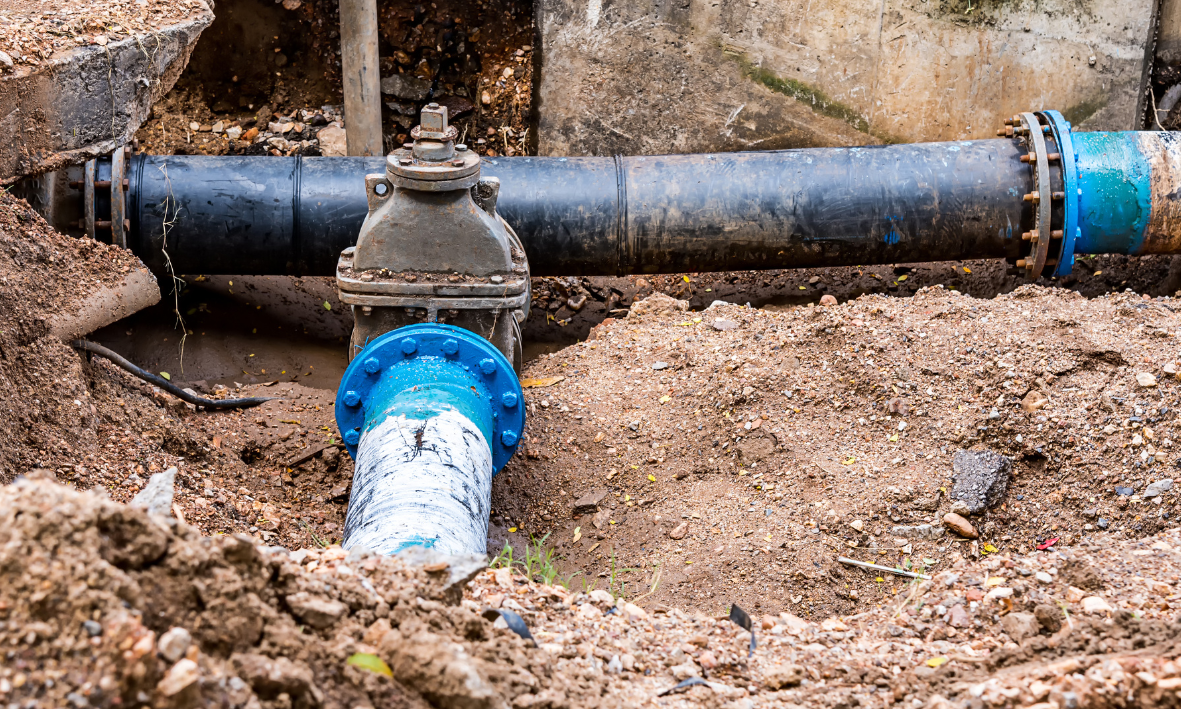
Gauteng residents are now being told to cut water consumption by as much as 40 percent, not because South Africa has run out of water, but because municipalities lack storage, lose vast volumes through leaking pipes, and fail to collect revenue. This is an indictment of governance. Households are being asked to sacrifice while billions of litres are lost every year through decaying infrastructure that was never maintained.
The situation in Johannesburg is especially alarming. Despite having a technically sound water and sanitation turnaround plan, the City is unable to implement it because of severe financial distress. Contractors are not paid. Projects are abandoned. Funds generated by water services are diverted to cover other municipal pressures, despite National Treasury requirements to ring fence this revenue. This is not a lack of ideas. It is a collapse of discipline, accountability, and political will.
The reality is that municipalities across the country are trapped in a vicious downward spiral. High levels of non-revenue water mean less income. Less income means poor maintenance. Poor maintenance leads to further infrastructure failure and even greater water losses. Communities pay the price through outages, rationing, and unsafe supply.
Long term relief will only come when major supply projects are completed, but even here the story is one of delay and corruption. Strategic water projects that should have been completed years ago are now only expected late in the decade. South Africans are being asked to endure restrictions today because planning failed yesterday.
What is emerging in Gauteng is already visible in other metros, including eThekwini, where leaks, limited storage, flooding damage, and excessive consumption mirror the same warning signs. Regions such as Nelson Mandela Bay and Knysna are facing drought conditions that place millions at risk. This is a national crisis, not an isolated municipal problem.
Water has now replaced electricity as the main constraint on economic activity and daily life. Without reliable water, clinics cannot function, schools cannot operate, businesses cannot grow, and human dignity is stripped away.
South Africa does not suffer from a lack of expertise. It suffers from a lack of consequence. The UDM has consistently warned that infrastructure cannot be wished into existence through speeches and plans that are never implemented. Maintenance, storage expansion, leak reduction, and disciplined financial management must happen together. Anything less is failure.
The time for excuses has passed. South Africa needs urgent, coordinated action to protect water as a strategic national resource. The cost of continued failure will be paid not in reports, but in lost livelihoods, deepening inequality, and growing social instability.