Admin

10 Nov, 2025
From job offer to captivity: how human traffickers prey on South Africa’s desperate
Statement by Zandile Phiri, Acting Secretary General of the United Democratic Movement Human trafficking in South Africa has become a national emergency hiding in plain sight. It is destroying lives through sexual exploitation, forced labour, and debt bondage, and it thrives on poverty, desperation, and the failures of the state to coordinate an effective response. Recent reports have exposed the scale of this crisis. Three young women from Botswana were rescued at OR Tambo International Airport after being lured through social media with false promises of lucrative jobs in Sierra Leone. A 22-year-old woman from Bonteheuwel was tricked into travelling to Thailand, later trafficked to Cambodia, and forced into work after her passport was confiscated. In Johannesburg, seven Chinese nationals were convicted earlier this year of human trafficking after exploiting more than ninety Malawian workers, including thirty-three minors, in a garment factory where they were kept under guard and paid R65 a day. In the past year, investigations have revealed houses in Sandton, Johannesburg, and Durban where dozens of foreign nationals were held captive by trafficking syndicates. In one incident in March 2025, more than 50 people escaped from a house in Lombardy East, and in May 2025, 44 victims were rescued from a locked property in Parkmore, Sandton. Similar discoveries have been made in Durban, exposing a network that uses residential properties as holding sites for victims awaiting transport across borders. It is reported that less than one percent of victims is ever rescued. At the centre of this tragedy are employment scams that promise opportunity but deliver slavery. These operations exploit South Africa’s severe unemployment, preying on people desperate for income or a chance to work abroad. Our joblessness has become a recruitment tool for traffickers, and the state has done too little to close that door. The problem is compounded by weak coordination among law-enforcement agencies, poor data collection, and a lack of capacity in social services. Police, immigration, labour inspectors, and welfare officials often work in isolation, while traffickers move people freely across borders and provinces. Corruption and bureaucracy slow down victim identification, shelter placements, and prosecutions. South Africa’s porous borders worsen the crisis. Traffickers exploit weak controls and under-resourced posts to move victims alongside migrants and contraband. Until border management is tightened, corruption addressed, and regional intelligence improved, the country will remain a key corridor for trafficking across southern Africa. The United States Trafficking in Persons Report has again warned that South Africa is failing to identify victims, prosecute offenders, or coordinate a national response. The country’s placement on the Tier 2 Watchlist signals growing international concern over its weak efforts to combat trafficking. Unless coordination and enforcement improve, South Africa risks further sanctions and the erosion of its global credibility on human rights. The UDM calls for decisive action to break this cycle of exploitation and neglect: 1. A national anti-trafficking strategy led by the Department of Justice and Constitutional Development, bringing together the South African Police Service (SAPS), Department of Home Affairs, Department of Employment and Labour, Department of Social Development, and reputable civil society organisations under one command structure with measurable targets and real accountability. 2. Public awareness and prevention campaigns coordinated by the Department of Communications and Digital Technologies, in partnership with Basic and Higher Education, to educate communities about fake job offers, social-media recruitment, and passport confiscation; especially in provinces with high unemployment such as Mpumalanga, Limpopo, and the Eastern Cape. 3. Protection and reintegration services for victims managed by the Department of Social Development and provincial governments, with the support of accredited NGOs, to ensure safe shelters, counselling, and job placement programmes so survivors can rebuild their lives without fear or stigma. 4. Enforcement of labour laws and regulation of recruiters overseen by the Department of Employment and Labour and the SAPS, with heavy penalties for those who exploit undocumented workers, confiscate passports, or deceive jobseekers. Inspections must be routine and unannounced, and corrupt officials must be prosecuted. 5. Investment in youth employment and skills development driven by the Departments of Employment and Labour, Trade, Industry and Competition, and Higher Education and Training, working alongside the National Youth Development Agency and private sector partners. Preventing trafficking begins with creating real, sustainable opportunities at home through job creation, apprenticeships, and skills programmes that give young people viable alternatives to risky job offers and exploitation. 6. Strengthened cross-border cooperation spearheaded by the Department of International Relations and Cooperation and the Border Management Authority, working with SADC partners to dismantle trafficking networks, share intelligence, and ensure the safe repatriation of victims. Human trafficking is not only a criminal enterprise but a profound moral failure that strikes at the heart of our nation’s values. South Africa cannot claim to be a democracy that protects human rights while allowing syndicates to trade in human lives with impunity. The UDM calls on government to act with urgency, unity, and compassion to protect the vulnerable, prosecute the guilty, and restore integrity to our borders and institutions. Every victim rescued is a life reclaimed, but true victory will come only when no person in South Africa can be bought, sold, or enslaved.

Admin
23 Oct, 2025
Gambling away the future: UDM demands action on online betting and NSFAS misuse
Statement by Zandile Phiri, Acting Secretary General of the United Democratic Movement South Africa is witnessing a moral and social emergency. Gambling has become a trillion-rand industry feeding on the hopes of the poor, the unemployed and the young. According to the National Gambling Board, more than R1.5 trillion was wagered in the 2024/25 financial year, a staggering 45 percent increase from the previous year. What was once a leisure pastime has now become a mechanism of mass economic extraction that drains households, deepens poverty, and destroys families. The United Democratic Movement (UDM) is alarmed by the evidence that gambling is no longer limited to casinos or horse racing. The proliferation of online betting platforms, aggressive advertising, and the use of celebrities and social media influencers have normalised gambling across society. For millions of South Africans, it has become an illusion of escape in a reality of joblessness, debt, and despair. Clinical experts warn that gambling addiction is rising sharply, driven by smartphone access and constant exposure to digital marketing. As people chase losses, they borrow, steal, or beg to sustain the habit. These are the symptoms of a society where the line between hope and exploitation has been erased. The UDM is particularly disturbed by reports that students are gambling with their National Student Financial Aid Scheme (NSFAS) allowances. Young South Africans entrusted with public funds meant for food, accommodation and study materials are using these allowances to bet online. This is not a story about moral weakness. It is a story about desperation, systemic neglect, and an absence of accountability from institutions that should protect them. Universities and NSFAS cannot continue to look away while students are being consumed by the very system meant to lift them out of poverty. Government’s failure to regulate online gambling, curb advertising excesses, and enforce existing laws has turned this crisis into a national tragedy. The Department of Trade, Industry and Competition, the National Gambling Board, and the National Gambling Policy Council must act immediately to: 1. Regulate online gambling platforms and close legal loopholes exploited by unlicensed operators. 2. Restrict advertising and influencer marketing, especially content that glamorises gambling or targets youth. 3. Introduce responsible gambling education at tertiary institutions and within communities. 4. Ensure that NSFAS and universities implement monitoring systems to prevent misuse of allowances and support students who fall into addiction. 5. Strengthen and better resource the national gambling helpline and expand access to counselling and rehabilitation services, ensuring that support reaches schools, universities, and communities most affected by addiction.. The UDM calls for the issue of gambling and its devastating social and economic consequences to be formally placed on the agenda of the National Dialogue. This matter cannot remain at the periphery while it destroys lives and undermines social stability. The National Dialogue must confront how gambling, poverty, and inequality intersect, and develop coordinated solutions that protect vulnerable citizens, especially young people and low-income families. South Africa cannot claim to build a just and equal society while it profits from the despair of its own people. The UDM calls for urgent government action, stronger laws, and accountability from every institution that has allowed this exploitation to flourish.

Admin
21 Oct, 2025
Lawlessness endangers South Africa’s public servants and essential workers
Statement by Zandile Phiri, Acting Secretary General of the United Democratic Movement Across South Africa, the safety of government employees and frontline workers has become a matter of grave concern. In Nelson Mandela Bay in the Eastern Cape, municipal staff have been repeatedly targeted while performing their duties. Workers were robbed at gunpoint in municipal offices, and others have refused to return to the field after experiencing violent attacks. The situation in the city mirrors a wider climate of fear in which public servants are exposed to criminality with little protection, even as they try to deliver essential services under difficult conditions. In Soweto, Johannesburg firefighters came under attack this week while responding to a shack fire in the Elias Motswaledi Informal Settlement. Residents stoned the fire truck, damaging a brand-new emergency vehicle that had only recently been added to the city’s fleet. This shocking incident reflects a deeper anger and frustration in communities facing poverty, overcrowding and slow service delivery. But it also shows a collapse in respect for those who come to protect life and property. Elsewhere in the country, we understand that authorities have been forced to declare certain areas as high-risk zones where emergency personnel may not enter without a police escort. These so-called Red Zones illustrate just how dangerous the working environment has become for public servants. The arrangement is inconsistent and often delays help to communities that are already in crisis. It stands as a stark reminder that lawlessness now dictates the limits of service delivery, and that frontline workers must depend on armed protection simply to do their jobs. The threat to safety does not stop with municipal or emergency workers. The crisis extends to the police themselves. In Kimberley, a female police officer was violently assaulted in full uniform while performing her duties in the city centre. The incident, which was captured on video and circulated on social media, shocked the nation and exposed the growing hostility faced by law enforcement officers. In Khayelitsha, protesters recently torched police vehicles during demonstrations over electricity and service delivery grievances. These events reveal a dangerous collapse of respect for the rule of law and for those tasked with upholding it. When officers are attacked and their vehicles set alight, it sends a clear message that criminals and opportunists no longer fear accountability. Such lawlessness not only threatens the lives of police officers but also undermines the very foundations of public safety and community trust. The UDM calls for decisive and coordinated action: 1. National and provincial governments must prioritise staff safety by conducting urgent risk assessments across municipalities, especially in high-risk zones, and by ensuring that field workers and emergency responders have the protection and support they need. 2. Law enforcement agencies must act swiftly and visibly against perpetrators of violence directed at public service employees. Impunity feeds chaos and without justice, respect for public authority will continue to erode. 3. Government and communities must rebuild trust. Many of these attacks stem from frustration over failed services, but nothing justifies violence. Dialogue, transparency and accountability must replace confrontation and destruction. 4. All public institutions must invest in trauma counselling and staff wellbeing. Psychological harm cannot be ignored. It affects morale, performance and service continuity. The UDM reiterates that South Africa cannot claim to value public service while allowing its servants to become victims. Respect for those who dedicate their lives to helping others is the foundation of a lawful, caring and functional state. Until law and order are restored and the dignity of public service reclaimed, the dream of a safe and working South Africa will remain out of reach.

Admin
21 Oct, 2025
South African creativity takes the world stage: UDM salutes Wim van den Heever
Statement by Zandile Phiri, Acting Secretary General of the United Democratic Movement The United Democratic Movement (UDM) extends heartfelt congratulations to Pretoria-based wildlife photographer Wim van den Heever on winning the 2025 Wildlife Photographer of the Year award, presented by the Natural History Museum in London. In a nation often defined by its passion for sport, it is time for the arts to shine with equal recognition. South Africa’s painters, photographers, writers and performers carry the same spirit of excellence, discipline and national pride that we celebrate on the playing field. Their achievements remind us that creativity is not a luxury but a force that shapes identity, strengthens unity and tells the stories that statistics cannot capture. When we invest in and honour our artists, we invest in the imagination that keeps our nation alive. Mr van den Heever’s striking photograph, “Ghost Town Visitor,” which captures a rare brown hyena moving through the sand-filled ruins of Kolmanskop in Namibia, is a breathtaking fusion of art and environmental awareness. It reflects a decade of meticulous preparation and deep respect for the natural world, qualities that define true mastery. Mr van den Heever’s achievement is more than artistic recognition; it is a national moment of pride that reaffirms South Africa’s place among the world’s creative and conservation leaders. It reminds us of the urgent need to protect endangered species and fragile ecosystems that stand as living symbols of our continent’s identity. His work demonstrates how artistic excellence and environmental stewardship can strengthen one another, inspiring both global awareness and local responsibility. It also promotes Southern Africa’s reputation as a destination where creativity, wilderness and cultural heritage meet, giving renewed energy to eco-tourism and photographic travel. Above all, his success encourages a generation of young South Africans to pursue their talents with discipline and vision, knowing that the world is listening. The UDM celebrates this moment as proof that South Africa’s stories, told through its people, its landscapes and its enduring creativity, continue to inspire the world.

Admin
20 Oct, 2025
Class of 2025: Good luck matrics
Statement by Zandile Phiri, Acting Secretary General of the United Democratic Movement The United Democratic Movement (UDM) extends its best wishes to all matric learners across South Africa as they begin writing their final National Senior Certificate examinations tomorrow. This is a defining moment in the lives of young South Africans who have worked hard and persevered through many challenges. The UDM acknowledges the dedication of learners, teachers, parents and guardians who have supported this journey, especially in communities where resources are limited and conditions are often difficult. Education remains the most powerful tool to change lives and build a just and prosperous nation. The UDM therefore calls on government to ensure that all examination centres are safe, well-resourced and free from disruptions that could disadvantage learners. Every matriculant deserves a fair opportunity to succeed. To the Class of 2025, write with confidence, focus and determination. Your future and the future of our country depend on your success. Your success is South Africa’s success. The UDM wishes you strength and focus for the coming weeks.
Admin
14 Oct, 2025
The fire next door: South Africa’s neglected settlements
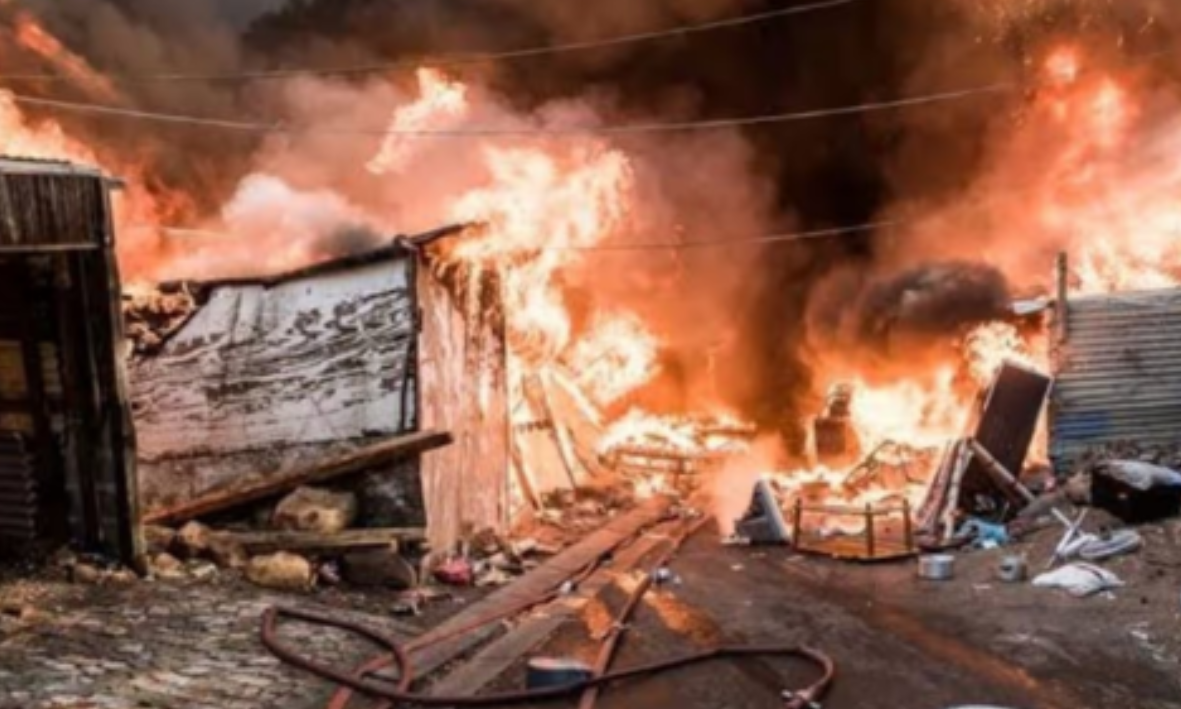
Statement by Zandile Phiri, Acting Secretary General of the United Democratic Movement Each shack fire leaves behind not only ash but a reminder of South Africa’s unfinished promise of dignity for all. The United Democratic Movement (UDM) calls attention to the growing pattern of fires in informal settlements as a crisis of governance and human rights that demands immediate national intervention. In recent weeks, blazes in Masiphumelele, Umbilo and Sivilcon have claimed lives, displaced hundreds of families and destroyed thousands of homes. These tragedies expose a deep failure of planning, service provision and accountability in the management of urban and peri-urban settlements. In Masiphumelele, Cape Town, one person died, and 80 residents were left homeless after 20 informal dwellings were reduced to ash. In Umbilo, Durban, more than 170 structures were lost in a single blaze. In Sivilcon, Pretoria, 70 shacks burned within minutes, displacing over 150 residents. Between September 2024 and February 2025, 2 860 informal structures burned down nationwide. The Western Cape was the hardest hit, with 2 088 structures destroyed during this period, about 73% of the national total. The pattern is the same across our cities: crowded conditions, flammable materials, unsafe wiring, lack of access roads and the absence of formal infrastructure turn every spark into catastrophe. Recent research confirms that a single blaze can consume twenty shacks within five minutes under mild wind conditions. Behind these numbers are human beings who lose homes, possessions, documents and loved ones. Entire communities are forced to start again from nothing. Relief agencies such as Gift of the Givers and local NGOs step in to provide blankets and meals, but the cycle repeats because prevention has never been institutionalised. Shack fires are not accidents of poverty. They are the direct outcome of policy neglect and institutional failure. For years, government authorities have treated informal settlements as temporary spaces rather than permanent communities deserving of basic services. By withholding electricity, water, roads and fire hydrants, municipalities have entrenched conditions that make these areas unsafe and unliveable. This denial of infrastructure is not accidental. It is a consequence of choices that have left millions of South Africans exposed to preventable tragedy. Studies in South Africa and internationally have shown that electrified settlements experience far fewer fires than those relying on candles, paraffin or illegal connections. The solution, therefore, is not endless training and disaster relief, but systematic electrification and incremental upgrading. South Africa cannot continue to treat shack dwellers as people who must live and die by candlelight. Urban design interventions must start from the reality that most informal settlements are already densely built and cannot simply be redesigned. Safety improvements must therefore be achievable within existing layouts. Many settlements still rely on a handful of communal taps or irregular water supply, leaving residents defenceless during fires. Government must prioritise the installation of reliable communal taps within reasonable distance, ensure maintenance of pressure and supply, and coordinate with emergency services to provide mobile water tanks in high-risk areas. These practical measures, developed together with residents, can save lives without uprooting communities. The United Nations Office for Disaster Risk Reduction recognises uncontrolled informal-dwelling fires as a significant global threat to life and well-being. South Africa’s own disaster management frameworks must therefore include fire prevention in informal settlements as a priority hazard category. Prevention, preparedness and risk reduction must take precedence over reactive relief. The UDM calls for the following actions: 1. The Department of Electricity and Energy must fast-track a national audit and phased electrification programme for all informal settlements, prioritising high-density areas most at risk of fire. 2. The Department of Cooperative Governance and Traditional Affairs must ensure that every municipality integrates shack-fire risk reduction into its Disaster Management Plan and allocates ring-fenced funding for prevention, not only emergency relief. 3. The Department of Human Settlements must improve basic infrastructure within informal settlements by creating safe access routes for emergency vehicles and expanding water access points to support firefighting efforts. 4. The Department of Statistics South Africa must strengthen data collection, research and analysis on shack fires to capture their human, technical and environmental causes, and ensure that findings are publicly reported to guide prevention strategies. 5. The Department of Local Government must work with communities to establish fire-safety units trained and equipped to serve as first responders using extinguishers, alarms and communication tools. 6. The Department of Trade, Industry and Competition must promote partnerships with innovators developing technologies such as heat-based early-warning systems and community micro-insurance models that reduce losses, enable faster recovery and strengthen resilience. 7. The Government of National Unity must end the policy of classifying informal settlements as “temporary” to justify the denial of basic services. Safety, dignity and equal access to infrastructure are constitutional rights, not privileges. Every shack fire is a mirror of our national priorities. It reflects the unfinished business of spatial justice and the failure to treat poor communities as full citizens. Lives continue to be lost because authorities have normalised living without infrastructure. The UDM urges the Government of National Unity to make the prevention of shack fires a national governance priority. South Africa must replace fragmented relief efforts with a long-term programme for electrification, upgrading and safer living conditions. Words of sympathy will not rebuild what negligence destroys.
Admin
13 Oct, 2025
Heartbreak on South Africa’s roads: safety of passengers should never be overlooked
Statement by Zandile Phiri, Acting Secretary General of the United Democratic Movement The United Democratic Movement (UDM) is deeply saddened by the devastating loss of lives following the shocking bus accident that occurred on the N1 North, near Ingwe Lodge in Limpopo, yesterday, and the taxi accident that left 18 children injured on the N3 highway near the Mariannhill Toll Plaza in KwaZulu-Natal this morning. Our thoughts and sincere condolences go out to the grieving families, survivors, and everyone affected by these painful incidents. These tragedies are a tender reminder of how fragile life is. Moments of national sorrow such as these remind us of the ongoing challenges facing our transport systems. Every journey, whether short or long, depends on a transport network that must be both reliable and safe. Consequently, we must confront the conditions that allow some of these accidents to happen. South Africa’s transport infrastructure and enforcement mechanisms must be strengthened as a matter of urgency. It is imperative to have regular and consistent vehicle inspections to determine the roadworthiness of cars, buses, taxis, and scholar transport vehicles. Equally important is ensuring that drivers transporting passengers, particularly schoolchildren, hold valid Professional Driving Permits (PrDPs) and comply fully with all safety requirements. Regular vehicle inspections and strict adherence to roadworthiness standards are critical in preventing such tragedies. The safety of passengers should never be overlooked. As a country, we must continue to strengthen our transport infrastructure and promote a culture of safety and accountability. These tragic incidents should compel authorities to prioritise transport safety and to reinforce monitoring systems. Such measures are essential to a broader national commitment to safeguarding lives on our roads.
Admin
12 Oct, 2025
South Africa’s kidnapping epidemic: it can happen to anyone
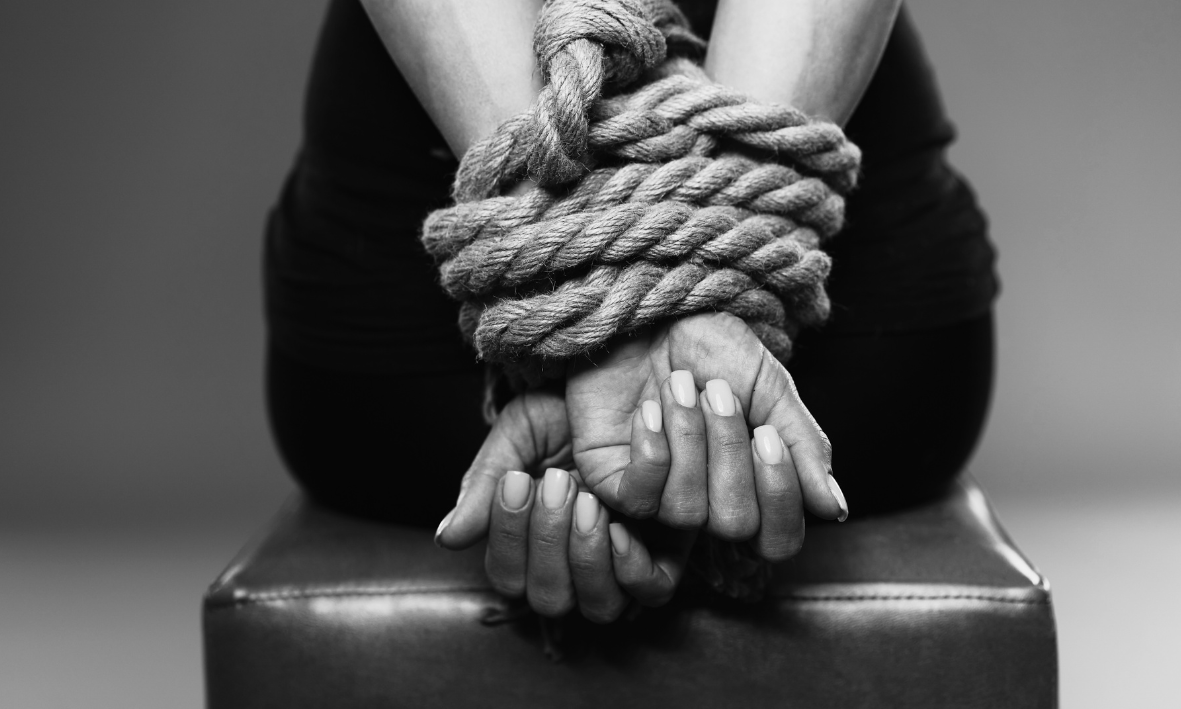
Statement by Zandile Phiri, Acting Secretary General of the United Democratic Movement The United Democratic Movement (UDM) is deeply disturbed by the growing wave of kidnappings that continues to grip our country. In the most recent case, a man was rescued on the R80 highway in Tshwane from a vehicle whose occupants were found with blue lights, firearms, and clothing marked with police insignia. This shocking incident shows how criminals now exploit public trust in law enforcement to entrap and terrorise innocent citizens. For the UDM, this crisis is not an abstract statistic. In June last year, our Deputy President, Nqabayomzi Kwankwa, was abducted in Driftsands while on his way to Cape Town. He was tied up, robbed, and released only after a ransom was paid. That experience reminded us that in today’s South Africa, it truly can happen to anyone, public figures and ordinary people alike. Research and police data confirm that only a small fraction of kidnappings involve long-term ransom demands. The overwhelming majority occur during hijackings and armed robberies where victims are restrained, forced to withdraw money, or used to access bank accounts. These short, opportunistic abductions, known as express kidnappings, are now among the most common forms of the crime. It is reported that on average, two such incidents take place in South Africa every day. A particularly cruel development is the growing use of forced ransom calls. Victims are often made at gunpoint to phone their families or employers and demand payment for their own release. What begins as a robbery or hijacking quickly turns into extortion, as kidnappers blend methods to maximise profit and fear. Families are thrown into panic, transferring whatever funds they can while the perpetrators vanish before police can respond. This shows how organised and ruthless these syndicates have become. Women and girls are among the most frequent and vulnerable victims of these crimes. Many are abducted while commuting, working, or attending school, and face the added dangers of sexual assault, trafficking, and gender-based violence. The trauma inflicted on women and children extends beyond the individual, leaving entire families and communities living in fear. Addressing kidnapping therefore also means confronting the broader crisis of violence against women and girls in our society. The rise of blue-light gangs, fake police operations, and express kidnappings paints a grim picture of a country where safety can no longer be taken for granted. This crisis demands urgent and coordinated action. If criminals can so easily impersonate law enforcement, how are South Africans supposed to know who to trust on the road? Citizens should never have to fear that stopping for a flashing light could cost them their lives. Government must urgently review the visibility, identification, and conduct of genuine police officers, including clear roadside verification systems, properly marked vehicles, and public education on how to confirm an officer’s identity without putting oneself in danger. The UDM calls for: 1. A national crackdown on blue-light gangs and police impersonation, with full accountability for anyone found complicit or negligent and stricter control over the sale and use of sirens, uniforms, and police-branded apparel. 2. The strengthening of anti-kidnapping and crime-intelligence task teams in every province, with specialised capacity to respond to express and ransom kidnappings. 3. Comprehensive protection and psychosocial support for victims, especially women and girls, including trauma counselling, safe-house access, and integration with gender-based violence services. 4. Public education and safety-awareness campaigns to inform citizens about express kidnappings, blue-light stops, and what to do if a loved one is abducted or forced to make ransom calls. 5. Partnerships between law-enforcement agencies, banks, and mobile-payment platforms to detect suspicious withdrawals and transfers made under duress, supported by real-time alert systems and panic PIN technology. 6. Faster prosecution and harsher sentencing for kidnapping, extortion, and police impersonation, with dedicated prosecutors and priority dockets in the courts. 7. A national task force on kidnapping and organised crime, coordinated through Parliament and the Justice, Crime Prevention and Security Cluster, to drive reforms in intelligence, data sharing, and victim support. Kidnapping has become a daily threat to South Africans. It is no longer a crime of the few against the wealthy but a reflection of our broader failure to protect citizens and uphold the rule of law. The UDM calls on the Government of National Unity (GNU) to treat crime and public safety as a true national-security emergency. The GNU must show unity in action, not only in words, by restoring faith in policing, strengthening intelligence, and ensuring that every South African can live, work, and travel without fear. Our people deserve a government that makes their safety one of its primary priorities.
Admin
09 Oct, 2025
Dlamini 2.0: How Social Development is sliding back into scandal
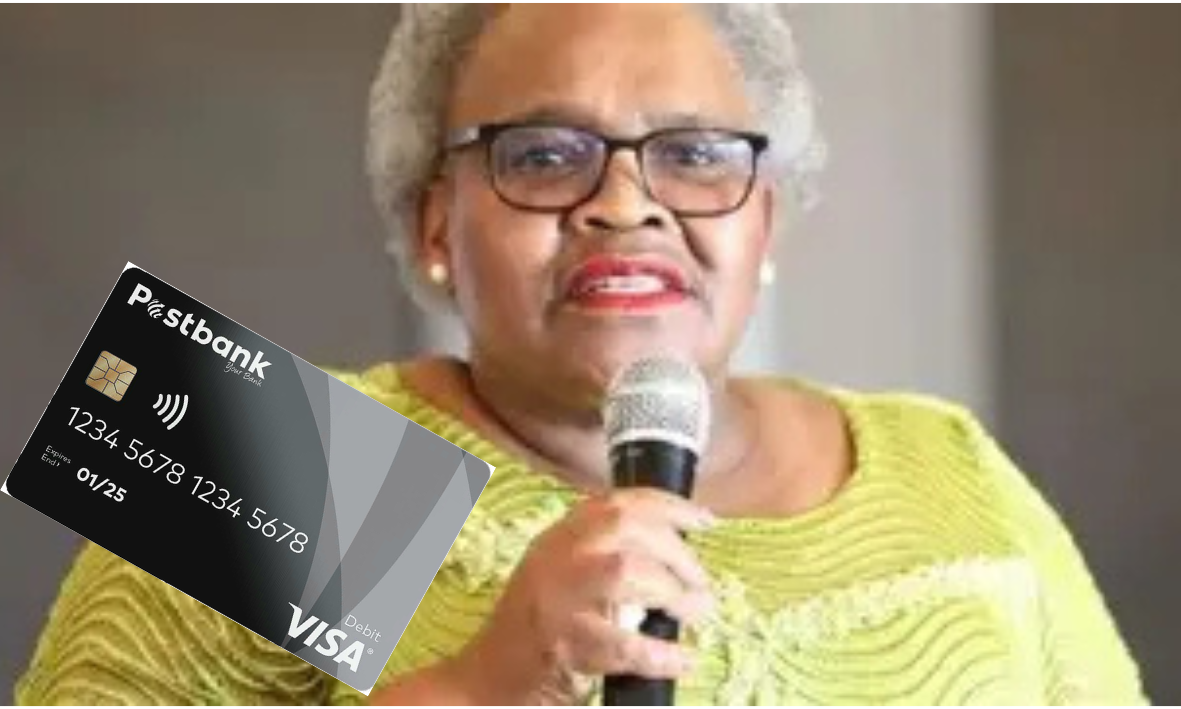
Statement by Zandile Phiri, Acting Secretary General of the United Democratic Movement The United Democratic Movement (UDM) is deeply concerned by the avalanche of revelations exposing the collapse of governance, accountability, and ethics within the Department of Social Development (DSD) and the South African Social Security Agency (SASSA). Recent reports from the Auditor-General and Parliament confirm what the UDM has warned for years: that a department meant to be the moral anchor of our democracy has regressed into a web of mismanagement, patronage, and disregard for the poor. Allegations surrounding Minister Sisisi Tolashe’s conduct have plunged the portfolio into scandal. The appointment of a 22-year-old Chief of Staff, the reported romantic relationship with a special adviser, and the extravagant R3 million trip to New York, all paint a disturbing picture of arrogance and impunity. The dual role of Minister Tolashe as both ANC Women’s League President and head of a department responsible for welfare programmes has raised questions about partisan influence over state resources. This is not the first time that the Department of Social Development (DSD) has been brought into disrepute under the leadership of an ANC Women’s League President. South Africans will remember former Minister Bathabile Dlamini, who left behind a trail of corruption, negligence, and constitutional violations. She presided over the 2017 social grants crisis that nearly collapsed SASSA, was found guilty of perjury by the courts, and had earlier been convicted for her role in the Travelgate scandal. The parallels are disturbing. What the country is witnessing today under Minister Tolashe is Dlamini 2.0, another example of a department seemingly captured by political insiders, mired in scandal, and indifferent to the suffering of the poor. The latest report from the Auditor-General confirms that the DSD has regressed in performance and financial management. Persistent irregular expenditure, vacant posts, and weak internal controls continue to undermine delivery. At the same time, SASSA, once a cornerstone of social protection, has become synonymous with chaos. Payment failures, technical breakdowns, and corruption have repeatedly left millions of pensioners, people with disabilities, and child grant recipients destitute. The crisis at Postbank and its dependency on the collapsing South African Post Office (SAPO) illustrate the state’s failure to separate financial operations from logistical ruin. Postbank, which is still in transition to becoming a stand-alone state bank, relies heavily on SAPO’s broken infrastructure. This entanglement has crippled SASSA’s payment system and created an endless cycle of system failures, contract extensions, and beneficiary suffering. The UDM calls for: 1. An independent forensic investigation into all contracts, expenditures, and appointments linked to SASSA and Postbank, including the R3 million New York trip. The Portfolio Committee on Social Development, working with the Auditor-General and the Public Service Commission, must lead this process. 2. The urgent separation of Postbank from the failing Post Office. The Department of Communications and Digital Technologies must pull up its socks and fast track the implementation of the Postbank Amendment Act to make Postbank a fully independent, modern, and secure state bank. The Department must also accelerate SAPO’s reform through modernisation, digital transformation, and diversification of postal services. South Africans cannot continue to suffer because the state insists on patching up two failing institutions instead of reforming them. 3. A full audit of the social grant payment system to guarantee reliability, transparency, and protection from political interference. 4. Stronger parliamentary oversight to ensure that social protection serves the poor and not political insiders. Behind every scandal is a pensioner who sleeps hungry, a child whose grant is delayed, and a family whose only income disappears in bureaucratic confusion. The DSD has lost its moral compass. It is unacceptable that those who rely most on the state should pay the highest price for government incompetence. As a committed partner in the Government of National Unity, the UDM will not remain silent while the poor are betrayed by those entrusted to serve them. The GNU was established to restore credibility, rebuild ethical governance, and deliver on the promise of a capable state. It cannot succeed if some of its members treat public office as a personal fiefdom. The President must ensure that accountability is not applied selectively and that all departments, including Social Development, reflect the values and discipline that the GNU was created to uphold. Social development should be the conscience of the state, not a playground for self-enrichment. The UDM urges the Government of National Unity to act decisively to clean this department, restore integrity, and protect the dignity of our people. The welfare of South Africans cannot continue to depend on a ministry drowning in scandal and a payment system built on failure.
Admin
07 Oct, 2025
Assault on Kimberley police officer: gender is not the story, lawlessness is
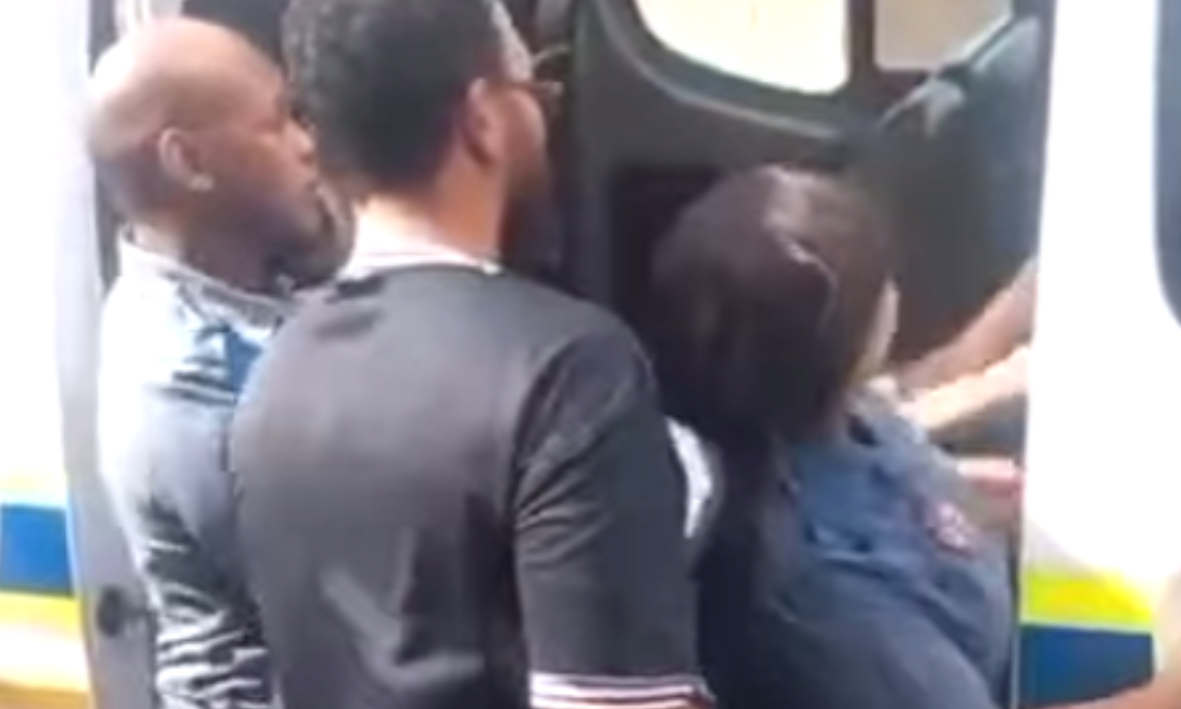
Statement by Zandile Phiri, Acting Secretary General of the United Democratic Movement The United Democratic Movement condemns in the strongest possible terms the recent assault on two police officers who were performing their duties in Kimberley’s central business district. The video of the attack, which has gone viral, is a disturbing reflection of the growing hostility toward law enforcement officers in our communities and the erosion of respect for the rule of law. The gender of the one officer should be immaterial. Whether male or female, no police officer should face physical harm or humiliation for performing their lawful duties. To highlight the gender of the one officer, as if the assault were more shocking because she is a woman, is the wrong logic entirely. It subtly reinforces the false and dangerous notion that women are somehow less capable of enforcing the law or managing conflict in the field. What happened in Kimberley is not about the strength of a woman but about the weakness of public discipline. The real issue is that criminals and ordinary citizens alike now believe they can defy, insult, and attack law enforcement officers without consequence. This is a clear sign that respect for authority and public order has collapsed. Law enforcement officers stand at the frontline of public safety. When they are attacked, it is not only an assault on an individual but on the authority of the state and on the safety of every South African. Communities cannot call for safer streets while simultaneously undermining and brutalising those tasked with maintaining them. At the same time, the South African Police Service (SAPS) must reflect deeply on how it interacts with the public. Many communities have lost confidence in law enforcement because of corruption, brutality, or neglect. SAPS must work intentionally to rebuild trust through fair, respectful, and community-based policing. Restoring public faith in the police will not only protect officers but also strengthen partnerships with residents who are often the first to see or report criminal activity. A police service that listens, serves, and respects citizens will find that respect returned. The UDM calls on SAPS to ensure that the perpetrators face the full force of the law and that consistent national measures are taken to protect officers on duty. Police morale, discipline, and safety are national priorities that require leadership and visible consequences for acts of defiance. We also urge community leaders, civic organisations, and faith-based institutions to play their part in restoring respect between citizens and the police. Building a safer country requires trust, cooperation, and the understanding that the law applies equally to everyone. No uniformed officer should ever fear for their safety while serving their nation. The time has come to restore both order and trust in South Africa’s streets.

Admin
06 Oct, 2025
Time to end the tavern killings and restore public safety
Statement by Zandile Phiri, Acting Secretary General of the United Democratic Movement The United Democratic Movement (UDM) is deeply disturbed by the latest mass shooting at a tavern in Zithobeni, Bronkhorstspruit, where five people were killed and six others injured on Saturday night. According to police reports, armed men stormed the establishment, disarmed a patron, and opened fire indiscriminately as people tried to flee for their lives. Over the past year, South Africa has witnessed a wave of similar tragedies that have turned ordinary social spaces into crime scenes. These include mass shootings in Mokokotlong informal settlement in Orange Farm, Pienaar outside Mbombela, TK's Tavern in Sebokeng in the Vaal, the Bloemfontein CBD, Umlazi township of Durban, and the Choba informal settlement in Tshwane. In each of these incidents, lives were lost in cold blood while families were left to grieve and communities to live in fear. This growing pattern of violence shows a country under siege, where heavily armed criminals act without restraint and the state appears powerless to stop them. Communities have every reason to feel abandoned. The right to safety and security enshrined in the Constitution has become meaningless when gunmen can walk into a tavern, home, or taxi rank and slaughter innocent people without fear of arrest or prosecution. The social fabric of our nation is being torn apart by unchecked criminality, poor policing, and the proliferation of illegal firearms. The UDM believes this is not merely a policing issue but a symptom of deeper systemic failure i.e. the collapse of local intelligence networks, the erosion of visible policing, and the absence of proactive crime prevention in vulnerable communities. South Africa urgently needs a coordinated national audit of firearms in circulation, including a focused review of lost, stolen, and unaccounted-for weapons from police, military, and private security stockpiles. This audit must be supported by forensic tracing of ballistic evidence, tighter control of firearm licensing systems, and an intelligence-driven effort to dismantle illegal gun trafficking networks. The goal is not to count weapons in criminal hands, but to close the loopholes that allow them to get there. The UDM calls for: 1. A national audit of illegal firearms and a comprehensive crackdown on gun smuggling and trafficking networks feeding this violence. 2. Dedicated tavern safety and compliance units within the SAPS to monitor and protect high-risk venues, working with local business and community policing forums. 3. Immediate deployment of intelligence-led operations to disrupt organised criminal networks that use taverns and shebeens as targets or recruitment hubs. 4. A cross-departmental safety strategy led by the Ministers of Police, Small Business Development, and Social Development to strengthen community resilience and ensure responsible management of social spaces. 5. Swift justice for the victims of these massacres through fast-tracked investigations and specialised prosecution teams. As a partner in the Government of National Unity, the UDM will continue to push for urgent and coordinated reforms in policing, intelligence, and firearm control. The safety of South Africans must be treated as a national priority, and every arm of the state must be mobilised to end this cycle of violence once and for all.

Admin
05 Oct, 2025
UDM concludes successful two-day public representatives’ workshop
Statement by Zandile Phiri, Acting Secretary General of the United Democratic Movement and Bulelani Bobotyane, Provincial Secretary of the UDM in the Eastern Cape The United Democratic Movement (UDM) in the Eastern Cape successfully hosted a two-day capacity building workshop and engagement session for public representatives from across South Africa in Mthatha on 4 and 5 October 2025. The workshop brought together UDM public representatives from across the country, serving at national, provincial, and local levels of government, to strengthen their capacity to serve communities with excellence, accountability, and integrity. It was an opportunity to reflect on the responsibilities entrusted to those who hold public office, and to renew the shared commitment to ethical leadership and responsive governance. The programme was made possible through the generous support and partnership of the Education and Training Unit for Democracy and Development (ETU). The UDM extends its sincere gratitude for this valuable collaboration, which enriched the workshop and contributed meaningfully to building the capacity of our public representatives. The sessions were highly informative, engaging, and practical, focusing on good governance, effective representation, and improved service delivery. Participants engaged in robust discussions on coalition management within the Government of National Unity, the separation of powers, fiscal responsibility, and strategies to rebuild public trust in institutions. They also explored ways to deepen community engagement, strengthen oversight at all levels, and ensure that public resources are managed in the best interest of citizens. The UDM and its public representatives emerge from this workshop united and energised in their mission to promote honest, accountable governance and to serve the people effectively. Our leaders are now better equipped to translate the UDM’s vision and values into tangible results for the benefit of our people. As the nation moves toward the 2026 Local Government Elections, the UDM stands ready to play its part in advancing South Africa through principled leadership, transparency, and an unwavering commitment to the service of our people. The workshop reaffirmed the UDM’s conviction that ethical governance, grounded in accountability and compassion, is the cornerstone of meaningful transformation.

Admin
05 Oct, 2025
World Teachers Day: UDM salutes South Africa’s teachers
Statement by Zandile Phiri, Acting Secretary General of the United Democratic Movement As the world marks World Teachers’ Day, the United Democratic Movement (UDM) pays heartfelt tribute to the men and women who dedicate their lives to the noble task of educating our nation. Teachers are not only transmitters of knowledge; they are the architects of our collective future. In every classroom, whether in a rural village, township or city, teachers shape South Africa’s destiny by nurturing the minds that will build tomorrow’s economy, democracy and leadership. They are mentors, counsellors and protectors who work under increasingly difficult conditions, yet continue to give of themselves with patience and purpose. Today, we must also confront the hard truth that many of our teachers operate in overcrowded classrooms, without adequate support or resources, and face safety and morale challenges that no professional should endure. It is unacceptable that educators are expected to inspire hope while they themselves feel neglected and undervalued. The UDM believes that education remains the single most powerful equaliser in our society, and that investing in teachers is investing in the nation’s stability and growth. We therefore call for the urgent improvement of working conditions and remuneration for educators, particularly in rural and under-resourced schools. We further call for the reintroduction of teacher training and mentorship programmes to restore the professionalism and discipline that once defined the teaching vocation. Stronger partnerships between schools, communities and government are essential to ensure that every learner studies in an environment that is safe, supportive and conducive to growth. Happy World Teachers’ Day.

Admin
01 Oct, 2025
UDM responds to Ngizwe Mchunu’s anti-LGBTQIA+ rant
Statement by Zandile Phiri, Acting Secretary General of the United Democratic Movement The United Democratic Movement (UDM) is outraged and disturbed by the appalling remarks made by Ngizwe Mchunu on his TikTok platform, Ngizwe Mchunu Online, where he launched into a hate-filled tirade targeting the LGBTQIA+ community. This was not a moment of ignorance, it was a deliberate, calculated expression of discrimination and what appears to be no less than incitement. Mr Mchunu even declared his intention to use his platform to promote prejudice, a statement as chilling as it is dangerous. These remarks come at a time when South Africa and the global community are marking Pride Month; a period dedicated to celebrating inclusion, dignity, and equality for LGBTQIA+ people. Instead of advancing unity, Mchunu’s words attempt to drag us backwards into division and hate. We must say this clearly: These remarks amount to prima facie hate speech. They appear to constitute incitement and an abuse of influence. For too long, Ngizwe Mchunu has acted with impunity, a man who believes his charisma can shield him from consequences. But what he is doing now is not entertainment. It is not culture. It is not “just an opinion.” It is a threat to lives. South Africa is gripped by a crisis of violence. Every day, LGBTQIA+ people, women, and children live with the fear of being attacked simply for existing. Every day, we bury people whose only crime was living authentically and openly. Mr Mchunu’s bigotry adds fuel to this fire. It emboldens those who already believe that difference is something to be punished. The Constitution of our beloved country guarantees dignity, equality, and freedom for all. We will not allow hate to masquerade as free speech. We will not allow platforms to become pulpits of intolerance. The UDM calls on: • The South African Human Rights Commission (SAHRC) to investigate Mr. Mchunu’s statements with the seriousness they demand. • Law enforcement agencies to determine whether this incitement qualifies as a prosecutable offence under our hate speech and anti-discrimination laws. • Online platforms and broadcasters to enforce community standards and take action against accounts that spread hate, violence, or discrimination. We also call on all South Africans, artists, leaders, traditional leaders, influencers, everyday citizens to stand up. Silence is complicity. Neutrality in the face of hate is siding with the oppressor. To the LGBTQIA+ community: You are seen. You are valued. You belong. Your existence is not up for debate. Your right to live free from fear is non-negotiable. And we, the United Democratic Movement, stand beside you without hesitation or condition. This Pride Month, in South Africa and across the world, we recommit ourselves to building societies where diversity is celebrated, dignity is defended, and hate has no home. Ngizwe Mchunu’s voice may be loud, but it is hollow. It echoes a past we refuse to return to. South Africa’s future is one of inclusion, of justice, of unity in diversity. The UDM will defend that future with every tool at our disposal.

Admin
28 Sep, 2025
Restore our teachers’ dignity: support them, pay them, protect them
Statement by Zandile Phiri, Acting Secretary General of the United Democratic Movement The United Democratic Movement (UDM) is deeply alarmed by the growing crisis in South Africa’s education system, as mounting evidence shows that thousands of teachers are either leaving the profession or contemplating resignation. Reports this year confirm that nearly half of South Africa’s teachers want to quit, citing unbearable stress, excessive administrative duties, intimidation by learners and parents, poor pay, and lack of meaningful support. Teaching is one of the most critical professions in South Africa’s economy. Yet teachers are being demoralised, overburdened, and driven from classrooms at the very moment our country most needs stability and quality in education. This is not only an education crisis but a national crisis, directly affecting the learning outcomes of millions of children. The UDM’s position is clear: we must restore dignity, respect, and proper support to the teaching profession. We therefore call for: • Reducing administrative burdens by investing in support staff and digital systems so teachers can teach rather than drown in paperwork. • Strengthening teacher well-being through counselling services, professional development, and programmes to address burnout. • Improving safety and discipline in schools by addressing disruptive and violent behaviour from learners and parents. • Fair and competitive remuneration that recognises the value of teachers and secures their role as central to national development. • Investment in infrastructure and resources so that classrooms are fit for learning. The UDM also believes reforms to teacher training must be urgent and far-reaching. Closing teachers’ colleges was a case of throwing the baby out with the bathwater. The UDM has long argued for their reopening, with reformed curricula to meet modern needs. In addition, we call for: • Proper orientation and induction for new teachers so that they are supported rather than burned out in their first years. • Stronger inclusion of early childhood development (ECD) practitioners in teacher training to build the pipeline from the earliest stages of learning. • Comprehensive language training to help teachers manage the difficult transition from mother tongue instruction to English in early grades. • Modern, evidence-based pedagogical tools and continuous professional development to ensure teachers remain prepared for the classrooms of the future. • Compulsory training and awareness on professional ethics and abuse prevention, to ensure that the rare but devastating cases of sexual misconduct by teachers are never repeated and that the integrity of the profession is protected. This crisis is further compounded by reports of job losses in early 2025 due to budget cuts in provincial education departments. No teacher should be jobless because of government failures. Teachers deserve a living wage, stability, and job security, not retrenchment notices. It is unacceptable that those tasked with shaping the nation’s future are the first to face the axe when budgets are squeezed. The root cause is plain: wasteful spending and corruption are bleeding provincial budgets dry. Funds meant to pay teachers and fix schools are stolen by inflated contracts, ghost workers, luxury perks for officials, and failed projects. Every rand looted is a teacher not paid, a school left to crumble, or a child robbed of education. Until this rot is confronted head-on, it is our teachers and learners who will keep paying the price for provincial government’s failures. We call on Minister of Basic Education Siviwe Gwarube and the Government of National Unity to act with urgency, and for basic education reform to be placed firmly on the National Dialogue agenda as a collective national priority The UDM believes that teachers are central to the success of our basic education system. Without them, the future of our children and of our nation itself is at risk.
Admin
24 Sep, 2025
Heritage Day 2025: celebrate, protect and pass on our heritage
Statement by Zandile Phiri, Acting Secretary General of the United Democratic Movement In commemoration of this year’s Heritage Day, the United Democratic Movement (UDM) would like to remind South Africans about the importance of our diverse cultures and uniqueness. As we celebrate Heritage Month, we must consider that there are some setbacks surrounding our heritage. For instance, when looking back at the past 31 years, what is sad is that people have been assimilated to tourists of their own heritage. Our identity is no longer an anchor of our daily lives; it is something we now visit occasionally. Western cultures and tendencies have now formed habits which create new identities and heritages. It is these new heritages that the current generations will bequeath to forthcoming generations, and old ones will be extinct if we do not do something about it. We must invest in the preservation of South African history and heritage. Our government and other related sectors and stakeholders should invest more funding in creative productions that teach South Africans about their history and heritage; cultural storytelling through film, theatre and documentaries to make our past accessible, engaging and inspiring. We acknowledge and congratulate the producers who have been filming and delivering an exceptional portrayal of South African stories and its rich history. Indeed, nations are made up of a collection of stories and legends. These stories shape the way we think about our country and our standing within it. And for our children to know exactly where they are going, they first need to understand where they come from. That is an important symbol of heritage. Our identity cannot be bound solely by sporting triumphs, such as the excitement surrounding the Springboks’ victories. True nationhood is built on a shared understanding of history, culture and heritage. That is the framework through which we understand our collective purpose and navigate our shared destiny, and it must be actively nurtured for generations yet to come. On this Heritage Day, the UDM calls on all South Africans to celebrate not only the diversity of our cultures but also to commit to their preservation. Let us pass on traditions, languages and stories with pride, so that future generations inherit a South Africa that honours its past while building a united and inclusive future.

Admin
22 Sep, 2025
UDM calls for a festive season free of drunk driving tragedies
Statement by Zandile Phiri, Acting Secretary General of the United Democratic Movement The United Democratic Movement (UDM) notes with deep concern the alarming rise in drunk driving cases across South Africa. In KwaZulu-Natal (KZN) alone, 93 motorists were arrested in a single weekend, bringing the total number of arrests since 15 August to 293. These included 33 arrests in Kokstad, 24 in Pietermaritzburg and 16 in Ladysmith. These figures are a stark reminder that reckless behaviour on our roads continues to endanger lives. This is not unique to KZN. In June, the Johannesburg Metropolitan Police Department reported 226 motorists arrested in a single week for driving under the influence. In the Western Cape, between 30 June and 6 July, 23 people lost their lives in road crashes while 57 motorists were arrested for drunk driving in that same week. These reports illustrate that drunk driving is not a provincial problem but a national crisis that requires urgent coordinated intervention. As the festive season approaches, a period when alcohol consumption, travel and road use are at their highest, we must confront the devastating consequences of drunk driving. Every arrest represents a life that could have been lost, a family that could have been shattered or a community left grieving. The UDM commends the dedication of law enforcement officers across the provinces who have prevented potential tragedies. However, the numbers show that more must be done. The UDM therefore calls for: 1. Stronger enforcement and visible policing on all major routes and in high-risk areas. 2. Increased breathalyser checks, patrols and roadblocks, particularly during peak travel periods. 3. Expanded public awareness campaigns that highlight the devastating human cost of drunk driving. 4. Greater community participation to support road safety initiatives and report reckless behaviour. The UDM also makes a direct appeal to all South Africans. Stop this behaviour before more innocent lives are lost. Do not drink and drive. Choose responsibility over recklessness. Protect yourself, your loved ones and every other road user. South Africa cannot afford to normalise drunk driving. The safety of law-abiding motorists, passengers and pedestrians depends on a collective effort to change behaviour, enforce accountability and protect lives on our roads.
Admin
22 Sep, 2025
Schools must be safe: UDM calls out national scandal of sexual abuse
Statement by Zandile Phiri, Acting Secretary General of the United Democratic Movement The United Democratic Movement (UDM) is outraged and heartbroken by the recent reports of sexual abuse, harassment and misconduct involving educators across our country. In just the past month, cases have surfaced in Gauteng, the Eastern Cape, KwaZulu-Natal and the Free State which exposes a deep and systemic crisis in our education system. Recent incidents show the scale of this scourge. In Gauteng, teachers at Tiyelelani Secondary in Soshanguve were removed after protests exposed a pattern of sexual assault, while at Sunward Park High in Boksburg a teacher was dismissed for abusing pupils. In Bronkhorstspruit, a deputy principal faces charges of raping a nine-year-old and was let free on bail. In the Eastern Cape, St John’s College in Mthatha saw mass protests after allegations that teachers impregnated pupils and forced them into abortions, while further cases have surfaced in Dutywa and surrounding schools. In KwaZulu-Natal, teachers at Thubalethu Secondary in Pinetown are under investigation for molesting learners, while in Kokstad a teacher was arrested with weapons and stolen vehicles which raises further questions about vetting and oversight. In the Free State, learners from St Bernard High in Bloemfontein used social media to expose years of harassment by teachers, including explicit images and physical advances. These are not isolated cases. They reveal how schools across South Africa are failing in their most basic duty which is to keep children safe. Too often it has taken pupil protests, community outrage or viral social media posts for authorities to act. This points to a pattern of systemic neglect and silence. The UDM is clear. South African children cannot wait another day for change. We therefore demand urgent interventions. 1. Mandatory reporting of all allegations of sexual misconduct, with consequences for any adult who covers up such cases. 2. Immediate suspension and vetting of accused educators pending investigations, with permanent deregistration for those found guilty. 3. Swift criminal prosecutions that treat these cases with the seriousness they deserve, ensuring perpetrators are jailed and not quietly dismissed. 4. No bail for accused educators or authority figures facing charges of sexual abuse against learners. Allowing them back into communities, places children at further risk and undermines faith in the justice system. 5. Psychosocial support through counsellors and social workers permanently based in schools. 6. Accountability for principals and school governing bodies who fail to act, since inaction enables abuse to continue. Schools must be sanctuaries of learning, not sites of trauma. Our children’s right to safety and dignity is non-negotiable and the UDM will continue to press for systemic reforms to end this national shame.

Admin
19 Sep, 2025
Porous borders fuel illicit trade: time to act
Statement by Zandile Phiri, Acting Secretary General of the United Democratic Movement The United Democratic Movement is alarmed by the rise in illicit cigarettes and alcohol in South Africa. These crimes rob the state of revenue, endanger public health, and weaken confidence in law enforcement. Recent cases show how criminal syndicates exploit porous borders, weak controls, and the complicity of some South Africans. Recently, in Musina, Limpopo, five SANDF members and two undocumented Zimbabwean nationals were arrested after illicit cigarettes worth R300,000 were found hidden at the Artonvilla military base. In the Cape Winelands, seven Somali nationals were detained at a Klapmuts facility where thousands of litres of ethanol and alcohol production equipment were seized. In Phoenix, Durban, police confiscated 1,500 bottles of illicit alcohol valued at R468,000 and arrested undocumented migrants working as delivery riders. These examples illustrate a pattern. While foreign nationals are often visible in these crimes, South Africans, including officials in uniform, play a central role in enabling and profiting from them. The South African Revenue Service has estimated that illicit alcohol cost the state R16.5 billion in lost tax revenue in 2024. It is reported that nearly one in five drinks consumed is illegal. Communities are exposed to unsafe products, while legitimate businesses lose jobs and investment. The UDM calls for urgent action. Border security and immigration enforcement must be strengthened. Corruption within security forces must be rooted out. Ethanol and alcohol production must be tightly regulated. Law enforcement agencies must coordinate to dismantle syndicates. Public awareness campaigns are needed to highlight the dangers of counterfeit goods. This is not a call to stigmatise foreign nationals, but to recognise that organised crime flourishes through cross-border networks, local collusion and weak enforcement. South Africa cannot afford to lose billions of rand and sacrifice lives to criminal profiteering.
Admin
13 Sep, 2025
Justice delayed, justice denied: UDM on forensic backlogs and victims’ rights
Statement by Zandile Phiri, Acting Secretary General of the United Democratic Movement The United Democratic Movement (UDM) is deeply concerned about the ongoing forensic backlog in South Africa, which is denying victims of crime timely access to justice. A tragic example is the Lambert family in Roodepoort, whose daughter Kaayla Lambert, along with two friends, lost their lives in a drunk driving crash. Due to the severe backlog in toxicology and postmortem reports in Gauteng, the investigation into the crash has been delayed, leaving the families without closure while the suspect remains free. According to reports, the alleged drunk driver might be a Member of Parliament, which makes this case particularly important. Nationally, the backlog is compounded by over 140,000 pending DNA case entries as of May 2025, including more than 28,000 court-bound cases, many of which involve gender-based violence, femicide, and other violent crimes. These delays prevent timely prosecutions and undermine public confidence in the justice system. Crime in South Africa is out of control, with violent crime, drunk driving fatalities, and other criminal acts devastating families and communities. Every delay in processing forensic evidence and DNA analyses emboldens criminals and leaves ordinary South Africans exposed and unprotected. The justice system’s slow response sends a dangerous signal that perpetrators can act with impunity. The human cost of these delays is immense. Families endure prolonged trauma while perpetrators evade accountability, eroding trust in law enforcement and the courts. The Lambert case illustrates the tragic consequences of systemic failures, highlighting the urgent need for the government to act. The UDM calls on the national government to: • Rapidly increase staffing, equipment, and operational capacity at all forensic laboratories, including toxicology and DNA units. • Complete and operationalise pending forensic infrastructure, such as the KwaZulu-Natal facility. • Prioritise court-bound cases, especially those involving violent crime, gender-based violence, and femicide. • Strengthen coordination between SAPS, the NPA, and courts to ensure timely prosecutions. Justice delayed is justice denied. The UDM urges government to act decisively so that all South Africans, particularly victims of crime, can trust that the law protects them and that perpetrators are held accountable.
Admin
12 Sep, 2025
Water crisis in South Africa: a call for accountability and sustainable solutions
Statement by Zandile Phiri, Acting Secretary General of the United Democratic Movement The United Democratic Movement (UDM) notes with alarm Deputy President Paul Mashatile’s revelation that as of June 2025, municipalities collectively owe South Africa’s water boards R25.1 billion. This staggering debt is not a new phenomenon. It reflects long-standing financial mismanagement and poses a severe threat to the equitable provision of water services for millions of households. Water is a scarce and precious resource in South Africa. Yet instead of building capacity to deliver this essential service, many municipalities remain trapped in cycles of arrears, infrastructure decay, and disputes. These failures compromise both urban and rural communities and demonstrate a persistent breakdown in governance. The UDM cautions government against treating this crisis as merely a matter of debt collection. Punitive measures, such as slicing municipal budgets, may provide temporary relief for water boards but will ultimately deepen dysfunction in local government and compromise the delivery of water and sanitation services. Adding to the urgency, water boards themselves have faced severe dysfunctionality for years, driven by instability in leadership, poor governance, and weak oversight. Without stable boards, effective CEOs, and proper institutional controls, service delivery, financial management, and strategic planning remain compromised. The UDM believes that a sustainable solution requires that household water supply becomes a reality for every family, with local government fully supported and capacitated by national government. Infrastructure renewal and maintenance must be prioritised to address aging systems, avoidable losses, contamination, and service breakdowns. Clear national standards for water treatment and sanitation must be enforced to safeguard public health. A universal system of water charges, including a Basic Service Subsidy, must ensure access for indigent and poor households, with fair and transparent revenue collection ring-fenced for service provision. Capacity-building and skills transfer from national to local government are essential to ensure municipalities can meet their constitutional obligations. The UDM calls for a comprehensive stabilisation plan for water governance that balances financial accountability with capacity-building. Municipalities that deliberately withhold payments despite collecting revenue must face consequences. Equally, national government has a duty to strengthen the systems, skills, and infrastructure required for sustainable water delivery. The urgency of this crisis is visible in communities across the country. In Gauteng, families in Coronationville, Westbury, and Ivory Park, Tembisa, have clashed with police over dry taps. In the Eastern Cape, residents of Qunu have been forced to draw water from untreated rivers, exposing themselves to deadly waterborne diseases, a situation compounded by allegations that the town has had no proper running water since 2014. These incidents are not isolated; they are symptomatic of systemic collapse in water governance. Communities should not have to protest, blockade highways, or drink unsafe water to access a basic constitutional right. Water is a right, not a privilege. South Africans cannot be made to suffer for the failures of governance. The time for government to stop papering over the cracks and to decisively address the root causes of municipal dysfunction is long overdue.