Admin

05 Oct, 2025
UDM concludes successful two-day public representatives’ workshop
Statement by Zandile Phiri, Acting Secretary General of the United Democratic Movement and Bulelani Bobotyane, Provincial Secretary of the UDM in the Eastern Cape The United Democratic Movement (UDM) in the Eastern Cape successfully hosted a two-day capacity building workshop and engagement session for public representatives from across South Africa in Mthatha on 4 and 5 October 2025. The workshop brought together UDM public representatives from across the country, serving at national, provincial, and local levels of government, to strengthen their capacity to serve communities with excellence, accountability, and integrity. It was an opportunity to reflect on the responsibilities entrusted to those who hold public office, and to renew the shared commitment to ethical leadership and responsive governance. The programme was made possible through the generous support and partnership of the Education and Training Unit for Democracy and Development (ETU). The UDM extends its sincere gratitude for this valuable collaboration, which enriched the workshop and contributed meaningfully to building the capacity of our public representatives. The sessions were highly informative, engaging, and practical, focusing on good governance, effective representation, and improved service delivery. Participants engaged in robust discussions on coalition management within the Government of National Unity, the separation of powers, fiscal responsibility, and strategies to rebuild public trust in institutions. They also explored ways to deepen community engagement, strengthen oversight at all levels, and ensure that public resources are managed in the best interest of citizens. The UDM and its public representatives emerge from this workshop united and energised in their mission to promote honest, accountable governance and to serve the people effectively. Our leaders are now better equipped to translate the UDM’s vision and values into tangible results for the benefit of our people. As the nation moves toward the 2026 Local Government Elections, the UDM stands ready to play its part in advancing South Africa through principled leadership, transparency, and an unwavering commitment to the service of our people. The workshop reaffirmed the UDM’s conviction that ethical governance, grounded in accountability and compassion, is the cornerstone of meaningful transformation.

Admin
05 Oct, 2025
World Teachers Day: UDM salutes South Africa’s teachers
Statement by Zandile Phiri, Acting Secretary General of the United Democratic Movement As the world marks World Teachers’ Day, the United Democratic Movement (UDM) pays heartfelt tribute to the men and women who dedicate their lives to the noble task of educating our nation. Teachers are not only transmitters of knowledge; they are the architects of our collective future. In every classroom, whether in a rural village, township or city, teachers shape South Africa’s destiny by nurturing the minds that will build tomorrow’s economy, democracy and leadership. They are mentors, counsellors and protectors who work under increasingly difficult conditions, yet continue to give of themselves with patience and purpose. Today, we must also confront the hard truth that many of our teachers operate in overcrowded classrooms, without adequate support or resources, and face safety and morale challenges that no professional should endure. It is unacceptable that educators are expected to inspire hope while they themselves feel neglected and undervalued. The UDM believes that education remains the single most powerful equaliser in our society, and that investing in teachers is investing in the nation’s stability and growth. We therefore call for the urgent improvement of working conditions and remuneration for educators, particularly in rural and under-resourced schools. We further call for the reintroduction of teacher training and mentorship programmes to restore the professionalism and discipline that once defined the teaching vocation. Stronger partnerships between schools, communities and government are essential to ensure that every learner studies in an environment that is safe, supportive and conducive to growth. Happy World Teachers’ Day.

Admin
01 Oct, 2025
UDM responds to Ngizwe Mchunu’s anti-LGBTQIA+ rant
Statement by Zandile Phiri, Acting Secretary General of the United Democratic Movement The United Democratic Movement (UDM) is outraged and disturbed by the appalling remarks made by Ngizwe Mchunu on his TikTok platform, Ngizwe Mchunu Online, where he launched into a hate-filled tirade targeting the LGBTQIA+ community. This was not a moment of ignorance, it was a deliberate, calculated expression of discrimination and what appears to be no less than incitement. Mr Mchunu even declared his intention to use his platform to promote prejudice, a statement as chilling as it is dangerous. These remarks come at a time when South Africa and the global community are marking Pride Month; a period dedicated to celebrating inclusion, dignity, and equality for LGBTQIA+ people. Instead of advancing unity, Mchunu’s words attempt to drag us backwards into division and hate. We must say this clearly: These remarks amount to prima facie hate speech. They appear to constitute incitement and an abuse of influence. For too long, Ngizwe Mchunu has acted with impunity, a man who believes his charisma can shield him from consequences. But what he is doing now is not entertainment. It is not culture. It is not “just an opinion.” It is a threat to lives. South Africa is gripped by a crisis of violence. Every day, LGBTQIA+ people, women, and children live with the fear of being attacked simply for existing. Every day, we bury people whose only crime was living authentically and openly. Mr Mchunu’s bigotry adds fuel to this fire. It emboldens those who already believe that difference is something to be punished. The Constitution of our beloved country guarantees dignity, equality, and freedom for all. We will not allow hate to masquerade as free speech. We will not allow platforms to become pulpits of intolerance. The UDM calls on: • The South African Human Rights Commission (SAHRC) to investigate Mr. Mchunu’s statements with the seriousness they demand. • Law enforcement agencies to determine whether this incitement qualifies as a prosecutable offence under our hate speech and anti-discrimination laws. • Online platforms and broadcasters to enforce community standards and take action against accounts that spread hate, violence, or discrimination. We also call on all South Africans, artists, leaders, traditional leaders, influencers, everyday citizens to stand up. Silence is complicity. Neutrality in the face of hate is siding with the oppressor. To the LGBTQIA+ community: You are seen. You are valued. You belong. Your existence is not up for debate. Your right to live free from fear is non-negotiable. And we, the United Democratic Movement, stand beside you without hesitation or condition. This Pride Month, in South Africa and across the world, we recommit ourselves to building societies where diversity is celebrated, dignity is defended, and hate has no home. Ngizwe Mchunu’s voice may be loud, but it is hollow. It echoes a past we refuse to return to. South Africa’s future is one of inclusion, of justice, of unity in diversity. The UDM will defend that future with every tool at our disposal.

Admin
28 Sep, 2025
Restore our teachers’ dignity: support them, pay them, protect them
Statement by Zandile Phiri, Acting Secretary General of the United Democratic Movement The United Democratic Movement (UDM) is deeply alarmed by the growing crisis in South Africa’s education system, as mounting evidence shows that thousands of teachers are either leaving the profession or contemplating resignation. Reports this year confirm that nearly half of South Africa’s teachers want to quit, citing unbearable stress, excessive administrative duties, intimidation by learners and parents, poor pay, and lack of meaningful support. Teaching is one of the most critical professions in South Africa’s economy. Yet teachers are being demoralised, overburdened, and driven from classrooms at the very moment our country most needs stability and quality in education. This is not only an education crisis but a national crisis, directly affecting the learning outcomes of millions of children. The UDM’s position is clear: we must restore dignity, respect, and proper support to the teaching profession. We therefore call for: • Reducing administrative burdens by investing in support staff and digital systems so teachers can teach rather than drown in paperwork. • Strengthening teacher well-being through counselling services, professional development, and programmes to address burnout. • Improving safety and discipline in schools by addressing disruptive and violent behaviour from learners and parents. • Fair and competitive remuneration that recognises the value of teachers and secures their role as central to national development. • Investment in infrastructure and resources so that classrooms are fit for learning. The UDM also believes reforms to teacher training must be urgent and far-reaching. Closing teachers’ colleges was a case of throwing the baby out with the bathwater. The UDM has long argued for their reopening, with reformed curricula to meet modern needs. In addition, we call for: • Proper orientation and induction for new teachers so that they are supported rather than burned out in their first years. • Stronger inclusion of early childhood development (ECD) practitioners in teacher training to build the pipeline from the earliest stages of learning. • Comprehensive language training to help teachers manage the difficult transition from mother tongue instruction to English in early grades. • Modern, evidence-based pedagogical tools and continuous professional development to ensure teachers remain prepared for the classrooms of the future. • Compulsory training and awareness on professional ethics and abuse prevention, to ensure that the rare but devastating cases of sexual misconduct by teachers are never repeated and that the integrity of the profession is protected. This crisis is further compounded by reports of job losses in early 2025 due to budget cuts in provincial education departments. No teacher should be jobless because of government failures. Teachers deserve a living wage, stability, and job security, not retrenchment notices. It is unacceptable that those tasked with shaping the nation’s future are the first to face the axe when budgets are squeezed. The root cause is plain: wasteful spending and corruption are bleeding provincial budgets dry. Funds meant to pay teachers and fix schools are stolen by inflated contracts, ghost workers, luxury perks for officials, and failed projects. Every rand looted is a teacher not paid, a school left to crumble, or a child robbed of education. Until this rot is confronted head-on, it is our teachers and learners who will keep paying the price for provincial government’s failures. We call on Minister of Basic Education Siviwe Gwarube and the Government of National Unity to act with urgency, and for basic education reform to be placed firmly on the National Dialogue agenda as a collective national priority The UDM believes that teachers are central to the success of our basic education system. Without them, the future of our children and of our nation itself is at risk.
Admin
24 Sep, 2025
Heritage Day 2025: celebrate, protect and pass on our heritage
Statement by Zandile Phiri, Acting Secretary General of the United Democratic Movement In commemoration of this year’s Heritage Day, the United Democratic Movement (UDM) would like to remind South Africans about the importance of our diverse cultures and uniqueness. As we celebrate Heritage Month, we must consider that there are some setbacks surrounding our heritage. For instance, when looking back at the past 31 years, what is sad is that people have been assimilated to tourists of their own heritage. Our identity is no longer an anchor of our daily lives; it is something we now visit occasionally. Western cultures and tendencies have now formed habits which create new identities and heritages. It is these new heritages that the current generations will bequeath to forthcoming generations, and old ones will be extinct if we do not do something about it. We must invest in the preservation of South African history and heritage. Our government and other related sectors and stakeholders should invest more funding in creative productions that teach South Africans about their history and heritage; cultural storytelling through film, theatre and documentaries to make our past accessible, engaging and inspiring. We acknowledge and congratulate the producers who have been filming and delivering an exceptional portrayal of South African stories and its rich history. Indeed, nations are made up of a collection of stories and legends. These stories shape the way we think about our country and our standing within it. And for our children to know exactly where they are going, they first need to understand where they come from. That is an important symbol of heritage. Our identity cannot be bound solely by sporting triumphs, such as the excitement surrounding the Springboks’ victories. True nationhood is built on a shared understanding of history, culture and heritage. That is the framework through which we understand our collective purpose and navigate our shared destiny, and it must be actively nurtured for generations yet to come. On this Heritage Day, the UDM calls on all South Africans to celebrate not only the diversity of our cultures but also to commit to their preservation. Let us pass on traditions, languages and stories with pride, so that future generations inherit a South Africa that honours its past while building a united and inclusive future.

Admin
22 Sep, 2025
UDM calls for a festive season free of drunk driving tragedies
Statement by Zandile Phiri, Acting Secretary General of the United Democratic Movement The United Democratic Movement (UDM) notes with deep concern the alarming rise in drunk driving cases across South Africa. In KwaZulu-Natal (KZN) alone, 93 motorists were arrested in a single weekend, bringing the total number of arrests since 15 August to 293. These included 33 arrests in Kokstad, 24 in Pietermaritzburg and 16 in Ladysmith. These figures are a stark reminder that reckless behaviour on our roads continues to endanger lives. This is not unique to KZN. In June, the Johannesburg Metropolitan Police Department reported 226 motorists arrested in a single week for driving under the influence. In the Western Cape, between 30 June and 6 July, 23 people lost their lives in road crashes while 57 motorists were arrested for drunk driving in that same week. These reports illustrate that drunk driving is not a provincial problem but a national crisis that requires urgent coordinated intervention. As the festive season approaches, a period when alcohol consumption, travel and road use are at their highest, we must confront the devastating consequences of drunk driving. Every arrest represents a life that could have been lost, a family that could have been shattered or a community left grieving. The UDM commends the dedication of law enforcement officers across the provinces who have prevented potential tragedies. However, the numbers show that more must be done. The UDM therefore calls for: 1. Stronger enforcement and visible policing on all major routes and in high-risk areas. 2. Increased breathalyser checks, patrols and roadblocks, particularly during peak travel periods. 3. Expanded public awareness campaigns that highlight the devastating human cost of drunk driving. 4. Greater community participation to support road safety initiatives and report reckless behaviour. The UDM also makes a direct appeal to all South Africans. Stop this behaviour before more innocent lives are lost. Do not drink and drive. Choose responsibility over recklessness. Protect yourself, your loved ones and every other road user. South Africa cannot afford to normalise drunk driving. The safety of law-abiding motorists, passengers and pedestrians depends on a collective effort to change behaviour, enforce accountability and protect lives on our roads.
Admin
22 Sep, 2025
Schools must be safe: UDM calls out national scandal of sexual abuse
Statement by Zandile Phiri, Acting Secretary General of the United Democratic Movement The United Democratic Movement (UDM) is outraged and heartbroken by the recent reports of sexual abuse, harassment and misconduct involving educators across our country. In just the past month, cases have surfaced in Gauteng, the Eastern Cape, KwaZulu-Natal and the Free State which exposes a deep and systemic crisis in our education system. Recent incidents show the scale of this scourge. In Gauteng, teachers at Tiyelelani Secondary in Soshanguve were removed after protests exposed a pattern of sexual assault, while at Sunward Park High in Boksburg a teacher was dismissed for abusing pupils. In Bronkhorstspruit, a deputy principal faces charges of raping a nine-year-old and was let free on bail. In the Eastern Cape, St John’s College in Mthatha saw mass protests after allegations that teachers impregnated pupils and forced them into abortions, while further cases have surfaced in Dutywa and surrounding schools. In KwaZulu-Natal, teachers at Thubalethu Secondary in Pinetown are under investigation for molesting learners, while in Kokstad a teacher was arrested with weapons and stolen vehicles which raises further questions about vetting and oversight. In the Free State, learners from St Bernard High in Bloemfontein used social media to expose years of harassment by teachers, including explicit images and physical advances. These are not isolated cases. They reveal how schools across South Africa are failing in their most basic duty which is to keep children safe. Too often it has taken pupil protests, community outrage or viral social media posts for authorities to act. This points to a pattern of systemic neglect and silence. The UDM is clear. South African children cannot wait another day for change. We therefore demand urgent interventions. 1. Mandatory reporting of all allegations of sexual misconduct, with consequences for any adult who covers up such cases. 2. Immediate suspension and vetting of accused educators pending investigations, with permanent deregistration for those found guilty. 3. Swift criminal prosecutions that treat these cases with the seriousness they deserve, ensuring perpetrators are jailed and not quietly dismissed. 4. No bail for accused educators or authority figures facing charges of sexual abuse against learners. Allowing them back into communities, places children at further risk and undermines faith in the justice system. 5. Psychosocial support through counsellors and social workers permanently based in schools. 6. Accountability for principals and school governing bodies who fail to act, since inaction enables abuse to continue. Schools must be sanctuaries of learning, not sites of trauma. Our children’s right to safety and dignity is non-negotiable and the UDM will continue to press for systemic reforms to end this national shame.

Admin
19 Sep, 2025
Porous borders fuel illicit trade: time to act
Statement by Zandile Phiri, Acting Secretary General of the United Democratic Movement The United Democratic Movement is alarmed by the rise in illicit cigarettes and alcohol in South Africa. These crimes rob the state of revenue, endanger public health, and weaken confidence in law enforcement. Recent cases show how criminal syndicates exploit porous borders, weak controls, and the complicity of some South Africans. Recently, in Musina, Limpopo, five SANDF members and two undocumented Zimbabwean nationals were arrested after illicit cigarettes worth R300,000 were found hidden at the Artonvilla military base. In the Cape Winelands, seven Somali nationals were detained at a Klapmuts facility where thousands of litres of ethanol and alcohol production equipment were seized. In Phoenix, Durban, police confiscated 1,500 bottles of illicit alcohol valued at R468,000 and arrested undocumented migrants working as delivery riders. These examples illustrate a pattern. While foreign nationals are often visible in these crimes, South Africans, including officials in uniform, play a central role in enabling and profiting from them. The South African Revenue Service has estimated that illicit alcohol cost the state R16.5 billion in lost tax revenue in 2024. It is reported that nearly one in five drinks consumed is illegal. Communities are exposed to unsafe products, while legitimate businesses lose jobs and investment. The UDM calls for urgent action. Border security and immigration enforcement must be strengthened. Corruption within security forces must be rooted out. Ethanol and alcohol production must be tightly regulated. Law enforcement agencies must coordinate to dismantle syndicates. Public awareness campaigns are needed to highlight the dangers of counterfeit goods. This is not a call to stigmatise foreign nationals, but to recognise that organised crime flourishes through cross-border networks, local collusion and weak enforcement. South Africa cannot afford to lose billions of rand and sacrifice lives to criminal profiteering.
Admin
13 Sep, 2025
Justice delayed, justice denied: UDM on forensic backlogs and victims’ rights
Statement by Zandile Phiri, Acting Secretary General of the United Democratic Movement The United Democratic Movement (UDM) is deeply concerned about the ongoing forensic backlog in South Africa, which is denying victims of crime timely access to justice. A tragic example is the Lambert family in Roodepoort, whose daughter Kaayla Lambert, along with two friends, lost their lives in a drunk driving crash. Due to the severe backlog in toxicology and postmortem reports in Gauteng, the investigation into the crash has been delayed, leaving the families without closure while the suspect remains free. According to reports, the alleged drunk driver might be a Member of Parliament, which makes this case particularly important. Nationally, the backlog is compounded by over 140,000 pending DNA case entries as of May 2025, including more than 28,000 court-bound cases, many of which involve gender-based violence, femicide, and other violent crimes. These delays prevent timely prosecutions and undermine public confidence in the justice system. Crime in South Africa is out of control, with violent crime, drunk driving fatalities, and other criminal acts devastating families and communities. Every delay in processing forensic evidence and DNA analyses emboldens criminals and leaves ordinary South Africans exposed and unprotected. The justice system’s slow response sends a dangerous signal that perpetrators can act with impunity. The human cost of these delays is immense. Families endure prolonged trauma while perpetrators evade accountability, eroding trust in law enforcement and the courts. The Lambert case illustrates the tragic consequences of systemic failures, highlighting the urgent need for the government to act. The UDM calls on the national government to: • Rapidly increase staffing, equipment, and operational capacity at all forensic laboratories, including toxicology and DNA units. • Complete and operationalise pending forensic infrastructure, such as the KwaZulu-Natal facility. • Prioritise court-bound cases, especially those involving violent crime, gender-based violence, and femicide. • Strengthen coordination between SAPS, the NPA, and courts to ensure timely prosecutions. Justice delayed is justice denied. The UDM urges government to act decisively so that all South Africans, particularly victims of crime, can trust that the law protects them and that perpetrators are held accountable.
Admin
12 Sep, 2025
Water crisis in South Africa: a call for accountability and sustainable solutions
Statement by Zandile Phiri, Acting Secretary General of the United Democratic Movement The United Democratic Movement (UDM) notes with alarm Deputy President Paul Mashatile’s revelation that as of June 2025, municipalities collectively owe South Africa’s water boards R25.1 billion. This staggering debt is not a new phenomenon. It reflects long-standing financial mismanagement and poses a severe threat to the equitable provision of water services for millions of households. Water is a scarce and precious resource in South Africa. Yet instead of building capacity to deliver this essential service, many municipalities remain trapped in cycles of arrears, infrastructure decay, and disputes. These failures compromise both urban and rural communities and demonstrate a persistent breakdown in governance. The UDM cautions government against treating this crisis as merely a matter of debt collection. Punitive measures, such as slicing municipal budgets, may provide temporary relief for water boards but will ultimately deepen dysfunction in local government and compromise the delivery of water and sanitation services. Adding to the urgency, water boards themselves have faced severe dysfunctionality for years, driven by instability in leadership, poor governance, and weak oversight. Without stable boards, effective CEOs, and proper institutional controls, service delivery, financial management, and strategic planning remain compromised. The UDM believes that a sustainable solution requires that household water supply becomes a reality for every family, with local government fully supported and capacitated by national government. Infrastructure renewal and maintenance must be prioritised to address aging systems, avoidable losses, contamination, and service breakdowns. Clear national standards for water treatment and sanitation must be enforced to safeguard public health. A universal system of water charges, including a Basic Service Subsidy, must ensure access for indigent and poor households, with fair and transparent revenue collection ring-fenced for service provision. Capacity-building and skills transfer from national to local government are essential to ensure municipalities can meet their constitutional obligations. The UDM calls for a comprehensive stabilisation plan for water governance that balances financial accountability with capacity-building. Municipalities that deliberately withhold payments despite collecting revenue must face consequences. Equally, national government has a duty to strengthen the systems, skills, and infrastructure required for sustainable water delivery. The urgency of this crisis is visible in communities across the country. In Gauteng, families in Coronationville, Westbury, and Ivory Park, Tembisa, have clashed with police over dry taps. In the Eastern Cape, residents of Qunu have been forced to draw water from untreated rivers, exposing themselves to deadly waterborne diseases, a situation compounded by allegations that the town has had no proper running water since 2014. These incidents are not isolated; they are symptomatic of systemic collapse in water governance. Communities should not have to protest, blockade highways, or drink unsafe water to access a basic constitutional right. Water is a right, not a privilege. South Africans cannot be made to suffer for the failures of governance. The time for government to stop papering over the cracks and to decisively address the root causes of municipal dysfunction is long overdue.
Admin
09 Sep, 2025
The role, performance, and appointment of the next National Director of Public Prosecutions
Statement by Zandile Phiri, Acting Secretary General of the United Democratic Movement The National Director of Public Prosecutions (NDPP) holds one of the most vital positions in South Africa’s constitutional democracy. As the head of the National Prosecuting Authority (NPA), the NDPP is tasked with ensuring that criminal prosecutions are conducted without fear, favour, or prejudice; regardless of status, wealth, or political affiliation. This position demands more than just legal expertise. It requires a leader of the highest ethical standards, uncompromising independence, and a proven commitment to justice and constitutional values. The NDPP must possess the strength and courage to act decisively in the public interest, even when powerful forces seek to undermine the rule of law. Advocate Shamila Batohi had been appointed during a period of national crisis, following the devastating effects of state capture. She brought credibility, international experience, and a clear commitment to restoring institutional integrity. During her tenure, notable improvements were made in rebuilding internal governance structures and reinforcing the independence of the NPA. However, the pace and visibility of high-profile prosecutions have not met public expectations. The prosecution of key figures implicated in state capture has been inconsistent and often delayed, and internal divisions and morale issues within the NPA continue to hamper its effectiveness. The structural constraints of the institution, including chronic underfunding, political interference, and capacity gaps, have further limited the NDPP’s ability to deliver meaningful results. In this context, the United Democratic Movement (UDM) reaffirms its long-standing position that South Africa cannot afford another misstep in appointing the next NDPP. The credibility of the criminal justice system, and indeed the integrity of the state, hinges on this decision. The UDM believes that: 1. The appointment of the next NDPP must be a public, open, and participatory process. This must include public nominations, shortlisting by an independent panel of respected legal experts and civil society leaders, and public interviews, in a process similar to that of the Judicial Service Commission. 2. The final recommendation to the President should be subject to meaningful Parliamentary oversight. The UDM calls for the establishment of an ad hoc multi-party committee to review the shortlisted candidates and endorse the final appointment. 3. The incoming NDPP must demonstrate an unwavering commitment to independence from political or corporate influence. The UDM will oppose any appointment that reflects political patronage or serves factional interests. 4. The next NDPP prioritise the prosecution of those implicated in state capture, including former Cabinet ministers, senior officials, and private sector enablers. The era of impunity must end. 5. The capacitation and resourcing of the NPA, including the establishment of a permanent, independent anti-corruption prosecutorial unit are paramount. The NDPP must be empowered to lead a well-funded, fully functional prosecuting authority. South Africans deserve a criminal justice system that is fearless, functional, and free from interference. The appointment of the next NDPP must reflect these values and mark a decisive break from the failures of the past. Anything less will be a betrayal of the Constitution and the aspirations of the people.
Admin
05 Sep, 2025
SCA ruling against Nelson Mandela Bay Metro over toddler’s death
Statement by Zandile Phiri, Acting Secretary General of the United Democratic Movement The United Democratic Movement (UDM) notes with sadness the tragic case in which the Supreme Court of Appeal (SCA) has held the Nelson Mandela Bay Municipality liable for the death of a 17-month-old toddler who drowned in an open stormwater drain in Uitenhage in 2014. This heartbreaking incident is a stark reminder of the human cost of municipal neglect. For years, the UDM has consistently raised alarm over the collapse of infrastructure maintenance across municipalities in South Africa. The failure to maintain, secure, and inspect basic public infrastructure such as stormwater drains, sewerage systems, and roads has created daily hazards for our communities. In this case, evidence before the courts confirmed that residents had repeatedly reported the danger posed by the uncovered drain. The municipality’s failure to act, despite being warned, directly resulted in the needless death of an innocent child. No parent should have to bury their child because of government negligence. The UDM therefore calls on: 1. All municipalities to urgently audit their infrastructure, particularly stormwater systems, manholes, and open drains, and to secure or repair them without delay. 2. The Department of Cooperative Governance and Traditional Affairs (CoGTA) to strengthen oversight over municipalities and ensure consequences for negligent officials who ignore community warnings. 3. The South African Local Government Association (SALGA) to guide municipalities in implementing proactive maintenance systems to prevent further tragedies. The UDM further insists that municipalities must stop treating infrastructure maintenance as a secondary matter. It is a matter of life and death, and the SCA judgment has reaffirmed that municipalities have a legal and moral duty to protect the public. Our deepest condolences go to the family of the child who lost her life under such tragic circumstances. The UDM will continue to hold municipalities accountable until such preventable tragedies become a thing of the past.

Admin
19 May, 2025
UDM congratulates South African U20 team on historic AFCON victory
Statement by Zandile Phiri, Acting Secretary General of the United Democratic Movement The United Democratic Movement (UDM) proudly congratulates the South African U20 national football team for making history by clinching the U20 Africa Cup of Nations (AFCON) title for the very first time on Sunday evening in Egypt. This monumental achievement is not only a victory for the young men who gave their all on the pitch, but a triumph for the entire nation. It affirms the immense potential that lies within South Africa’s youth and signals a bright future for our footballing landscape. The UDM acknowledges the dedication of the players, the strategic brilliance of the coaching staff, and the unwavering support of South African fans both at home and abroad. This win comes at a time when the country is in dire need of moments that unite and uplift. The determination, discipline, and unity displayed by the U20 squad serve as a blueprint for success and an inspiration for youth across the nation. We call on all South Africans to celebrate this milestone and to continue investing in grassroots sports development so that future generations may build on this foundation of excellence. Well done, Amajita! You have made the country proud.
Admin
15 May, 2025
UDM calls for urgent reform and accountability at the National Lotteries Commission
Statement by Zandile Phiri, Acting Secretary General of the United Democratic Movement The United Democratic Movement (UDM) is concerned by the findings of the Auditor-General’s 2023/24 report on the National Lotteries Commission (NLC). The qualified audit opinion, along with serious concerns around internal controls, non-compliance, and nearly R1 billion in unspent grant funding, paints a troubling picture of an institution still failing in its mandate to support vulnerable communities through grant funding. The audit highlights include grant mismanagement, delays caused by critical vacancies, and repeated failure to investigate irregular expenditure. The underspending of R957 million in grant allocations is unacceptable, particularly when those funds could have addressed urgent needs in communities across South Africa. Of great concern are the material irregularities involving incomplete or undelivered projects such as the Motheo Sports Complex and the eDumbe Old Age Home. These are not just administrative oversights but broken commitments to the people who depend on these services. While the UDM acknowledges some improvements under the new board and commissioner, the slow pace of reform and continued vacancies in key positions remain a serious barrier to restoring functionality and integrity at the NLC. The UDM calls on the Minister of Trade, Industry and Competition to take urgent action. This must include the swift appointment of competent personnel, the immediate strengthening of internal controls, full investigation of financial misconduct, and regular public reporting to restore trust. South Africans deserve a National Lotteries Commission that is transparent, accountable, and focused on serving the public good. The ongoing mismanagement of public funds meant to uplift the most vulnerable is unacceptable and must be brought to an end.

Admin
12 May, 2025
International Nurses Day: honouring Florence Nightingale’s legacy by standing with South Africa’s nurses
Statement by Zandile Phiri, Acting Secretary General of the United Democratic Movement The United Democratic Movement (UDM) joins the world in observing International Nurses Day, a moment to recognise, celebrate, and reflect on the indispensable role nurses play in society. This year’s theme, “Our Nurses. Our Future. The Economic Power of Care”, calls us to reimagine not only healthcare but how we value care work itself, materially, morally, and structurally. As we pay tribute to nurses across our country, we pause to reflect on the enduring legacy of Florence Nightingale, the founder of modern nursing. Nightingale’s unwavering dedication to treating wounded soldiers in the Crimean War, often by candlelight, gave birth to a profession rooted in selfless service and scientific excellence. But beyond her famed lamp, Nightingale carried a radical belief: that care is not charity, but justice. That nurses are not assistants, but leaders in health. That public health must be based on evidence, empathy, and equity. It is precisely this vision that guides the UDM in its unwavering support for nurses in South Africa, and our rejection of the injustices they continue to face. Solidarity with UNTU-SA: pay the promised rural allowance The UDM stands in resolute solidarity with the United Nurses Trade Union of South Africa (UNTU-SA) in their ongoing campaign to secure the rural allowance that was promised, but still not delivered, to frontline workers during the COVID-19 pandemic. It is unacceptable that the same nurses who held the nation together in its most fragile moment are now being failed by the very institutions that applauded them. The UDM demands: • Immediate payment of outstanding rural allowances to qualifying nurses. • Full transparency from the Department of Health on outstanding cases, timelines, and accountability. • Structural embedding of rural and hardship allowances in all healthcare worker contracts moving forward. Urban struggle: nurses in informal settlements under siege Nightingale once said, “The very first requirement in a hospital is that it should do the sick no harm.” Yet in clinics across South Africa’s informal settlements, from KwaMashu to Alexandra, from Khayelitsha to Ivory Park, harm is the order of the day. Nurses in these facilities operate under: • Dangerous working conditions marked by overcrowding, failing infrastructure, and lack of basic medical supplies. • Rampant insecurity, where nurses are forced to serve in areas plagued by crime and insufficient law enforcement. • Unmanageable patient loads, with too few staff to meet the growing health needs of sprawling communities. These nurses embody Nightingale’s values every day — not through candles, but through courage. The UDM calls for: 1. A national infrastructure and safety plan for clinics in informal settlements and rural areas. 2. Urgent increase in healthcare staffing and nurse-to-patient ratios across high-pressure zones. 3. Incentives, psychosocial support, and professional development pathways for nurses working in marginalised communities. A country’s character is revealed in how it treats its healers Nursing is not a cost to the state; it is the spine of our healthcare system. If we are to honour Florence Nightingale’s legacy in any meaningful way, we must begin by honouring our nurses not just with words, but with policy, protection, and pay. On this International Nurses Day, the UDM recommits to championing the rights, dignity, and voice of every nurse in South Africa, in Parliament, in Councils, and on the ground. To the nurses of South Africa: your fight is our fight. You carry not only the lamp, but the light.

Admin
07 May, 2025
Malicious fake news circulating on social media regarding UDM Deputy President
Statement by Zandile Phiri, Acting Secretary General of the United Democratic Movement The United Democratic Movement (UDM) strongly condemns the patently fake and defamatory post currently circulating on Facebook targeting our Deputy President, Mr Nqabayomzi Kwankwa. The fabricated image and accompanying sensationalist headline are a disgraceful attempt at character assassination, and a clear example of the dangers posed by misinformation and political trolling in the digital age. We want to make it categorically clear: Mr Kwankwa is in good health, continues to execute his duties with the integrity and diligence he is known for, and was not involved in any incident remotely resembling what is falsely depicted. The post also falsely associates this nonsense with eNCA by superimposing its logo and branding onto a fabricated image to create a false sense of legitimacy. This is a gross and unlawful misrepresentation that disrespects both Mr Kwankwa and the media fraternity. We trust that eNCA will join us in denouncing this blatant misuse of its brand. Ironically, this malicious stunt only affirms what many already know i.e. that Mr Kwankwa’s voice carries weight, and his leadership poses a real threat to those clinging to power through deceit and distraction. It is a twisted badge of honour that someone went to such elaborate and dishonest lengths to try discredit him. It means he has arrived as a credible and principled leader on the national stage. The creators and distributors of this vile content have not only shown contempt for the truth, but they have also insulted the intelligence of the South African public. To those responsible for this cowardly smear campaign, we say: shame on you. You will not derail the work of principled leaders through lies and cheap tricks. We urge members of the public and the media to verify facts through credible sources and to report harmful content of this nature to platform administrators.

Admin
04 May, 2025
Role and pressures faced by the South African Police Service: criminals are out of control
Statement by Zandile Phiri, Acting Secretary General of the United Democratic Movement The United Democratic Movement (UDM) is concerned by the ongoing violence targeting members of the South African Police Service (SAPS). We extend our heartfelt condolences to the family, friends and colleagues of the 31-year-old off-duty officer who was gunned down in Langa, Cape Town. Our police officers play an essential role in maintaining law and order in a country plagued by high levels of violent crime. They are on the front lines every day, responding to emergencies, investigating serious crimes, and confronting dangerous criminal networks, often with limited resources and support. In a society grappling with crime and social instability, their service is not only courageous but indispensable. The murder of police officers, particularly while off duty, reveals the deeply rooted and brazen nature of criminality in South Africa. According to reports, seventeen officers were killed between July and September 2024 alone, with thirteen of those attacks occurring while the victims were off duty. This week, yet another officer was found dead in her police vehicle in Camps Bay under suspicious circumstances, and foul play has not been ruled out. Also of grave concern are the tragic deaths of Constable Cebekhulu Linda, Constable Keamogetswe Buys and Constable Boipelo Senoge, who were reportedly kidnapped and hijacked on 23 April 2025 and later found dead. This deeply unsettling incident raises serious questions about the safety and wellbeing of our police officers. They also highlight the urgent need for transparent, thorough investigations that leave no stone unturned in uncovering the truth. The UDM conveys its deepest condolences to the families, friends, and colleagues of the three constables. We call upon the SAPS leadership to urgently strengthen internal protection measures for officers both on and off duty. The government must increase investment in training, mental health support and the resourcing of police stations, particularly in communities that face severe levels of violent crime. We further call upon civil society to work hand in hand with law enforcement and to foster an environment where the dignity of policing is restored. Criminals must know that our officers are not soft targets and that harming them will bring swift and serious consequences. As a member of the Government of National Unity, the UDM remains committed to strengthening the capacity and safety of the SAPS. We cannot afford to lose more lives, nor can we tolerate a breakdown in the relationship between the public and those who serve them in uniform. Lastly, these incidents underscore a disturbing reality; if SAPS members, who are meant to uphold the law and protect citizens, are themselves targeted and killed with such apparent ease, it sends a chilling message about the state of lawlessness in our country. When police officers become fair game for criminals, it places every ordinary citizen in an even more vulnerable position. The erosion of safety within the ranks of law enforcement reflects a broader crisis of public security that must be urgently addressed.
Admin
25 Apr, 2025
More than 1 million applications for 44 000 jobs shows SA’s unemployment crisis still deep
Statement by Zandile Phiri, Acting Secretary General of the United Democratic Movement The United Democratic Movement (UDM) notes with concern the overwhelming response to the fifth phase of the Basic Education Employment Initiative (BEEI), where over 1.1 million applications were received for 44 000 school assistant positions, for now. This is a clear sign that South Africa’s youth unemployment rate remains unacceptably high. The latest round of the BEEI, which is part of the Presidential Youth Employment Initiative, received over a million applications within 24 hours of opening. W understand that by Tuesday evening, more than 223 000 individual young people had applied, with each position attracting an average of 25 applications. This is not just a number, it is a loud cry from our youth who are desperate for jobs and opportunities. The UDM believes that this overwhelming response reflects a deeper crisis where millions of young people are without work, and the economy is not creating nearly enough jobs to meet the demand. While we welcome the efforts of the Department of Basic Education to provide short-term employment, this programme alone is not enough. The fact that so many young people are scrambling for limited opportunities shows how critical it is for government to urgently prioritise large-scale job creation across all sectors, not just in education. We must grow the economy in a way that includes and uplifts the youth. More must be done to boost employment in sectors like manufacturing, renewable energy, construction, agriculture, ICT and tourism sectors that have the potential to absorb large numbers of job seekers. The UDM calls on government to speed up the implementation of long-term youth employment strategies, reduce red tape for small businesses, invest in skills development and make sure job creation efforts are inclusive, sustainable and decentralised. We also call for better coordination between national and provincial departments so that barriers like delayed training plans do not hinder implementation. It is unacceptable that only the Western Cape is ready with training while other provinces are still behind. This programme must be more than just a temporary fix; it must be a stepping stone to long-term employment and self-sufficiency for our youth.

Admin
03 Apr, 2025
Far-reaching consequences of bullying: suicide of Joseph Maimela
Statement by Zandile Phiri, Acting Secretary General of the United Democratic Movement The United Democratic Movement (UDM) expresses its sympathies to the family of Joseph Maimela, a Grade 12 student from Kgabo Secondary School in Mokgokong Village, Limpopo, who tragically took his own life in October last year. His death has highlighted serious concerns regarding the role of educators, particularly allegations that teachers at the school may have contributed to his distress. Reports suggest that teachers publicly shared Joseph's progress report card with the entire school, an action that, if confirmed, would be a significant violation of professional conduct and a breach of the student’s dignity and emotional well-being. The Maimela family's frustration with the lack of transparency and delayed action from the Limpopo Department of Education is both understandable and justified. Despite claims from the department that an investigation has been concluded, the family has yet to receive any meaningful updates or information on the status of the case. Six months have passed since Joseph’s death, and the family remains in the dark, without any clarity or assurances that accountability will be pursued. This delay in action has left the family feeling unsupported and neglected by the authorities responsible for overseeing the investigation. In response, the UDM calls for the Limpopo Department of Education to take immediate and decisive action. We call on the Department to speed up the disciplinary process and ensure that those responsible for the alleged bullying are held accountable. The failure to act swiftly would be a disservice to the Maimela family and to all students who deserve to learn in an environment free from fear and harm. Furthermore, the UDM calls for a comprehensive review of how the Department has handled this case, emphasising the need for transparency and better communication with families involved in serious allegations. The broader issue of bullying within schools also requires urgent attention. While young Joseph’s tragic case is particularly devastating, bullying is a pervasive problem that affects many students nationwide. Bullying, whether physical, emotional, or psychological, can have severe consequences on a student’s mental health and well-being. The UDM believes that every student should have the right to a safe and supportive learning environment. Therefore, both educators and policymakers must work together to create schools where students feel valued and protected from harm. Finally, the UDM urges the Limpopo Department of Education, and all provincial education departments, to implement comprehensive anti-bullying strategies in schools. These strategies should include regular teacher training on recognising and addressing bullying, as well as systems that allow students to report bullying confidentially. Schools should also be equipped with mental health resources, including counsellors to support students facing emotional or psychological challenges. The recent data from the Department of Health, revealing that 7,426 children under 18 were treated for suicide attempts in 2023, underscores the critical need for a national focus on mental health in schools, with an emphasis on early intervention and proactive prevention to safeguard the well-being of all students.
Admin
11 Mar, 2025
UDM condolences to families of R21 bus crash victims and urges road safety compliance
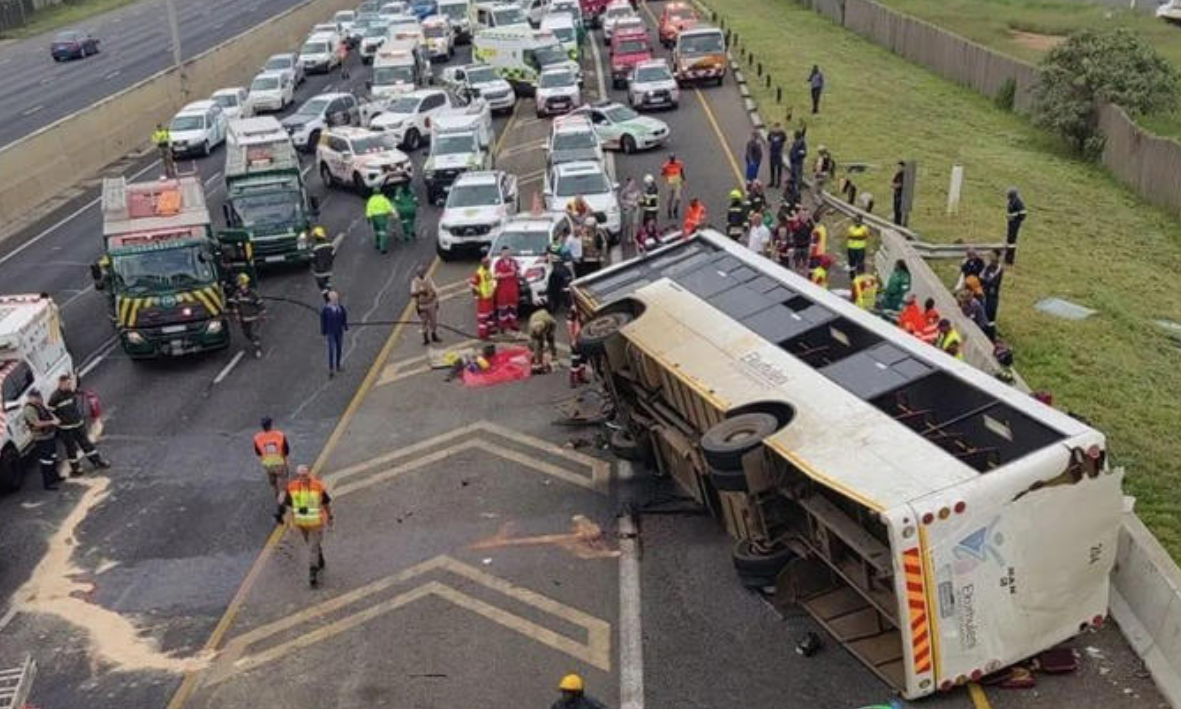
Statement by Zandile Phiri, Acting Secretary General of the United Democratic Movement The United Democratic Movement (UDM) is deeply saddened by the tragic loss of twelve lives in a devastating bus crash on the R21 near OR Tambo International Airport in Gauteng today. Our heartfelt condolences go out to the families and loved ones of the deceased during this incredibly difficult time. We also extend our thoughts and prayers to those who have been injured and wish them a full and speedy recovery. This heartbreaking incident follows two other recent bus crashes in KwaZulu-Natal and the Free State, bringing the total number of fatalities to nineteen in just two weeks. These tragedies highlight the urgent need for stricter road safety measures and responsible driving. We urge all road users, especially public transport operators, to always prioritise safety by: 1. Obeying all rules of the road i.e. the speed limit, road signs and safe following distances must always be observed. 2. Ensuring roadworthiness of vehicles by thoroughly checking them before every trip to prevent mechanical failures, especially tires and brakes. 3. Resting when tired as fatigue is a major cause of accidents, drivers must take regular breaks to ensure they are alert and able to react to road conditions. Losing lives on our roads is unacceptable. The UDM calls on the authorities to intensify road safety campaigns, enforce stricter vehicle inspections and ensure that those responsible for public transport uphold the highest safety standards. May the souls of the departed rest in peace, and may their families find strength during this painful time.
Admin
28 Feb, 2025
UDM disturbed by ill-considered McDonald's foldable desks for Grade 1 learners
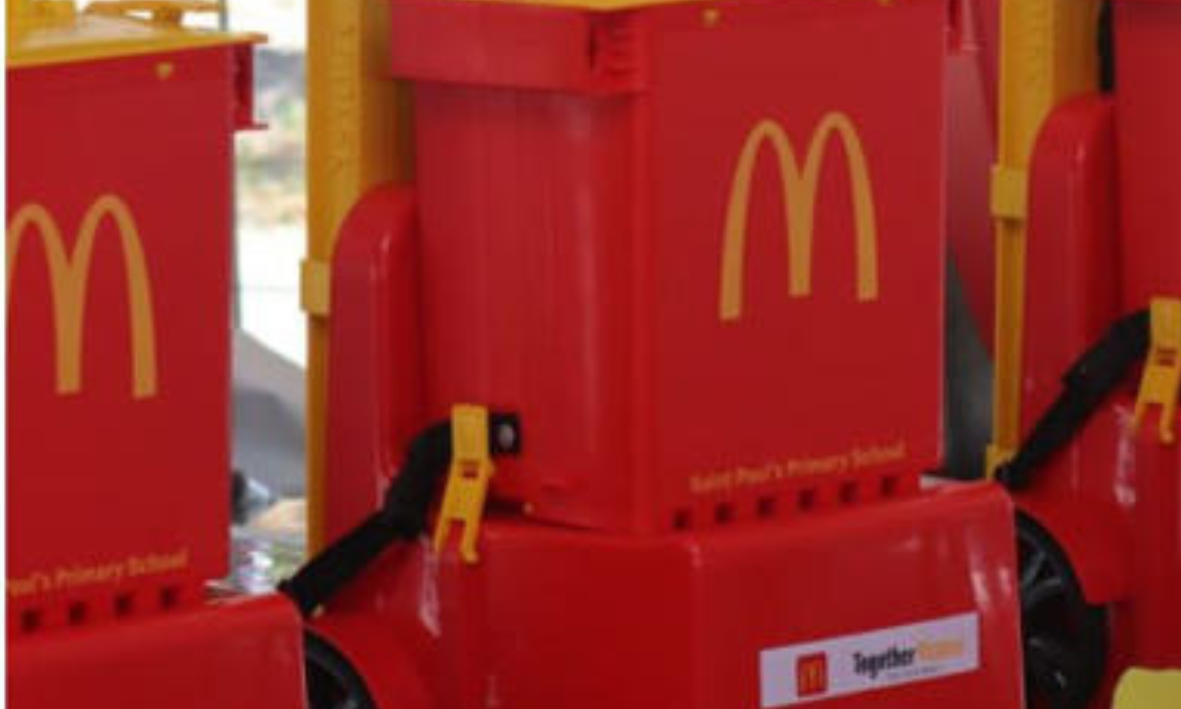
Statement by Zandile Phiri, Acting Secretary General of the United Democratic Movement The United Democratic Movement (UDM) is deeply concerned about the ill-conceived donation of foldable school desks, handed over by the Minister of Basic Education, Ms Siviwe Gwarube, in partnership with McDonald's and MiDesk Global. These desks were given to St. Paul's Primary School in Cape Town's Bo Kaap, in the Western Cape. It is unacceptable that, in 2025, our children are being used as walking advertisements for corporate branding instead of being provided with fully equipped classrooms that uphold their dignity. South African parents and educators have justifiably expressed their outrage over this situation. Rather than ensuring every child has a proper desk in the classroom, the department is celebrating a donation that shifts the responsibility from the government onto the backs of young children - literally! These desks are highly impractical, especially given the long distances and challenging roads many children must traverse to get to school. Adding this extra burden is absurd. To make matters worse, it is highly likely that the average child carrying the McDonald's foldable desk won’t even be able to afford a McDonald's Kiddies Meal in the first place! This situation is a national embarrassment for which Minister Gwarube must take full responsibility. We call on the Government of National Unity to ensure that every child, especially the poorest of the poor, has a desk to sit at when they are at school. Let us hope this is a one-time failed experiment that is not repeated elsewhere in the country.