South Africa’s kidnapping epidemic: it can happen to anyone
Statement by Zandile Phiri, Acting Secretary General of the United Democratic Movement
The United Democratic Movement (UDM) is deeply disturbed by the growing wave of kidnappings that continues to grip our country. In the most recent case, a man was rescued on the R80 highway in Tshwane from a vehicle whose occupants were found with blue lights, firearms, and clothing marked with police insignia. This shocking incident shows how criminals now exploit public trust in law enforcement to entrap and terrorise innocent citizens.
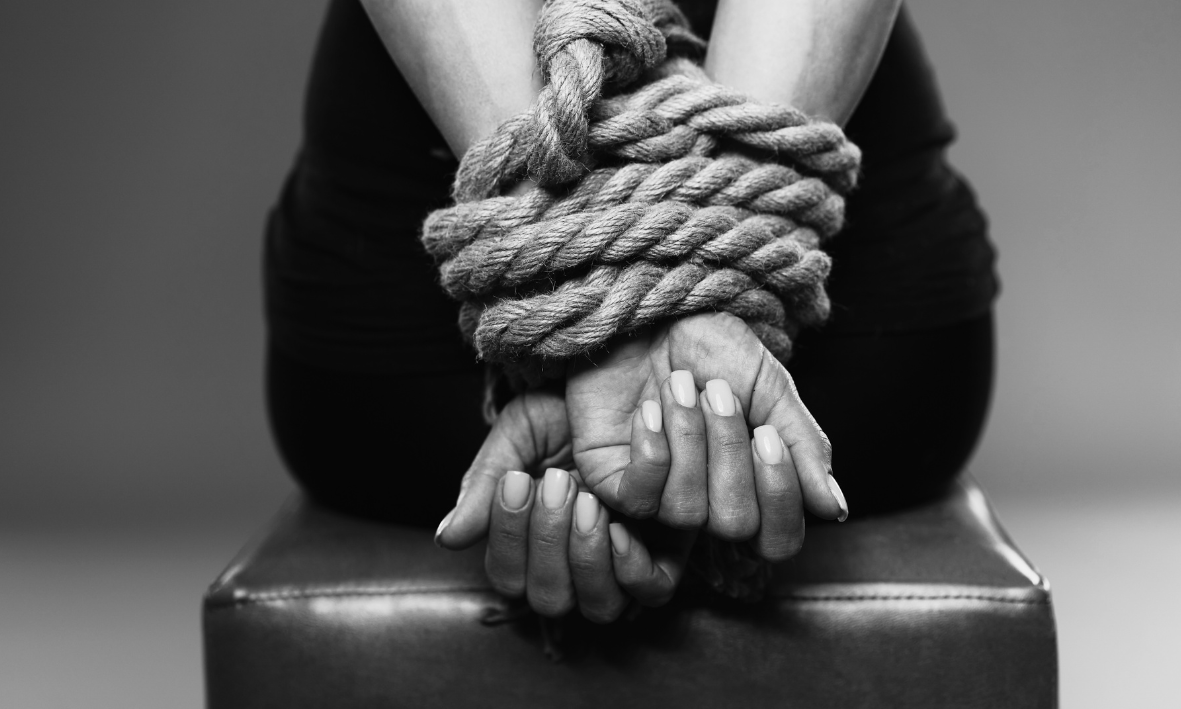
For the UDM, this crisis is not an abstract statistic. In June last year, our Deputy President, Nqabayomzi Kwankwa, was abducted in Driftsands while on his way to Cape Town. He was tied up, robbed, and released only after a ransom was paid. That experience reminded us that in today’s South Africa, it truly can happen to anyone, public figures and ordinary people alike.
Research and police data confirm that only a small fraction of kidnappings involve long-term ransom demands. The overwhelming majority occur during hijackings and armed robberies where victims are restrained, forced to withdraw money, or used to access bank accounts. These short, opportunistic abductions, known as express kidnappings, are now among the most common forms of the crime. It is reported that on average, two such incidents take place in South Africa every day.
A particularly cruel development is the growing use of forced ransom calls. Victims are often made at gunpoint to phone their families or employers and demand payment for their own release. What begins as a robbery or hijacking quickly turns into extortion, as kidnappers blend methods to maximise profit and fear. Families are thrown into panic, transferring whatever funds they can while the perpetrators vanish before police can respond. This shows how organised and ruthless these syndicates have become.
Women and girls are among the most frequent and vulnerable victims of these crimes. Many are abducted while commuting, working, or attending school, and face the added dangers of sexual assault, trafficking, and gender-based violence. The trauma inflicted on women and children extends beyond the individual, leaving entire families and communities living in fear. Addressing kidnapping therefore also means confronting the broader crisis of violence against women and girls in our society.
The rise of blue-light gangs, fake police operations, and express kidnappings paints a grim picture of a country where safety can no longer be taken for granted. This crisis demands urgent and coordinated action. If criminals can so easily impersonate law enforcement, how are South Africans supposed to know who to trust on the road? Citizens should never have to fear that stopping for a flashing light could cost them their lives. Government must urgently review the visibility, identification, and conduct of genuine police officers, including clear roadside verification systems, properly marked vehicles, and public education on how to confirm an officer’s identity without putting oneself in danger.
The UDM calls for:
1. A national crackdown on blue-light gangs and police impersonation, with full accountability for anyone found complicit or negligent and stricter control over the sale and use of sirens, uniforms, and police-branded apparel.
2. The strengthening of anti-kidnapping and crime-intelligence task teams in every province, with specialised capacity to respond to express and ransom kidnappings.
3. Comprehensive protection and psychosocial support for victims, especially women and girls, including trauma counselling, safe-house access, and integration with gender-based violence services.
4. Public education and safety-awareness campaigns to inform citizens about express kidnappings, blue-light stops, and what to do if a loved one is abducted or forced to make ransom calls.
5. Partnerships between law-enforcement agencies, banks, and mobile-payment platforms to detect suspicious withdrawals and transfers made under duress, supported by real-time alert systems and panic PIN technology.
6. Faster prosecution and harsher sentencing for kidnapping, extortion, and police impersonation, with dedicated prosecutors and priority dockets in the courts.
7. A national task force on kidnapping and organised crime, coordinated through Parliament and the Justice, Crime Prevention and Security Cluster, to drive reforms in intelligence, data sharing, and victim support.
Kidnapping has become a daily threat to South Africans. It is no longer a crime of the few against the wealthy but a reflection of our broader failure to protect citizens and uphold the rule of law. The UDM calls on the Government of National Unity (GNU) to treat crime and public safety as a true national-security emergency.
The GNU must show unity in action, not only in words, by restoring faith in policing, strengthening intelligence, and ensuring that every South African can live, work, and travel without fear. Our people deserve a government that makes their safety one of its primary priorities.