Admin

21 Oct, 2025
UDM demands accountability after Milnerton High bullying incident
Statement by Nqabayomzi Kwankwa, MP, UDM Deputy President and Leader in Parliament The United Democratic Movement (UDM) notes with great concern the disturbing incident that took place at Milnerton High School on Thursday, 16 October 2025, where ten Grade 10 learners were brutally assaulted in what has been described as an initiation ritual carried out by Grade 11 boys, allegedly members of the school’s first-team rugby squad. Reports indicate that the victims were struck with various objects, including hockey sticks, during this so-called initiation. One learner sustained serious injuries and required medical attention, while others remain traumatised. Some of the victims have reportedly received threats from those implicated in the attack. Video footage circulating on social media appears to confirm that the incident was not an isolated act of bullying, but an organised initiation assault conducted within a school environment. The recording shows a group of older learners in sports attire surrounding and striking younger pupils while others looked on and encouraged the abuse. This reinforces the urgent need for accountability not only from the perpetrators but also from the school authorities who failed to prevent or detect such behaviour. The UDM welcomes confirmation from Western Cape Provincial Commissioner of Police, Lieutenant General Thembisile Pathekile, that a criminal investigation into the incident is underway, following Mr Kwankwa’s engagement with his office. The Party also notes the assurance from Western Cape MEC for Education, Mr David Manier, that disciplinary measures are being implemented after Mr Kwankwa raised the matter with him. Mr Kwankwa will also personally meet with the parents of the affected learners during the course of the day to hear their experiences first-hand, monitor progress on both the criminal and disciplinary fronts, and ensure that the learners receive the protection and support they deserve. While these steps are necessary, the UDM maintains that the matter cannot end there. We are writing to Minister of Basic Education Ms Siviwe Gwarube to demand that her Department intervene decisively to eradicate violent initiation practices from all schools, and to institute a comprehensive review of learner-safety protocols, particularly in sporting environments. In addition, Mr Kwankwa has engaged the Western Cape MEC for Social Development, Mr Jaco Londt, who has agreed to assist in ensuring that psychosocial support services are provided to the affected learners and their families without delay. We will soon write formally to Mr Londt with the details of the affected learners to facilitate this support. The UDM welcomes this commitment, as the emotional and psychological trauma inflicted by such violence can be long-lasting, and professional assistance is essential to help these young people recover and rebuild their confidence. This act of violence is indefensible. It represents a breakdown of discipline and moral leadership within the school environment. There can be no justification for the culture of intimidation and abuse that continues to masquerade as tradition or team bonding in some schools. Bullying and violent initiation practices have no place in a democratic society that values human dignity and child protection. Schools must be safe spaces where learners grow in confidence and character, not fear and humiliation. The UDM urges parents, teachers, and learners to unite in speaking out against school violence and to restore the values of safety, respect, and discipline in our education system.

Admin
21 Oct, 2025
Lawlessness endangers South Africa’s public servants and essential workers
Statement by Zandile Phiri, Acting Secretary General of the United Democratic Movement Across South Africa, the safety of government employees and frontline workers has become a matter of grave concern. In Nelson Mandela Bay in the Eastern Cape, municipal staff have been repeatedly targeted while performing their duties. Workers were robbed at gunpoint in municipal offices, and others have refused to return to the field after experiencing violent attacks. The situation in the city mirrors a wider climate of fear in which public servants are exposed to criminality with little protection, even as they try to deliver essential services under difficult conditions. In Soweto, Johannesburg firefighters came under attack this week while responding to a shack fire in the Elias Motswaledi Informal Settlement. Residents stoned the fire truck, damaging a brand-new emergency vehicle that had only recently been added to the city’s fleet. This shocking incident reflects a deeper anger and frustration in communities facing poverty, overcrowding and slow service delivery. But it also shows a collapse in respect for those who come to protect life and property. Elsewhere in the country, we understand that authorities have been forced to declare certain areas as high-risk zones where emergency personnel may not enter without a police escort. These so-called Red Zones illustrate just how dangerous the working environment has become for public servants. The arrangement is inconsistent and often delays help to communities that are already in crisis. It stands as a stark reminder that lawlessness now dictates the limits of service delivery, and that frontline workers must depend on armed protection simply to do their jobs. The threat to safety does not stop with municipal or emergency workers. The crisis extends to the police themselves. In Kimberley, a female police officer was violently assaulted in full uniform while performing her duties in the city centre. The incident, which was captured on video and circulated on social media, shocked the nation and exposed the growing hostility faced by law enforcement officers. In Khayelitsha, protesters recently torched police vehicles during demonstrations over electricity and service delivery grievances. These events reveal a dangerous collapse of respect for the rule of law and for those tasked with upholding it. When officers are attacked and their vehicles set alight, it sends a clear message that criminals and opportunists no longer fear accountability. Such lawlessness not only threatens the lives of police officers but also undermines the very foundations of public safety and community trust. The UDM calls for decisive and coordinated action: 1. National and provincial governments must prioritise staff safety by conducting urgent risk assessments across municipalities, especially in high-risk zones, and by ensuring that field workers and emergency responders have the protection and support they need. 2. Law enforcement agencies must act swiftly and visibly against perpetrators of violence directed at public service employees. Impunity feeds chaos and without justice, respect for public authority will continue to erode. 3. Government and communities must rebuild trust. Many of these attacks stem from frustration over failed services, but nothing justifies violence. Dialogue, transparency and accountability must replace confrontation and destruction. 4. All public institutions must invest in trauma counselling and staff wellbeing. Psychological harm cannot be ignored. It affects morale, performance and service continuity. The UDM reiterates that South Africa cannot claim to value public service while allowing its servants to become victims. Respect for those who dedicate their lives to helping others is the foundation of a lawful, caring and functional state. Until law and order are restored and the dignity of public service reclaimed, the dream of a safe and working South Africa will remain out of reach.

Admin
21 Oct, 2025
South African creativity takes the world stage: UDM salutes Wim van den Heever
Statement by Zandile Phiri, Acting Secretary General of the United Democratic Movement The United Democratic Movement (UDM) extends heartfelt congratulations to Pretoria-based wildlife photographer Wim van den Heever on winning the 2025 Wildlife Photographer of the Year award, presented by the Natural History Museum in London. In a nation often defined by its passion for sport, it is time for the arts to shine with equal recognition. South Africa’s painters, photographers, writers and performers carry the same spirit of excellence, discipline and national pride that we celebrate on the playing field. Their achievements remind us that creativity is not a luxury but a force that shapes identity, strengthens unity and tells the stories that statistics cannot capture. When we invest in and honour our artists, we invest in the imagination that keeps our nation alive. Mr van den Heever’s striking photograph, “Ghost Town Visitor,” which captures a rare brown hyena moving through the sand-filled ruins of Kolmanskop in Namibia, is a breathtaking fusion of art and environmental awareness. It reflects a decade of meticulous preparation and deep respect for the natural world, qualities that define true mastery. Mr van den Heever’s achievement is more than artistic recognition; it is a national moment of pride that reaffirms South Africa’s place among the world’s creative and conservation leaders. It reminds us of the urgent need to protect endangered species and fragile ecosystems that stand as living symbols of our continent’s identity. His work demonstrates how artistic excellence and environmental stewardship can strengthen one another, inspiring both global awareness and local responsibility. It also promotes Southern Africa’s reputation as a destination where creativity, wilderness and cultural heritage meet, giving renewed energy to eco-tourism and photographic travel. Above all, his success encourages a generation of young South Africans to pursue their talents with discipline and vision, knowing that the world is listening. The UDM celebrates this moment as proof that South Africa’s stories, told through its people, its landscapes and its enduring creativity, continue to inspire the world.

Admin
20 Oct, 2025
Class of 2025: Good luck matrics
Statement by Zandile Phiri, Acting Secretary General of the United Democratic Movement The United Democratic Movement (UDM) extends its best wishes to all matric learners across South Africa as they begin writing their final National Senior Certificate examinations tomorrow. This is a defining moment in the lives of young South Africans who have worked hard and persevered through many challenges. The UDM acknowledges the dedication of learners, teachers, parents and guardians who have supported this journey, especially in communities where resources are limited and conditions are often difficult. Education remains the most powerful tool to change lives and build a just and prosperous nation. The UDM therefore calls on government to ensure that all examination centres are safe, well-resourced and free from disruptions that could disadvantage learners. Every matriculant deserves a fair opportunity to succeed. To the Class of 2025, write with confidence, focus and determination. Your future and the future of our country depend on your success. Your success is South Africa’s success. The UDM wishes you strength and focus for the coming weeks.

Admin
19 Oct, 2025
Accountability or control? UDM questions motives behind intelligence shake-up
Statement by Nqabayomzi Kwankwa, MP, UDM Deputy President and Leader in Parliament The United Democratic Movement (UDM) notes President Cyril?Ramaphosa’s suspension of Inspector-General of Intelligence Imtiaz Fazel, pending investigation by the Joint Standing Committee on Intelligence (JSCI). This decision leaves the public without credible explanation about the nature of the complaint or the grounds for this action. The Office of the Inspector-General is not just symbolic. It is the constitutional safeguard ensuring South Africa’s intelligence services operate lawfully, ethically and in the national interest. The clarity, independence and stability of this office are vital. If the office is undermined through secrecy the rule of law and confidence in our security architecture are greatly damaged. Minister in the Presidency Khumbudzo?Ntshavheni’s assurance that intelligence services “remain operational” misses the point. The question is not whether the machinery of intelligence continues to function but who is watching the watchers. Operational continuity means little when independent oversight is compromised. The timing and swiftness of this suspension stands in stark contrast to the presidency’s usual inaction when serious complaints are made against ministers and senior officials. The inconsistency suggests selective accountability and deepens suspicion that the rules of good governance apply unevenly depending on who is involved. It is also deeply ironic that intelligence services now fall under the direct political responsibility of the Presidency while one of the country’s most serious intelligence-related controversies, the so-called Phala Phala matter, remains unresolved. If the Presidency truly holds intelligence policy, the country deserves more than vague reassurances; it deserves transparency, independent oversight and credible accountability from the very top. When Imtiaz Fazel was appointed, he faced three major and publicly identified challenges: 1) ensuring proper oversight access and institutional independence for his office; 2) addressing past misuse of intelligence for political or factional ends; and 3) transforming intelligence structures from purely reactive to proactive, especially in the light of major failures of intelligence-led prevention. The first challenge was that the oversight office was funded by the very agency it was meant to monitor. The second challenge recognised that intelligence services had been weaponised in internal politics. The third flagged the failure of the intelligence community to anticipate or prevent major unrest, such as the July 2021 unrest. In other words, Fazel inherited a job filled with structural obstacles and institutional vulnerability. Now his sudden suspension, without full public explanation, raises the question: if an official who called for independence, accountability and reform is now being suspended, is the oversight architecture being penalised for doing its job? The optics of this matter cannot be ignored. The question is no longer simply whether intelligence is functioning. The question is whether accountability has become the casualty. In December 2023 Mr Fazel publicly told Parliament that his office lacked autonomy and called for control over its own budget, staffing and operations. He also warned that without reform, oversight would remain subservient to the very agencies it was meant to supervise. If an official who demanded independence is now suspended without explanation, South Africans are right to ask who benefits from his removal. The UDM’s policy on intelligence is rooted in a simple principle: South Africa’s security institutions must serve the people, not politics. Our vision is to transform outdated and fragmented intelligence structures into modern, professional and accountable agencies that protect citizens and uphold the Constitution. We believe that the real threats to national security are organised crime, corruption and terrorism, and that intelligence resources must be directed accordingly. To confront these challenges effectively, the country must invest in crime intelligence so that policing decisions are based on accurate information, not speculation. Equally important is the need for closer coordination between the ministries of justice, police, correctional services, defence and national intelligence. In the UDM’s view, the true purpose of intelligence is to safeguard constitutional values, ensure public safety and strengthen democracy. It must never be used as a political instrument or a weapon in internal power struggles. This is the lens through which the UDM views the current situation. The secrecy surrounding the suspension of the Inspector General undermines the very goal of building a professional, accountable and transparent intelligence community. The UDM’s call 1. The Joint Standing Committee on Intelligence must inform Parliament and the public, within the limits of confidentiality, about the nature of the complaint, the terms of reference of its inquiry and the expected timeline for completion. 2. The Presidency must guarantee that the independence of the Inspector General’s office will not be undermined or manipulated for political convenience. 3. Government must immediately begin reforming the Intelligence Services Oversight Act to give the Inspector General genuine autonomy, full control of its own budget and staff, and clear protection against arbitrary suspension or removal. 4. The President must account for the apparent inconsistency between his swift action in this case and his persistent inaction when serious allegations are made against members of his Cabinet. 5. Parliament must ensure that the broader intelligence reform agenda is implemented in line with the UDM’s policy vision of professional, coordinated and transparent intelligence services focused on fighting corruption, organised crime and terrorism, rather than political battles. South Africa’s democracy depends on intelligence that serves the people, not the powerful. The secrecy, inconsistency and lack of clarity surrounding this suspension are unacceptable. The public deserves to know whether this is about accountability or control. Crime in South Africa is out of control. Communities across the country are under siege from violent criminals, organised syndicates, hijackings, kidnappings, cash-in-transit heists and illicit trade networks that operate with alarming sophistication. The reality is that crime prevention begins with intelligence. Without accurate and coordinated intelligence gathering, our police and security agencies are simply reacting to crime instead of preventing it. Weak oversight and political interference only make this worse. South Africans cannot afford an intelligence system that is distracted by secrecy and infighting while the country burns.

Admin
18 Oct, 2025
Minister Cachalia and MEC Marais: the Cape Flats needs leadership, not lip service
Statement by Bongani Maqungwana, UDM Councillor in the City of Cape Town The United Democratic Movement (UDM) in the City of Cape Town condemns the violent attack on police officers and the torching of a Nyala in Khayelitsha. Such acts of lawlessness have no place in a democratic society and must be met with justice. However, government cannot pretend that these incidents happen in a vacuum. They are a symptom of a policing crisis that has festered for years. The truth is that many South Africans have lost faith in the South African Police Service (SAPS). Communities on the Cape Flats, in particular, have watched gang violence claim lives week after week while police stand by, under resourced, disorganised, or indifferent. When a police service fails to protect, frustration turns to anger, and anger eventually turns to revolt. Even the Acting Minister of Police Firoz Cachalia has publicly acknowledged that there is still no comprehensive operational or intelligence plan in place to combat gang violence in the Western Cape. That admission is as alarming as it is revealing. It confirms what residents already know: there is no coherent national strategy to deal with one of South Africa’s most persistent and deadly security crises. The UDM notes the reaction of Western Cape MEC for Police Oversight and Community Safety, Anroux Marais, who condemned the torching of the police vehicle. While her outrage is understandable, mere condemnation does little to comfort families who live in daily fear or to fix a broken policing system. Leadership requires more than press statements. It demands a coordinated, results-driven approach that matches provincial safety initiatives with national operational capacity. Until that happens, the cycle of violence and blame will continue. There is a serious disconnect between national and provincial levels of government. While the Western Cape government develops safety plans and deploys local resources, national SAPS leadership moves at a different pace. This lack of alignment has left frontline officers confused, communities unprotected, and criminals emboldened. South Africa cannot afford turf wars and political posturing when lives are at stake. The UDM in the City of Cape Town calls for: 1. A clear and funded operational plan to stabilise gang affected communities, with measurable outcomes and timelines. 2. The reestablishment of specialised anti-gang units with proper intelligence capacity and oversight. 3. A public audit of all policing resources in the Western Cape to expose where the gaps lie. 4. The rebuilding of trust through genuine community policing, not staged engagements or political photo opportunities. 5. A permanent coordination mechanism between national and provincial security structures to ensure that plans, funding, and accountability are aligned. South Africans deserve a police service that is trusted, competent, and visible. Until SAPS regains credibility, both criminals and desperate citizens will continue to act outside the law. Our message is simple: safety cannot exist without trust, and trust cannot exist without results.

Admin
17 Oct, 2025
Restoring trust in law enforcement: new national crime prevention framework is needed
Statement by Nqabayomzi Kwankwa, MP, UDM Deputy President and Leader in Parliament Only 22 percent of South Africans still trust the police. That figure, revealed by the Human Sciences Research Council, is not a statistic; it is a national alarm bell. A country without faith in its police cannot guarantee justice or safety. In recent weeks, incidents of citizens burning police vehicles and attacking officers have become a tragic symptom of how deeply fractured the relationship between law enforcement and communities has become. These acts cannot be condoned, yet they reveal the frustration and despair of people who feel abandoned and unprotected. The United Democratic Movement (UDM) has long warned that the erosion of trust in the police is not accidental. It stems from years of poor leadership, internal misconduct, and weak accountability. As a political party that has consistently championed ethical governance and professional policing, the UDM has repeatedly called on the South African Police Services (SAPS) to clean up its act, restore command integrity, strengthen internal discipline, and rebuild the professional standards expected of a constitutional democracy. When police officers act without consequence, ordinary South Africans lose hope, and criminal networks thrive. The ongoing Madlanga Commission continues to shed light on the seriousness of the challenges facing the police service. Allegations raised during these hearings have underscored the need for the SAPS to confront corruption and mismanagement head on, to ensure that law enforcement serves the public interest and not private agendas. The UDM believes the Commission provides an important opportunity for the police to reflect, reform, and rebuild credibility through transparency and truth. The Ad Hoc Committee in Parliament has become an important platform for uncovering the depth of dysfunction within the SAPS and its oversight structures. While the UDM is not represented on this committee, we will continue to follow its work closely and insist that it leads to concrete reforms, not political theatre. Oversight must be used to restore the integrity of policing, not to manage scandal. The South African public is watching, and it deserves a process that results in accountability, not performance. The UDM condemns the failure of Acting Police Minister Firoz Cachalia and National Commissioner Fannie Masemola to appear before the Portfolio Committee on Police on 15 October 2025. Their absence forced the committee to defer the meeting without hearing from key entities, including the Auditor General. This disregard for Parliament’s oversight at a time of crisis undermines accountability and sends the wrong message to the public. South Africa cannot afford another cycle of delays, denials, or political protection. The UDM calls for a complete overhaul of South Africa’s approach to crime prevention and policing, anchored in the following principles: 1. The SAPS must be depoliticised and led by skilled, ethical professionals who are committed to service, accountability, and the rule of law. 2. Government must coordinate policing, social development, and education programmes to address the root causes of crime, including poverty, youth unemployment, and substance abuse. 3. Law enforcement visibility must be increased through better resourced police stations, functional patrol units, and active Community Policing Forums that work in partnership with residents. 4. The SAPS must modernise its operations by investing in technology, digital forensics, and intelligence-led policing to stay ahead of organised crime. 5. Independent oversight bodies such as the Independent Police Investigative Directorate and parliamentary committees must be strengthened to ensure transparency, swift investigation of misconduct, and regular public reporting. 6. The criminal justice system must focus not only on punishment but also on prevention, rehabilitation, and social reintegration, so that cycles of violence are broken and communities are rebuilt. The UDM further urges the Government of National Unity to establish a National Crime Prevention Council that brings together national, provincial, and local law enforcement agencies with civil society, the private sector, and research institutions. Such a structure must coordinate intelligence, align policing priorities, and measure progress on crime reduction across the country. South Africa needs a whole of government response that unites every sphere of the state in restoring safety and public trust. Safety is a constitutional right, not a privilege. Weak leadership weakens justice. The UDM calls on the Government of National Unity to treat crime prevention and police reform as an urgent national priority, not another task for committees and talk shops. The GNU must move beyond rhetoric and deliver a coordinated, well resourced, and accountable plan to rebuild trust between citizens and the state. South Africans deserve a police service that protects them, not one they fear, and a government that acts, not one that explains.

Admin
16 Oct, 2025
UDM calls for unity and respect as SAHRC takes stand on hate speech
Statement by Yongama Zigebe, Councillor in the City of Johannesburg for the United Democratic Movement and Chairperson of the S79 Committee on Gender, Youth and People with Disabilities The United Democratic Movement (UDM) notes and welcomes the South African Human Rights Commission’s (SAHRC) decision to refer Mr Ngizwe Mchunu to the Equality Court following his remarks concerning the LGBTQIA+ community. This development marks an important step toward ensuring accountability and affirming that freedom of expression must never cross into the realm of hate speech or incitement. This matter underscores the vital role of our democratic institutions in maintaining respect, accountability, and adherence to the rule of law The UDM was the first political movement to respond to this incident. Our human rights advocate, Mxolisi Makhubu, lodged a formal complaint with the SAHRC immediately after Mr Mchunu’s remarks went viral, drawing millions of views and hundreds of comments openly calling for violence against queer people. The UDM recognised this not as an isolated event but as part of a broader moral and social crisis that demanded urgent institutional response. In parallel, a formal letter was submitted to the Minister of Women, Youth and Persons with Disabilities, urging government accountability and leadership in protecting vulnerable groups from hate speech and targeted violence. The letter was tabled by UDM Cllr Yongama Zigebe, Chairperson of the Section 79 Oversight Committee on Gender, Youth and Persons with Disabilities in the City of Johannesburg. “We welcome this decisive move by the SAHRC as a victory for human dignity and a reaffirmation of our Constitution’s founding principles,” said Cllr Yongama Zigebe. “This matter has never been about opinion or culture. It is about human rights. No South African should live in fear because of who they love or how they express their identity. The Equality Court must send a clear message that hate speech and incitement to violence will be met with firm consequences.” The UDM recognises and respects the rich cultural traditions that shape South Africa’s identity. However, culture can never be used as a shield for discrimination or violence. True cultural pride is rooted in Ubuntu, in recognising the humanity and dignity of all South Africans. Our Constitution guarantees freedom of belief and expression, but those freedoms end where they infringe upon the rights and safety of others. Respect for culture must go hand in hand with respect for human rights. UDM human rights advocate Mxolisi Makhubu added: “The UDM acted swiftly because silence is complicity. We cannot preach equality on paper and tolerate hate in practice. The SAHRC’s intervention is welcome, but this must also spark broader government action to educate, protect, and heal.” The UDM expresses concern over the divisive public reaction that followed the celebration of a same-sex traditional wedding. What should have been embraced as a moment of love and cultural pride regrettably became the subject of hurtful commentary and misunderstanding. The UDM believes that such occasions should inspire respect, inclusion, and appreciation of South Africa’s diversity. The UDM calls on government, civil society, and traditional leadership to open channels of dialogue rather than trading insults or deepening divisions. At present, a widening gap of misunderstanding exists between cultural communities and the LGBTQIA+ community. This must be bridged through respectful conversation, public education, and empathy. South Africa’s democracy was built on dialogue, not hostility. The UDM urges all leaders to foster open engagement so that culture and human rights can coexist in harmony, guided by the true spirit of Ubuntu. The UDM remains unwavering in its commitment to justice, equality, and human rights, the pillars upon which our democracy stands.
Admin
16 Oct, 2025
Three decades later, the ANC still fails Eastern Cape learners
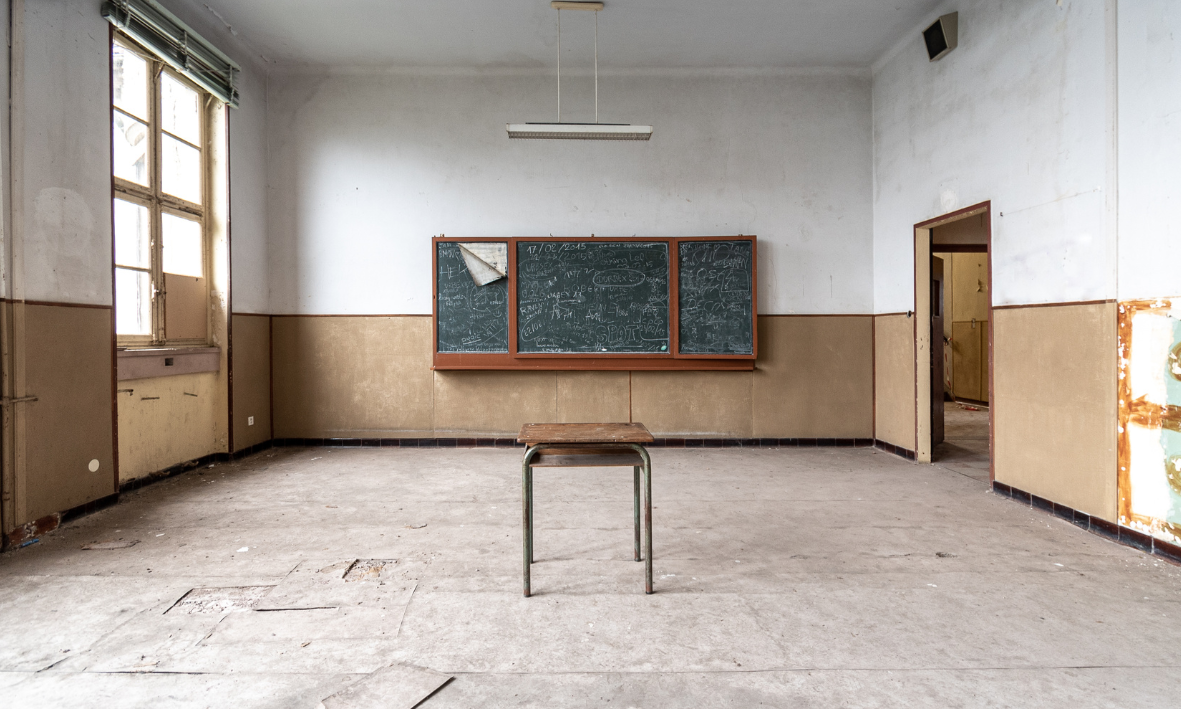
Statement by Bulelani Bobotyane, Provincial Secretary of the UDM in the Eastern Cape The United Democratic Movement (UDM) in the Eastern Cape condemns the ongoing decay and abandonment of school infrastructure across the province. What we see today is not a sudden crisis but the direct outcome of three decades of neglect under the African National Congress (ANC) government. The ruling party’s failures in planning, oversight and accountability have left thousands of learners without safe and functional schools, while its officials hide behind bureaucracy and empty promises. No one takes responsibility for the hundreds of closed school buildings scattered across the province. Public infrastructure is collapsing while officials pass blame from one department to another. More than a thousand schools have been shut down, many left vandalised and stripped of value, while children in other communities are still learning in structures that are unsafe, overcrowded or falling apart. The tragedy of the Ginsberg Crèche in Qonce, formerly known as King William’s Town, founded by Steve Biko as a living symbol of self-reliance and community dignity, captures the depth of this failure. To allow such a historic and visionary space to decay is an act of utter disrespect, not only to Biko’s legacy but to the children it was meant to serve. A place once built to nurture young minds now lies in ruins, overrun by weeds and indifference. It stands as a monument to how far this province has drifted from its moral duty to protect and educate its children. The UDM in the Eastern Cape calls for the following urgent actions: 1. Eastern Cape Department of Education to conduct a full audit of all closed, abandoned and collapsing schools, publish the findings, and present an infrastructure recovery plan with clear deadlines for refurbishment, reconstruction and security. 2. Provincial Department of Public Works and Infrastructure to take responsibility for maintaining and securing all disused school properties to prevent vandalism, theft and further deterioration. 3. Provincial Treasury to ensure that funds allocated for education infrastructure are ring-fenced and fully spent within the financial year, with public quarterly reports on expenditure and progress. 4. National Department of Basic Education to intervene where provincial capacity has failed through targeted support, technical expertise and oversight to fast-track safe and dignified learning facilities. 5. Parliament’s Portfolio Committee on Basic Education to institute a formal inquiry into the collapse and abandonment of public-school infrastructure in the Eastern Cape and demand accountability for wasted funds and stalled projects. 6. Communities and School Governing Bodies to guard against vandalism and theft and insist that local schools and historic educational sites such as the Ginsberg Crèche are restored and protected for future generations. The UDM in the Eastern Cape echoes the call to find constructive and community-driven alternative uses for mothballed school buildings so that these spaces can once again serve public good rather than fall into ruin. No province with such deep educational need can afford to lose even a single classroom to incompetence.
Admin
14 Oct, 2025
The fire next door: South Africa’s neglected settlements
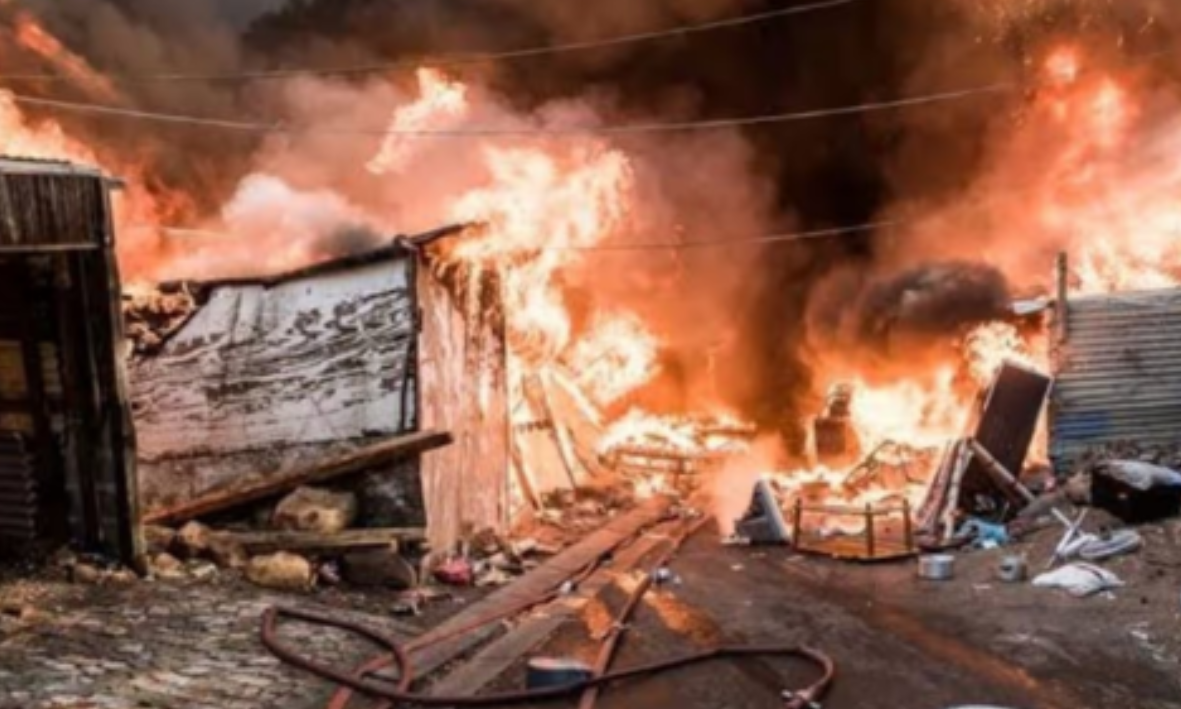
Statement by Zandile Phiri, Acting Secretary General of the United Democratic Movement Each shack fire leaves behind not only ash but a reminder of South Africa’s unfinished promise of dignity for all. The United Democratic Movement (UDM) calls attention to the growing pattern of fires in informal settlements as a crisis of governance and human rights that demands immediate national intervention. In recent weeks, blazes in Masiphumelele, Umbilo and Sivilcon have claimed lives, displaced hundreds of families and destroyed thousands of homes. These tragedies expose a deep failure of planning, service provision and accountability in the management of urban and peri-urban settlements. In Masiphumelele, Cape Town, one person died, and 80 residents were left homeless after 20 informal dwellings were reduced to ash. In Umbilo, Durban, more than 170 structures were lost in a single blaze. In Sivilcon, Pretoria, 70 shacks burned within minutes, displacing over 150 residents. Between September 2024 and February 2025, 2 860 informal structures burned down nationwide. The Western Cape was the hardest hit, with 2 088 structures destroyed during this period, about 73% of the national total. The pattern is the same across our cities: crowded conditions, flammable materials, unsafe wiring, lack of access roads and the absence of formal infrastructure turn every spark into catastrophe. Recent research confirms that a single blaze can consume twenty shacks within five minutes under mild wind conditions. Behind these numbers are human beings who lose homes, possessions, documents and loved ones. Entire communities are forced to start again from nothing. Relief agencies such as Gift of the Givers and local NGOs step in to provide blankets and meals, but the cycle repeats because prevention has never been institutionalised. Shack fires are not accidents of poverty. They are the direct outcome of policy neglect and institutional failure. For years, government authorities have treated informal settlements as temporary spaces rather than permanent communities deserving of basic services. By withholding electricity, water, roads and fire hydrants, municipalities have entrenched conditions that make these areas unsafe and unliveable. This denial of infrastructure is not accidental. It is a consequence of choices that have left millions of South Africans exposed to preventable tragedy. Studies in South Africa and internationally have shown that electrified settlements experience far fewer fires than those relying on candles, paraffin or illegal connections. The solution, therefore, is not endless training and disaster relief, but systematic electrification and incremental upgrading. South Africa cannot continue to treat shack dwellers as people who must live and die by candlelight. Urban design interventions must start from the reality that most informal settlements are already densely built and cannot simply be redesigned. Safety improvements must therefore be achievable within existing layouts. Many settlements still rely on a handful of communal taps or irregular water supply, leaving residents defenceless during fires. Government must prioritise the installation of reliable communal taps within reasonable distance, ensure maintenance of pressure and supply, and coordinate with emergency services to provide mobile water tanks in high-risk areas. These practical measures, developed together with residents, can save lives without uprooting communities. The United Nations Office for Disaster Risk Reduction recognises uncontrolled informal-dwelling fires as a significant global threat to life and well-being. South Africa’s own disaster management frameworks must therefore include fire prevention in informal settlements as a priority hazard category. Prevention, preparedness and risk reduction must take precedence over reactive relief. The UDM calls for the following actions: 1. The Department of Electricity and Energy must fast-track a national audit and phased electrification programme for all informal settlements, prioritising high-density areas most at risk of fire. 2. The Department of Cooperative Governance and Traditional Affairs must ensure that every municipality integrates shack-fire risk reduction into its Disaster Management Plan and allocates ring-fenced funding for prevention, not only emergency relief. 3. The Department of Human Settlements must improve basic infrastructure within informal settlements by creating safe access routes for emergency vehicles and expanding water access points to support firefighting efforts. 4. The Department of Statistics South Africa must strengthen data collection, research and analysis on shack fires to capture their human, technical and environmental causes, and ensure that findings are publicly reported to guide prevention strategies. 5. The Department of Local Government must work with communities to establish fire-safety units trained and equipped to serve as first responders using extinguishers, alarms and communication tools. 6. The Department of Trade, Industry and Competition must promote partnerships with innovators developing technologies such as heat-based early-warning systems and community micro-insurance models that reduce losses, enable faster recovery and strengthen resilience. 7. The Government of National Unity must end the policy of classifying informal settlements as “temporary” to justify the denial of basic services. Safety, dignity and equal access to infrastructure are constitutional rights, not privileges. Every shack fire is a mirror of our national priorities. It reflects the unfinished business of spatial justice and the failure to treat poor communities as full citizens. Lives continue to be lost because authorities have normalised living without infrastructure. The UDM urges the Government of National Unity to make the prevention of shack fires a national governance priority. South Africa must replace fragmented relief efforts with a long-term programme for electrification, upgrading and safer living conditions. Words of sympathy will not rebuild what negligence destroys.
Admin
13 Oct, 2025
Heartbreak on South Africa’s roads: safety of passengers should never be overlooked
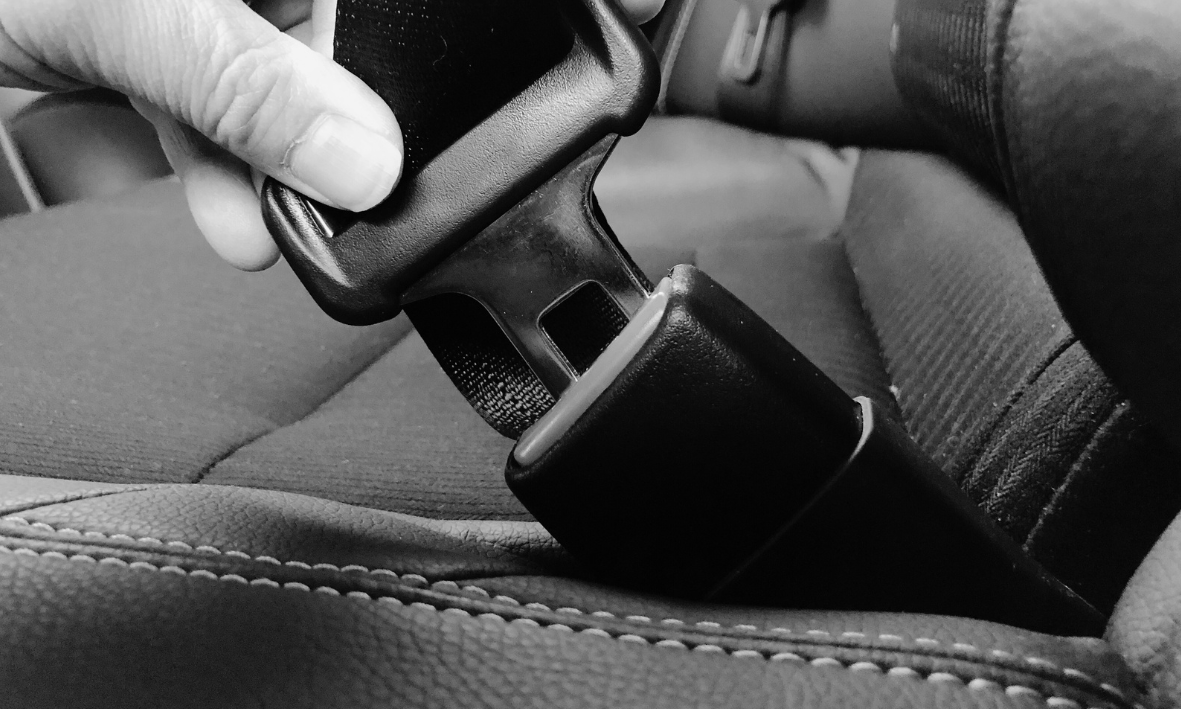
Statement by Zandile Phiri, Acting Secretary General of the United Democratic Movement The United Democratic Movement (UDM) is deeply saddened by the devastating loss of lives following the shocking bus accident that occurred on the N1 North, near Ingwe Lodge in Limpopo, yesterday, and the taxi accident that left 18 children injured on the N3 highway near the Mariannhill Toll Plaza in KwaZulu-Natal this morning. Our thoughts and sincere condolences go out to the grieving families, survivors, and everyone affected by these painful incidents. These tragedies are a tender reminder of how fragile life is. Moments of national sorrow such as these remind us of the ongoing challenges facing our transport systems. Every journey, whether short or long, depends on a transport network that must be both reliable and safe. Consequently, we must confront the conditions that allow some of these accidents to happen. South Africa’s transport infrastructure and enforcement mechanisms must be strengthened as a matter of urgency. It is imperative to have regular and consistent vehicle inspections to determine the roadworthiness of cars, buses, taxis, and scholar transport vehicles. Equally important is ensuring that drivers transporting passengers, particularly schoolchildren, hold valid Professional Driving Permits (PrDPs) and comply fully with all safety requirements. Regular vehicle inspections and strict adherence to roadworthiness standards are critical in preventing such tragedies. The safety of passengers should never be overlooked. As a country, we must continue to strengthen our transport infrastructure and promote a culture of safety and accountability. These tragic incidents should compel authorities to prioritise transport safety and to reinforce monitoring systems. Such measures are essential to a broader national commitment to safeguarding lives on our roads.

Admin
13 Oct, 2025
No more raw deals: UDM calls for industrialisation through beneficiation
Statement by Nqabayomzi Kwankwa, MP, UDM Deputy President and Leader in Parliament The United Democratic Movement (UDM) welcomes the growing national recognition that South Africa can no longer afford to export its mineral wealth in raw form. Mining expert David van Wyk, senior researcher at the Bench Mark Foundation, has echoed what the UDM has consistently maintained: that sending our raw minerals abroad while importing finished goods back at high prices is economic madness that robs South Africans of jobs, skills, and industrial capacity. We also note that President Ramaphosa and Minister of Mineral Resources and Energy Gwede Mantashe have recently begun echoing the same arguments that the UDM has advanced for decades. It seems that government has at last cottoned onto our long-standing policy vision that beneficiation is not a slogan but the foundation for a self-reliant and inclusive economy. However, beneficiation cannot succeed through rhetoric alone. It requires practical readiness and firm commitment to implementation. South Africa needs affordable and reliable electricity, efficient rail and port systems, well-maintained roads and water infrastructure, sustained investment in research and technology, sound legislative frameworks, and policy certainty that inspires confidence among responsible investors. Without these foundations, talk of industrialisation will remain hollow. These are not new insights; they are the very obstacles the UDM has been raising in Parliament and in public since the late 1990s. In particular, the UDM reiterates that the revival of the national rail network is central to any beneficiation strategy. Rail is the backbone of mineral logistics, yet years of neglect, theft, and mismanagement at Transnet have crippled our ability to move bulk commodities cost-effectively. The UDM calls for an urgent rail recovery plan that includes modernisation of freight corridors, tighter security along strategic lines, and partnerships with the private sector and neighbouring states to open regional export routes. Without a reliable and affordable rail system, the promise of beneficiation will remain out of reach and South Africa will continue to lose billions to inefficiency and road damage. The UDM calls for the following: 1. Compulsory and measurable beneficiation targets that ensure South Africa no longer exports its wealth in raw form. This must be backed by reliable and affordable electricity, functioning transport networks, and a modern rail system capable of carrying bulk commodities and finished products efficiently. 2. A phased and strategic approach to export controls that links any restrictions or taxes to proven domestic readiness. Government must first fix energy, rail, and port infrastructure before introducing policies that could undermine mining operations or investment. 3. Focused public incentives for companies that process minerals locally, including tax relief, concessional financing, and access to industrial zones. These incentives must reward firms that create jobs, invest in new technology, and commit to training South African workers. 4. Concrete benefit-sharing for mining communities through local procurement, infrastructure investment, social facilities, and ownership opportunities. The people living alongside mines must see tangible improvements in their daily lives as part of beneficiation policy. 5. An urgent national rail recovery and modernisation plan to rebuild Transnet’s freight capacity, strengthen security against theft and vandalism, and link mining areas to ports and industrial hubs across the SADC region. Efficient rail transport will reduce road damage, lower logistics costs, and unlock regional trade potential. 6. A coordinated governance structure that brings together the Departments of Mineral Resources and Energy, Trade, Industry and Competition, Public Enterprises, Transport, and Science and Innovation. This structure must track progress, align funding, and report annually to Parliament on beneficiation outcomes. For too long, South Africa’s mineral riches have been a blessing squandered. Beneficiation offers a path to rebuild our industries and restore dignity to our people. The Government of National Unity must now prove that it governs for South Africans, not for exporters and elites.
Admin
12 Oct, 2025
South Africa’s kidnapping epidemic: it can happen to anyone
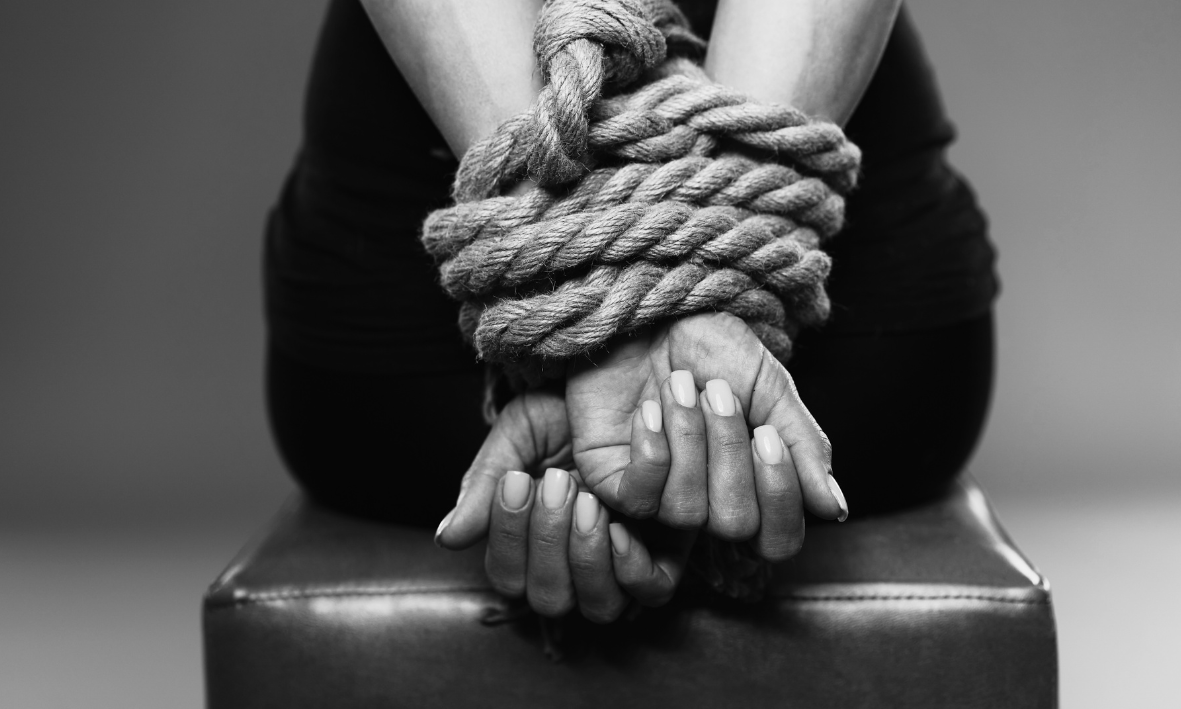
Statement by Zandile Phiri, Acting Secretary General of the United Democratic Movement The United Democratic Movement (UDM) is deeply disturbed by the growing wave of kidnappings that continues to grip our country. In the most recent case, a man was rescued on the R80 highway in Tshwane from a vehicle whose occupants were found with blue lights, firearms, and clothing marked with police insignia. This shocking incident shows how criminals now exploit public trust in law enforcement to entrap and terrorise innocent citizens. For the UDM, this crisis is not an abstract statistic. In June last year, our Deputy President, Nqabayomzi Kwankwa, was abducted in Driftsands while on his way to Cape Town. He was tied up, robbed, and released only after a ransom was paid. That experience reminded us that in today’s South Africa, it truly can happen to anyone, public figures and ordinary people alike. Research and police data confirm that only a small fraction of kidnappings involve long-term ransom demands. The overwhelming majority occur during hijackings and armed robberies where victims are restrained, forced to withdraw money, or used to access bank accounts. These short, opportunistic abductions, known as express kidnappings, are now among the most common forms of the crime. It is reported that on average, two such incidents take place in South Africa every day. A particularly cruel development is the growing use of forced ransom calls. Victims are often made at gunpoint to phone their families or employers and demand payment for their own release. What begins as a robbery or hijacking quickly turns into extortion, as kidnappers blend methods to maximise profit and fear. Families are thrown into panic, transferring whatever funds they can while the perpetrators vanish before police can respond. This shows how organised and ruthless these syndicates have become. Women and girls are among the most frequent and vulnerable victims of these crimes. Many are abducted while commuting, working, or attending school, and face the added dangers of sexual assault, trafficking, and gender-based violence. The trauma inflicted on women and children extends beyond the individual, leaving entire families and communities living in fear. Addressing kidnapping therefore also means confronting the broader crisis of violence against women and girls in our society. The rise of blue-light gangs, fake police operations, and express kidnappings paints a grim picture of a country where safety can no longer be taken for granted. This crisis demands urgent and coordinated action. If criminals can so easily impersonate law enforcement, how are South Africans supposed to know who to trust on the road? Citizens should never have to fear that stopping for a flashing light could cost them their lives. Government must urgently review the visibility, identification, and conduct of genuine police officers, including clear roadside verification systems, properly marked vehicles, and public education on how to confirm an officer’s identity without putting oneself in danger. The UDM calls for: 1. A national crackdown on blue-light gangs and police impersonation, with full accountability for anyone found complicit or negligent and stricter control over the sale and use of sirens, uniforms, and police-branded apparel. 2. The strengthening of anti-kidnapping and crime-intelligence task teams in every province, with specialised capacity to respond to express and ransom kidnappings. 3. Comprehensive protection and psychosocial support for victims, especially women and girls, including trauma counselling, safe-house access, and integration with gender-based violence services. 4. Public education and safety-awareness campaigns to inform citizens about express kidnappings, blue-light stops, and what to do if a loved one is abducted or forced to make ransom calls. 5. Partnerships between law-enforcement agencies, banks, and mobile-payment platforms to detect suspicious withdrawals and transfers made under duress, supported by real-time alert systems and panic PIN technology. 6. Faster prosecution and harsher sentencing for kidnapping, extortion, and police impersonation, with dedicated prosecutors and priority dockets in the courts. 7. A national task force on kidnapping and organised crime, coordinated through Parliament and the Justice, Crime Prevention and Security Cluster, to drive reforms in intelligence, data sharing, and victim support. Kidnapping has become a daily threat to South Africans. It is no longer a crime of the few against the wealthy but a reflection of our broader failure to protect citizens and uphold the rule of law. The UDM calls on the Government of National Unity (GNU) to treat crime and public safety as a true national-security emergency. The GNU must show unity in action, not only in words, by restoring faith in policing, strengthening intelligence, and ensuring that every South African can live, work, and travel without fear. Our people deserve a government that makes their safety one of its primary priorities.
Admin
11 Oct, 2025
From protectors to perpetrators: robbery of foreign illicit cigarette traders
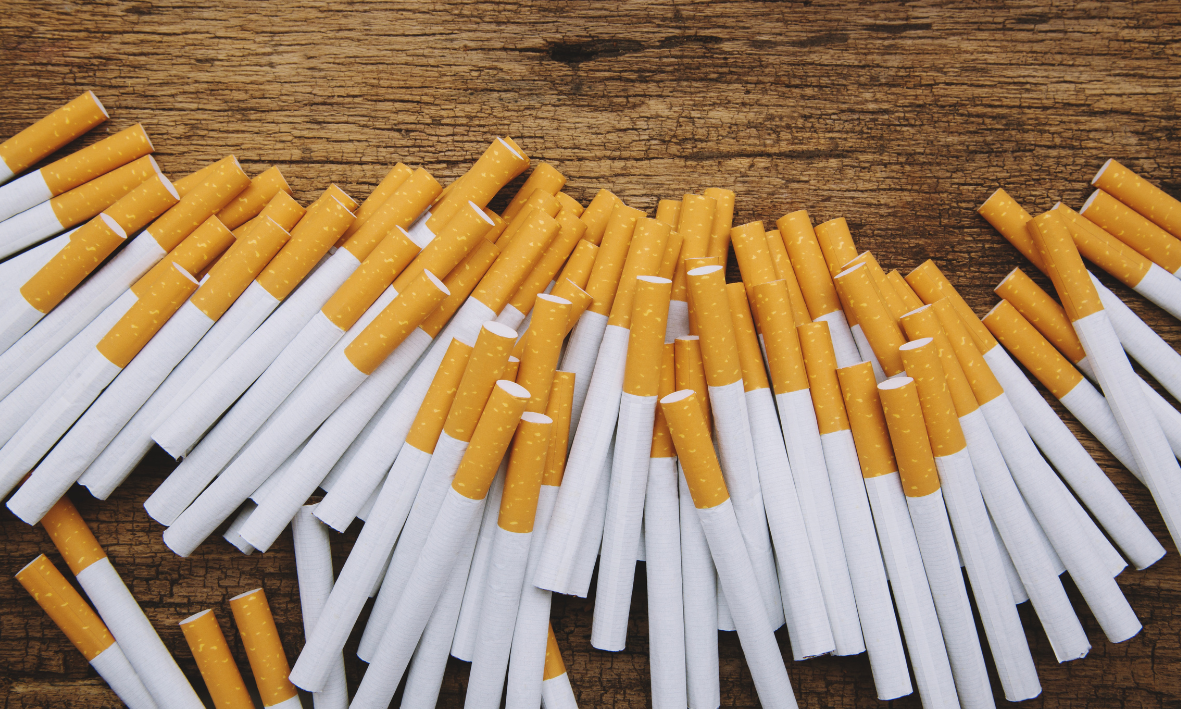
Statement by Stanley Manaka, Provincial Chairperson of the United Democratic Movement in Limpopo The United Democratic Movement (UDM) in Limpopo adds its voice to our national leadership’s growing alarm over the spread of illicit trade and criminal collusion within the state. The recent arrest of four police officers and a civilian for allegedly robbing an Ethiopian family in Mashishing (Lydenburg) of almost R1 million in cash and illicit cigarettes worth R1.5 million further illustrates the depth of this crisis. Limpopo shares multiple border gates with neighbouring countries, including Beitbridge, Groblersbrug, and Pontdrift; all of which remain vulnerable to cross-border smuggling, corruption, and organised criminal activity. The involvement of police officers in this crime shows how these syndicates are being enabled from within, eroding public trust and compromising national security. Reports confirm that the suspects used both marked and private vehicles, including a South African Police Service (SAPS) Flying Squad VW Golf, during the robbery. Investigators later recovered SAPS-issued firearms, ammunition, and a bulletproof vest, as well as tampered vehicle number plates and hidden cash. Such conduct by officers sworn to protect the public represents a grave betrayal of duty and a reflection of systemic failure in law enforcement oversight. At the same time, the incident exposes how South Africans and foreign nationals have become intertwined in criminal networks trading in illicit cigarettes, alcohol, and other contraband. While foreign nationals are often visible in these operations, local enablers, including corrupt officials, play an equally destructive role in sustaining this criminal economy. The UDM in Limpopo calls for urgent action. 1. The Department of Home Affairs and the Border Management Authority, under Minister Leon Schreiber, must reinforce all border points in Limpopo with well-trained and properly resourced border management units. 2. The Ministry of Defence and Military Veterans and the Ministry of Police must root out corruption within the ranks of the South African National Defence Force and the SAPS through transparent investigations, swift prosecutions, and the dismissal of all those found guilty of collusion or criminality. 3. The Directorate for Priority Crime Investigation (the Hawks), the South African Police Service, the South African National Defence Force, and the South African Revenue Service must coordinate operations under the oversight of the Ministry of Justice and Correctional Services to effectively dismantle cross-border criminal networks. 4. Parliament’s Portfolio Committees on Defence, Police, Home Affairs, and Finance, together with the Limpopo Provincial Legislature, must intensify oversight of border management and defence operations to ensure transparency and accountability. 5. The Department of Communications and Digital Technologies, in partnership with local municipalities and civil society organisations, must launch community vigilance and awareness campaigns to expose smuggling networks and promote lawful, safe economic activity. This incident is not isolated. It forms part of a wider pattern that undermines the rule of law and endangers honest officers who continue to serve with integrity. Limpopo’s strategic position at the country’s northern gateway demands decisive action and visible leadership to restore order and credibility. The UDM in Limpopo aligns itself with the call made by the UDM at national level for stronger border control, anti-corruption reforms, and a coordinated fight against the criminal syndicates weakening South Africa’s governance and economy.
Admin
11 Oct, 2025
Scholar transport chaos a legacy of decades of ANC failure
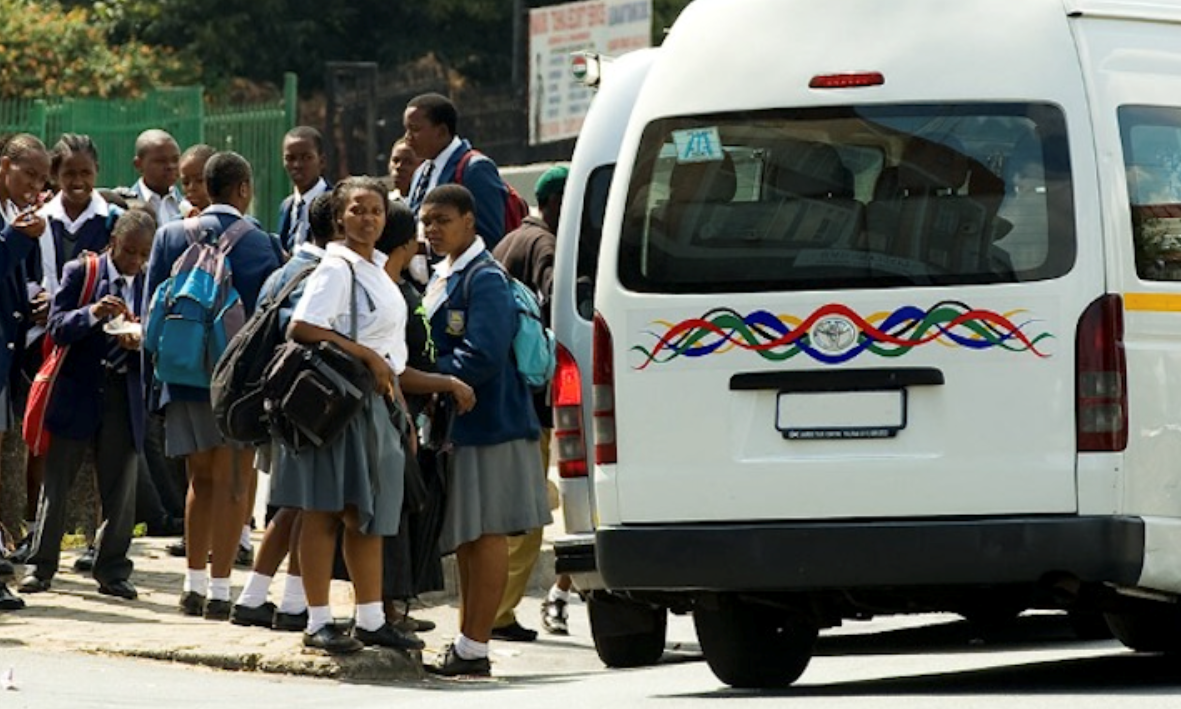
Scholar transport chaos a legacy of decades of ANC failure Statement by Bulelani Bobotyane, Provincial Secretary of the UDM in the Eastern Cape Years of poor planning and neglect have turned the Eastern Cape’s scholar transport programme into a crisis that now threatens thousands of learners. The decision by the South African National Taxi Council (SANTACO) to suspend scholar transport from 13 October is the direct consequence of the Eastern Cape government’s continued failure to manage and fund this vital programme. This is not an isolated incident but the cumulative outcome of years of mismanagement under African National Congress (ANC) administrations that have consistently failed to prioritise education in this province. For more than a decade, provincial administration has ignored every warning about late payments, corruption, and systemic underfunding. The situation has now reached breaking point. Between 2022 and 2025 alone, the same problems have repeated year after year: • Operators go unpaid for months, leaving them bankrupt while learners are stranded. • In 2024 alone, 50 000 qualifying pupils were excluded from the programme because of budget shortfalls. • The Makhanda High Court ruled in December 2024 that the Departments of Education and Transport acted unconstitutionally by failing to provide scholar transport to all qualifying learners. • The 2025/2026 provincial budget of R800 million has already collapsed under pressure, with funds exhausted by October and scholar transport once again paralysed. • Investigations have revealed millions wasted on “ghost scholar” contracts while real children are left to walk dangerous distances to school. The right to basic education is immediately realisable under the Constitution. The Eastern Cape provincial government has a direct legal duty to provide safe and reliable transport to learners and cannot hide behind excuses of limited funds or administrative delay. Its repeated failure to comply with court orders and to budget adequately for scholar transport places it in clear violation of the Constitution and in potential contempt of the Makhanda High Court judgment. This ongoing neglect is a betrayal of the province’s learners and a breach of the public trust. The UDM in the Eastern Cape demands decisive provincial implementation to restore this critical programme: 1. The Premier must establish a dedicated Provincial Task Team to oversee full implementation of the Makhanda High Court judgment. 2. The MEC for Finance, Economic Development, Environmental Affairs and Tourism, the MEC for Transport and Community Safety, and the MEC for Education must table an emergency adjustment budget to close funding shortfalls and ensure that all payments are made within 30 days. 3. The Department of Transport must publish a transparent list of all verified operators, payment schedules, and outstanding invoices, and must immediately investigate and eliminate the so-called “ghost scholar” contracts that have drained millions from the programme. 4. The Provincial Treasury must ring-fence all scholar transport funds and prevent diversion to other programmes. 5. The Provincial Legislature’s Education and Transport Committees must conduct monthly oversight visits to monitor compliance, investigate allegations of fraud and mismanagement, and report publicly on progress. There can be no excuse for the Eastern Cape provincial government that once again fails its most vulnerable citizens. The children of the Eastern Cape deserve leadership that plans, pays, and delivers. The UDM in the Eastern Cape will continue to hold the provincial administration accountable until every qualifying learner has safe and reliable transport to school, not as a favour but as a right. This crisis is the direct legacy of the ANC’s decades of neglect and poor governance, which have left the province trapped in a cycle of underfunding, corruption, and administrative failure. As a partner in the Government of National Unity (GNU), the UDM in the Eastern Cape calls on Minister of Basic Education, Ms Gwarube, to intervene decisively. The Minister must ensure that the Eastern Cape government complies with the Makhanda High Court judgment and delivers on its obligations to learners and communities. The GNU cannot allow provincial failures to undermine national commitments to education. Minister Gwarube must demand accountability, enforce compliance with court orders, and ensure that public funds allocated for scholar transport are used transparently and efficiently to restore faith in government and uphold the constitutional right to education.
Admin
10 Oct, 2025
Justice must prevail: UDM applauds flotilla mission and reaffirms support for ICJ process
Statement by Nqabayomzi Kwankwa, MP, UDM Deputy President and Leader in Parliament The United Democratic Movement (UDM) welcomes home the six South African activists who were detained after joining the Global Sumud Flotilla on its humanitarian mission to Gaza. The Party salutes Nkosi Mandla Mandela, Zukiswa Wanner, Carolyn Shelver, Zaheera Soomar, Dr Fatima Hendricks and Reaz Moola for their courage and solidarity with the people of Palestine. Their safe return to South African soil is a relief to their families and to all who value human rights and compassion. Yet their ordeal should trouble every conscience. The activists have spoken of terrifying experiences at the hands of Israeli forces. They described rifles being pointed at their heads, religious garments being torn off, humiliation, intimidation and degrading treatment. Dr Hendricks, a cancer survivor, recounted being stripped of her hijab and mocked by soldiers while in detention. These are not acts of security enforcement but violations of human dignity. The UDM condemns the abuse of humanitarian workers in the strongest possible terms. Those who deliver food, medicine and hope must never be treated as enemies. Their testimonies must be documented and investigated by international human rights bodies. The state of Israel must be held fully accountable for its actions and must respect international humanitarian law. This incident also comes at a time when the International Court of Justice (ICJ) is preparing to rule on Israel’s obligations in the occupied Palestinian territories. The world awaits this ruling with great anticipation. It was South Africa that brought this matter before the Court, arguing that Israel’s actions in Gaza and the West Bank amount to violations of the Genocide Convention and other fundamental principles of international law. In its earlier provisional orders, the ICJ directed Israel to prevent acts that could constitute genocide and to allow unimpeded humanitarian access. The forthcoming advisory opinion is therefore not an abstract legal exercise, but a continuation of a process initiated by South Africa in defence of international justice and human rights. Our country must continue to play a leading role in ensuring that these legal processes are respected and that the authority of the ICJ is upheld. This is both a legal duty and a moral obligation rooted in our own struggle for freedom, equality and dignity. The return of our compatriots should not mark the end of our concern but the strengthening of our resolve. Their courage reminds us that solidarity with the oppressed is not an act of charity but of justice. The UDM reaffirms that peace in the Middle East will only be achieved through justice and respect for human rights. The protection of civilians, the integrity of international law, and the equal dignity of all people must guide every nation’s actions.
Admin
10 Oct, 2025
31 years later: ANC has bankrupted the Eastern Cape municipalities
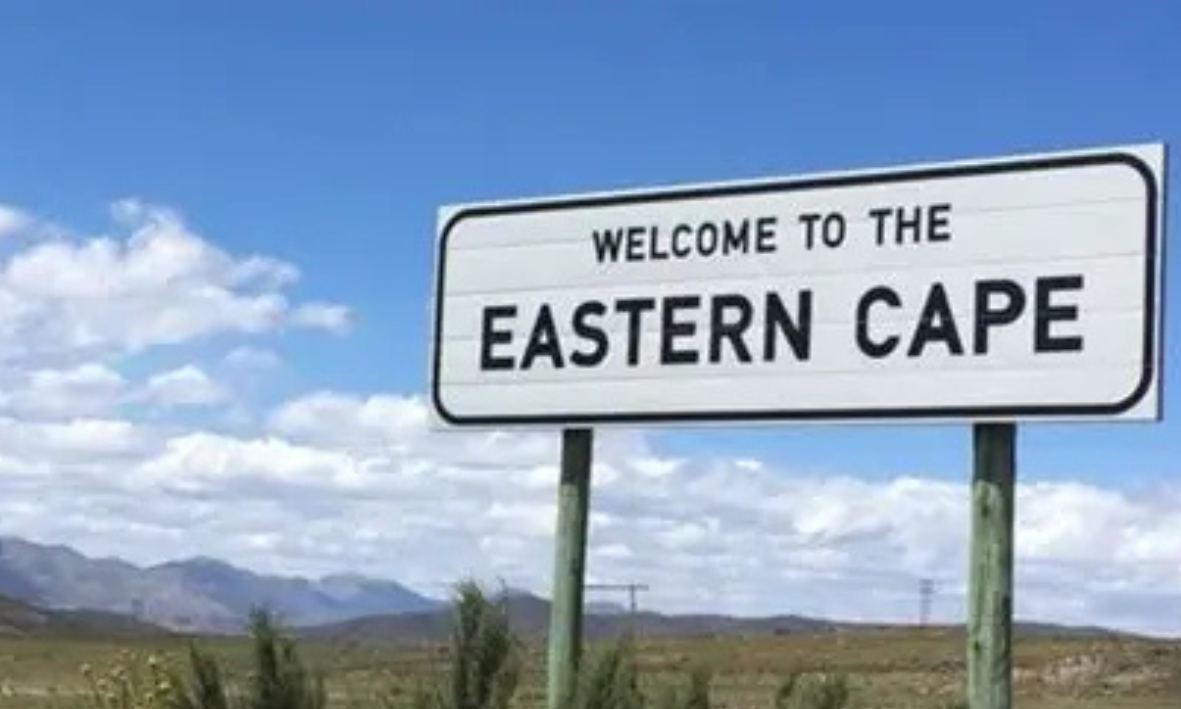
Statement by Bulelani Bobotyane, Provincial Secretary of the UDM in the Eastern Cape The United Democratic Movement (UDM) in the Eastern Cape is deeply disturbed by revelations that seven municipalities in the Eastern Cape are on the verge of financial collapse. This is not an isolated administrative failure. It is the product of decades of African National Congress (ANC) misrule that has left local government structures hollow, indebted, and incapable of delivering even the most basic services. The Provincial Treasury’s presentation to Parliament revealed that Makana, Sundays River Valley, Amathole, Raymond Mhlaba, Amahlathi, Walter Sisulu and King Sabata Dalindyebo municipalities will not survive beyond a month without intervention. Only Koukamma has slightly more cash reserves, barely enough for three months. Under ANC governance, 33 out of 39 municipalities are distressed, with only six receiving clean audits in the 2023/24 financial year. The scale of financial recklessness is staggering. Nelson Mandela Bay Metro recorded R22 billion in unauthorised, irregular, fruitless and wasteful expenditure. Buffalo City Metro recorded R11.6 billion. Amathole District recorded R1.3 billion, OR Tambo District R1.1 billion, and Inxuba Yethemba R910 million. Despite this, more than R300 million in unspent infrastructure funds was returned to the National Treasury. This is an unforgivable betrayal of the people. A province drowning in unemployment and poverty is being robbed not only by corruption but by chronic incompetence. The UDM in the Eastern Cape holds Premier Oscar Mabuyane and Cooperative Governance and Traditional Affairs (CoGTA) MEC Zolile Williams politically responsible for the collapse of governance in the province. For years they have been warned about the dire state of municipalities but responded with empty plans and recycled rhetoric. MEC Williams himself has acknowledged that Nelson Mandela Bay accounts for over seventy percent of the province’s R30 billion in irregular expenditure, driven by evergreen contracts that he admits are criminal. Yet there is no visible action, no prosecutions, and no accountability. The rot runs deep. A captured CFO in Sundays River Valley inflated consultancy contracts from R4 million to R38 million. Evergreen contracts in Nelson Mandela Bay have become the feeding trough for politically connected service providers. State departments owe municipalities such as Nelson Mandela Bay more than R208 million in unpaid rates and service charges, proof that even government does not respect local government. It is shocking and unacceptable that national and provincial government departments owe municipalities more than R208 million in unpaid rates and service charges. These are not private companies or delinquent ratepayers. They are organs of the same state that lectures ordinary citizens about paying their municipal accounts. This failure by the state to pay what it owes is an act of internal sabotage. It cripples the very municipalities tasked with delivering water, electricity, sanitation and waste removal to communities. When government departments do not honour their obligations, they drain the lifeblood of local government, its revenue base, and accelerate the collapse of essential services. The UDM in the Eastern Cape finds this behaviour reprehensible and hypocritical. It exposes a culture of impunity within the ANC government where accountability is applied selectively. Citizens are threatened with disconnection for non-payment, while government institutions continue to consume services without consequence. This situation also shows the utter breakdown of intergovernmental cooperation in the Eastern Cape. The Premier and his MECs have allowed a crisis where the left hand of government starves the right. How can municipalities be expected to survive when the very departments that fund them are also their biggest debtors? The UDM in the Eastern Cape is deeply concerned by the recent remarks of Buffalo City Mayor Princess Faku, who told Parliament that her municipality is “neither dysfunctional nor cash-strapped.” This statement is misleading and irresponsible. Both the Provincial Treasury and the Auditor-General have confirmed that Buffalo City incurred R11.6 billion in irregular, fruitless and wasteful expenditure, and returned unspent infrastructure funds while residents continue to endure failing services. For a mayor to deny this reality shows disregard for the truth and for the daily struggles of the people she serves. It reflects the ANC’s entrenched culture of denial, where leaders protect their image instead of fixing what is broken. The UDM calls on Premier Mabuyane to act against Mayor Faku for misleading Parliament and the public. The people of Buffalo City deserve honesty, accountability and real solutions, not empty political theatre. As a partner in the Government of National Unity (GNU), the UDM in the Eastern Cape believes this crisis demands direct intervention by the National CoGTA Minister Velenkosini Hlabisa. The Minister must immediately: 1. Deploy a national intervention team to the seven municipalities on the brink of collapse, with powers to stabilise finances, strengthen governance, and halt corruption. 2. Oversee forensic investigations into the misuse of funds, fraudulent consultancy contracts, and the R30 billion evergreen contract scandal in Nelson Mandela Bay. 3. Ensure strict consequence management, including suspension and prosecution of accounting officers, councillors and mayors who enabled this rot. 4. Coordinate intergovernmental debt recovery, compelling all government departments to pay what they owe to municipalities. 5. Enforce public transparency and reporting, ensuring that all municipal recovery reports demanded by Parliament are made public within thirty days. 6. Work with National Treasury and the Department of Water and Sanitation to restore critical infrastructure and basic service delivery in the affected municipalities. 7. Hold Premier Mabuyane and MEC Williams politically accountable for years of failed oversight and negligence under their leadership. The UDM in the Eastern Cape also reminds the ANC, as a partner in the GNU, that it carries the greatest responsibility for this crisis. Its national leadership must urgently call its counterparts in the province and municipalities to order. The continued collapse of governance in the Eastern Cape is not just a local embarrassment; it undermines the credibility of the GNU’s commitment to clean, accountable and effective government. If the ANC is sincere about renewal, it must start by cleaning its own house in this province. For thirty-one years, the ANC has turned the Eastern Cape into a case study of corruption and decay. The people deserve better. They deserve leaders who act, not talk, who serve, not steal. The UDM in the Eastern Cape calls on all honest public servants, civil society and communities to rally behind the call for accountability and renewal.
Admin
09 Oct, 2025
Dlamini 2.0: How Social Development is sliding back into scandal
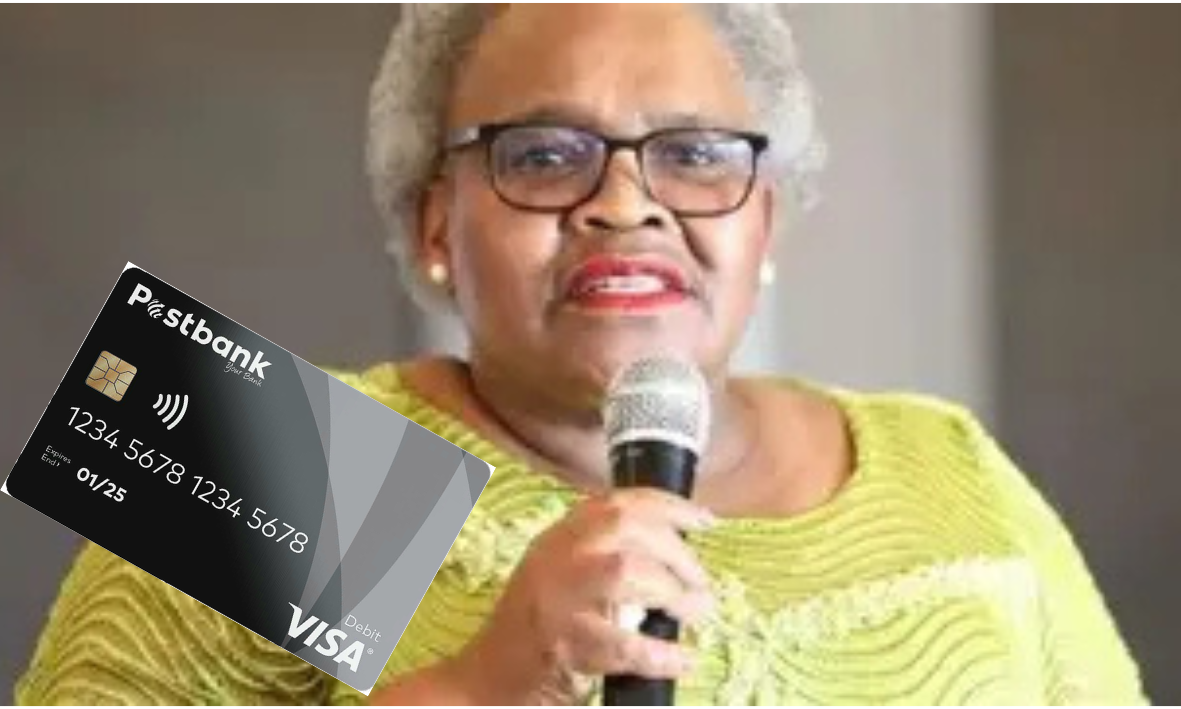
Statement by Zandile Phiri, Acting Secretary General of the United Democratic Movement The United Democratic Movement (UDM) is deeply concerned by the avalanche of revelations exposing the collapse of governance, accountability, and ethics within the Department of Social Development (DSD) and the South African Social Security Agency (SASSA). Recent reports from the Auditor-General and Parliament confirm what the UDM has warned for years: that a department meant to be the moral anchor of our democracy has regressed into a web of mismanagement, patronage, and disregard for the poor. Allegations surrounding Minister Sisisi Tolashe’s conduct have plunged the portfolio into scandal. The appointment of a 22-year-old Chief of Staff, the reported romantic relationship with a special adviser, and the extravagant R3 million trip to New York, all paint a disturbing picture of arrogance and impunity. The dual role of Minister Tolashe as both ANC Women’s League President and head of a department responsible for welfare programmes has raised questions about partisan influence over state resources. This is not the first time that the Department of Social Development (DSD) has been brought into disrepute under the leadership of an ANC Women’s League President. South Africans will remember former Minister Bathabile Dlamini, who left behind a trail of corruption, negligence, and constitutional violations. She presided over the 2017 social grants crisis that nearly collapsed SASSA, was found guilty of perjury by the courts, and had earlier been convicted for her role in the Travelgate scandal. The parallels are disturbing. What the country is witnessing today under Minister Tolashe is Dlamini 2.0, another example of a department seemingly captured by political insiders, mired in scandal, and indifferent to the suffering of the poor. The latest report from the Auditor-General confirms that the DSD has regressed in performance and financial management. Persistent irregular expenditure, vacant posts, and weak internal controls continue to undermine delivery. At the same time, SASSA, once a cornerstone of social protection, has become synonymous with chaos. Payment failures, technical breakdowns, and corruption have repeatedly left millions of pensioners, people with disabilities, and child grant recipients destitute. The crisis at Postbank and its dependency on the collapsing South African Post Office (SAPO) illustrate the state’s failure to separate financial operations from logistical ruin. Postbank, which is still in transition to becoming a stand-alone state bank, relies heavily on SAPO’s broken infrastructure. This entanglement has crippled SASSA’s payment system and created an endless cycle of system failures, contract extensions, and beneficiary suffering. The UDM calls for: 1. An independent forensic investigation into all contracts, expenditures, and appointments linked to SASSA and Postbank, including the R3 million New York trip. The Portfolio Committee on Social Development, working with the Auditor-General and the Public Service Commission, must lead this process. 2. The urgent separation of Postbank from the failing Post Office. The Department of Communications and Digital Technologies must pull up its socks and fast track the implementation of the Postbank Amendment Act to make Postbank a fully independent, modern, and secure state bank. The Department must also accelerate SAPO’s reform through modernisation, digital transformation, and diversification of postal services. South Africans cannot continue to suffer because the state insists on patching up two failing institutions instead of reforming them. 3. A full audit of the social grant payment system to guarantee reliability, transparency, and protection from political interference. 4. Stronger parliamentary oversight to ensure that social protection serves the poor and not political insiders. Behind every scandal is a pensioner who sleeps hungry, a child whose grant is delayed, and a family whose only income disappears in bureaucratic confusion. The DSD has lost its moral compass. It is unacceptable that those who rely most on the state should pay the highest price for government incompetence. As a committed partner in the Government of National Unity, the UDM will not remain silent while the poor are betrayed by those entrusted to serve them. The GNU was established to restore credibility, rebuild ethical governance, and deliver on the promise of a capable state. It cannot succeed if some of its members treat public office as a personal fiefdom. The President must ensure that accountability is not applied selectively and that all departments, including Social Development, reflect the values and discipline that the GNU was created to uphold. Social development should be the conscience of the state, not a playground for self-enrichment. The UDM urges the Government of National Unity to act decisively to clean this department, restore integrity, and protect the dignity of our people. The welfare of South Africans cannot continue to depend on a ministry drowning in scandal and a payment system built on failure.

Admin
07 Oct, 2025
Transport Month: Rebuild SA’s rails
Statement by Mandla Peter, United Democratic Movement Member in the National Council of Provinces As we mark Transport Month, the United Democratic Movement (UDM) extends condolences to the families of those who lost their lives in the recent tragic crashes on the R81 in Ga-Sekgopo, Limpopo, and on the N2 in Phongolo, northern KwaZulu-Natal. These are not isolated incidents. They reflect a deep and ongoing crisis in South Africa’s transport and logistics system. The high number of accidents involving heavy trucks is a national disgrace. These tragedies are not only caused by reckless drivers, but also by a collapsed freight logistics network weakened by poor governance, corruption, and neglected infrastructure maintenance. Over the past decade, Transnet Freight Rail volumes have fallen by as much as 80% since 2010, due to vandalism, flood damage, safety lapses, and chronic underinvestment. As a result, our roads are overloaded with trucks carrying goods that should be moved by rail. This has destroyed critical infrastructure, constrained productivity, and claimed far too many innocent lives. The UDM has long maintained that greater investment in rail infrastructure is vital to move freight off roads, reduce accidents, and restore economic efficiency. Stricter enforcement of truck regulations, including roadworthiness, driver rest periods, and load management, is also essential and long overdue. We note the recent initiatives by Transport Minister Barbara Creecy to revitalise South Africa’s rail and port systems through private sector participation in five priority corridors. This is a welcome acknowledgment of the crisis, but the pace of implementation remains far too slow. Promises must now produce tangible results such as operational freight trains, reopened corridors, and a visible reduction in the number of heavy trucks on our national roads. In March 2025, the Department of Transport announced that a second Request for Information (RFI) for private sector participation in passenger rail would be issued in May. However, weeks later, during her address at the Rand Merchant Bank Think Summit, Minister Creecy indicated that the RFI would instead be released in June. These repeated delays reflect a troubling pattern of shifting timelines and uncertainty in government planning. To date, there has been no evidence that this RFI has been issued, raising questions about the government’s seriousness in addressing the crisis Promises must translate into tangible outcomes: operational freight trains, reopened corridors, safer roads, and the visible removal of heavy trucks from national highways. The public deserves clear timelines, transparent progress reports, and measurable results. The UDM believes that rebuilding South Africa’s transport system requires: 1. Immediate prioritisation of freight rail rehabilitation, with guaranteed deadlines for corridor reopening and transparent monitoring of progress. 2. Release of the second RFI for private sector participation in passenger rail. 3. Strong public–private collaboration, not as a substitute for state accountability, but to unlock investment, technology, and logistics expertise. 4. Stricter regulation of the trucking sector, including the establishment of a national Truck Safety and Compliance Unit to enforce vehicle standards, rest periods, and load management. 5. A national road safety audit, to identify high-risk corridors, improve infrastructure, and reduce fatalities in line with the United Nations target of halving road deaths by 2030. Transport is the backbone of the economy. When it collapses, jobs, safety, and growth collapse with it. South Africa cannot continue to treat mass road deaths as routine. The time has come to shift freight back to rail, restore safety to our roads, and put accountability at the centre of every kilometre travelled. The UDM remains committed, in Parliament and beyond, to fighting for a transport system that serves the people, protects lives, and drives inclusive economic development.
Admin
07 Oct, 2025
Assault on Kimberley police officer: gender is not the story, lawlessness is
Statement by Zandile Phiri, Acting Secretary General of the United Democratic Movement The United Democratic Movement condemns in the strongest possible terms the recent assault on two police officers who were performing their duties in Kimberley’s central business district. The video of the attack, which has gone viral, is a disturbing reflection of the growing hostility toward law enforcement officers in our communities and the erosion of respect for the rule of law. The gender of the one officer should be immaterial. Whether male or female, no police officer should face physical harm or humiliation for performing their lawful duties. To highlight the gender of the one officer, as if the assault were more shocking because she is a woman, is the wrong logic entirely. It subtly reinforces the false and dangerous notion that women are somehow less capable of enforcing the law or managing conflict in the field. What happened in Kimberley is not about the strength of a woman but about the weakness of public discipline. The real issue is that criminals and ordinary citizens alike now believe they can defy, insult, and attack law enforcement officers without consequence. This is a clear sign that respect for authority and public order has collapsed. Law enforcement officers stand at the frontline of public safety. When they are attacked, it is not only an assault on an individual but on the authority of the state and on the safety of every South African. Communities cannot call for safer streets while simultaneously undermining and brutalising those tasked with maintaining them. At the same time, the South African Police Service (SAPS) must reflect deeply on how it interacts with the public. Many communities have lost confidence in law enforcement because of corruption, brutality, or neglect. SAPS must work intentionally to rebuild trust through fair, respectful, and community-based policing. Restoring public faith in the police will not only protect officers but also strengthen partnerships with residents who are often the first to see or report criminal activity. A police service that listens, serves, and respects citizens will find that respect returned. The UDM calls on SAPS to ensure that the perpetrators face the full force of the law and that consistent national measures are taken to protect officers on duty. Police morale, discipline, and safety are national priorities that require leadership and visible consequences for acts of defiance. We also urge community leaders, civic organisations, and faith-based institutions to play their part in restoring respect between citizens and the police. Building a safer country requires trust, cooperation, and the understanding that the law applies equally to everyone. No uniformed officer should ever fear for their safety while serving their nation. The time has come to restore both order and trust in South Africa’s streets.

Admin
06 Oct, 2025
Time to end the tavern killings and restore public safety
Statement by Zandile Phiri, Acting Secretary General of the United Democratic Movement The United Democratic Movement (UDM) is deeply disturbed by the latest mass shooting at a tavern in Zithobeni, Bronkhorstspruit, where five people were killed and six others injured on Saturday night. According to police reports, armed men stormed the establishment, disarmed a patron, and opened fire indiscriminately as people tried to flee for their lives. Over the past year, South Africa has witnessed a wave of similar tragedies that have turned ordinary social spaces into crime scenes. These include mass shootings in Mokokotlong informal settlement in Orange Farm, Pienaar outside Mbombela, TK's Tavern in Sebokeng in the Vaal, the Bloemfontein CBD, Umlazi township of Durban, and the Choba informal settlement in Tshwane. In each of these incidents, lives were lost in cold blood while families were left to grieve and communities to live in fear. This growing pattern of violence shows a country under siege, where heavily armed criminals act without restraint and the state appears powerless to stop them. Communities have every reason to feel abandoned. The right to safety and security enshrined in the Constitution has become meaningless when gunmen can walk into a tavern, home, or taxi rank and slaughter innocent people without fear of arrest or prosecution. The social fabric of our nation is being torn apart by unchecked criminality, poor policing, and the proliferation of illegal firearms. The UDM believes this is not merely a policing issue but a symptom of deeper systemic failure i.e. the collapse of local intelligence networks, the erosion of visible policing, and the absence of proactive crime prevention in vulnerable communities. South Africa urgently needs a coordinated national audit of firearms in circulation, including a focused review of lost, stolen, and unaccounted-for weapons from police, military, and private security stockpiles. This audit must be supported by forensic tracing of ballistic evidence, tighter control of firearm licensing systems, and an intelligence-driven effort to dismantle illegal gun trafficking networks. The goal is not to count weapons in criminal hands, but to close the loopholes that allow them to get there. The UDM calls for: 1. A national audit of illegal firearms and a comprehensive crackdown on gun smuggling and trafficking networks feeding this violence. 2. Dedicated tavern safety and compliance units within the SAPS to monitor and protect high-risk venues, working with local business and community policing forums. 3. Immediate deployment of intelligence-led operations to disrupt organised criminal networks that use taverns and shebeens as targets or recruitment hubs. 4. A cross-departmental safety strategy led by the Ministers of Police, Small Business Development, and Social Development to strengthen community resilience and ensure responsible management of social spaces. 5. Swift justice for the victims of these massacres through fast-tracked investigations and specialised prosecution teams. As a partner in the Government of National Unity, the UDM will continue to push for urgent and coordinated reforms in policing, intelligence, and firearm control. The safety of South Africans must be treated as a national priority, and every arm of the state must be mobilised to end this cycle of violence once and for all.