Three decades later, the ANC still fails Eastern Cape learners
Statement by Bulelani Bobotyane, Provincial Secretary of the UDM in the Eastern Cape
The United Democratic Movement (UDM) in the Eastern Cape condemns the ongoing decay and abandonment of school infrastructure across the province. What we see today is not a sudden crisis but the direct outcome of three decades of neglect under the African National Congress (ANC) government. The ruling party’s failures in planning, oversight and accountability have left thousands of learners without safe and functional schools, while its officials hide behind bureaucracy and empty promises.
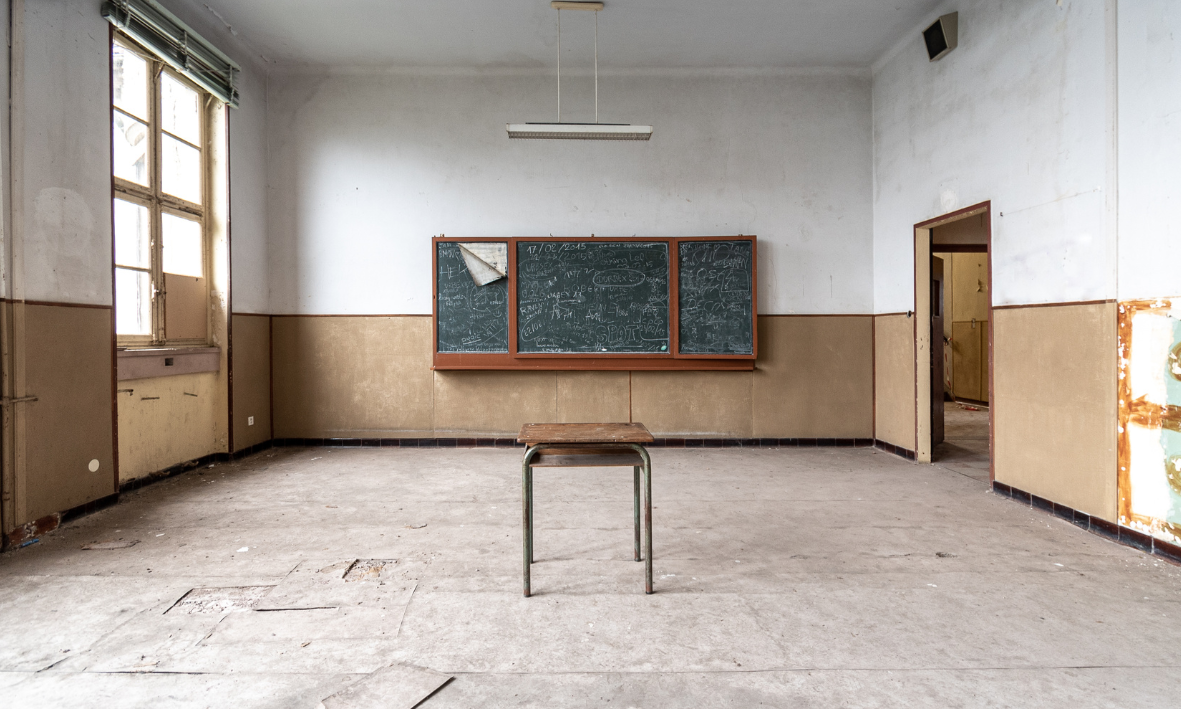
No one takes responsibility for the hundreds of closed school buildings scattered across the province. Public infrastructure is collapsing while officials pass blame from one department to another. More than a thousand schools have been shut down, many left vandalised and stripped of value, while children in other communities are still learning in structures that are unsafe, overcrowded or falling apart.
The tragedy of the Ginsberg Crèche in Qonce, formerly known as King William’s Town, founded by Steve Biko as a living symbol of self-reliance and community dignity, captures the depth of this failure. To allow such a historic and visionary space to decay is an act of utter disrespect, not only to Biko’s legacy but to the children it was meant to serve. A place once built to nurture young minds now lies in ruins, overrun by weeds and indifference. It stands as a monument to how far this province has drifted from its moral duty to protect and educate its children.
The UDM in the Eastern Cape calls for the following urgent actions:
1. Eastern Cape Department of Education to conduct a full audit of all closed, abandoned and collapsing schools, publish the findings, and present an infrastructure recovery plan with clear deadlines for refurbishment, reconstruction and security.
2. Provincial Department of Public Works and Infrastructure to take responsibility for maintaining and securing all disused school properties to prevent vandalism, theft and further deterioration.
3. Provincial Treasury to ensure that funds allocated for education infrastructure are ring-fenced and fully spent within the financial year, with public quarterly reports on expenditure and progress.
4. National Department of Basic Education to intervene where provincial capacity has failed through targeted support, technical expertise and oversight to fast-track safe and dignified learning facilities.
5. Parliament’s Portfolio Committee on Basic Education to institute a formal inquiry into the collapse and abandonment of public-school infrastructure in the Eastern Cape and demand accountability for wasted funds and stalled projects.
6. Communities and School Governing Bodies to guard against vandalism and theft and insist that local schools and historic educational sites such as the Ginsberg Crèche are restored and protected for future generations.
The UDM in the Eastern Cape echoes the call to find constructive and community-driven alternative uses for mothballed school buildings so that these spaces can once again serve public good rather than fall into ruin.
No province with such deep educational need can afford to lose even a single classroom to incompetence.