
Admin

28 Feb, 2025
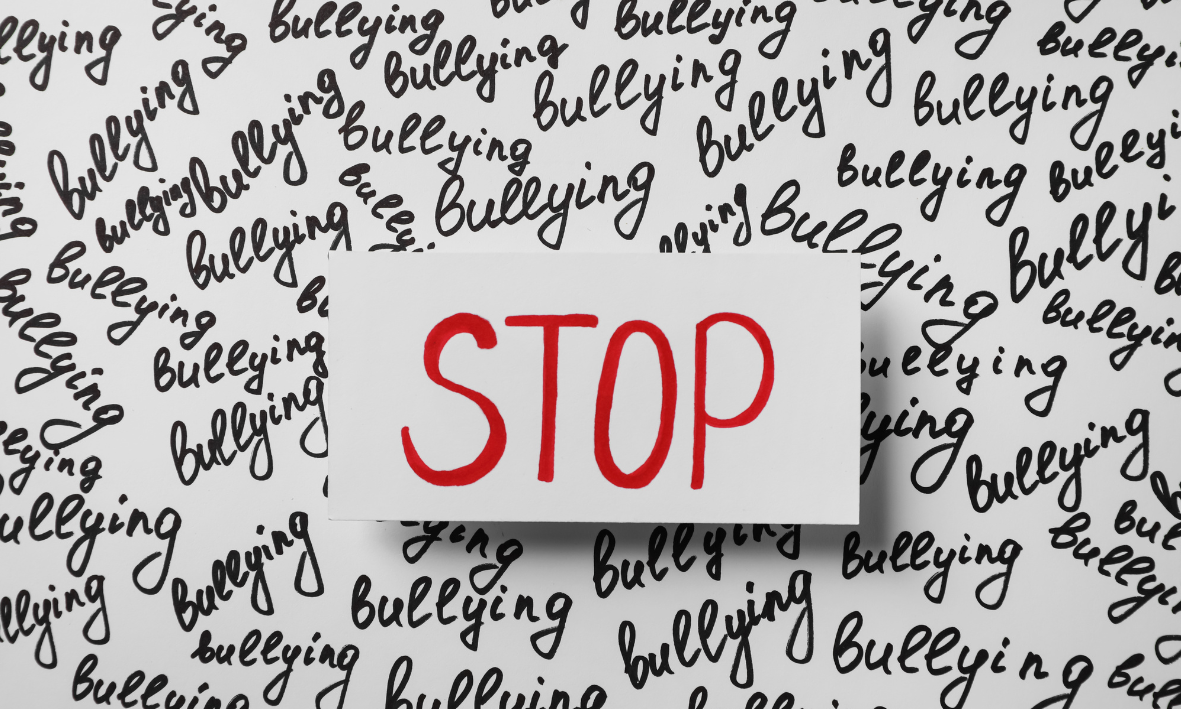
UDM calls for urgent action against school bullying after more than 500 incidents occurred
Statement by Zandile Phiri, Acting Secretary General of the United Democratic Movement The United Democratic Movement (UDM) is deeply concerned about the alarming number of bullying cases reported in South African schools since the start of the 2025 academic year. A staggering 548 incident have been recorded, with Limpopo leading at 305 cases, followed by North West (78), Eastern Cape (68), and other provinces reporting significant numbers. The recent tragic deaths of learners, as well as shocking cases of physical and emotional abuse in schools, highlight the urgent need for decisive action. No child should fear going to school and no family should have to mourn a child due to bullying. The UDM calls on: 1. School authorities to strictly enforce disciplinary measures against bullies, including suspensions, expulsions and criminal charges where necessary. 2. Government to immediately launch a nationwide anti-bullying campaign, involving teachers, parents, learners and law enforcement to educate and prevent further incidents. 3. Schools and school governing bodies to have clear anti-bullying policies that are strictly implemented and monitored. An updated “Addressing Bullying in Schools” manual must be expedited and enforced by mid-2025. 4. Government to ensure that trauma counselling and legal support are available for victims of bullying and their families. 5. School principals, governing bodies and education departments must be held accountable for failing to act on bullying cases. The UDM further calls on the Department of Basic Education, SAPS and the Department of Social Development to intensify their inter-departmental efforts to prevent school violence. Parents, communities and school staff must work together to ensure that schools are safe learning environments for all children. Bullying is not just “child’s play”, it has deadly consequences. The UDM demands urgent action before more lives are lost.
Admin
27 Feb, 2025
UDM raises concerns over education crisis: Our children deserve better
Statement by Zandile Phiri, Acting Secretary General of the United Democratic Movement The United Democratic Movement (UDM) is alarmed by the findings of the latest 2030 Reading Panel report, which confirms the ongoing crisis in South Africa’s education system. This report paints a bleak picture of literacy and mathematics skills among both pupils and educators, further entrenching inequality and threatening the future of our children. According to the Report, a shocking 80% of Grade 3 pupils still cannot read for meaning in any language, while nearly 70% of Grade 6 pupils fail to reach appropriate reading levels in their language of learning and teaching. Even more concerning is the widening gap between pupils who speak English and Afrikaans and those who speak African languages - an unacceptable reality in a democratic South Africa. Equally distressing is the sharp decline in Maths proficiency among teachers. In 2013, only 1.4% of Grade 6 maths teachers had basic maths knowledge; today, that number has jumped to 7.3%. This means too many of our children are being taught by educators who lack essential skills to prepare them for the future. How can we expect our young people to compete in a world driven by science, technology, and innovation when our education system is failing them so badly? While we note the improvement in teacher reading proficiency, with 94% of Grade 6 teachers now classified as critical readers, this progress has yet to translate into better literacy outcomes for pupils. The UDM acknowledges efforts by some provinces to introduce reading assessments, but we need a national approach that ensures no child, regardless of where they live, is left behind. The root causes of this crisis are clear: • The lack of proper teacher training and professional development. • Overcrowded classrooms that prevent individual attention. • Budget cuts that leave provinces struggling to provide basic resources. • Misalignment between universities and the Department of Basic Education, leading to teachers unprepared to teach in African languages. The Department of Basic Education’s slow response has already robbed too many children of their right to quality education. The UDM demands urgent and decisive action: • Immediate intervention in foundation phase education to equip young learners with strong literacy and numeracy skills from the start. • Better teacher training and recruitment, where universities must produce educators who are truly fit for purpose. • Investment in African language education, because language should not be a barrier to success. • Proper budget allocations: Government must better spend funding for quality education. Our children are the future of this country but without the right education, they have no future at all. The UDM calls on the Government of National Unity to step up its game so that every child in South Africa receives the quality education they deserve.
Admin
25 Feb, 2025
South Africa’s climate crisis: UDM calls on GNU to act swiftly
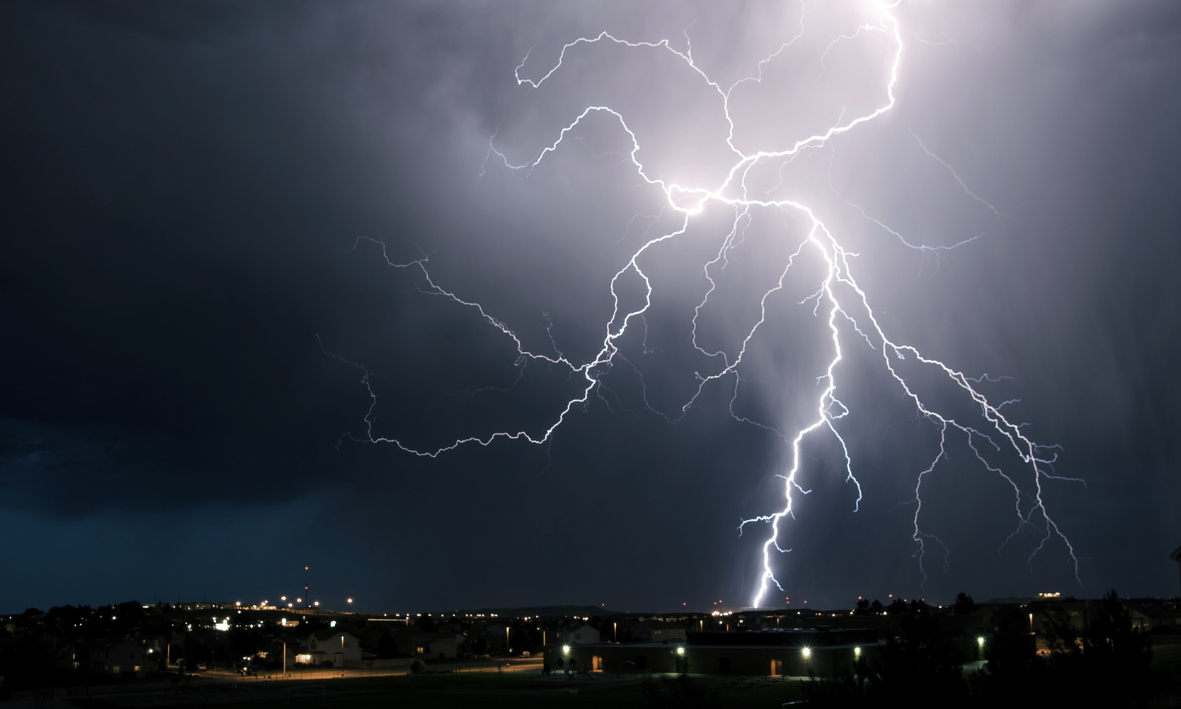
Statement by Zandile Phiri, Acting Secretary General of the United Democratic Movement The United Democratic Movement (UDM) is deeply concerned about the deteriorating climate crisis gripping South Africa. The country is in the grip of a worsening climate change crisis, with extreme weather events hitting harder and more often, putting the country’s people, economy, and environment at risk. Just this month, February 2025, KwaZulu-Natal was hammered by heavy rains and mudslides that killed seven people, while the Eastern Cape saw healthcare facilities wrecked by strong winds and flooding in the Alfred Nzo region. Pretoria has also recently endured a devastating tornado and severe flooding, prompting urgent safety warnings as homes, businesses, and infrastructure were left in ruins. South Africa needs to fight back and stop matters from getting worse. In that case, we need big, bold moves, starting with fixing our energy and transport systems, to cut emissions. The African Risk Capacity (ARC) has published a white paper titled “The State of Natural Disaster in Africa”, which examines the state of natural disasters in Africa and sheds light on a growing concern about the increased frequency of weather-related natural disasters and their devastating economic impact on the continent. Over the last decade, the frequency of disasters has steadily increased, rising from 32 incidents in 2014 to 56 occurrences in 2023, mainly due to floods. This escalating crisis has left South Africa, Mozambique, and Madagascar among the worst-affected nations in Southern Africa. Tackling this crisis requires an aggressive shift towards sustainable solutions. The country must prioritise strengthening its energy and transport systems to reduce emissions and build climate resilience. Government's commitment to renewable energy, as outlined in the Integrated Resource Plan, must be expedited to a just transition away from coal dependency. The potential of solar and wind energy, especially in resource-rich regions like the Northern Cape, must be fully, but carefully, harnessed. Additionally, investment in nuclear power, including small modular reactors that have proven successful in other nations, like China could ensure a stable and clean energy supply. Equally crucial is a transformation in the transport sector, as 90% of the country's transport emissions come primarily from private vehicles. The expansion of the Bus Rapid Transit (BRT) systems, such as Rea Vaya in Johannesburg, A Re Yeng in Tshwane and MyCiTi in Cape Town, could be a game-changer in reducing congestion and emissions. However, these systems must extend beyond major cities to smaller towns and rural areas, where deteriorating roads and limited public transport options have left communities vulnerable. To achieve this, the government must also address the ongoing tensions with the taxi industry and integrate minibus taxis into a cleaner, more efficient public transport system. Rail transport remains another area in dire need of reform. PRASA’s inefficiency, compounded by years of neglect and mismanagement, has rendered the system unreliable, leaving millions (including business and manufacturing) reliant on road transport. Restoring and modernising rail networks could significantly cut emissions while providing a safer, cost-effective transport alternative, particularly during disasters when roads become impassable. Strategic investment in rail infrastructure must become a national priority, ensuring that railways play a meaningful role in South Africa’s green transition. Beyond energy and transport, climate-proofing infrastructure must be embedded into urban planning, agriculture, water management, and disaster preparedness strategies. Extreme weather events are not anomalies but a new reality. Roads, bridges, buildings, and power grids must be designed to withstand severe weather conditions, while early warning systems and emergency response capabilities need urgent enhancement. Strengthening partnerships with global actors, like the European Union, will also be crucial in securing funding and technical expertise to meet the country’s climate targets under the Paris Agreement which for example include a greenhouse gas emission target of 350-420 MtCO2e by 2030. The evidence is undeniable, climate change is no longer a distant threat but an immediate crisis. The UDM believes that the Government of National Unity must act decisively to mitigate its effects, protect vulnerable communities, and build a sustainable future. The tools, policies, and frameworks exist, but without bold leadership and swift implementation, the country risks sliding deeper into an environmental and economic catastrophe. The time for half-measures and lip service has passed, our country needs urgent, transformative action before it is too late.