
Admin

12 Mar, 2026
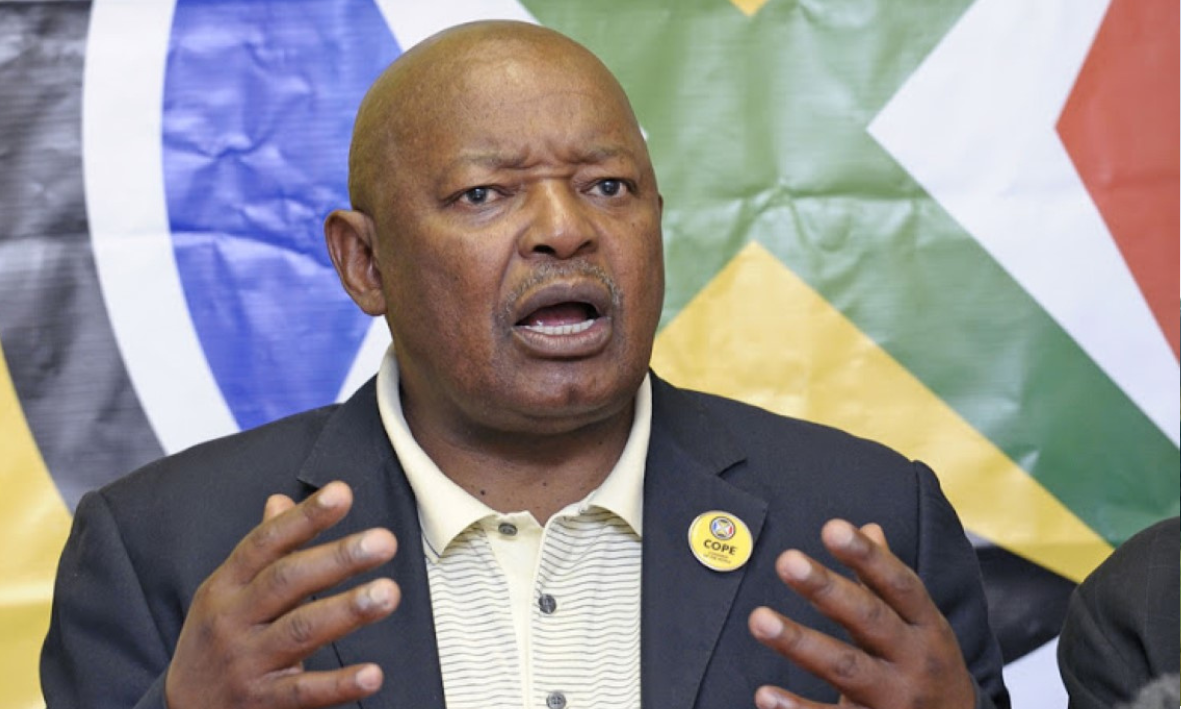
Request for Parliament to accord appropriate recognition due to the late Mr Mosiuoa
12 March 2026 Ms Thokozile Didiza, MP Speaker of the National Assembly Parliament of the Republic of South Africa PO Box 15 Cape Town 8000 Dear Speaker Request for Parliament to accord appropriate recognition due to the late Mr Mosiuoa Lekota 1. I write to you on behalf of the United Democratic Movement (UDM) regarding the passing of the late Mr Mosiuoa Lekota, a veteran of the liberation struggle and a public servant whose contribution to South Africa’s democratic Parliament is beyond dispute. 2. Mr Lekota served this country with distinction across several decades of public life. Of particular relevance to the Parliament of the Republic of South Africa (Parliament), he served as the inaugural Chairperson of the National Council of Provinces (NCOP) following the establishment of that institution under the Constitution of the Republic of South Africa. In that capacity he presided over the second house of Parliament during the formative years of our democratic order and played a meaningful role in shaping the institutional culture and procedures of the NCOP. 3. His broader record of service also includes his tenure as Premier of the Free State and later as Minister of Defence. Across these roles Mr Lekota remained a prominent figure in South African public life and a participant in the difficult work of building democratic institutions in the post-apartheid era. 4. As you are aware, I raised the question of appropriate recognition by Parliament for the late Mr Lekota through the proper parliamentary forums. Unfortunately, the proposal that Parliament formally recognise his contribution was not supported. 5. This outcome is difficult to reconcile with the precedent recently established when Parliament accorded significant institutional recognition to the late Dr Frene Ginwala, former Speaker of the National Assembly. Dr Ginwala was rightly honoured for the historic role she played as the presiding officer of the first democratically elected National Assembly during the formative years of South Africa’s constitutional democracy. 6. In this regard, Mr Lekota’s position in the institutional history of Parliament is directly comparable. As the inaugural Chairperson of the NCOP, he presided over the second house of Parliament during the same foundational period of the first democratic administration. In institutional terms, the role he performed for the NCOP is equivalent to the role performed by Dr Ginwala in the National Assembly. It would therefore be difficult to justify why Parliament would recognise the contribution of one foundational presiding officer while declining to recognise the other. 7. It would therefore be difficult to justify why a leader of Mr Lekota’s stature would not receive comparable institutional recognition. Any perception that recognition is withheld because he later occupied the opposition benches would be deeply unfortunate and would risk creating the impression that Parliament honours former leaders selectively. 8. Parliament is an institution that must stand above party political divisions when recognising those who have contributed to the democratic project. Mr Lekota’s record of service to South Africa, and to Parliament itself, warrants acknowledgement in keeping with the precedent that has already been established. 9. With the funeral of Mr Lekota scheduled to take place this coming Saturday, 14 March 2026 and I respectfully urge your office to reconsider this matter as a matter of urgency so that Parliament may act in a manner that reflects both institutional consistency and respect for the democratic legacy of the late Mr Lekota. Yours sincerely Mr NLS Kwankwa, MP Deputy President of the United Democratic Movement Party Leader in Parliament
Admin
09 Mar, 2026
Request for parliamentary oversight regarding the handling of the UDM complaint to the SAHRC concerning SAFA and Coach Hugo Broos
Ms Thokozile Didiza, MP Speaker of the National Assembly Parliament of the Republic of South Africa PO Box 15 Cape Town 8000 Dear Madam Speaker Request for parliamentary oversight regarding the handling of the UDM complaint to the SAHRC concerning SAFA and Coach Hugo Broos 1. I write to bring to your attention a matter that the United Democratic Movement (UDM) has formally referred to the South African Human Rights Commission (SAHRC), and which has subsequently involved the Commission for Gender Equality (CGE). The matter raises issues that fall within Parliament’s oversight responsibilities. 2. In December 2025, the UDM lodged a complaint with the SAHRC concerning public utterances made by the Bafana Bafana coach, Mr Hugo Broos, as well as the institutional response of the South African Football Association (SAFA). The complaint concerns statements that raise allegations of racial and gender discrimination and therefore implicates constitutional rights protected under the Promotion of Equality and Prevention of Unfair Discrimination Act (PEPUDA). 3. On or about 10 or 11 December 2025, during a media engagement ahead of the 2025 Africa Cup of Nations tournament, Mr Broos made remarks which were widely interpreted as racially and sexually insensitive. The comments prompted significant public concern and raised questions about equality, dignity and representation in South African sport. On 11 December 2025, the UDM formally lodged a complaint with the SAHRC citing both Mr Broos and SAFA as respondents. 4. Subsequent to the public controversy, Mr Broos issued an apology on 15 December 2025, which the UDM accepted in good faith. However, the complaint lodged with the SAHRC was never confined to the conduct of one individual. It also raised broader concerns regarding the institutional response of SAFA and the absence of clear safeguards within sporting structures to address racism and sexism. The acceptance of an apology cannot substitute for institutional accountability where constitutional rights and systemic safeguards are concerned. For that reason, the UDM has consistently maintained that the matter requires consideration of systemic and policy reforms rather than being treated merely as an isolated incident. 5. The complaint was initially raised by UDM Councillor Yongama Zigebe and was formally processed through the Office of the Acting Secretary General (ASG) of the UDM. During engagements in January 2026, the SAHRC informed the UDM that the CGE had also received related complaints and that the two institutions would coordinate their handling of the matter and pursue an independent mediation process as contemplated in PEPUDA. 6. During that engagement and in subsequent written correspondence, the UDM requested clarity on several procedural issues, including whether a prima facie determination had been made that the conduct complained of falls within the ambit of PEPUDA, the anticipated timeline for the proposed mediation process, and the investigative steps undertaken by the SAHRC and CGE. 7. Regrettably, follow up correspondence addressed to the SAHRC and CGE has not received any response. The continued absence of even a basic procedural update or acknowledgement is deeply concerning in a matter involving alleged violations of constitutional rights by a prominent national figure and questions of institutional accountability by a national sporting body. 8. The UDM recognises that Chapter Nine institutions operate under significant resource and budgetary constraints. It is precisely because we respect their constitutional mandates and the important role they play in protecting fundamental rights that we have sought to allow the matter to proceed through the processes contemplated under PEPUDA. 9. However, continued procedural uncertainty cannot be allowed to persist indefinitely. Where a complaint of this nature remains without visible procedural advancement or communication from the responsible institutions, it raises serious concerns regarding the responsiveness of the processes intended to safeguard constitutional rights. 10. Should the situation remain unresolved, the UDM will have no option but to consider appropriate legal avenues to secure procedural clarity and advancement. Such a course would impose additional legal and financial burdens on all parties involved, including the SAHRC and CGE themselves. It is our sincere preference to avoid such an outcome and to allow the matter to be resolved within the existing constitutional framework. 11. It has been suggested in some quarters that the UDM’s complaint was misplaced, that it risked undermining team morale, or that matters of equality should not be raised in the context of national sport. The UDM rejects this characterisation. The complaint was never directed at the Bafana Bafana team or its performance. It concerns statements made in a public capacity and the institutional response to those statements. Issues of equality, dignity and non-discrimination apply across all spheres of public life, including sport. Upholding these principles strengthens the integrity of our institutions and ensures that national teams represent the values of the Constitution as well as the pride of the country. 12. In light of the procedural concerns outlined above, the UDM believes that parliamentary oversight is now both necessary and appropriate. 13. Given the nature of the issues raised, the mandates of several parliamentary committees are directly engaged, namely: 13.1. the Portfolio Committee on Justice and Constitutional Development, which exercises oversight over the SAHRC; 13.2. the Portfolio Committee on Sport, Arts and Culture, which exercises oversight over SAFA; 13.3. the Portfolio Committee on Women, Youth and Persons with Disabilities which exercises oversight over the CGE. 14. The issues raised concern, among others, the protection of equality and dignity in public life, the responsiveness and functioning of Chapter Nine institutions tasked with safeguarding constitutional rights, and the governance and accountability standards expected of national sporting bodies that represent the country internationally. 15. In the ordinary course of parliamentary oversight, the aforementioned committees may wish to satisfy themselves that the relevant constitutional institutions and entities have acted with the necessary responsiveness and procedural clarity in matters implicating equality, dignity and non-discrimination. 16. In light of the above, we respectfully request that your Office take the following steps so that Parliament may exercise its oversight responsibilities: 16.1. refer this matter to the Portfolio Committee on Justice and Constitutional Development for consideration of the procedural handling of the complaint by the SAHRC; 16.2. refer the matter to the Portfolio Committee on Sport, Arts and Culture for consideration of governance and accountability issues relating to the response of the SAFA; and 16.3. refer the matter to the Portfolio Committee on Women, Youth and Persons with Disabilities for consideration of the gender equality dimensions raised in the complaint and the role of the Commission for Gender Equality (CGE). Given the seriousness of the issues involved and the continuing absence of procedural clarity from the SAHRC and the CGE, we urge that this matter be treated with the urgency it warrants. 17. The UDM stands ready to cooperate fully with your Office and with the relevant portfolio committees should Parliament consider it appropriate to engage further on this matter. Upon request, we would be willing to make available the correspondence exchanged with the SAHRC and the CGE, as well as any related documentation, so that the committees may be fully apprised of the procedural history of the complaint. 18. The UDM remains committed to resolving this matter through lawful and constructive processes that uphold the Constitution and protect the dignity and equality of all South Africans. We are equally committed to the preservation and strengthening of our sporting codes and to the national pride that South Africans across race and gender place in our national teams. These are not competing ideals, but complementary ones that should guide the institutions entrusted with representing the nation. Yours sincerely Mr NLS Kwankwa, MP Deputy President of the United Democratic Movement Party Leader in Parliament Copied to: • Mr Xola Nqola, Chairperson of the Portfolio Committee on Justice and Constitutional Development • Mr Joseph McGluwa, Chairperson of the Portfolio Committee on Sport, Arts and Culture • Ms Liezl van der Merwe, Chairperson of the Portfolio Committee on Women, Youth and Persons with Disabilities • Mr Tsietsi Shuping, Head of Department: Legal Services, Commission of Gender Equality • Ms Zamantungwa Mbeki, Provincial Manager, South African Human Rights Commission • Deputy Minister Bantu Holomisa, MP and UDM President • Ms Zandile Phiri, UDM Acting Secretary General • Ms Thandi Nontenja, MP, UDM National Treasurer and Chief Whip in the National Assembly • Cllr Yongama Zigebe, originator of the HSRC complaint • Ms Khazimla Ngalwa, Parliamentary Assistant to Mr Nqabayomzi Kwankwa, MP

Admin
13 Feb, 2026
SONA2026: vision has been declared. Delivery will decide
Statement by Nqabayomzi Kwankwa, MP, UDM Deputy President and Leader in Parliament The 2026 State of the Nation Address was characteristically vision driven, aspirational and wide ranging. President Cyril Ramaphosa once again laid out an ambitious reform agenda across the economy, crime prevention, local government, infrastructure, agriculture, public service reform and social protection. The difficulty, however, has never been the quality of the vision. The difficulty has consistently been implementation. South Africa has heard many turning point speeches over the past decade. Each one has identified the correct problems. Each one has proposed the appropriate frameworks. Yet departments have repeatedly failed in execution, coordination and accountability. That is the central concern the United Democratic Movement (UDM) raises in response to this address. On the economy, President Ramaphosa points to improved macroeconomic indicators, investment commitments and infrastructure allocations. These are welcome developments. However, macro stability does not automatically translate into employment at scale. The UDM will be watching closely whether infrastructure projects move beyond announcement phases and whether small and medium enterprises actually experience reduced red tape and improved access to markets and finance. The same applies to energy reform and logistics recovery. Structural reform is necessary, but tariff stability, grid expansion and port efficiency must now be visible in declining costs and increased competitiveness. South Africans cannot live on reform processes. They must feel outcomes. The President’s firm stance against organised crime is appropriate. Organised syndicates, illicit trade, illegal mining and gang violence are undermining the state and terrorising communities. The deployment of the South African National Defence Force to support the police is a serious step and reflects the gravity of the situation. However, such deployments must be carefully managed and time bound. UDM President General Bantu Holomisa, MP has however cautioned that when the South African National Defence Force (SANDF) is deployed internally, public cooperation is essential. Communities must cooperate fully and ensure that firearms are not drawn against soldiers. Escalation will only result in tragedy. At the same time, deployment must not become a substitute for fixing weaknesses within South African Police Services (SAPS) and the criminal justice system. Long term safety depends on professional policing, intelligence coordination and successful prosecutions. On the water crisis and local government reform, the President Ramaphosa has correctly identified systemic failure, poor planning and patronage as root causes. The establishment of a National Water Crisis Committee and the threat of personal liability for municipal managers signal seriousness. But here too, the UDM’s concern is implementation. We have seen interventions before. The question is whether dysfunctional municipalities will actually be stabilised, whether revenue will be ring fenced for infrastructure maintenance and whether political interference in appointments will truly end. The response to foot and mouth disease and the commitment to vaccinate the national herd is necessary. Yet this outbreak again highlights a pattern of reactive governance rather than anticipatory planning. Biosecurity must become a permanent strategic priority, not an emergency response after damage has been done. Smaller and communal farmers must not be left exposed while policy is refined. On youth employment and skills reform, the structural overhaul of the training system is overdue. However, public employment programmes must evolve into real economic pathways. Too many young people cycle through short term opportunities without progression into permanent work. The continuation and redesign of the Social Relief of Distress grant is understandable in the current economic climate. But redesign must be credible, administratively stable and clearly linked to economic participation. Dependency without opportunity cannot be the long-term model. President Ramaphosa speaks of professionalising the public service and insulating appointments from political interference. The UDM strongly supports this. Yet the country will judge reform by whether unqualified individuals are removed from critical posts and whether disciplinary processes are finalised swiftly. Announcing professionalisation is not the same as enforcing it. In many respects, the 2026 State of the Nation Address identifies the right priorities. The risk lies in whether line departments possess the capacity, discipline and coordination to deliver at the speed required. Vision without execution deepens public frustration. The UDM therefore approaches this address with cautious scrutiny. We will support reforms that strengthen the state, protect communities and grow the economy. But we will equally insist on measurable timelines, transparent reporting and consequence management where departments fail. In many respects, the 2026 State of the Nation Address identifies the correct priorities. The risk lies in whether line departments possess the capacity, discipline and coordination to deliver at the speed required. Vision without execution deepens public frustration. The UDM therefore approaches this address with cautious scrutiny. We will support reforms that strengthen the state, protect communities and grow the economy. But we will equally insist on measurable timelines, transparent reporting and consequence management where departments fail. The true test of this vision will begin in the upcoming Budget Votes and departmental budget speeches. It is there that priorities must be matched with credible allocations, implementation frameworks and performance targets. It is there that we will see whether this is a speech of intention or a programme of action. South Africans are not asking for inspiration alone. They are asking for implementation. 2026 must not become another year of plans layered upon plans. It must become the year where delivery finally catches up with vision.

Admin
23 Oct, 2025
On the eve of United Nations Day, UDM urges Israel and Palestine to return to the path of peace
Statement by Nqabayomzi Kwankwa, MP, UDM Deputy President and Leader in Parliament As the world prepares to mark United Nations Day tomorrow, the United Democratic Movement (UDM) reflects on the founding vision of the United Nations: a world governed by peace, justice and respect for human dignity. The UN was established in 1945 to prevent the horrors of war and to create a framework for collective security, equality and cooperation among nations. This year’s observance comes at a time when the principles on which the UN was built are being tested. The International Court of Justice (ICJ) reaffirmed that Israel, as an occupying power, has a binding legal duty to protect the rights of the Palestinian people and to allow humanitarian aid to reach civilians in need. The Court found that Israel has failed to meet these obligations and ordered it to facilitate the work of UN agencies and other impartial organisations providing relief in Gaza. For South Africa, this judgment carries deep significance. It was our nation that brought the case before the ICJ, guided by the belief that the rule of law must apply equally to all nations. In doing so, South Africa demonstrated that moral leadership and courage are not measured by power, but by principle. The United Nations’ Independent International Commission of Inquiry on the Occupied Palestinian Territory, including East Jerusalem, and Israel has confirmed that acts committed in Gaza amount to genocide as defined under the 1948 Convention on the Prevention and Punishment of the Crime of Genocide. The Commission found evidence of systematic attacks on civilians, the destruction of essential infrastructure, the denial of humanitarian access and the expression of genocidal intent by state officials. These are not political claims; they are the findings of a UN mandated body, and they demand accountability. At the same time, the UDM believes that accountability must be matched by diplomacy. The tragedy in Gaza will not end through arms alone. The UDM calls on Israel and Palestine to find each other at the negotiation table, to engage sincerely and inclusively under international mediation, and to pursue a permanent peace that recognises the rights, security and dignity of both peoples. Peace without justice cannot last, but justice without dialogue cannot begin. The UDM believes that these developments renew the global relevance of the United Nations and the urgent need for multilateral cooperation. The UN remains the only legitimate forum where justice can be pursued collectively and where the weak can stand equal before the law with the powerful. However, the credibility of this system depends on the willingness of member states to respect its institutions and to implement its rulings in good faith. On the eve of United Nations Day, South Africa must reaffirm its commitment to the ideals that inspired our own liberation. Our nation must continue to champion human rights, international justice and solidarity with oppressed peoples everywhere. The promise of the United Nations will only be fulfilled when the world measures peace not by silence between wars, but by justice among nations.

Admin
21 Oct, 2025
Call for calm and no protest action at Milnerton High tomorrow
Statement by Nqabayomzi Kwankwa, MP, UDM Deputy President and Leader in Parliament The United Democratic Movement (UDM) is aware of calls circulating for protest action at Milnerton High School tomorrow, following the assault of ten Grade 10 learners during an alleged initiation ritual. The UDM does not support the call for protest action at the school tomorrow. Such action would only disrupt the learning environment and risk inflaming tensions at a time when constructive engagement is yielding results. Mr Nqabayomzi Kwankwa has met with the parents of the affected learners, who expressed appreciation for the support extended to their children and for the constructive manner in which the matter is being handled. They have appealed for calm and for all actions to remain peaceful and respectful of the ongoing processes. The UDM notes and welcomes the announcement by the Milnerton High School, that the School Governing Body has met and approved the precautionary suspension of eight learners. This step was taken to ensure a fair and transparent process while maintaining a safe and conducive learning environment for all learners. The UDM commends this responsible action, which demonstrates that the matter is being dealt with seriously and in accordance with due process. The UDM calls on all concerned parties to act with patience and responsibility. The matric learners are currently writing their final examinations, and it is essential that their focus and peace of mind are not disrupted. The safety and stability of the school environment must be preserved so that teaching and learning can continue without interference. South Africans must allow due process to take its course. Justice for the victims must be achieved through the rule of law, not through disorder.

Admin
21 Oct, 2025
UDM demands accountability after Milnerton High bullying incident
Statement by Nqabayomzi Kwankwa, MP, UDM Deputy President and Leader in Parliament The United Democratic Movement (UDM) notes with great concern the disturbing incident that took place at Milnerton High School on Thursday, 16 October 2025, where ten Grade 10 learners were brutally assaulted in what has been described as an initiation ritual carried out by Grade 11 boys, allegedly members of the school’s first-team rugby squad. Reports indicate that the victims were struck with various objects, including hockey sticks, during this so-called initiation. One learner sustained serious injuries and required medical attention, while others remain traumatised. Some of the victims have reportedly received threats from those implicated in the attack. Video footage circulating on social media appears to confirm that the incident was not an isolated act of bullying, but an organised initiation assault conducted within a school environment. The recording shows a group of older learners in sports attire surrounding and striking younger pupils while others looked on and encouraged the abuse. This reinforces the urgent need for accountability not only from the perpetrators but also from the school authorities who failed to prevent or detect such behaviour. The UDM welcomes confirmation from Western Cape Provincial Commissioner of Police, Lieutenant General Thembisile Pathekile, that a criminal investigation into the incident is underway, following Mr Kwankwa’s engagement with his office. The Party also notes the assurance from Western Cape MEC for Education, Mr David Manier, that disciplinary measures are being implemented after Mr Kwankwa raised the matter with him. Mr Kwankwa will also personally meet with the parents of the affected learners during the course of the day to hear their experiences first-hand, monitor progress on both the criminal and disciplinary fronts, and ensure that the learners receive the protection and support they deserve. While these steps are necessary, the UDM maintains that the matter cannot end there. We are writing to Minister of Basic Education Ms Siviwe Gwarube to demand that her Department intervene decisively to eradicate violent initiation practices from all schools, and to institute a comprehensive review of learner-safety protocols, particularly in sporting environments. In addition, Mr Kwankwa has engaged the Western Cape MEC for Social Development, Mr Jaco Londt, who has agreed to assist in ensuring that psychosocial support services are provided to the affected learners and their families without delay. We will soon write formally to Mr Londt with the details of the affected learners to facilitate this support. The UDM welcomes this commitment, as the emotional and psychological trauma inflicted by such violence can be long-lasting, and professional assistance is essential to help these young people recover and rebuild their confidence. This act of violence is indefensible. It represents a breakdown of discipline and moral leadership within the school environment. There can be no justification for the culture of intimidation and abuse that continues to masquerade as tradition or team bonding in some schools. Bullying and violent initiation practices have no place in a democratic society that values human dignity and child protection. Schools must be safe spaces where learners grow in confidence and character, not fear and humiliation. The UDM urges parents, teachers, and learners to unite in speaking out against school violence and to restore the values of safety, respect, and discipline in our education system.

Admin
19 Oct, 2025
Accountability or control? UDM questions motives behind intelligence shake-up
Statement by Nqabayomzi Kwankwa, MP, UDM Deputy President and Leader in Parliament The United Democratic Movement (UDM) notes President Cyril?Ramaphosa’s suspension of Inspector-General of Intelligence Imtiaz Fazel, pending investigation by the Joint Standing Committee on Intelligence (JSCI). This decision leaves the public without credible explanation about the nature of the complaint or the grounds for this action. The Office of the Inspector-General is not just symbolic. It is the constitutional safeguard ensuring South Africa’s intelligence services operate lawfully, ethically and in the national interest. The clarity, independence and stability of this office are vital. If the office is undermined through secrecy the rule of law and confidence in our security architecture are greatly damaged. Minister in the Presidency Khumbudzo?Ntshavheni’s assurance that intelligence services “remain operational” misses the point. The question is not whether the machinery of intelligence continues to function but who is watching the watchers. Operational continuity means little when independent oversight is compromised. The timing and swiftness of this suspension stands in stark contrast to the presidency’s usual inaction when serious complaints are made against ministers and senior officials. The inconsistency suggests selective accountability and deepens suspicion that the rules of good governance apply unevenly depending on who is involved. It is also deeply ironic that intelligence services now fall under the direct political responsibility of the Presidency while one of the country’s most serious intelligence-related controversies, the so-called Phala Phala matter, remains unresolved. If the Presidency truly holds intelligence policy, the country deserves more than vague reassurances; it deserves transparency, independent oversight and credible accountability from the very top. When Imtiaz Fazel was appointed, he faced three major and publicly identified challenges: 1) ensuring proper oversight access and institutional independence for his office; 2) addressing past misuse of intelligence for political or factional ends; and 3) transforming intelligence structures from purely reactive to proactive, especially in the light of major failures of intelligence-led prevention. The first challenge was that the oversight office was funded by the very agency it was meant to monitor. The second challenge recognised that intelligence services had been weaponised in internal politics. The third flagged the failure of the intelligence community to anticipate or prevent major unrest, such as the July 2021 unrest. In other words, Fazel inherited a job filled with structural obstacles and institutional vulnerability. Now his sudden suspension, without full public explanation, raises the question: if an official who called for independence, accountability and reform is now being suspended, is the oversight architecture being penalised for doing its job? The optics of this matter cannot be ignored. The question is no longer simply whether intelligence is functioning. The question is whether accountability has become the casualty. In December 2023 Mr Fazel publicly told Parliament that his office lacked autonomy and called for control over its own budget, staffing and operations. He also warned that without reform, oversight would remain subservient to the very agencies it was meant to supervise. If an official who demanded independence is now suspended without explanation, South Africans are right to ask who benefits from his removal. The UDM’s policy on intelligence is rooted in a simple principle: South Africa’s security institutions must serve the people, not politics. Our vision is to transform outdated and fragmented intelligence structures into modern, professional and accountable agencies that protect citizens and uphold the Constitution. We believe that the real threats to national security are organised crime, corruption and terrorism, and that intelligence resources must be directed accordingly. To confront these challenges effectively, the country must invest in crime intelligence so that policing decisions are based on accurate information, not speculation. Equally important is the need for closer coordination between the ministries of justice, police, correctional services, defence and national intelligence. In the UDM’s view, the true purpose of intelligence is to safeguard constitutional values, ensure public safety and strengthen democracy. It must never be used as a political instrument or a weapon in internal power struggles. This is the lens through which the UDM views the current situation. The secrecy surrounding the suspension of the Inspector General undermines the very goal of building a professional, accountable and transparent intelligence community. The UDM’s call 1. The Joint Standing Committee on Intelligence must inform Parliament and the public, within the limits of confidentiality, about the nature of the complaint, the terms of reference of its inquiry and the expected timeline for completion. 2. The Presidency must guarantee that the independence of the Inspector General’s office will not be undermined or manipulated for political convenience. 3. Government must immediately begin reforming the Intelligence Services Oversight Act to give the Inspector General genuine autonomy, full control of its own budget and staff, and clear protection against arbitrary suspension or removal. 4. The President must account for the apparent inconsistency between his swift action in this case and his persistent inaction when serious allegations are made against members of his Cabinet. 5. Parliament must ensure that the broader intelligence reform agenda is implemented in line with the UDM’s policy vision of professional, coordinated and transparent intelligence services focused on fighting corruption, organised crime and terrorism, rather than political battles. South Africa’s democracy depends on intelligence that serves the people, not the powerful. The secrecy, inconsistency and lack of clarity surrounding this suspension are unacceptable. The public deserves to know whether this is about accountability or control. Crime in South Africa is out of control. Communities across the country are under siege from violent criminals, organised syndicates, hijackings, kidnappings, cash-in-transit heists and illicit trade networks that operate with alarming sophistication. The reality is that crime prevention begins with intelligence. Without accurate and coordinated intelligence gathering, our police and security agencies are simply reacting to crime instead of preventing it. Weak oversight and political interference only make this worse. South Africans cannot afford an intelligence system that is distracted by secrecy and infighting while the country burns.

Admin
17 Oct, 2025
Restoring trust in law enforcement: new national crime prevention framework is needed
Statement by Nqabayomzi Kwankwa, MP, UDM Deputy President and Leader in Parliament Only 22 percent of South Africans still trust the police. That figure, revealed by the Human Sciences Research Council, is not a statistic; it is a national alarm bell. A country without faith in its police cannot guarantee justice or safety. In recent weeks, incidents of citizens burning police vehicles and attacking officers have become a tragic symptom of how deeply fractured the relationship between law enforcement and communities has become. These acts cannot be condoned, yet they reveal the frustration and despair of people who feel abandoned and unprotected. The United Democratic Movement (UDM) has long warned that the erosion of trust in the police is not accidental. It stems from years of poor leadership, internal misconduct, and weak accountability. As a political party that has consistently championed ethical governance and professional policing, the UDM has repeatedly called on the South African Police Services (SAPS) to clean up its act, restore command integrity, strengthen internal discipline, and rebuild the professional standards expected of a constitutional democracy. When police officers act without consequence, ordinary South Africans lose hope, and criminal networks thrive. The ongoing Madlanga Commission continues to shed light on the seriousness of the challenges facing the police service. Allegations raised during these hearings have underscored the need for the SAPS to confront corruption and mismanagement head on, to ensure that law enforcement serves the public interest and not private agendas. The UDM believes the Commission provides an important opportunity for the police to reflect, reform, and rebuild credibility through transparency and truth. The Ad Hoc Committee in Parliament has become an important platform for uncovering the depth of dysfunction within the SAPS and its oversight structures. While the UDM is not represented on this committee, we will continue to follow its work closely and insist that it leads to concrete reforms, not political theatre. Oversight must be used to restore the integrity of policing, not to manage scandal. The South African public is watching, and it deserves a process that results in accountability, not performance. The UDM condemns the failure of Acting Police Minister Firoz Cachalia and National Commissioner Fannie Masemola to appear before the Portfolio Committee on Police on 15 October 2025. Their absence forced the committee to defer the meeting without hearing from key entities, including the Auditor General. This disregard for Parliament’s oversight at a time of crisis undermines accountability and sends the wrong message to the public. South Africa cannot afford another cycle of delays, denials, or political protection. The UDM calls for a complete overhaul of South Africa’s approach to crime prevention and policing, anchored in the following principles: 1. The SAPS must be depoliticised and led by skilled, ethical professionals who are committed to service, accountability, and the rule of law. 2. Government must coordinate policing, social development, and education programmes to address the root causes of crime, including poverty, youth unemployment, and substance abuse. 3. Law enforcement visibility must be increased through better resourced police stations, functional patrol units, and active Community Policing Forums that work in partnership with residents. 4. The SAPS must modernise its operations by investing in technology, digital forensics, and intelligence-led policing to stay ahead of organised crime. 5. Independent oversight bodies such as the Independent Police Investigative Directorate and parliamentary committees must be strengthened to ensure transparency, swift investigation of misconduct, and regular public reporting. 6. The criminal justice system must focus not only on punishment but also on prevention, rehabilitation, and social reintegration, so that cycles of violence are broken and communities are rebuilt. The UDM further urges the Government of National Unity to establish a National Crime Prevention Council that brings together national, provincial, and local law enforcement agencies with civil society, the private sector, and research institutions. Such a structure must coordinate intelligence, align policing priorities, and measure progress on crime reduction across the country. South Africa needs a whole of government response that unites every sphere of the state in restoring safety and public trust. Safety is a constitutional right, not a privilege. Weak leadership weakens justice. The UDM calls on the Government of National Unity to treat crime prevention and police reform as an urgent national priority, not another task for committees and talk shops. The GNU must move beyond rhetoric and deliver a coordinated, well resourced, and accountable plan to rebuild trust between citizens and the state. South Africans deserve a police service that protects them, not one they fear, and a government that acts, not one that explains.
Admin
13 Oct, 2025
No more raw deals: UDM calls for industrialisation through beneficiation
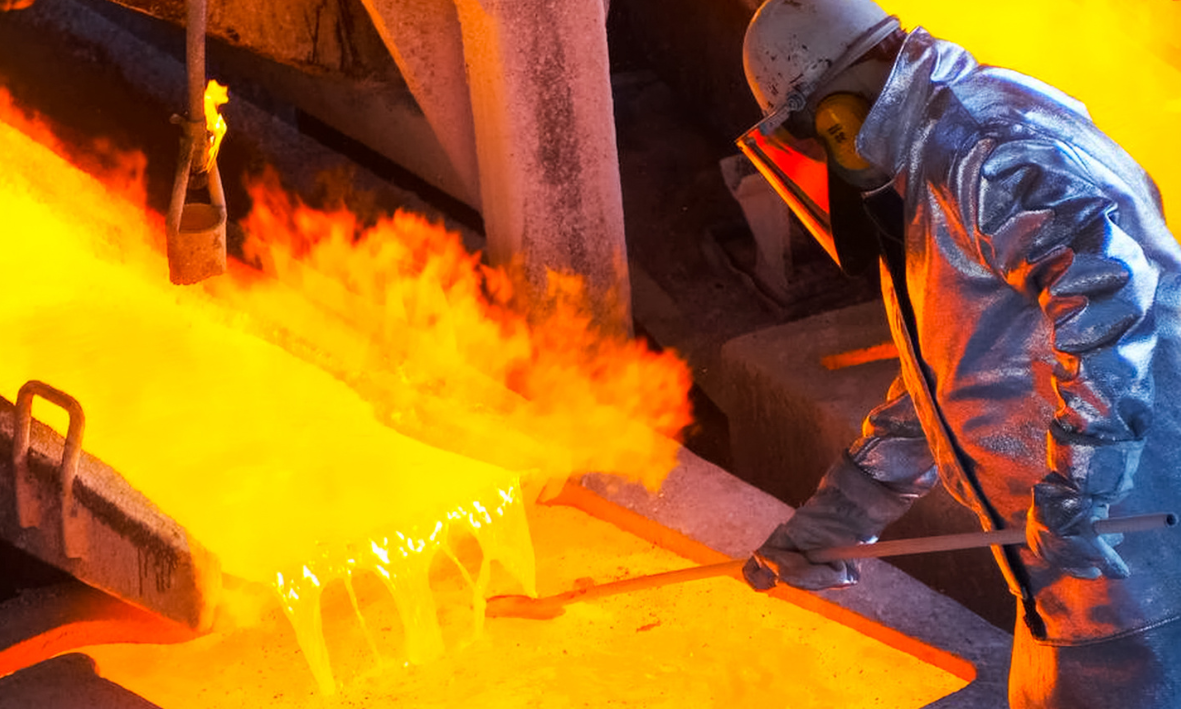
Statement by Nqabayomzi Kwankwa, MP, UDM Deputy President and Leader in Parliament The United Democratic Movement (UDM) welcomes the growing national recognition that South Africa can no longer afford to export its mineral wealth in raw form. Mining expert David van Wyk, senior researcher at the Bench Mark Foundation, has echoed what the UDM has consistently maintained: that sending our raw minerals abroad while importing finished goods back at high prices is economic madness that robs South Africans of jobs, skills, and industrial capacity. We also note that President Ramaphosa and Minister of Mineral Resources and Energy Gwede Mantashe have recently begun echoing the same arguments that the UDM has advanced for decades. It seems that government has at last cottoned onto our long-standing policy vision that beneficiation is not a slogan but the foundation for a self-reliant and inclusive economy. However, beneficiation cannot succeed through rhetoric alone. It requires practical readiness and firm commitment to implementation. South Africa needs affordable and reliable electricity, efficient rail and port systems, well-maintained roads and water infrastructure, sustained investment in research and technology, sound legislative frameworks, and policy certainty that inspires confidence among responsible investors. Without these foundations, talk of industrialisation will remain hollow. These are not new insights; they are the very obstacles the UDM has been raising in Parliament and in public since the late 1990s. In particular, the UDM reiterates that the revival of the national rail network is central to any beneficiation strategy. Rail is the backbone of mineral logistics, yet years of neglect, theft, and mismanagement at Transnet have crippled our ability to move bulk commodities cost-effectively. The UDM calls for an urgent rail recovery plan that includes modernisation of freight corridors, tighter security along strategic lines, and partnerships with the private sector and neighbouring states to open regional export routes. Without a reliable and affordable rail system, the promise of beneficiation will remain out of reach and South Africa will continue to lose billions to inefficiency and road damage. The UDM calls for the following: 1. Compulsory and measurable beneficiation targets that ensure South Africa no longer exports its wealth in raw form. This must be backed by reliable and affordable electricity, functioning transport networks, and a modern rail system capable of carrying bulk commodities and finished products efficiently. 2. A phased and strategic approach to export controls that links any restrictions or taxes to proven domestic readiness. Government must first fix energy, rail, and port infrastructure before introducing policies that could undermine mining operations or investment. 3. Focused public incentives for companies that process minerals locally, including tax relief, concessional financing, and access to industrial zones. These incentives must reward firms that create jobs, invest in new technology, and commit to training South African workers. 4. Concrete benefit-sharing for mining communities through local procurement, infrastructure investment, social facilities, and ownership opportunities. The people living alongside mines must see tangible improvements in their daily lives as part of beneficiation policy. 5. An urgent national rail recovery and modernisation plan to rebuild Transnet’s freight capacity, strengthen security against theft and vandalism, and link mining areas to ports and industrial hubs across the SADC region. Efficient rail transport will reduce road damage, lower logistics costs, and unlock regional trade potential. 6. A coordinated governance structure that brings together the Departments of Mineral Resources and Energy, Trade, Industry and Competition, Public Enterprises, Transport, and Science and Innovation. This structure must track progress, align funding, and report annually to Parliament on beneficiation outcomes. For too long, South Africa’s mineral riches have been a blessing squandered. Beneficiation offers a path to rebuild our industries and restore dignity to our people. The Government of National Unity must now prove that it governs for South Africans, not for exporters and elites.
Admin
10 Oct, 2025
Justice must prevail: UDM applauds flotilla mission and reaffirms support for ICJ process
Statement by Nqabayomzi Kwankwa, MP, UDM Deputy President and Leader in Parliament The United Democratic Movement (UDM) welcomes home the six South African activists who were detained after joining the Global Sumud Flotilla on its humanitarian mission to Gaza. The Party salutes Nkosi Mandla Mandela, Zukiswa Wanner, Carolyn Shelver, Zaheera Soomar, Dr Fatima Hendricks and Reaz Moola for their courage and solidarity with the people of Palestine. Their safe return to South African soil is a relief to their families and to all who value human rights and compassion. Yet their ordeal should trouble every conscience. The activists have spoken of terrifying experiences at the hands of Israeli forces. They described rifles being pointed at their heads, religious garments being torn off, humiliation, intimidation and degrading treatment. Dr Hendricks, a cancer survivor, recounted being stripped of her hijab and mocked by soldiers while in detention. These are not acts of security enforcement but violations of human dignity. The UDM condemns the abuse of humanitarian workers in the strongest possible terms. Those who deliver food, medicine and hope must never be treated as enemies. Their testimonies must be documented and investigated by international human rights bodies. The state of Israel must be held fully accountable for its actions and must respect international humanitarian law. This incident also comes at a time when the International Court of Justice (ICJ) is preparing to rule on Israel’s obligations in the occupied Palestinian territories. The world awaits this ruling with great anticipation. It was South Africa that brought this matter before the Court, arguing that Israel’s actions in Gaza and the West Bank amount to violations of the Genocide Convention and other fundamental principles of international law. In its earlier provisional orders, the ICJ directed Israel to prevent acts that could constitute genocide and to allow unimpeded humanitarian access. The forthcoming advisory opinion is therefore not an abstract legal exercise, but a continuation of a process initiated by South Africa in defence of international justice and human rights. Our country must continue to play a leading role in ensuring that these legal processes are respected and that the authority of the ICJ is upheld. This is both a legal duty and a moral obligation rooted in our own struggle for freedom, equality and dignity. The return of our compatriots should not mark the end of our concern but the strengthening of our resolve. Their courage reminds us that solidarity with the oppressed is not an act of charity but of justice. The UDM reaffirms that peace in the Middle East will only be achieved through justice and respect for human rights. The protection of civilians, the integrity of international law, and the equal dignity of all people must guide every nation’s actions.

Admin
05 Oct, 2025
Post Office mismanagement: a wake-up call for real reform
Statement by Nqabayomzi Kwankwa, MP, UDM Deputy President and Leader in Parliament The United Democratic Movement (UDM) notes with grave concern the Auditor-General’s latest findings exposing widespread financial mismanagement at the South African Post Office (SAPO). The report paints a disturbing picture of an institution crippled by irregular expenditure, poor governance, and an almost total breakdown of accountability. This confirms what the UDM has been warning for years, which is that the collapse of SAPO is not the result of underfunding, but of deep-seated mismanagement and lack of strategic direction. The figures laid bare by the Auditor-General reveal an institution that continues to haemorrhage public funds while failing to deliver even the most basic of services to South Africans. The Post Office remains insolvent, unmodernised, and incapable of performing its core mandate. Worse still, the same management failures that bankrupted SAPO are now being rewarded with additional bailouts, while thousands of workers have been retrenched or left unpaid. Treasury confirmed that SAPO will not receive any new financial rescue packages beyond the R381 million allocated through the Unemployment Insurance Fund’s (UIF) Temporary Employee Relief Scheme. The UDM has repeatedly cautioned that using the UIF to bail out failing state entities is a dangerous precedent that places workers’ hard-earned contributions at risk. The UDM reiterates the position we took as early as 2023 and 2024: that the Post Office’s crisis cannot be solved through bailouts and business rescue plans that merely reshuffle management and cut jobs. Instead, SAPO must redefine its role as a modern public utility that meets the needs of the people it serves. The UDM again calls for: 1. SAPO to diversify its services by expanding into insurance, microfinance and other community-based financial services that cater to rural and low-income customers. 2. A strong focus on digital transformation by embracing e-commerce logistics, secure digital postal services and providing public internet access to ensure competitiveness in the 21st century. 3. Greater accountability and oversight, with the Department of Communications and Digital Technologies ensuring that bailout funds are used transparently and that management failures result in real consequences rather than rewards. 4. The protection of workers, as retrenchments cannot be viewed as a genuine reform strategy. Government must instead explore alternatives such as redeployment and retraining through institutions like Productivity South Africa. Like Alexkor, Denel, Eskom, Transnet, Land Bank, Passenger Rail Agency of South Africa, South African Airways, South African Broadcasting Corporation, SAPO has become a symbol of failed oversight, where billions in taxpayer funds are poured into institutions that cannot deliver sustainable or efficient public service SAPO was once a cornerstone of community life; a bridge between people and government. Today, it has become a symbol of failure. The Auditor-General’s report must serve as a wake-up call that the time for patchwork solutions has long passed.

Admin
03 Oct, 2025
Open letter to the Financial Sector Conduct Authority, National Treasury and the government of South Africa on pension arrears
Mr Enoch Godongwana, MP Minister of Finance Private Bag X115 Pretoria 0001 and Mr Velenkosini Hlabisa, MP Minister of the Department of Cooperative Governance and Traditional Affairs Private Bag X802 Pretoria 0001 and Commissioner Unathi Kamlana Financial Sector Conduct Authority PO Box 35655 Menlo Park 0102 Dear Minister Godongwana, Minister Hlabisa and Commissioner Kamlana An open letter to the Financial Sector Conduct Authority, National Treasury and the government of South Africa on pension arrears 1. The United Democratic Movement (UDM) writes with grave concern about the worsening crisis of unpaid pension contributions, recently highlighted by the Financial Sector Conduct Authority (FSCA). According to the FSCA, employers across South Africa owe more than R7.29 billion in pension arrears, affecting nearly 600,000 workers. 2. This is not only a financial scandal; it is a betrayal of trust. Pensions are not perks; they are deferred wages. For thousands of workers, the discovery that contributions deducted from their salaries were never paid over to pension funds has caused shock and despair. Many only became aware of this painful truth when attempting to access their savings under the two-pot retirement system in September 2024. 3. The introduction of the two-pot retirement system was meant to improve financial security by splitting new contributions into a savings pot, from which one withdrawal can be made each year, and a retirement pot, which remains locked until retirement. Instead of providing relief, the system has exposed the depth of the arrears crisis. When workers tried to make their first withdrawals, many discovered that their contributions had never been transferred to their funds. What should have been a safety net has become proof of betrayal, leaving workers with empty accounts where their savings should have been. 4. Families who are already struggling with rising costs of living now face the indignity of poverty in their old age because of the failures of their employers and the weakness of the regulatory framework. 5. As a party within the Government of National Unity (GNU), the UDM sees it as our duty to exercise firm oversight from within, ensuring that government does not turn a blind eye to failures that harm workers and their families 6. The scale of the crisis 6.1. The arrears problem is no longer marginal; it is systemic. Arrears surged by 40% in one year to reach over R7 billion. Nearly 600,000 workers are affected, with many still in employment and others already retired. Over 1,000 cases have been referred to the South African Police Service, and more than 8,000 instances of legal action have been initiated by retirement funds. Yet, prosecutions remain limited and recoveries slow. 6.2. This problem is not confined to small businesses. Large provident funds such as the Auto Workers Provident Fund and the Motor Industry Provident Fund account for the bulk of legal actions, and government itself has emerged as one of the biggest culprits. 7. Accuracy and transparency of data 7.1. While the scale of the arrears is shocking, there are also concerns about the accuracy of FSCA data. Reports have shown that some employers named in arrears lists insist they had made payments, but that the arrears were still reflected because of delays in updating data, incomplete reporting by funds, or administrative errors. 7.2. Such inaccuracies undermine trust in the regulatory system, cause reputational harm to compliant employers, and create confusion for workers. Transparency only has value if the information is accurate and up to date. Workers and Parliament need figures they can rely on. 8. The systemic weaknesses 8.1. The UDM acknowledges steps the FSCA has taken, including publishing arrears lists, collaborating with Treasury and the Hawks, recovering R39 million and R50 million from municipalities through withheld transfers, and securing court orders against delinquent municipalities and company directors. These are important interventions. 8.2. However, they remain insufficient. The FSCA itself admits that it lacks full powers over employers until the Conduct of Financial Institutions (COFI) Bill is passed into law. Enforcement is slow, arrears continue to grow, and some retirement fund trustees are failing to act decisively against non-compliant employers. In the meantime, workers continue to suffer while billions in deferred wages are withheld. 9. Accountability and governance 9.1. It is especially alarming that government itself (through national and provincial departments and municipalities) is among the biggest culprits, owing an estimated R1.5 billion despite Treasury interventions. Municipalities in particular are repeat offenders, often defaulting again even after arrears are recovered through withheld equitable share transfers. National and provincial departments are not immune either. 9.2. This is unacceptable. When the state itself is in breach, it weakens public confidence in the entire system and sets a terrible example for private employers. The UDM cannot remain silent while the state itself is one of the worst offenders. We will use every platform in Parliament, including SCOPA, to hold both our partners and ourselves to account. Leadership cannot demand compliance from others while defaulting on its own workers’ pensions. 10. In light of the above, the United Democratic Movement calls for urgent action on the following: 10.1. The Minister of Finance to prioritise the Conduct of Financial Institutions Bill and for the Portfolio Committee on Finance to fast-track its passage through Parliament, so that the FSCA is fully empowered to act against defaulting employers. 10.2. The FSCA, working with National Treasury, the Hawks and the National Prosecuting Authority, to enforce the law through criminal charges, asset seizures and by holding directors, officers and municipal managers personally liable. 10.3. The FSCA to continue publishing arrears lists, but to strengthen them by ensuring accuracy, providing sectoral breakdowns, and reporting not only on arrears but also on recoveries and enforcement actions, so that workers, Parliament and the public can track real progress transparently 10.4. National Treasury and Minister Velenkosini Hlabisa, in his role as Minister of Cooperative Governance and Traditional Affairs, to intervene firmly in delinquent municipalities and government departments, with SCOPA exercising oversight to ensure that such failures do not repeat. 10.5. The FSCA to act against trustees who neglect their duty to recover contributions from defaulting employers. 10.6. National Treasury to put in place interim protection measures so that workers making use of the two-pot system are not left destitute because of employer failures. 11. Conclusion 11.1. South Africa cannot tolerate a situation where nearly R7.3 billion in pensions is left unpaid while workers go hungry and pensioners live in indignity. Pensions are deferred wages earned through years of labour and withholding them is nothing short of theft from the future. 11.2. Being part of the GNU does not mean turning a blind eye. It means doubling our vigilance. The UDM will continue to play its role by exercising firm oversight inside government to safeguard the rights of workers and ensure public money is used with integrity. Yours sincerely Mr NLS Kwankwa, MP Deputy President of the United Democratic Movement Party Leader in Parliament Copied to: Ms Nomakhosazana Meth, MP - Minister of Employment and Labour Mr Songezo Zibi, MP - Chairperson of the Standing Committee on Public Accounts Dr Mkhacani Maswanganyi – Chairperson of the Standing Committee on Finance Mr Makhosonke Maneli – Chairperson of the Portfolio Committee on Employment and Labour Dr Zwelini Mkhize – Chairperson of the Portfolio Committee on Cooperative Governance and Traditional Affairs Ms Thandi Nontenja, MP - UDM Member on the Standing Committee on Public Accounts
Admin
03 Oct, 2025
Set humanitarian activists free; let aid reach Gaza
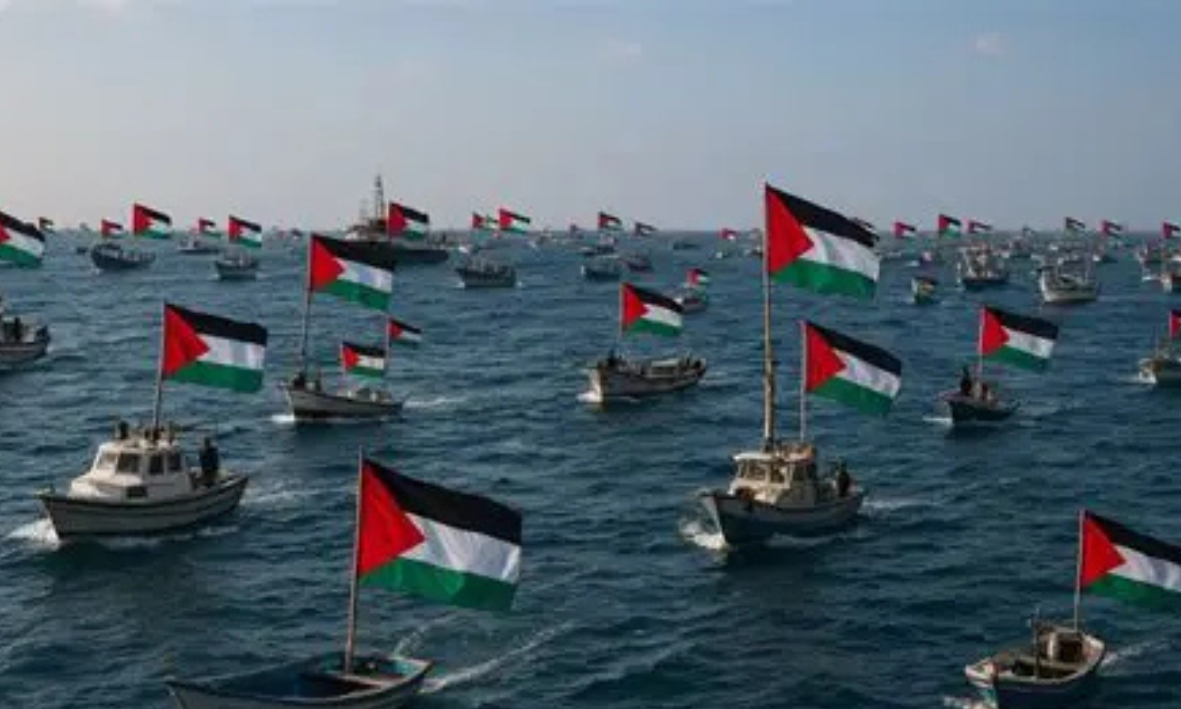
Statement by Nqabayomzi Kwankwa, MP, UDM Deputy President and Leader in Parliament The United Democratic Movement (UDM) joins the global outcry over the abduction of the Global Sumud Flotilla activists, including South Africans who were on a humanitarian mission to deliver aid and solidarity to the people of Gaza. We demand their immediate and unconditional release. These South Africans, alongside others from around the world, embarked on a mission of compassion. Their detention is not only a violation of their rights, but also an attack on the principle of humanitarian action itself. No one should be punished for carrying food, medicine, and hope to people in desperate need. The International Court of Justice ordered Israel to halt military operations in Rafah, to allow unimpeded humanitarian access, to prevent acts that could constitute genocide, and to preserve evidence of violations. Israel’s failure to comply with these binding measures defies international law, undermines the authority of the world’s highest court, and pushes the prospects of peace even further out of reach. The UDM has consistently called for peace in the Middle East. But peace cannot exist while humanitarian aid is blocked, and human rights are trampled underfoot. South Africa, given our own history of apartheid and liberation, has a moral responsibility to stand with the oppressed and to advocate for peaceful resolution. Our position is clear: the killing of civilians, the destruction of communities, and the obstruction of humanitarian aid are indefensible. The UDM reiterates its view that the long-term solution to this conflict lies not in violence or exclusion, but in inclusive dialogue and a just peace that upholds the rights and dignity of both Palestinians and Israelis. We reaffirm our support for Palestinian statehood and peaceful coexistence in the region. The abduction of humanitarian activists must be a wake-up call to the international community: inaction emboldens lawlessness.

Admin
30 Sep, 2025
Bafana Bafana betrayed by the boardroom
Statement by Nqabayomzi Kwankwa, MP, UDM Deputy President and Leader in Parliament The United Democratic Movement (UDM) notes with concern the admission by the South African Football Association (SAFA) of the administrative blunder that has led to Bafana Bafana losing valuable World Cup qualifying points and being fined by Fédération Internationale de Football Association (FIFA). While SAFA has taken responsibility and apologised, this is not enough. An apology does not repair the damage done to the team’s qualification campaign, nor does it address the deeper governance weaknesses that allowed such an avoidable error to occur in the first place. Minister of Sport, Arts and Culture Gayton McKenzie has himself described this incident as an embarrassment and has promised a probe. The UDM supports this call. However, it must not end with another report gathering dust. We need genuine reform that ensures accountability at leadership level and the strengthening of administrative and compliance systems within SAFA. Football is the passion of millions of South Africans. The players on the field have given their all to carry the hopes of a nation. They should never have to see their efforts undermined by failures in administration. The UDM therefore calls for urgent reforms at SAFA, accountability measures for those responsible, and stronger oversight mechanisms to safeguard the integrity of our sporting institutions. South African football deserves leadership that is competent, transparent and worthy of the people’s trust.

Admin
26 Sep, 2025
UDM at 28: honouring the past, acting today, shaping tomorrow
Statement by Nqabayomzi Kwankwa, MP, UDM Deputy President and Leader in Parliament As the UDM marks another year in its journey, we pause to reflect, not with pride alone but with renewed purpose. From its birth in on 27 September 1997, this Movement has never sought glory. It has always sought impact, to stand between power and the people, to guard against complacency, and to speak truth to authority. Our record tells its own story. We have defended the rights of South Africans against loadshedding, where the courts ruled in favour of our challenge, compelling government to shield schools, hospitals, and police stations from blackouts. We have championed accountability in Parliament and beyond, from helping abolish the immoral floor-crossing legislation to exposing corruption at the Public Investment Corporation, IEC, NSFAS, and within Cabinet itself. We have protected democracy and transparency through our fight for fair party funding, electoral reform, and clean governance, work that has shaped laws and strengthened institutions. And we have stood with the vulnerable and voiceless, whether by rallying behind rural sub-headmen, advocating for SATBVC pensioners, or demanding the eradication of pit latrines in our schools. In the 2024 elections, the UDM demonstrated measurable growth and renewed public trust. Nationally, we expanded our parliamentary representation to four Members of Parliament, and in the Eastern Cape Legislature we secured three seats. These gains are a clear sign that our message of integrity, service, and accountability resonates with the people of South Africa. Since joining the Government of National Unity in 2024, the UDM has assumed a special responsibility. Not merely to govern but to scrutinise, to hold every decision, every policy, and every expenditure to the light. That has always been our defining role: not power for its own sake but oversight in the public interest. As Deputy Minister of Defence and Military Veterans within that framework, UDM President Bantu Holomisa’s tireless diligence has revealed systemic challenges such as legacy lapses, budget distortions, and capacity gaps. His work has compelled deeper accountability in areas where many had ceased to ask hard questions. Through this role he has ensured that even those serving in government would not escape public scrutiny. Looking ahead to the Local Government Elections of 2026, the UDM is actively preparing to build on its track record of principled leadership. We are strengthening our structures on the ground, growing our membership base, and empowering the next generation through the UDM Youth Vanguard and United Democratic Students’ Movement. Far from resting on the shoulders of one leader, the UDM is building collective leadership and preparing its public representatives to serve with accountability and integrity. Our focus is on issues that matter most to the people, including reliable access to water, proper housing, safe schools, dignified healthcare, and responsive municipalities. These priorities will shape our manifesto and guide our contribution to local government renewal. As we celebrate, we recommit ourselves to the children still forced to learn in unsafe schools, to the pensioners whose years of service were forgotten, and to the communities left without reliable access to water, dignified housing, proper sanitation, or dependable electricity. We recommit to exposing corruption, resisting abuse, demanding consequences, and never allowing power to rest while service delivery continues to fail our people. We stand with the vulnerable and voiceless, confronting gender-based violence, rural neglect, and the scourge of maladministration that robs our nation of dignity. Happy Birthday, UDM. Twenty-eight years later, our purpose is unchanged. We guard, we challenge, we serve. The road ahead is long, but our resolve remains rock steady.
Admin
16 Sep, 2025
Safeguarding press freedom while strengthening policing
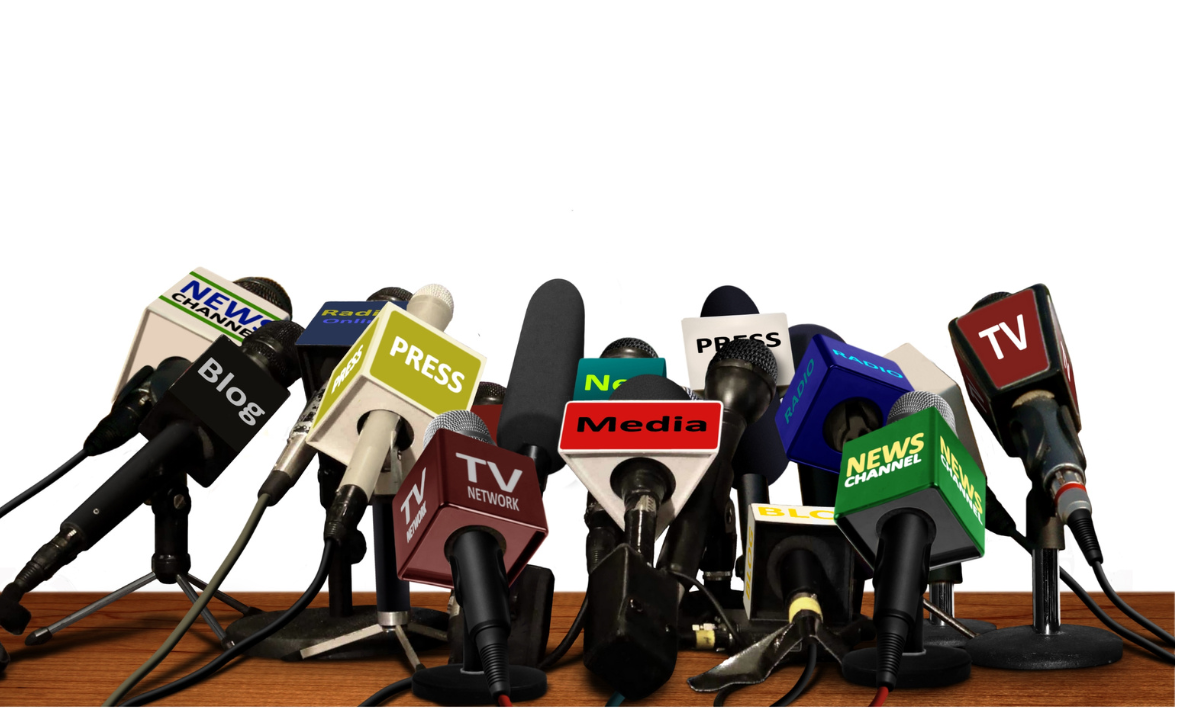
Statement by Nqabayomzi Kwankwa, MP, UDM Deputy President and Leader in Parliament The United Democratic Movement (UDM) is deeply concerned by recent incidents that expose a disturbing trend in the treatment of journalists by the South African Police Service (SAPS). Press freedom has been one of the cornerstones of our new democracy, enshrined in the Constitution to safeguard transparency, accountability and the people’s right to know. Yet, increasingly, journalists are finding themselves under siege by the very institutions mandated to protect those freedoms. The case of Cape Town journalist Sandiso Phaliso, who was assaulted, harassed, and twice unlawfully deprived of his phone while reporting in Nyanga, is a chilling reminder of how far things have fallen. Despite his press credentials, Phaliso was subjected to violence and intimidation, and to date, his equipment has not been returned. Similarly, in Johannesburg, Julia Evans of the Daily Maverick was wounded by a rubber bullet while covering community protests in Westbury. According to her account, SAPS deployed a flashbang and fired rubber bullets without prior warning, putting the lives of residents, demonstrators and journalists in danger. These incidents cannot be dismissed as isolated. They speak to a broader tendency within SAPS to abandon restraint in favour of brute force. This is particularly troubling because it undermines both public trust in policing and the constitutional guarantee of a free and independent press. It must be said clearly: a police service that bullies journalists, obstructs their work, and ignores the very policies that protect press freedom is a danger to our democracy. The protections guaranteed by Standing Orders and National Instructions are meaningless if they are not enforced in practice. At the same time, the UDM acknowledges the extreme pressures under which our police operate. South Africa is gripped by high levels of violent crime, and SAPS officers often face life-threatening situations. Their frustrations are understandable, but they cannot be allowed to spill over into indiscriminate heavy-handedness. To “shoot first and ask questions later” is to abandon discipline and professionalism, which are the bedrock of effective policing. The balance between firm crime prevention and respect for rights must never be lost. Police officers must be supported with the resources, training and leadership needed to combat crime decisively, but also guided to uphold constitutional values in the execution of their duties. Journalists are not enemies of the police – they are allies of the public in shining a light on injustice and holding everyone, including criminals and government, accountable. When SAPS upholds this balance, it strengthens trust and legitimacy. The UDM therefore calls on the Minister of Police, the National Commissioner, and provincial leadership to urgently reinforce this principle: that in the fight against crime, the police must never lose sight of the Constitution and the freedoms it guarantees. To do so would be to surrender to lawlessness, rather than overcome it.

Admin
14 Sep, 2025
Modernisation of the Global South, Building Global Partnerships for Joint Advancement of Common and Sustainable Development
Speech Delivered by for Hon N Kwankwa on the Occasion of the Programme for 2025 Legislative Forum for Friendly Exchanges: (Theme) Modernisation of the Global South, Building Global Partnerships for Joint Advancement of Common and Sustainable Development Check against delivery Programme Director Heads of Parliaments from the Global South Members of the Diplomatic Core Distinguished delegates and Parliamentarians from the Global South Ladies and Gentlemen I take this opportunity on behalf of the leaders of the Parliament of South Africa and her people to convey our warm and fraternal greetings to the hosting country convening this “Legislative Forum for Friendly Exchanges” the People’s Republic of China, delegates from all the countries of the Global South. This occasion once again has come at an opportune moment to converge us in the quest of renewing the bonds of historical friendship amongst our nations, which dates back during the time of colonialism as we were engaged in the struggle for liberation. Today we convene under different conditions to respond to an array of challenges which continue to confront our countries and their people within a global climate and political landscape characterised by tectonic shifts and geopolitical tensions in different regions of the globe. The Republic of South Africa and the People’s Republic of China (PRC) enjoy historic bonds of solidarity and friendship, forged during the African liberation struggle and nurtured through decades of cooperation. The roots of this relationship can be traced back to the 1955 Bandung Conference, where China stood alongside African nations in their quest for independence. What began with solidarity in the struggle against colonialism has matured into a comprehensive partnership that continues to go from strength to strength. Our two nations have established structured bilateral mechanisms that ensure regular dialogue and practical cooperation across political, economic, social, technical, and cultural spheres. These mechanisms have delivered tangible outcomes in development, trade, infrastructure, and people-to-people exchanges, strengthening mutual trust and respect. Today, South Africa and China stand as strategic partners, not only bilaterally but also in multilateral forums such as BRICS, working together for peace, sustainable development, and a fairer global order. Distinguished Delegates Perhaps it could be argued that this occasion presents more of an inclusive forum by affording legislatures to exchange experiences as people’s representatives that carry the aspirations and act as tribunes of social transformation to many challenges confronting our people. Legislature in nature is an embodiment of democracy. Therefore, in an age where the line between domestic and the international is becoming blurred and where there is a globalisation of problems, democracy ought to be promoted at various levels of governance which include national, regional and international. Historically, parliaments had scant involvement in international relations. The role of parliaments in the area of international relations has always been confined to ratifying international agreements adopted by the executive. However, the advent of a participatory democratic order in the world, globalisation and developments in global governance structures has resulted in a dual process of internationalisation of domestic relations and domestication of international relations. Therefore, parliaments have a historic obligation to ensure that the people they represent at national level are also represented in the global arena and are not left behind as a result of the new global developments. Programme Director The overarching theme of our deliberations is premised on the question of building “Global Partnerships for Joint Advancement of Common and Sustainable Development”. The world, today, is confronted with unprecedented and accelerated changes. An important feature of the changes is that the collective rise of developing countries is gaining momentum. The rise of developing countries as a whole is based on and reinforced by their collective modernisation and reconstruction in different aspects. Thus, an in-depth discussion on the modernisation of the Global South is urgently needed, not only in response to the call of developing countries for peace, development and progress, but also to meet the aspirations of the people of all countries for modernisation and human advancement. The Global South symbolises a prominent worldwide trend of the collective rise of developing countries and reflects their strong wish for solidarity and self-reliance. The countries of the Global South once suffered from aggression, colonisation, suppression and plunder. It is through years of struggle and hard work, along with the evolving changes in this century, that the Global South has gradually become an important force driving the reforms in the world order and seeking political independence, national rejuvenation and international justice. To this end, the Global South is the source of strength for global multi-polarity. Since the end of the Cold War, the trend of global multi-polarity has evolved amid twists and turns. Along with the unfolding of profound changes across the global economic and political landscape and the collective rise of developing countries, the Global South has got an important opportunity to play a greater role on the world stage. Programme Director It is an accurate assertion that Global South needs to achieve greater collective strength. In this regard, working together to advance modernisation is what the Global South must do to achieve greater collective strength through unity. Realising modernisation is a shared pursuit of all countries of the Global South. To build a better world, the Global South must work together to pursue and realise modernisation. Their aim should be to build a strong and modern Global South, to propel the progress of civilisation and develop a human community with a shared future. Certainly, global development challenges — such as climate change, inequality, pandemics, and resource depletion — have become increasingly cross-cutting and transnational in nature. They transcend national borders and demand coordinated strategies. Our parliaments through their mandate of law-making, oversight and public participation have an obligation to monitor and ensure the implementation of the commitments our governments have committed at both domestic and international level. Equally, this Legislative Forum affords parliamentarians a space to exchange experiences on best models relating to their mandate and learn from each other’s best practises to strengthen the agenda of the Global South from the parliamentary diplomacy point of view. At different multilateral fora such as the inter-parliamentary level, parliamentarians continue to utilise the soft power of parliamentary diplomacy to complement the efforts of our governments in many areas such as conflict, trade disputes, climate change related challenges, human rights and advancement of economic diplomacy and sustainable development. Honourable Delegates South Africa, in adapting to the changes in the global system; has been faced with different challenges which in some cases have inspired rigorous debate. Faced with the need to tackle a range of domestic issues these debates will continue, but South Africa like many nations around the globe must engage with the international system in a way that encourages economic growth and development. The advancement of South-South cooperation is of strategic importance in the pursuit of the country’s foreign policy objectives to address the challenges of economic and political marginalisation that emanates from the process of globalisation. The unequal distribution of the benefits of globalisation, the imbalance of power between the countries of the global North and the countries of the global South and the lack of sustainable development has necessitated countries of the Global South to formulate strategies that would help them to level the playing field. South Africa's initial approach to promoting the Global South vision involved engaging with the Non-Aligned Movement. The goal was to foster a multi-polar world and create more cooperation opportunities for Southern countries without succumbing to bloc logic. Aligning with a single bloc would have limited many Global South countries' options. Furthermore, South Africa's foreign policy has emphasised economic diplomacy and trade relations. By establishing strategic trade partnerships with other Global South nations, South Africa seeks to diversify its economic ties and decrease dependence on traditional Western markets. The India-Brazil-South Africa (IBSA) Dialogue Forum exemplifies South Africa's commitment to building strong economic networks that support mutual growth and development. South Africa has taken several political stances in favour of the Global South. The country recognised the necessity of South-South dialogue on various issues such as economic development, cultural diplomacy, migrations, and international affairs. For instance, South Africa advocated for reforms in international financial institutions, seeking to make them more inclusive and responsive to the needs of developing countries. Additionally, South Africa oriented its foreign policy toward the challenges posed by climate change and actively worked toward sustainable development and climate justice. Acknowledging that developing countries are disproportionately affected by climate change, South Africa launched initiatives for technology transfer, capacity building, and financial support for adaptation and mitigation efforts in the Global South. South African leadership in the Global South is evident through its participation in alternative international organisations, forums, and groupings. The BRICS alliance stands out as a prime example. Initiated in 2006 in Saint Petersburg on the sidelines of the G8 by the leaders of Brazil, Russia, India, and China, the group was initially known as BRIC. Formalisation occurred a year later with the first BRIC Foreign Ministers' Meeting. South Africa formally joined in September 2010, adding the "S" to create BRICS. More recently, South Africa's position toward the Israeli/Palestinian conflict has perfectly illustrated the more assertive role the country is now endorsing. On December 29, 2023, following the Israeli offensive that destroyed large parts of Gaza, killed thousands of civilians, and led to massive population displacements, South Africa filed a case at the International Court of Justice against Israel. The country alleged that Israel was breaching the Convention on the Prevention and Punishment of the Crime of Genocide in its military assault. While South African support for Palestine is not new, the current method of support is. The particularity lies in South Africa's utilisation of existing international institutions to promote its values and defend its objectives. Until now, the Global South has mainly advocated for a New World Order based on new international institutions, as the current ones such as the UN, IMF, World Bank, and others are perceived as dominated and instrumentalised by Western powers. In different parliamentary for such as the Inter-parliamentary Union, South Africa and European Joint Parliamentary Meetings our parliamentary has echoed and complemented the efforts of government in condemning the genocide perpetrated by the government of Israel against the Palestinians, including the violation of their right to self-determination. On Building Partnerships for Global South Initiatives According to the UN perspective, ‘global partnerships represent the collaborative efforts of nations, organisations, and various stakeholders, aimed at addressing multifaceted challenges that transcend national boundaries. As such, centrally to the ambitions of the UN's 2030 Global Agenda for Sustainable Development, the 17th Sustainable Development Goal (SDG 17) specifically emphasises the role of partnerships. This is so because ‘it acknowledges that isolated efforts are insufficient when combatting complex, intertwined global issues such as poverty, hunger, education disparities, and climate change’. To be sure, SDG 17, aptly titled "Partnership for the Goals", underlines the symbiotic relationship between partnerships and the other SDGs and underscores the fact that without effective global cooperation, the realisation of the remaining 16 SDGs remains elusive. Therefore, building and strengthening partnerships becomes paramount for optimising resources, sharing best practices, and fostering innovation. As correctly pointed out by the UN, ‘the nature of global challenges, such as the urgent threat of climate change, compels nations to collectively address these issues, integrating their unique resources and perspectives’. A point in case was the global response to the COVID-19 pandemic, which demonstrated that without international cooperation, resource sharing, and mutual support, managing the pandemic's impacts would have been significantly more challenging. By pooling scientific research, sharing vaccine development insights, and assisting vulnerable nations, the world demonstrated the indispensability of global partnerships. In view of the above, legislatures of the Global South have a responsibility to define the agenda of placing parliamentary diplomacy at the heart of the development to respond to the crisis of poverty, inequality and unemployment, transformation and diversifying of economic markets in the day of the trade wars and unilateral tariffs imposed by the countries of the global north. Conclusion South Africa embraces the opportunity accorded through the Legislative Forum for friendly exchanges and looks forward to share experiences and learn from other best practices to sharpen its weapon of parliamentary diplomacy at global level and exercise her mandate of law-making, oversight and public participation. Equally, we look forward to strengthening the face of global to meet the demands of the changing global political dynamics and the geopolitical complexities that define global pollical landscape. I thank you!
Admin
12 Sep, 2025
Lawlessness, violent protests, and broken governance: South Africa needs urgent reform
Statement by Nqabayomzi Kwankwa, MP, UDM Deputy President and Leader in Parliament The United Democratic Movement (UDM) notes with concern the violent turn taken by community protests in Mondlo township, KwaZulu-Natal, where municipal buildings and vehicles were torched in the wake of anger over load reduction, poor services, and a lack of municipal accountability. Similar scenes unfolded in Coronationville in Westbury and Ivory Park in Tembisa, where residents clashed with police over prolonged water cuts, leaving community members injured. These incidents are neither isolated nor unprecedented. They form part of a deepening national crisis of lawlessness, in which citizens increasingly turn to destruction, arson, and violent attacks to express their grievances. This alarming trend reflects both a collapse of governance and the erosion of trust in peaceful engagement with authorities. International examples provide a stark warning for the powers that be. In Nepal, widespread protests by young citizens over corruption, nepotism, and mismanaged policy escalated into the burning of parliament and the homes of prominent politicians, forcing the army to airlift government ministers to safety. South African politicians must take heed: ignoring the cries of communities for basic services risks a similar escalation, where frustration could spill over into chaos and threaten social stability. Experts have already warned that South Africa’s legacy of socio-economic neglect, political disillusionment, and an ineffective justice system has created an environment where violence is seen as the only language government listens to. Communities often exhaust every formal avenue, writing memoranda, petitioning councillors, and pleading with municipal officials, only to be ignored until protests erupt. While the frustration of citizens who live without water, electricity, and safe infrastructure is understandable, the UDM strongly condemns the destruction of property and the loss of life that follow such unrest. Burning municipal buildings, petrol-bombing government offices, and attacking fellow citizens only deepen the crisis, disrupt service delivery further, and strip communities of the very resources they need. Equally, the UDM abhors the excessive and sometimes indiscriminate use of force by the South African Police Service (SAPS), including reports of rubber bullets fired at elderly people and children during recent protests. Heavy-handed policing only hardens anger and deepens mistrust. The UDM calls for: • A comprehensive reform of local governance to restore accountability, transparency, and service delivery. • Stronger and fairer enforcement of the law, so that criminal acts of arson and violence do not go unpunished, while ensuring that policing respects human rights and protects vulnerable community members. • Genuine dialogue between government (especially at local level) and communities before frustrations boil over into unrest. Engagement must be consistent, respectful, and solutions-driven. • National government to urgently intervene in municipalities crippled by corruption, maladministration, and financial collapse, to prevent further violent flashpoints. Many communities exhaust formal channels, such as petitioning ward councillors, municipal officials, and provincial leaders, before resorting to violence. The UDM therefore calls for the agenda of the National Dialogue to address these repeated frustrations. Service delivery challenges, local governance failures, and mechanisms for meaningful citizen participation must be central, with clear commitments and accountability measures to ensure that public grievances do not escalate into unrest. South Africa cannot build a future by burning the present. Violence and destruction must never become acceptable or normalised as a way of forcing government action. At the same time, government must demonstrate through action, not words, that it listens to peaceful demands, honours commitments, and delivers the basic services enshrined in our Constitution. The cycle of neglect, protest, violence, and suppression must be broken. What is at stake is not only community stability but the very fabric of our democracy.
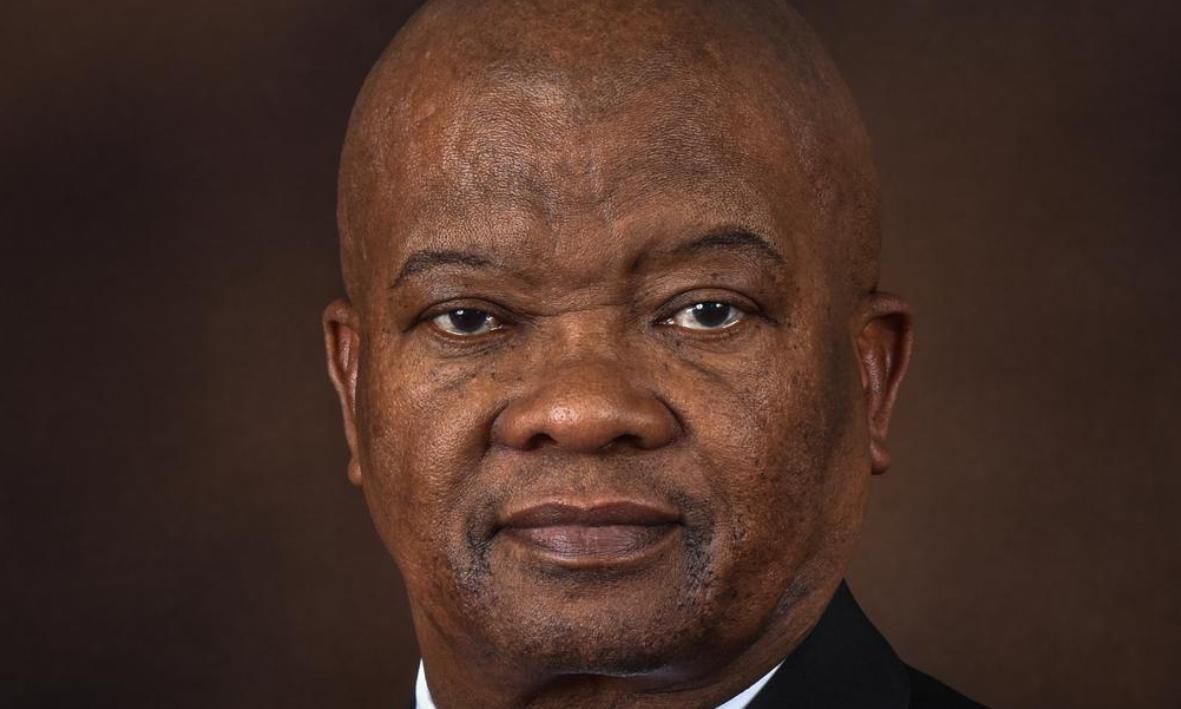
Admin
24 Jun, 2025
Year-in-review report on my role as Deputy Minister of Defence and Military Veterans within the Government of National Unity
Honourable Nqabayomzi Kwankwa, MP Parliament Leader of the United Democratic Movement (UDM) Parliament of the Republic of South Africa Cape Town Dear Honourable Kwankwa, Year-in-review report on my role as Deputy Minister of Defence and Military Veterans within the Government of National Unity I trust this letter finds you in good health and high resolve. BACKGROUND AND PURPOSE Since my appointment as Deputy Minister of Defence and Military Veterans in July 2024, I have had the privilege of engaging meaningfully with various parliamentary structures, state institutions, and formations within the South African National Defence Force (SANDF), as well as in certain instances, alongside the Minister - as evidently drawn in a summative table below, there was no space to breathe. These engagements have highlighted both the strengths and the structural weaknesses within our broader governance ecosystem. Most of the issues identified are of a legacy nature. The Auditor-General’s report has been instrumental in guiding the new Ministry, the Joint Standing Committee on Defence, and the Portfolio Committee on Defence, providing critical insight into the terrain we are expected to navigate. It is clear that the Department of Defence did not escape the effects of state capture. The ongoing SIU investigations initiated through proclamations signed by the President and the fact that the former Minister is still before the courts highlight the depth of the challenges we face. These realities point to a protracted process of restoring the integrity and capacity of the SANDF, a task further complicated by years of chronic underfunding. Another matter that garnered considerable public and institutional attention was the Democratic Republic of Congo (DRC) debacle, which placed the Department of Defence under intense scrutiny. This incident raised serious concerns about the overall capacity, preparedness, and logistical readiness of the SANDF to effectively carry out its continental peacekeeping and combat obligations. It further brought into question the adequacy of our planning processes, resource allocation, and strategic command structures in high-risk deployments. The DRC episode served as a stark reminder of the urgent need to review and strengthen our defence capabilities, particularly in the context of multinational operations under the auspices of SADC or the African Union. Adding to the ongoing concerns is the increasing impact of climate change, which continues to present new and evolving threats to our country’s security and humanitarian stability. This changing climate landscape is testing the capacity of the SANDF to respond swiftly and effectively, particularly in the deployment of rescue equipment and disaster relief operations. A case in point is the devastating floods in the Eastern Cape, which tragically claimed the lives of at least 92 people, though the final death toll is yet to be confirmed. Despite the scale of the disaster, only one Oryx helicopter was deployed for rescue and relief efforts days after the disaster had occurred, highlighting the severe limitations in our aerial response capabilities during emergencies. This highlights the urgent need to improve SANDF’s disaster response readiness in alignment with the growing frequency and intensity of climate-related events. The purpose of this letter is twofold: To provide you, as Parliamentary Leader of the United Democratic Movement (UDM), with a concise reflection on the nature of oversight and executive engagement I have undertaken since assuming office; and To urge, in the strongest terms, the reactivation and intensification of Parliament’s role in holding the Executive accountable on several unresolved matters of national importance, especially those the UDM has historically championed. It is my belief that the UDM’s principled, consistent, and people-centred voice must now take a more assertive role in ensuring that findings, commissions, and legislative frameworks lead to real consequences and reform. SUMMARY OF ALL ENGAGEMENTS This Meetings Summary Table outlines the scope of my official engagements over the reporting period. It serves as a record of the work I have undertaken in the execution of my duties as Deputy Minister of Defence and Military Veterans. The engagements span parliamentary responsibilities, oversight of the Department and the SANDF, Cabinet cluster coordination, and international cooperation. I have always believed that public office must be anchored in accountability and purpose-driven action. Each meeting reflected in this table represents a deliberate effort to advance the priorities of our defence mandate, strengthen operational efficiency, and respond to the needs of our servicemen and women, veterans, and broader society. Whether meeting with international partners, military leadership, parliamentary committees, or community stakeholders, my focus has remained on upholding the integrity of the portfolio and ensuring that decisions are informed, inclusive, and responsive to our evolving national and global context. This table is therefore more than a schedule - it is a transparent demonstration of the work done, the responsibilities carried, and the trust placed in my office to serve with diligence, consistency, and impact. Meeting Type / Category Total Meeting Count Summary Description Department of Defence (DoD) related meetings 63 Strategic meetings with Armscor, Denel, Defence Secretariat, AG compliance briefings, logistics planning, HR and CMIS oversight, force design sessions, budget alignment talks, and NCACC duties. SANDF Service Formations 42 Operational visits and reviews at SA Army HQ, Navy HQ, AFB Waterkloof, Military Police, Defence Intelligence, SAMHS, Logistics HQ, CMIS, and SF Brigade; command parades and capability briefings. Joint Standing Committee on Defence (JSCD) 12 Defence oversight briefings, acquisition performance reviews, and coordination with Treasury and Armscor. Portfolio Committee on Defence & MV 58 Parliamentary meetings focused on oversight of military veterans, departmental annual reports, and policy matters. Cabinet & Cluster Meetings 33 Engagements in JCPS and ICTS Cabinet Clusters, Deputy Ministers forums, Cabinet Lekgotla, executive caucuses, and inter-cluster alignments. International & Diplomatic Engagements 51 Bilateral engagements with Turkey, Italy, Pakistan, Spain, China, Cuba, India, the US, Japan, France, Russia, and multilateral meetings including BRICS, Ethiopia, AU Peace & Security Council sessions, arms control dialogues, the Thabo Mbeki Foundation dialogue on peace and security, various conferences on peace and security, and embassy briefings. Countries Visited on Bilateral Missions 6 Ethiopia, India, Pakistan, Cuba, Japan, and France. Community / Civic Engagements 19 Veteran forums, traditional leadership sessions, Youth Day, Women’s events, rural civic visits, and local councillor engagements. MILITARY DIPLOMACY AND STRATEGIC BILATERAL ENGAGEMENTS Over the course of this reporting period, I have placed a strong emphasis on advancing South Africa’s military diplomacy through a series of targeted bilateral and multilateral engagements. These efforts are aimed at deepening defence cooperation, strengthening strategic partnerships, and safeguarding our national interests in a dynamic and often volatile global environment. In meetings with representatives of foreign governments, military attachés, and international defence institutions, I have consistently advocated for the expansion of opportunities for our officers to attend foreign staff courses and specialised military training programmes. Building the intellectual and leadership capacity of the SANDF remains a top priority, and external training partnerships are central to that goal. Furthermore, I have worked to promote the interests of South Africa’s defence industry, calling for increased collaboration in manufacturing, technology transfer, and procurement opportunities. By encouraging reciprocal engagement between our state-owned and private defence entities and their international counterparts, we have opened new avenues for innovation and market access. These engagements have not been ceremonial. In some instances, we have used quiet diplomacy to de-escalate tensions, clarify miscommunications, and avert diplomatic fallout that could have had far-reaching implications for our defence posture and foreign relations. I remain committed to ensuring that every interaction, whether at a reception, conference, or strategic roundtable, serves the broader purpose of peace, preparedness, and prosperity for our nation and the region. IMPLEMENTATION OF THE 2015 DEFENCE REVIEW In terms of the FY2023/24 Ministerial Priorities as agreed to with the President on 18 July 2023, the Minister of Defence and Military Veterans was set the target of “Conducting an Evaluation of the Defence Review 2015 and Action Plan” for completion by 31 October 2024. The Department completed the draft documents in fulfilment of both the FY2023/24 Ministerial Priorities, as well as the subsequent direction as was given by the President during a bilateral engagement on 24 January 2024. The above- mentioned work-in-progress was formally submitted to the Presidency before the said 31 October 2024 deadline. PROCESS UNDERTAKEN The work-in-progress includes (inter alia): A concise PESTEL(M) Analysis of the Strategic Environment at the Global, Continental, Regional and National (GCRN) Dimensions. A Draft Defence Capstone Policy Concept for the Republic of South Africa. A Draft Military Capstone Strategizing Concept for the Defence and Protection of the Republic of South Africa. A Draft South African Military Strategy, Force Design and Force Structure for the period 2025 – 2055. The Journey to Greatness (Long Term Planning Intent). It was envisaged that a planned series of engagements and consultations would be pursued with the President and other critical stakeholders under the direction of the Minister before such work is formally tabled in Cabinet and in Parliament. Consequently, the South African National Security Council (SANSC) has directed the South African National Security Secretariat (SANSS) to develop a Report on the Reviewing of the Defence Review 2015 and the considerations for “investing in a sustainable modern Defence Force”. An initial engagement took place with the SANSS on 17 March 2025, where it was decided that a one-day workshop between the Department and the SANSS would be planned for the near future. This second engagement took place on Friday 13 June 2025. The work was well received and positive support was expressed in terms of the 1.5% of GDP Defence Funding Target as set by the President. The SANSS subsequently resolved to establish a small team of DGs (including the DG of the National Treasury) to engage on the fiscal strategy for attaining the goal as set by the President. Once endorsed by the National Treasury and the Ministry of Finance, this matter will proceed to the National Security Council and possibly Cabinet for further endorsement. Furthermore, the Minister will also be engaging with the Speaker and the Chairs of Parliamentary Committees on modalities for engagement with the relevant oversight bodies, so as to add value to this important work. The Department of Defence met the deadline as it was set by the Presidency. However, the Department cannot issue copies of the documents in question to the Portfolio Committee, or any structure beyond those explicitly identified for initial consultation, until a formal directive or clearance is received from the President. The decision on whether these documents may be distributed to oversight bodies rests with the Presidency, and the Department remains bound by that process. OVERSIGHT ROLE IN THE NATIONAL CONVENTIONAL ARMS CONTROL COMMITTEE (NCACC) As part of our collective responsibilities in the National Conventional Arms Control Committee (NCACC), we have actively contributed to the clearing of a significant backlog of arms control applications and export permits. Regular sittings of the Committee have ensured that due process is followed while maintaining the momentum necessary to support South Africa’s defence trade and associated industries. The backlog, which had affected operational timelines and contract fulfilment, has been systematically addressed except in instances where further verification or end-user clarity is still required. Our approach has balanced national security interests with economic imperatives, ensuring that compliant transactions are processed without unnecessary delay. Importantly, this work has direct fiscal implications. Every approved permit contributes to sustaining the country’s defence manufacturing base, securing jobs, and increasing state revenue. The NCACC therefore functions not only as a regulatory mechanism but also as a strategic enabler of industrial and economic resilience. We remain convinced that if the recovery and growth plans presented by Denel and Armscor are implemented with urgency and alignment, these state-owned entities can be repositioned toward institutional ascendancy. Through coordinated support and policy certainty, we can restore their role as vital components of South Africa’s defence capability and global competitiveness. ENGAGEMENTS WITH DEFENCE INDUSTRY STAKEHOLDERS Recent engagements with stakeholders across the defence industry were held as part of ongoing efforts to advance the implementation of public-private partnership (PPP) resolutions adopted during previous national platforms. These interactions served both as progress reviews and as strategic exchanges aimed at deepening cooperation in critical capability areas, including artillery systems, weapons testing, and industrial modernisation. The engagements also reaffirmed a shared commitment to leveraging the local defence industry as a cornerstone of national security and economic growth. A central focus of these engagements was the increasing interest, both domestically and internationally, in concluding memoranda of understanding (MoUs) with South African partners. These MoUs are expected to strengthen collaboration in advanced defence manufacturing and testing, helping position South Africa as a serious global player in next-generation defence systems. Discussions also centred on developing a coherent industry roll-out strategy that aligns local capabilities with global demand, enables technology transfer, and revitalises underutilised infrastructure for defence innovation. Stakeholders noted some progress since the last formal conference, but also expressed concern over regulatory delays, particularly those related to the issuing of permits by oversight bodies. These delays have disrupted momentum on several priority projects, thereby limiting the speed and scale of PPP execution. On a positive note, regulatory engagements with National Treasury have yielded revised guidelines, effective June 2025, that provide broader space for PPPs in areas such as prime mission equipment maintenance and upgrades. Concurrent consultations with the SANDF are also underway to ensure that industry proposals respond directly to operational requirements. One of the most significant recommendations arising from these discussions is the proposal to establish a dedicated PPP Directorate within the Department of Defence. This unit would serve as the central coordinating body for all PPP-related initiatives, reporting directly to senior leadership and working closely with oversight structures such as the Council on Defence and SANDF command. Stakeholders further recommended that the scope of PPPs be expanded beyond weapons systems to include strategic infrastructure development such as military hospitals, new bases, and the rehabilitation of command and logistics centres, thereby enabling comprehensive capability renewal. These engagements concluded with a unified commitment to intensify coordination between government, the defence force, state-owned entities, and industry partners. The focus going forward is to finalise a practical implementation roadmap for PPPs, remove regulatory bottlenecks, and institutionalise a mechanism to drive delivery on key resolutions. Stakeholders reiterated their readiness to support the Department’s efforts in positioning the local defence industry as a strategic, responsive, and globally competitive contributor to national development and security imperatives. ISSUES FACED BY MILITARY VETERANS One of the critical departments currently facing significant challenges is the Department of Military Veterans (DMV), particularly with regard to the prolonged delays in filling vacant posts. In response, we have convened a series of strategic sessions aimed at resolving these longstanding issues. These efforts have included the development of structured data management procedures, the compilation of a comprehensive implementation plan, and the establishment of a reliable and up-to-date veterans database. Through these targeted interventions, we are confident that tangible progress will be achieved, ensuring improved service delivery and greater satisfaction for military veterans across the country. Furthermore, we are working in close collaboration with the Presidential Task Team (PTT) to accelerate the resolution of the pressing issues identified above. This partnership is anchored in a shared commitment to restoring dignity and improving the quality of life for military veterans. The PTT serves as a vital coordinating mechanism, bringing together various stakeholders across government to ensure alignment, expedite decision-making, and remove bureaucratic obstacles. PARLIAMENTARY ENGAGEMENTS TO DATE In adherence to the principles of transparency and executive accountability, I have participated in a wide range of key engagements since assuming office, as reflected in the Meetings Summary Table above. These include: Portfolio Committee on Defence and Military Veterans – Regular attendance and formal submissions on matters affecting strategic capability, force readiness, and the well-being of military veterans, including oversight on departmental performance and policy execution. Joint Standing Committee on Defence – Active participation in joint oversight sessions, with specific focus on defence budget alignment, acquisition oversight, interdepartmental coordination, and strengthening the operational posture of the South African National Defence Force. Parliamentary Budget Votes and Debates – Participation in defence-related budget vote debates, including presenting key departmental priorities, defending expenditure patterns, and outlining performance targets in support of the Vote 23 allocation. Questions and Answers in Parliament – Engagements in plenary sessions involving questions to the President and Deputy President, as well as oral and written responses to parliamentary queries related to peace and security, military procurement, international cooperation, and veterans’ affairs. The nature of these engagements has not only reinforced the importance of parliamentary oversight but has also highlighted the urgent need for meaningful and enforceable accountability across all arms of the state. These engagements reveal systemic weaknesses, recurring audit disclaimers, and a dangerous normalisation of underperformance in service delivery and defence operations. In this context, the United Democratic Movement must position itself at the forefront of revitalising Parliament’s role. We must not only build on previous oversight work, but also be uncompromising in demanding implementation, consequence management, and institutional reform. Whether dealing with state-owned entities, public funds, or post-commission reform, the UDM must lead efforts to restore ethical and effective governance. ENGAGEMENTS WITH SANDF SERVICE FORMATIONS AND DEFENCE INDUSTRY ENTITIES In line with my executive responsibilities and the constitutional duty to ensure responsive governance, we have conducted a series of structured engagements with the South African National Defence Force (SANDF) and its associated defence industry institutions. These engagements have been instrumental in mapping the operational posture, resource gaps, institutional dysfunctions, and potential areas of reform within the defence ecosystem. Within the SANDF, we have exercised oversight on the following service formations and divisions: South African Army South African Air Force South African Navy South African Military Health Service (SAMHS) Military Police Division Logistics Division Human Resources Division Military Intelligence Division, among others. Each of these components performs a critical function in safeguarding the territorial integrity, sovereignty, and national interests of the Republic. However, these briefings have revealed a pattern of declining capacity, exacerbated by chronic underfunding, outdated equipment, infrastructure backlogs, and skills attrition. ENGAGEMENTS WITH THE DEFENCE INDUSTRY: DENEL AND ARMSCOR In addition to these military briefings, we have participated in oversight and strategic discussions with the two most significant players in our domestic defence industrial base - Denel and Armscor. These engagements have been instrumental in reaffirming the defence function not as an expense, but as a constitutional guarantee of sovereignty, stability, and peacekeeping in the region. However, without strategic intervention by Parliament, the SANDF risks organisational stagnation. The effectiveness of Parliament has been ambiguous for some time, with many struggling to comprehend that portfolio committees, particularly those overseeing Defence, have been raising alarms over a continued decline, yet the resolutions have largely amounted to little more than talk shops over the years. Every week, we report to the portfolio committees on these issues, but when it comes to Parliament’s role in capacitating these committees and ensuring the protection of our country, tangible support has been lacking. Even when in 2023 the President issued a directive to increase defence funding from 0.57% to 1.5% of the Gross Domestic Product (GDP), subsequent Cabinet meetings reduced these urgent calls to mere rhetoric, and the National Treasury failed to allocate the necessary funds. Parliament and the Government of National Unity must establish a structured, accountable process to implement resolutions, especially those related to Defence and oversight bodies such as SCOPA. PARLIAMENT’S OVERSIGHT MANDATE: LEGISLATIVE AND CONSTITUTIONAL FRAMEWORK Parliament’s oversight function is grounded in our democratic Constitution and further supported by key legislation that empowers Members of Parliament to act decisively: Section 55(2) of the Constitution mandates the National Assembly to “provide for mechanisms to ensure that all executive organs of state in the national sphere of government are accountable to it”; Section 92(2) and (3) of the Constitution holds Cabinet members individually and collectively accountable to Parliament; Rules of the National Assembly empower committees to summon any person to provide evidence, produce documents, or account for their actions; The Financial Management of Parliament and Provincial Legislatures Act (Act 10 of 2009) and the Money Bills Amendment Procedure and Related Matters Act (Act 9 of 2009) outline Parliament’s role in fiscal scrutiny and resource allocation oversight. This framework makes it clear: Parliament is not a passive observer. It is a constitutional watchdog with the authority and duty to demand accountability, transparency, and implementation. URGENT NATIONAL PRIORITIES DEMANDING PARLIAMENTARY ACTION Considering the background outlined above, I respectfully urge you to deploy the full weight of your office and the UDM’s parliamentary caucus to intensify oversight and push for finality on the following critical matters: Implementation of the Zondo Commission Findings The State Capture Commission unveiled an architecture of corruption that compromised state institutions and undermined public trust. Yet, implementation of its findings remains inconsistent and slow. The UDM, through Parliamentary procedures must: Demand detailed progress reports from the Presidency and the NPA; Ensure asset recovery is expedited and transparent; Create a dedicated oversight structure within Parliament to track implementation and prevent institutional regression; Introduce reforms to seal procurement loopholes and reinforce the independence of law enforcement bodies. Champion and expedite the enactment of legislation that enshrines the Commission’s rulings into law, effectively safeguarding the state from future attempts of corruption in any form. Public Investment Corporation (PIC) Accountability The Mpati Commission laid bare the mismanagement and undue influence within the PIC, risking public servants’ pensions. The UDM, through Parliamentary procedures must: Demand a detailed and public implementation report from Treasury and the PIC; Reinforce transparency in investment decisions; Re-evaluate laws governing the PIC to insulate it from political and commercial abuse. State Response to Ex-Mineworkers The UDM has long championed justice for ex-mineworkers, many of whom continue to suffer from occupational illnesses without compensation. Despite acknowledgment from former President Mbeki, implementation remains weak. The UDM, through Parliamentary procedures must: Pursue diligent follow-up on all correspondence directed to the Presidency and the Department of Labour during the tenure of former Minister Thulas Nxesi, wherein the UDM formally submitted numerous letters concerning this matter. Demand a policy framework with timelines and budget allocations for redress; Establish an interdepartmental task team to coordinate response efforts; Oversee enforcement of legal rulings and settlement payouts to affected mineworkers and their families. Land Reform and Restitution Delays The backlog in land claims, particularly post-1998 claims, continues to disenfranchise communities. The UDM, through Parliamentary procedures must: Demand a revised, time-bound implementation plan from the Commission on Restitution of Land Rights; Introduce clearer legislative frameworks for expediting land restitution and tenure security. Collapse of Provincial Health Systems and NHI Readiness While the National Health Insurance (NHI) Bill signals intent for universal healthcare, existing infrastructure and corruption in the provincial health systems raise serious concerns where many are destitute. The UDM, through Parliamentary procedures must: Demand provincial audits on hospital infrastructure and medical staffing; Scrutinise funding flows in aim to prevent tender manipulation; Insist on a phased, measurable NHI roll-out plan with clear reporting mechanisms to Parliament. The other issue is the pension of the South Africa Transkei Bophuthatswana Venda Ciskei (SATBVC) states , President Ramaphosa during the State of the Nation Address (SoNA) instructed the minister of Finance to address the matter, but Treasury once more ignored this call, however, we managed to bring it back to Parliament and are simply asking him to monitor the progress of the finalisation of this enquiry and address the concerns of these pensioners. The other pressing matter is that which relates to the remuneration of the herdsman (iiBhodi). Numerous engagements with the Presidency, National Treasury, and COGTA had been initiated by the UDM in the 6th administration, and it my plea that your office further escalates the matter to ensure that there is action in as far as this issue concerned. Youth Unemployment and Skills Mismatch The UDM, through Parliamentary procedures must also confront the unacceptably high rate of youth unemployment, now surpassing 60% in some areas. Despite billions spent on education and skills development, graduates remain locked out of the economy. The UDM should demand: Full audits of SETAs and the National Skills Fund; Reforms linking training programmes directly to identified economic sectors; State procurement policies that prioritise youth-owned enterprises and cooperatives. CONCLUSION This report serves as a summative reflection on the engagements, responsibilities, and strategic interventions undertaken over the reporting period. It captures not only the scope of work executed in alignment with my portfolio duties, but also reflects the broader institutional and policy challenges we continue to confront as public representatives. The insights and data provided herein are intended to inform, support, and empower the critical oversight role played by your office and by Parliament more broadly. Honourable Kwankwa, we are at a historical juncture. Public confidence in democratic institutions is eroding. The gap between policy and implementation continues to widen. It is in this context that the UDM’s voice and leadership in Parliament must grow louder and more decisive. I remain committed to providing assistance wherever possible, fully appreciating the established reporting protocols given my deployment within the Executive. Nonetheless, I wish to emphasise with conviction that when these critical matters are brought forth by your esteemed office, they are far more likely to gain the necessary traction, visibility, and momentum. This will significantly amplify the many voices we represent in Parliament and ensure that our concerns receive the urgent attention they deserve. We must insist on accountability, demand justice for the forgotten, and champion ethical governance as a pillar of transformation. Through your leadership, Parliament must become a place where reports are not only tabled, but implemented; where corruption is not only debated, but punished; and where vulnerable communities are not only heard, but served. With a thorough understanding of the dynamics within the Government of National Unity (GNU), I intend to formally raise these concerns at the forthcoming Bosberaad of GNU leaders, convened as per the President’s suggestion in response to the recent budgetary challenges and the discontent expressed by other political parties regarding aspects of the decision-making process. It is particularly notable that the African National Congress (ANC) and the Democratic Alliance (DA) are, in posture, seen to be undermining other parties and excluding them in all decision-making processes. The aim of this Bosberaad is to view the priority areas that need alignment and rethinking. Please be assured of my continued cooperation and support in pursuit of this collective national duty. Yours sincerely, Maj. Gen. (Ret.) BH Holomisa President of the United Democratic Movement Deputy Minister of Defence & Military Veterans
Admin
30 Apr, 2025
Workers’ Day 2025: respect labour by delivering services
Statement by Nqabayomzi Kwankwa, MP, UDM Deputy President and Leader in Parliament On this Workers’ Day, 1 May 2025, the United Democratic Movement (UDM) pays tribute to all South Africans whose labour builds and sustains our country; from farmworkers and factory hands to nurses, teachers, cleaners, drivers, and every hand that turns the wheels of our economy. While this day is traditionally associated with fair wages and workplace rights, we believe it is time to also speak plainly about another injustice: the disrespect of workers through poor service delivery. Working people pay their taxes. They make financial sacrifices. Yet far too many are forced to queue at broken clinics, drink unsafe water, live with load shedding, and send their children to overcrowded schools. When a government fails to deliver the basic services that citizens pay for, it insults the dignity of their labour. This is especially true at the local government level, where service delivery is closest to the people. Too many municipalities are riddled with financial mismanagement, cadre deployment, and basic incompetence. Potholes, uncollected waste, sewage spills and dry taps have become the norm for millions of workers, even as they continue to contribute to the local economy. Municipalities must stop being a source of frustration and start being centres of excellence and delivery. We must expand the meaning of workers’ rights to include the right to functioning public services, because decent work does not end at the payslip, it continues into a life lived with dignity, health, safety and opportunity. The UDM calls on government at all levels to honour workers not just with words, but with action: by fixing what is broken, uprooting corruption, and making every cent of public money count. Let us build a South Africa where workers are not just celebrated once a year, but respected every day through competent, clean governance. Happy Workers’ Day.

Admin
26 Apr, 2025
Freedom Day 2025: much is yet to be accomplished
Statement by Nqabayomzi Kwankwa, MP, UDM Deputy President and Leader in Parliament Tomorrow marks 31 years since South Africans, from all walks of life, stood together in long lines under the sun to cast their first free vote. On 27 April 1994, the shackles of apartheid were broken, and a new chapter of democratic hope was born. As the United Democratic Movement (UDM), we join our fellow compatriots in commemorating this sacred day, Freedom Day, and honouring the memory and sacrifice of those who made it possible. Freedom Day is not only about remembering our past, but also about confronting our present and shaping our future. We acknowledge the enormous strides our country has made. We are a democracy with one of the most progressive constitutions in the world. South Africans enjoy freedoms that were once denied to the majority: freedom of speech, freedom of association, and the right to vote. However, we must ask: are our people truly free? When learners in Diepsloot and Riverside are denied placement in schools, when some schools remain without scholar transport, and others still carry desks on their heads just to learn; our children are not free. When communities in Ntuzuma and Vhembe are denied access to clean water, a basic human right, they are not free. When gender-based violence continues unabated, when young women like Cwecwe are failed by the justice system, and when sexual misconduct persists in our institutions; women are not free. When the Compensation Fund fails injured workers for 12 years, and when Eastern Cape doctors remain unemployed while our healthcare system is in crisis; our workforce is not free. When the streets of our inner cities crumble with potholes and corruption scandals like the “Money Pool” in Mdantsane shake the public trust, then governance is not serving the people, and our democracy is at risk. True freedom must be measured by the dignity and well-being of our people. That means a functioning state that delivers on its promises, that protects the vulnerable, and that holds officials accountable when they fail. It means education that empowers, healthcare that heals, and jobs that restore dignity. As the UDM, we have consistently spoken out on the issues that threaten this vision of freedom. Whether it’s demanding audits and accountability for failed municipal projects, exposing failures in basic service delivery, or defending human rights in the face of crisis. We believe that our democracy must be defended not just by words, but by action. Freedom Day is also a time to celebrate our resilience. Despite the challenges, South Africans remain hopeful, innovative, and determined. We are a people who know how to stand together in times of difficulty - from township streets to rural villages to university halls. This spirit of unity is the heart of our democracy. Let us not allow our freedom to be hollowed out by neglect, corruption, or apathy. Let us demand more; not out of entitlement, but out of the belief that democracy must work for everyone. On this day, the UDM calls on all South Africans to recommit to building a country that reflects the dreams of 1994: a South Africa that is just, fair, and free. We urge government at all levels to act with integrity, transparency, and urgency. We urge civil society and citizens to remain active in shaping our future. This Freedom Day, let us honour the past by working for a better tomorrow. Let us make freedom real in every home, every school, every clinic, and every corner of our beloved nation. Happy Freedom Day, South Africa.