
Admin

10 Mar, 2026
Eastern Cape UDM demands transparency and accountability as IEC probes Buffalo City mayor allegations
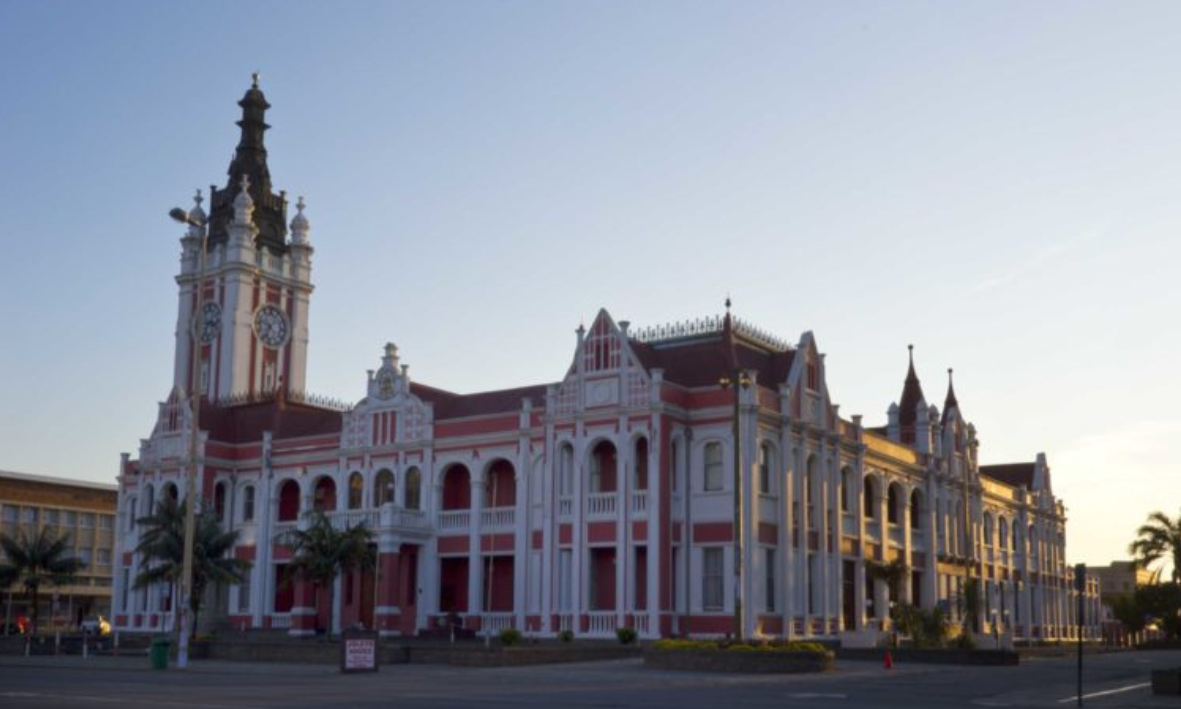
Statement by Bulelani Bobotyane, Provincial Secretary of the UDM in the Eastern Cape The United Democratic Movement (UDM) in the Eastern Cape has taken note of media reports indicating that the Executive Mayor of Buffalo City Metropolitan Municipality, Princess Faku, is allegedly the subject of a matter currently under consideration by the Independent Electoral Commission (IEC) relating to allegations of misrepresentation and the potential misuse of municipal resources for electoral purposes. The UDM in the Eastern Cape believes that the integrity of South Africa’s democratic and electoral systems must remain beyond reproach. Allegations suggesting the possible use of public resources, municipal programmes, or state platforms to advance partisan political interests are matters that require careful and transparent scrutiny. At the same time, the UDM in the Eastern Cape wishes to emphasise that South Africa’s constitutional framework is founded on the principle that every person is presumed innocent until proven otherwise. It is therefore important that the IEC be allowed to conduct its processes independently, fairly, and without interference so that the facts of the matter may be properly established and the public properly informed. This process must also serve as an opportunity to address persistent concerns about governance and the use of public resources within Buffalo City Metropolitan Municipality and, where wrongdoing is found, to ensure that accountability is finally enforced. Public institutions and municipal resources exist to serve communities impartially and in accordance with the law. Any situation that creates the perception that public resources may be used for electoral advantage risks undermining public confidence in governance and in the fairness of democratic competition. These allegations also reinforce longstanding concerns about governance and the use of public resources within Buffalo City Metropolitan Municipality, concerns that communities and opposition parties have raised repeatedly over time. In such circumstances it is particularly important that public representatives demonstrate the highest standards of ethical leadership, transparency, and accountability. The UDM in the Eastern Cape will continue to monitor this matter closely and supports all lawful and appropriate oversight processes to ensure that accountability is upheld and that the integrity of South Africa’s electoral framework is protected. The people of Buffalo City deserve governance that is transparent, responsible, and firmly grounded in the rule of law.
Admin
26 Feb, 2026
Eastern Cape SOPA2026: Mabuyane’s leadership on trial after year 7
Statement by Bulelani Bobotyane, Provincial Secretary of the UDM in the Eastern Cape The United Democratic Movement (UDM) in the Eastern Cape notes that on 27 February 2026, Premier Oscar Mabuyane will address the province in his seventh year at the helm. Across towns and villages, one hears a recurring sentiment: there was a period in this region’s history when executive authority translated into visible administrative discipline, when decisions were implemented with consistency and consequence management was not optional. That period existed within a different constitutional dispensation and must be understood in its proper historical context. It was not beyond criticism. In this province, what endures in public memory is not nostalgia for past structures, but the perception that governance was firm, coherent and enforceable. After nearly seven years in office, the current African National Congress (ANC) administration cannot dismiss that comparison. It must answer it. Seven years into the Mabuyane administration, the issue is no longer vision. The province has had vision documents, master plans, stimulus funds, growth frontiers and 2030 targets. The issue is executive control and institutional discipline. When the same sectors are re-announced year after year, when projected multipliers are pushed further into the future, and when governance reform deadlines quietly fade from the public record, the pattern reveals not a shortage of ideas, but a shortage of consolidation. After 32 years of uninterrupted ANC governance in this province, fragmentation cannot be blamed on transition or inheritance. It reflects a governing culture that accumulates initiatives faster than it stabilises systems. The Eastern Cape does not lack policy. It lacks conversion. It does not lack plans. It lacks enforcement. Seven years is sufficient time to entrench systems, discipline departments and impose consequence management. When plans multiply but structural indicators remain stubborn, it signals not complexity, but weak executive control. The ANC governs this province, with Premier Mabuyane at its helm. They cannot continue to govern through perpetual projection and recycled ambition. If the plans are sound on paper yet outcomes remain inconsistent, the question is no longer about design. It is about leadership. As the province approaches the 2026 Local Government Elections, SOPA 2026 must do more than defend a record. It must demonstrate that governance is stabilising where citizens experience the state most directly: in municipalities. Voters will not judge performance by presentation in the Chamber, but by functioning taps, maintained roads, disciplined finances and reliable services. In this election cycle, credibility will be earned on the ground. Accountability and delivery The UDM in the Eastern Cape will demand that SOPA2026 move beyond ambition and provide clear evidence of delivery. The people of the Eastern Cape have heard commitments on roads, water infrastructure, housing, health facilities and economic expansion before. This year’s address must account for what has been completed, what remains delayed and what has stalled. The public deserves measurable progress, not repetition. Municipal governance Municipal instability must be confronted honestly. If municipalities required intervention in the past year, the province must report whether those interventions worked. Financial stability, revenue collection, professional administration and consequence management determine whether communities receive services and whether local government can be trusted. Water security Access targets extending toward 2030 cannot substitute for consistent supply today. Communities experience governance through functioning taps, maintained infrastructure and effective wastewater systems. If these remain unreliable, explanations are no longer sufficient. Infrastructure maintenance Development cannot be credible if roads, stormwater systems and municipal assets deteriorate while new projects are announced. Maintenance is not secondary to growth. It is foundational to it. Economic reform and employment Sustainable job creation depends on stable municipalities, reliable infrastructure, clean procurement systems and a predictable regulatory environment. Temporary public employment programmes may offer short-term relief, but they do not replace structural reform. The province must demonstrate that institutional foundations for long-term economic expansion are being strengthened year by year. The National Development Plan’s 2030 horizon does not excuse weak implementation in the present. Governance and accountability Ethics frameworks and oversight mechanisms must translate into visible consequences. Clean governance, professional administration and disciplined public finance management are essential if public trust is to be restored. In 2020, this administration undertook to implement lifestyle audit guidelines by 2022. That deadline has passed. The province has yet to see consistent, transparent reporting on the outcomes of those audits or the consequences that followed. Anti-corruption cannot be rhetorical. It must be enforceable. With the 2026 Local Government Elections fast approaching, this address will be measured not by tone, but by evidence. The people of this province are demanding functional municipalities, reliable services and accountable leadership. In 2026, the UDM in the Eastern Cape will present a credible alternative grounded in administrative discipline, clean governance and service delivery that is felt in every municipality we contest.

Admin
21 Oct, 2025
Gade hides behind matric exams as Eastern Cape education crumbles
Statement by Bulelani Bobotyane, Provincial Secretary of the UDM in the Eastern Cape The United Democratic Movement (UDM) in the Eastern Cape condemns the conduct of Eastern Cape Education MEC Fundile Gade, who attempted to postpone Parliamentary oversight visits under the pretext of matric examinations. This was not a scheduling conflict. It was a blatant attempt to dodge responsibility in the face of damning findings about the provincial department’s failures, including criticism from members of his own party. The Auditor-General has confirmed that the Eastern Cape Provincial Department of Education spent 99.9% of its budget yet achieved only 10% of its infrastructure targets. Even African National Congress (ANC) Members of Parliament were forced to admit that the situation is devastating and called for heads to roll. Instead of welcoming oversight and taking urgent corrective action, MEC Gade’s instinct was to evade scrutiny and hide behind the hard work of matriculants who deserve his full accountability, not excuses. The ANC’s provincial government is effectively pretending to fix education infrastructure while knowing the maths do not add up. Officials admit that the province needs R72 billion to clear its backlog within ten years, yet they budget only R1.8 billion a year. That is less than a quarter of what is required, and even those limited funds fail to deliver. Spending 99.9% of a budget while meeting only 10% of targets is not progress; it is the illusion of governance. If the provincial education department truly spends 99.9% of its budget, the people of this province deserve to know what it is being spent on. Where are the new classrooms, the repaired roofs, the functioning toilets and the rebuilt storm-damaged schools? How can so much money disappear into paperwork, travel and administration while learners sit under leaking prefabs and teachers work without electricity or proper sanitation? This is not a resource problem; it is a leadership and accountability crisis. The timing of the exams does not absolve MEC Gade from appearing before Parliament or explaining how billions have been spent with almost nothing to show for it. Leadership means facing the truth, not running from it. The province’s learners study in prefabricated classrooms, hundreds of schools remain closed or vandalised, and 427 schools still have pit latrine toilets. These are the real emergencies, not the Parliamentary calendar. The UDM in the Eastern Cape welcomes this decision and commends Parliament for standing firm in defence of accountability. Oversight is not a favour to the provincial executive; it is a constitutional duty. The time for excuses is over. The children of the Eastern Cape deserve leadership that works, not officials who hide behind exams and empty audits.
Admin
16 Oct, 2025
Three decades later, the ANC still fails Eastern Cape learners
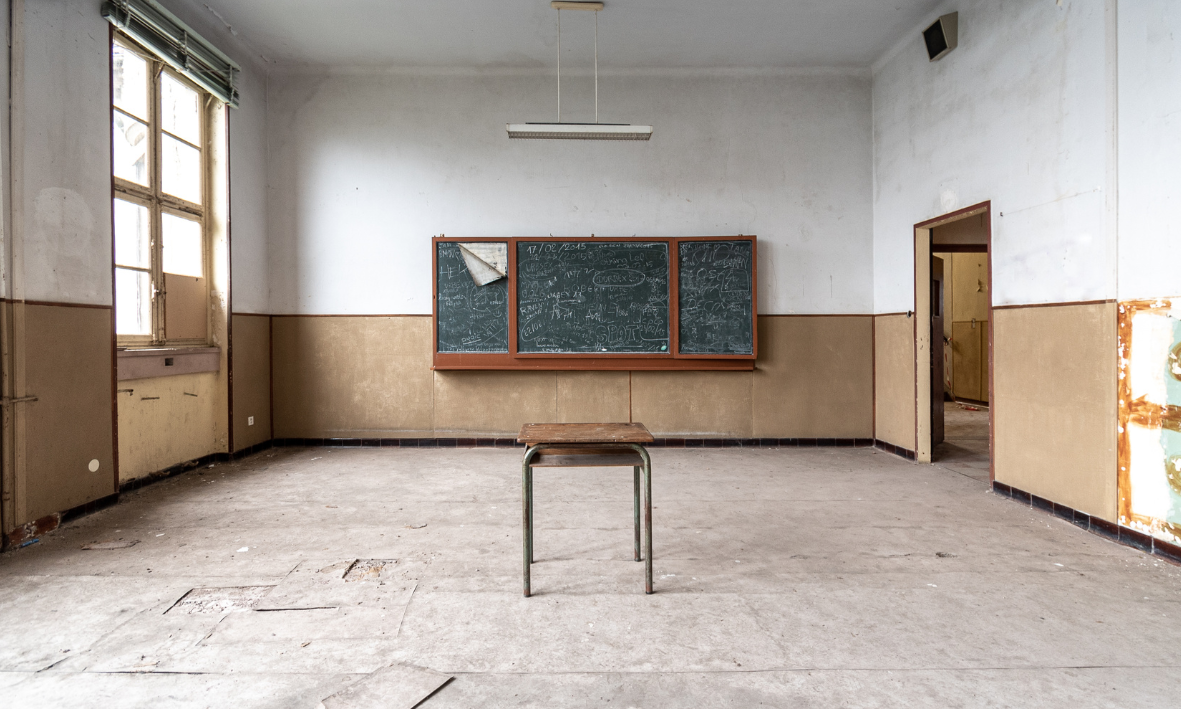
Statement by Bulelani Bobotyane, Provincial Secretary of the UDM in the Eastern Cape The United Democratic Movement (UDM) in the Eastern Cape condemns the ongoing decay and abandonment of school infrastructure across the province. What we see today is not a sudden crisis but the direct outcome of three decades of neglect under the African National Congress (ANC) government. The ruling party’s failures in planning, oversight and accountability have left thousands of learners without safe and functional schools, while its officials hide behind bureaucracy and empty promises. No one takes responsibility for the hundreds of closed school buildings scattered across the province. Public infrastructure is collapsing while officials pass blame from one department to another. More than a thousand schools have been shut down, many left vandalised and stripped of value, while children in other communities are still learning in structures that are unsafe, overcrowded or falling apart. The tragedy of the Ginsberg Crèche in Qonce, formerly known as King William’s Town, founded by Steve Biko as a living symbol of self-reliance and community dignity, captures the depth of this failure. To allow such a historic and visionary space to decay is an act of utter disrespect, not only to Biko’s legacy but to the children it was meant to serve. A place once built to nurture young minds now lies in ruins, overrun by weeds and indifference. It stands as a monument to how far this province has drifted from its moral duty to protect and educate its children. The UDM in the Eastern Cape calls for the following urgent actions: 1. Eastern Cape Department of Education to conduct a full audit of all closed, abandoned and collapsing schools, publish the findings, and present an infrastructure recovery plan with clear deadlines for refurbishment, reconstruction and security. 2. Provincial Department of Public Works and Infrastructure to take responsibility for maintaining and securing all disused school properties to prevent vandalism, theft and further deterioration. 3. Provincial Treasury to ensure that funds allocated for education infrastructure are ring-fenced and fully spent within the financial year, with public quarterly reports on expenditure and progress. 4. National Department of Basic Education to intervene where provincial capacity has failed through targeted support, technical expertise and oversight to fast-track safe and dignified learning facilities. 5. Parliament’s Portfolio Committee on Basic Education to institute a formal inquiry into the collapse and abandonment of public-school infrastructure in the Eastern Cape and demand accountability for wasted funds and stalled projects. 6. Communities and School Governing Bodies to guard against vandalism and theft and insist that local schools and historic educational sites such as the Ginsberg Crèche are restored and protected for future generations. The UDM in the Eastern Cape echoes the call to find constructive and community-driven alternative uses for mothballed school buildings so that these spaces can once again serve public good rather than fall into ruin. No province with such deep educational need can afford to lose even a single classroom to incompetence.
Admin
11 Oct, 2025
Scholar transport chaos a legacy of decades of ANC failure
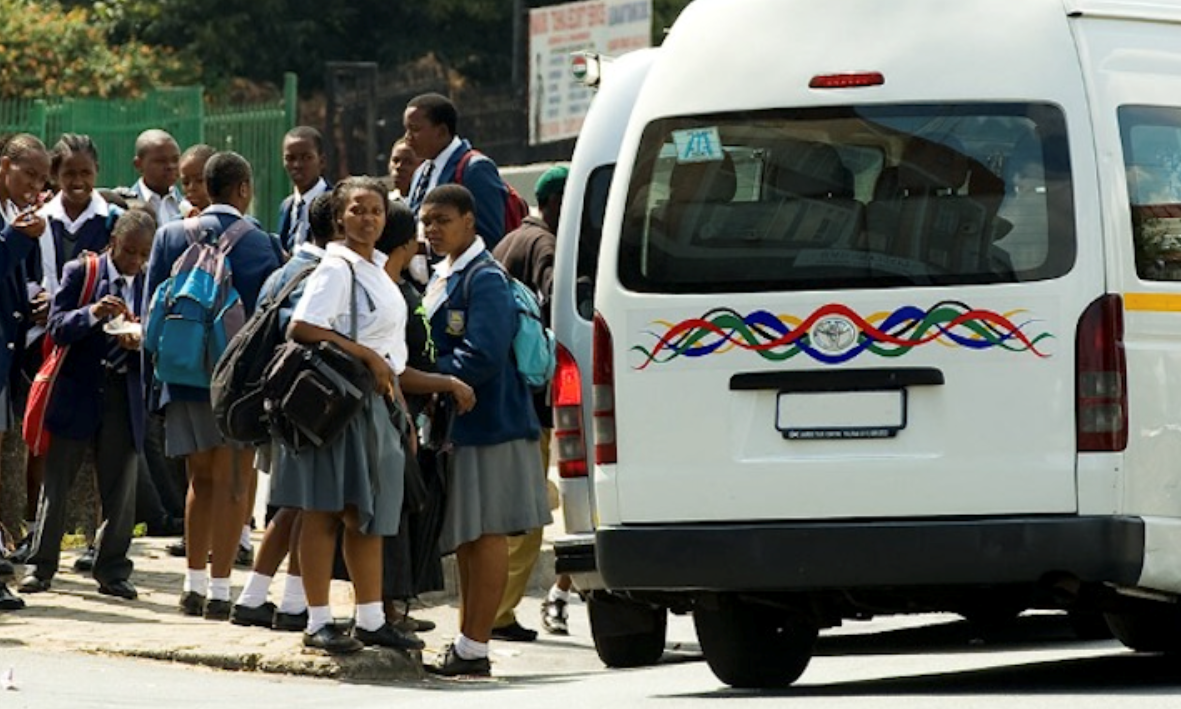
Scholar transport chaos a legacy of decades of ANC failure Statement by Bulelani Bobotyane, Provincial Secretary of the UDM in the Eastern Cape Years of poor planning and neglect have turned the Eastern Cape’s scholar transport programme into a crisis that now threatens thousands of learners. The decision by the South African National Taxi Council (SANTACO) to suspend scholar transport from 13 October is the direct consequence of the Eastern Cape government’s continued failure to manage and fund this vital programme. This is not an isolated incident but the cumulative outcome of years of mismanagement under African National Congress (ANC) administrations that have consistently failed to prioritise education in this province. For more than a decade, provincial administration has ignored every warning about late payments, corruption, and systemic underfunding. The situation has now reached breaking point. Between 2022 and 2025 alone, the same problems have repeated year after year: • Operators go unpaid for months, leaving them bankrupt while learners are stranded. • In 2024 alone, 50 000 qualifying pupils were excluded from the programme because of budget shortfalls. • The Makhanda High Court ruled in December 2024 that the Departments of Education and Transport acted unconstitutionally by failing to provide scholar transport to all qualifying learners. • The 2025/2026 provincial budget of R800 million has already collapsed under pressure, with funds exhausted by October and scholar transport once again paralysed. • Investigations have revealed millions wasted on “ghost scholar” contracts while real children are left to walk dangerous distances to school. The right to basic education is immediately realisable under the Constitution. The Eastern Cape provincial government has a direct legal duty to provide safe and reliable transport to learners and cannot hide behind excuses of limited funds or administrative delay. Its repeated failure to comply with court orders and to budget adequately for scholar transport places it in clear violation of the Constitution and in potential contempt of the Makhanda High Court judgment. This ongoing neglect is a betrayal of the province’s learners and a breach of the public trust. The UDM in the Eastern Cape demands decisive provincial implementation to restore this critical programme: 1. The Premier must establish a dedicated Provincial Task Team to oversee full implementation of the Makhanda High Court judgment. 2. The MEC for Finance, Economic Development, Environmental Affairs and Tourism, the MEC for Transport and Community Safety, and the MEC for Education must table an emergency adjustment budget to close funding shortfalls and ensure that all payments are made within 30 days. 3. The Department of Transport must publish a transparent list of all verified operators, payment schedules, and outstanding invoices, and must immediately investigate and eliminate the so-called “ghost scholar” contracts that have drained millions from the programme. 4. The Provincial Treasury must ring-fence all scholar transport funds and prevent diversion to other programmes. 5. The Provincial Legislature’s Education and Transport Committees must conduct monthly oversight visits to monitor compliance, investigate allegations of fraud and mismanagement, and report publicly on progress. There can be no excuse for the Eastern Cape provincial government that once again fails its most vulnerable citizens. The children of the Eastern Cape deserve leadership that plans, pays, and delivers. The UDM in the Eastern Cape will continue to hold the provincial administration accountable until every qualifying learner has safe and reliable transport to school, not as a favour but as a right. This crisis is the direct legacy of the ANC’s decades of neglect and poor governance, which have left the province trapped in a cycle of underfunding, corruption, and administrative failure. As a partner in the Government of National Unity (GNU), the UDM in the Eastern Cape calls on Minister of Basic Education, Ms Gwarube, to intervene decisively. The Minister must ensure that the Eastern Cape government complies with the Makhanda High Court judgment and delivers on its obligations to learners and communities. The GNU cannot allow provincial failures to undermine national commitments to education. Minister Gwarube must demand accountability, enforce compliance with court orders, and ensure that public funds allocated for scholar transport are used transparently and efficiently to restore faith in government and uphold the constitutional right to education.
Admin
10 Oct, 2025
31 years later: ANC has bankrupted the Eastern Cape municipalities
Statement by Bulelani Bobotyane, Provincial Secretary of the UDM in the Eastern Cape The United Democratic Movement (UDM) in the Eastern Cape is deeply disturbed by revelations that seven municipalities in the Eastern Cape are on the verge of financial collapse. This is not an isolated administrative failure. It is the product of decades of African National Congress (ANC) misrule that has left local government structures hollow, indebted, and incapable of delivering even the most basic services. The Provincial Treasury’s presentation to Parliament revealed that Makana, Sundays River Valley, Amathole, Raymond Mhlaba, Amahlathi, Walter Sisulu and King Sabata Dalindyebo municipalities will not survive beyond a month without intervention. Only Koukamma has slightly more cash reserves, barely enough for three months. Under ANC governance, 33 out of 39 municipalities are distressed, with only six receiving clean audits in the 2023/24 financial year. The scale of financial recklessness is staggering. Nelson Mandela Bay Metro recorded R22 billion in unauthorised, irregular, fruitless and wasteful expenditure. Buffalo City Metro recorded R11.6 billion. Amathole District recorded R1.3 billion, OR Tambo District R1.1 billion, and Inxuba Yethemba R910 million. Despite this, more than R300 million in unspent infrastructure funds was returned to the National Treasury. This is an unforgivable betrayal of the people. A province drowning in unemployment and poverty is being robbed not only by corruption but by chronic incompetence. The UDM in the Eastern Cape holds Premier Oscar Mabuyane and Cooperative Governance and Traditional Affairs (CoGTA) MEC Zolile Williams politically responsible for the collapse of governance in the province. For years they have been warned about the dire state of municipalities but responded with empty plans and recycled rhetoric. MEC Williams himself has acknowledged that Nelson Mandela Bay accounts for over seventy percent of the province’s R30 billion in irregular expenditure, driven by evergreen contracts that he admits are criminal. Yet there is no visible action, no prosecutions, and no accountability. The rot runs deep. A captured CFO in Sundays River Valley inflated consultancy contracts from R4 million to R38 million. Evergreen contracts in Nelson Mandela Bay have become the feeding trough for politically connected service providers. State departments owe municipalities such as Nelson Mandela Bay more than R208 million in unpaid rates and service charges, proof that even government does not respect local government. It is shocking and unacceptable that national and provincial government departments owe municipalities more than R208 million in unpaid rates and service charges. These are not private companies or delinquent ratepayers. They are organs of the same state that lectures ordinary citizens about paying their municipal accounts. This failure by the state to pay what it owes is an act of internal sabotage. It cripples the very municipalities tasked with delivering water, electricity, sanitation and waste removal to communities. When government departments do not honour their obligations, they drain the lifeblood of local government, its revenue base, and accelerate the collapse of essential services. The UDM in the Eastern Cape finds this behaviour reprehensible and hypocritical. It exposes a culture of impunity within the ANC government where accountability is applied selectively. Citizens are threatened with disconnection for non-payment, while government institutions continue to consume services without consequence. This situation also shows the utter breakdown of intergovernmental cooperation in the Eastern Cape. The Premier and his MECs have allowed a crisis where the left hand of government starves the right. How can municipalities be expected to survive when the very departments that fund them are also their biggest debtors? The UDM in the Eastern Cape is deeply concerned by the recent remarks of Buffalo City Mayor Princess Faku, who told Parliament that her municipality is “neither dysfunctional nor cash-strapped.” This statement is misleading and irresponsible. Both the Provincial Treasury and the Auditor-General have confirmed that Buffalo City incurred R11.6 billion in irregular, fruitless and wasteful expenditure, and returned unspent infrastructure funds while residents continue to endure failing services. For a mayor to deny this reality shows disregard for the truth and for the daily struggles of the people she serves. It reflects the ANC’s entrenched culture of denial, where leaders protect their image instead of fixing what is broken. The UDM calls on Premier Mabuyane to act against Mayor Faku for misleading Parliament and the public. The people of Buffalo City deserve honesty, accountability and real solutions, not empty political theatre. As a partner in the Government of National Unity (GNU), the UDM in the Eastern Cape believes this crisis demands direct intervention by the National CoGTA Minister Velenkosini Hlabisa. The Minister must immediately: 1. Deploy a national intervention team to the seven municipalities on the brink of collapse, with powers to stabilise finances, strengthen governance, and halt corruption. 2. Oversee forensic investigations into the misuse of funds, fraudulent consultancy contracts, and the R30 billion evergreen contract scandal in Nelson Mandela Bay. 3. Ensure strict consequence management, including suspension and prosecution of accounting officers, councillors and mayors who enabled this rot. 4. Coordinate intergovernmental debt recovery, compelling all government departments to pay what they owe to municipalities. 5. Enforce public transparency and reporting, ensuring that all municipal recovery reports demanded by Parliament are made public within thirty days. 6. Work with National Treasury and the Department of Water and Sanitation to restore critical infrastructure and basic service delivery in the affected municipalities. 7. Hold Premier Mabuyane and MEC Williams politically accountable for years of failed oversight and negligence under their leadership. The UDM in the Eastern Cape also reminds the ANC, as a partner in the GNU, that it carries the greatest responsibility for this crisis. Its national leadership must urgently call its counterparts in the province and municipalities to order. The continued collapse of governance in the Eastern Cape is not just a local embarrassment; it undermines the credibility of the GNU’s commitment to clean, accountable and effective government. If the ANC is sincere about renewal, it must start by cleaning its own house in this province. For thirty-one years, the ANC has turned the Eastern Cape into a case study of corruption and decay. The people deserve better. They deserve leaders who act, not talk, who serve, not steal. The UDM in the Eastern Cape calls on all honest public servants, civil society and communities to rally behind the call for accountability and renewal.
Admin
10 Sep, 2025
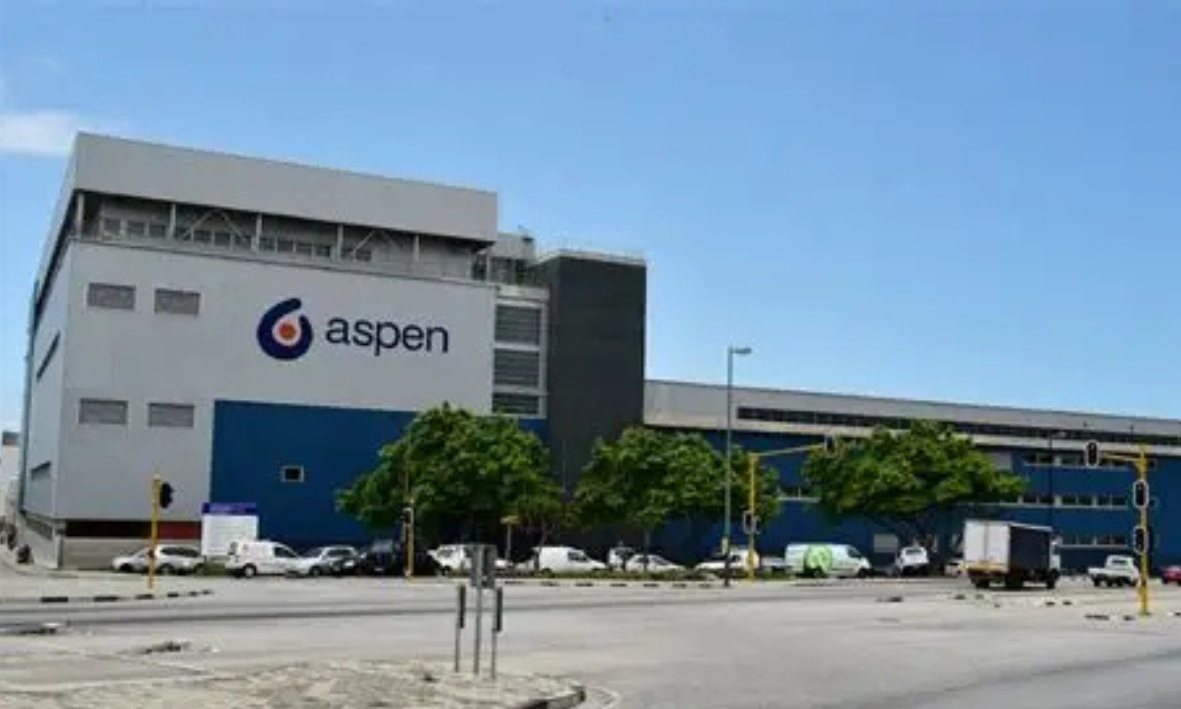
Massive job losses in the Eastern Cape: Aspen Pharmacare joins the litany
Statement by Bulelani Bobotyane, Provincial Secretary of the UDM in the Eastern Cape The United Democratic Movement (UDM) in the Eastern Cape notes with deep concern the announcement by Aspen Pharmacare that more than 900 employees face retrenchment following a fresh Section 189A notice served on unions. This comes on the back of 208 jobs already lost over the past year, including the closure of its eyedrops production facility in Gqeberha, and forms part of a growing trend of mass retrenchments across key sectors of our economy. The UDM in the Eastern Cape sympathises with the affected workers and their families. We are acutely aware of the devastating impact that job losses have on households, communities, and the country at large, especially in a context where South Africa is already in the grip of a worsening unemployment crisis. Aspen, as one of the leading pharmaceutical companies on the continent, has historically played a critical role in job creation, industrial development, and the manufacture of essential medicines. It is therefore disheartening to witness a contraction in its workforce of this magnitude. We call on Aspen to engage with unions and workers in good faith, to ensure that the consultation process is transparent, fair, and rooted in the principles of social justice. Workers must not be treated as disposable commodities in the pursuit of operational efficiency. We also urge Aspen to explore alternatives to retrenchment, including re-skilling, redeployment, and restructuring measures that can preserve as many jobs as possible. The crisis at Aspen is not an isolated case. Across South Africa, major employers are shedding jobs at an alarming rate. Goodyear has already closed its Kariega factory, resulting in 900 job losses, while ArcelorMittal, Glencore, and Ford have also announced significant cuts. These developments point to a broader pattern of industrial decline and economic stagnation, which demands urgent intervention from government and a coordinated response from all social partners. Government cannot continue to sit on its hands while South Africans lose their jobs in waves of Section 189 notices. The UDM calls on the Department of Employment and Labour, as well as the Department of Trade, Industry and Competition, to urgently intervene. We need decisive leadership to: • Protect existing jobs in strategic industries such as pharmaceuticals and manufacturing. • Support companies facing operational and compliance challenges with incentives and relief mechanisms, where appropriate. • Facilitate long-term industrial strategies that strengthen South Africa’s manufacturing capacity and competitiveness. The UDM in the Eastern Cape further demands accountability regarding the circumstances that led to the loss of Aspen’s eyedrops production lines, including the findings of the United States Food and Drug Administration (FDA). Regulatory compliance and quality assurance failures must not be allowed to undermine local jobs or compromise South Africa’s standing in global markets. South Africa (and the Eastern Cape in particular) cannot continue to bleed jobs at this scale without a decisive response. The UDM in the Eastern Cape demands that government urgently declare job losses a national emergency and present a clear plan to stem the tide of retrenchments sweeping through every sector. Empty promises and piecemeal interventions can no longer suffice; workers and their families need action, not platitudes.