
Admin

09 Mar, 2026
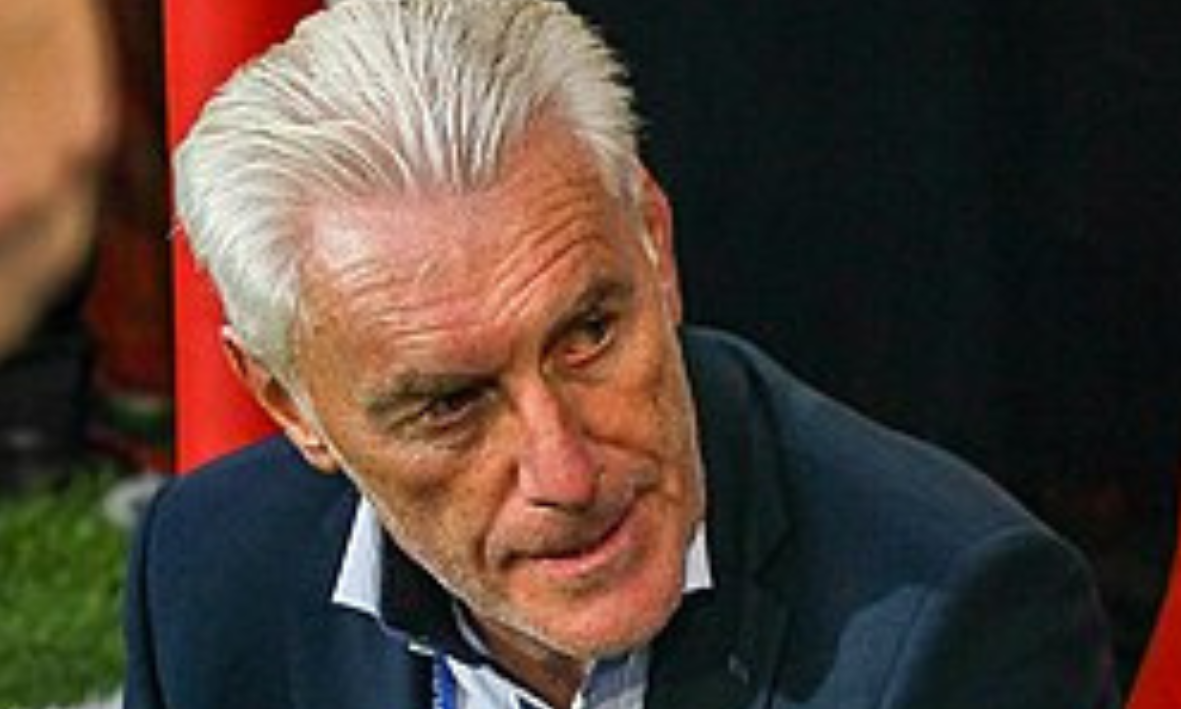
Request for parliamentary oversight regarding the handling of the UDM complaint to the SAHRC concerning SAFA and Coach Hugo Broos
Ms Thokozile Didiza, MP Speaker of the National Assembly Parliament of the Republic of South Africa PO Box 15 Cape Town 8000 Dear Madam Speaker Request for parliamentary oversight regarding the handling of the UDM complaint to the SAHRC concerning SAFA and Coach Hugo Broos 1. I write to bring to your attention a matter that the United Democratic Movement (UDM) has formally referred to the South African Human Rights Commission (SAHRC), and which has subsequently involved the Commission for Gender Equality (CGE). The matter raises issues that fall within Parliament’s oversight responsibilities. 2. In December 2025, the UDM lodged a complaint with the SAHRC concerning public utterances made by the Bafana Bafana coach, Mr Hugo Broos, as well as the institutional response of the South African Football Association (SAFA). The complaint concerns statements that raise allegations of racial and gender discrimination and therefore implicates constitutional rights protected under the Promotion of Equality and Prevention of Unfair Discrimination Act (PEPUDA). 3. On or about 10 or 11 December 2025, during a media engagement ahead of the 2025 Africa Cup of Nations tournament, Mr Broos made remarks which were widely interpreted as racially and sexually insensitive. The comments prompted significant public concern and raised questions about equality, dignity and representation in South African sport. On 11 December 2025, the UDM formally lodged a complaint with the SAHRC citing both Mr Broos and SAFA as respondents. 4. Subsequent to the public controversy, Mr Broos issued an apology on 15 December 2025, which the UDM accepted in good faith. However, the complaint lodged with the SAHRC was never confined to the conduct of one individual. It also raised broader concerns regarding the institutional response of SAFA and the absence of clear safeguards within sporting structures to address racism and sexism. The acceptance of an apology cannot substitute for institutional accountability where constitutional rights and systemic safeguards are concerned. For that reason, the UDM has consistently maintained that the matter requires consideration of systemic and policy reforms rather than being treated merely as an isolated incident. 5. The complaint was initially raised by UDM Councillor Yongama Zigebe and was formally processed through the Office of the Acting Secretary General (ASG) of the UDM. During engagements in January 2026, the SAHRC informed the UDM that the CGE had also received related complaints and that the two institutions would coordinate their handling of the matter and pursue an independent mediation process as contemplated in PEPUDA. 6. During that engagement and in subsequent written correspondence, the UDM requested clarity on several procedural issues, including whether a prima facie determination had been made that the conduct complained of falls within the ambit of PEPUDA, the anticipated timeline for the proposed mediation process, and the investigative steps undertaken by the SAHRC and CGE. 7. Regrettably, follow up correspondence addressed to the SAHRC and CGE has not received any response. The continued absence of even a basic procedural update or acknowledgement is deeply concerning in a matter involving alleged violations of constitutional rights by a prominent national figure and questions of institutional accountability by a national sporting body. 8. The UDM recognises that Chapter Nine institutions operate under significant resource and budgetary constraints. It is precisely because we respect their constitutional mandates and the important role they play in protecting fundamental rights that we have sought to allow the matter to proceed through the processes contemplated under PEPUDA. 9. However, continued procedural uncertainty cannot be allowed to persist indefinitely. Where a complaint of this nature remains without visible procedural advancement or communication from the responsible institutions, it raises serious concerns regarding the responsiveness of the processes intended to safeguard constitutional rights. 10. Should the situation remain unresolved, the UDM will have no option but to consider appropriate legal avenues to secure procedural clarity and advancement. Such a course would impose additional legal and financial burdens on all parties involved, including the SAHRC and CGE themselves. It is our sincere preference to avoid such an outcome and to allow the matter to be resolved within the existing constitutional framework. 11. It has been suggested in some quarters that the UDM’s complaint was misplaced, that it risked undermining team morale, or that matters of equality should not be raised in the context of national sport. The UDM rejects this characterisation. The complaint was never directed at the Bafana Bafana team or its performance. It concerns statements made in a public capacity and the institutional response to those statements. Issues of equality, dignity and non-discrimination apply across all spheres of public life, including sport. Upholding these principles strengthens the integrity of our institutions and ensures that national teams represent the values of the Constitution as well as the pride of the country. 12. In light of the procedural concerns outlined above, the UDM believes that parliamentary oversight is now both necessary and appropriate. 13. Given the nature of the issues raised, the mandates of several parliamentary committees are directly engaged, namely: 13.1. the Portfolio Committee on Justice and Constitutional Development, which exercises oversight over the SAHRC; 13.2. the Portfolio Committee on Sport, Arts and Culture, which exercises oversight over SAFA; 13.3. the Portfolio Committee on Women, Youth and Persons with Disabilities which exercises oversight over the CGE. 14. The issues raised concern, among others, the protection of equality and dignity in public life, the responsiveness and functioning of Chapter Nine institutions tasked with safeguarding constitutional rights, and the governance and accountability standards expected of national sporting bodies that represent the country internationally. 15. In the ordinary course of parliamentary oversight, the aforementioned committees may wish to satisfy themselves that the relevant constitutional institutions and entities have acted with the necessary responsiveness and procedural clarity in matters implicating equality, dignity and non-discrimination. 16. In light of the above, we respectfully request that your Office take the following steps so that Parliament may exercise its oversight responsibilities: 16.1. refer this matter to the Portfolio Committee on Justice and Constitutional Development for consideration of the procedural handling of the complaint by the SAHRC; 16.2. refer the matter to the Portfolio Committee on Sport, Arts and Culture for consideration of governance and accountability issues relating to the response of the SAFA; and 16.3. refer the matter to the Portfolio Committee on Women, Youth and Persons with Disabilities for consideration of the gender equality dimensions raised in the complaint and the role of the Commission for Gender Equality (CGE). Given the seriousness of the issues involved and the continuing absence of procedural clarity from the SAHRC and the CGE, we urge that this matter be treated with the urgency it warrants. 17. The UDM stands ready to cooperate fully with your Office and with the relevant portfolio committees should Parliament consider it appropriate to engage further on this matter. Upon request, we would be willing to make available the correspondence exchanged with the SAHRC and the CGE, as well as any related documentation, so that the committees may be fully apprised of the procedural history of the complaint. 18. The UDM remains committed to resolving this matter through lawful and constructive processes that uphold the Constitution and protect the dignity and equality of all South Africans. We are equally committed to the preservation and strengthening of our sporting codes and to the national pride that South Africans across race and gender place in our national teams. These are not competing ideals, but complementary ones that should guide the institutions entrusted with representing the nation. Yours sincerely Mr NLS Kwankwa, MP Deputy President of the United Democratic Movement Party Leader in Parliament Copied to: • Mr Xola Nqola, Chairperson of the Portfolio Committee on Justice and Constitutional Development • Mr Joseph McGluwa, Chairperson of the Portfolio Committee on Sport, Arts and Culture • Ms Liezl van der Merwe, Chairperson of the Portfolio Committee on Women, Youth and Persons with Disabilities • Mr Tsietsi Shuping, Head of Department: Legal Services, Commission of Gender Equality • Ms Zamantungwa Mbeki, Provincial Manager, South African Human Rights Commission • Deputy Minister Bantu Holomisa, MP and UDM President • Ms Zandile Phiri, UDM Acting Secretary General • Ms Thandi Nontenja, MP, UDM National Treasurer and Chief Whip in the National Assembly • Cllr Yongama Zigebe, originator of the HSRC complaint • Ms Khazimla Ngalwa, Parliamentary Assistant to Mr Nqabayomzi Kwankwa, MP

Admin
16 Oct, 2025
UDM calls for unity and respect as SAHRC takes stand on hate speech
Statement by Yongama Zigebe, Councillor in the City of Johannesburg for the United Democratic Movement and Chairperson of the S79 Committee on Gender, Youth and People with Disabilities The United Democratic Movement (UDM) notes and welcomes the South African Human Rights Commission’s (SAHRC) decision to refer Mr Ngizwe Mchunu to the Equality Court following his remarks concerning the LGBTQIA+ community. This development marks an important step toward ensuring accountability and affirming that freedom of expression must never cross into the realm of hate speech or incitement. This matter underscores the vital role of our democratic institutions in maintaining respect, accountability, and adherence to the rule of law The UDM was the first political movement to respond to this incident. Our human rights advocate, Mxolisi Makhubu, lodged a formal complaint with the SAHRC immediately after Mr Mchunu’s remarks went viral, drawing millions of views and hundreds of comments openly calling for violence against queer people. The UDM recognised this not as an isolated event but as part of a broader moral and social crisis that demanded urgent institutional response. In parallel, a formal letter was submitted to the Minister of Women, Youth and Persons with Disabilities, urging government accountability and leadership in protecting vulnerable groups from hate speech and targeted violence. The letter was tabled by UDM Cllr Yongama Zigebe, Chairperson of the Section 79 Oversight Committee on Gender, Youth and Persons with Disabilities in the City of Johannesburg. “We welcome this decisive move by the SAHRC as a victory for human dignity and a reaffirmation of our Constitution’s founding principles,” said Cllr Yongama Zigebe. “This matter has never been about opinion or culture. It is about human rights. No South African should live in fear because of who they love or how they express their identity. The Equality Court must send a clear message that hate speech and incitement to violence will be met with firm consequences.” The UDM recognises and respects the rich cultural traditions that shape South Africa’s identity. However, culture can never be used as a shield for discrimination or violence. True cultural pride is rooted in Ubuntu, in recognising the humanity and dignity of all South Africans. Our Constitution guarantees freedom of belief and expression, but those freedoms end where they infringe upon the rights and safety of others. Respect for culture must go hand in hand with respect for human rights. UDM human rights advocate Mxolisi Makhubu added: “The UDM acted swiftly because silence is complicity. We cannot preach equality on paper and tolerate hate in practice. The SAHRC’s intervention is welcome, but this must also spark broader government action to educate, protect, and heal.” The UDM expresses concern over the divisive public reaction that followed the celebration of a same-sex traditional wedding. What should have been embraced as a moment of love and cultural pride regrettably became the subject of hurtful commentary and misunderstanding. The UDM believes that such occasions should inspire respect, inclusion, and appreciation of South Africa’s diversity. The UDM calls on government, civil society, and traditional leadership to open channels of dialogue rather than trading insults or deepening divisions. At present, a widening gap of misunderstanding exists between cultural communities and the LGBTQIA+ community. This must be bridged through respectful conversation, public education, and empathy. South Africa’s democracy was built on dialogue, not hostility. The UDM urges all leaders to foster open engagement so that culture and human rights can coexist in harmony, guided by the true spirit of Ubuntu. The UDM remains unwavering in its commitment to justice, equality, and human rights, the pillars upon which our democracy stands.