
Admin

14 Oct, 2025
Rural women deserve more than platitudes, they deserve power
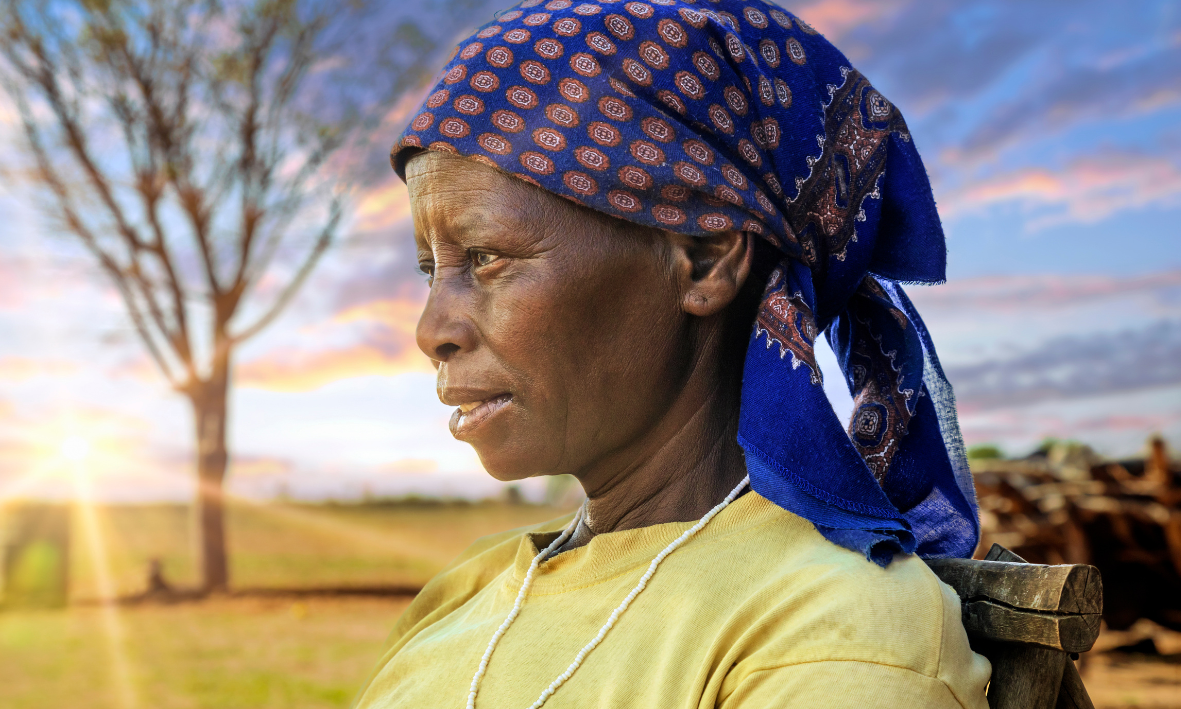
Media Statement by Thandi Nontenja, MP and UDEMWO Secretary General The story of rural South Africa is written in the hands of women who work the soil, raise families and rebuild communities in the face of hardship. Tomorrow is International Day of Rural Women, and the United Democratic Movement Women’s Organisation (UDEMWO) calls for their recognition not as beneficiaries of policy, but as partners in shaping the nation’s future. Across South Africa’s villages and farmlands, rural women anchor our food systems and local economies, yet their contribution remains undervalued and under-supported. Many continue to face barriers to owning or inheriting land, limited access to clean water and energy, and exclusion from local decision-making. Complicated land application procedures and unclear local regulations, combined with traditional gatekeeping and weak oversight, continue to deny rural women the security, dignity and opportunity they deserve. The result is predictable: hunger, unemployment and disempowerment. When rural women lack secure land, clean water, reliable energy and protection from climate shocks, entire communities fall behind. Yet despite these challenges, rural women continue to feed households, nurture future generations and hold the fabric of our society together. UDEMWO believes that true gender equality cannot be achieved until rural women enjoy the same rights, resources and respect as their urban counterparts. Empowering them is not charity; it is an investment in South Africa’s social and economic recovery. UDEMWO calls on the Government of National Unity to: 1. Work with traditional leaders to develop a Gender-Responsive Communal Land Framework that honours cultural heritage while ensuring that women can also enjoy secure rights to land. 2. Prioritise rural water, sanitation and clean-energy infrastructure as part of the national anti-poverty and food-security strategy. 3. Invest in climate-resilient agriculture and skills development led by rural women farmers, cooperatives and youth. 4. Ensure that every government budget includes specific allocations for rural women’s development, so that promises of equality are backed by real resources and measurable results. 5. Include rural women’s voices in climate, land and local-government forums where decisions affecting their lives are made. 6. Task the Minister of Women, Youth and Persons with Disabilities with leading a coordinated national programme to monitor rural women’s development, ensuring that every department and province delivers tangible outcomes in land access, services and economic empowerment. As we celebrate the courage of rural women, UDEMWO reaffirms its commitment to ensuring that no woman is left behind in land ownership, in leadership or in the fight against hunger and climate injustice. Rural women feed the nation. It is time South Africa fed their hopes with justice, dignity and opportunity.
Admin
12 Aug, 2015
National Women’s Day
ADDRESS BY Ms CN Majeke MP in the National Assembly SUBJECT FOR DISCUSSION: NATIONAL WOMEN’S DAY – Women United in moving South Africa forward Honourable Speaker and Members Despite progress reported in the Report on the Status of Women in South Africa; most rural women and girls are still facing more obstacles in gaining access to public service, social protection, decent employment opportunities, and markets and other institutions. The voice of rural women must be recognised in policy making in order to end discriminatory practices and ensure their access to land and other productive resources. When women are empowered and can claim their rights, they gain access to land, leadership opportunities, opportunities and choices, economies grow, food security is enhanced and prospects are improved for current and future generations. Rural women are key agents for achieving the transformational economic, environmental and social changes required for sustainable development. But limited access to credit, health care and education are amongst the many challenges they face, which are further aggravated by global food and economic crises and climate change. Empowering rural women is key not only to the well-being of individuals, families and rural communities, but also to the overall economic productivity. Until women are seen as equal human beings, the eradication of gender based violence and empowerment of rural women and girls will not be successful. The huge sums of monies used every year during the National Women’s Month should also help to introduce preventative measures which will help to prevent women from being victims of human trafficking, patriarchal system, social and economic ills. In the words of the then Secretary General of the United Nations, Kofi Annan “Gender equality is more than a goal in itself. It is a precondition for meeting the challenge of reducing poverty, promoting sustainable development and building good governance”. Indeed pathways out of poverty for rural women should include measures designed in such a way as to reflect the complexity of gendered rural livelihoods. Policies intended to address rural poverty should not be treated in isolation hence it is important to implement education, land and credit measures, as well as active labour market policies and social protection in an integrated manner, understanding their interdependencies and fostering synergies. Thank you