Admin

22 Oct, 2025
Johannesburg cannot live under the gun: UDM demands urgent action on gang violence
Statement by Yongama Zigebe, Councillor in the City of Johannesburg for the United Democratic Movement and Chairperson of the S79 Committee on Gender, Youth and People with Disabilities The United Democratic Movement in the City Johannesburg is outraged by the surge of gun violence that continues to claim innocent lives and sow fear in our communities. Over the past three months, Johannesburg has been gripped by a wave of shootings that have turned our townships and suburbs into war zones. Families are burying loved ones, children are dying in crossfire, and the sound of gunfire has become an unbearable soundtrack of daily life. The latest tragedy in Westbury, where two teenagers were killed and four others injured in a suspected gang related shooting, exposes the depth of our crisis. In Alexandra, a community that already bears the scars of poverty and inequality, gunfire has become routine. From the brutal killing of community leader and businessman Vincent Ndima to the shooting of community guardian Zandile Mojapelo and the murder of patrollers who volunteered to protect their neighbours, Alexandra has become a mirror reflecting the broader decay of safety across Johannesburg. These are not isolated incidents. They are the visible wounds of a system that has lost control over illegal firearms, failed to dismantle gangs, and neglected to restore community confidence in law enforcement. Johannesburg residents are living in fear because the state has failed to protect them. This must end now. The UDM in the City Johannesburg also notes with grave concern the National Police Commissioner General Fannie Masemola’s admission that police have been attacked by the very communities they are meant to protect. This breakdown of trust between law enforcement and residents reveals a deeper crisis of legitimacy and accountability. When communities no longer believe that reporting criminals will lead to justice, criminal syndicates gain strength while honest citizens retreat in fear. It is clear that policing alone cannot solve this epidemic. Without trust, intelligence sharing and visible integrity from officers on the ground, enforcement efforts will continue to fall short. The fight against guns and gangs must therefore begin with rebuilding confidence between the police and the people. Recent remarks by National Police Commissioner have confirmed what communities have long feared, that Johannesburg’s gang crisis now involves the recruitment of children as young as thirteen. This revelation is horrifying and underscores the complete collapse of prevention and early warning systems that should protect young people from being drawn into crime. It is unacceptable that our schools have become recruiting grounds and our streets a battlefield for minors doing the bidding of adult gangsters. The UDM in the City Johannesburg calls for urgent intervention from the Departments of Basic Education, Social Development and Police to disrupt this pipeline of child recruitment and to introduce community-based rehabilitation programmes that can save these children from a lifetime of violence and incarceration. The UDM in the City Johannesburg calls upon the Acting Minister of Police to treat Johannesburg’s gun violence epidemic as a national emergency. The time for excuses has passed. We expect an intensified anti-gang and firearm recovery operation that focuses on hotspots such as Westbury, Alexandra, Eldorado Park and Hillbrow. Police visibility must increase, community policing must be revived, and coordination between SAPS, Metro Police and Crime Intelligence must be restored. The City of Johannesburg’s Public Safety Department must strengthen patrols, fix broken streetlights and install CCTV cameras in high-risk areas. Law enforcement cannot win this war alone. The Department of Social Development must mobilise youth rehabilitation and anti-substance abuse programmes that steer young people away from criminal networks. Parliament and the Gauteng Provincial Legislature must hold law enforcement agencies accountable for their failure to regulate firearms and combat gun trafficking. The UDM in the City Johannesburg calls on the people of our city to rise together. Our safety is our collective responsibility. We cannot be silent while criminals dictate how we live. Communities must reclaim their streets, report criminals and stand united against fear. The time has come to restore dignity, to protect our children and to defend the right to life that our Constitution guarantees. This is not just about policing, it is about leadership, justice and the soul of our city. The UDM in the City Johannesburg will not look away while our city bleeds. We will hold those in power accountable, insist on real policing reform and work tirelessly to rebuild a city where safety and dignity belong to every resident.

Admin
01 Oct, 2025
Respect the dead, protect the living: UDM on Gauteng cemeteries
Statement by Andile Jabavu, Gauteng Provincial Secretary of the United Democratic Movement The United Democratic Movement (UDM) in Gauteng notes with deep concern the worsening pattern of neglect, vandalism, illegal dumping, informal settlements and more tarnishing cemeteries across the province which are sites of dignity, memory and community — not just plots of land. Despite repeated outcries from communities who have voiced their anger and frustration over these issues, the matter has only worsened. From Bredell Cemetery (Kempton Park), Kromvlei and Alberton Cemeteries (City of Ekurhuleni) to Pretoria East Cemetery and Zenzele Cemetery in the West Rand, multiple reports in Gauteng have highlighted growing incidents of uncontrolled waste dumping, safety risks and concerns such as damaged infrastructure and overgrown vegetation as well as people establishing unlawful occupation within burial grounds. It is deeply concerning that families arrive to find their loved ones’ graves desecrated, memorials stolen, tombstones broken or burial grounds overtaken by litter and informal settlements further eroding these cemeteries. Meant to offer dignity in death and solace to the living, burial grounds are being reduced to habitats of decay and disregard. What is most disheartening is that these same grievances have been emphasised from one community to the next. In particular, the absence of visible law enforcement or municipal maintenance, overgrown grass, broken fences and even shacks erected over graves have turned cemeteries into unsafe and unhealthy spaces. The erection of informal dwellings on burial sites is not only disrespectful but also poses serious health risks and reflects shocking failures in town planning and land use management. As symbols of respect, tradition, community and history, this is a matter that is affecting different communities and religious backgrounds. Communities should no longer be left to fend for themselves in these concerning circumstances with little to no meaningful intervention from local authorities. Protection, restoration and proper management of cemeteries needs to be prioritised quickly and urgently which includes dedicated funding for infrastructure, security personnel and ongoing maintenance while enforcing existing municipal bylaws. What should be places of remembrance and peace should remain so to give communities and families a place of reflection, dignity and connection to their loved ones and heritage.
Admin
17 Sep, 2025
Service delivery in crisis: Merafong residents left to fend for themselves
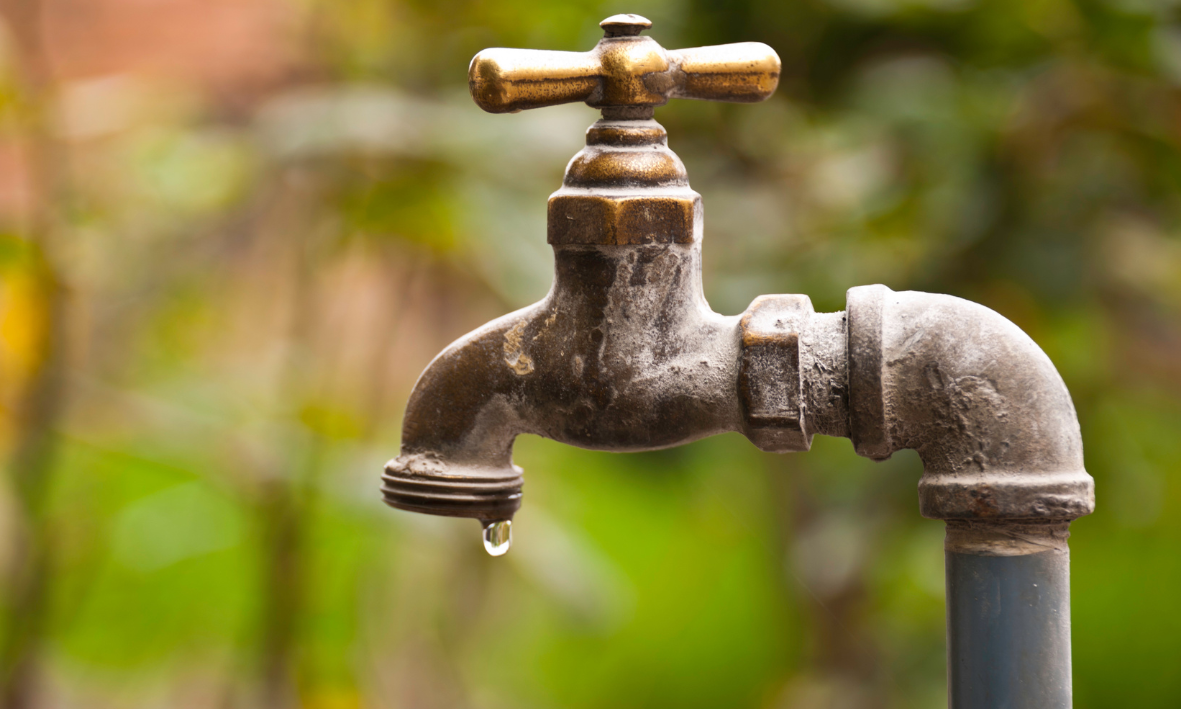
Statement by Ndidi Gcalangobuthi, UDM Councillor in Merafong City Local Municipality The United Democratic Movement (UDM) in Merafong City notes with deep concern Merafong City Municipality’s poor governance and worsening finances that have resulted in residents enduring prolonged service disruptions. The recent case of a private individual drilling a borehole in his yard as a means of providing water after residents in Merafong have endured three weeks without, underscores a serious breakdown in the municipality’s duty to its residents. It is deeply concerning that residents are being forced to do what municipalities should. Currently, Rand Water is owed over R1.41 billion by the Merafong City Local Municipality which has resulted in an imposed 40% water restriction in the area, leaving taps dry for weeks. It can be agreed that the domino effect of chronic mismanagement has resulted in low revenue collection rates, operational losses, debt accumulation and escalating tariffs. A clear indication of municipal collapse. While these failures can be viewed as mere technicalities, residents in affected areas bear the burden of governance failures that undermine health, dignity and the right to water. Ensuring provision of basic services is municipalities’ legal obligation, yet residents are forced to bear the costs and risks of government negligence. The UDM in Merafong City further notes that this crisis is worsened by the growing culture of non-payment of rates and taxes. When people do not pay, the municipality loses vital revenue and service delivery grinds to a halt. At the same time, we cannot ignore that many families in Merafong are struggling with poverty and unemployment and simply cannot afford ever-increasing tariffs. This is why the whole system must be fair: those who are able to pay must do so, while government must create a safety net for those who genuinely cannot. Without this balance, Merafong will continue to sink deeper into collapse and ordinary residents will suffer most. We demand accountability from Merafong’s leadership and from provincial and national authorities tasked with oversight. The failure to act decisively will deepen the collapse of governance and further strip residents of their constitutional rights.
Admin
11 Sep, 2025
Usindiso fire: poverty, governance failures, and the search for truth
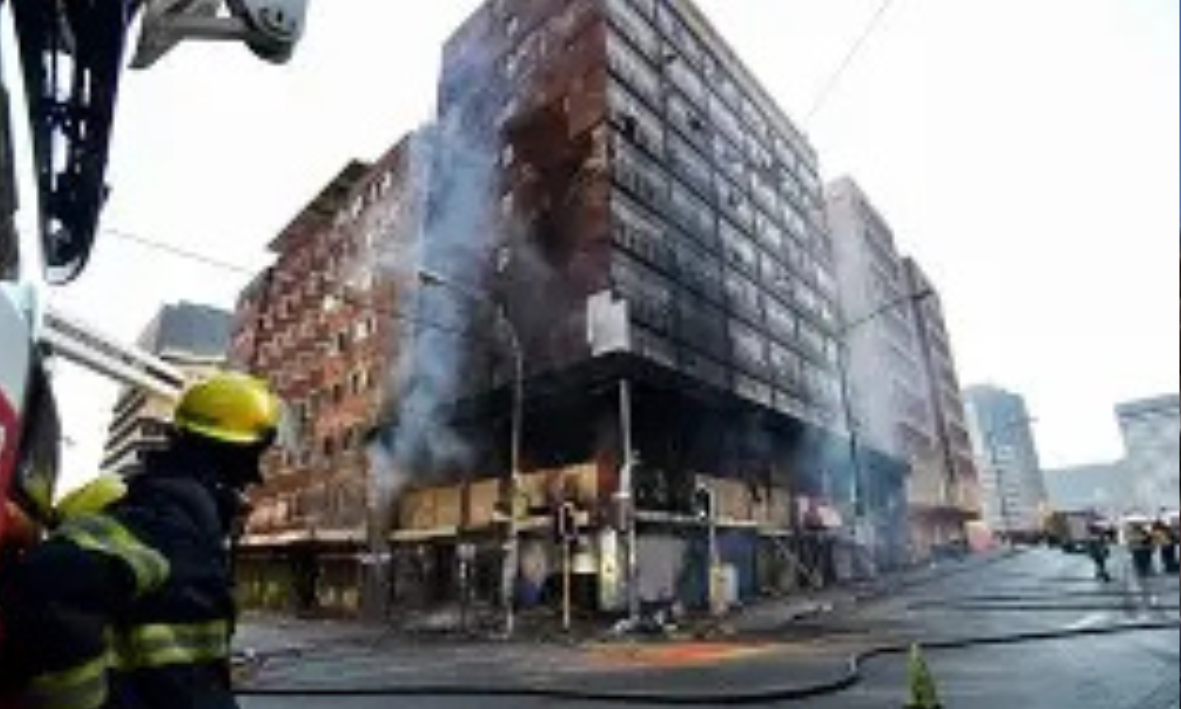
Statement by Yongama Zigebe, Councillor in the City of Johannesburg for the United Democratic Movement and Chairperson of the S79 Committee on Gender, Youth and People with Disabilities The United Democratic Movement (UDM) in the City of Johannesburg notes with concern the shocking turn in the Usindiso fire trial, where the accused now claims he falsely confessed to starting the blaze in order to secure food and shelter in prison. This desperate admission speaks volumes about the depth of poverty and despair in South Africa. That someone would rather take responsibility for one of the most heinous crimes in recent memory, a fire that killed 76 people, simply to secure “three meals and a roof over their head” is a harsh illustration of the conditions facing our nation. While the courts must determine the truth of the matter, the UDM in the City of Johannesburg insists that this tragedy cannot be seen only through the lens of one man’s testimony. It also reflects a collapse of governance, social safety nets, and accountability around hijacked and unsafe buildings. The families of the victims deserve clarity, justice, and closure. Every contradictory statement, every delay, and every failure to ensure accountability, whether through arson, negligence, or corruption in the management of municipal properties, deepens the pain of survivors. The UDM in the City of Johannesburg calls for: • A thorough and transparent investigation that goes beyond the individual accused to the broader systemic failures that enabled this tragedy • Accountability from the Johannesburg Property Company (JPC) and city authorities who allowed unsafe and hijacked buildings to become sites of danger. • Urgent action by government to address the crisis of hijacked and unsafe buildings across South Africa before another tragedy occurs. The truth about what happened at Usindiso must not be lost in shifting testimonies. The memory of the 76 lives lost demands nothing less than the full truth, accountability, and justice.

Admin
20 May, 2025
Gauteng’s subsidy cuts to independent schools amid R317 million underspending
Statement by Andile Jabavu, Provincial Secretary of the UDM in Gauteng The United Democratic Movement (UDM) in Gauteng is deeply alarmed by the Gauteng Department of Education’s (GDE) decision to slash subsidies to independent schools by 20% for secondary and 18% for primary institutions, while simultaneously failing to spend R317 million of its 2024 education budget. This decision is not only fiscally unjustifiable but also morally reprehensible in a province grappling with widespread educational inequality. Independent schools, particularly low-fee institutions, play a vital role in absorbing learners who would otherwise be left behind by a public system strained by overcrowding, inadequate infrastructure, and uneven quality. These schools often serve poor and working-class communities, offering a beacon of hope to parents who seek quality education for their children in the absence of viable public alternatives. To cut funding to these institutions while returning funds to Treasury reflects a glaring disconnect between the department’s policy intentions and the lived realities of learners and educators. What is particularly disconcerting is that this cut affects the most vulnerable - children in low-fee independent schools that operate on razor-thin margins. It undermines the constitutional imperative of access to quality education and violates the principle of equity that should guide all public funding decisions. The GDE’s explanation, that the funds were redirected to fee-free public schools, raises more questions than answers. Why must support for one group of disadvantaged learners come at the expense of another? Is the Department not capable of simultaneously planning for both? Moreover, the underspending of R317 million is a symptom of administrative inefficiency and poor planning. This is not merely a missed financial target; it is a failure to deliver services, provide resources, and invest in the future of Gauteng’s learners. Underspending on education in a province where schools still battle with infrastructure backlogs, teacher shortages, and over-enrolment is both inexcusable and an indictment on leadership. The UDM calls on MEC Matome Chiloane to account to the people of Gauteng: • Why were these funds not spent in a province with so many glaring education needs? • What processes were followed in deciding on the subsidy reductions, and were affected schools consulted? • What are the GDE’s contingency plans to prevent low-fee independent schools from collapsing under the weight of these cuts? We further urge the Provincial Legislature to institute a full review of GDE’s budgeting processes and to ringfence funding for low-fee independent schools in future fiscal years. The UDM also calls on the Portfolio Committee on Basic Education in Parliament to initiate an inquiry into provincial education departments that repeatedly underspend while simultaneously cutting essential services. Education is not a favour bestowed by government; it is a right enshrined in our Constitution. No child should be punished because their school does not fall neatly into the public sector box. The real question is not whether we can afford to support independent schools; it is whether we can afford to lose the contributions they make to an already overburdened education system.

Admin
16 May, 2025
UDM outraged by killing of JMPD officers – cities cannot be war zones for law enforcement
Statement by Yongama Zigebe, Councillor in the City of Johannesburg for the United Democratic Movement and Chairperson of the S79 Committee on Gender, Youth and People with Disabilities The United Democratic Movement (UDM) City of Johannesburg is outraged and deeply disturbed by the rising number of incidents in which Johannesburg Metropolitan Police Department (JMPD) officers are being murdered in cold blood while performing their duties. In the 2024/2025 financial year alone, multiple JMPD officers have been gunned down in incidents that bear the hallmarks of militarised criminal networks and a complete disregard for law and order. Most recently, the brutal killing of Officer Matome Mokoena in Vlakfontein, where he was ambushed, pursued, and executed while responding to a robbery, has sent shockwaves through the city. We extend our deepest condolences to the family, friends, and colleagues of Officer Matome Mokoena. May his sacrifice in service to the people of Johannesburg never be forgotten. Our sympathies also go to the families of Officers Judith Makwela, Nkululeko Mbambo, and Khensani Mabaso, whose lives were also tragically taken in similar ambush-style killings over the past months. This is not an isolated tragedy. These heinous acts reveal a grim reality: our law enforcement officers are being hunted, while criminals operate with impunity. It is a painful reminder that the men and women who protect our streets are increasingly becoming targets of calculated violence, with very little support or protection from the state they serve. The UDM in Johannesburg demands urgent and decisive action from the Executive Mayor, the MMC for Public Safety, and the Gauteng MEC for Community Safety. What is being done to ensure the safety of our officers? Where are the visible patrols, intelligence-led policing strategies, and early-warning systems? This is not only a security failure—it is a moral crisis. The growing brazenness of criminals undermines public confidence in law enforcement and weakens the foundations of local governance. The UDM in Johannesburg calls for: 1. A full-scale independent investigation into each officer’s death, with timelines and transparent reporting; 2. Immediate deployment of tactical units to protect police precincts and high-risk zones; 3. Psychosocial support and risk allowances for JMPD officers facing escalating threats; 4. Public Safety hearings in Council to evaluate and overhaul the City’s law enforcement strategy. We honour the courage and ultimate sacrifice of these officers. But honour must not be symbolic—it must be reflected in concrete measures to protect those who serve and to bring their killers to justice.

Admin
10 May, 2025
UDM Gauteng condemns Gauteng government's return of R1.8 billion amid service delivery failures
Statement by Andile Jabavu, Provincial Secretary of the United Democratic Movement in Gauteng The United Democratic Movement (UDM) in Gauteng expresses grave concern and outrage following reports that the Gauteng Provincial Government has returned R1.8 billion to the National Treasury due to underspending - a scandalous act of negligence in a province plagued by failing infrastructure, under-resourced clinics, crumbling schools, and social decay. It is both unethical and unconscionable that a government entrusted with public resources could fail to spend funds allocated to improve the lives of its people — especially in a climate of growing poverty, youth unemployment, and community instability. Healthcare and human suffering ignored The revelation that the Department of Health alone failed to spend R1.1 billion is particularly damning. Our public hospitals and clinics remain overcrowded, understaffed, and chronically under-resourced. Lives are lost daily, and yet the provincial government could not spend what was budgeted. This is not just mismanagement - it borders on criminal neglect. Abandonment of NPOs and the most vulnerable Even more disgraceful is the fact that funding for Non-Profit Organisations (NPOs) has shrunk dramatically, with over R1.7 billion unspent between 2014 and 2025. As a result, the number of funded NPOs has dropped from 2,061 to 1,328, cutting lifelines to orphans, persons with disabilities, survivors of gender-based violence, and the elderly. These are the silent casualties of an administration that has lost its moral compass. Collapse of ethical governance Recent findings that 37% of Gauteng’s senior officials failed lifestyle audits conducted by the Special Investigating Unit further confirm what the UDM has long warned - that ethical rot and political patronage are corroding governance in this province. Public service is no longer about the people but about protecting cadres, connections, and comfort zones. The UDM in Gauteng demands accountability and systemic reform and calls for: 1. An immediate independent forensic investigation into the causes of the underspending. 2. Accountability for heads of departments and MECs who presided over this failure. 3. The reinstatement of lapsed NPO contracts and full disbursement of funds to social support programmes. 4. A full audit of unspent funds in all departments across provinces to prevent repeat offenses. Returning unspent money is not a sign of prudence - it is an admission of failed leadership. While the Premier and his executive dither, the people of Gauteng continue to suffer. The UDM in Gauteng stands with the people and calls for a new era of ethical, people-centred governance - not bureaucratic betrayal.
Admin
10 May, 2025
UDM Gauteng decries ethical failures in Gauteng government as 37% of senior officials fail lifestyle audits
Statement by Andile Jabavu, Provincial Secretary of the United Democratic Movement in Gauteng The United Democratic Movement (UDM) in Gauteng is deeply disturbed by revelations that nearly 40% of senior officials within the Gauteng Provincial Government have failed their lifestyle audits. This includes high-ranking departmental heads, CEOs of provincial entities, and procurement officials. This staggering figure, 37%, is not just a statistical red flag, but a moral crisis. It reveals a culture of impunity that continues to thrive under Premier Panyaza Lesufi’s administration, despite repeated promises of clean governance and ethical leadership. Lifestyle audits are designed to uphold public trust by ensuring that those entrusted with state resources live within their means and maintain integrity. Yet, when such a significant portion of senior leadership fails to meet this standard, and faces no consequence, the very credibility of government is called into question. The UDM in Gauteng demands: 1. Immediate disciplinary and legal action against all implicated officials, including suspension and criminal investigation where warranted; 2. Full transparency, with the Gauteng Government releasing the audit findings to the public; 3. Establishment of an independent oversight body to monitor corruption risks and procurement processes; 4. Institutionalisation of lifestyle audits across all provinces, with enforcement mechanisms built into performance agreements. It is unacceptable that while communities in Gauteng continue to suffer from poor service delivery, crumbling infrastructure, and under-resourced public services, senior officials abuse their positions without consequence. The UDM in Gauteng remains committed to championing a clean, accountable, and people-centred government. We will escalate this matter through the relevant oversight committees, and we urge the Public Protector and the Auditor-General to intervene and uphold constitutional principles of transparency and good governance.

Admin
17 Apr, 2025
GDE’s continued failure to place 50 Diepsloot and Riverside learners in schools
Statement by Andile Jabavu, Provincial Secretary of the United Democratic Movement in Gauteng The United Democratic Movement (UDM) expresses concern and frustration over the continued failure by the Gauteng Department of Education to place nearly 50 learners from Diepsloot and Riverside into schools, despite the second term of the academic year already being underway. It is unacceptable that four months into the school year, children are still sitting at home while their right to basic education as enshrined in Section 29 of the Constitution is being denied. According to community reports and confirmation by activist Reginald Lebotse, dozens of learners remain unplaced due to delays in the completion of the Tanganani Primary School a project that was promised to be operational by the end of March 2025. Instead, families continue to face broken promises and vague reassurances. We further note the South African Human Rights Commission’s (SAHRC) intention to scrutinise the province’s admissions system, especially in areas affected by migration and rapid urban growth. The UDM supports this investigation and urges the SAHRC to prioritise Diepsloot and similar communities in their review. We call on the Gauteng Department of Education to urgently place all unplaced learners in temporary, safe and properly resourced classrooms while awaiting permanent school infrastructure. Provide clear timelines and transparent reporting on the completion of Tanganani Primary School and any other affected infrastructure projects.

Admin
03 Apr, 2025
UDM in Gauteng welcomes Africa’s largest automotive assembly precinct in Rosslyn
Statement by Andile Jabavu, Provincial Secretary of the United Democratic Movement in Gauteng The United Democratic Movement (UDM) in Gauteng welcomes the announcement of what is being called Africa’s largest automotive assembly precinct to be developed in Rosslyn in the City of Tshwane. This multi-billion-rand project is apparently expected to create 150,000 jobs, bringing much-needed employment opportunities to our people in the capital city. For years, the UDM has been advocating for job creation as a key pillar of economic development. This project is a step in the right direction, demonstrating the impact of strategic investments in industry and infrastructure. The Rosslyn precinct, in the City of Tshwane, already hosts major automotive manufacturers including BMW, Nissan, Tata and Iveco, this expansion will further cement Gauteng and South Africa’s position as a leader in automotive production on the continent. The 7,157-hectare precinct will be developed over 40 to 50 years, requiring collaboration between the public and private sectors. This initiative, spearheaded by the Automotive Industry Development Centre in partnership with the City of Tshwane and the Gauteng Provincial Government, which will hopefully attract both local and foreign investment to boost economic growth and industrial development. The aforementioned all being economic strategies which the UDM has long been advocating for. The UDM acknowledges unemployment as a major challenge in South Africa. Despite Tshwane contributing 25% to Gauteng’s R133 billion economy, high unemployment persists. We welcome initiatives that drive job creation and economic growth.. We also encourage all stakeholders, including local communities, businesses and labour representatives, to actively participate in the public consultation process to ensure that this project benefits all South Africans equitably. The UDM will continue to push for policies and projects that create sustainable employment and uplift our economy. We stand in full support of initiatives like the Rosslyn Automotive Industrial Park, which provide opportunities for growth and a better future for our people.

Admin
12 Mar, 2025
Mismanagement of City Power: R4.9 billion in irregular expenditure
Statement by Andile Jabavu, Gauteng Provincial Secretary of the United Democratic Movement The United Democratic Movement (UDM) in Gauteng is deeply concerned about the Auditor-General’s (AG) shocking findings on the City of Johannesburg's City Power, revealing a staggering loss of R2.8 billion in the 12 months ending 30 June 2024. Even more alarming, the entity incurred irregular expenditure exceeding R4.9 billion, raising serious questions about financial mismanagement, corruption and governance failures. City Power, a vital municipal entity responsible for electricity supply in Johannesburg, is teetering on the brink of collapse. The AG has warned of “material uncertainty” regarding its ability to continue operating, with its liabilities exceeding assets by R1.1 billion. These revelations come as residents endure frequent and prolonged power outages, exacerbating Johannesburg’s ongoing electricity crisis. Of particular concern is the R12 million advance payment allegedly made to a politically connected businessman, for a public lighting project, months before any work was done. Reports shows that internal City Power officials raised red flags, warning that this payment violated Treasury regulations under the Municipal Finance Management Act and the Public Finance Management Act. However, these concerns were allegedly overridden by a senior official who instructed subordinates to process the payment despite clear irregularities. Even more alarming, the businessman in question is allegedly linked to a known African National Congress benefactor, raising serious concerns about political interference. Transparency and accountability are non-negotiable, yet City Power’s response to these grave allegations have been vague, with promises of investigations that have so far produced no tangible results. Meanwhile, Johannesburg residents continue to endure worsening infrastructure and daily power failures. The UDM in Gauteng will not stand by while public funds are mismanaged at the expense of service delivery. We call on the City of Johannesburg and law enforcement authorities to act decisively in rooting out corruption and ensuring that those responsible for City Power’s financial collapse are held to account.
Admin
20 Apr, 2016
Message from UDM President, Mr Bantu Holomisa, MP at the launch UDM Gauteng Manifesto for 2016 Municipal Elections
Chairperson, NEC Members of the UDM Members and Supporters of the United Democratic Movement Gauteng Citizens WELCOME Welcome one and all, and thank you for making the effort to come and listen to the vision which the United Democratic Movement (UDM) has for people of Gauteng. In just over three months’ time, you will have an opportunity to have your say in which party should govern your municipalities. Through the ballot box, on the 3rd of August, you have an opportunity to lay foundations for change for the better and create hope for the future. As a voter, it is up to you to set a new agenda. You have the power to say what are the real priorities; as opposed to the elite projects (such as speed trains, automated tolling, etc.) which contribute nothing to your life and only enrich the politically-connected. It is time to PUT COMMUNITY FIRST by prioritising service delivery and removing the politicians and parties that stand in the way of that. GAUTENG AS OUR FLAGSHIP PROVINCE Gauteng is the gateway to South Africa and is the economic hub of our country. Yet, we witness how our people struggle to find work and struggle to find a decent home to live in. There are disconcerting signs that our infrastructure is in distress. If you walk down our streets you will see paint flaking from the walls and roofs of the buildings. It is a sad and ugly sight. No-one respects the bylaws and they are definitely not enforced. Our CBDs are fast becoming unhygienic slums threatening community health. UDM Councils will be proactive in identifying problem areas, with the help of communities, to ensure that dilapidated buildings are inspected. Owners will be forced to bring buildings up to standard and to maintain them. This will not only ensure a safe living environment, but is a win-win strategy to reduce crime and increase property values. PRIORITIES OF MUNICIPALITIES It is clear that the councils and municipalities in this province has not done well and in some cases failed completely. In far too many municipalities the councils have their priorities all wrong. For example, in which universe does a council approve millions of Rands to be spent on a mayoral soccer extravaganza whilst they owe millions of Rands for electricity and water. Yet, this happened. Whilst our people are jobless and homeless, councils throw mammoth parties with taxpayers’ money. When you, the voter, go to the ballot box in August, you must think of putting leadership in place that will not forsake the needs of the people with frivolous expenditures. The UDM has the right people and the right plans to make sure that council monies are spent on the bread-and-butter needs. SPATIAL DEVELOPMENT AND DECENT LIVING CONDITIONS People see Gauteng as the duck that lays the golden eggs, and yet when they come to Johannesburg or Pretoria they are in for a rude awakening. Job hunting aside, one of the first things people need is a roof over their heads. Our townships have become a deposit ground for the homeless. People build their meagre shacks wherever they find an open space. Out of desperation, these buildings arise near landfills and floodplains which are extremely dangerous. The rats that infest these areas are disease ridden and are so big they even attack people. UDM councils will make spatial development programmes an immediate priority. People who have built their shacks in dangerous areas must be assisted immediately and measures taken to prevent others from building there. The long-term solution to these problems is the acceleration of housing programmes. The UDM will make adequate housing, in conjunction with provincial and national authorities, one of the highest priorities in those councils where we govern. Local government would immediately make land available for development and infrastructure development will be monitored by both the national department and a municipality. LIVING IN A CLEAN AND HEALTHY ENVIRONMENT: THE JUKSKEI AS AN EXAMPLE Johannesburg’s official waste management service provider states that their mission is to keep the city clean and preserve an attractive and hygienic environment for residents and visitors. Yet, this commendable vision only seems to only apply to certain areas of the city, and only when the company’s workers are not on strike. Let us take areas near the Jukskei River… It is heavily polluted by urban runoff and lack of infrastructure maintenance has let raw waste flow into the river on a daily basis. Outbreaks of cholera are prevalent. Tons of waste such as plastic, metal and rubber flow down the river annually. Aside from the environmental damage the river suffers, many people in Alexandra Township access this water for washing, drinking, and cooking. This is an appalling indictment against the City of Johannesburg. The UDM believes that the problem can be addressed by finding a simple solution closer to the people. A UDM-led municipality will help the people to help themselves by creating small businesses, owned by the community, that will be responsible for cleaning the area they live in. This way jobs are created, people can claim ownership of their environment and all can live in a decent, healthy space. POLITICISING MUNICIPAL AFFAIRS; THE CAPE TOWN EXAMPLE Municipal affairs are, more often than not, politicised to the extent that political parties block each other at every road simply for the joy of derailing each other. This political obstinacy has only one effect: the people suffer. The citizens of the Cape Flats live in abject poverty and squalor and for what? Government, whether it be at local, provincial or national levels have one purpose: that is to work for the betterment of our people. The UDM has a track-record of working with other parties and we will continue our philosophy of doing just that: working with our colleagues to make life liveable for our people irrespective of political affiliation. RATES AND TAXES For years the billing system for rates and taxes in Johannesburg, in particular, has made headline news. Despite assurances that the city has sorted out its mess, the administration continues to battle a large deficit, partly due to poor management and collapsing infrastructure, and partly due to its failure to collect rates and service fees in areas where there is a high rate of illegal usage and/or payment defaults for legitimately supplied utilities. In a UDM-led council, this administrative incompetence will not be tolerated. It is clear that our cities and towns are in need of well trained, competent officials to administer billing systems. In order to get to the bottom of this mess an extensive skills-audit needs to be done immediately and corrective action taken. ADRESSING PROBLEMS OF A COMMUNITY AS COLLECTIVE Unfortunately our people have reached levels of frustration which leads to lawlessness and violence. When they vent their dissatisfaction with service delivery the effects are mostly felt at local level whilst the problems might not necessarily be addressed at that level. In some instances, a councillor will be approached to solve a service delivery problem in the community, but he/she might not be capacitated to address the problem. Very easily that councillor becomes a scapegoat and suffers the wrath of the community. The UDM proposed that small crises committees be instituted that have all the necessary technical expertise to assist councillors in their work. Once dissatisfaction arises within a community, a quick call to such a crises committee can be made. If it is a simple problem of a burst pipe, engineers can be dispatched or if a more a complex problem, meetings can be arranged with complainants and solutions found as a collective. IMPORTANCE OF THE 3 TIERS OF GOVERNMENT WORKING TOGETHER As I have mentioned earlier, our people vent their frustration on the streets where they live. Whether the problem actually lies with national, provincial or local government becomes quite irrelevant. An ordinary citizen will try to find a solution closest to home and that sometimes mean that the blame is laid at a municipality’s door. To prevent this from happening, the UDM believes that it is crucial that all three tiers of government must work much closer when they are planning and budgeting. In other words, the problem must be identified and stopped before it becomes a reality. UDM Councils will therefore be proactive in creating fruitful partnerships with their counterparts higher up in government in an effort to prevent crises before they occur. PUTTING COMMUNITY FIRST The time for citizens to take control of their lives and dictate their destiny is now. Join the United Democratic Movement in its call – “PUT COMMUNITY FIRST”. Putting Community First, means: working together with the South African Police Service, businesses and the community, bring closer to the people, satellite police stations. It also means, empowerment of local community safety organisations like neighbourhood watches. Putting Community First, means: fair and proper valuation of all properties, and stopping the excessive property rates. It also means, ensuring that the correct residents are accurately billed for services they actually receive. Putting Community First, means: access to basic services to the poorest of the poor without being charged. This also means scrapping any Apartheid-era arrears and strengthening of the rolling out of the indigence policy. Putting Community First, means: collection of refuse on a regular basis, cleaning of streets, parks, pest and rodent control and promoting income generation through recycling. Putting Community First, means: no abuse of office power, immediate action against all officials and councilors found to be involved in corrupt activities. It means rooting out any attempt to award municipal tenders to people with personal or family ties to council employees and councilors. It also means, the tendering system shall be transparent, unbiased and open to public scrutiny. CONCLUSION We have so much work to do, the need is great. But we can do this, we can rise above the current disaster in local government. Let us vote for a party and councillors dedicated to joining hands with their communities. This local government election is our chance to show that it can be done. Starting in the streets where we live, we can build something greater, something better, to improve the lives of our families and loved ones. The UDM has stood the test of time and has been consistent in its efforts to make South Africa a Winning Nation. To vote for the UDM is to vote a better future for you and your loved ones. Thank you