
Admin

09 Mar, 2026
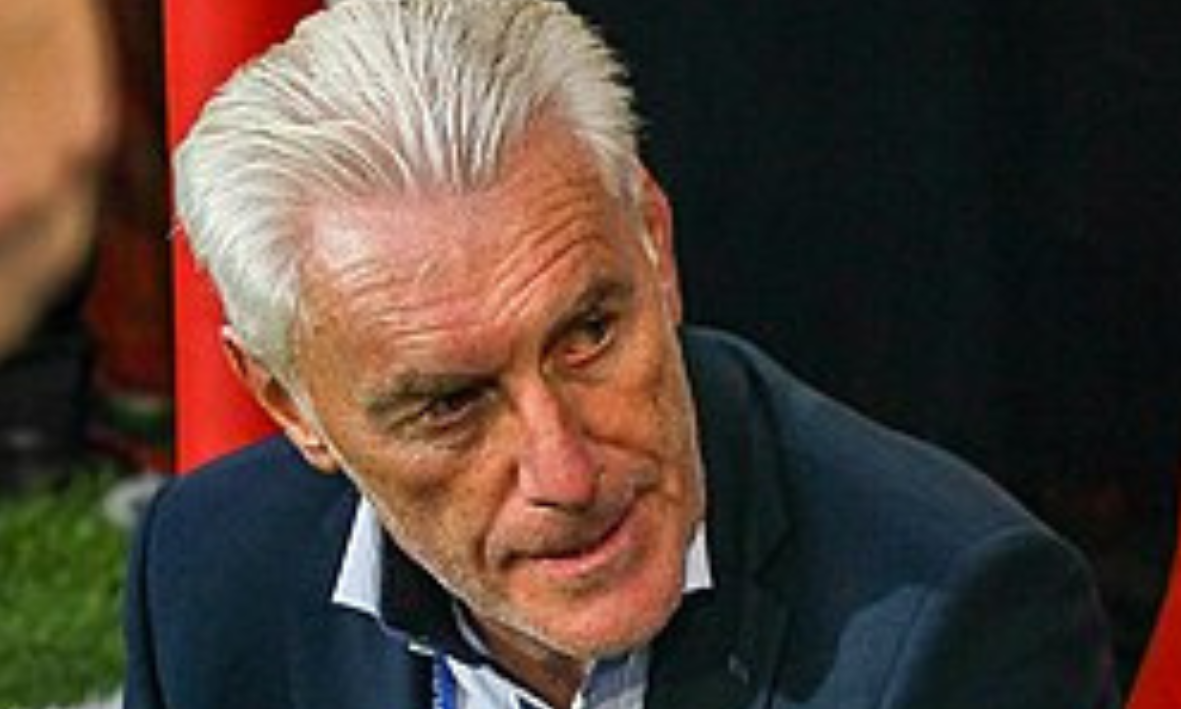
Request for parliamentary oversight regarding the handling of the UDM complaint to the SAHRC concerning SAFA and Coach Hugo Broos
Ms Thokozile Didiza, MP Speaker of the National Assembly Parliament of the Republic of South Africa PO Box 15 Cape Town 8000 Dear Madam Speaker Request for parliamentary oversight regarding the handling of the UDM complaint to the SAHRC concerning SAFA and Coach Hugo Broos 1. I write to bring to your attention a matter that the United Democratic Movement (UDM) has formally referred to the South African Human Rights Commission (SAHRC), and which has subsequently involved the Commission for Gender Equality (CGE). The matter raises issues that fall within Parliament’s oversight responsibilities. 2. In December 2025, the UDM lodged a complaint with the SAHRC concerning public utterances made by the Bafana Bafana coach, Mr Hugo Broos, as well as the institutional response of the South African Football Association (SAFA). The complaint concerns statements that raise allegations of racial and gender discrimination and therefore implicates constitutional rights protected under the Promotion of Equality and Prevention of Unfair Discrimination Act (PEPUDA). 3. On or about 10 or 11 December 2025, during a media engagement ahead of the 2025 Africa Cup of Nations tournament, Mr Broos made remarks which were widely interpreted as racially and sexually insensitive. The comments prompted significant public concern and raised questions about equality, dignity and representation in South African sport. On 11 December 2025, the UDM formally lodged a complaint with the SAHRC citing both Mr Broos and SAFA as respondents. 4. Subsequent to the public controversy, Mr Broos issued an apology on 15 December 2025, which the UDM accepted in good faith. However, the complaint lodged with the SAHRC was never confined to the conduct of one individual. It also raised broader concerns regarding the institutional response of SAFA and the absence of clear safeguards within sporting structures to address racism and sexism. The acceptance of an apology cannot substitute for institutional accountability where constitutional rights and systemic safeguards are concerned. For that reason, the UDM has consistently maintained that the matter requires consideration of systemic and policy reforms rather than being treated merely as an isolated incident. 5. The complaint was initially raised by UDM Councillor Yongama Zigebe and was formally processed through the Office of the Acting Secretary General (ASG) of the UDM. During engagements in January 2026, the SAHRC informed the UDM that the CGE had also received related complaints and that the two institutions would coordinate their handling of the matter and pursue an independent mediation process as contemplated in PEPUDA. 6. During that engagement and in subsequent written correspondence, the UDM requested clarity on several procedural issues, including whether a prima facie determination had been made that the conduct complained of falls within the ambit of PEPUDA, the anticipated timeline for the proposed mediation process, and the investigative steps undertaken by the SAHRC and CGE. 7. Regrettably, follow up correspondence addressed to the SAHRC and CGE has not received any response. The continued absence of even a basic procedural update or acknowledgement is deeply concerning in a matter involving alleged violations of constitutional rights by a prominent national figure and questions of institutional accountability by a national sporting body. 8. The UDM recognises that Chapter Nine institutions operate under significant resource and budgetary constraints. It is precisely because we respect their constitutional mandates and the important role they play in protecting fundamental rights that we have sought to allow the matter to proceed through the processes contemplated under PEPUDA. 9. However, continued procedural uncertainty cannot be allowed to persist indefinitely. Where a complaint of this nature remains without visible procedural advancement or communication from the responsible institutions, it raises serious concerns regarding the responsiveness of the processes intended to safeguard constitutional rights. 10. Should the situation remain unresolved, the UDM will have no option but to consider appropriate legal avenues to secure procedural clarity and advancement. Such a course would impose additional legal and financial burdens on all parties involved, including the SAHRC and CGE themselves. It is our sincere preference to avoid such an outcome and to allow the matter to be resolved within the existing constitutional framework. 11. It has been suggested in some quarters that the UDM’s complaint was misplaced, that it risked undermining team morale, or that matters of equality should not be raised in the context of national sport. The UDM rejects this characterisation. The complaint was never directed at the Bafana Bafana team or its performance. It concerns statements made in a public capacity and the institutional response to those statements. Issues of equality, dignity and non-discrimination apply across all spheres of public life, including sport. Upholding these principles strengthens the integrity of our institutions and ensures that national teams represent the values of the Constitution as well as the pride of the country. 12. In light of the procedural concerns outlined above, the UDM believes that parliamentary oversight is now both necessary and appropriate. 13. Given the nature of the issues raised, the mandates of several parliamentary committees are directly engaged, namely: 13.1. the Portfolio Committee on Justice and Constitutional Development, which exercises oversight over the SAHRC; 13.2. the Portfolio Committee on Sport, Arts and Culture, which exercises oversight over SAFA; 13.3. the Portfolio Committee on Women, Youth and Persons with Disabilities which exercises oversight over the CGE. 14. The issues raised concern, among others, the protection of equality and dignity in public life, the responsiveness and functioning of Chapter Nine institutions tasked with safeguarding constitutional rights, and the governance and accountability standards expected of national sporting bodies that represent the country internationally. 15. In the ordinary course of parliamentary oversight, the aforementioned committees may wish to satisfy themselves that the relevant constitutional institutions and entities have acted with the necessary responsiveness and procedural clarity in matters implicating equality, dignity and non-discrimination. 16. In light of the above, we respectfully request that your Office take the following steps so that Parliament may exercise its oversight responsibilities: 16.1. refer this matter to the Portfolio Committee on Justice and Constitutional Development for consideration of the procedural handling of the complaint by the SAHRC; 16.2. refer the matter to the Portfolio Committee on Sport, Arts and Culture for consideration of governance and accountability issues relating to the response of the SAFA; and 16.3. refer the matter to the Portfolio Committee on Women, Youth and Persons with Disabilities for consideration of the gender equality dimensions raised in the complaint and the role of the Commission for Gender Equality (CGE). Given the seriousness of the issues involved and the continuing absence of procedural clarity from the SAHRC and the CGE, we urge that this matter be treated with the urgency it warrants. 17. The UDM stands ready to cooperate fully with your Office and with the relevant portfolio committees should Parliament consider it appropriate to engage further on this matter. Upon request, we would be willing to make available the correspondence exchanged with the SAHRC and the CGE, as well as any related documentation, so that the committees may be fully apprised of the procedural history of the complaint. 18. The UDM remains committed to resolving this matter through lawful and constructive processes that uphold the Constitution and protect the dignity and equality of all South Africans. We are equally committed to the preservation and strengthening of our sporting codes and to the national pride that South Africans across race and gender place in our national teams. These are not competing ideals, but complementary ones that should guide the institutions entrusted with representing the nation. Yours sincerely Mr NLS Kwankwa, MP Deputy President of the United Democratic Movement Party Leader in Parliament Copied to: • Mr Xola Nqola, Chairperson of the Portfolio Committee on Justice and Constitutional Development • Mr Joseph McGluwa, Chairperson of the Portfolio Committee on Sport, Arts and Culture • Ms Liezl van der Merwe, Chairperson of the Portfolio Committee on Women, Youth and Persons with Disabilities • Mr Tsietsi Shuping, Head of Department: Legal Services, Commission of Gender Equality • Ms Zamantungwa Mbeki, Provincial Manager, South African Human Rights Commission • Deputy Minister Bantu Holomisa, MP and UDM President • Ms Zandile Phiri, UDM Acting Secretary General • Ms Thandi Nontenja, MP, UDM National Treasurer and Chief Whip in the National Assembly • Cllr Yongama Zigebe, originator of the HSRC complaint • Ms Khazimla Ngalwa, Parliamentary Assistant to Mr Nqabayomzi Kwankwa, MP

Admin
10 Nov, 2025
From job offer to captivity: how human traffickers prey on South Africa’s desperate
Statement by Zandile Phiri, Acting Secretary General of the United Democratic Movement Human trafficking in South Africa has become a national emergency hiding in plain sight. It is destroying lives through sexual exploitation, forced labour, and debt bondage, and it thrives on poverty, desperation, and the failures of the state to coordinate an effective response. Recent reports have exposed the scale of this crisis. Three young women from Botswana were rescued at OR Tambo International Airport after being lured through social media with false promises of lucrative jobs in Sierra Leone. A 22-year-old woman from Bonteheuwel was tricked into travelling to Thailand, later trafficked to Cambodia, and forced into work after her passport was confiscated. In Johannesburg, seven Chinese nationals were convicted earlier this year of human trafficking after exploiting more than ninety Malawian workers, including thirty-three minors, in a garment factory where they were kept under guard and paid R65 a day. In the past year, investigations have revealed houses in Sandton, Johannesburg, and Durban where dozens of foreign nationals were held captive by trafficking syndicates. In one incident in March 2025, more than 50 people escaped from a house in Lombardy East, and in May 2025, 44 victims were rescued from a locked property in Parkmore, Sandton. Similar discoveries have been made in Durban, exposing a network that uses residential properties as holding sites for victims awaiting transport across borders. It is reported that less than one percent of victims is ever rescued. At the centre of this tragedy are employment scams that promise opportunity but deliver slavery. These operations exploit South Africa’s severe unemployment, preying on people desperate for income or a chance to work abroad. Our joblessness has become a recruitment tool for traffickers, and the state has done too little to close that door. The problem is compounded by weak coordination among law-enforcement agencies, poor data collection, and a lack of capacity in social services. Police, immigration, labour inspectors, and welfare officials often work in isolation, while traffickers move people freely across borders and provinces. Corruption and bureaucracy slow down victim identification, shelter placements, and prosecutions. South Africa’s porous borders worsen the crisis. Traffickers exploit weak controls and under-resourced posts to move victims alongside migrants and contraband. Until border management is tightened, corruption addressed, and regional intelligence improved, the country will remain a key corridor for trafficking across southern Africa. The United States Trafficking in Persons Report has again warned that South Africa is failing to identify victims, prosecute offenders, or coordinate a national response. The country’s placement on the Tier 2 Watchlist signals growing international concern over its weak efforts to combat trafficking. Unless coordination and enforcement improve, South Africa risks further sanctions and the erosion of its global credibility on human rights. The UDM calls for decisive action to break this cycle of exploitation and neglect: 1. A national anti-trafficking strategy led by the Department of Justice and Constitutional Development, bringing together the South African Police Service (SAPS), Department of Home Affairs, Department of Employment and Labour, Department of Social Development, and reputable civil society organisations under one command structure with measurable targets and real accountability. 2. Public awareness and prevention campaigns coordinated by the Department of Communications and Digital Technologies, in partnership with Basic and Higher Education, to educate communities about fake job offers, social-media recruitment, and passport confiscation; especially in provinces with high unemployment such as Mpumalanga, Limpopo, and the Eastern Cape. 3. Protection and reintegration services for victims managed by the Department of Social Development and provincial governments, with the support of accredited NGOs, to ensure safe shelters, counselling, and job placement programmes so survivors can rebuild their lives without fear or stigma. 4. Enforcement of labour laws and regulation of recruiters overseen by the Department of Employment and Labour and the SAPS, with heavy penalties for those who exploit undocumented workers, confiscate passports, or deceive jobseekers. Inspections must be routine and unannounced, and corrupt officials must be prosecuted. 5. Investment in youth employment and skills development driven by the Departments of Employment and Labour, Trade, Industry and Competition, and Higher Education and Training, working alongside the National Youth Development Agency and private sector partners. Preventing trafficking begins with creating real, sustainable opportunities at home through job creation, apprenticeships, and skills programmes that give young people viable alternatives to risky job offers and exploitation. 6. Strengthened cross-border cooperation spearheaded by the Department of International Relations and Cooperation and the Border Management Authority, working with SADC partners to dismantle trafficking networks, share intelligence, and ensure the safe repatriation of victims. Human trafficking is not only a criminal enterprise but a profound moral failure that strikes at the heart of our nation’s values. South Africa cannot claim to be a democracy that protects human rights while allowing syndicates to trade in human lives with impunity. The UDM calls on government to act with urgency, unity, and compassion to protect the vulnerable, prosecute the guilty, and restore integrity to our borders and institutions. Every victim rescued is a life reclaimed, but true victory will come only when no person in South Africa can be bought, sold, or enslaved.

Admin
16 Oct, 2025
UDM calls for unity and respect as SAHRC takes stand on hate speech
Statement by Yongama Zigebe, Councillor in the City of Johannesburg for the United Democratic Movement and Chairperson of the S79 Committee on Gender, Youth and People with Disabilities The United Democratic Movement (UDM) notes and welcomes the South African Human Rights Commission’s (SAHRC) decision to refer Mr Ngizwe Mchunu to the Equality Court following his remarks concerning the LGBTQIA+ community. This development marks an important step toward ensuring accountability and affirming that freedom of expression must never cross into the realm of hate speech or incitement. This matter underscores the vital role of our democratic institutions in maintaining respect, accountability, and adherence to the rule of law The UDM was the first political movement to respond to this incident. Our human rights advocate, Mxolisi Makhubu, lodged a formal complaint with the SAHRC immediately after Mr Mchunu’s remarks went viral, drawing millions of views and hundreds of comments openly calling for violence against queer people. The UDM recognised this not as an isolated event but as part of a broader moral and social crisis that demanded urgent institutional response. In parallel, a formal letter was submitted to the Minister of Women, Youth and Persons with Disabilities, urging government accountability and leadership in protecting vulnerable groups from hate speech and targeted violence. The letter was tabled by UDM Cllr Yongama Zigebe, Chairperson of the Section 79 Oversight Committee on Gender, Youth and Persons with Disabilities in the City of Johannesburg. “We welcome this decisive move by the SAHRC as a victory for human dignity and a reaffirmation of our Constitution’s founding principles,” said Cllr Yongama Zigebe. “This matter has never been about opinion or culture. It is about human rights. No South African should live in fear because of who they love or how they express their identity. The Equality Court must send a clear message that hate speech and incitement to violence will be met with firm consequences.” The UDM recognises and respects the rich cultural traditions that shape South Africa’s identity. However, culture can never be used as a shield for discrimination or violence. True cultural pride is rooted in Ubuntu, in recognising the humanity and dignity of all South Africans. Our Constitution guarantees freedom of belief and expression, but those freedoms end where they infringe upon the rights and safety of others. Respect for culture must go hand in hand with respect for human rights. UDM human rights advocate Mxolisi Makhubu added: “The UDM acted swiftly because silence is complicity. We cannot preach equality on paper and tolerate hate in practice. The SAHRC’s intervention is welcome, but this must also spark broader government action to educate, protect, and heal.” The UDM expresses concern over the divisive public reaction that followed the celebration of a same-sex traditional wedding. What should have been embraced as a moment of love and cultural pride regrettably became the subject of hurtful commentary and misunderstanding. The UDM believes that such occasions should inspire respect, inclusion, and appreciation of South Africa’s diversity. The UDM calls on government, civil society, and traditional leadership to open channels of dialogue rather than trading insults or deepening divisions. At present, a widening gap of misunderstanding exists between cultural communities and the LGBTQIA+ community. This must be bridged through respectful conversation, public education, and empathy. South Africa’s democracy was built on dialogue, not hostility. The UDM urges all leaders to foster open engagement so that culture and human rights can coexist in harmony, guided by the true spirit of Ubuntu. The UDM remains unwavering in its commitment to justice, equality, and human rights, the pillars upon which our democracy stands.
Admin
10 Oct, 2025
Justice must prevail: UDM applauds flotilla mission and reaffirms support for ICJ process
Statement by Nqabayomzi Kwankwa, MP, UDM Deputy President and Leader in Parliament The United Democratic Movement (UDM) welcomes home the six South African activists who were detained after joining the Global Sumud Flotilla on its humanitarian mission to Gaza. The Party salutes Nkosi Mandla Mandela, Zukiswa Wanner, Carolyn Shelver, Zaheera Soomar, Dr Fatima Hendricks and Reaz Moola for their courage and solidarity with the people of Palestine. Their safe return to South African soil is a relief to their families and to all who value human rights and compassion. Yet their ordeal should trouble every conscience. The activists have spoken of terrifying experiences at the hands of Israeli forces. They described rifles being pointed at their heads, religious garments being torn off, humiliation, intimidation and degrading treatment. Dr Hendricks, a cancer survivor, recounted being stripped of her hijab and mocked by soldiers while in detention. These are not acts of security enforcement but violations of human dignity. The UDM condemns the abuse of humanitarian workers in the strongest possible terms. Those who deliver food, medicine and hope must never be treated as enemies. Their testimonies must be documented and investigated by international human rights bodies. The state of Israel must be held fully accountable for its actions and must respect international humanitarian law. This incident also comes at a time when the International Court of Justice (ICJ) is preparing to rule on Israel’s obligations in the occupied Palestinian territories. The world awaits this ruling with great anticipation. It was South Africa that brought this matter before the Court, arguing that Israel’s actions in Gaza and the West Bank amount to violations of the Genocide Convention and other fundamental principles of international law. In its earlier provisional orders, the ICJ directed Israel to prevent acts that could constitute genocide and to allow unimpeded humanitarian access. The forthcoming advisory opinion is therefore not an abstract legal exercise, but a continuation of a process initiated by South Africa in defence of international justice and human rights. Our country must continue to play a leading role in ensuring that these legal processes are respected and that the authority of the ICJ is upheld. This is both a legal duty and a moral obligation rooted in our own struggle for freedom, equality and dignity. The return of our compatriots should not mark the end of our concern but the strengthening of our resolve. Their courage reminds us that solidarity with the oppressed is not an act of charity but of justice. The UDM reaffirms that peace in the Middle East will only be achieved through justice and respect for human rights. The protection of civilians, the integrity of international law, and the equal dignity of all people must guide every nation’s actions.
Admin
12 Sep, 2025
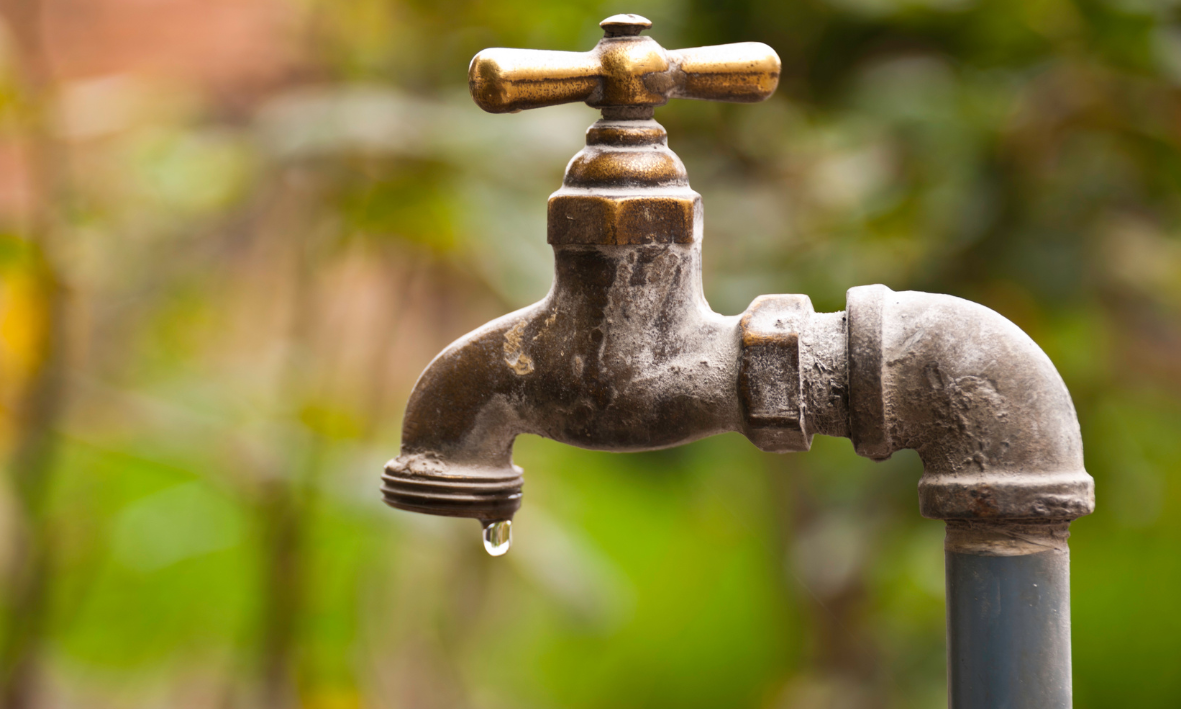
Water crisis in South Africa: a call for accountability and sustainable solutions
Statement by Zandile Phiri, Acting Secretary General of the United Democratic Movement The United Democratic Movement (UDM) notes with alarm Deputy President Paul Mashatile’s revelation that as of June 2025, municipalities collectively owe South Africa’s water boards R25.1 billion. This staggering debt is not a new phenomenon. It reflects long-standing financial mismanagement and poses a severe threat to the equitable provision of water services for millions of households. Water is a scarce and precious resource in South Africa. Yet instead of building capacity to deliver this essential service, many municipalities remain trapped in cycles of arrears, infrastructure decay, and disputes. These failures compromise both urban and rural communities and demonstrate a persistent breakdown in governance. The UDM cautions government against treating this crisis as merely a matter of debt collection. Punitive measures, such as slicing municipal budgets, may provide temporary relief for water boards but will ultimately deepen dysfunction in local government and compromise the delivery of water and sanitation services. Adding to the urgency, water boards themselves have faced severe dysfunctionality for years, driven by instability in leadership, poor governance, and weak oversight. Without stable boards, effective CEOs, and proper institutional controls, service delivery, financial management, and strategic planning remain compromised. The UDM believes that a sustainable solution requires that household water supply becomes a reality for every family, with local government fully supported and capacitated by national government. Infrastructure renewal and maintenance must be prioritised to address aging systems, avoidable losses, contamination, and service breakdowns. Clear national standards for water treatment and sanitation must be enforced to safeguard public health. A universal system of water charges, including a Basic Service Subsidy, must ensure access for indigent and poor households, with fair and transparent revenue collection ring-fenced for service provision. Capacity-building and skills transfer from national to local government are essential to ensure municipalities can meet their constitutional obligations. The UDM calls for a comprehensive stabilisation plan for water governance that balances financial accountability with capacity-building. Municipalities that deliberately withhold payments despite collecting revenue must face consequences. Equally, national government has a duty to strengthen the systems, skills, and infrastructure required for sustainable water delivery. The urgency of this crisis is visible in communities across the country. In Gauteng, families in Coronationville, Westbury, and Ivory Park, Tembisa, have clashed with police over dry taps. In the Eastern Cape, residents of Qunu have been forced to draw water from untreated rivers, exposing themselves to deadly waterborne diseases, a situation compounded by allegations that the town has had no proper running water since 2014. These incidents are not isolated; they are symptomatic of systemic collapse in water governance. Communities should not have to protest, blockade highways, or drink unsafe water to access a basic constitutional right. Water is a right, not a privilege. South Africans cannot be made to suffer for the failures of governance. The time for government to stop papering over the cracks and to decisively address the root causes of municipal dysfunction is long overdue.

Admin
21 Mar, 2025
Human Rights Day 2025
Statement by Nqabayomzi Kwankwa, UDM Deputy President and Leader in Parliament As South Africa commemorates Human Rights Day, on 21 March 2025, the United Democratic Movement (UDM) reaffirms its unwavering commitment to upholding the fundamental rights and freedoms enshrined in our Constitution. This day is a solemn reminder of the sacrifices made by those who fought for justice, equality, and dignity in our country. The UDM has always stood for a South Africa where human rights are not just words on paper, but a lived reality for all. We remain steadfast in ensuring that every South African enjoys the rights to freedom, dignity, safety, and equal opportunities. The UDM will continue to safeguard democracy and strengthen institutions that protect human rights with our continued fight against corruption, abuse of power, and any attempts to undermine the rule of law. We will continue to fight against poverty, inequality, and unemployment by pushing for policies that promote economic inclusion, land reform, and fair wages. In a country combatting high levels of crime, we will continue our advocacy for stronger action against gender-based violence, crime, and human trafficking and a reform in the justice system as unpacked in our last election manifesto. Access to healthcare, education, water, and housing is a fundamental human right and the UDM remains committed to holding the government accountable for better service delivery. As we mark Human Rights Day, let us honour the past by working towards a better future, i.e. a South Africa where freedom, fairness, and dignity are the cornerstones of our democracy. The UDM will continue to fight for the rights of all South Africans, ensuring that our hard-won democracy benefits every citizen, not just a privileged few.
Admin
05 Aug, 2020
R30m PPE scandal: AFU must restrain KZN social development officials’ property
The United Democratic Movement (UDM) in KwaZulu-Natal (KZN) calls on the National Prosecuting Authority’s Asset Forfeiture Unit (AFU) to urgently apply for an order of restraint of the property of the high-ranking provincial social development officials who have been accused of contravening the Public Finance Management Act and who face charges of misconduct over the dodgy procurement of personal protective equipment (PPE) as well as blankets. We commend the department’s move to suspend the implicated officials as announced by the KwaZulu-Natal MEC for social development Nonhlanhla Khoza. However, suspending them and opening criminal cases are not enough, the AFU should obtain a restraint order to seize property before their potential conviction to ensure that the property is available to be sold later if needs be to recoup the R30 million. Furthermore, the department must take the public into confidence and indicate whether this is the only filthy transaction that these officials might have been involved in, if there are any other transactions, those too must be made known publicly. It is however an indictment of the department that it only ordered investigation, into what appears to be blatant theft, due to public pressure. Whether public pressure is exerted or not, the government owes it to the South African taxpayer to be transparent in all its dealings, especially where corruption is concerned. The UDM also calls upon the department to name and shame the involved service providers and to blacklist them so that they may not do any further business with the government. Issued by: Mr Boysey Gumede UDM KZN Interim Provincial Secretary
Admin
05 Aug, 2020
Is dissolution of executive, in favour of a caretaker, not the answer to corruption?
Media release by Mr Bantu Holomisa, MP and UDM President To put things in perspective the start of South Africa’s steady descent into the depths of dishonesty and exploitation was Sarafina II, what followed was the Arms Deal, Oilgate, Travelgate, as well as the Chancellor House/Hitachi deal. Then it was Transnet, Prasa, VBS, PIC, relationships with the Gupta family, to name but a few headliners and most recently, the alleged corruption involving the R500 billion Covid-19 relief fund, which took an already despicable practice to new moral lows. How can the people of this country believe Ace Magashule when he says his party is “outraged and deeply embarrassed” by acts of corruption allegedly committed by some of its members and leaders in Covid-19 procurement across the country? Tenderpreneurship, (ab)using ties with family and/or friends, is certainly not new. South Africa has reeled from one scandal to another and the African National Congress (ANC) National Executive Committee (NEC) saw nothing wrong, and has, for years, allowed the comrades in corruption to perfect their craft. Now, suddenly, the ANC NEC woke up to the idea that, even if its legal to benefit at a suffering people’s expense, which has been its primary defence in the past, it is unethical. If it had not been for the Covid-19 experience, things would have merrily continued… as it turns out, some corruption are worse than others. Cadre deployment, as well as factional infighting, have paralyzed the state completely. That said, after a quarter of a century’s worth of corruption, the truth of the matter is that the governing party is incapable of rooting out corruption. Not only because of a lack of political will, but mainly because its entire leadership is tainted, and it is impossible for the accused to preside over the investigation, trial and punishment. Maybe the time is ripe for South Africans to consider, and debate, something a little more drastic i.e. should they not demand that the executive arm of government be dissolved and be replaced by a caretaker administration until the 2024 National and Provincial Elections? Such a structure could be comprised of representatives from civil society and the judiciary; with no political component. Parliament must be kept in place to play its crucial oversight role. Part of its mandate should be to develop legislation to specifically, and definitively, deal with corruption and the recovery of taxpayers’ stolen monies, as well as drafting a white paper on what kind of local government system this country requires as our current system is failing the people. Resuscitating our economy should be at the top of such a caretaker government’s agenda, as well as a review of the Chapter 9 institutions and addressing our collapsing infrastructure and waste management (our country is dirty). Issued by: Mr Bantu Holomisa, MP UDM President

Admin
18 Jul, 2020
What would Madiba do? #StopTheDegeneration
There are remarkable lessons to be learnt from the life of Nelson Rolihlahla Mandela, the man who managed to unite South Africans from all walks of life after having wasted away in prison for 27 years. His amazing lack of bitterness, cynicism and hostility at this personal injustice astounds to this day. We must understand that, by the time he walked this earth as a free man, the socio-economic conditions for the majority of South Africans were in dire straits and there was, and unfortunately still is after 26 years, a need to address the backlogs and imbalances of the past. We must also remind ourselves that, militarily speaking, there was no winner of a war between black and white. Our leaders soberly decided to negotiate a bloodless transition into a free South Africa and our journey to promote the quality of life for all South Africans had only then started. The Constitution, which Madiba played an integral role in crafting, does not mince words in terms of government’s obligation to ensure that all South African’s rights are protected and honoured. But, the results, so far, are embarrassing and the governing party has failed at designing implementable and sustainable policies that address these inherited socio-economic imbalances, or the set of challenges we have faced these recent years. Instead its policies and management style are laced with corruption, tribalism, nepotism and racism. It also has become a handy, knee-jerk excuse to blame apartheid for the governing party’s every failure. How could apartheid have caused their corruption and scandals, such as the Arms Deal, Sarafina 2, Transnet, Prasa, VBS, relationships with the Gupta family, the Eastern Cape “ambulance scooters” and the millions of Rands syphoned through municipalities, like with the recent OR Tambo water and sanitation projects? Apartheid, really? What the governing party does not seem to realise is that South Africa is in serious trouble with its lack of programmes to integrate South Africans and to address the existing socio-economic imbalances. A classic example of this is our government’s response to the Covid-19 pandemic, where South Africa has been caught off guard in terms of our infrastructure capacity and human resources. We have lost the plot and I cannot help to think: What would Madiba do? The spirit of reconciliation is a lesson he taught by example. How to listen to each other; to acknowledge the dignity and views of the person on the other side of an argument. Madiba also taught us to find common cause despite our differences, but we seem to have forgotten this lesson. Madiba would have been disappointed at what we have allowed ourselves to become. He would probably have told us on his Twitter account, that, #ColouredLivesMatter, #IndianLivesMatter, #WhiteLivesMatter, #BlackLivesMatter and ultimately, that #AllLivesMatter and that #AllSouthAfricansMatter. We have a lot of work to do to get back on track and achieve social-cohesion as South Africans. So, how would Madiba have counselled us? He would surely have pleaded with us to show respect to our fellow South African, no matter our colour, tribe, race, sexual persuasion, religious belief, physical inability, age and gender. We must constantly remind ourselves to stay the course and do what is right. We have many common causes, which, at the very least, is that we are all patriotic and love South Africa. Let us harness our rich diversity to address the challenges of our economy, education, health, and safety and security, etc. Let us honour what Madiba and his peers (who were black, white, coloured and Indian) fought for and transform South Africa into a united and winning nation. Let us, every year, as a birthday gift for Nelson Mandela, engage each other with an #AllSouthAfricansMatter attitude, especially when we disagree. Issued by: Mr Bantu Holomisa, MP UDM President
Admin
06 Jul, 2020
UDM calls for referendum on the death penalty
Considering the calls from various sectors of our society for the death penalty to be reintroduced, especially in terms of gender-based violence (GBV), femicide, as well as child abuse and murder, the United Democratic Movement (UDM) reiterates its longstanding call that the government must allow for the voice of the people to be heard; it is time to have a referendum on the death penalty. The existing punishments for the guilty, are not a deterrent. Protection orders have become mere pieces of paper and ink and the perpetrators do not take them seriously, and the police fail to enforce them. The UDM calls upon the government of the day to take GBV seriously and to stop paying lip service as it makes no difference to the lives of those who live with daily abuse. Governmental leaders cannot take decisions alone behind closed doors, excluding the people who face these disastrous situations in our society. Let the people speak. Issued by: Mr Bongani Msomi UDM Secretary General
Admin
18 Jun, 2020
Introduction of “Scoo-mbulance” in the Eastern Cape is an insult to the people
The introduction of EMS scooters by the Eastern Cape provincial government is a bad idea and is just a waste of tax-payers’ hard-earned money. It is doubtful that these scooters can properly manoeuvre rough roads and inaccessible areas, especially during adverse weather. In addition, these bikers, who are to assist in checking temperatures or sugar levels for chronic patients at home, would not necessarily be healthcare practitioners. These tasks cannot be performed by a layperson. The United Democratic Movement is astonished by part of Eastern Cape Health MEC Sindiswa Gomba’s reasoning behind the introduction of such a mode of emergency transport, which is to curb the influx of patients to clinics and healthcare facilities. The Eastern Cape government should have rather employed enough nurses and doctors at key clinics which would result in a reduction of waiting periods for patients and fewer referrals to hospitals. The big question that must be asked of the Eastern Cape government, since it claims to be the people’s government, is why it did not consult with the public on the practicality of this so-called solution. This is a joke and an insult to the people of Eastern Cape. — end– Contact: Bongani Msomi UDM Secretary General
Admin
20 Feb, 2020
Violent protests at universities: why is Dr Nzimande quiet?
The United Democratic Movement (UDM) is concerned that the Minister of Higher Education, Science and Technology is quite reticent when the country needs his attention the most. Since the beginning of the academic year, there has been unrest in a number of South African universities like the University of KwaZulu-Natal, the Central University of Technology in the Free State and others. These crises have been met with Dr Blade Nzimande’s deafening silence. The nationwide outcry of unhappy students, as some who qualify for National Student Financial Aid Scheme (NSFAS) support are denied their benefits, is disconcerting. This whilst Dr Nzimande has made a promise that students from disadvantaged backgrounds, and those who are from families that earn a gross income of up to R350,000 annually, would automatically be accepted for NSFAS support. What is currently taking place is different from what the minister said three weeks ago at the Council for Scientific and Industrial Research where he addressed political parties. Who is in-charge of this higher education portfolio? Why are the vice-chancellors of these universities using different approaches with regards to NSFAS? All and sundry have seen the videos circulating on social media with extremely disturbing scenes of buildings being burnt down and attacks on campus security personnel. The UDM deplores this totally wrong and unacceptable behaviour. What the perpetrators of this violence don’t seem to realise is that rehabilitation will take some years, and that this will negatively affect the future of our youth. The UDM calls on Minister Nzimande to speedily attend to the outcries of the students; these are our future leaders and they deserve better than a passive, seemingly don’t care minister. – end — Issued by: Mr Bongani Msomi UDM Secretary General

Admin
31 Jan, 2020
Postponement of lower data prices is a justice denied
The UDM Youth Vanguard is in awe at the extension of the deadline that was initially two months for network operators to reduce data costs. If these network operators were interested in reducing data, they could have done so within the timeframe the Competition Commission had set. Calls for reduction of data prices were not a new thing when the Commission tabled their report in December,2019. This clarion call has been around for years. In the previous State of the Nation Address, President Cyril Ramaphosa promised that data will fall, yet it remained relatively high as network operators did not take him seriously. The Competition Commission should have strengthened their hand instead of eating from the palm of the corporations and enforced them to adhere to the deadlines, failing to do so harsh punishments should be instituted instead the Commission has extended the deadline by a month. This is unacceptable as South Africans have waited for far too long. Actions should have been taken long-time ago to enforce these so-called giants network operators to drop these high data prices. The UDMYV is not happy at all. This is yet another failed promise to desperate people who rely on usage of data. Affordable data prices are not negotiable but a must! Issued by: Masonwabe Nqawe UDM YOUTH VANGUARD WESTERN CAPE
Admin
27 Jan, 2020
Enough is Enough: Laticia Jansen
The United Democratic Movement Women’s Organisation is totally flabbergasted with the ongoing behaviour of violence within schoolers in South Africa. Every day, every week, we wake up to devastating news of yet another learner that has lost a life. This has become a norm in our society, with so many questions left unanswered. Sending your children to school to get education nowadays simply means you are sending them straight to death, isn’t “Education the most powerful weapon which we can use to change the world?” Clearly it is not, if death of our children is the price. The UDEMWO calls on the School-governing bodies and serve its purpose thoroughly, what we are witnessing at the moment as South Africans is pure disaster, the SGBs are failing dismally. Our children spend most of the day at school, The Educators should take full responsibility of what happens to them, In Leticia’s case the school transport driver that left her behind is as guilty murderers. He must be apprehended as soon as possible. The UDEMWO calls on all school to have control measures when it comes to picking up scholars, and if the scholar isn’t boarded on the transport, the teachers and the parents should be made aware. The government should take these cases serious as this is getting out of hand by day. To the Jansen family; We send our heartfelt condolences. May your precious princess rest in eternal peace. Issued by: Ms Thandi Nontenja UDEMWO Secretary
Admin
23 Aug, 2019
Old SA flag: the Equality Court missed an opportunity
The United Democratic Movement (UDM) notes with concern the recent ruling by the Equality Court on the matter between The National Mandela Foundation Trust and with Afriforum NPC and others. The UDM is of the view that the relief sought and eventually acceded to by the Deputy Judge President of the High Court was very generous and too broad. The idea of allowing a flag which was used as a symbol of subjugation for the majority of the people of this country to continue to be used for genuine journalistic, academic or artistic purpose is problematic. This might be construed differently by other people, especially those that had the audacity to challenge the relief sought by the applicant in the matter. The issue might arise with regards to the interpretation of these instances, where this flag can perhaps be used, hence the arrogance we saw on Twitter from Afriforum’s leader Ernst Roets tweeting in promoting or popularizing the flag just after the decision had been made by the Equality Court. The UDM is of the firm belief that the flag with all the other symbols or traces of the colonial rule must be banned from the public view. Those that sort to display these symbols of apartheid ought to be punished in terms of the law. Apartheid is now a criminal offence in this country. The flag and other symbols of apartheid belong to the museums. They are to be used for history purposes and generations to come to see where we come from as a nation. The South African society must be strict and firm with democracy the country which was achieved through sacrifice by many and some paid with their own lives. The UDM has a strong view that these symbols of apartheid must not be tolerated as they can bring a negative impact on what has been done or achieved to realise social cohesion in our beloved country. Issued by: Mr Bongani Msomi UDM Secretary General
Admin
28 Jun, 2019
Violent service delivery protests claim lives: this is not on!
The United Democratic Movement has observed that there have been too many service delivery protests around South Africa, prior to elections and after. We hoped to see less of these occurrences, especially after elections, but seemingly they are increasing on a daily basis. We saw what happened when the red ants overran Alexandra in Johannesburg, when the life of a three months old baby was claimed. Yesterday in Philippi (Cape Town), another four-months’ old infant lost her life because of the use of teargas. Not only was an infant deprived of life, but two persons, trying to get away from stone throwers, were killed. This is a travesty. South Africans endure the pain of being neglected by government whilst it continues to pay lip service when it comes to service delivery. Government never honours its promises. Instead of helping people, government responds to them with violence. How long should we see such events? How long should the people of South Africa suffer, when they are only asking for basic necessities such as; shelter, water and roads, to name a few. To the families of those whose lives were lost, may you be comforted. Issued by Mr Bongani Msomi UDM Secretary General
Admin
21 May, 2019
World Day for Cultural Diversity for Dialogue and Development
On this day, World Day for Cultural Diversity for Dialogue and Development, we are reminded of how we should respect one another’s constitutional rights and, specifically, each South African’s right to cultural expression. The United Democratic Movement (UDM) believes that cultural diversity drives change, not only with respect to economic growth, but it also assists our society to achieve sustainable development, which in turn reduces poverty. Bridging the gap between cultures is urgent and necessary for stability, development and social cohesion in our country. On this score, South Africa still has a long way to go. Unfortunately, there is a palpable feeling of unease amongst our people, which is born out by the results in our just passed election. From the UDM’s perspective, we cannot afford to lose more time in forming a cohesive society and to unleash the creative power inherent in our diversity to transform South Africa into a winning nation for all who live in it. It is not only incumbent on government to promote social cohesion, but it is each of our responsibility to learn about each other’s cultures and live-out our constitutional rights, responsibilities and ideals. The UDM therefore calls on all South Africans to reach out to one another and respect each other’s beliefs and traditions, so that we may be a unified nation. Issued by: Mr Nqabayomzi Kwankwa UDM Deputy President
Admin
07 Apr, 2019
UDM meeting discussing xenophobia
• Members of the UDM’s National Executive Committee • The party’s regional leaders • Ladies and gentlemen 1. Welcome I wish to thank you for the opportunity to address you today. It might be a little cold outside, but you are here and ready to participate. Also, thank you for sacrificing your time on a Sunday. Despite South Africa’s challenges since political emancipation in 1994, we can all agree that we, as a nation, have made great strides in tolerance and acceptance. We have a modern constitution that we should be proud of, which defines our nation’s character and our relationships with one-another. Even though it’s not always plain sailing, we still work hard on the project of the new South Africa; and we do so every day. 2. Xenophobia in South Africa Xenophobia in South Africa is not a new thing. It’s a harsh truth and we have to stare it in the eyes, with a view to address it once and for all. There are multiple sources for xenophobia, but in the United Democratic Movement’s (UDM) view the root of the problem lies in the unregulated and unfair competition for the poor’s meagre resources. The dearth of housing and jobs are, for instance, part of this dynamic and complex situation. Much of the blame is also to be laid at government’s feet. To cite two examples: • Firstly, one cannot help but feel that xenophobia in South Africa has a cyclical quality and that government’s perennial inattentiveness exacerbates the problem. • Secondly, the impact of its inadequate control over the arrival of illegal immigrants, and lack of resettlement mechanisms, are not addressed. 3. Competition for meagre resources Impoverished South Africans, are already scraping along to make a living in a harsh socio-economic environment. For instance, the competition for shelter and housing is already tough in the South Africa of today. To add to the complexity of the matter we have the issue of illegal occupation of housing by undocumented foreigners. The owners of such houses, and other housing buildings such a flats, should be made to explain themselves, as they exploit undocumented immigrants and, by default, also deprive South Africans of safe havens. The law must step in and these landlords must be brought to book. A UDM government will create special units to be dispatched to identified hot spots. Such units will comprise of purposely trained SAPS personnel, UN refugee experts, social workers and our local authorities, such home affairs. In addition, embassies of affected countries, should be involved so that we can together find our way to address the problem through bilateral agreements and extradition treaties between South Africa and the relevant country. 4. Bringing crime to our shores: safety and security of the country No-one will refute the fact that many non-South Africans find themselves within our borders due to them seeking asylum from war, genocide and persecution. This is understandable and given this country’s past human rights record, we certainly have empathy with these desperate, downtrodden and homeless peoples. But, we can agree that there are those who come to South Africa with wicked and criminal intent. 5. Drugs and human trafficking Many of our cities’ streets are lined with foreign criminal cartels that sell drugs to communities that are already under social and financial stress. Such people soon find themselves locked in the vicious cycle of addiction and its attending social ills. This drug pandemic has also spread to our rural communities, especially with the idle and jobless youth who find income in drugs and escape from their poverty ridden lives. These cartels are also responsible for trafficking humans and is active in the sex-trade. The absence of reliable statistics masks the truth about human trafficking in South Africa. But anecdotal evidence suggests that poor South Africans are struck the worst. As we understand it, many such foreign traffickers evade prosecution because there is no law that criminalises human trafficking. This is something the UDM will raise awareness of in the new term of Parliament. Despite us appreciating the plight of illegal immigrants in South Africa, we can never sacrifice our safety and security. I have travelled the length and breadth of South African on my campaign trial over the past few weeks. There was a clarion call from our people (whether they live in rural or urban areas) that our security agencies are failing to stamp out crime where illegal immigrants are involved. During my interaction with them, the frustration was palpable. They say that even though they report such criminal elements to the police, nothing is done. There are also allegations that the police are in cahoots with the foreign criminals and that they are bribed to turn a blind eye and that they share in the spoils. A UDM government will definitely pay attention to these ills in an effort to rid South Africa from the foreign criminal elements within our borders. 6. Capital outflow Capital outflow to Europe, Asia and other countries on the continent needs to be addressed as leads to a disappearance of wealth and a sabotage of our economy. A UDM government will reconsider the laws, rules and regulations on this score and make them water tight. 7. Conclusion The UDM is a party that promotes a culture of tolerance and understanding. And, I wish to assure everyone that a UDM government will handle illegal immigration in a humane and holistic manner in line with our continental and international obligations. We urge the undocumented immigrants to come to the fore so that they may be registered. Finally, we must recognise that legal immigrants contribute immensely to our society and our economy. We are home to, for instance, educators who teach our youth and do valuable research and development on the academic front. The UDM believes that xenophobia has no place in our society, but we must also be cognisant of our responsibilities to our own people. It is possible for both these directives to work in harmony. Thank you
Admin
06 Apr, 2019
#ShutAlexandraDown civil protests is the ANC’s legacy
The United Democratic Movement (UDM) has noted the volatile situation in Alexandra, Johannesburg. Much of this unhappiness stems from the African National Congress’ (ANC) misuse of billions of Rands allocated to the Alexandra renewal project during the era of former President Thabo Mbeki. RDP houses in Alexandra Extension 7, were apparently sold to non-South Africans and this explosive situation has the potential to spill over to xenophobic attacks. In addition, the ANC had relegated hundreds of families to live in shacks in the informal settlements, depriving them from living a life of dignity and prosperity. The irony is that the ANC is leading this protest, using it for electioneering at the expense of the poor residents. The ruling party has done this country immeasurable damage with its don’t care attitude. Come 8 May 2019, the electorate must make an enlightened decision and should not vote for it. Issued by: Cllr Thandi Nontenja UDM Councillor in the City of Johannesburg
Admin
01 Mar, 2019
UDEMWO abhors the murder of rural women accused of witchcraft
We find it extremely difficult to digest the fact that three women, who hail from the Alfred Nzo district municipality in the Eastern Cape were, late last year, burnt to death because they had allegedly been witchcraft practitioners. This can only be described as the worst aberration of what might be called “mob justice”. It was recently reported that elderly women in the Eastern Cape are physically abused, raped and killed, because they practised witchcraft. They feel that they are in fact persecuted, in this manner, for the mere fact that they have grown old and wrinkled. This kind of inhumanity is spine-chilling; who would have thought that this world would change to a horrific and evil place where women are killed in such a brutal way based on groundless accusations and false pretences. There cannot be any justification for harming any person because of unfounded allegations that they practice so-called witchcraft or not. In the eyes of the law, murder is murder and the perpetrators of these depraved crimes should be caught, prosecuted and jailed. The United Democratic Women’s Organisation (UDEMWO) understands that these women have asked government for protection and to be moved away from their communities for safety reason. This would mean that they will in essence be banished and torn away from their loved ones. UDEMWO does not agree that, to isolate these women based on spurious allegations, is a viable long-term solution. Our constitution protects our rights to have inherent dignity and the right to have our dignity respected and protected. UDEMWO therefore condemns this violence and brutality in no uncertain terms, but even more so when it happens to our elders. We are so frustrated and aggravated that the women in this country are faced with different forms of abuse left right and centre, yet women’s minister Bathabile Dlamini is nowhere to be found. She should be the champion of women in all of our struggles. Lastly, UDEMWO believes that government must play a greater role in demystifying traditional practices within the confines of the law. It should step up its efforts to educate citizens on the role that such practitioners play in our society and broaden its information campaign to change people’s perception so that they can honour the fact that their fellow citizens and they have equal rights. Issued by: Ms Thandi Nontenja UDEMWO Secretary General
Admin
28 Feb, 2019
UDEMWO slams ANC and ANCWL’s hypocrisy re women abuse
The United Democratic Movement Women’s Organisation (UDEMWO) is disgusted that yet another African National Congress (ANC) leader has been accused of women abuse. As the story unfolds, we note that these accusations constantly rotate amongst the ruling party’s prominent male leaders. Some of those alleged culprits have been Danny Jordaan, Marius Fransman, Mduduzi Manana, and more recently Pule Mabe and Zizi Kodwa. And, lest we forget, their very own, former president Jacob Zuma. Even though he was acquitted, the consequences of his actions left a bitter taste in the mouth. In fact, one could conclude that this is an ANC culture. The ANC and its Women’s League (ANCWL) never ceases to amaze. We, in particular, point out the ANCWL’s flip-flopping when it comes to either condemning or defending their male counterparts. South African women must pull the wool from their eyes and realise that the ANCWL are sell-outs with double standards. Where on earth were they when Jacob Zuma was faced with rape allegations? Bathabile Dlamini was at the forefront, supporting him while he was singing “Umshini wami” at court. It was also reported that the ANCWL went so far as to say that the late Fezekile Ntsukela Kuzwayo ‘Khwezi’, “should feel lucky to have been raped by such a handsome man”. What more should we expect from the ruling party’s male leaders? In fact, who is next? Issued by: Ms Thandi Nontenja UDEMWO Secretary General