Admin

13 Feb, 2026
SONA2026: vision has been declared. Delivery will decide
Statement by Nqabayomzi Kwankwa, MP, UDM Deputy President and Leader in Parliament The 2026 State of the Nation Address was characteristically vision driven, aspirational and wide ranging. President Cyril Ramaphosa once again laid out an ambitious reform agenda across the economy, crime prevention, local government, infrastructure, agriculture, public service reform and social protection. The difficulty, however, has never been the quality of the vision. The difficulty has consistently been implementation. South Africa has heard many turning point speeches over the past decade. Each one has identified the correct problems. Each one has proposed the appropriate frameworks. Yet departments have repeatedly failed in execution, coordination and accountability. That is the central concern the United Democratic Movement (UDM) raises in response to this address. On the economy, President Ramaphosa points to improved macroeconomic indicators, investment commitments and infrastructure allocations. These are welcome developments. However, macro stability does not automatically translate into employment at scale. The UDM will be watching closely whether infrastructure projects move beyond announcement phases and whether small and medium enterprises actually experience reduced red tape and improved access to markets and finance. The same applies to energy reform and logistics recovery. Structural reform is necessary, but tariff stability, grid expansion and port efficiency must now be visible in declining costs and increased competitiveness. South Africans cannot live on reform processes. They must feel outcomes. The President’s firm stance against organised crime is appropriate. Organised syndicates, illicit trade, illegal mining and gang violence are undermining the state and terrorising communities. The deployment of the South African National Defence Force to support the police is a serious step and reflects the gravity of the situation. However, such deployments must be carefully managed and time bound. UDM President General Bantu Holomisa, MP has however cautioned that when the South African National Defence Force (SANDF) is deployed internally, public cooperation is essential. Communities must cooperate fully and ensure that firearms are not drawn against soldiers. Escalation will only result in tragedy. At the same time, deployment must not become a substitute for fixing weaknesses within South African Police Services (SAPS) and the criminal justice system. Long term safety depends on professional policing, intelligence coordination and successful prosecutions. On the water crisis and local government reform, the President Ramaphosa has correctly identified systemic failure, poor planning and patronage as root causes. The establishment of a National Water Crisis Committee and the threat of personal liability for municipal managers signal seriousness. But here too, the UDM’s concern is implementation. We have seen interventions before. The question is whether dysfunctional municipalities will actually be stabilised, whether revenue will be ring fenced for infrastructure maintenance and whether political interference in appointments will truly end. The response to foot and mouth disease and the commitment to vaccinate the national herd is necessary. Yet this outbreak again highlights a pattern of reactive governance rather than anticipatory planning. Biosecurity must become a permanent strategic priority, not an emergency response after damage has been done. Smaller and communal farmers must not be left exposed while policy is refined. On youth employment and skills reform, the structural overhaul of the training system is overdue. However, public employment programmes must evolve into real economic pathways. Too many young people cycle through short term opportunities without progression into permanent work. The continuation and redesign of the Social Relief of Distress grant is understandable in the current economic climate. But redesign must be credible, administratively stable and clearly linked to economic participation. Dependency without opportunity cannot be the long-term model. President Ramaphosa speaks of professionalising the public service and insulating appointments from political interference. The UDM strongly supports this. Yet the country will judge reform by whether unqualified individuals are removed from critical posts and whether disciplinary processes are finalised swiftly. Announcing professionalisation is not the same as enforcing it. In many respects, the 2026 State of the Nation Address identifies the right priorities. The risk lies in whether line departments possess the capacity, discipline and coordination to deliver at the speed required. Vision without execution deepens public frustration. The UDM therefore approaches this address with cautious scrutiny. We will support reforms that strengthen the state, protect communities and grow the economy. But we will equally insist on measurable timelines, transparent reporting and consequence management where departments fail. In many respects, the 2026 State of the Nation Address identifies the correct priorities. The risk lies in whether line departments possess the capacity, discipline and coordination to deliver at the speed required. Vision without execution deepens public frustration. The UDM therefore approaches this address with cautious scrutiny. We will support reforms that strengthen the state, protect communities and grow the economy. But we will equally insist on measurable timelines, transparent reporting and consequence management where departments fail. The true test of this vision will begin in the upcoming Budget Votes and departmental budget speeches. It is there that priorities must be matched with credible allocations, implementation frameworks and performance targets. It is there that we will see whether this is a speech of intention or a programme of action. South Africans are not asking for inspiration alone. They are asking for implementation. 2026 must not become another year of plans layered upon plans. It must become the year where delivery finally catches up with vision.

Admin
10 Nov, 2025
From job offer to captivity: how human traffickers prey on South Africa’s desperate
Statement by Zandile Phiri, Acting Secretary General of the United Democratic Movement Human trafficking in South Africa has become a national emergency hiding in plain sight. It is destroying lives through sexual exploitation, forced labour, and debt bondage, and it thrives on poverty, desperation, and the failures of the state to coordinate an effective response. Recent reports have exposed the scale of this crisis. Three young women from Botswana were rescued at OR Tambo International Airport after being lured through social media with false promises of lucrative jobs in Sierra Leone. A 22-year-old woman from Bonteheuwel was tricked into travelling to Thailand, later trafficked to Cambodia, and forced into work after her passport was confiscated. In Johannesburg, seven Chinese nationals were convicted earlier this year of human trafficking after exploiting more than ninety Malawian workers, including thirty-three minors, in a garment factory where they were kept under guard and paid R65 a day. In the past year, investigations have revealed houses in Sandton, Johannesburg, and Durban where dozens of foreign nationals were held captive by trafficking syndicates. In one incident in March 2025, more than 50 people escaped from a house in Lombardy East, and in May 2025, 44 victims were rescued from a locked property in Parkmore, Sandton. Similar discoveries have been made in Durban, exposing a network that uses residential properties as holding sites for victims awaiting transport across borders. It is reported that less than one percent of victims is ever rescued. At the centre of this tragedy are employment scams that promise opportunity but deliver slavery. These operations exploit South Africa’s severe unemployment, preying on people desperate for income or a chance to work abroad. Our joblessness has become a recruitment tool for traffickers, and the state has done too little to close that door. The problem is compounded by weak coordination among law-enforcement agencies, poor data collection, and a lack of capacity in social services. Police, immigration, labour inspectors, and welfare officials often work in isolation, while traffickers move people freely across borders and provinces. Corruption and bureaucracy slow down victim identification, shelter placements, and prosecutions. South Africa’s porous borders worsen the crisis. Traffickers exploit weak controls and under-resourced posts to move victims alongside migrants and contraband. Until border management is tightened, corruption addressed, and regional intelligence improved, the country will remain a key corridor for trafficking across southern Africa. The United States Trafficking in Persons Report has again warned that South Africa is failing to identify victims, prosecute offenders, or coordinate a national response. The country’s placement on the Tier 2 Watchlist signals growing international concern over its weak efforts to combat trafficking. Unless coordination and enforcement improve, South Africa risks further sanctions and the erosion of its global credibility on human rights. The UDM calls for decisive action to break this cycle of exploitation and neglect: 1. A national anti-trafficking strategy led by the Department of Justice and Constitutional Development, bringing together the South African Police Service (SAPS), Department of Home Affairs, Department of Employment and Labour, Department of Social Development, and reputable civil society organisations under one command structure with measurable targets and real accountability. 2. Public awareness and prevention campaigns coordinated by the Department of Communications and Digital Technologies, in partnership with Basic and Higher Education, to educate communities about fake job offers, social-media recruitment, and passport confiscation; especially in provinces with high unemployment such as Mpumalanga, Limpopo, and the Eastern Cape. 3. Protection and reintegration services for victims managed by the Department of Social Development and provincial governments, with the support of accredited NGOs, to ensure safe shelters, counselling, and job placement programmes so survivors can rebuild their lives without fear or stigma. 4. Enforcement of labour laws and regulation of recruiters overseen by the Department of Employment and Labour and the SAPS, with heavy penalties for those who exploit undocumented workers, confiscate passports, or deceive jobseekers. Inspections must be routine and unannounced, and corrupt officials must be prosecuted. 5. Investment in youth employment and skills development driven by the Departments of Employment and Labour, Trade, Industry and Competition, and Higher Education and Training, working alongside the National Youth Development Agency and private sector partners. Preventing trafficking begins with creating real, sustainable opportunities at home through job creation, apprenticeships, and skills programmes that give young people viable alternatives to risky job offers and exploitation. 6. Strengthened cross-border cooperation spearheaded by the Department of International Relations and Cooperation and the Border Management Authority, working with SADC partners to dismantle trafficking networks, share intelligence, and ensure the safe repatriation of victims. Human trafficking is not only a criminal enterprise but a profound moral failure that strikes at the heart of our nation’s values. South Africa cannot claim to be a democracy that protects human rights while allowing syndicates to trade in human lives with impunity. The UDM calls on government to act with urgency, unity, and compassion to protect the vulnerable, prosecute the guilty, and restore integrity to our borders and institutions. Every victim rescued is a life reclaimed, but true victory will come only when no person in South Africa can be bought, sold, or enslaved.

Admin
22 Oct, 2025
Johannesburg cannot live under the gun: UDM demands urgent action on gang violence
Statement by Yongama Zigebe, Councillor in the City of Johannesburg for the United Democratic Movement and Chairperson of the S79 Committee on Gender, Youth and People with Disabilities The United Democratic Movement in the City Johannesburg is outraged by the surge of gun violence that continues to claim innocent lives and sow fear in our communities. Over the past three months, Johannesburg has been gripped by a wave of shootings that have turned our townships and suburbs into war zones. Families are burying loved ones, children are dying in crossfire, and the sound of gunfire has become an unbearable soundtrack of daily life. The latest tragedy in Westbury, where two teenagers were killed and four others injured in a suspected gang related shooting, exposes the depth of our crisis. In Alexandra, a community that already bears the scars of poverty and inequality, gunfire has become routine. From the brutal killing of community leader and businessman Vincent Ndima to the shooting of community guardian Zandile Mojapelo and the murder of patrollers who volunteered to protect their neighbours, Alexandra has become a mirror reflecting the broader decay of safety across Johannesburg. These are not isolated incidents. They are the visible wounds of a system that has lost control over illegal firearms, failed to dismantle gangs, and neglected to restore community confidence in law enforcement. Johannesburg residents are living in fear because the state has failed to protect them. This must end now. The UDM in the City Johannesburg also notes with grave concern the National Police Commissioner General Fannie Masemola’s admission that police have been attacked by the very communities they are meant to protect. This breakdown of trust between law enforcement and residents reveals a deeper crisis of legitimacy and accountability. When communities no longer believe that reporting criminals will lead to justice, criminal syndicates gain strength while honest citizens retreat in fear. It is clear that policing alone cannot solve this epidemic. Without trust, intelligence sharing and visible integrity from officers on the ground, enforcement efforts will continue to fall short. The fight against guns and gangs must therefore begin with rebuilding confidence between the police and the people. Recent remarks by National Police Commissioner have confirmed what communities have long feared, that Johannesburg’s gang crisis now involves the recruitment of children as young as thirteen. This revelation is horrifying and underscores the complete collapse of prevention and early warning systems that should protect young people from being drawn into crime. It is unacceptable that our schools have become recruiting grounds and our streets a battlefield for minors doing the bidding of adult gangsters. The UDM in the City Johannesburg calls for urgent intervention from the Departments of Basic Education, Social Development and Police to disrupt this pipeline of child recruitment and to introduce community-based rehabilitation programmes that can save these children from a lifetime of violence and incarceration. The UDM in the City Johannesburg calls upon the Acting Minister of Police to treat Johannesburg’s gun violence epidemic as a national emergency. The time for excuses has passed. We expect an intensified anti-gang and firearm recovery operation that focuses on hotspots such as Westbury, Alexandra, Eldorado Park and Hillbrow. Police visibility must increase, community policing must be revived, and coordination between SAPS, Metro Police and Crime Intelligence must be restored. The City of Johannesburg’s Public Safety Department must strengthen patrols, fix broken streetlights and install CCTV cameras in high-risk areas. Law enforcement cannot win this war alone. The Department of Social Development must mobilise youth rehabilitation and anti-substance abuse programmes that steer young people away from criminal networks. Parliament and the Gauteng Provincial Legislature must hold law enforcement agencies accountable for their failure to regulate firearms and combat gun trafficking. The UDM in the City Johannesburg calls on the people of our city to rise together. Our safety is our collective responsibility. We cannot be silent while criminals dictate how we live. Communities must reclaim their streets, report criminals and stand united against fear. The time has come to restore dignity, to protect our children and to defend the right to life that our Constitution guarantees. This is not just about policing, it is about leadership, justice and the soul of our city. The UDM in the City Johannesburg will not look away while our city bleeds. We will hold those in power accountable, insist on real policing reform and work tirelessly to rebuild a city where safety and dignity belong to every resident.

Admin
21 Oct, 2025
Lawlessness endangers South Africa’s public servants and essential workers
Statement by Zandile Phiri, Acting Secretary General of the United Democratic Movement Across South Africa, the safety of government employees and frontline workers has become a matter of grave concern. In Nelson Mandela Bay in the Eastern Cape, municipal staff have been repeatedly targeted while performing their duties. Workers were robbed at gunpoint in municipal offices, and others have refused to return to the field after experiencing violent attacks. The situation in the city mirrors a wider climate of fear in which public servants are exposed to criminality with little protection, even as they try to deliver essential services under difficult conditions. In Soweto, Johannesburg firefighters came under attack this week while responding to a shack fire in the Elias Motswaledi Informal Settlement. Residents stoned the fire truck, damaging a brand-new emergency vehicle that had only recently been added to the city’s fleet. This shocking incident reflects a deeper anger and frustration in communities facing poverty, overcrowding and slow service delivery. But it also shows a collapse in respect for those who come to protect life and property. Elsewhere in the country, we understand that authorities have been forced to declare certain areas as high-risk zones where emergency personnel may not enter without a police escort. These so-called Red Zones illustrate just how dangerous the working environment has become for public servants. The arrangement is inconsistent and often delays help to communities that are already in crisis. It stands as a stark reminder that lawlessness now dictates the limits of service delivery, and that frontline workers must depend on armed protection simply to do their jobs. The threat to safety does not stop with municipal or emergency workers. The crisis extends to the police themselves. In Kimberley, a female police officer was violently assaulted in full uniform while performing her duties in the city centre. The incident, which was captured on video and circulated on social media, shocked the nation and exposed the growing hostility faced by law enforcement officers. In Khayelitsha, protesters recently torched police vehicles during demonstrations over electricity and service delivery grievances. These events reveal a dangerous collapse of respect for the rule of law and for those tasked with upholding it. When officers are attacked and their vehicles set alight, it sends a clear message that criminals and opportunists no longer fear accountability. Such lawlessness not only threatens the lives of police officers but also undermines the very foundations of public safety and community trust. The UDM calls for decisive and coordinated action: 1. National and provincial governments must prioritise staff safety by conducting urgent risk assessments across municipalities, especially in high-risk zones, and by ensuring that field workers and emergency responders have the protection and support they need. 2. Law enforcement agencies must act swiftly and visibly against perpetrators of violence directed at public service employees. Impunity feeds chaos and without justice, respect for public authority will continue to erode. 3. Government and communities must rebuild trust. Many of these attacks stem from frustration over failed services, but nothing justifies violence. Dialogue, transparency and accountability must replace confrontation and destruction. 4. All public institutions must invest in trauma counselling and staff wellbeing. Psychological harm cannot be ignored. It affects morale, performance and service continuity. The UDM reiterates that South Africa cannot claim to value public service while allowing its servants to become victims. Respect for those who dedicate their lives to helping others is the foundation of a lawful, caring and functional state. Until law and order are restored and the dignity of public service reclaimed, the dream of a safe and working South Africa will remain out of reach.

Admin
18 Oct, 2025
Minister Cachalia and MEC Marais: the Cape Flats needs leadership, not lip service
Statement by Bongani Maqungwana, UDM Councillor in the City of Cape Town The United Democratic Movement (UDM) in the City of Cape Town condemns the violent attack on police officers and the torching of a Nyala in Khayelitsha. Such acts of lawlessness have no place in a democratic society and must be met with justice. However, government cannot pretend that these incidents happen in a vacuum. They are a symptom of a policing crisis that has festered for years. The truth is that many South Africans have lost faith in the South African Police Service (SAPS). Communities on the Cape Flats, in particular, have watched gang violence claim lives week after week while police stand by, under resourced, disorganised, or indifferent. When a police service fails to protect, frustration turns to anger, and anger eventually turns to revolt. Even the Acting Minister of Police Firoz Cachalia has publicly acknowledged that there is still no comprehensive operational or intelligence plan in place to combat gang violence in the Western Cape. That admission is as alarming as it is revealing. It confirms what residents already know: there is no coherent national strategy to deal with one of South Africa’s most persistent and deadly security crises. The UDM notes the reaction of Western Cape MEC for Police Oversight and Community Safety, Anroux Marais, who condemned the torching of the police vehicle. While her outrage is understandable, mere condemnation does little to comfort families who live in daily fear or to fix a broken policing system. Leadership requires more than press statements. It demands a coordinated, results-driven approach that matches provincial safety initiatives with national operational capacity. Until that happens, the cycle of violence and blame will continue. There is a serious disconnect between national and provincial levels of government. While the Western Cape government develops safety plans and deploys local resources, national SAPS leadership moves at a different pace. This lack of alignment has left frontline officers confused, communities unprotected, and criminals emboldened. South Africa cannot afford turf wars and political posturing when lives are at stake. The UDM in the City of Cape Town calls for: 1. A clear and funded operational plan to stabilise gang affected communities, with measurable outcomes and timelines. 2. The reestablishment of specialised anti-gang units with proper intelligence capacity and oversight. 3. A public audit of all policing resources in the Western Cape to expose where the gaps lie. 4. The rebuilding of trust through genuine community policing, not staged engagements or political photo opportunities. 5. A permanent coordination mechanism between national and provincial security structures to ensure that plans, funding, and accountability are aligned. South Africans deserve a police service that is trusted, competent, and visible. Until SAPS regains credibility, both criminals and desperate citizens will continue to act outside the law. Our message is simple: safety cannot exist without trust, and trust cannot exist without results.

Admin
17 Oct, 2025
Restoring trust in law enforcement: new national crime prevention framework is needed
Statement by Nqabayomzi Kwankwa, MP, UDM Deputy President and Leader in Parliament Only 22 percent of South Africans still trust the police. That figure, revealed by the Human Sciences Research Council, is not a statistic; it is a national alarm bell. A country without faith in its police cannot guarantee justice or safety. In recent weeks, incidents of citizens burning police vehicles and attacking officers have become a tragic symptom of how deeply fractured the relationship between law enforcement and communities has become. These acts cannot be condoned, yet they reveal the frustration and despair of people who feel abandoned and unprotected. The United Democratic Movement (UDM) has long warned that the erosion of trust in the police is not accidental. It stems from years of poor leadership, internal misconduct, and weak accountability. As a political party that has consistently championed ethical governance and professional policing, the UDM has repeatedly called on the South African Police Services (SAPS) to clean up its act, restore command integrity, strengthen internal discipline, and rebuild the professional standards expected of a constitutional democracy. When police officers act without consequence, ordinary South Africans lose hope, and criminal networks thrive. The ongoing Madlanga Commission continues to shed light on the seriousness of the challenges facing the police service. Allegations raised during these hearings have underscored the need for the SAPS to confront corruption and mismanagement head on, to ensure that law enforcement serves the public interest and not private agendas. The UDM believes the Commission provides an important opportunity for the police to reflect, reform, and rebuild credibility through transparency and truth. The Ad Hoc Committee in Parliament has become an important platform for uncovering the depth of dysfunction within the SAPS and its oversight structures. While the UDM is not represented on this committee, we will continue to follow its work closely and insist that it leads to concrete reforms, not political theatre. Oversight must be used to restore the integrity of policing, not to manage scandal. The South African public is watching, and it deserves a process that results in accountability, not performance. The UDM condemns the failure of Acting Police Minister Firoz Cachalia and National Commissioner Fannie Masemola to appear before the Portfolio Committee on Police on 15 October 2025. Their absence forced the committee to defer the meeting without hearing from key entities, including the Auditor General. This disregard for Parliament’s oversight at a time of crisis undermines accountability and sends the wrong message to the public. South Africa cannot afford another cycle of delays, denials, or political protection. The UDM calls for a complete overhaul of South Africa’s approach to crime prevention and policing, anchored in the following principles: 1. The SAPS must be depoliticised and led by skilled, ethical professionals who are committed to service, accountability, and the rule of law. 2. Government must coordinate policing, social development, and education programmes to address the root causes of crime, including poverty, youth unemployment, and substance abuse. 3. Law enforcement visibility must be increased through better resourced police stations, functional patrol units, and active Community Policing Forums that work in partnership with residents. 4. The SAPS must modernise its operations by investing in technology, digital forensics, and intelligence-led policing to stay ahead of organised crime. 5. Independent oversight bodies such as the Independent Police Investigative Directorate and parliamentary committees must be strengthened to ensure transparency, swift investigation of misconduct, and regular public reporting. 6. The criminal justice system must focus not only on punishment but also on prevention, rehabilitation, and social reintegration, so that cycles of violence are broken and communities are rebuilt. The UDM further urges the Government of National Unity to establish a National Crime Prevention Council that brings together national, provincial, and local law enforcement agencies with civil society, the private sector, and research institutions. Such a structure must coordinate intelligence, align policing priorities, and measure progress on crime reduction across the country. South Africa needs a whole of government response that unites every sphere of the state in restoring safety and public trust. Safety is a constitutional right, not a privilege. Weak leadership weakens justice. The UDM calls on the Government of National Unity to treat crime prevention and police reform as an urgent national priority, not another task for committees and talk shops. The GNU must move beyond rhetoric and deliver a coordinated, well resourced, and accountable plan to rebuild trust between citizens and the state. South Africans deserve a police service that protects them, not one they fear, and a government that acts, not one that explains.

Admin
17 Oct, 2025
A teacher’s betrayal: UDMYV demands justice for exploited young women
Statement by Zintombi Sododile, Chairperson of United Democratic Movement Youth Vanguard in the Eastern Cape The United Democratic Movement Youth Vanguard (UDM Youth Vanguard) expresses its deep outrage at revelations that a teacher from the Eastern Cape stands accused of preying on young women through a trafficking and sexual exploitation ring. It is alleged that this educator targeted women from rural towns such as Qumbu, Mthatha and Ngqeleni, transported them to East London, and exploited their vulnerability for profit under the pretence of offering accommodation and opportunity. Although the investigation reportedly began in September 2023, it has taken more than a year for the matter to reach court. It remains unclear whether the delay lies with the police, the prosecution, or both, but it reflects a wider concern about how cases involving the exploitation of women and children are handled. The slow pace of justice deepens the trauma of survivors and weakens public confidence in law enforcement. The UDM Youth Vanguard calls for clarity and accountability from all institutions involved in the handling of this case. This case exposes a shocking abuse of authority and a moral collapse within an institution meant to nurture and protect the youth. When a teacher, entrusted with guiding the next generation, becomes a perpetrator of such heinous crimes, it betrays the trust of families, communities, and the education system itself. The UDM Youth Vanguard condemns this reprehensible conduct in the strongest terms and demands: 1. The swift and uncompromising prosecution of all those implicated in this trafficking network. 2. An immediate internal investigation by the Department of Education to determine how this went undetected. 3. Comprehensive psychosocial support and protection for all affected survivors. 4. The introduction of stricter vetting and ethics oversight for educators and school staff. 5. A national awareness campaign on human trafficking and sexual exploitation targeting schools and communities. We call on the Minister of Basic Education and the Minister of Police to treat this case as a wake-up call. South Africa cannot allow those entrusted with public service to use their positions to exploit the poor and the powerless. We cannot build a just society while predators hide behind positions of trust. The UDMYV pledges to raise awareness among young people about their rights, to support survivors in seeking justice, and to continue speaking out against abuse wherever it occurs. Every child deserves safety, respect, and a future free from exploitation.
Admin
12 Oct, 2025
South Africa’s kidnapping epidemic: it can happen to anyone
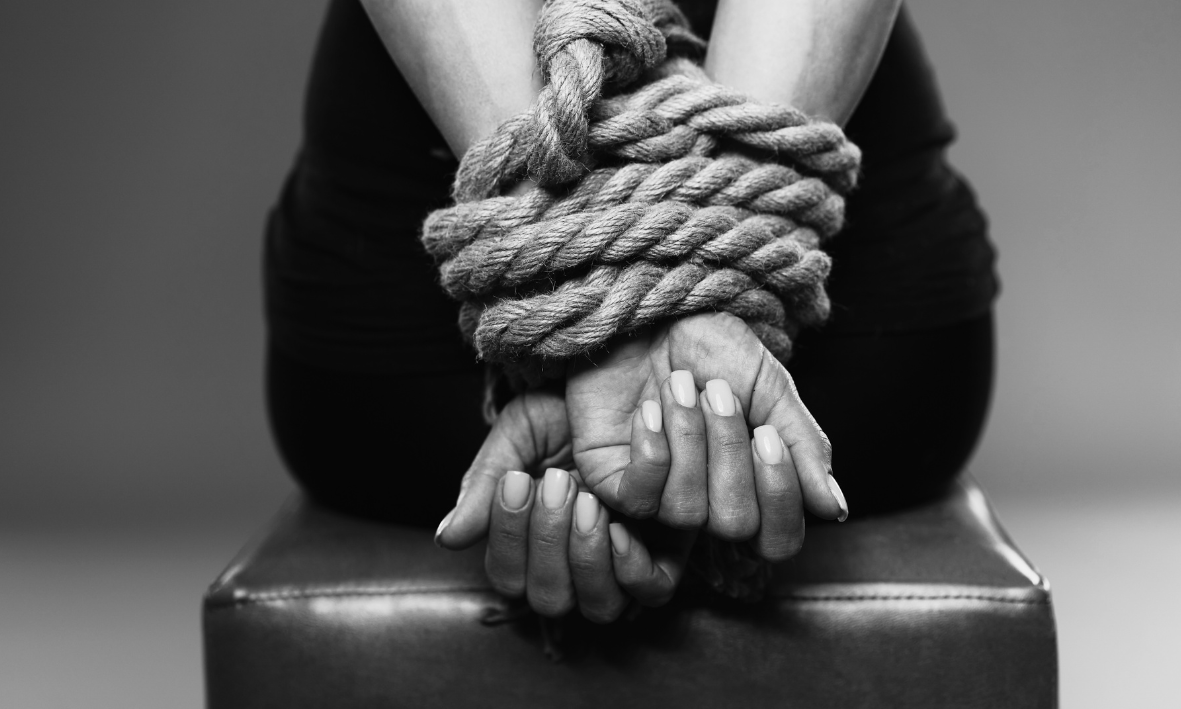
Statement by Zandile Phiri, Acting Secretary General of the United Democratic Movement The United Democratic Movement (UDM) is deeply disturbed by the growing wave of kidnappings that continues to grip our country. In the most recent case, a man was rescued on the R80 highway in Tshwane from a vehicle whose occupants were found with blue lights, firearms, and clothing marked with police insignia. This shocking incident shows how criminals now exploit public trust in law enforcement to entrap and terrorise innocent citizens. For the UDM, this crisis is not an abstract statistic. In June last year, our Deputy President, Nqabayomzi Kwankwa, was abducted in Driftsands while on his way to Cape Town. He was tied up, robbed, and released only after a ransom was paid. That experience reminded us that in today’s South Africa, it truly can happen to anyone, public figures and ordinary people alike. Research and police data confirm that only a small fraction of kidnappings involve long-term ransom demands. The overwhelming majority occur during hijackings and armed robberies where victims are restrained, forced to withdraw money, or used to access bank accounts. These short, opportunistic abductions, known as express kidnappings, are now among the most common forms of the crime. It is reported that on average, two such incidents take place in South Africa every day. A particularly cruel development is the growing use of forced ransom calls. Victims are often made at gunpoint to phone their families or employers and demand payment for their own release. What begins as a robbery or hijacking quickly turns into extortion, as kidnappers blend methods to maximise profit and fear. Families are thrown into panic, transferring whatever funds they can while the perpetrators vanish before police can respond. This shows how organised and ruthless these syndicates have become. Women and girls are among the most frequent and vulnerable victims of these crimes. Many are abducted while commuting, working, or attending school, and face the added dangers of sexual assault, trafficking, and gender-based violence. The trauma inflicted on women and children extends beyond the individual, leaving entire families and communities living in fear. Addressing kidnapping therefore also means confronting the broader crisis of violence against women and girls in our society. The rise of blue-light gangs, fake police operations, and express kidnappings paints a grim picture of a country where safety can no longer be taken for granted. This crisis demands urgent and coordinated action. If criminals can so easily impersonate law enforcement, how are South Africans supposed to know who to trust on the road? Citizens should never have to fear that stopping for a flashing light could cost them their lives. Government must urgently review the visibility, identification, and conduct of genuine police officers, including clear roadside verification systems, properly marked vehicles, and public education on how to confirm an officer’s identity without putting oneself in danger. The UDM calls for: 1. A national crackdown on blue-light gangs and police impersonation, with full accountability for anyone found complicit or negligent and stricter control over the sale and use of sirens, uniforms, and police-branded apparel. 2. The strengthening of anti-kidnapping and crime-intelligence task teams in every province, with specialised capacity to respond to express and ransom kidnappings. 3. Comprehensive protection and psychosocial support for victims, especially women and girls, including trauma counselling, safe-house access, and integration with gender-based violence services. 4. Public education and safety-awareness campaigns to inform citizens about express kidnappings, blue-light stops, and what to do if a loved one is abducted or forced to make ransom calls. 5. Partnerships between law-enforcement agencies, banks, and mobile-payment platforms to detect suspicious withdrawals and transfers made under duress, supported by real-time alert systems and panic PIN technology. 6. Faster prosecution and harsher sentencing for kidnapping, extortion, and police impersonation, with dedicated prosecutors and priority dockets in the courts. 7. A national task force on kidnapping and organised crime, coordinated through Parliament and the Justice, Crime Prevention and Security Cluster, to drive reforms in intelligence, data sharing, and victim support. Kidnapping has become a daily threat to South Africans. It is no longer a crime of the few against the wealthy but a reflection of our broader failure to protect citizens and uphold the rule of law. The UDM calls on the Government of National Unity (GNU) to treat crime and public safety as a true national-security emergency. The GNU must show unity in action, not only in words, by restoring faith in policing, strengthening intelligence, and ensuring that every South African can live, work, and travel without fear. Our people deserve a government that makes their safety one of its primary priorities.

Admin
11 Oct, 2025
From protectors to perpetrators: robbery of foreign illicit cigarette traders
Statement by Stanley Manaka, Provincial Chairperson of the United Democratic Movement in Limpopo The United Democratic Movement (UDM) in Limpopo adds its voice to our national leadership’s growing alarm over the spread of illicit trade and criminal collusion within the state. The recent arrest of four police officers and a civilian for allegedly robbing an Ethiopian family in Mashishing (Lydenburg) of almost R1 million in cash and illicit cigarettes worth R1.5 million further illustrates the depth of this crisis. Limpopo shares multiple border gates with neighbouring countries, including Beitbridge, Groblersbrug, and Pontdrift; all of which remain vulnerable to cross-border smuggling, corruption, and organised criminal activity. The involvement of police officers in this crime shows how these syndicates are being enabled from within, eroding public trust and compromising national security. Reports confirm that the suspects used both marked and private vehicles, including a South African Police Service (SAPS) Flying Squad VW Golf, during the robbery. Investigators later recovered SAPS-issued firearms, ammunition, and a bulletproof vest, as well as tampered vehicle number plates and hidden cash. Such conduct by officers sworn to protect the public represents a grave betrayal of duty and a reflection of systemic failure in law enforcement oversight. At the same time, the incident exposes how South Africans and foreign nationals have become intertwined in criminal networks trading in illicit cigarettes, alcohol, and other contraband. While foreign nationals are often visible in these operations, local enablers, including corrupt officials, play an equally destructive role in sustaining this criminal economy. The UDM in Limpopo calls for urgent action. 1. The Department of Home Affairs and the Border Management Authority, under Minister Leon Schreiber, must reinforce all border points in Limpopo with well-trained and properly resourced border management units. 2. The Ministry of Defence and Military Veterans and the Ministry of Police must root out corruption within the ranks of the South African National Defence Force and the SAPS through transparent investigations, swift prosecutions, and the dismissal of all those found guilty of collusion or criminality. 3. The Directorate for Priority Crime Investigation (the Hawks), the South African Police Service, the South African National Defence Force, and the South African Revenue Service must coordinate operations under the oversight of the Ministry of Justice and Correctional Services to effectively dismantle cross-border criminal networks. 4. Parliament’s Portfolio Committees on Defence, Police, Home Affairs, and Finance, together with the Limpopo Provincial Legislature, must intensify oversight of border management and defence operations to ensure transparency and accountability. 5. The Department of Communications and Digital Technologies, in partnership with local municipalities and civil society organisations, must launch community vigilance and awareness campaigns to expose smuggling networks and promote lawful, safe economic activity. This incident is not isolated. It forms part of a wider pattern that undermines the rule of law and endangers honest officers who continue to serve with integrity. Limpopo’s strategic position at the country’s northern gateway demands decisive action and visible leadership to restore order and credibility. The UDM in Limpopo aligns itself with the call made by the UDM at national level for stronger border control, anti-corruption reforms, and a coordinated fight against the criminal syndicates weakening South Africa’s governance and economy.
Admin
07 Oct, 2025
Assault on Kimberley police officer: gender is not the story, lawlessness is
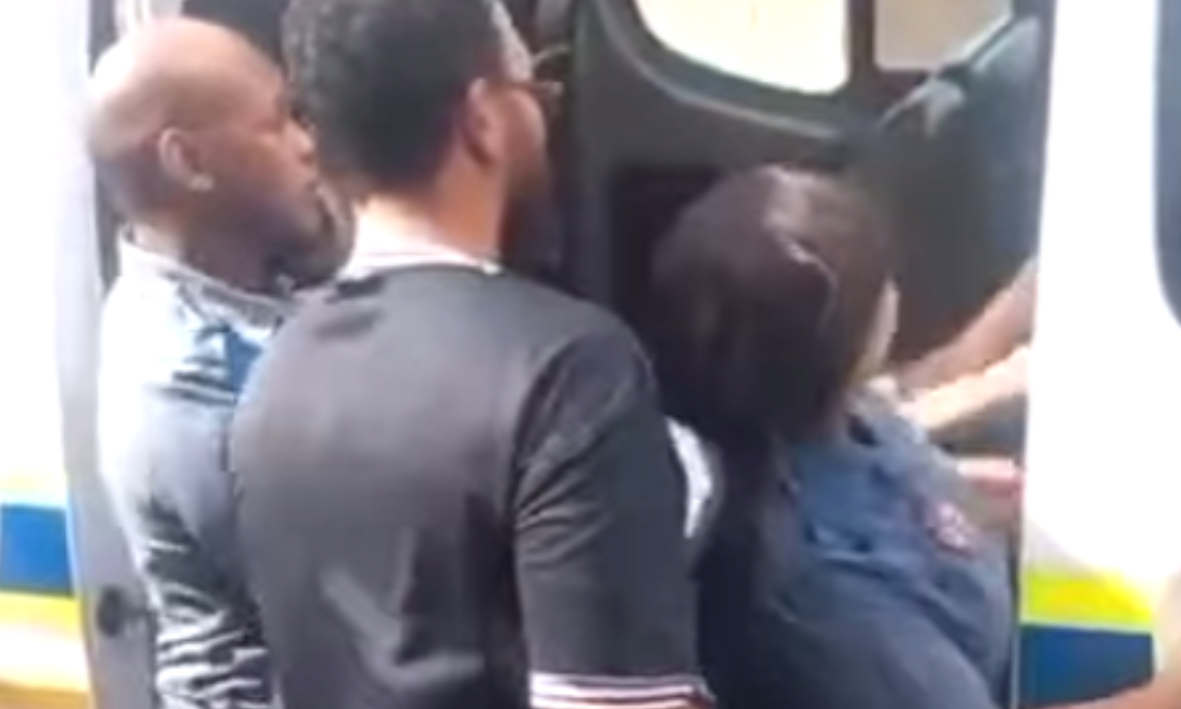
Statement by Zandile Phiri, Acting Secretary General of the United Democratic Movement The United Democratic Movement condemns in the strongest possible terms the recent assault on two police officers who were performing their duties in Kimberley’s central business district. The video of the attack, which has gone viral, is a disturbing reflection of the growing hostility toward law enforcement officers in our communities and the erosion of respect for the rule of law. The gender of the one officer should be immaterial. Whether male or female, no police officer should face physical harm or humiliation for performing their lawful duties. To highlight the gender of the one officer, as if the assault were more shocking because she is a woman, is the wrong logic entirely. It subtly reinforces the false and dangerous notion that women are somehow less capable of enforcing the law or managing conflict in the field. What happened in Kimberley is not about the strength of a woman but about the weakness of public discipline. The real issue is that criminals and ordinary citizens alike now believe they can defy, insult, and attack law enforcement officers without consequence. This is a clear sign that respect for authority and public order has collapsed. Law enforcement officers stand at the frontline of public safety. When they are attacked, it is not only an assault on an individual but on the authority of the state and on the safety of every South African. Communities cannot call for safer streets while simultaneously undermining and brutalising those tasked with maintaining them. At the same time, the South African Police Service (SAPS) must reflect deeply on how it interacts with the public. Many communities have lost confidence in law enforcement because of corruption, brutality, or neglect. SAPS must work intentionally to rebuild trust through fair, respectful, and community-based policing. Restoring public faith in the police will not only protect officers but also strengthen partnerships with residents who are often the first to see or report criminal activity. A police service that listens, serves, and respects citizens will find that respect returned. The UDM calls on SAPS to ensure that the perpetrators face the full force of the law and that consistent national measures are taken to protect officers on duty. Police morale, discipline, and safety are national priorities that require leadership and visible consequences for acts of defiance. We also urge community leaders, civic organisations, and faith-based institutions to play their part in restoring respect between citizens and the police. Building a safer country requires trust, cooperation, and the understanding that the law applies equally to everyone. No uniformed officer should ever fear for their safety while serving their nation. The time has come to restore both order and trust in South Africa’s streets.

Admin
06 Oct, 2025
Time to end the tavern killings and restore public safety
Statement by Zandile Phiri, Acting Secretary General of the United Democratic Movement The United Democratic Movement (UDM) is deeply disturbed by the latest mass shooting at a tavern in Zithobeni, Bronkhorstspruit, where five people were killed and six others injured on Saturday night. According to police reports, armed men stormed the establishment, disarmed a patron, and opened fire indiscriminately as people tried to flee for their lives. Over the past year, South Africa has witnessed a wave of similar tragedies that have turned ordinary social spaces into crime scenes. These include mass shootings in Mokokotlong informal settlement in Orange Farm, Pienaar outside Mbombela, TK's Tavern in Sebokeng in the Vaal, the Bloemfontein CBD, Umlazi township of Durban, and the Choba informal settlement in Tshwane. In each of these incidents, lives were lost in cold blood while families were left to grieve and communities to live in fear. This growing pattern of violence shows a country under siege, where heavily armed criminals act without restraint and the state appears powerless to stop them. Communities have every reason to feel abandoned. The right to safety and security enshrined in the Constitution has become meaningless when gunmen can walk into a tavern, home, or taxi rank and slaughter innocent people without fear of arrest or prosecution. The social fabric of our nation is being torn apart by unchecked criminality, poor policing, and the proliferation of illegal firearms. The UDM believes this is not merely a policing issue but a symptom of deeper systemic failure i.e. the collapse of local intelligence networks, the erosion of visible policing, and the absence of proactive crime prevention in vulnerable communities. South Africa urgently needs a coordinated national audit of firearms in circulation, including a focused review of lost, stolen, and unaccounted-for weapons from police, military, and private security stockpiles. This audit must be supported by forensic tracing of ballistic evidence, tighter control of firearm licensing systems, and an intelligence-driven effort to dismantle illegal gun trafficking networks. The goal is not to count weapons in criminal hands, but to close the loopholes that allow them to get there. The UDM calls for: 1. A national audit of illegal firearms and a comprehensive crackdown on gun smuggling and trafficking networks feeding this violence. 2. Dedicated tavern safety and compliance units within the SAPS to monitor and protect high-risk venues, working with local business and community policing forums. 3. Immediate deployment of intelligence-led operations to disrupt organised criminal networks that use taverns and shebeens as targets or recruitment hubs. 4. A cross-departmental safety strategy led by the Ministers of Police, Small Business Development, and Social Development to strengthen community resilience and ensure responsible management of social spaces. 5. Swift justice for the victims of these massacres through fast-tracked investigations and specialised prosecution teams. As a partner in the Government of National Unity, the UDM will continue to push for urgent and coordinated reforms in policing, intelligence, and firearm control. The safety of South Africans must be treated as a national priority, and every arm of the state must be mobilised to end this cycle of violence once and for all.

Admin
04 Oct, 2025
Reform parole, protect victims: UDEMWO’s call for action
Media Statement by Thandi Nontenja, MP and UDEMWO Secretary General The United Democratic Movement Women’s Organisation (UDEMWO) has consistently raised the alarm about South Africa’s broken parole system. Time and again, we have argued that the safety of women, children, and communities cannot be compromised by releasing offenders who remain a clear danger to society. Recent figures provided in Parliament are nothing short of devastating. In just three years, 18 052 parolees reoffended including 493 murders and 624 rapes. The most common crimes committed while on parole were theft and housebreaking, compounding the daily fear ordinary families already live with. Between 2022 and 2025, a staggering 46 627 inmates were released on parole, yet parole violations reached over 28 000 in five years, mostly due to reoffending. These are not just numbers, they represent destroyed lives, families left in pain, and communities stripped of their sense of safety. We note that Correctional Services Minister Pieter Groenewald convened the National Parole Review Summit in September 2025, where he committed to reforms that place public safety and victim justice at the centre of parole decisions. He acknowledged the shocking reality that parole must never be used as a tool simply to ease overcrowding in prisons, and that only those genuinely rehabilitated and posing no risk to the public should be considered. UDEMWO welcomes this shift in tone, but we stress that words and summits are not enough. What is needed is decisive, transparent reform that prioritises: 1. The Department of Correctional Services and parole boards must ensure that the voices and safety of victims and their families weigh heavily in all parole decisions. 2. Parliament and the Ministry of Justice must hold parole boards accountable when offenders they release commit violent crimes. 3. Offenders must demonstrate readiness for parole through meaningful participation in skills training, education, and reintegration programmes under the supervision of the Department of Correctional Services. 4. The Department of Correctional Services must publish regular reports on parole approvals, reoffending, and violations, and these reports must be tabled before Parliament for public scrutiny. The South African public is tired of empty promises. Every rape, every murder committed by someone released too soon, is a failure of the system and an insult to victims. UDEMWO will continue to speak out until a parole system exists that truly protects the living while respecting the memory of those we have lost. Communities must also take responsibility by reporting such crimes, rather than concealing them due to stigma, fear, or misplaced loyalty.

Admin
22 Sep, 2025
Schools must be safe: UDM calls out national scandal of sexual abuse
Statement by Zandile Phiri, Acting Secretary General of the United Democratic Movement The United Democratic Movement (UDM) is outraged and heartbroken by the recent reports of sexual abuse, harassment and misconduct involving educators across our country. In just the past month, cases have surfaced in Gauteng, the Eastern Cape, KwaZulu-Natal and the Free State which exposes a deep and systemic crisis in our education system. Recent incidents show the scale of this scourge. In Gauteng, teachers at Tiyelelani Secondary in Soshanguve were removed after protests exposed a pattern of sexual assault, while at Sunward Park High in Boksburg a teacher was dismissed for abusing pupils. In Bronkhorstspruit, a deputy principal faces charges of raping a nine-year-old and was let free on bail. In the Eastern Cape, St John’s College in Mthatha saw mass protests after allegations that teachers impregnated pupils and forced them into abortions, while further cases have surfaced in Dutywa and surrounding schools. In KwaZulu-Natal, teachers at Thubalethu Secondary in Pinetown are under investigation for molesting learners, while in Kokstad a teacher was arrested with weapons and stolen vehicles which raises further questions about vetting and oversight. In the Free State, learners from St Bernard High in Bloemfontein used social media to expose years of harassment by teachers, including explicit images and physical advances. These are not isolated cases. They reveal how schools across South Africa are failing in their most basic duty which is to keep children safe. Too often it has taken pupil protests, community outrage or viral social media posts for authorities to act. This points to a pattern of systemic neglect and silence. The UDM is clear. South African children cannot wait another day for change. We therefore demand urgent interventions. 1. Mandatory reporting of all allegations of sexual misconduct, with consequences for any adult who covers up such cases. 2. Immediate suspension and vetting of accused educators pending investigations, with permanent deregistration for those found guilty. 3. Swift criminal prosecutions that treat these cases with the seriousness they deserve, ensuring perpetrators are jailed and not quietly dismissed. 4. No bail for accused educators or authority figures facing charges of sexual abuse against learners. Allowing them back into communities, places children at further risk and undermines faith in the justice system. 5. Psychosocial support through counsellors and social workers permanently based in schools. 6. Accountability for principals and school governing bodies who fail to act, since inaction enables abuse to continue. Schools must be sanctuaries of learning, not sites of trauma. Our children’s right to safety and dignity is non-negotiable and the UDM will continue to press for systemic reforms to end this national shame.

Admin
19 Sep, 2025
Porous borders fuel illicit trade: time to act
Statement by Zandile Phiri, Acting Secretary General of the United Democratic Movement The United Democratic Movement is alarmed by the rise in illicit cigarettes and alcohol in South Africa. These crimes rob the state of revenue, endanger public health, and weaken confidence in law enforcement. Recent cases show how criminal syndicates exploit porous borders, weak controls, and the complicity of some South Africans. Recently, in Musina, Limpopo, five SANDF members and two undocumented Zimbabwean nationals were arrested after illicit cigarettes worth R300,000 were found hidden at the Artonvilla military base. In the Cape Winelands, seven Somali nationals were detained at a Klapmuts facility where thousands of litres of ethanol and alcohol production equipment were seized. In Phoenix, Durban, police confiscated 1,500 bottles of illicit alcohol valued at R468,000 and arrested undocumented migrants working as delivery riders. These examples illustrate a pattern. While foreign nationals are often visible in these crimes, South Africans, including officials in uniform, play a central role in enabling and profiting from them. The South African Revenue Service has estimated that illicit alcohol cost the state R16.5 billion in lost tax revenue in 2024. It is reported that nearly one in five drinks consumed is illegal. Communities are exposed to unsafe products, while legitimate businesses lose jobs and investment. The UDM calls for urgent action. Border security and immigration enforcement must be strengthened. Corruption within security forces must be rooted out. Ethanol and alcohol production must be tightly regulated. Law enforcement agencies must coordinate to dismantle syndicates. Public awareness campaigns are needed to highlight the dangers of counterfeit goods. This is not a call to stigmatise foreign nationals, but to recognise that organised crime flourishes through cross-border networks, local collusion and weak enforcement. South Africa cannot afford to lose billions of rand and sacrifice lives to criminal profiteering.
Admin
13 Sep, 2025
Justice delayed, justice denied: UDM on forensic backlogs and victims’ rights
Statement by Zandile Phiri, Acting Secretary General of the United Democratic Movement The United Democratic Movement (UDM) is deeply concerned about the ongoing forensic backlog in South Africa, which is denying victims of crime timely access to justice. A tragic example is the Lambert family in Roodepoort, whose daughter Kaayla Lambert, along with two friends, lost their lives in a drunk driving crash. Due to the severe backlog in toxicology and postmortem reports in Gauteng, the investigation into the crash has been delayed, leaving the families without closure while the suspect remains free. According to reports, the alleged drunk driver might be a Member of Parliament, which makes this case particularly important. Nationally, the backlog is compounded by over 140,000 pending DNA case entries as of May 2025, including more than 28,000 court-bound cases, many of which involve gender-based violence, femicide, and other violent crimes. These delays prevent timely prosecutions and undermine public confidence in the justice system. Crime in South Africa is out of control, with violent crime, drunk driving fatalities, and other criminal acts devastating families and communities. Every delay in processing forensic evidence and DNA analyses emboldens criminals and leaves ordinary South Africans exposed and unprotected. The justice system’s slow response sends a dangerous signal that perpetrators can act with impunity. The human cost of these delays is immense. Families endure prolonged trauma while perpetrators evade accountability, eroding trust in law enforcement and the courts. The Lambert case illustrates the tragic consequences of systemic failures, highlighting the urgent need for the government to act. The UDM calls on the national government to: • Rapidly increase staffing, equipment, and operational capacity at all forensic laboratories, including toxicology and DNA units. • Complete and operationalise pending forensic infrastructure, such as the KwaZulu-Natal facility. • Prioritise court-bound cases, especially those involving violent crime, gender-based violence, and femicide. • Strengthen coordination between SAPS, the NPA, and courts to ensure timely prosecutions. Justice delayed is justice denied. The UDM urges government to act decisively so that all South Africans, particularly victims of crime, can trust that the law protects them and that perpetrators are held accountable.
Admin
13 Sep, 2025
Violence against law enforcement in Valhalla Park a symptom of broken trust in policing
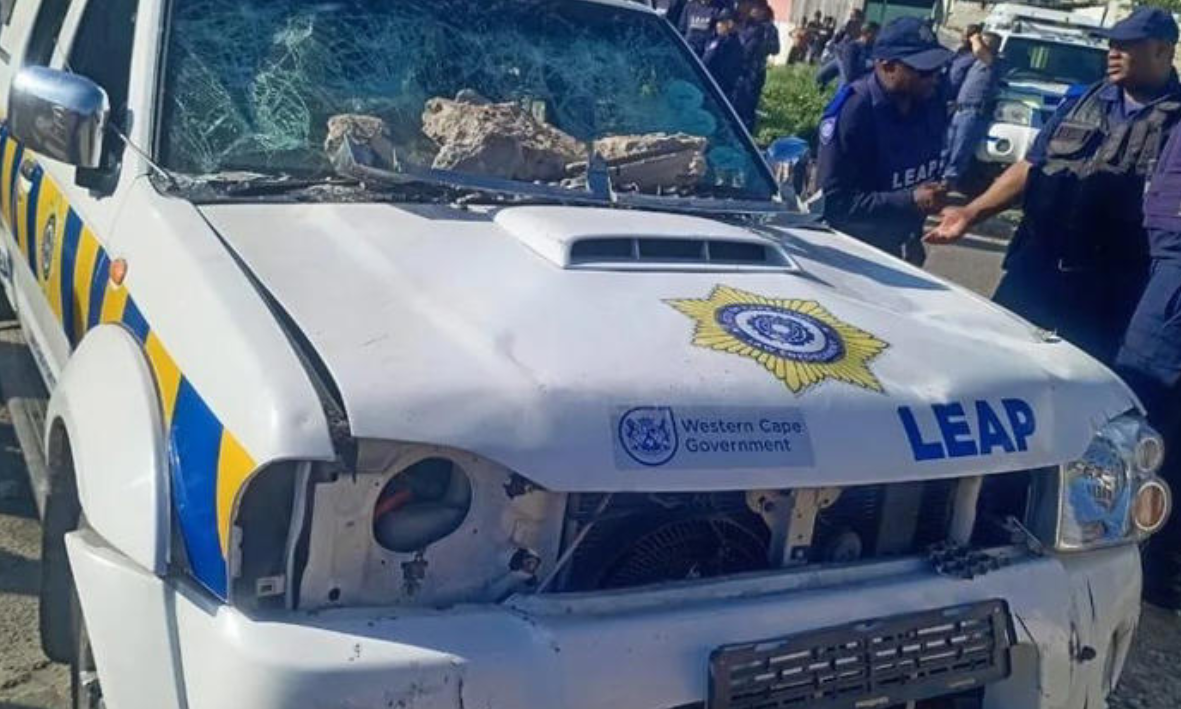
Statement by Bongani Maqungwana, UDM Councillor in the City of Cape Town The United Democratic Movement (UDM) in the City of Cape Town condemns in the strongest terms the recent attack on City of Cape Town Law Enforcement Advancement Plan (LEAP) officers in Valhalla Park, Cape Town. This happened after officers deployed to Valhalla Park as part of an ongoing operation responded to the sound of gunshots at approximately 3:26pm on Friday, 12 September 2025. While approaching the scene, they apparently encountered a suspect running with a firearm who allegedly pointed it at their vehicle. We understand that the driver lost control, colliding with a wall and injuring three people in the process. However, no amount of community anger or frustration can justify violence, the stoning of officers, or the destruction of public property. Such acts place lives at risk, undermine the rule of law, and rob residents of much-needed safety resources. At the same time, the UDM in the City of Cape Town recognises that these violent incidents do not happen in a vacuum. Communities like Valhalla Park are trapped in the grip of crime, gangsterism, and drug abuse, while the South African Police Service (SAPS) continues to fail in its constitutional duty to provide safety and security. Years of under resourcing, corruption, slow response times, and neglect have left residents vulnerable and frustrated, eroding trust between citizens and law enforcement. When communities feel abandoned to crime, they sometimes turn their anger against the very officers who should protect them. This is a dangerous cycle that must urgently be broken. The UDM in the City of Cape Town therefore calls for: • A strengthened and better resourced SAPS that can effectively combat crime and gangs in vulnerable communities like Valhalla Park. • A genuine rebuilding of trust between communities and law enforcement through visible policing, accountability, and properly functioning community policing forums. • An urgent national review of policing capacity in high crime areas, including Cape Town, to ensure that communities are not left to fend for themselves. The UDM in the City of Cape Town further urges communities to channel their anger through peaceful and organised engagement rather than violence. Law enforcement officers are also mothers, fathers, sons, and daughters who deserve to return safely to their families after serving the public. South Africans want safety, justice, and dignity. For this to happen, policing must be transformed into a service that people trust and respect, and communities must play their part in building safer neighbourhoods without resorting to violence.
Admin
11 Sep, 2025
Usindiso fire: poverty, governance failures, and the search for truth
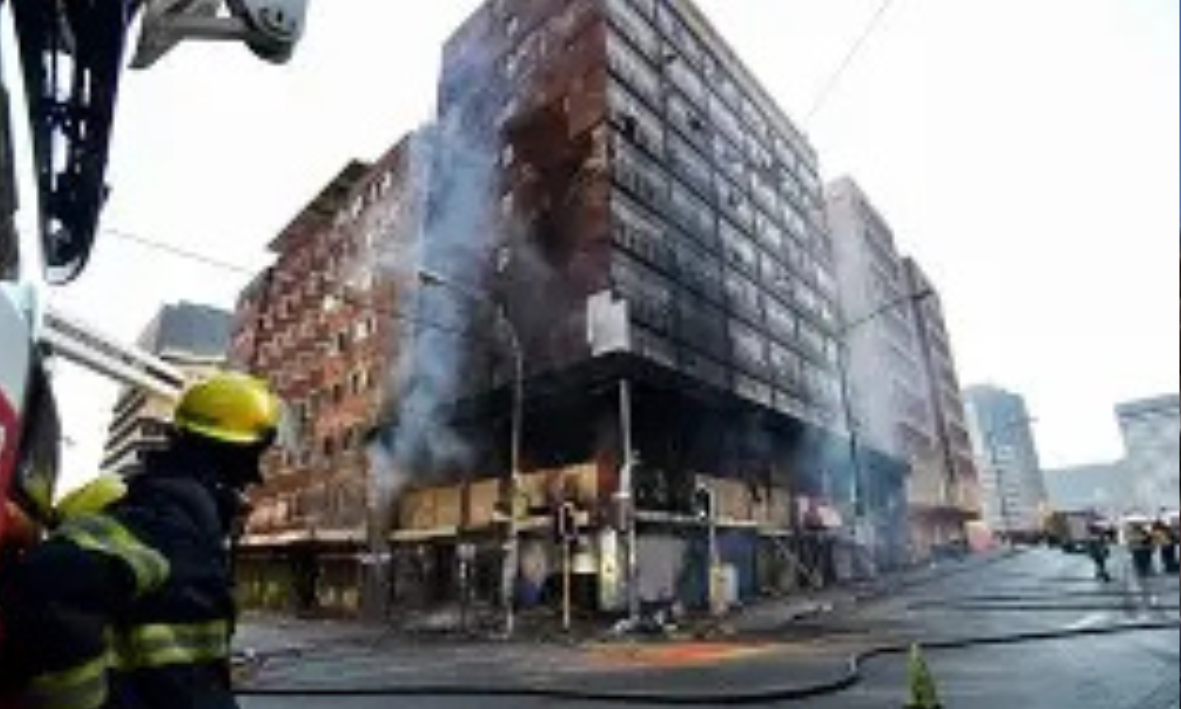
Statement by Yongama Zigebe, Councillor in the City of Johannesburg for the United Democratic Movement and Chairperson of the S79 Committee on Gender, Youth and People with Disabilities The United Democratic Movement (UDM) in the City of Johannesburg notes with concern the shocking turn in the Usindiso fire trial, where the accused now claims he falsely confessed to starting the blaze in order to secure food and shelter in prison. This desperate admission speaks volumes about the depth of poverty and despair in South Africa. That someone would rather take responsibility for one of the most heinous crimes in recent memory, a fire that killed 76 people, simply to secure “three meals and a roof over their head” is a harsh illustration of the conditions facing our nation. While the courts must determine the truth of the matter, the UDM in the City of Johannesburg insists that this tragedy cannot be seen only through the lens of one man’s testimony. It also reflects a collapse of governance, social safety nets, and accountability around hijacked and unsafe buildings. The families of the victims deserve clarity, justice, and closure. Every contradictory statement, every delay, and every failure to ensure accountability, whether through arson, negligence, or corruption in the management of municipal properties, deepens the pain of survivors. The UDM in the City of Johannesburg calls for: • A thorough and transparent investigation that goes beyond the individual accused to the broader systemic failures that enabled this tragedy • Accountability from the Johannesburg Property Company (JPC) and city authorities who allowed unsafe and hijacked buildings to become sites of danger. • Urgent action by government to address the crisis of hijacked and unsafe buildings across South Africa before another tragedy occurs. The truth about what happened at Usindiso must not be lost in shifting testimonies. The memory of the 76 lives lost demands nothing less than the full truth, accountability, and justice.

Admin
11 Sep, 2025
Gangs, guns, and governance: UDM Cape Town calls for urgent stabilisation in the Western Cape
Statement by Bongani Maqungwana, UDM Councillor in the City of Cape Town The United Democratic Movement (UDM) in the City of Cape Town notes with grave concern the ongoing surge of gang-related violence in Mitchells Plain, Mfuleni, and across the Cape Flats. Communities remain trapped in daily fear as shootings, extortion, and drug-related crimes devastate families and undermine social stability. We welcome Acting Police Minister Firoz Cachalia’s engagement with communities, as well as his acknowledgement that gangsterism in the Western Cape is deeply tied to organised and transnational crime. However, these challenges require more than conversations; they demand urgent and decisive action. Reports that weapons stolen from Namibian police and military stockpiles have been smuggled into Cape Town highlight the complexity of the threat. Military-grade firearms, including AK-47s, have found their way into the hands of gangs, fuelling violence and overpowering already stretched police resources. SAPS and Namibian authorities must urgently strengthen cross-border collaboration, secure state armouries, and disrupt trafficking networks. Equally alarming are the recent shootings at the Athlone, Mitchells Plain, and Wynberg courts, where three people (including alleged gangsters) were killed in separate attacks. Such incidents have placed staff, witnesses, and the public at risk, forced lockdowns, and delayed court proceedings. These attacks further destabilise the justice system and underline the urgent need for comprehensive security measures, including increased police presence and better technological safeguards. The UDM further notes Minister Cachalia’s statement that he has not ruled out the deployment of the South African National Defence Force (SANDF) to gang hotspots. While the UDM appreciates the desperation of communities calling for military support, we caution against treating the army as a first line of defence. Soldiers are not trained in civilian policing, and their use in urban communities carries serious risks. If such an option is pursued, it must be as part of a carefully coordinated, temporary stabilisation effort alongside reinforced policing and intelligence operations. Equally concerning is the Minister’s revelation that the long-awaited Cooperation Agreement between SAPS, the Western Cape government, and the City of Cape Town, signed more than a year ago, has not yet been implemented. This agreement, which includes commitments to share intelligence, data, and resources, was designed to enhance collaboration and strengthen crime-fighting capacity in the province. Its failure to materialise is an indictment of poor coordination between spheres of government at a time when unity is most urgently required. What is urgently needed is a comprehensive stabilisation plan: • A fully resourced and effective anti-gang strategy by SAPS. • Intelligence-driven operations targeting drug lords, arms smugglers, and extortion networks. • Cross-border security collaboration to cut off the flow of high-calibre weapons. • Increased police visibility in affected communities. • Implementation of the Cooperation Agreement without further delay. • Transparent communication and accountability from both national and provincial government. • Strengthened court security to protect staff, witnesses, and the public from gang-related attacks. The flow of illegal firearms, the unchecked rise of gangsterism, and the failure of government coordination represent a national security crisis. Communities cannot continue to live under siege. The UDM in the City of Cape Town calls on the national and provincial governments to act with urgency, precision, and accountability to restore safety, dignity, and stability to the people of the Western Cape.

Admin
11 Sep, 2025
Alleged rape of 8 Soweto boys at gunpoint; are our children safe at school?
Media Statement by Thandi Nontenja, MP and UDEMWO Secretary General The United Democratic Movement Women’s Organisation (UDEMWO) notes with deep concern reports that eight boys from Khomani Primary School in Diepkloof, Soweto, were allegedly drugged by a fellow grade 7 learner and subsequently raped at gunpoint by an adult. We are shocked, outraged and devastated by this heinous act. This tragedy highlights how sexual violence against learners is escalating; this is an unacceptable and recurring crisis in South Africa’s education system. This case is a painful reminder that boys too are vulnerable to sexual abuse, and that our fight against gender-based violence must recognise the suffering of all children. It is deeply disturbing that a learner was seemingly coerced into participating in this appalling act, which speaks to the urgent need for greater vigilance, education, and support as no child should ever suffer such violence in or near a school. UDEMWO welcomes the quick arrest of a suspect in this matter and calls for a thorough, transparent investigation to make sure every detail is uncovered. The perpetrator must face the full might of the law, and no leniency should be shown for crimes of such brutality against children. We further call on authorities to strengthen protective measures in schools, to prioritise psychosocial support for survivors and to ensure that communities are mobilised to create safe and nurturing environments for all learners. Anything less than justice for the victims would send a dangerous message that our children’s lives and dignity are negotiable.

Admin
19 May, 2025
UDM Johannesburg welcomes arrests in JMPD officer murder case
Statement by Yongama Zigebe, Councillor in the City of Johannesburg for the United Democratic Movement and Chairperson of the S79 Committee on Gender, Youth and People with Disabilities The United Democratic Movement (UDM) in the City of Johannesburg welcomes the recent arrests of suspects linked to the heinous murder of a Johannesburg Metropolitan Police Department (JMPD) officer in Lenasia. This swift action by law enforcement is a crucial step toward justice and serves as a stern message to those who seek to undermine the rule of law and the safety of our communities. We commend the South African Police Service (SAPS), the JMPD, and all involved in the investigations for their diligent work. We remain deeply concerned by the rising levels of violent crime targeting law enforcement officers, who risk their lives daily to maintain order and protect our residents. Attacks on officers are attacks on the very fabric of our democracy. As the UDM Johannesburg Caucus, we reiterate our call for better resourcing, training, and protection for our metro police officers. We also urge communities to cooperate with the police to root out criminal elements. We continue to extend our heartfelt condolences to the family, friends, and colleagues of the fallen officer. May their courage and service never be forgotten.

Admin
16 May, 2025
UDM outraged by killing of JMPD officers – cities cannot be war zones for law enforcement
Statement by Yongama Zigebe, Councillor in the City of Johannesburg for the United Democratic Movement and Chairperson of the S79 Committee on Gender, Youth and People with Disabilities The United Democratic Movement (UDM) City of Johannesburg is outraged and deeply disturbed by the rising number of incidents in which Johannesburg Metropolitan Police Department (JMPD) officers are being murdered in cold blood while performing their duties. In the 2024/2025 financial year alone, multiple JMPD officers have been gunned down in incidents that bear the hallmarks of militarised criminal networks and a complete disregard for law and order. Most recently, the brutal killing of Officer Matome Mokoena in Vlakfontein, where he was ambushed, pursued, and executed while responding to a robbery, has sent shockwaves through the city. We extend our deepest condolences to the family, friends, and colleagues of Officer Matome Mokoena. May his sacrifice in service to the people of Johannesburg never be forgotten. Our sympathies also go to the families of Officers Judith Makwela, Nkululeko Mbambo, and Khensani Mabaso, whose lives were also tragically taken in similar ambush-style killings over the past months. This is not an isolated tragedy. These heinous acts reveal a grim reality: our law enforcement officers are being hunted, while criminals operate with impunity. It is a painful reminder that the men and women who protect our streets are increasingly becoming targets of calculated violence, with very little support or protection from the state they serve. The UDM in Johannesburg demands urgent and decisive action from the Executive Mayor, the MMC for Public Safety, and the Gauteng MEC for Community Safety. What is being done to ensure the safety of our officers? Where are the visible patrols, intelligence-led policing strategies, and early-warning systems? This is not only a security failure—it is a moral crisis. The growing brazenness of criminals undermines public confidence in law enforcement and weakens the foundations of local governance. The UDM in Johannesburg calls for: 1. A full-scale independent investigation into each officer’s death, with timelines and transparent reporting; 2. Immediate deployment of tactical units to protect police precincts and high-risk zones; 3. Psychosocial support and risk allowances for JMPD officers facing escalating threats; 4. Public Safety hearings in Council to evaluate and overhaul the City’s law enforcement strategy. We honour the courage and ultimate sacrifice of these officers. But honour must not be symbolic—it must be reflected in concrete measures to protect those who serve and to bring their killers to justice.