UDM LOGO

Vision

We are the political home of all South Africans, united in the spirit of South Africanism by our common passion for our Country, mobilising the creative power inherent in our rich diversity, towards our transformation into a Winning Nation.

Mission

We will unite South Africans from all communities in a new political home, built on the foundation of the principles and ideals of our National Constitution. To this end we will address poverty and imbalances in our society, inspired by our unifying love of our Country and its people.

Core Values

The Core Values, which the United Democratic Movement will uphold and promote and upon which its fundamental policy positions are based, are as follow : respect for life, dignity and human worth of every individual; integrity in public- and private life; the individual rights and freedoms enshrined in our Country’s Constitution;
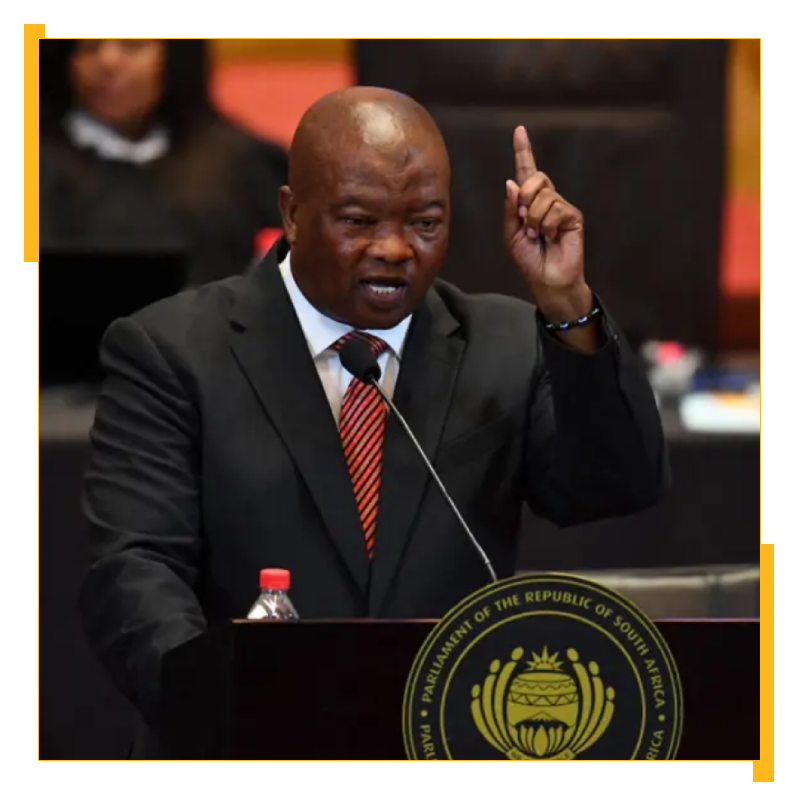
President of the UDM

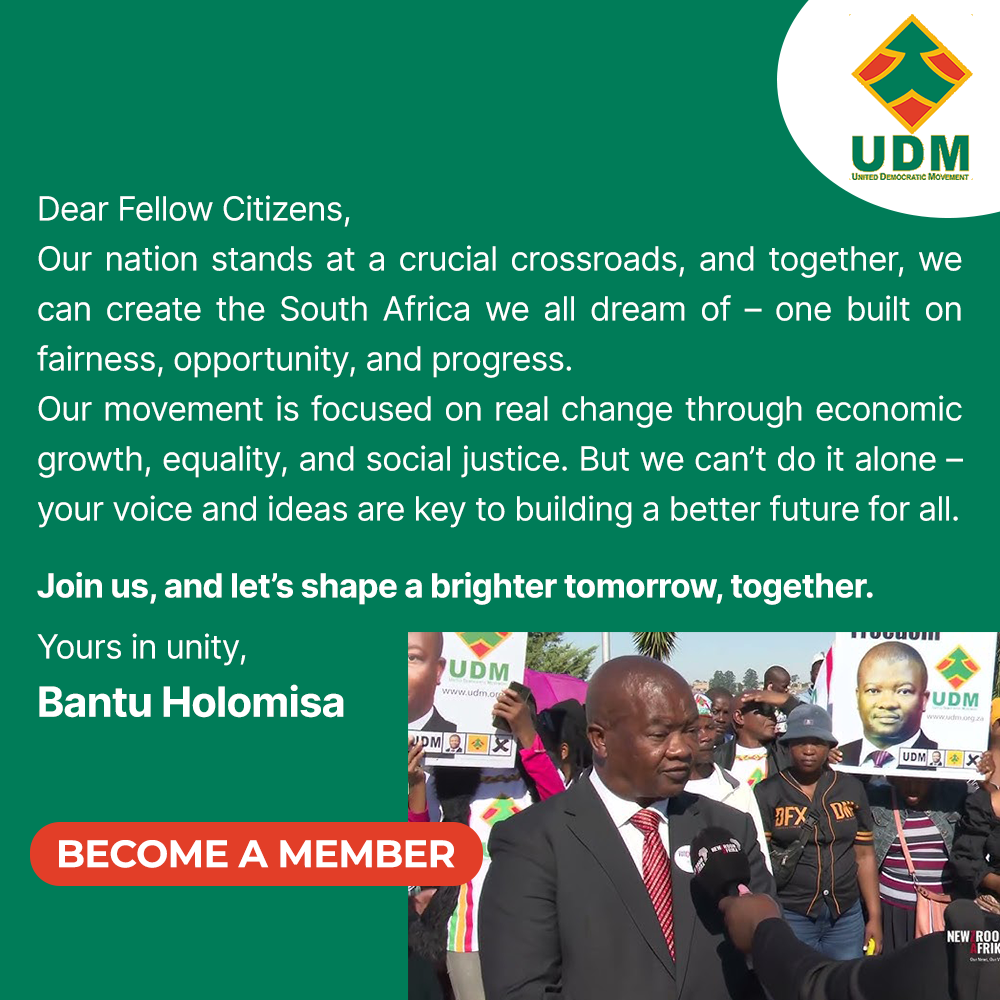
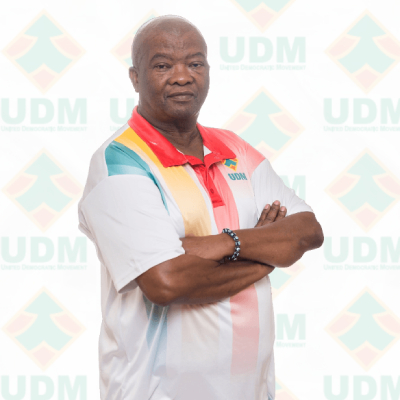
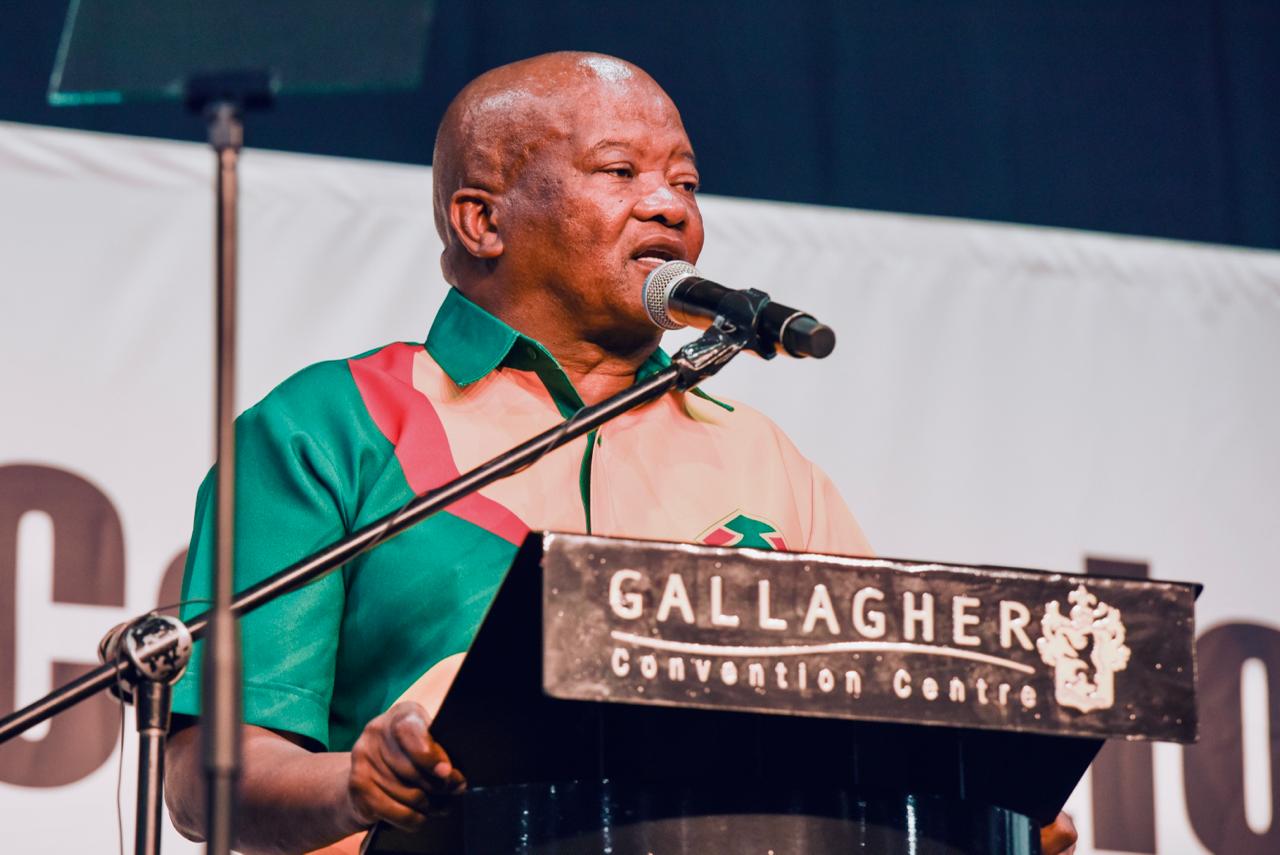
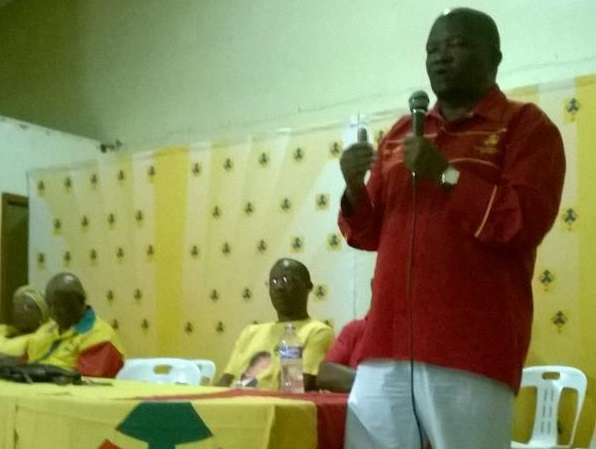
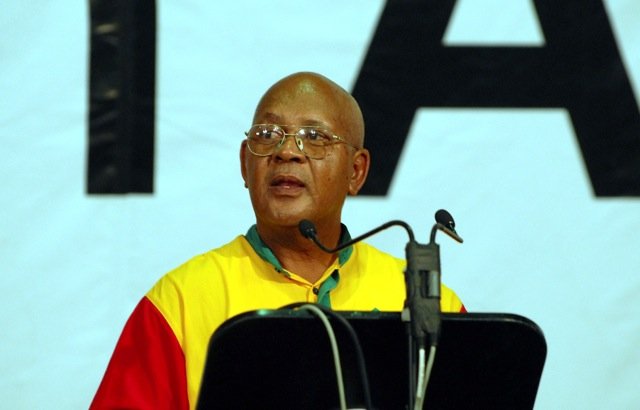
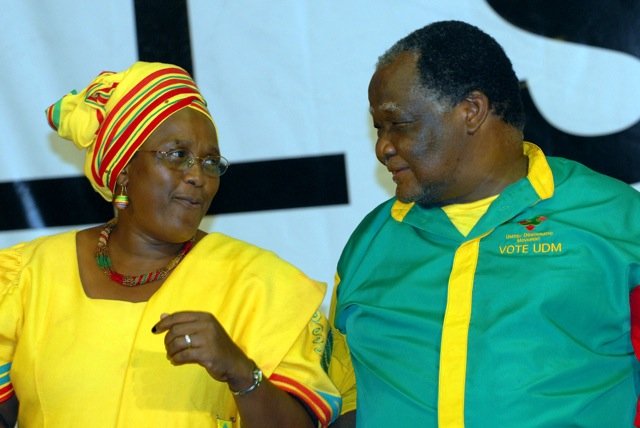
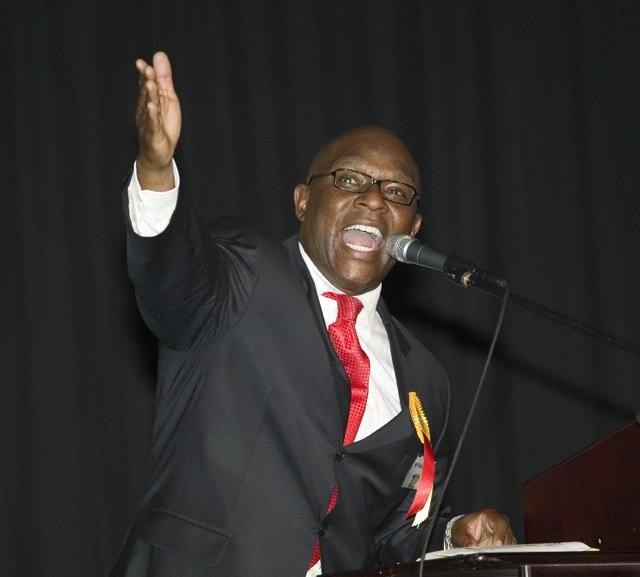
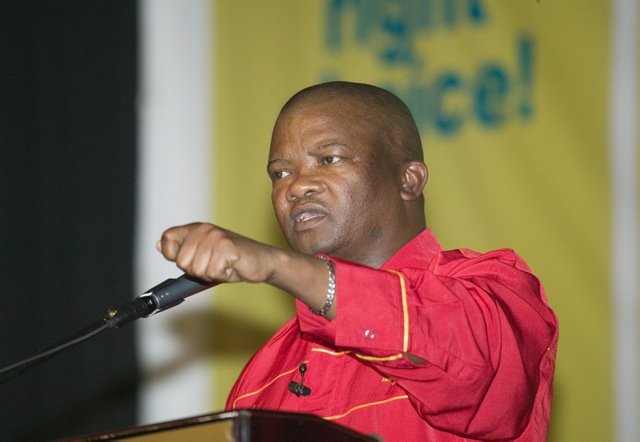
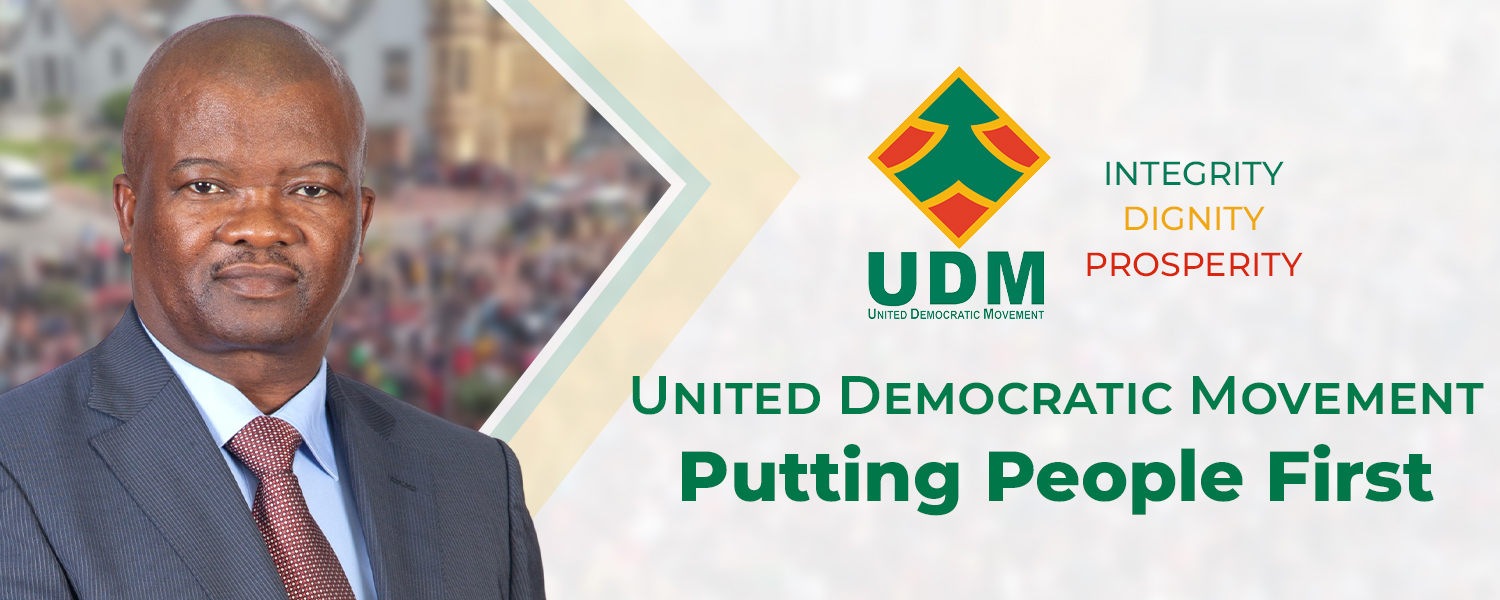
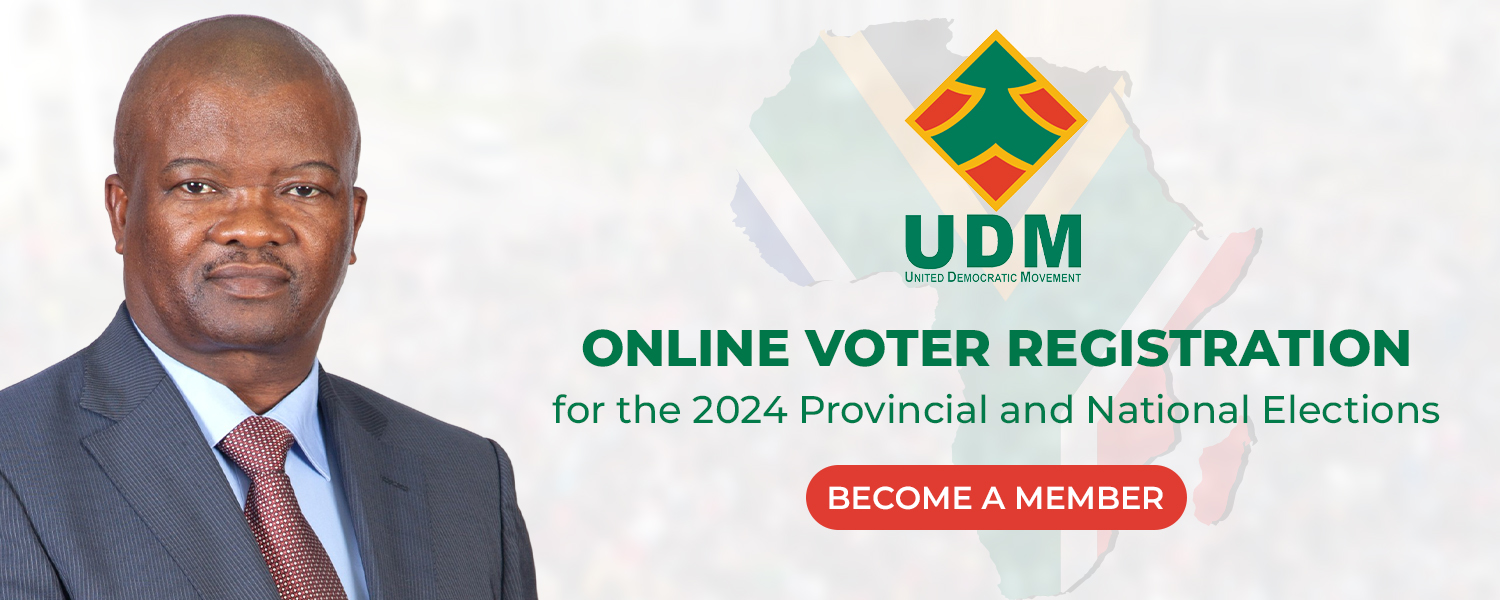
Mr Bantu Holomisa

Major General (Retired) Bantubonke ‘Bantu’ Holomisa co-founded the United Democratic Movement (UDM) on 27 September 1997, and serves as its elected President, which in 2022 celebrated its 25th year of existence. He was again elected as a Member of Parliament in the 2024 National and Provincial Elections and was appointed as the Deputy Minister of Defence and Military Veterans in the Government of National Unity in the 7th Administration in President Cyril Ramaphosa’s cabinet.

He was the Commander of the Transkei Defence Force and Head of the Transkei Government (former independent homeland from 1987 to 1994) up to the first National Elections in South Africa in 1994. He was one of the first two black persons accepted by the South African Army College to do a one-year senior staff course for officers in 1984.

Your voice matters. Unite with us and create a change you want to see.

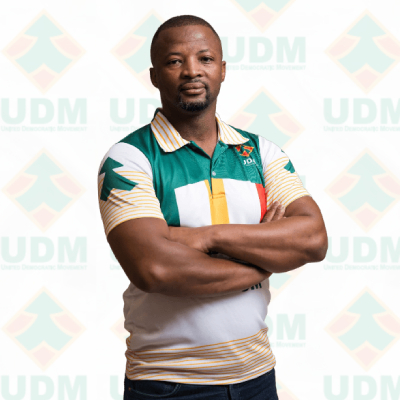
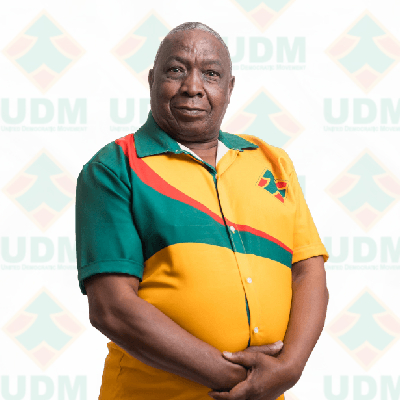
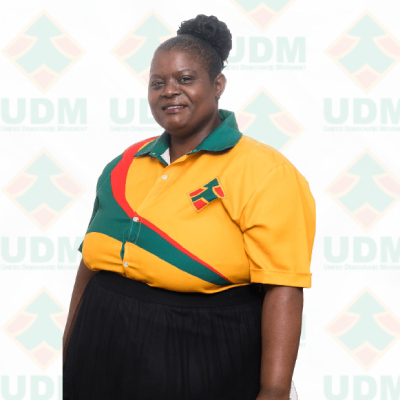
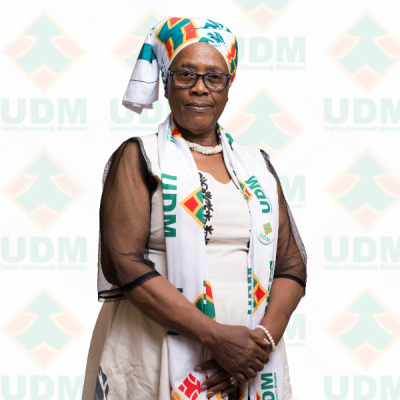
Meet Our Party Leaders

UDM VICTORIES

UDM Victory on the Campaign for Transparent and Equitable Party Funding

Since its inception, the UDM has advocated for transparency in party funding. The party has aligned itself with the views of organisations like the (now defunct) Institute for Democratic Alternatives in South Africa (Idasa), which recognised that transparency benefits the public interest. At that time, a common trend was for large businesses to donate to parties in government or before elections, often with the expectation of securing government contracts once the party gained power. This practice persisted over the years. For years, the major political parties declined to make their financial records public, fuelling the perception that they were influenced by wealthy donors. Meanwhile, the UDM stood alone, advocating for transparency and consistently pushing for openness regarding party finances. The UDM’s efforts were finally validated in 2019 with the enactment of the Political Party Funding Act. This law mandates parties to disclose donations above a certain threshold from any single donor. It also bars contributions from foreign governments or state entities. Moreover, it strictly regulates donations, specifying that they must be for party political purposes and received by party members on behalf of the party. It’s unfortunate that with the signing of the Electoral Amendment Act on the eve of the 2024 National and Provincial Elections, President Ramaphosa has rolled back many of the gains for our multi-party democracy. This action means that the African National Congress once again receives the largest portion of party funding.

UDM Victory on the the Establishment if the Mpati Commission

In May 2018, the UDM penned a letter to President Ramaphosa and then serving as Deputy Chief Justice, Raymond Zondo, highlighting alleged corruption at the Public Investment Corporation (PIC). The allegations centred on serious corruption, evasion of due diligence, misrepresentation, money laundering, and staff purging (potentially for a cover-up) in PIC deals. These actions posed a significant risk to the Government Employees Pension Fund pensioners and the pensions of government employees. The UDM continued to exert pressure on government by adding information to the original complaint. The UDM’s persistent advocacy on the issue prompted the establishment of the Mpati Commission of Inquiry into Allegations of Impropriety regarding the Public Investment Corporation. This commission was established by presidential proclamation in October 2018. The UDM’s stance was validated by the findings and recommendations of the Mpati Commission, which were released in 2020. As of 2023, the party continues to advocate for the implementation of these recommendations.

UDM Victory on the the NSFAS R2million rental scandal

In February 2023, the UDM uncovered significant wasteful expenditure at the National Student Financial Aid Scheme (NSFAS). This revelation came at a time when students were experiencing delays in receiving their payments, and some were being denied access to much-needed funds altogether. NSFAS had relocated to a new building using a turn-key solution, resulting in a substantial increase in rental costs. The monthly rent reportedly escalated from R500,000 to R1,968,647.05, despite many offices in the new premises remaining unused. This expenditure was deemed wasteful by the UDM. Furthermore, NSFAS allegedly purchased new furniture for the office space, amounting to millions of rands, instead of utilising existing furniture from their former offices. In light of these findings, the UDM called upon the Hawks and the Special Investigating Unit to conduct a thorough investigation into the matter. The troubles at NSFAS worsened with the removal of CEO Andile Nongogo in October 2023 due to investigations into alleged irregularities. Following this, in April 2024, Ernest Khosa stepped down as chair of the board amidst accusations and counter-accusations of corruption. The situation at NSFAS deteriorated further when the board was dissolved, and an administrator was appointed shortly thereafter. The blame for the mess should be laid squarely at Minister Blade Nzimande’s door.

UDM Open Letters

03 Dec 2025
R3.5 trillion at risk: the Public Investment Corporation’s appearance at the Standing Committee on Finance – further issues and pertinent questions that need to be asked of the PIC
Dr Mkhacani Maswanganyi, MP Chairperson of the Standing Committee on Finance PO Box 15 Cape Town 8000 Dear Dr Maswanganyi R3.5 trillion at risk: the Public Investment Corporation’s appearance at the Standing Committee on Finance – further issues and pertinent questions that need to be asked of the PIC 1. Further to my correspondence dated 10 November 2025 , in which you were copied, I understand that the Standing Committee on Finance (SCOF) is scheduled to receive a report from the Public Investment Corporation (PIC) on 5 December 2025. 2. In regard, I wish to refer SCOF to my correspondence to the President of the Republic of South Africa, Mr MC Ramaphosa and the Chairperson of the Standing Committee on Public Accounts (SCOPA), Mr Songezo Zibi, MP, which I attach for your ease of refence: 2.1. On 29 October 2025 regarding: “R3.5 trillion at risk: the Public Investment Corporation’s governance collapse demands action ” and 2.2. on 8 November 2025 regarding: “Renewed concerns over probable governance irregularities and conflicts of interest at the Public Investment Corporation: the PIC’s confused(ing) rhetoric regarding the Lanseria and FlySafair deals” . 3. I understand from the SCOPA Chairperson Zibi, that he has referred the entire matter concerning the PIC, as submitted by the UDM, to SCOF for further consideration, as SCOPA is currently engaged in the Road Accident Fund inquiry and both committees share several members. 4. In addition to the above, there have been further developments which I wish to bring to SCOF’s attention, and I refer the Committee to the following documents attached for ease of reference: 4.1. A 30 October 2025 correspondence from Mabotja Attorneys on behalf of Acapulco Trade & Invest 164 (Pty) Ltd, dated 30 October 2025, regarding “FORMAL CLARIFICATION & REPRESENTATION IN RESPECT OF THE LANSERIA HOLDINGS (PTY) LTD TRANSACTION.” as well as a 4.2. 7 October 2025 correspondence from Mabotja Attorneys to Werksmans Attorneys, acting on behalf of the PIC, regarding: “LANSERIA AND RELATED MATTERS”, 5. For additional context to the bigger scheme of things, I refer to an article published in the Business Day of 5 November 2025 entitled” “PIC furious over R400m payout to Lanseria BEE partner” 6. Given the context outlined in all the UDM’s correspondence and the article referenced above, it is evident that SCOF will need to conduct a thorough and far-reaching investigation into the broader operations of the PIC, particularly its dealings involving PAIDF I and II and the investment of Government Employees Pension Fund (GEPF) funds. The arbitration award in favour of Acapulco, dated 17 September 2025 and amounting to R411 282 264.44, has clearly unsettled matters and exposed deeper issues within the PIC’s governance and investment practices. 7. Further to points 5 and 6 in my letter of 29 October 2025 concerning the Lanseria Airport Holdings and FlySafair matters, the UDM recommends that SCOF pose the following questions to PIC: 7.1. Management fees 7.1.1. Would you state, for the record, the total management fees Harith has drawn from PAIDF I, PAIDF II, and the newly constituted Harith Infraco? 7.1.2. Can you provide a detailed breakdown of those fees by fund, year, and category? 7.2. Fund performance 7.2.1. Provide a comprehensive summary of the financial and operational performance of PAIDF I and PAIDF II. 7.2.2. What were the key value drivers, impairments, exits, and realised or unrealised returns associated with each fund? 7.3. Value created for pensioners 7.3.1. Based on your own reporting and audited figures, how much net value, after all fees, costs, and adjustments i.e. have these funds generated for South African pensioners? 7.3.2. Are you able to confirm whether the net contribution has been positive, neutral, or negative? 7.4. Restructuring and recapitalisation 7.4.1. Harith has recently undertaken what appears to be restructuring, recapitalisation, and redesign of its funds. 7.4.2. Would you explain the commercial rationale for each of these steps? 7.4.3. What direct impact did these actions have on the value of the underlying investments and, specifically, on the stake ultimately attributable to the GEPF? 7.5. Harith Infraco participation 7.5.1. In the newly established Harith Infraco, what is the direct interest, shareholding percentage, or participation in returns attributable to the GEPF? 7.5.2. Has this position changed in any way compared to the GEPF’s prior participation in PAIDF I or II? 7.6. PCV creation and GEPF impact 7.6.1. Regarding the creation of the PCV, could you confirm whether the GEPF incurred any losses, impairments, write-downs, or adverse valuation adjustments from a pure accounting or profitability standpoint? 7.6.2. If so, please detail the amounts and their basis. 7.7. DBSA involvement 7.7.1. Was the DBSA at any stage an investor, lender, or creditor to any Harith-managed fund or to any of the portfolio companies within those funds? 7.7.2. If yes, please specify the nature and quantum of that exposure. 7.8. Pending applications for funding 7.8.1. Does Harith currently have any pending applications and whether for funding, refinancing, restructuring, or borrowing, before the PIC or GEPF? 7.8.2. If so, would you kindly identify each application and indicate its current status?   8. The Thabiso Moshikara scandal in July 2025 8.1. Further I point to 7.3 in my letter of 29 October 2025, regarding the above the UDM would suggest that SCOF ask the following questions of the PIC based further on “Levoca reaffirms its commitment to ethical business practices and remains committed to connecting our communities with fast internet access and bridging the digital divide in South Africa” 8.1.1. The Metrofibre Investment Funding of Levoca was stated in the Annual Financial Report of 2024 of the GEPF as having profited the PIC/GEPF just over R100 million in the span of one year. Why was this deal cancelled, and why were the shares seized for the alleged R1,170.00 postage and stamp fees of Bowmans Attorneys on a deal worth over R1.4 billion? 8.1.2. A case of fraud and corruption has been opened against PIC Head of Legal Lindiwe Masina Dlamini on 07 August 2025, under case number 2025-08-07 at MIDRAND Station, reference number CAS 205/8/2025, by a PIC 8.1.3. whistleblower. The case has now been referred to the Hawks. Why has she not been suspended if Mr Thabiso Moshikara was suspended under the same circumstances? 8.1.4. Who in the PIC authorised the granting of a R1.4 billion legal indemnity to the privately owned company Metrofibre against another private company, Levoca 805, in pursuit of trying to recoup a mere R1,170.00 following the R3 million bribe allegations? 8.1.5. Is this not biased and proof that Levoca was being punished for not wanting to pay Mr Moshikara the R3 million bribe? 8.1.6. It is stated in a civil matter paper between PIC and Levoca 805 that the R1,170 invoice was erroneous or fraudulently issued, which supports the fact that the PIC is lacking a legitimate trigger event. Furthermore, the R1,170 was eventually settled by Levoca, yet the PIC still proceeded to seize Levoca’s shares worth R1.4 billion for R1,170. Why is the PIC still proceeding to seize the shares even after the R1,170, which it relied upon, was settled by Levoca, particularly in an investment that is profiting our government pensioners over R100 million per annum? 8.1.7. What is the current status of this matter? Where does it stand now? Have the shares been returned to Levoca, and if not, why not? 8.1.8. Is the PIC attempting to punish the whistleblower by seizing Levoca’s shares for R1,170? 8.1.9. Does this not sound like corrupt, prejudicial, and oppressive conduct to unlawfully seize Levoca's shares by the PIC as a result of Levoca refusing to pay a R3 million bribe to Mr Moshikara, Head of the Isibaya Fund at the PIC?   9. The Isibaya Fund 9.1. The Isibaya Fund continues to be the centre of corruption within the PIC. Despite the clear warnings of the Mpati Commission, no meaningful reforms have been implemented. This unlisted investment portfolio still operates with poor oversight, secretive decision-making, and transactions that favour politically connected individuals. 9.2. Ultimately, the people who have dedicated their careers to public service are not the true beneficiaries of this fund. It has effectively become a pool of capital reserved for a privileged few, often distributed without proper risk evaluation, exposing the PIC to substantial financial losses and betraying the trust of millions of workers whose pensions are at stake. 9.3. A credit loss ratio exceeding 39% is indefensible and reflects an alarming level of financial mismanagement. No credible institution would tolerate such extensive losses under the guise of economic empowerment. 9.4. Complex financial structures and contractual arrangements have been deliberately used to conceal the extent of this looting. Few fully understand the intricate deal-making mechanisms that enable it, but it is clear that something even more insidious than State Capture continues to thrive within the PIC.   9.5. Given persistent governance failures, it is essential to ask whether the Isibaya Fund should remain under the control of the PIC at all. A more prudent course would be to transfer its developmental and impact investment mandate to institutions with proven governance systems and sectoral expertise, such as the Development Bank of Southern Africa (DBSA) or the Industrial Development Corporation (IDC). These entities are far better placed to ensure sound project evaluation, transparency, and accountability. The PIC’s role could then be confined to allocating funds under DBSA or IDC supervision, or outsourcing mandates to qualified independent managers operating under strict risk and performance controls. Unless this reform is undertaken, corruption and instability will persist, and no commission of inquiry will be able to restore confidence or integrity to the system. 10. The UDM reiterates its firm belief that safeguarding public pension funds is a matter of national priority. Urgent intervention is required to ensure that the Public Investment Corporation is never exploited as an instrument of political patronage, and that the more than R3 trillion in assets under its management are administered with the utmost integrity, professionalism, and accountability. Yours sincerely Deputy Minister Bantu Holomisa, MP President of the United Democratic Movement   Copied to: • Mr Matamela Cyril Ramaphosa – President of the Republic of South Africa • Mr Enoch Godongwana, MP - Minister of Finance • Dr David Masondo, MP - Deputy Minister of Finance and Chairperson of the Board of the Public Investment Corporation • Ms Thoko Didiza, MP - Speaker of the National Assembly of South Africa • Mr Songezo Zibi, MP - Chairperson of the Standing Committee on Public Accounts • Mr Patrick Dlamini - Chief Executive Officer, Public Investment Corporation • Mr Musa Mabesa - Principal Executive Officer, Government Employees Pension Fund • Ms Tsakani Maluleke - Auditor-General of South Africa • Adv Andy Mothibi - Head of the Special Investigating Unit • Mr Eric Mabuza – Mabuza Attorneys   • Mr Nqabayomzi Kwankwa, MP -UDM Deputy President and Leader in Parliament • Ms Thandi Nontenja, MP – UDM Chief Whip in the National Assembly and Member of the Standing Committee on Public Accounts    
10 Nov 2025
Report back: R3.5 trillion at risk: the Public Investment Corporation’s governance collapse in the Lanseria Airport Holdings deal and other governance issues
Mr Nqabayomzi Kwankwa, MP UDM Deputy President and Leader in Parliament PO Box 15 Cape Town 8000 and Ms Thandi Nontenja, MP UDM National Treasurer and Chief Whip in the National Assembly Member of the Standing Committee on Public Accounts PO Box 15 Cape Town 8000 Dear Mr Kwankwa and Ms Nontenja Report back: R3.5 trillion at risk: the Public Investment Corporation’s governance collapse in the Lanseria Airport Holdings deal and other governance issues 1.    I hereby request that you prepare the United Democratic Movement’s (UDM) parliamentary operations to address the issues outlined in this letter, with particular focus on the Party’s participation in the Standing Committee on Public Accounts (SCOPA) and the Standing Committee on Finance, and to begin gathering relevant information.  I have already instructed Attorney Eric Mabuza of Mabuza Attorneys to obtain key information from Mr Patrick Dlamini, Chief Executive Officer of the Public Investment Corporation (PIC), as reflected in the attached correspondence. 2.    On 29 October 2025, the UDM addressed a detailed letter to the President of the Republic, Mr Cyril Ramaphosa, and the SCOPA Chairperson, Mr Songezo Zibi, MP, under the subject “R3.5 trillion at risk: the Public Investment Corporation’s governance collapse demands action.” In that correspondence, I highlighted the grave risks posed by a series of recent and questionable transactions undertaken by the PIC, which endanger more than R3.5 trillion in pensioners’ funds, alongside widespread governance, ethical, and oversight failures within the institution. As you are aware, the UDM has already proposed several urgent interventions in that letter to address these systemic failures.  3.    On 5 November 2025, the PIC Corporate Affairs Division, in the name of the PIC Board Chairperson and Deputy Minister of Finance, Dr David Masondo, issued a statement appeared designed to undermine the UDM’s position. 4.    As a matter of interest, Deputy Minister Masondo contacted me, on the same day, personally after the statement was issued, distancing himself from its content and expressing concern about the manner in which the PIC had treated me. It appears that the statement was drafted within the PIC as a deliberate smokescreen and an attempt to deflect public attention from the Lanseria Airport Holdings deal by going on the offensive. Yet, in doing so, the PIC conceded that “…a legal review on the arbitration proceedings is underway…,” which only reinforces the view that where there is smoke, there is indeed fire. Why attack the UDM and me personally instead of providing a substantive response to each of the issues we raised in our letter of 29 October 2025? 5.    On 8 November 2025, I again wrote to President Ramaphosa and SCOPA Chairperson Songezo Zibi, specifically concerning: 5.1.    A letter from Werksmans Attorneys to Mabotja Attorneys titled: “PUBLIC INVESTMENT CORPORATION SOC LIMITED // ACAPULCO TRADE AND INVEST 164(RF) (PTY) LTD” dated 6 November 2025 and 5.2.    Mabotja Attorneys’ response to the above entitled.: “LANSERIA AND RELATED MATTERS” of 7 November 2025. 5.3.    In its correspondence, Werksmans Attorneys, acting on behalf of the PIC, wrote to Mabotja Attorneys, who represent Acapulco Trade and Invest 164 (Pty) Ltd, concerning the aftermath of an arbitration award in favour of Acapulco dated 17 September 2025, amounting to R411 282 264.44. The letter indicates that the PIC intends to review or challenge the award and has requested that the funds already deposited in Mabotja Attorneys’ trust account be frozen pending the outcome of that review. 5.4.    In reply, Mabotja Attorneys issued a strongly worded and defensive response aimed at discrediting Werksmans Attorneys’ letter on behalf of the PIC and portraying Acapulco as the aggrieved party. The exchange highlights growing tension between Acapulco, Mr Patrick Dlamini, and Harith General Partners and its founder, Mr Tshepo Mahloele, who appears to be a key figure at the centre of the dispute. 6.    What prompted Mr Dlamini to act so suddenly? Was it his own initiative, or did the PIC Board finally intervene in a last-minute attempt to salvage what remains of the institution’s credibility and reputation? 7.    There appears to be a significant fallout between the PIC and Acapulco Trade and Invest 164 (Pty) Ltd, the BEE partner in the Lanseria Airport Holdings deal. Despite Acapulco having defaulted on a R333 million loan, which grew to approximately R600 million with interest, the PIC nevertheless proceeded to pay just over R411 million to Acapulco after an arbitration process upheld a contested valuation conducted by Crowe, a so-called external valuer. This payout has reportedly angered the PIC Board, which has since moved to freeze the funds and is said to be considering legal action. These developments point to growing internal discord within the PIC and raise serious concerns about a potential governance collapse within the institution. Why did the Mr Dlamini and his executive team approve this transaction in the first place if they are now raising alarm after the fact? 8.    Mr Dlamini’s professional history continues to raise serious governance concerns. In Mabotja Attorneys’ letter of 7 November 2025, it is alleged that he has maintained a close personal and professional relationship with Mr Mahloele and Harith General Partners, including attending a celebratory gathering at Mr Mahloele’s Bryanston home shortly after his appointment as PIC CEO.  This allegation adds to a pattern first documented during his tenure as CEO of the Development Bank of Southern Africa, when serious accusations of mismanagement, maladministration and possible corruption the UDM brought to the attention of SCOPA in October 2020. At that time, concerns were raised about his association with Mr Mahloele and Harith, particularly around the Poseidon funding matter and other questionable transactions that appeared to benefit politically connected entities.  Now, as head of the PIC, the same allegations of conflict of interest, irregular investment decisions and weak governance have resurfaced, most notably in the Lanseria Airport Holdings and FlySafair dealings involving Harith-linked interests. This recurring pattern points to an entrenched network of influence between public finance institutions and private business interests that requires urgent and independent investigation. 9.    In its letter of 29 October 2025, the UDM made two key recommendations: 9.1.    That SCOPA convene urgent public hearings with the PIC Board, the Chief Executive Officer, and the Government Employees Pension Fund (GEPF) to account for ongoing governance failures, ethical breaches, and poor investment decisions. 9.2.    That the Auditor-General and the Special Investigating Unit (SIU) conduct a forensic audit of the Isibaya Fund and the Unlisted Investments Division, with a particular focus on politically connected transactions, loss-making projects, and compliance with the recommendations of the Mpati Commission. The Lanseria transaction, which was initiated in 2013, must be included in the scope of investigation as this appears to be where the shenanigans first began. Questions remain about the servicing of the loan through dividends. Were any ever declared by the Government Employees Pension Fund, the PIC, Acapulco, or Harith General Partners? 10.    Equally concerning is the reported involvement of Harith General Partners in raising funds to acquire a stake in FlySafair. It is important to recall that the UDM previously intervened to stop the South African Airways (SAA) transaction after informing President Ramaphosa and then Minister of Public Enterprises Pravin Gordhan, following Gordhan’s 11 June 2021 announcement that the Takatso Consortium, led in part by Harith General Partners owned by Mr Tshepo Mahloele, had been selected as the preferred bidder to acquire a 51% stake in SAA for R51.  11.    A further and deeply troubling conflict of interest arises from the fact that Mr Dlamini previously served as Chairperson of the Lanseria Airport Holdings Board  while simultaneously holding senior public office. According to the Companies and Intellectual Property Commission (CIPC) website, he still remains listed as a Non-Executive Director of Lanseria Holdings (K2012204048), Lanseria Airport 1993 (M1993004101), Lanseria Airport Investments (M2002025907) and Lanseria International Airport (M1991001749).  His continued association with these entities, which have direct financial dealings with the PIC, raises serious questions about the independence and propriety of decisions taken under his leadership. This dual involvement suggests that Mr Dlamini may have had access to privileged information regarding the airport’s operations and valuation, both before and after the disputed PIC investment. When considered alongside the issues raised in Mabotja Attorneys’ letter concerning his relationship with Harith General Partners and its founder, Mr Tshepo Mahloele, this overlap of roles points to a possible conflict of interest that warrants urgent scrutiny by the relevant oversight bodies. Now, the same players appear to be seeking to use public funds for private investment ventures. We have not forgotten the Mpati Commission’s damning findings against these entities.  12.    The Auditor-General, acting under the auspices of SCOPA, remains the only credible authority capable of conducting a comprehensive review of the Lanseria deal and related transactions, given that public money is once again at stake. 13.    The UDM should maintain its position that safeguarding public pension funds is a matter of national importance. It is imperative that decisive intervention takes place to ensure the PIC is never exploited as a vehicle for political patronage, and that the more than R3 trillion in assets under its management are administered with the highest levels of integrity, professionalism, and accountability. Yours sincerely Deputy Minister Bantu Holomisa, MP President of the United Democratic Movement Copied to: •    Mr Matamela Cyril Ramaphosa – President of the Republic of South Africa •    Mr Enoch Godongwana, MP - Minister of Finance •    Dr David Masondo, MP - Deputy Minister of Finance and Chairperson of the Board of the Public Investment Corporation •    Ms Thoko Didiza, MP - Speaker of the National Assembly of South Africa •    Mr Songezo Zibi, MP - Chairperson of the Standing Committee on Public Accounts •    Dr Mkhacani Maswanganyi, MP - Chairperson of the Standing Committee on Finance •    Mr Patrick Dlamini - Chief Executive Officer, Public Investment Corporation •    Mr Musa Mabesa - Principal Executive Officer, Government Employees Pension Fund •    Ms Tsakani Maluleke - Auditor-General of South Africa •    Adv Andy Mothibi - Head of the Special Investigating Unit •    Mr Eric Mabuza – Mabuza Attorneys  
08 Nov 2025
Renewed concerns over probable governance irregularities and conflicts of interest at the Public Investment Corporation: the PIC’s confused(ing) rhetoric regarding the Lanseria and FlySafair deals
Mr MC Ramaphosa President of the Republic of South Africa Private Bag X1000 Pretoria 0001 and Mr Songezo Zibi, MP Chairperson of the Standing Committee on Public Accounts PO Box 15 Cape Town 8000 Dear Mister President and Chairperson Zibi Renewed concerns over probable governance irregularities and conflicts of interest at the Public Investment Corporation: the PIC’s confused(ing) rhetoric regarding the Lanseria and FlySafair deals 1.    I refer to my correspondence dated 29 October 2025, titled “R3.5 trillion at risk: the Public Investment Corporation’s governance collapse demands action.” In that letter, I outlined the serious risks arising from several recent and questionable transactions undertaken by the Public Investment Corporation (PIC), which place over R3.5 trillion in pensioners’ funds in jeopardy, as well as broader governance and ethical failures within the institution.  2.    “The PIC’s records in respect of Harith’s (or a party related to Harith) application/request for funding to acquire all or portion of the shares in FlySafair, directly or indirectly.” This is a direct quote from the letter referred to in Paragraph 4.2, wherein the PIC is asked to preserve “records, minutes, notes, guest lists, recordings and resolutions and/or other material” relating to Harith General Partners’ acquisition of shares in FlySafair. One must ask: who is fooling whom? 3.    On 5 November 2025, the PIC Board Chairperson and Deputy Minister of Finance, Dr David Masondo, launched a scathing and aggressive attack on me personally and made a weak attempt to tarnish my reputation, question my credentials, and cast aspersions on the information the UDM provided in its letter of 29 October 2025. In this regard, I wish to make the following observations: 3.1.    While the PIC provides impressive financial statistics, it fails to meaningfully address the core governance concerns raised by the UDM, namely valuation manipulation, political interference, and weak board oversight. 3.2.    The PIC attempts to project transparency by citing asset growth and external audits yet simultaneously hides behind claims of legal confidentiality in the Lanseria Holdings matter. This contradiction severely undermines its credibility. 3.3.    Although claiming to respect Parliament, the PIC’s statement labels a Member of Parliament’s formal correspondence as “nefarious i.e. language that may be interpreted as contemptuous of democratic oversight and to which I take strong personal exception. 3.4.    Furthermore, while denying wrongdoing, the PIC’s statement acknowledges that a review of the arbitration proceedings is underway, implicitly conceding that there may indeed be irregularities in the transaction. This is clearly evidenced by the correspondence referred to in Paragraph 4.14.1, which confirms that the matter remains under internal scrutiny. Yet, instead of welcoming the alert and taking proactive corrective measures, the PIC chose to attack me personally, rather than expressing gratitude for having brought this concerning deal to its attention. 3.5.    Why issue the statement in the first place? The PIC went to great lengths to adopt a defensive posture, using offensive language directed at me, while at the same time conceding through its own actions that there is indeed something fishy about the Lanseria transaction. 4.    To provide further context to this entire matter, I have attached two pieces of critical correspondence which demonstrate that Dr Masondo, in the name of the PIC, “doth protest too much”: 4.1.    A letter from Werksmans Attorneys to Mabotja Attorneys titled: “PUBLIC INVESTMENT CORPORATION SOC LIMITED // ACAPULCO TRADE AND INVEST 164(RF) (PTY) LTD” dated 6 November 2025. 4.2.    Mabotja Attorneys’ response to the above entitled.: “LANSERIA AND RELATED MATTERS” of 7 November 2025. 4.3.    Werksmans Attorneys, acting on behalf of the PIC, addressed a letter to Mabotja Attorneys, who represent Acapulco Trade and Invest 164 (Pty) Ltd, regarding the aftermath of an arbitration award in favour of Acapulco, dated 17 September 2025 in the amount of R411 282 264.44. The correspondence indicates that the PIC intends to review or challenge the arbitration award and seeks to freeze the funds already deposited in Mabotja Attorneys’ trust account pending the outcome of that review. 4.4.    In response, Mabotja Attorneys issued a combative and defensive reply, aimed at discrediting Werksmans Attorneys’ correspondence on behalf of the PIC and portraying Acapulco as the aggrieved party. The exchange suggests escalating tension between Acapulco and the PIC, its Chief Executive Officer (CEO), Mr Patrick Dlamini, as well as Harith General Partners and its founder, Mr Mahloele, who appears to be a central figure of contention.  4.5.    The revelation that Mr Mahloele hosted a “celebratory gathering” in Bryanston to mark Mr Dlamini’s appointment as PIC CEO is particularly concerning in the broader context of potential conflicts of interest and governance integrity within the PIC. 5.    Clearly, the Lanseria transaction and the PIC’s dealings in the FlySafair matter, both linked to Mr Tshepo Mahloele, appear increasingly suspect in light of the aforementioned context. The Lanseria deal has been unfolding for over twelve years, and it is now imperative that SCOPA asks even more probing questions than it did before my letter of 29 October 2025. 6.    The key question for the UDM therefore remains: how many other transactions of this nature the PIC has entered into, in violation of its own governance protocols, and in the process placing at risk the R3.5 trillion in pensioners’ funds managed through the Government Employees Pension Fund (GEPF), notwithstanding Dr Masondo’s protestations to the contrary. 7.    Ultimately, the PIC is a state-owned enterprise, and Parliamentary oversight is a cornerstone of ensuring that such institutions are managed ethically and transparently. Yet, the PIC appears determined to avoid public scrutiny and to continue operating in secrecy, contrary to the principles of accountability and public trust. 8.    The UDM reiterates that the protection of public pension funds is a matter of national importance. Urgent intervention is required to ensure that the PIC is not used as a vehicle for political patronage and that the R3.5 trillion in assets under its management are handled with the highest standards of integrity, professionalism, and accountability. 9.    We are in for a jolly period, to say the least, consider this my early Christmas gift to the public. The truth is finally coming to light. Yours sincerely Deputy Minister Bantu Holomisa, MP President of the United Democratic Movement Copied to: •    Mr Enoch Godongwana, MP - Minister of Finance •    Dr David Masondo, MP - Deputy Minister of Finance and Chairperson of the Board of the Public Investment Corporation •    Ms Thoko Didiza, MP - Speaker of the National Assembly of South Africa •    Mr Patrick Dlamini - Chief Executive Officer, Public Investment Corporation •    Mr Musa Mabesa - Principal Executive Officer, Government Employees Pension Fund •    Ms Tsakani Maluleke - Auditor-General of South Africa •    Adv Andy Mothibi - Head of the Special Investigating Unit
40k+

Total Volunteer

23k+

Campaigns

35k+

Vote Paper

66k+

Coverage Area

Shorts Spotlight

Contribute For Us

Make A Donation For Your Country

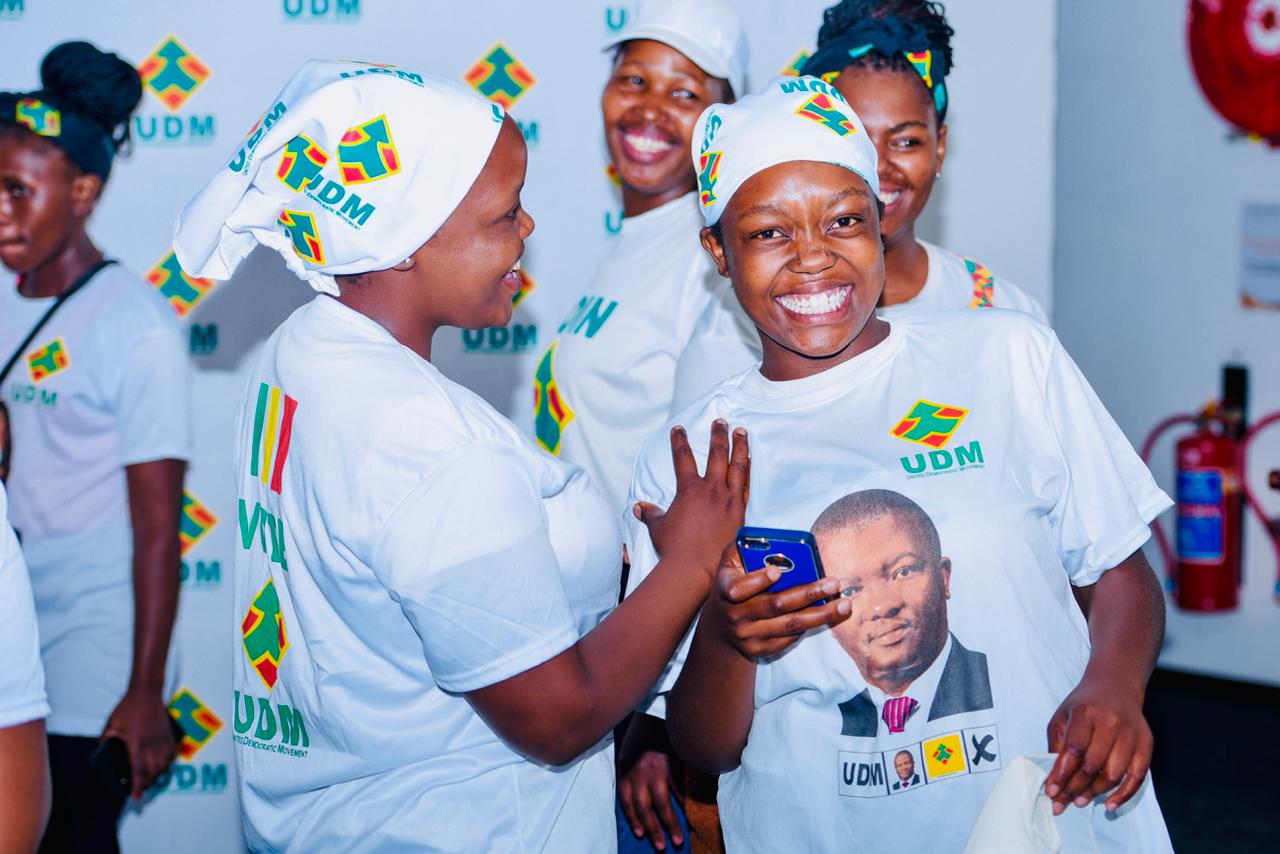
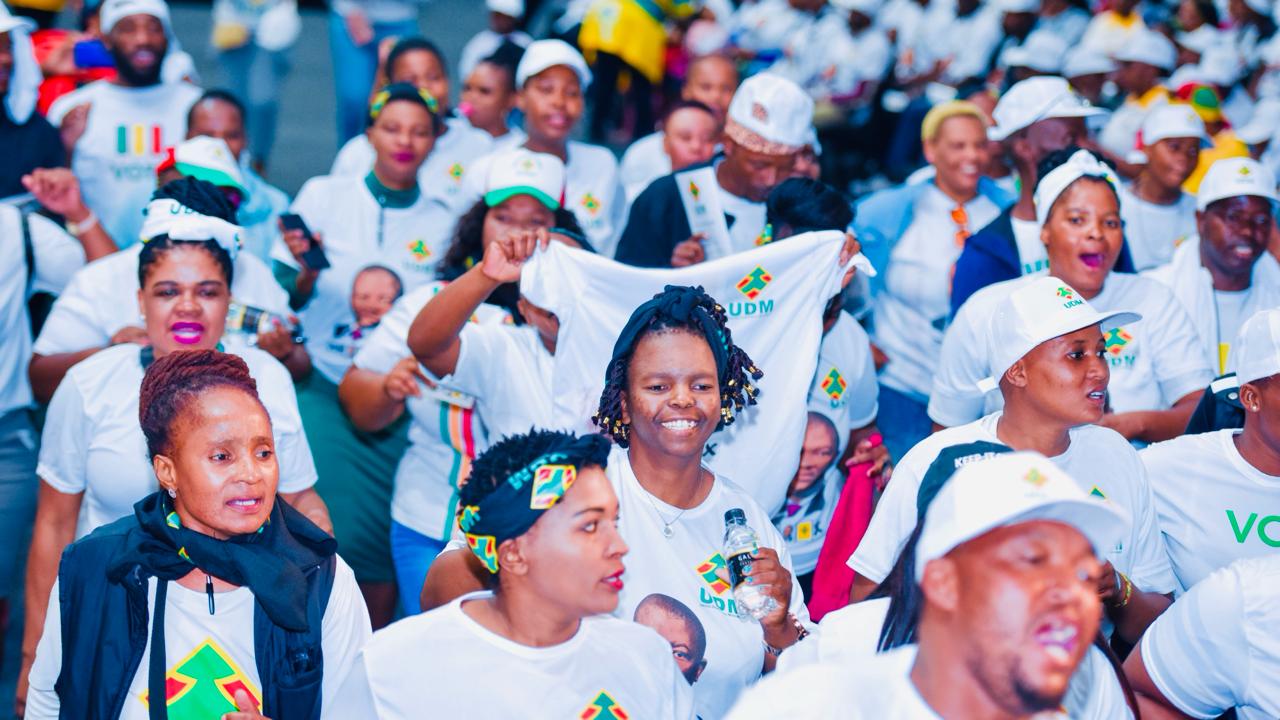
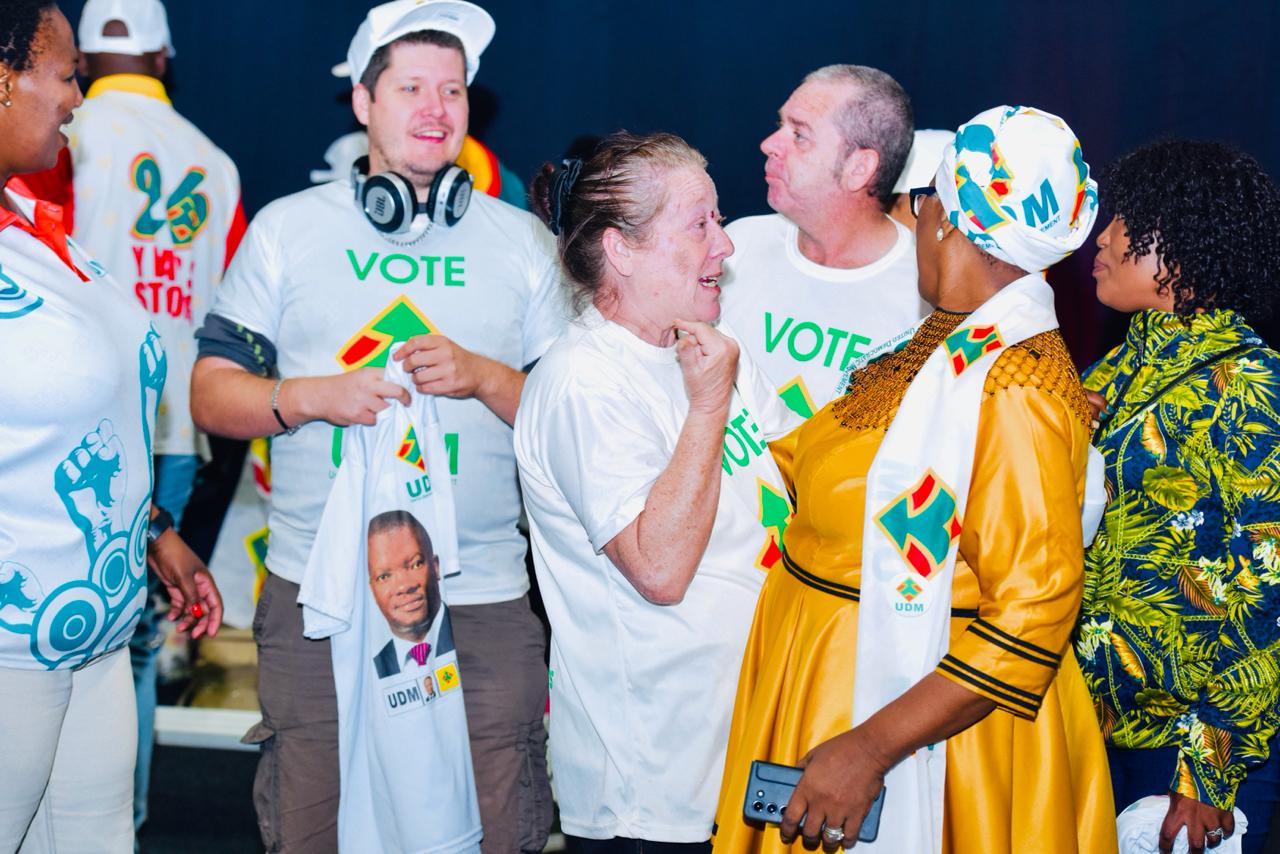
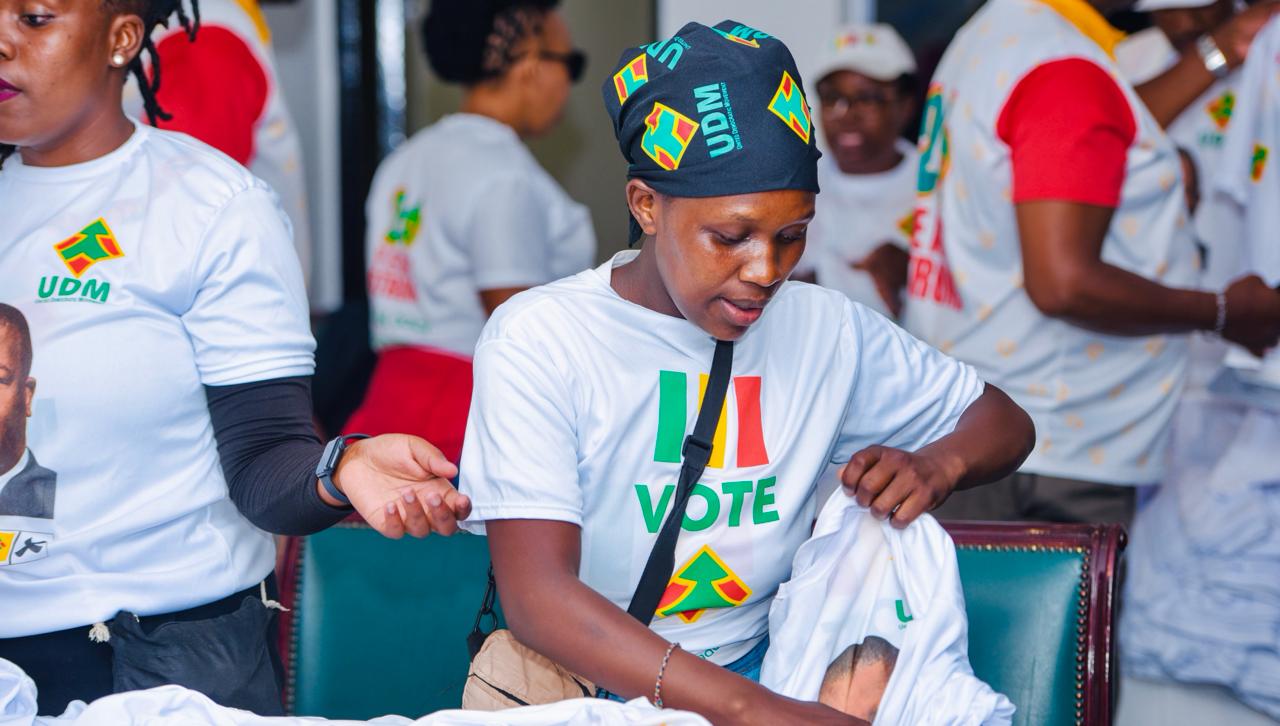
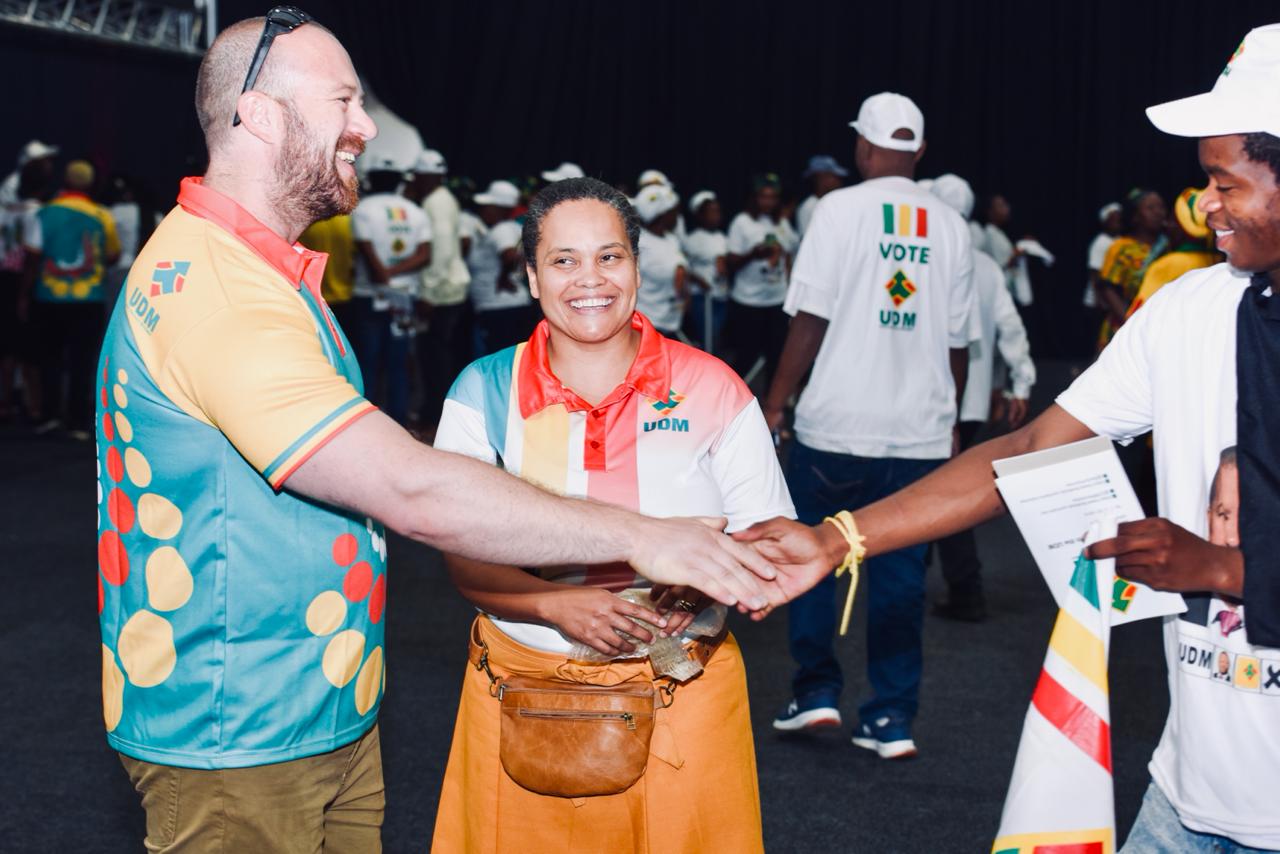
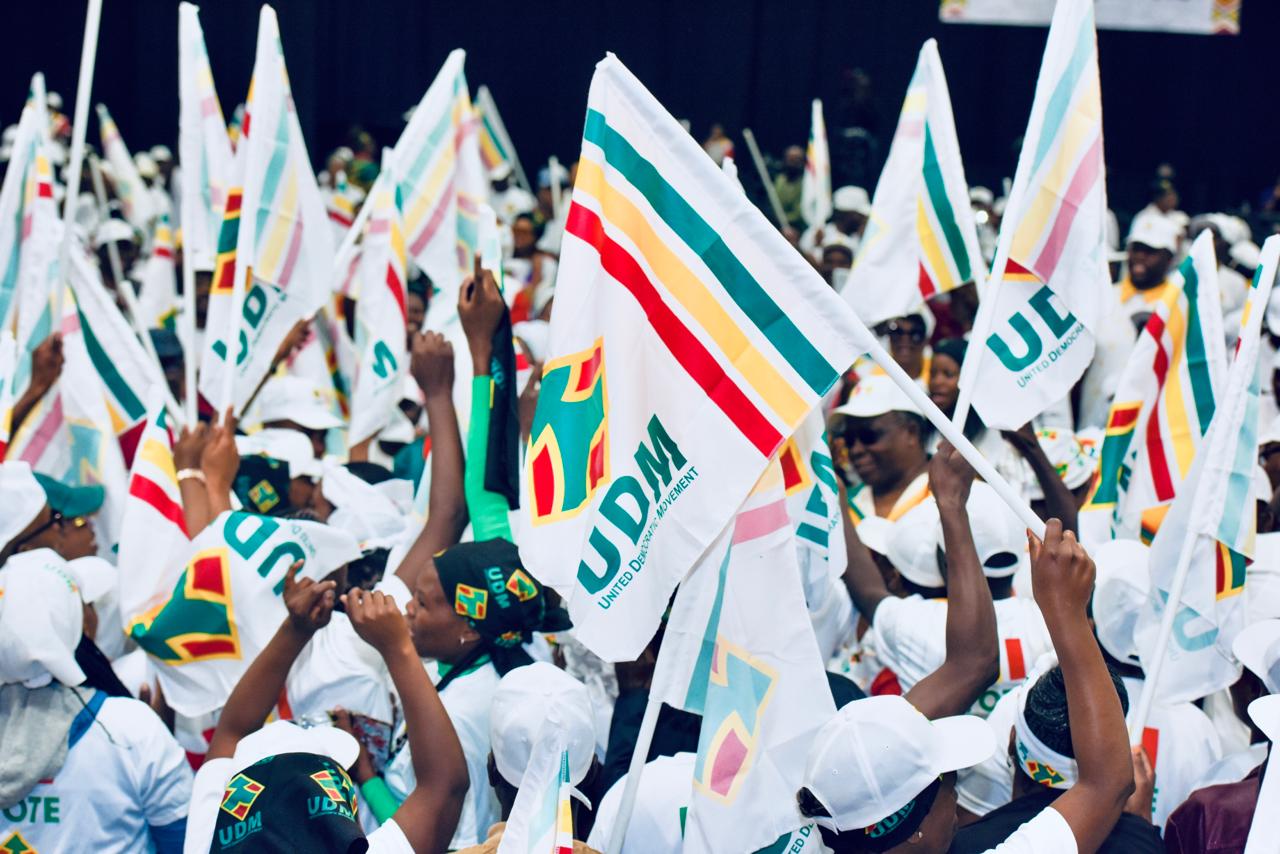
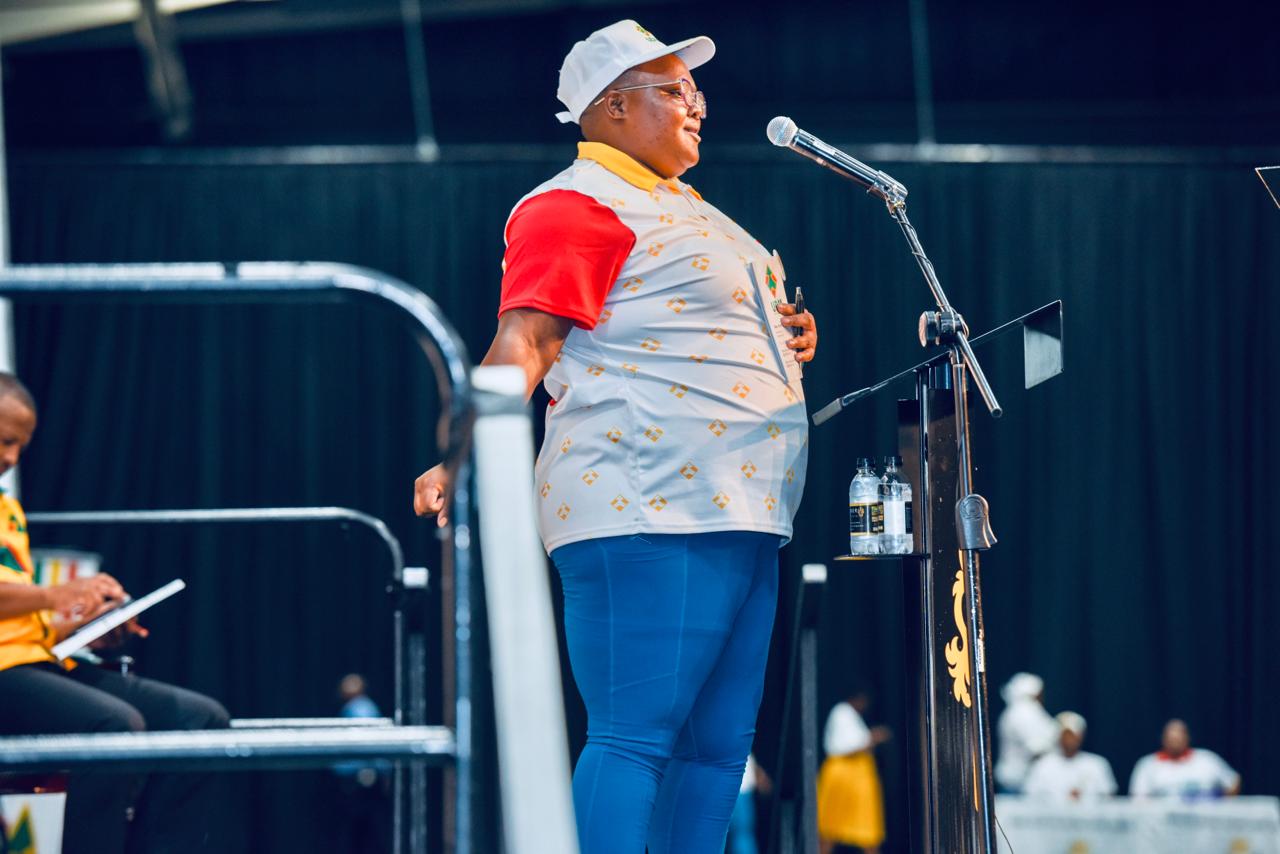
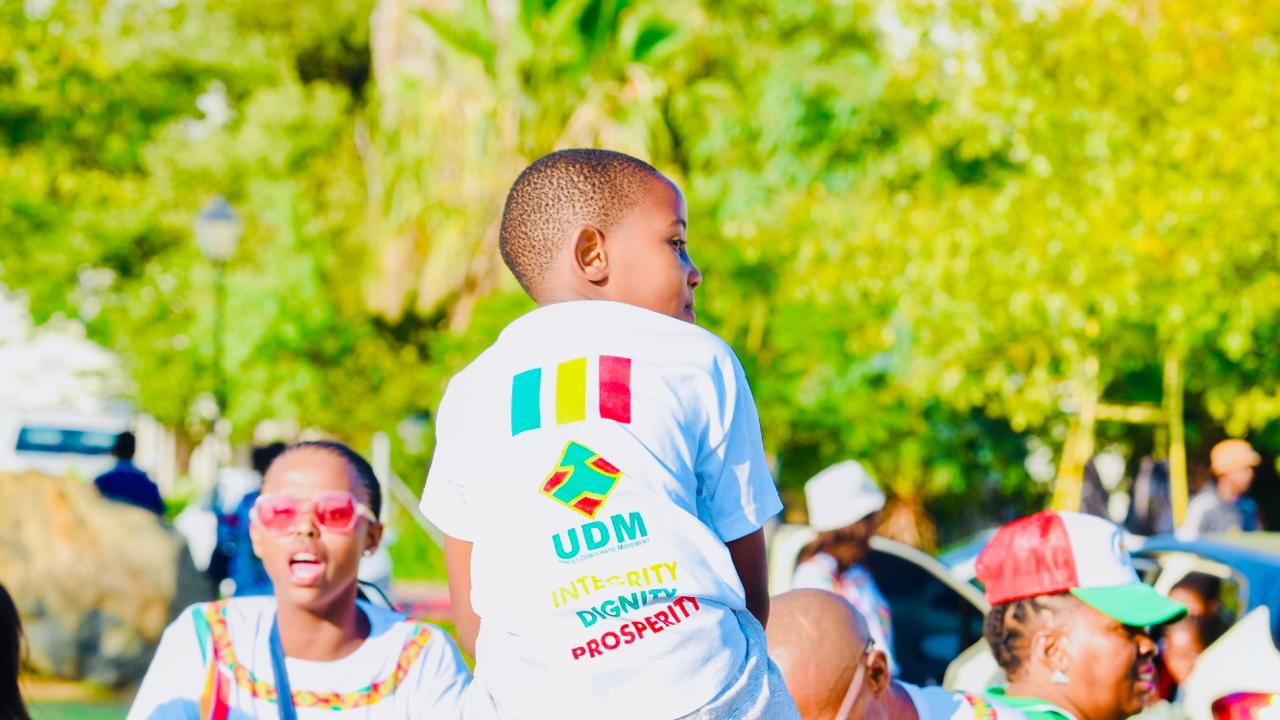
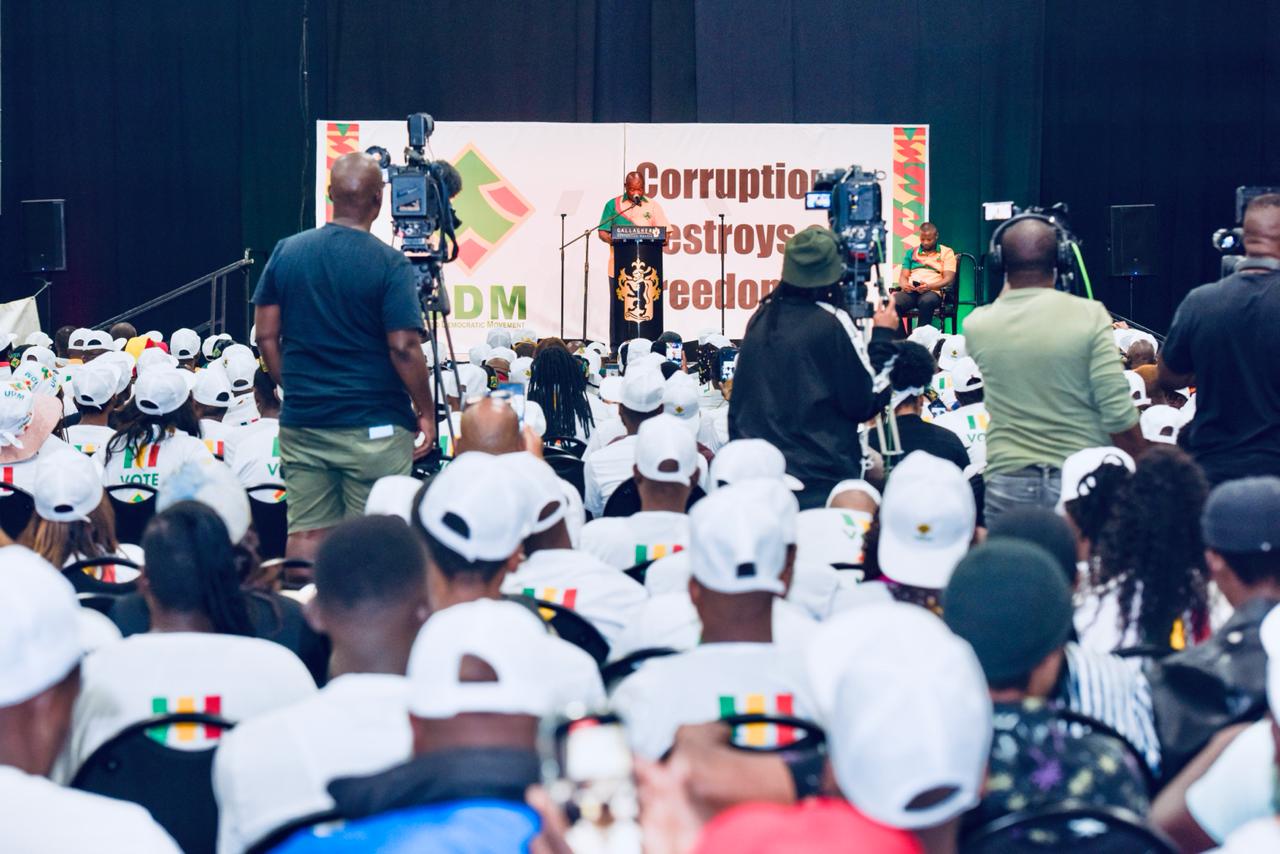
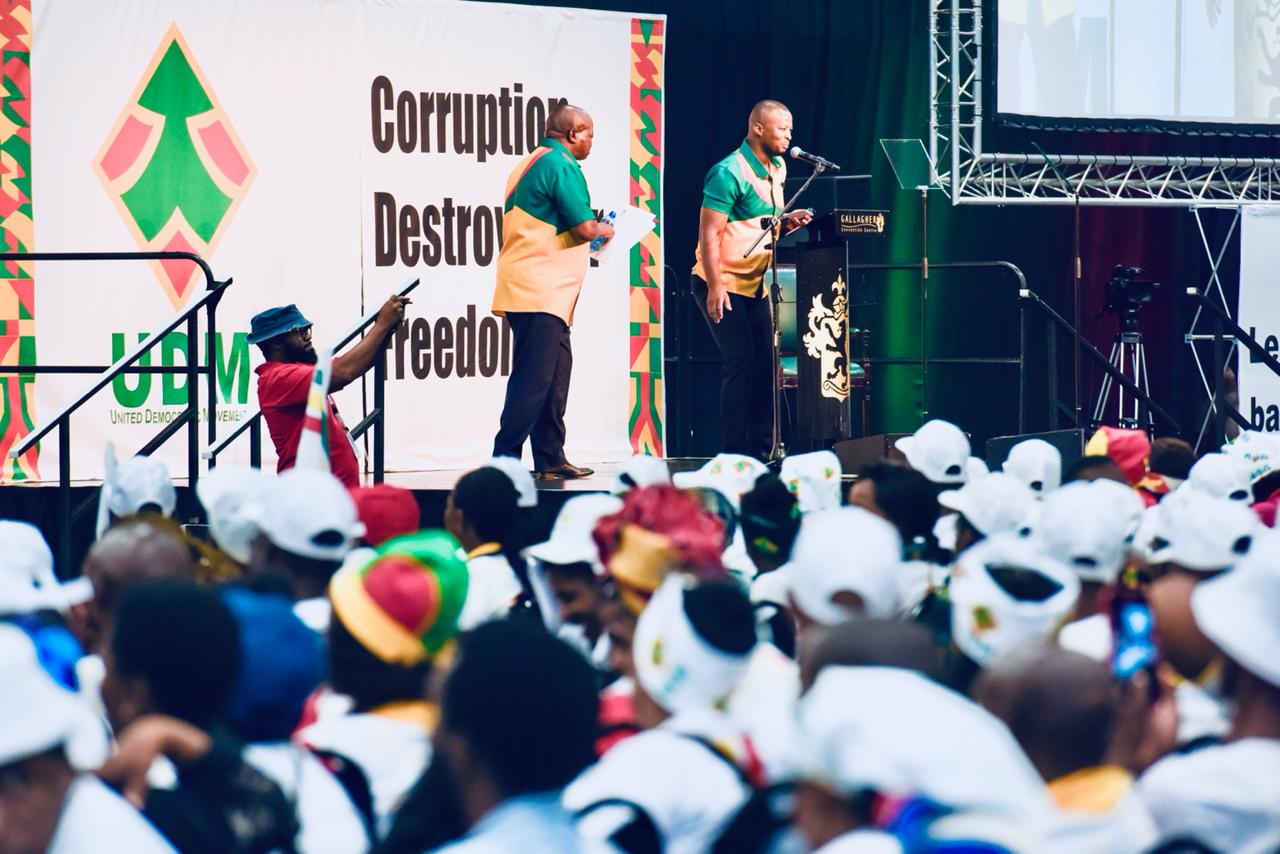
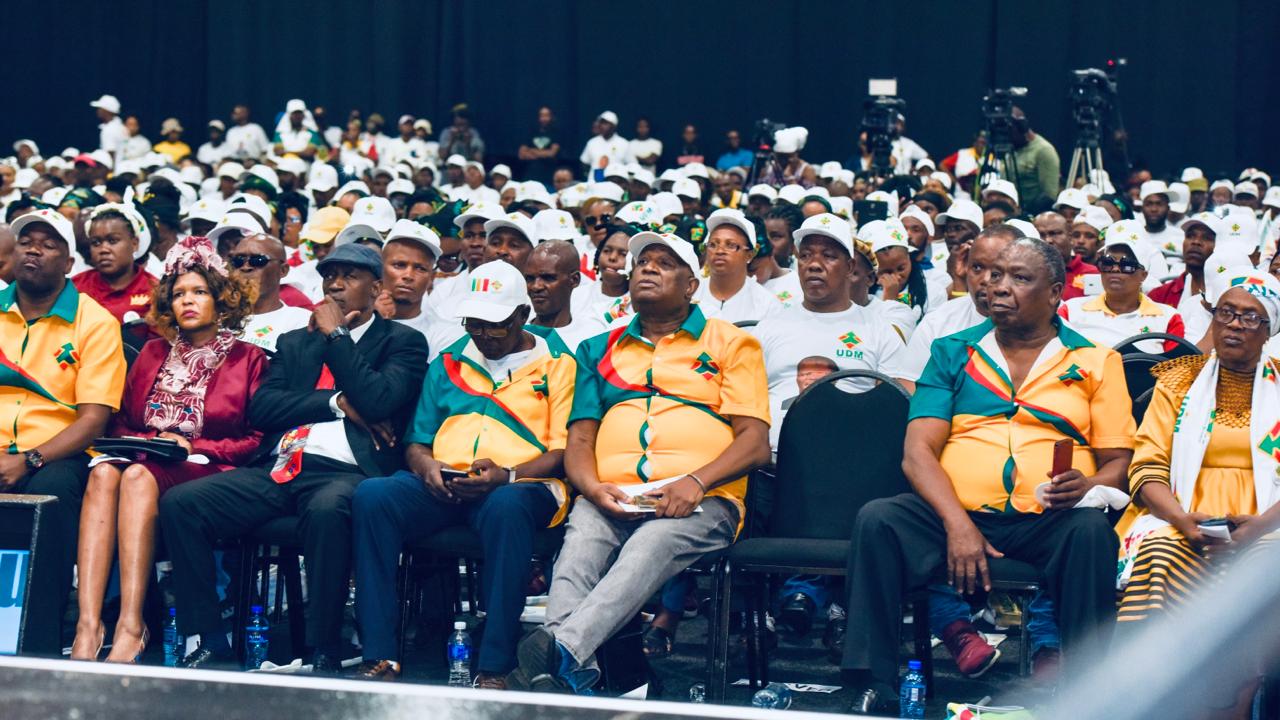
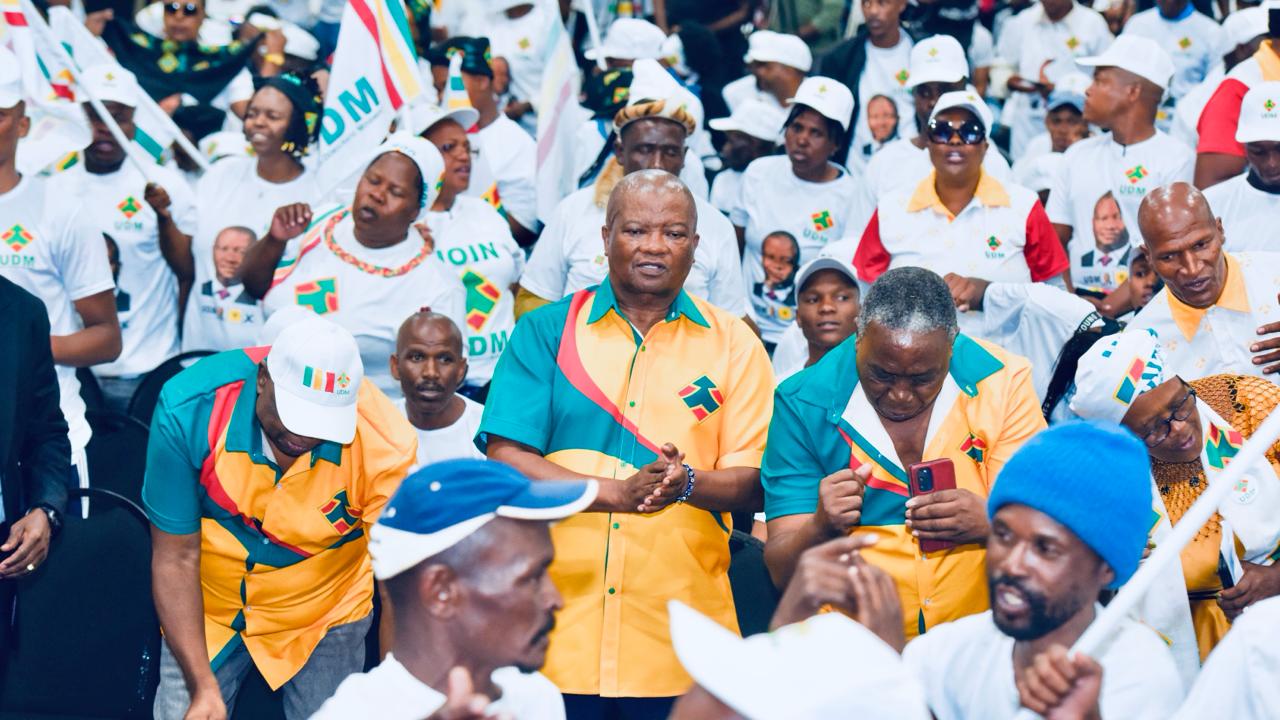
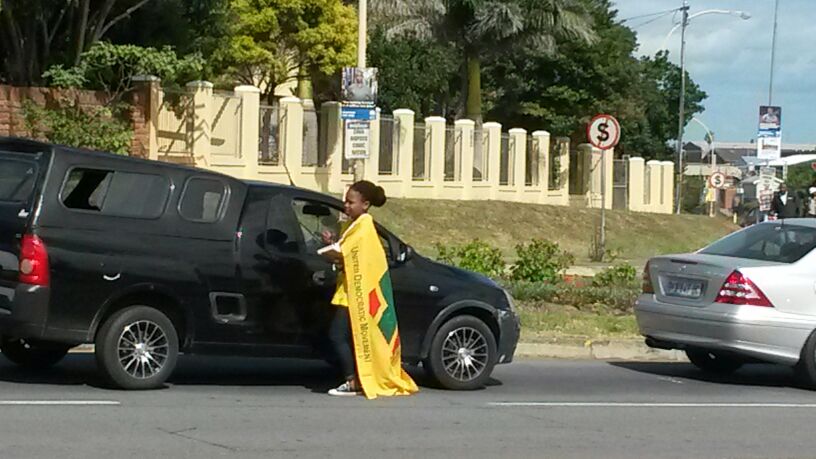
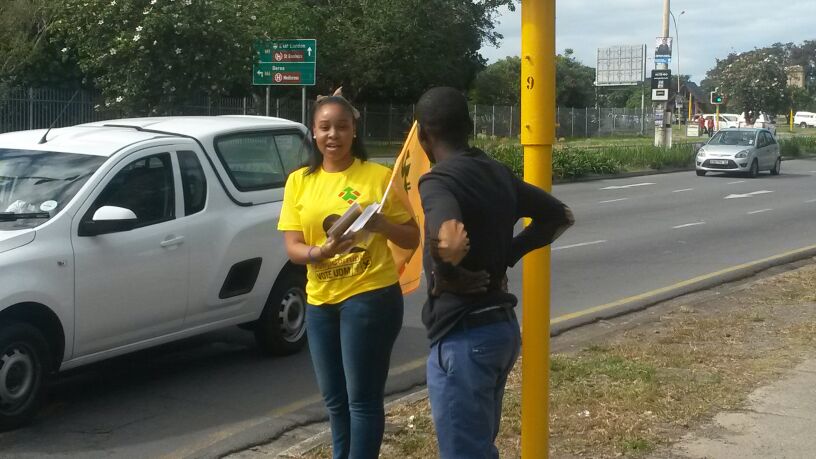
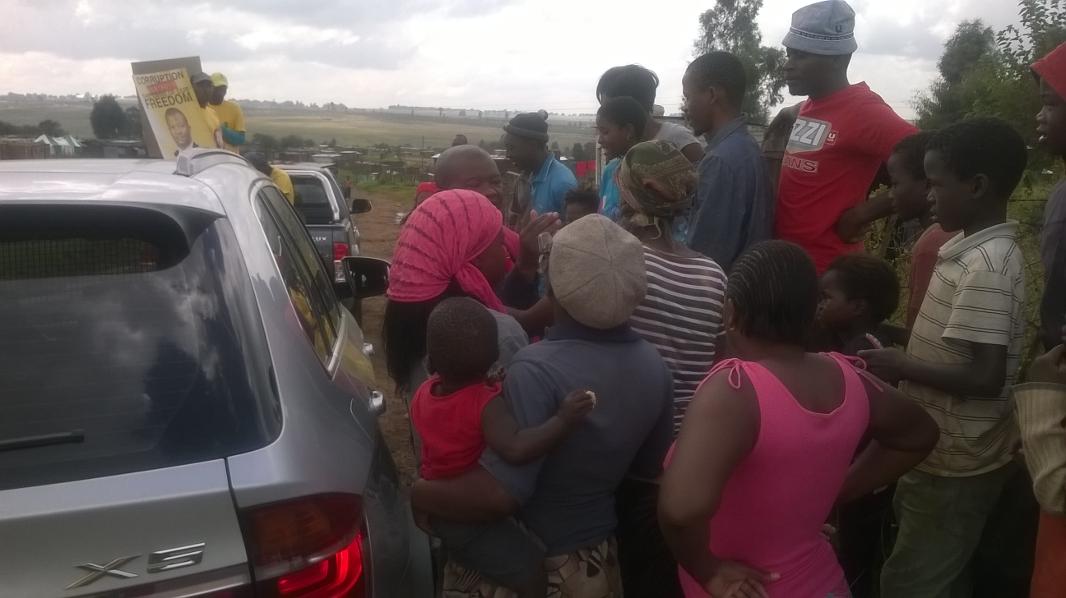
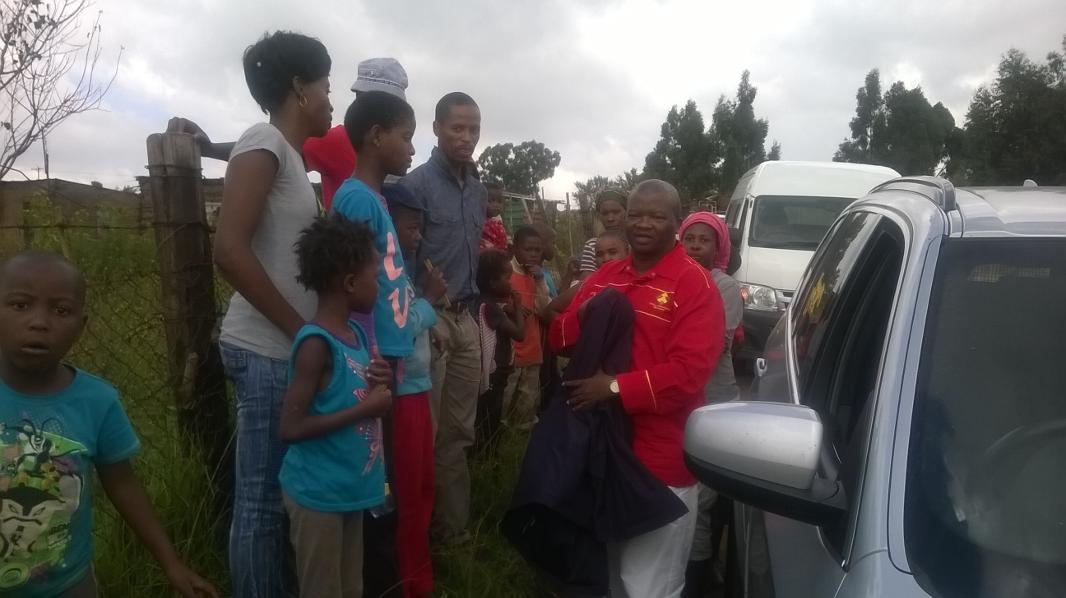
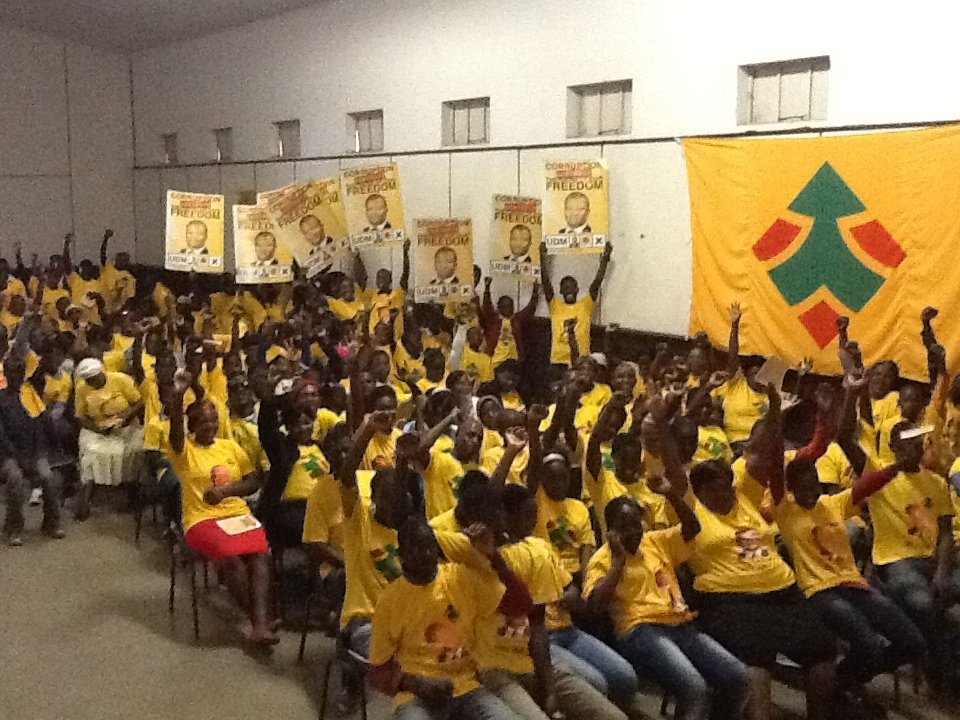
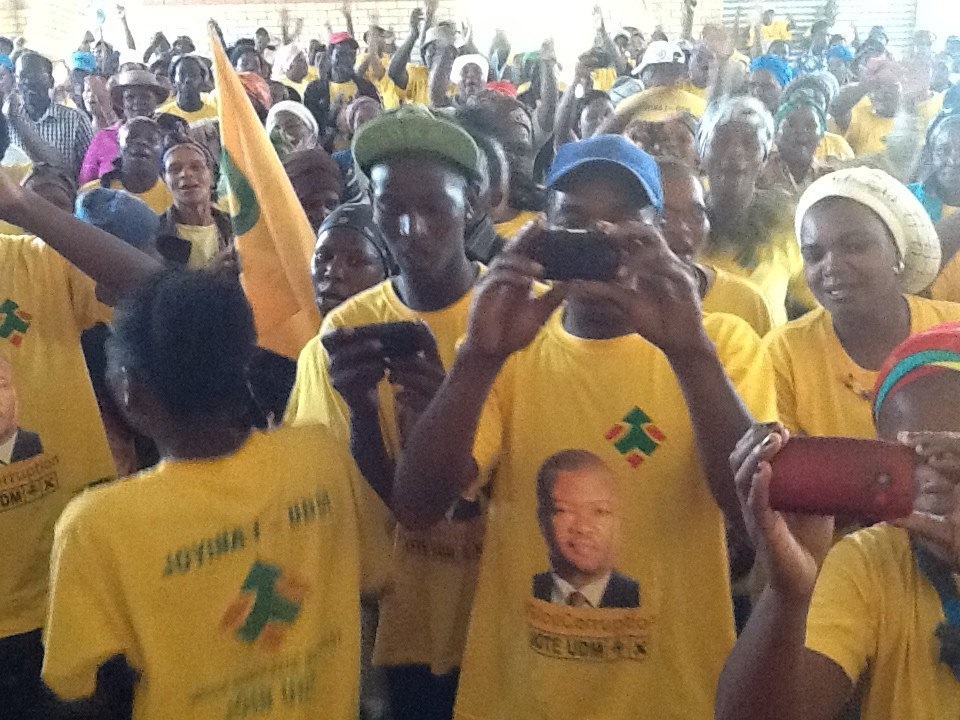
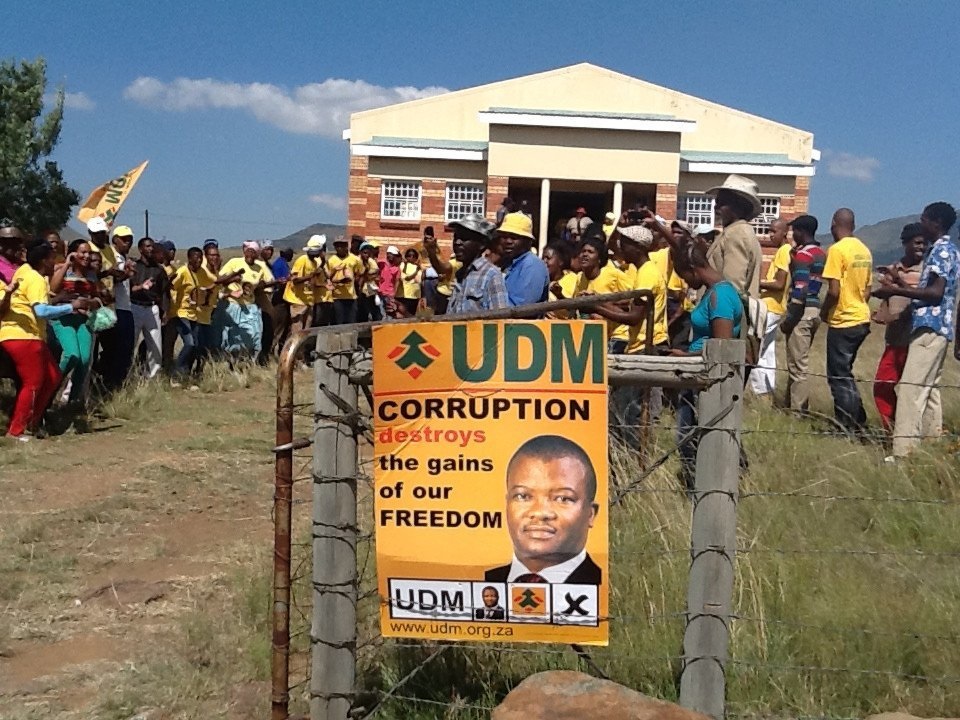
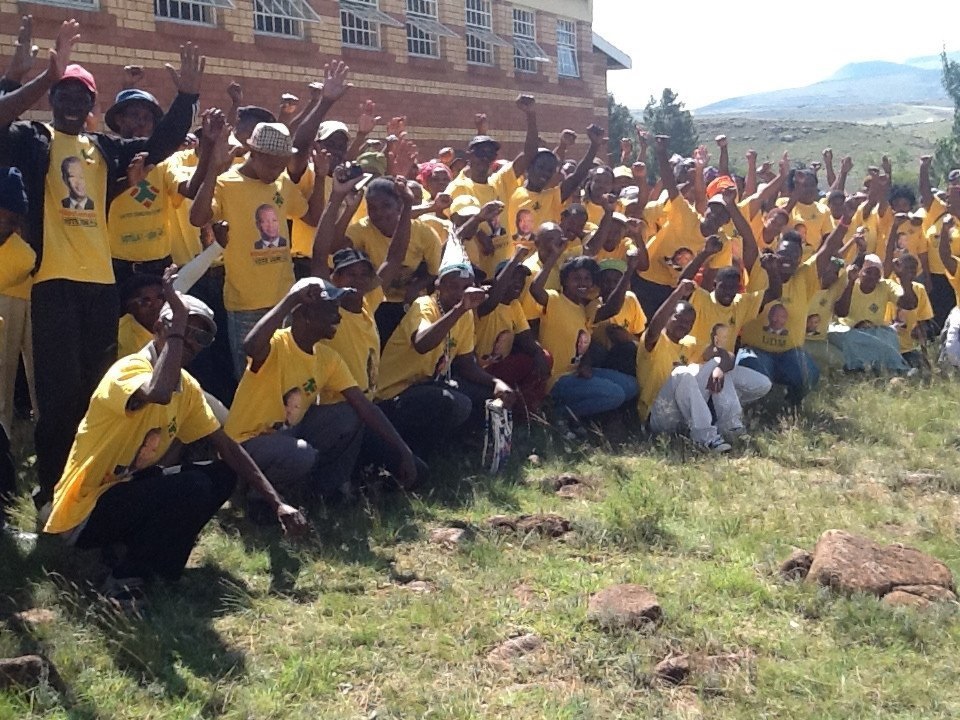
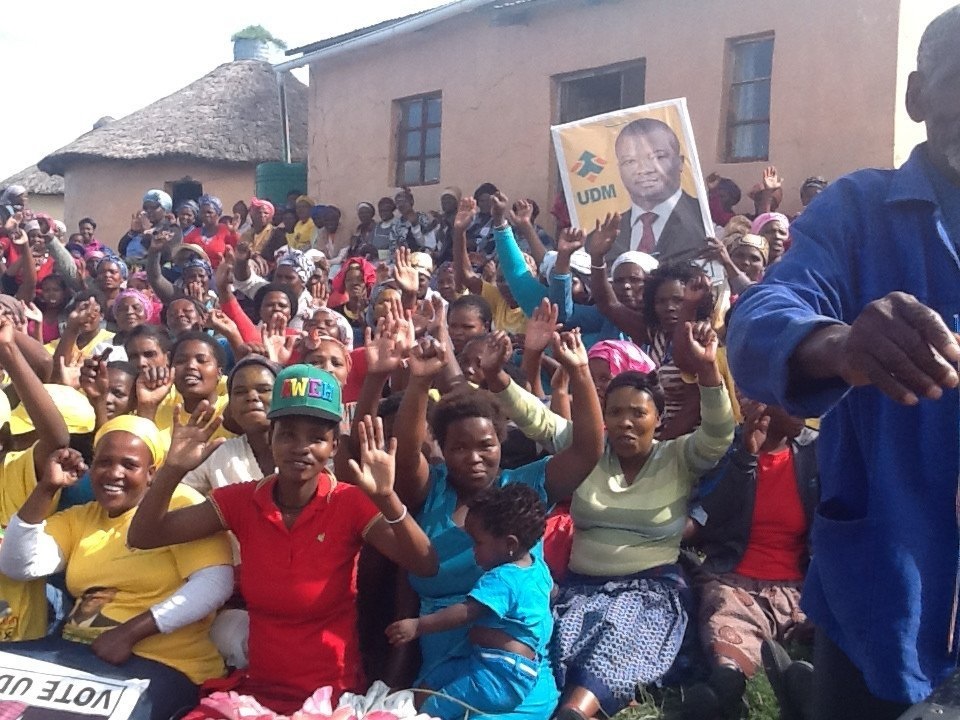
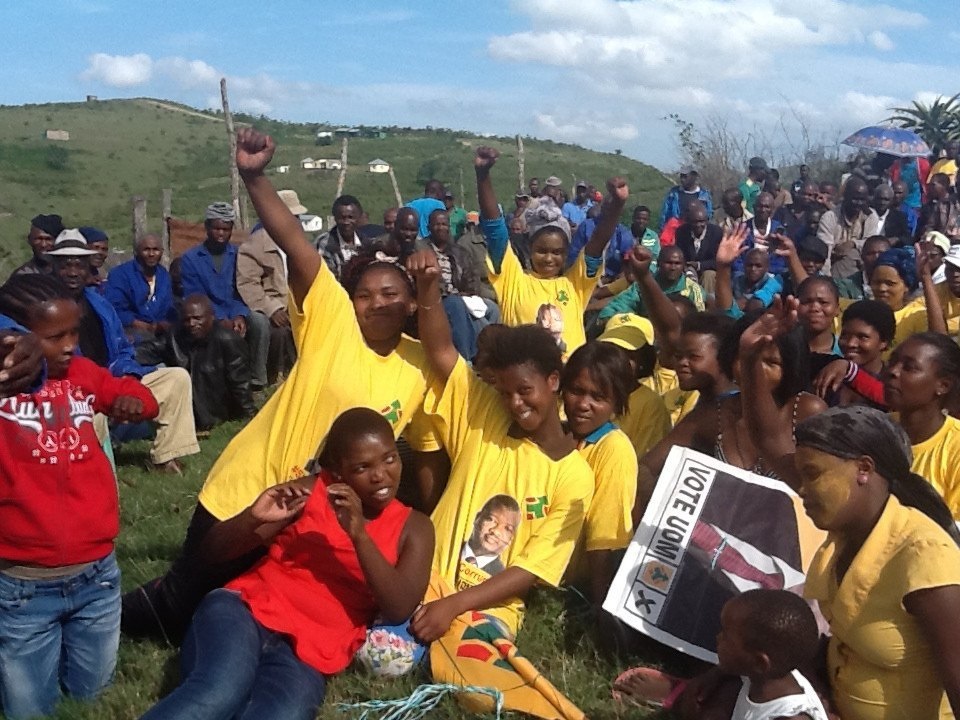
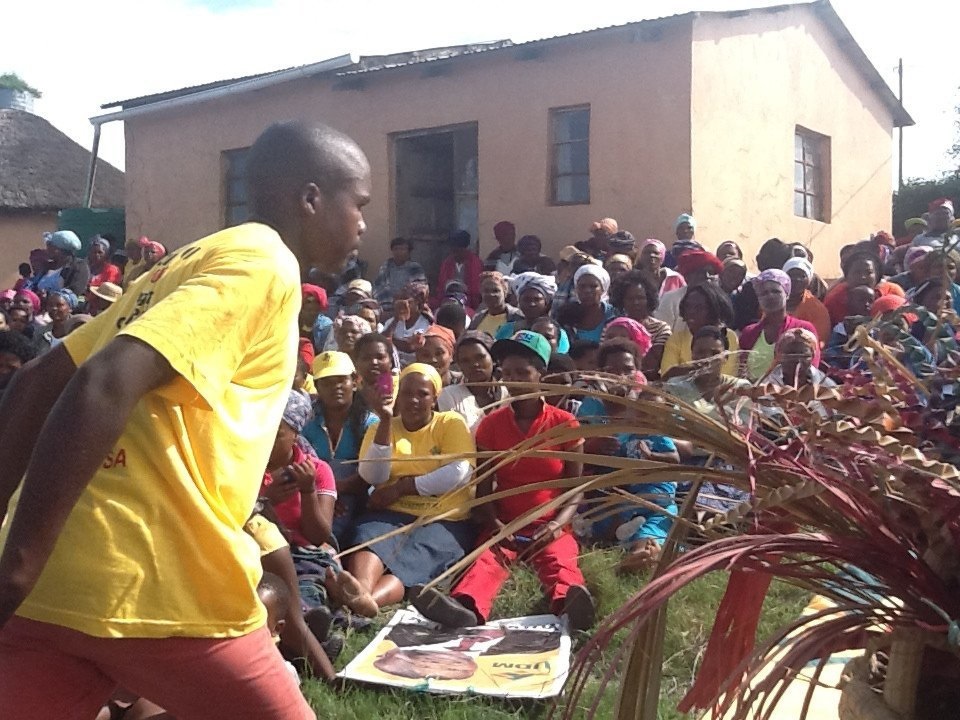
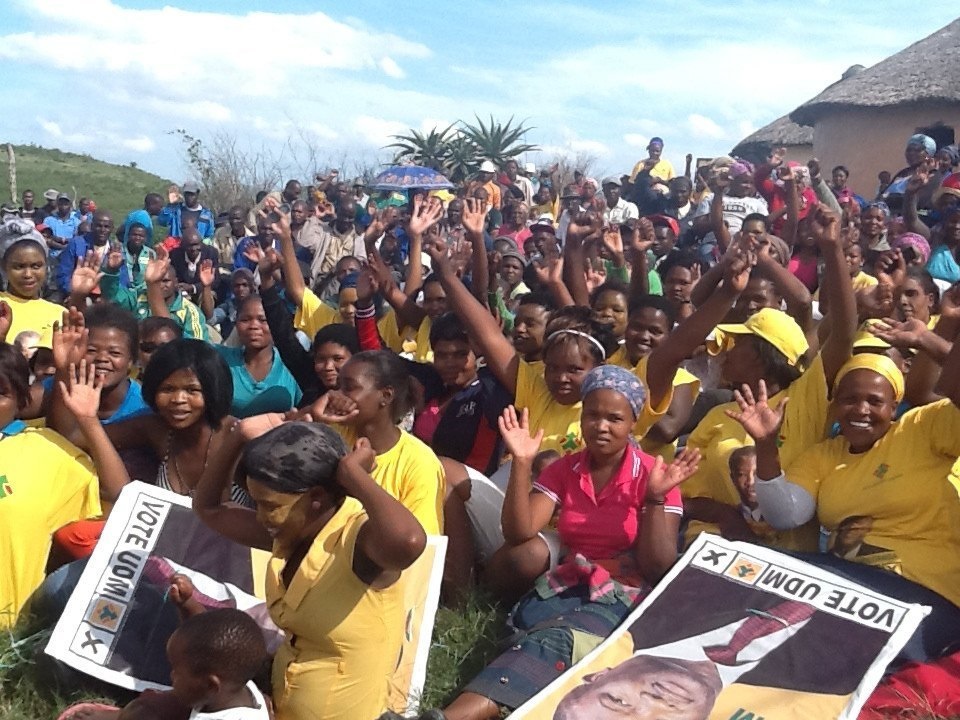
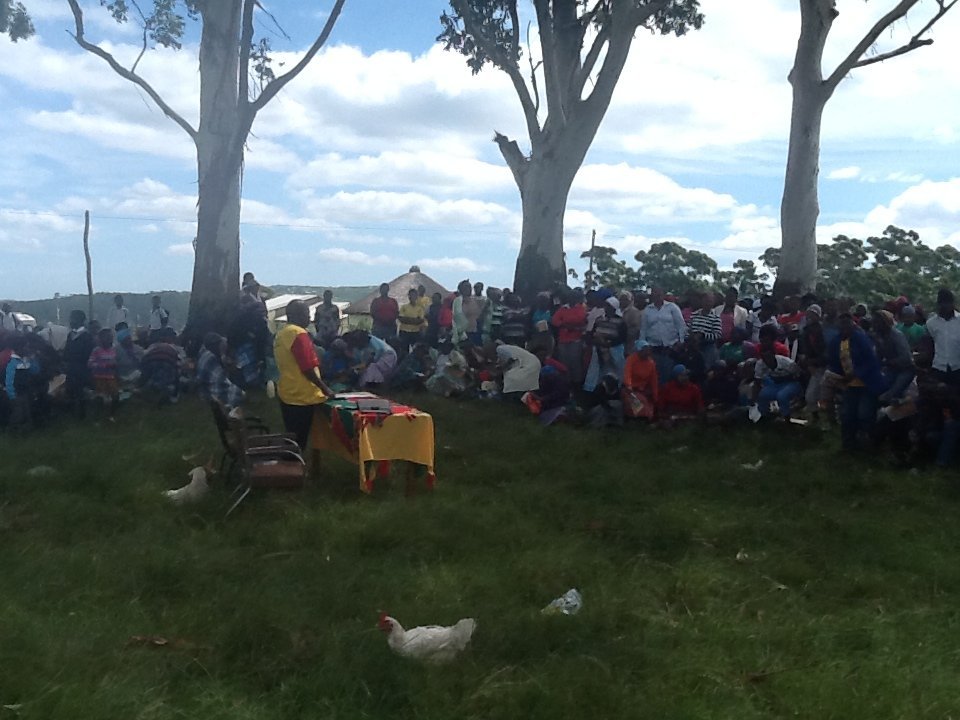
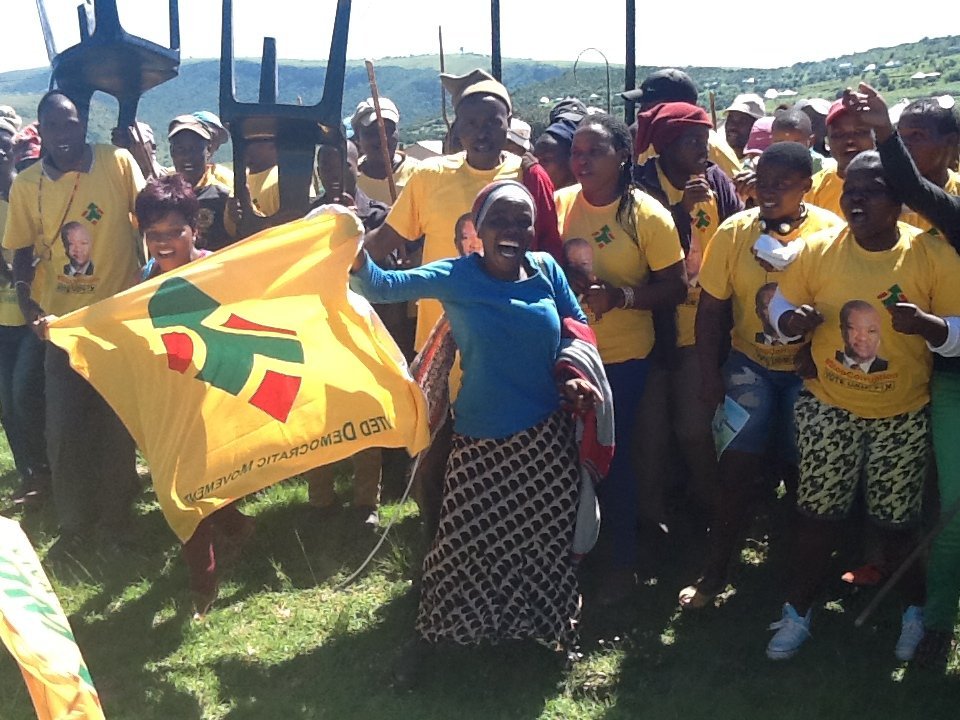
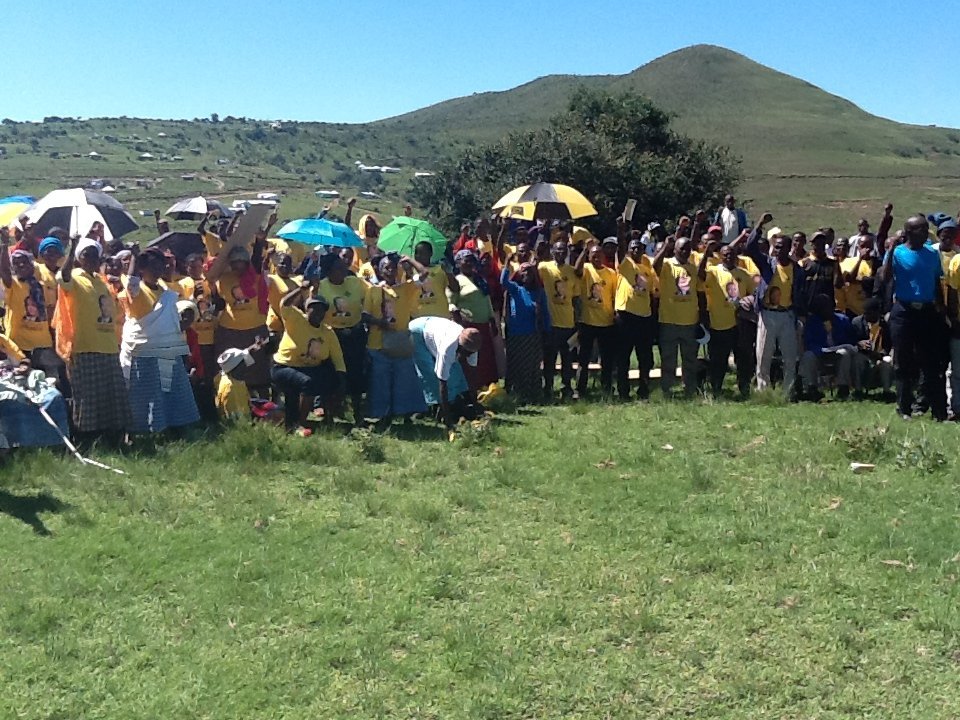
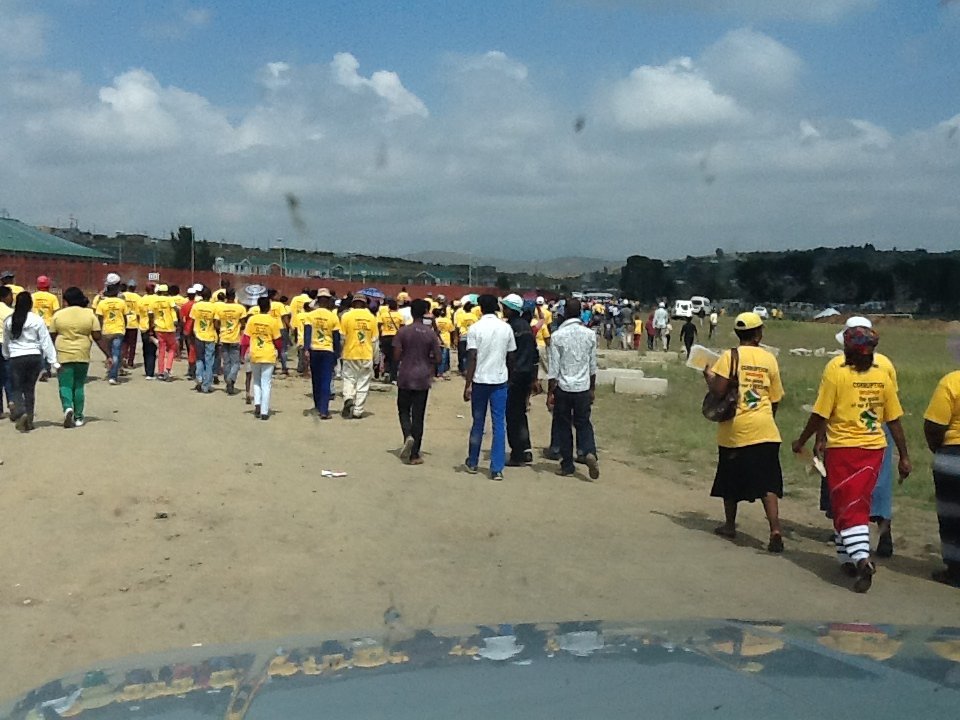
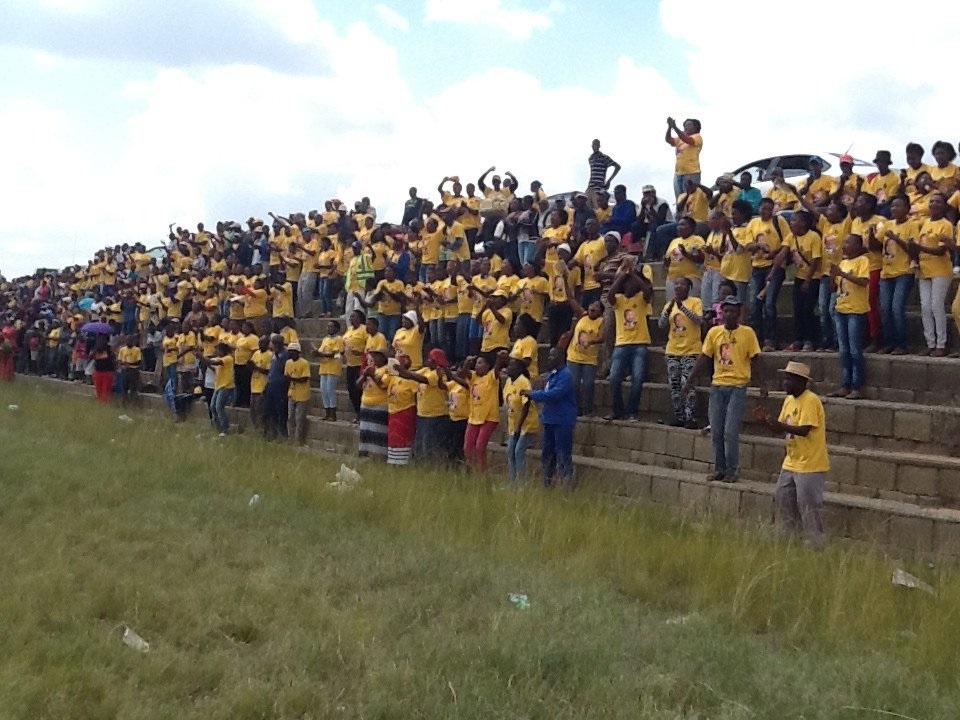
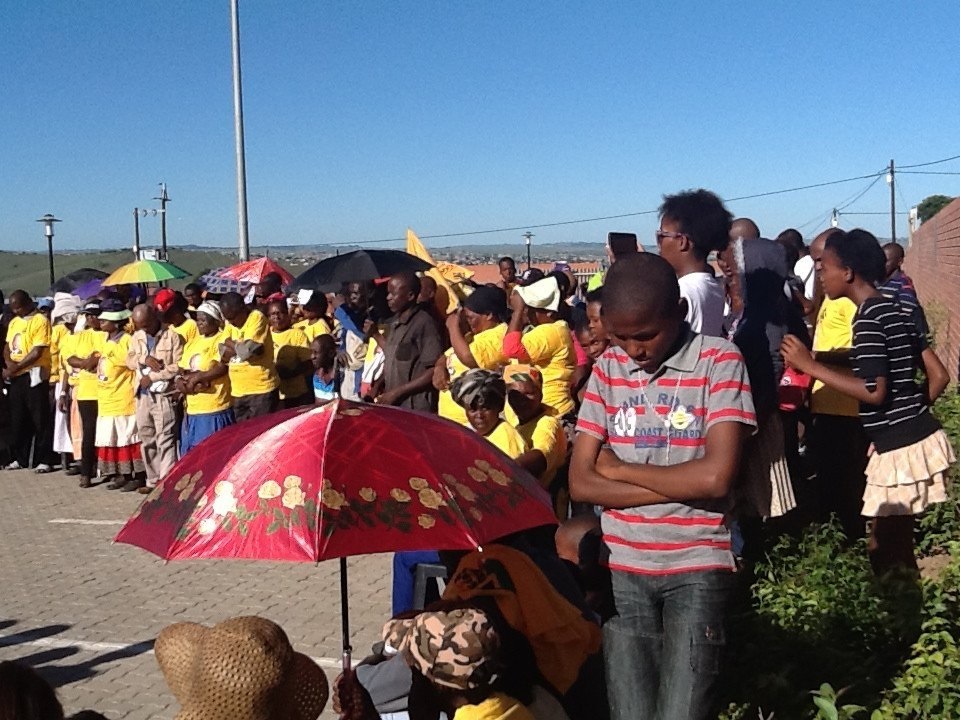
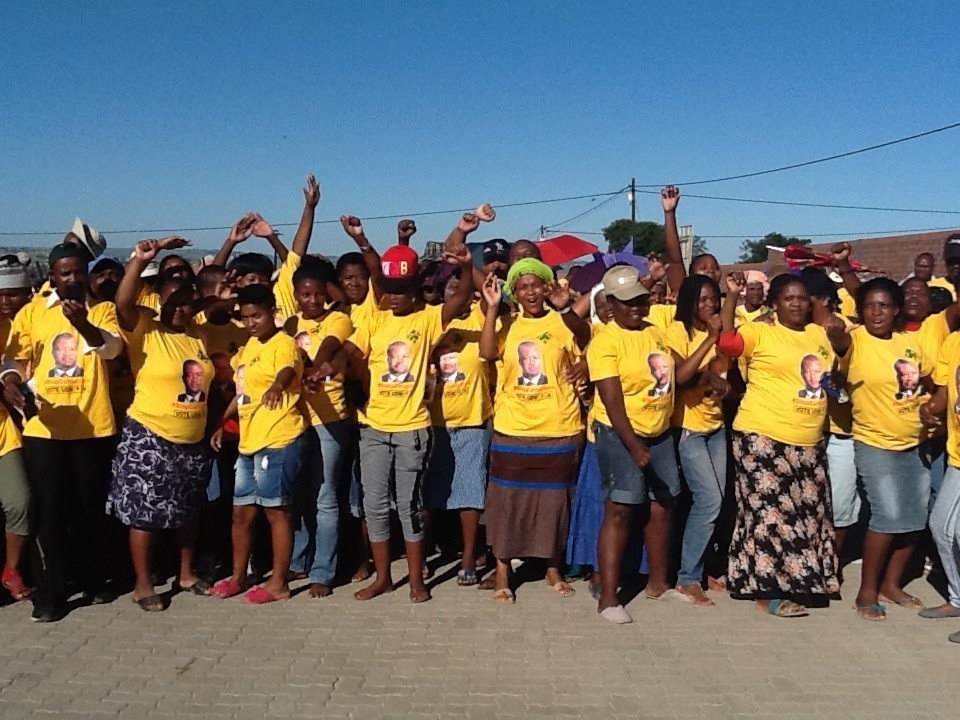
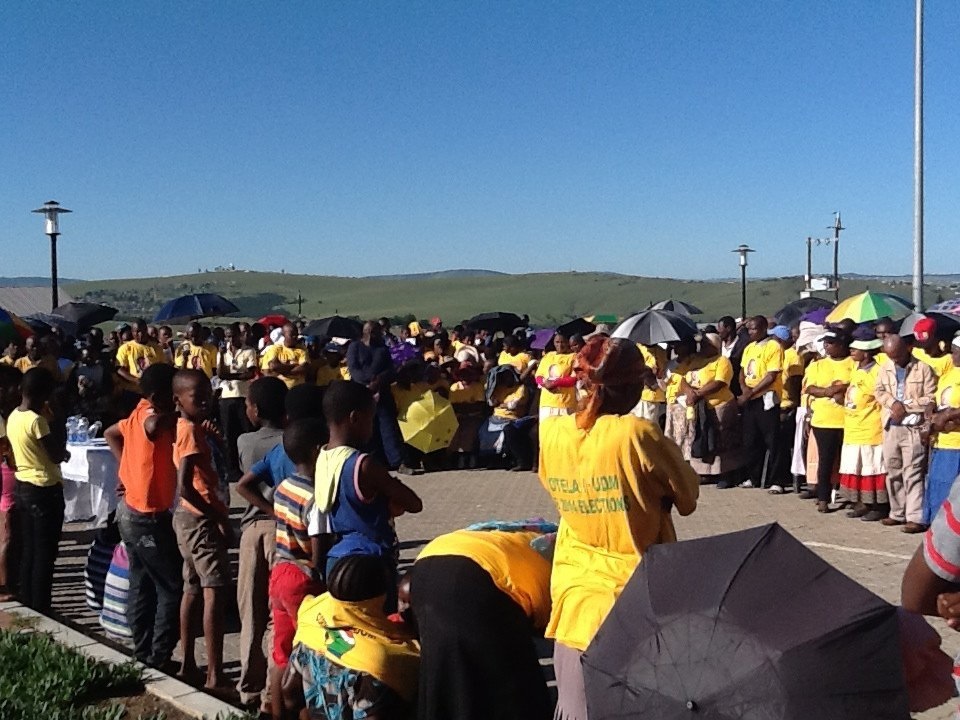
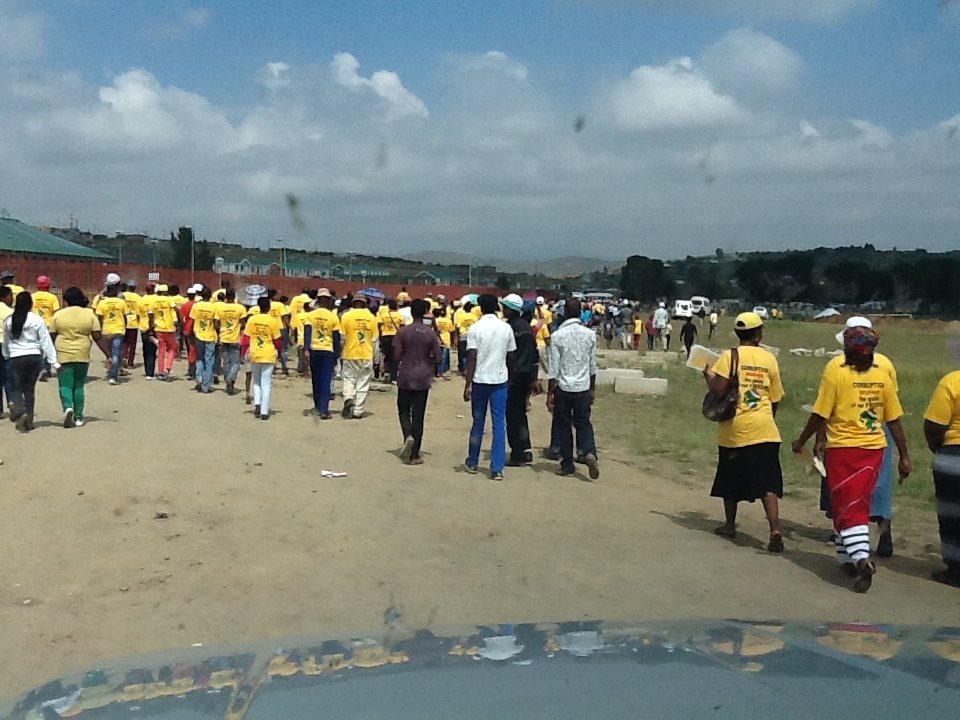
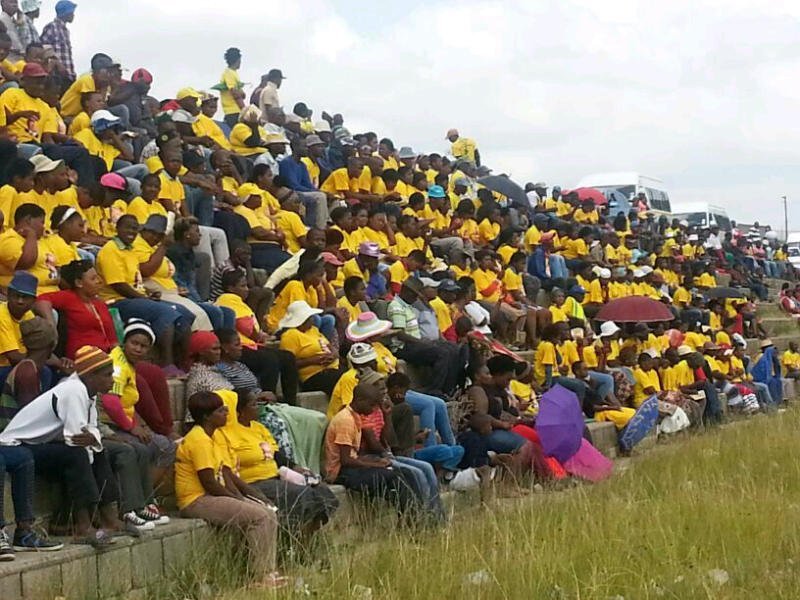
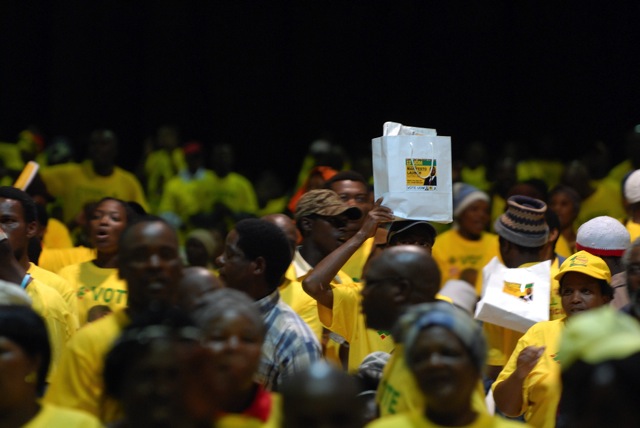
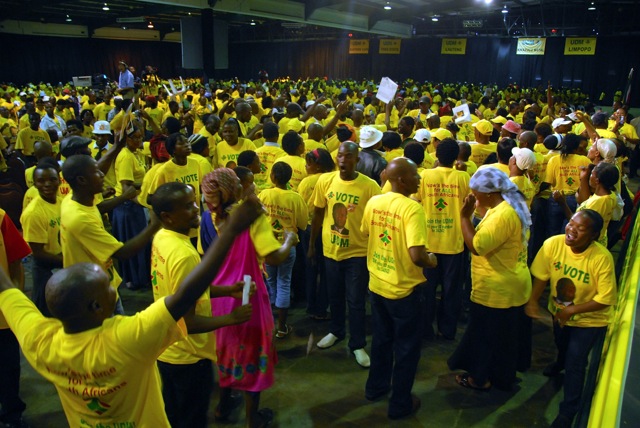
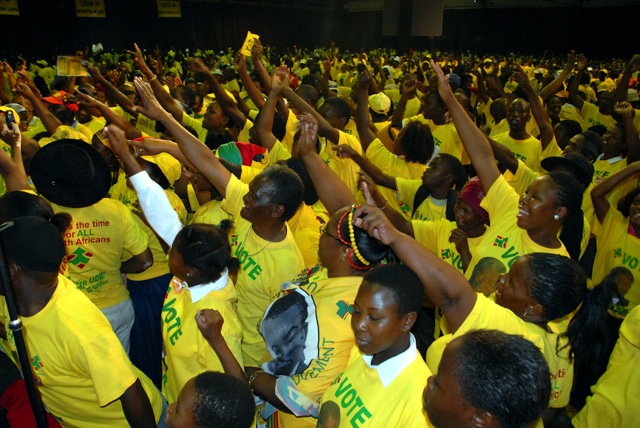
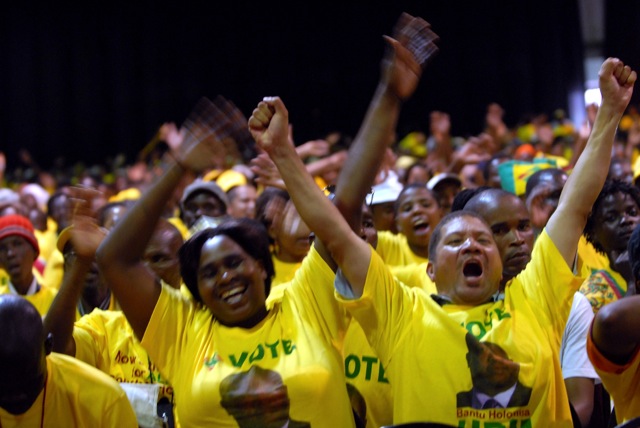
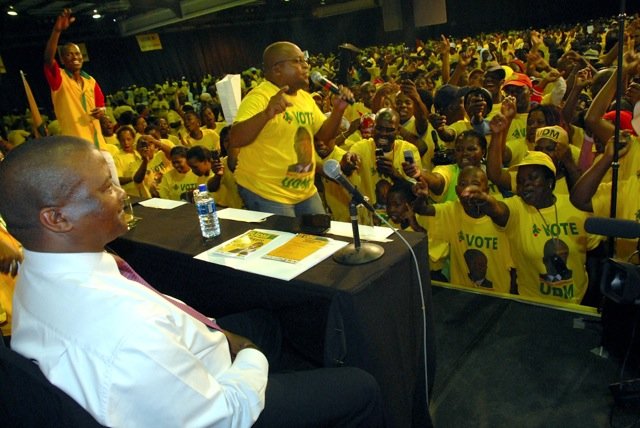
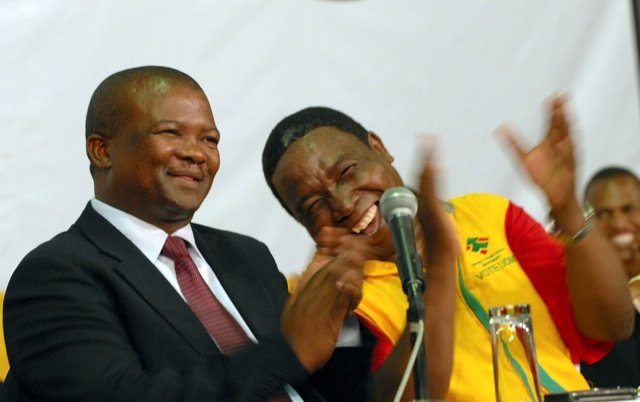
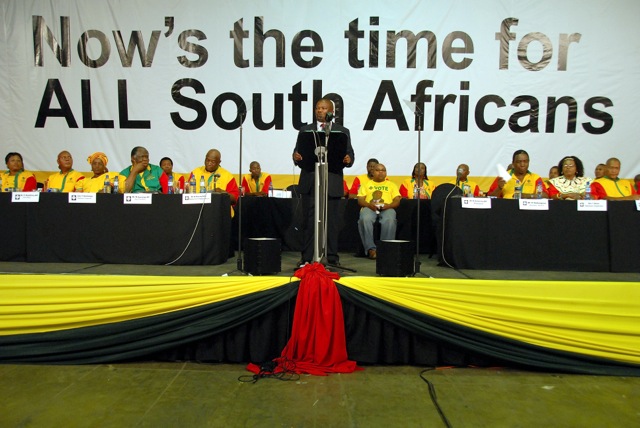
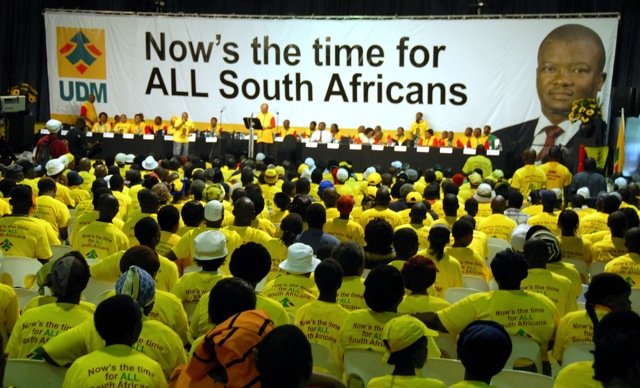
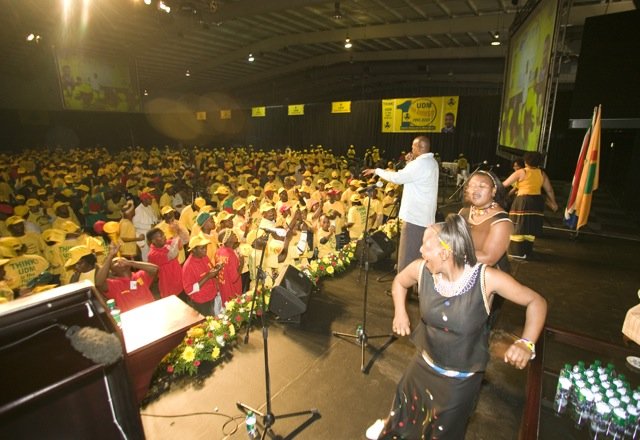
The United Democratic Movement (UDM) has worked diligently to promote the interests of all South Africans over the years. Despite the challenges and stumbling blocks the party rose to the occasion and scored many political victories. Our successes are manifested in our public representation at various levels of government across the country, but also in the influence we have had irrespective of the ruling party’s parliamentary majority.

The UDM’s vision is to be “…the political home of all South Africans, united in the spirit of South Africanism by our common passion for our Country, mobilising the creative power inherent in our rich diversity, towards our transformation into a Winning Nation”.


Latest News & Articles

R3.5 trillion at risk: the Public Investment Corporation’s appearance at the Standing Committee on Finance – further issues and pertinent questions that need to be asked of the PIC

R3.5 trillion at risk: the Public Investment Corporation’s appearance at the Standing Committee on Finance – further issues and pertinent questions that need to be asked of the PIC

Dr Mkhacani Maswanganyi, MP Chairperson of the Standing Committee on Finance PO Box 15 Cape Town 8000 Dear Dr Maswanganyi R3.5 trillion at risk: the Public Investment Corporation’s appearance at the Standing Committee on Finance – further issues and pertinent questions that need to be asked of the PIC 1. Further to my correspondence dated 10 November 2025 , in which you were copied, I understand that the Standing Committee on Finance (SCOF) is scheduled to receive a report from the Public Investment Corporation (PIC) on 5 December 2025. 2. In regard, I wish to refer SCOF to my correspondence to the President of the Republic of South Africa, Mr MC Ramaphosa and the Chairperson of the Standing Committee on Public Accounts (SCOPA), Mr Songezo Zibi, MP, which I attach for your ease of refence: 2.1. On 29 October 2025 regarding: “R3.5 trillion at risk: the Public Investment Corporation’s governance collapse demands action ” and 2.2. on 8 November 2025 regarding: “Renewed concerns over probable governance irregularities and conflicts of interest at the Public Investment Corporation: the PIC’s confused(ing) rhetoric regarding the Lanseria and FlySafair deals” . 3. I understand from the SCOPA Chairperson Zibi, that he has referred the entire matter concerning the PIC, as submitted by the UDM, to SCOF for further consideration, as SCOPA is currently engaged in the Road Accident Fund inquiry and both committees share several members. 4. In addition to the above, there have been further developments which I wish to bring to SCOF’s attention, and I refer the Committee to the following documents attached for ease of reference: 4.1. A 30 October 2025 correspondence from Mabotja Attorneys on behalf of Acapulco Trade & Invest 164 (Pty) Ltd, dated 30 October 2025, regarding “FORMAL CLARIFICATION & REPRESENTATION IN RESPECT OF THE LANSERIA HOLDINGS (PTY) LTD TRANSACTION.” as well as a 4.2. 7 October 2025 correspondence from Mabotja Attorneys to Werksmans Attorneys, acting on behalf of the PIC, regarding: “LANSERIA AND RELATED MATTERS”, 5. For additional context to the bigger scheme of things, I refer to an article published in the Business Day of 5 November 2025 entitled” “PIC furious over R400m payout to Lanseria BEE partner” 6. Given the context outlined in all the UDM’s correspondence and the article referenced above, it is evident that SCOF will need to conduct a thorough and far-reaching investigation into the broader operations of the PIC, particularly its dealings involving PAIDF I and II and the investment of Government Employees Pension Fund (GEPF) funds. The arbitration award in favour of Acapulco, dated 17 September 2025 and amounting to R411 282 264.44, has clearly unsettled matters and exposed deeper issues within the PIC’s governance and investment practices. 7. Further to points 5 and 6 in my letter of 29 October 2025 concerning the Lanseria Airport Holdings and FlySafair matters, the UDM recommends that SCOF pose the following questions to PIC: 7.1. Management fees 7.1.1. Would you state, for the record, the total management fees Harith has drawn from PAIDF I, PAIDF II, and the newly constituted Harith Infraco? 7.1.2. Can you provide a detailed breakdown of those fees by fund, year, and category? 7.2. Fund performance 7.2.1. Provide a comprehensive summary of the financial and operational performance of PAIDF I and PAIDF II. 7.2.2. What were the key value drivers, impairments, exits, and realised or unrealised returns associated with each fund? 7.3. Value created for pensioners 7.3.1. Based on your own reporting and audited figures, how much net value, after all fees, costs, and adjustments i.e. have these funds generated for South African pensioners? 7.3.2. Are you able to confirm whether the net contribution has been positive, neutral, or negative? 7.4. Restructuring and recapitalisation 7.4.1. Harith has recently undertaken what appears to be restructuring, recapitalisation, and redesign of its funds. 7.4.2. Would you explain the commercial rationale for each of these steps? 7.4.3. What direct impact did these actions have on the value of the underlying investments and, specifically, on the stake ultimately attributable to the GEPF? 7.5. Harith Infraco participation 7.5.1. In the newly established Harith Infraco, what is the direct interest, shareholding percentage, or participation in returns attributable to the GEPF? 7.5.2. Has this position changed in any way compared to the GEPF’s prior participation in PAIDF I or II? 7.6. PCV creation and GEPF impact 7.6.1. Regarding the creation of the PCV, could you confirm whether the GEPF incurred any losses, impairments, write-downs, or adverse valuation adjustments from a pure accounting or profitability standpoint? 7.6.2. If so, please detail the amounts and their basis. 7.7. DBSA involvement 7.7.1. Was the DBSA at any stage an investor, lender, or creditor to any Harith-managed fund or to any of the portfolio companies within those funds? 7.7.2. If yes, please specify the nature and quantum of that exposure. 7.8. Pending applications for funding 7.8.1. Does Harith currently have any pending applications and whether for funding, refinancing, restructuring, or borrowing, before the PIC or GEPF? 7.8.2. If so, would you kindly identify each application and indicate its current status?   8. The Thabiso Moshikara scandal in July 2025 8.1. Further I point to 7.3 in my letter of 29 October 2025, regarding the above the UDM would suggest that SCOF ask the following questions of the PIC based further on “Levoca reaffirms its commitment to ethical business practices and remains committed to connecting our communities with fast internet access and bridging the digital divide in South Africa” 8.1.1. The Metrofibre Investment Funding of Levoca was stated in the Annual Financial Report of 2024 of the GEPF as having profited the PIC/GEPF just over R100 million in the span of one year. Why was this deal cancelled, and why were the shares seized for the alleged R1,170.00 postage and stamp fees of Bowmans Attorneys on a deal worth over R1.4 billion? 8.1.2. A case of fraud and corruption has been opened against PIC Head of Legal Lindiwe Masina Dlamini on 07 August 2025, under case number 2025-08-07 at MIDRAND Station, reference number CAS 205/8/2025, by a PIC 8.1.3. whistleblower. The case has now been referred to the Hawks. Why has she not been suspended if Mr Thabiso Moshikara was suspended under the same circumstances? 8.1.4. Who in the PIC authorised the granting of a R1.4 billion legal indemnity to the privately owned company Metrofibre against another private company, Levoca 805, in pursuit of trying to recoup a mere R1,170.00 following the R3 million bribe allegations? 8.1.5. Is this not biased and proof that Levoca was being punished for not wanting to pay Mr Moshikara the R3 million bribe? 8.1.6. It is stated in a civil matter paper between PIC and Levoca 805 that the R1,170 invoice was erroneous or fraudulently issued, which supports the fact that the PIC is lacking a legitimate trigger event. Furthermore, the R1,170 was eventually settled by Levoca, yet the PIC still proceeded to seize Levoca’s shares worth R1.4 billion for R1,170. Why is the PIC still proceeding to seize the shares even after the R1,170, which it relied upon, was settled by Levoca, particularly in an investment that is profiting our government pensioners over R100 million per annum? 8.1.7. What is the current status of this matter? Where does it stand now? Have the shares been returned to Levoca, and if not, why not? 8.1.8. Is the PIC attempting to punish the whistleblower by seizing Levoca’s shares for R1,170? 8.1.9. Does this not sound like corrupt, prejudicial, and oppressive conduct to unlawfully seize Levoca's shares by the PIC as a result of Levoca refusing to pay a R3 million bribe to Mr Moshikara, Head of the Isibaya Fund at the PIC?   9. The Isibaya Fund 9.1. The Isibaya Fund continues to be the centre of corruption within the PIC. Despite the clear warnings of the Mpati Commission, no meaningful reforms have been implemented. This unlisted investment portfolio still operates with poor oversight, secretive decision-making, and transactions that favour politically connected individuals. 9.2. Ultimately, the people who have dedicated their careers to public service are not the true beneficiaries of this fund. It has effectively become a pool of capital reserved for a privileged few, often distributed without proper risk evaluation, exposing the PIC to substantial financial losses and betraying the trust of millions of workers whose pensions are at stake. 9.3. A credit loss ratio exceeding 39% is indefensible and reflects an alarming level of financial mismanagement. No credible institution would tolerate such extensive losses under the guise of economic empowerment. 9.4. Complex financial structures and contractual arrangements have been deliberately used to conceal the extent of this looting. Few fully understand the intricate deal-making mechanisms that enable it, but it is clear that something even more insidious than State Capture continues to thrive within the PIC.   9.5. Given persistent governance failures, it is essential to ask whether the Isibaya Fund should remain under the control of the PIC at all. A more prudent course would be to transfer its developmental and impact investment mandate to institutions with proven governance systems and sectoral expertise, such as the Development Bank of Southern Africa (DBSA) or the Industrial Development Corporation (IDC). These entities are far better placed to ensure sound project evaluation, transparency, and accountability. The PIC’s role could then be confined to allocating funds under DBSA or IDC supervision, or outsourcing mandates to qualified independent managers operating under strict risk and performance controls. Unless this reform is undertaken, corruption and instability will persist, and no commission of inquiry will be able to restore confidence or integrity to the system. 10. The UDM reiterates its firm belief that safeguarding public pension funds is a matter of national priority. Urgent intervention is required to ensure that the Public Investment Corporation is never exploited as an instrument of political patronage, and that the more than R3 trillion in assets under its management are administered with the utmost integrity, professionalism, and accountability. Yours sincerely Deputy Minister Bantu Holomisa, MP President of the United Democratic Movement   Copied to: • Mr Matamela Cyril Ramaphosa – President of the Republic of South Africa • Mr Enoch Godongwana, MP - Minister of Finance • Dr David Masondo, MP - Deputy Minister of Finance and Chairperson of the Board of the Public Investment Corporation • Ms Thoko Didiza, MP - Speaker of the National Assembly of South Africa • Mr Songezo Zibi, MP - Chairperson of the Standing Committee on Public Accounts • Mr Patrick Dlamini - Chief Executive Officer, Public Investment Corporation • Mr Musa Mabesa - Principal Executive Officer, Government Employees Pension Fund • Ms Tsakani Maluleke - Auditor-General of South Africa • Adv Andy Mothibi - Head of the Special Investigating Unit • Mr Eric Mabuza – Mabuza Attorneys   • Mr Nqabayomzi Kwankwa, MP -UDM Deputy President and Leader in Parliament • Ms Thandi Nontenja, MP – UDM Chief Whip in the National Assembly and Member of the Standing Committee on Public Accounts    

Report back: R3.5 trillion at risk: the Public Investment Corporation’s governance collapse in the Lanseria Airport Holdings deal and other governance issues

Report back: R3.5 trillion at risk: the Public Investment Corporation’s governance collapse in the Lanseria Airport Holdings deal and other governance issues

Mr Nqabayomzi Kwankwa, MP UDM Deputy President and Leader in Parliament PO Box 15 Cape Town 8000 and Ms Thandi Nontenja, MP UDM National Treasurer and Chief Whip in the National Assembly Member of the Standing Committee on Public Accounts PO Box 15 Cape Town 8000 Dear Mr Kwankwa and Ms Nontenja Report back: R3.5 trillion at risk: the Public Investment Corporation’s governance collapse in the Lanseria Airport Holdings deal and other governance issues 1.    I hereby request that you prepare the United Democratic Movement’s (UDM) parliamentary operations to address the issues outlined in this letter, with particular focus on the Party’s participation in the Standing Committee on Public Accounts (SCOPA) and the Standing Committee on Finance, and to begin gathering relevant information.  I have already instructed Attorney Eric Mabuza of Mabuza Attorneys to obtain key information from Mr Patrick Dlamini, Chief Executive Officer of the Public Investment Corporation (PIC), as reflected in the attached correspondence. 2.    On 29 October 2025, the UDM addressed a detailed letter to the President of the Republic, Mr Cyril Ramaphosa, and the SCOPA Chairperson, Mr Songezo Zibi, MP, under the subject “R3.5 trillion at risk: the Public Investment Corporation’s governance collapse demands action.” In that correspondence, I highlighted the grave risks posed by a series of recent and questionable transactions undertaken by the PIC, which endanger more than R3.5 trillion in pensioners’ funds, alongside widespread governance, ethical, and oversight failures within the institution. As you are aware, the UDM has already proposed several urgent interventions in that letter to address these systemic failures.  3.    On 5 November 2025, the PIC Corporate Affairs Division, in the name of the PIC Board Chairperson and Deputy Minister of Finance, Dr David Masondo, issued a statement appeared designed to undermine the UDM’s position. 4.    As a matter of interest, Deputy Minister Masondo contacted me, on the same day, personally after the statement was issued, distancing himself from its content and expressing concern about the manner in which the PIC had treated me. It appears that the statement was drafted within the PIC as a deliberate smokescreen and an attempt to deflect public attention from the Lanseria Airport Holdings deal by going on the offensive. Yet, in doing so, the PIC conceded that “…a legal review on the arbitration proceedings is underway…,” which only reinforces the view that where there is smoke, there is indeed fire. Why attack the UDM and me personally instead of providing a substantive response to each of the issues we raised in our letter of 29 October 2025? 5.    On 8 November 2025, I again wrote to President Ramaphosa and SCOPA Chairperson Songezo Zibi, specifically concerning: 5.1.    A letter from Werksmans Attorneys to Mabotja Attorneys titled: “PUBLIC INVESTMENT CORPORATION SOC LIMITED // ACAPULCO TRADE AND INVEST 164(RF) (PTY) LTD” dated 6 November 2025 and 5.2.    Mabotja Attorneys’ response to the above entitled.: “LANSERIA AND RELATED MATTERS” of 7 November 2025. 5.3.    In its correspondence, Werksmans Attorneys, acting on behalf of the PIC, wrote to Mabotja Attorneys, who represent Acapulco Trade and Invest 164 (Pty) Ltd, concerning the aftermath of an arbitration award in favour of Acapulco dated 17 September 2025, amounting to R411 282 264.44. The letter indicates that the PIC intends to review or challenge the award and has requested that the funds already deposited in Mabotja Attorneys’ trust account be frozen pending the outcome of that review. 5.4.    In reply, Mabotja Attorneys issued a strongly worded and defensive response aimed at discrediting Werksmans Attorneys’ letter on behalf of the PIC and portraying Acapulco as the aggrieved party. The exchange highlights growing tension between Acapulco, Mr Patrick Dlamini, and Harith General Partners and its founder, Mr Tshepo Mahloele, who appears to be a key figure at the centre of the dispute. 6.    What prompted Mr Dlamini to act so suddenly? Was it his own initiative, or did the PIC Board finally intervene in a last-minute attempt to salvage what remains of the institution’s credibility and reputation? 7.    There appears to be a significant fallout between the PIC and Acapulco Trade and Invest 164 (Pty) Ltd, the BEE partner in the Lanseria Airport Holdings deal. Despite Acapulco having defaulted on a R333 million loan, which grew to approximately R600 million with interest, the PIC nevertheless proceeded to pay just over R411 million to Acapulco after an arbitration process upheld a contested valuation conducted by Crowe, a so-called external valuer. This payout has reportedly angered the PIC Board, which has since moved to freeze the funds and is said to be considering legal action. These developments point to growing internal discord within the PIC and raise serious concerns about a potential governance collapse within the institution. Why did the Mr Dlamini and his executive team approve this transaction in the first place if they are now raising alarm after the fact? 8.    Mr Dlamini’s professional history continues to raise serious governance concerns. In Mabotja Attorneys’ letter of 7 November 2025, it is alleged that he has maintained a close personal and professional relationship with Mr Mahloele and Harith General Partners, including attending a celebratory gathering at Mr Mahloele’s Bryanston home shortly after his appointment as PIC CEO.  This allegation adds to a pattern first documented during his tenure as CEO of the Development Bank of Southern Africa, when serious accusations of mismanagement, maladministration and possible corruption the UDM brought to the attention of SCOPA in October 2020. At that time, concerns were raised about his association with Mr Mahloele and Harith, particularly around the Poseidon funding matter and other questionable transactions that appeared to benefit politically connected entities.  Now, as head of the PIC, the same allegations of conflict of interest, irregular investment decisions and weak governance have resurfaced, most notably in the Lanseria Airport Holdings and FlySafair dealings involving Harith-linked interests. This recurring pattern points to an entrenched network of influence between public finance institutions and private business interests that requires urgent and independent investigation. 9.    In its letter of 29 October 2025, the UDM made two key recommendations: 9.1.    That SCOPA convene urgent public hearings with the PIC Board, the Chief Executive Officer, and the Government Employees Pension Fund (GEPF) to account for ongoing governance failures, ethical breaches, and poor investment decisions. 9.2.    That the Auditor-General and the Special Investigating Unit (SIU) conduct a forensic audit of the Isibaya Fund and the Unlisted Investments Division, with a particular focus on politically connected transactions, loss-making projects, and compliance with the recommendations of the Mpati Commission. The Lanseria transaction, which was initiated in 2013, must be included in the scope of investigation as this appears to be where the shenanigans first began. Questions remain about the servicing of the loan through dividends. Were any ever declared by the Government Employees Pension Fund, the PIC, Acapulco, or Harith General Partners? 10.    Equally concerning is the reported involvement of Harith General Partners in raising funds to acquire a stake in FlySafair. It is important to recall that the UDM previously intervened to stop the South African Airways (SAA) transaction after informing President Ramaphosa and then Minister of Public Enterprises Pravin Gordhan, following Gordhan’s 11 June 2021 announcement that the Takatso Consortium, led in part by Harith General Partners owned by Mr Tshepo Mahloele, had been selected as the preferred bidder to acquire a 51% stake in SAA for R51.  11.    A further and deeply troubling conflict of interest arises from the fact that Mr Dlamini previously served as Chairperson of the Lanseria Airport Holdings Board  while simultaneously holding senior public office. According to the Companies and Intellectual Property Commission (CIPC) website, he still remains listed as a Non-Executive Director of Lanseria Holdings (K2012204048), Lanseria Airport 1993 (M1993004101), Lanseria Airport Investments (M2002025907) and Lanseria International Airport (M1991001749).  His continued association with these entities, which have direct financial dealings with the PIC, raises serious questions about the independence and propriety of decisions taken under his leadership. This dual involvement suggests that Mr Dlamini may have had access to privileged information regarding the airport’s operations and valuation, both before and after the disputed PIC investment. When considered alongside the issues raised in Mabotja Attorneys’ letter concerning his relationship with Harith General Partners and its founder, Mr Tshepo Mahloele, this overlap of roles points to a possible conflict of interest that warrants urgent scrutiny by the relevant oversight bodies. Now, the same players appear to be seeking to use public funds for private investment ventures. We have not forgotten the Mpati Commission’s damning findings against these entities.  12.    The Auditor-General, acting under the auspices of SCOPA, remains the only credible authority capable of conducting a comprehensive review of the Lanseria deal and related transactions, given that public money is once again at stake. 13.    The UDM should maintain its position that safeguarding public pension funds is a matter of national importance. It is imperative that decisive intervention takes place to ensure the PIC is never exploited as a vehicle for political patronage, and that the more than R3 trillion in assets under its management are administered with the highest levels of integrity, professionalism, and accountability. Yours sincerely Deputy Minister Bantu Holomisa, MP President of the United Democratic Movement Copied to: •    Mr Matamela Cyril Ramaphosa – President of the Republic of South Africa •    Mr Enoch Godongwana, MP - Minister of Finance •    Dr David Masondo, MP - Deputy Minister of Finance and Chairperson of the Board of the Public Investment Corporation •    Ms Thoko Didiza, MP - Speaker of the National Assembly of South Africa •    Mr Songezo Zibi, MP - Chairperson of the Standing Committee on Public Accounts •    Dr Mkhacani Maswanganyi, MP - Chairperson of the Standing Committee on Finance •    Mr Patrick Dlamini - Chief Executive Officer, Public Investment Corporation •    Mr Musa Mabesa - Principal Executive Officer, Government Employees Pension Fund •    Ms Tsakani Maluleke - Auditor-General of South Africa •    Adv Andy Mothibi - Head of the Special Investigating Unit •    Mr Eric Mabuza – Mabuza Attorneys  

From job offer to captivity: how human traffickers prey on South Africa’s desperate

From job offer to captivity: how human traffickers prey on South Africa’s desperate

Statement by Zandile Phiri, Acting Secretary General of the United Democratic Movement Human trafficking in South Africa has become a national emergency hiding in plain sight. It is destroying lives through sexual exploitation, forced labour, and debt bondage, and it thrives on poverty, desperation, and the failures of the state to coordinate an effective response. Recent reports have exposed the scale of this crisis. Three young women from Botswana were rescued at OR Tambo International Airport after being lured through social media with false promises of lucrative jobs in Sierra Leone. A 22-year-old woman from Bonteheuwel was tricked into travelling to Thailand, later trafficked to Cambodia, and forced into work after her passport was confiscated. In Johannesburg, seven Chinese nationals were convicted earlier this year of human trafficking after exploiting more than ninety Malawian workers, including thirty-three minors, in a garment factory where they were kept under guard and paid R65 a day.  In the past year, investigations have revealed houses in Sandton, Johannesburg, and Durban where dozens of foreign nationals were held captive by trafficking syndicates. In one incident in March 2025, more than 50 people escaped from a house in Lombardy East, and in May 2025, 44 victims were rescued from a locked property in Parkmore, Sandton. Similar discoveries have been made in Durban, exposing a network that uses residential properties as holding sites for victims awaiting transport across borders.  It is reported that less than one percent of victims is ever rescued. At the centre of this tragedy are employment scams that promise opportunity but deliver slavery. These operations exploit South Africa’s severe unemployment, preying on people desperate for income or a chance to work abroad. Our joblessness has become a recruitment tool for traffickers, and the state has done too little to close that door. The problem is compounded by weak coordination among law-enforcement agencies, poor data collection, and a lack of capacity in social services. Police, immigration, labour inspectors, and welfare officials often work in isolation, while traffickers move people freely across borders and provinces. Corruption and bureaucracy slow down victim identification, shelter placements, and prosecutions. South Africa’s porous borders worsen the crisis. Traffickers exploit weak controls and under-resourced posts to move victims alongside migrants and contraband. Until border management is tightened, corruption addressed, and regional intelligence improved, the country will remain a key corridor for trafficking across southern Africa. The United States Trafficking in Persons Report has again warned that South Africa is failing to identify victims, prosecute offenders, or coordinate a national response. The country’s placement on the Tier 2 Watchlist signals growing international concern over its weak efforts to combat trafficking. Unless coordination and enforcement improve, South Africa risks further sanctions and the erosion of its global credibility on human rights. The UDM calls for decisive action to break this cycle of exploitation and neglect: 1.    A national anti-trafficking strategy led by the Department of Justice and Constitutional Development, bringing together the South African Police Service (SAPS), Department of Home Affairs, Department of Employment and Labour, Department of Social Development, and reputable civil society organisations under one command structure with measurable targets and real accountability. 2.    Public awareness and prevention campaigns coordinated by the Department of Communications and Digital Technologies, in partnership with Basic and Higher Education, to educate communities about fake job offers, social-media recruitment, and passport confiscation; especially in provinces with high unemployment such as Mpumalanga, Limpopo, and the Eastern Cape. 3.    Protection and reintegration services for victims managed by the Department of Social Development and provincial governments, with the support of accredited NGOs, to ensure safe shelters, counselling, and job placement programmes so survivors can rebuild their lives without fear or stigma. 4.    Enforcement of labour laws and regulation of recruiters overseen by the Department of Employment and Labour and the SAPS, with heavy penalties for those who exploit undocumented workers, confiscate passports, or deceive jobseekers. Inspections must be routine and unannounced, and corrupt officials must be prosecuted. 5.    Investment in youth employment and skills development driven by the Departments of Employment and Labour, Trade, Industry and Competition, and Higher Education and Training, working alongside the National Youth Development Agency and private sector partners. Preventing trafficking begins with creating real, sustainable opportunities at home through job creation, apprenticeships, and skills programmes that give young people viable alternatives to risky job offers and exploitation. 6.    Strengthened cross-border cooperation spearheaded by the Department of International Relations and Cooperation and the Border Management Authority, working with SADC partners to dismantle trafficking networks, share intelligence, and ensure the safe repatriation of victims. Human trafficking is not only a criminal enterprise but a profound moral failure that strikes at the heart of our nation’s values. South Africa cannot claim to be a democracy that protects human rights while allowing syndicates to trade in human lives with impunity.  The UDM calls on government to act with urgency, unity, and compassion to protect the vulnerable, prosecute the guilty, and restore integrity to our borders and institutions. Every victim rescued is a life reclaimed, but true victory will come only when no person in South Africa can be bought, sold, or enslaved.  

No leader above the law: UDM KwaZulu-Natal condemns Councillor Ndlovu’s alleged sexual assault of young girl

No leader above the law: UDM KwaZulu-Natal condemns Councillor Ndlovu’s alleged sexual assault of young girl

Statement by Remington Mazibuko, Councillor in the Inkosi Mtubatuba Local Municipality and UDM KwaZulu-Natal Provincial Chairperson The United Democratic Movement (UDM) in KwaZulu-Natal is shocked and dismayed by reports that an Inkatha Freedom Party (IFP) councillor from Ward 14 in Inkosi Mtubatuba Local Municipality, Cllr Ndlovu, allegedly sexually assaulted a young girl and later attempted to bribe the child’s mother with R10,000 to conceal the incident. The details of this case reveal a painful abuse of power and a failure of conscience. Those chosen to serve must protect the dignity of every person, especially the young and vulnerable. Anything less undermines the values on which our democracy stands. The UDM calls on the IFP to immediately suspend Cllr Ndlovu from office pending the outcome of the criminal investigation. Failure to do so will raise serious questions about the IFP’s commitment to ethical leadership and the protection of vulnerable citizens. The Party further calls for a swift, transparent, and impartial investigation into this case. Law enforcement must act decisively to ensure that justice is served, and no political affiliation or public office should be allowed to shield anyone from accountability. We also call for immediate support and protection for the victim and her family. The South African Police Service and the Department of Social Development must ensure that the child receives proper psychosocial care and that her safety is guaranteed throughout the legal process. Gender-Based Violence and Femicide are symptoms of a leadership crisis that has allowed impunity to thrive. Until those in positions of authority lead by example and enforce accountability, our communities will continue to suffer the pain of fear and loss. The UDM in KwaZulu-Natal believes that leadership means protecting the most vulnerable, not preying on them. We expect every public representative to embody the values of honesty, accountability, and respect for human dignity. Those who violate these principles should have no place in public life.  

Stay Conencted