
Admin

11 Sep, 2025
NCA’s inclusion of educational institutions is a death knell for student credit records
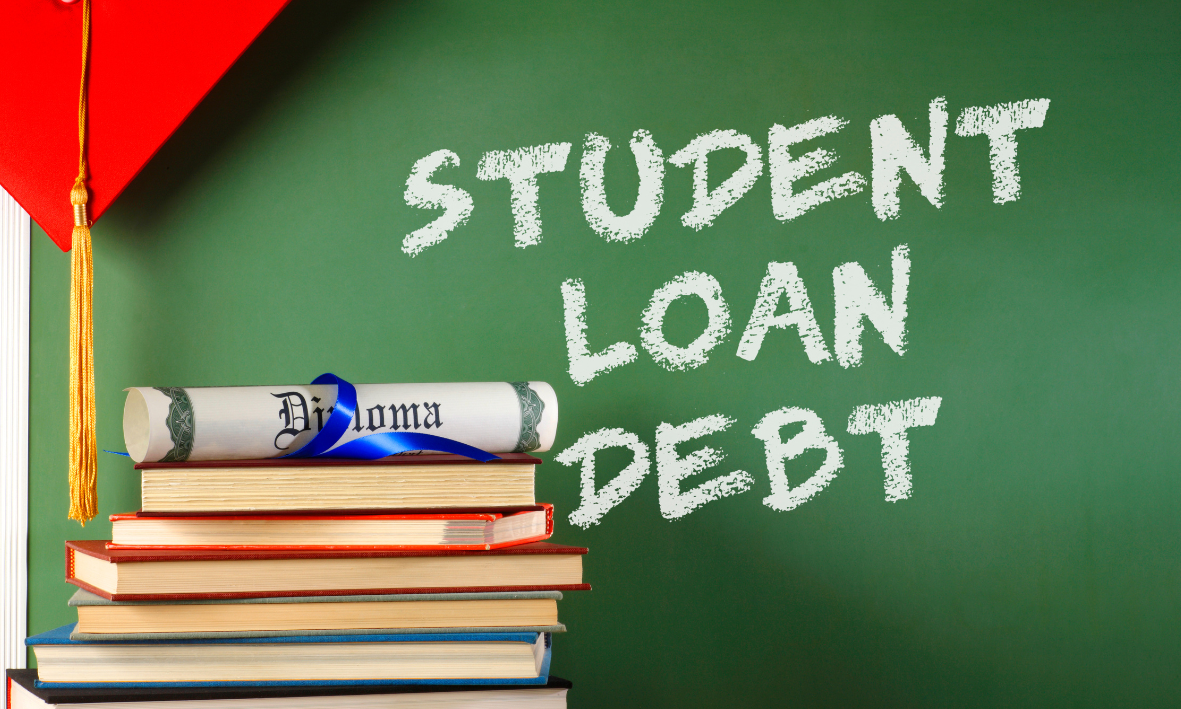
Statement by Lucia Matomane, UDESMO Eastern Cape Provincial Chairperson The United Democratic Students’ Movement (UDESMO) in the Eastern Cape is deeply troubled about the Department of Trade, Industry and Competition’s, proposed amendment to the National Credit Act (NCA), which seeks to include educational institutions as data sources for credit reporting. We strongly oppose this amendment and its potential consequences for South African students and graduates. South Africa is already facing an unprecedented unemployment crisis, with graduates forming a significant part of the jobless population. Many young people, despite having completed their studies, remain unemployed and unable to service their crippling student debt. Instead of addressing the structural challenges that hinder youth employment, this amendment risks trapping graduates in a cycle of debt and financial exclusion. There is also a very real risk that negative credit records arising from unpaid student debt could prevent graduates from employment opportunities, particularly in the financial sector and other industries where a clean credit record is required. This policy could worsen youth unemployment and deny poor and previously disadvantaged graduates, access to already limited economic opportunities. Education must serve as a pathway to empowerment and upliftment. Instead, these proposed credit measures will deepen inequality and effectively oppress the financially vulnerable and economically marginalised youth, closing the door to economic participation and social mobility. The NCA is threatening to kill the future of our generation. Young people who wish to start businesses risk being blacklisted at the very beginning of their journeys, with their futures destroyed before they even have the chance to build them. As UDESMO Eastern Cape, we stand firm in advocating for fair and transparent credit practices, greater financial education, and meaningful support for vulnerable students. We call on policymakers to take into account the unique challenges students face and to work towards creating a more inclusive, just, and supportive financial environment that empowers rather than cripples young South Africans. The UDESMO Eastern Cape therefore calls for the withdrawal of this amendment and for the Department of Trade, Industry and Competition to engage with stakeholders on solutions that address the root causes of graduate debt and unemployment, such as debt relief measures and sustainable pathways to employment. South Africa’s future cannot be built on the financial exclusion of its youth.

Admin
26 Apr, 2025
UDESMO welcomes Jafta Commission at WSU but calls for broader student issues to be addressed
Statement by Manyano Njikela, UDESMO Branch Chairperson at Walter Sisulu University The United Democratic Students’ Movement (UDESMO) in the Eastern Cape notes and welcomes the appointment of retired Justice Chris Jafta to lead the Commission of Inquiry into the serious events that have recently taken place at the Walter Sisulu University (WSU) including the tragic shootings of students Sisonke Mbolekwa, Ntando Gqetywa, and Lizwa Ndzumo on 15 April 2025. We commend the University Council for invoking Section 7(2)(n) of the Institutional Statute of 2024, which allows the Council to establish a Commission of Inquiry into matters that pose significant risks to the institution. We trust the Commission will carry out its work independently and thoroughly. While we appreciate the urgent response by the University Council and welcome the scope of the Commission, especially its focus on issues of security, student safety, governance and allegations of violence, we are deeply concerned that the broader struggles of students are not being fully addressed. In particular, we call on the university and the Commission to investigate the root causes of student protests and unrest, including the painful issue of students from poor families being deregistered due to financial exclusion. This is a national crisis that continues to deny young South Africans their right to education and a better future. The UDESMO in the Eastern Cape therefore believes that the Jafta Commission must go beyond the incidents of violence and look at the full picture of student experiences at WSU, including academic exclusion, poor living conditions, lack of psychosocial support and the WSU’s response to student grievances. We hope the Jafta Commission will be a turning point, not just for accountability, but for lasting change that puts students first and ensures our institutions of higher learning are safe, inclusive and fair.
Admin
18 Sep, 2019
University of Zululand : Vulnerability of Students
The United Democratic Movement notes with concern the vulnerability of students who resides in private accommodations that are not part of the university’s residences and it supports the initiative of students for embarking on a protest demonstration. The students opt to lodge or stay at private accommodation because the university is failing to provide with them adequate accommodation in its residences. They do not have a choice but for them to be near the campus, they have to look for accommodation where ever they can find refuge. In most cases, this scenario compromises their safety. What is more disturbing, these attacks to students by thugs have been going on for decades now, yet, the University has failed to come up with a lasting solution. Other than being attacked, students are being robbed of their belongings while attending lectures at day broad light. The UDM is of the view that the University must come closer to the owners of these properties which are being used by the students and form partnership with them which will among other things ensure that students are always in a safe environment. The University must take full responsibility of the safety of the students irrespective whether they stay inside or outside campus. One of the options that the university may be required to do, is to assess and check whether these properties are fit for habitation of the students. The Management of the University of Zululand cannot abdicate from its obligation of taking care of the welfare of the students. The UDM calls on Vice Chancellor Mrs Xoliswa Mtose to attend to this matter promptly. Parents are sending their children to school for a better future, only to return home heartbroken or dead. Issued By: Mr Bongani Msomi UDM Secretary General

Admin
26 Oct, 2017
#FeesMustFall: Students up in arms yet again, when will Government learn?
The United Democratic Movement (UDM) is concerned by the #FeesMustFall protests that have, yet again, forced several institutions of higher learning to grind to a halt, and interrupted exams. The UDM expresses sympathy with our students’ plight and we believe their grievances are real, and their demands, valid. What boggles the mind is that, Government and university managements do not learn from experience. These protests have dragged on for far too long; their poor handling of students’ grievances has already compromised more than two years of academic activities. The UDM supports their call for free education, but we are concerned about the loss of academic time and learning opportunities. The cause of this unhappiness remains the African National Congress’ election promises of free education, which it reneged upon. President Zuma has failed to address the problem in the past. He continues to undermine the people, by fighting his own political battles at the expense of a public waiting for service delivery. The UDM is also doubtful that the new Higher Education Minister, Hlengiwe Mkhize, will be able to handle the current crisis. Only time will tell. As in the past, these protests seem to be hijacked by criminal elements. The UDM condemns any damage to public and private property and call on students to not get carried away in the heat of the moment, or be influenced by opportunists who want to exploit the situation. We urge you to take ownership of your cause in a peaceful and responsible manner. The UDM believes education is a stepping stone for democracy. An educated and healthy citizenry is needed to grow and develop our economy so that we are capacitated to eradicate poverty and inequality, and to generate employment. We therefore call on Government and all stakeholders, to swiftly find sustainable ways to solve the education crisis; for if this does not happen, these protests will remain a yearly occurrence. Statement by: Mr Bongani Msomi UDM Secretary General
Admin
21 Oct, 2015
Police attack against students
Statement issued by UDM President, Bantu Holomisa The brutal attack by police directed against the peacefully protesting students of the Nelson Mandela Municipality University and other Universities in the country, resembles the apartheid government’s response during the mid-1970s to the mid-1980 student uprising against Bantu Education. If one poor student loses his or her life as a result of the police actions, will not be surprised, Marikana has taught us, that even under democracy, a brutal police force is used to suppress the views of citizen. As South Africans, we must join hands and reject the suppression of the Constitution Right of the students, our children, brothers and sisters. We must show the ruling party we will not allow this country to go back to the apartheid days. The current financial crisis confronting tertiary institution and education in general, demands that government, go back to basic and reprioritise. First, the elite projects intended to benefit the ruling elite must be stopped, and redirect those funds towards Education and other important priorities like Health. Whilst these young poor souls are denied quality and affordable education, the pockets of the few ruling party and its elite are lined to benefit from the public purse through elite projects. The kids are still suffering racism, lack of institutional transformation, financial exclusion and now police brutality. How much more should they endure in the hands of a democratic government. This must come to an end.
Admin
28 Oct, 1997
Student turmoil at Parliament
Statement by Roelf Meyer The incident where students voiced their grievances from the parliamentary gallery, displayed a crudeness and an unacceptable lack of discipline that the UDM repudiates in the strongest terms. This is exactly the kind of counter-productive and repellent behaviour which actually does a disservice to the cause of the perpetrators. What is true, though, is that Government should heed the cultural needs and problems of communities in South Africa. This incident was about the perceived nonchalance from Government to enforce the constitutional rights in this case of the Afrikaans language. Government should do well to listen to the voices of all cultural communities and to see to it that their rights are scrupulously guarded. The notion by any cultural community of expressing themselves in political terms, however, is unfortunate and one that does not bode well in a multi-cultural country. Cultural expression is a group activity, but any attempt to form a political grouping around cultural unity, is an alienating process which does not serve the cause of the cultural group or the interest of the country.