Admin

20 Oct, 2025
Exposing the water-tanker mafia: UDM urges SCOPA to act on corruption and sabotage in municipal supply
Mr Songezo Zibi, MP Chairperson of the Standing Committee on Public Accounts PO Box 15 Cape Town 8000 Dear Chairperson and Members of SCOPA Exposing the water-tanker mafia: UDM urges SCOPA to act on corruption and sabotage in municipal supply 1. The United Democratic Movement (UDM) wishes to bring to the Standing Committee on Public Accounts’ (SCOPA) urgent attention the alarming escalation of spending on water-tanker services by municipalities across South Africa, and the growing evidence of systemic abuse, corruption, and sabotage of water infrastructure associated with these contracts. 2. Recent investigative reports reveal that the City of Tshwane spent R777 million on water-tanker services in the 2024/25 financial year, an astronomical figure that far exceeds the reasonable cost of emergency water provision. This follows earlier findings that Tshwane alone paid more than R116 million in 2023/24 for tanker operations in areas repeatedly affected by burst pipes and alleged deliberate vandalism. 3. These numbers are not merely accounting anomalies; they speak to a wider pattern of dysfunction and profiteering. Treasury has already warned municipalities that water tankering must remain a temporary emergency measure, yet it has become a long-term business model feeding a network of contractors who thrive on public desperation. 4. The South African Human Rights Commission has gone so far as to suggest that deliberate interference with water infrastructure for profit could amount to terrorism against essential services. Lack of oversight, weak internal controls, or corruption in tendering and contracting tanker services, meaning funds may not be used optimally, or contracts may be awarded to unqualified providers. 5. The abuse of tanker procurement undermines every principle of clean administration and human dignity. It drains municipal budgets, discourages maintenance of pipelines, and forces poor communities to depend on unreliable and unsafe water sources. Every rand spent on this corruption-ridden system is a rand diverted from lasting solutions such as reservoirs, reticulation upgrades, and proper maintenance. 6. In view of these disturbing trends, I respectfully request that SCOPA: 6.1. Launch a national investigation into municipal expenditure on water-tanker services for the past five years, beginning with the City of Tshwane as a case study. 6.2. Summon the National Treasury, Department of Water and Sanitation, and the Auditor-General to account for the monitoring and control of tanker-related procurement. 6.3. Direct the Special Investigating Unit and Hawks to examine allegations of sabotage of water infrastructure and possible collusion between municipal officials and private contractors. 6.4. Recommend policy reform to ensure that water-tanker services are used only for emergency relief and are strictly time-bound, audited, and publicly reported. 6.5. Ensure transparency to communities by compelling municipalities to publish all tanker contracts, expenditure, and service records on accessible platforms. 7. South Africa’s water crisis is deepening, not only because of scarcity but because corruption has been allowed to pollute the very systems meant to deliver relief. The people deserve answers and decisive action. It is time for Parliament to intervene before water delivery becomes the next national scandal. Yours sincerely Ms Thandi Nontenja, MP United Democratic Movement Member of SCOPA
Admin
01 Oct, 2025
The R26 billion question: where is the uMkhomazi water?
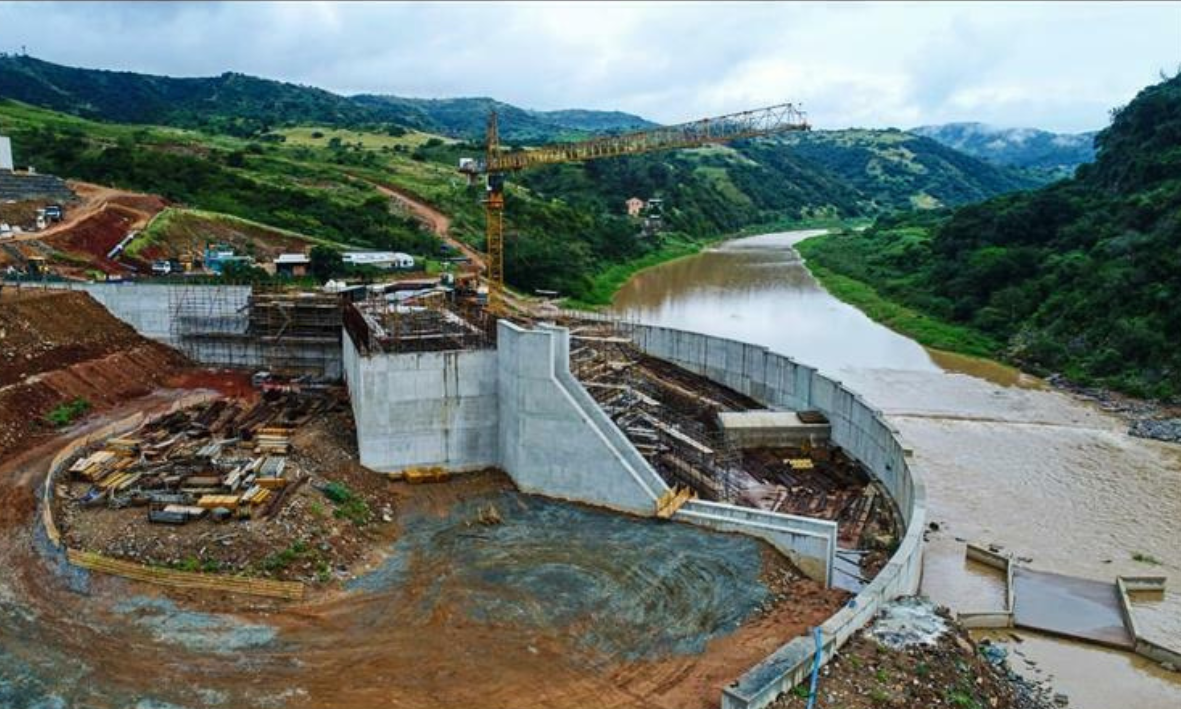
Statement by Thandi Nontenja, MP, UDM Member of the Standing Committee on Public Accounts LISTEN: Ms Nontenja on the subject of the uMkhomazi projects The United Democratic Movement (UDM) is gravely concerned about the continuing delays and disputes in the Upper and Lower uMkhomazi Water Projects, which have left communities without water despite billions of rands being committed. The Upper and Lower uMkhomazi Water Projects were meant to secure supply for both inland and coastal communities. The Upper scheme, centred on the Smithfield Dam and transfer tunnel, was designed to boost the uMngeni system and bring long-awaited relief to Durban and surrounding areas. The Lower scheme, with its storage dam and treatment works, was intended to serve southern eThekwini and the Ugu District, benefiting an estimated 50,000 households in towns like Amanzimtoti, Umkomaas, Scottburgh and Hibberdene. The Upper uMkhomazi scheme was originally projected to be completed in 2018. Instead, it has been dogged by funding shortfalls, procurement disputes and legal wrangles. Its completion date has now been pushed to 2032. This means that communities such as Tafelkop, west of Durban, have lived with dry taps for over 15 years and will wait another generation for what their constitutional right is. The UDM is disturbed that public money continues to flow, but public benefit does not. Government admitted as far back as 2015 that affordability concerns had stalled the project. In 2025, a R7 billion tender for the Lower uMkhomazi scheme was interdicted in court over disputes about the adjudication process. These are not small technical glitches — they are signs of systemic weaknesses in financial governance and procurement. The promises made to resuscitate and fast-track the project, including those by Senzo Mchunu during his tenure as Minister of Water and Sanitation, have not been honoured. Now the urgent question is what the incumbent Minister, Pemmy Majodina, and Deputy President Paul Mashatile, who oversees infrastructure coordination in the Government of National Unity, are doing to prevent billions more from being wasted while people still fetch water from streams. It is unacceptable that a R26 billion investment can be committed to schemes that deliver ribbon cuttings, contracts and disputes, but not water. The UDM therefore demands: 1. A full Standing Committee on Public Accounts (SCOPA) inquiry into the expenditure on the uMkhomazi projects to date, with disclosure of every contract and payment. The UDM will formally write to SCOPA to request that such an inquiry be initiated as a matter of urgency. 2. A halt to further waste until there is assurance that the money is translating into water for households. 3. Quarterly reporting to the Portfolio Committee on Water and Sanitation on progress, costs and delays. 4. Accountability from both current leaders and former ministers who presided over these failures, including appearances before Parliament and referrals to law enforcement where misconduct is proven. 5. Transparency and expedited resolution of procurement disputes that have landed in court, so that communities are not held hostage to years of litigation, with interim measures put in place to ensure access to water in the meantime. The UDM is serious about infrastructure development as the backbone of service delivery and economic growth. We have long argued for investment in dams and water storage schemes to secure supply for households, agriculture and industry. Projects like the uMkhomazi Water Scheme are urgently needed and should be welcomed, but they must be delivered on time, on budget and free of corruption. South Africans cannot drink blueprints and promises - they need functioning infrastructure that works Water is life, and public money is sacred. It is SCOPA’s duty to ensure that every rand spent on infrastructure, including water, translates into services that work, not empty promises and endless delays.

Admin
30 Sep, 2025
The R2 billion warning: reform procurement or repeat Tembisa everywhere
Statement by Thandi Nontenja, MP, UDM Member of the Standing Committee on Public Accounts The United Democratic Movement (UDM) has note with alarm the interim report of the Special Investigating Unit (SIU) into the looting of Tembisa Hospital. The SIU has confirmed what many South Africans feared: more than R2 billion was siphoned away through coordinated syndicates that exploited procurement loopholes. The report reveals that 2 207 procurement bundles, 4 501 purchase orders and 207 service providers are under scrutiny. Three criminal networks alone are linked to nearly R1.7 billion. At least 15 officials have been implicated, while R122 million in corrupt payments have been traced to insiders. Services were invoiced and paid for but never delivered. Even losing bidders were paid. The sophistication of these schemes, including fake supply chain documents, front companies and manipulation of three quote rules, proves that this was not opportunism but organised criminality within the state. The assassination of whistle-blower Babita Deokaran is a tragic reminder of how dangerous it has become to expose corruption in our country. Her murder was not in vain; the SIU findings vindicate her warnings. But South Africans cannot be expected to rely on martyrs to defend public money. The UDM is clear: Tembisa is not an outlier. It is a mirror of how corruption has hollowed out our state. The same patterns can be seen in housing projects, water schemes, municipal contracts, state owned enterprises and schools. This case must be treated as a wakeup call for comprehensive reform across all sectors, not only in health. We therefore call for: 1. Swift prosecution of all implicated individuals with clear timelines for referrals from the SIU to the National Prosecuting Authority (NPA), and public updates on progress in the courts. 2. End to end digital procurement across government with full transparency and audit trails. 3. Whistle-blower protection as a matter of urgency, with the state ensuring that the next Babita is not left vulnerable. 4. A specialised anti-corruption task team combining the SIU, NPA, Auditor General and SAPS commercial crimes units, with quarterly public reporting. 5. Swift recovery of assets so that mansions, cars and bank accounts bought with stolen funds are seized and redirected to service delivery. 6. Political accountability so that senior officials and politicians who presided over these failures must answer, not hide behind process. South Africa cannot afford another decade of commissions and reports gathering dust while syndicates loot unchecked. Every stolen rand is a bed without linen, a clinic without medicine and a community without water. The Tembisa heist is not only about one hospital. It is the clearest example yet of a state where corruption has become a parallel system of government. Unless procurement is reformed from top to bottom, we will see Tembisa repeated in every department and municipality. The UDM stands ready to fight for reforms that restore dignity to our public finances, protect whistle-blowers, and return stolen resources to the people they were meant to serve.