
Admin

16 Oct, 2025
No town left behind: UDM backs call to re-industrialise rural and small communities
Statement by Yongama Zigebe, Councillor in the City of Johannesburg for the United Democratic Movement and Chairperson of the S79 Committee on Gender, Youth and People with Disabilities The United Democratic Movement (UDM) welcomes the release of the report titled “The Impact of De-Industrialisation on Small Towns: Case Studies of Lichtenburg and Komati,” presented yesterday at the Heidelberg Symposium. This ground-breaking report, produced by Frontline Africa Advisory in partnership with the Industrial Development Think Tank (IDTT) and the Department of Trade, Industry and Competition (the dtic), provides a sobering analysis of how the collapse of industrial capacity in small towns has deepened unemployment, weakened municipal sustainability, and eroded the social fabric of local communities. For the UDM, this report reinforces our long-held conviction that South Africa’s economic revival depends on a deliberate, targeted, and inclusive strategy to re-industrialise small towns and rural areas. It affirms what the UDM has consistently championed: that a vibrant and resilient economy cannot be built on the prosperity of metropolitan centres alone; it must draw its strength from productive, self-sustaining communities across all regions of our country. The UDM was represented at the Heidelberg Symposium by Cllr Yongama Zigebe, who also serves as the Chairperson of the Section 79 Oversight Committee on Gender, Youth and People with Disabilities in the City of Johannesburg. Cllr Zigebe’s participation signified the Movement’s commitment to engaging in evidence-based policy dialogue and to advancing a developmental agenda that restores dignity and opportunity to South Africa’s forgotten towns. The UDM commends the report’s emphasis on place-based industrial renewal, the District Development Model (DDM), and the rebuilding of the industrial commons, which include roads, water systems, energy reliability, and local governance institutions that enable production and investment. These interventions speak directly to the UDM’s policy position that economic transformation must be locally grounded, transparent, and inclusive, ensuring that every South African community becomes a site of growth and productivity rather than decline. We also welcome the report’s gendered and youth-centred analysis, which recognises that women, young people, and persons with disabilities are disproportionately affected by economic collapse. The UDM reiterates that re-industrialisation must be socially just, integrating empowerment and equality into every policy and programme aimed at rebuilding our small towns. The UDM, calls on government to translate these findings into urgent action by aligning industrial policy, infrastructure investment, and skills development through the DDM and in partnership with local communities. Revitalising production, diversifying anchor industries, and professionalising municipal governance are critical to restoring South Africa’s economic dignity. In welcoming this report, the UDM renews its call for a new social compact for re-industrialisation that is collaborative, transparent, and responsive to the lived realities of our people. Small towns are not relics of the past; they are the frontiers of South Africa’s economic future.
Admin
03 Apr, 2025
UDM in Gauteng welcomes Africa’s largest automotive assembly precinct in Rosslyn
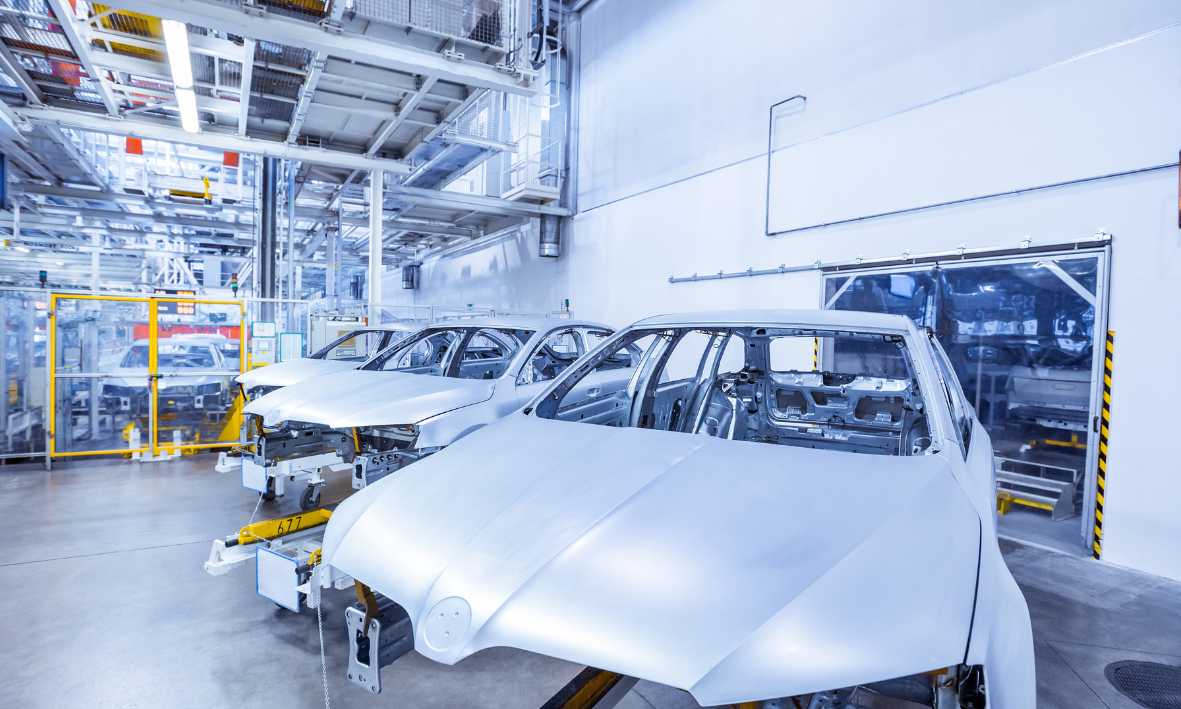
Statement by Andile Jabavu, Provincial Secretary of the United Democratic Movement in Gauteng The United Democratic Movement (UDM) in Gauteng welcomes the announcement of what is being called Africa’s largest automotive assembly precinct to be developed in Rosslyn in the City of Tshwane. This multi-billion-rand project is apparently expected to create 150,000 jobs, bringing much-needed employment opportunities to our people in the capital city. For years, the UDM has been advocating for job creation as a key pillar of economic development. This project is a step in the right direction, demonstrating the impact of strategic investments in industry and infrastructure. The Rosslyn precinct, in the City of Tshwane, already hosts major automotive manufacturers including BMW, Nissan, Tata and Iveco, this expansion will further cement Gauteng and South Africa’s position as a leader in automotive production on the continent. The 7,157-hectare precinct will be developed over 40 to 50 years, requiring collaboration between the public and private sectors. This initiative, spearheaded by the Automotive Industry Development Centre in partnership with the City of Tshwane and the Gauteng Provincial Government, which will hopefully attract both local and foreign investment to boost economic growth and industrial development. The aforementioned all being economic strategies which the UDM has long been advocating for. The UDM acknowledges unemployment as a major challenge in South Africa. Despite Tshwane contributing 25% to Gauteng’s R133 billion economy, high unemployment persists. We welcome initiatives that drive job creation and economic growth.. We also encourage all stakeholders, including local communities, businesses and labour representatives, to actively participate in the public consultation process to ensure that this project benefits all South Africans equitably. The UDM will continue to push for policies and projects that create sustainable employment and uplift our economy. We stand in full support of initiatives like the Rosslyn Automotive Industrial Park, which provide opportunities for growth and a better future for our people.