
Admin

17 Jul, 2026
UDM mourns the loss of two SANDF members and condemns the scourge of illegal mining
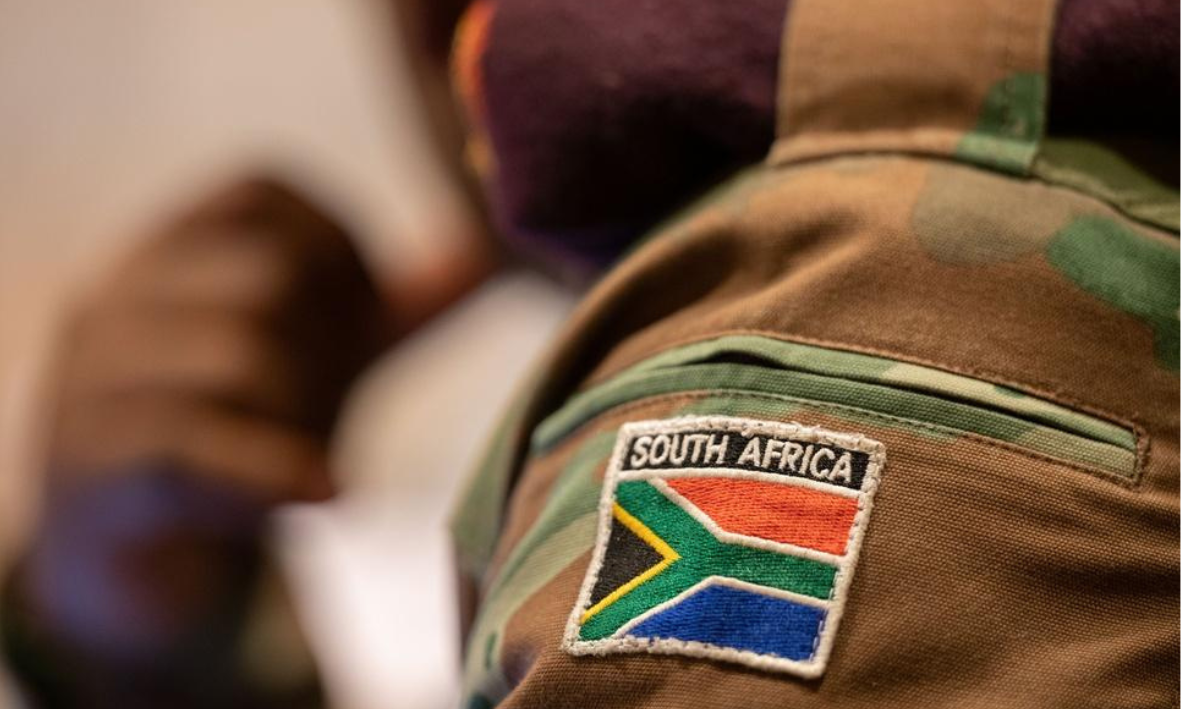
Statement by President of the United Democratic Movement, Deputy Minister Bantu Holomisa, MP The United Democratic Movement and our President, Major General (Ret) Bantu Holomisa, extend our heartfelt condolences to the families, loved ones and colleagues of the two South African National Defence Force (SANDF) members who tragically lost their lives after falling into an abandoned mineshaft during an operation against illegal mining. We also convey our deepest sympathies to the Chief of the SANDF, the broader defence community and all those mourning this devastating loss. The deaths of these two soldiers are a painful reminder of the dangers faced by the men and women entrusted with serving and protecting the Republic. Their dedication and sacrifice in the service of South Africa will not be forgotten. This tragedy also draws renewed attention to the serious dangers associated with illegal mining and the continued existence of unsecured and abandoned mine shafts across the country. Illegal mining is not a victimless crime. It endangers surrounding communities, undermines the rule of law, damages the environment and enables organised criminal networks. It also exposes members of the SANDF, the South African Police Service and other security personnel to extremely hazardous conditions. The UDM strongly condemns illegal mining and the criminal syndicates that organise, finance and profit from it. These networks must be identified, investigated and dismantled through coordinated and sustained law enforcement action. The UDM calls for a comprehensive investigation into the circumstances surrounding this tragic incident and urges all relevant authorities to accelerate efforts to identify, secure and rehabilitate abandoned mineshafts to prevent further loss of life among security personnel and civilians alike. Greater cooperation is required between mining companies and the departments responsible for mineral resources, defence, policing, local government and environmental management. Mining companies must also be held accountable for properly securing and rehabilitating disused mining infrastructure. South Africa cannot allow abandoned mineshafts to remain accessible to criminal enterprises while posing a continuing danger to communities and those entrusted with enforcing the law. The UDM honours the memory of the two fallen soldiers and extends its support and deepest sympathies to their families, the SANDF and the entire defence community during this time of grief. May their courage, dedication and sacrifice continue to inspire all South Africans. May their souls rest in eternal peace.

Admin
13 Feb, 2026
SONA2026: vision has been declared. Delivery will decide
Statement by Nqabayomzi Kwankwa, MP, UDM Deputy President and Leader in Parliament The 2026 State of the Nation Address was characteristically vision driven, aspirational and wide ranging. President Cyril Ramaphosa once again laid out an ambitious reform agenda across the economy, crime prevention, local government, infrastructure, agriculture, public service reform and social protection. The difficulty, however, has never been the quality of the vision. The difficulty has consistently been implementation. South Africa has heard many turning point speeches over the past decade. Each one has identified the correct problems. Each one has proposed the appropriate frameworks. Yet departments have repeatedly failed in execution, coordination and accountability. That is the central concern the United Democratic Movement (UDM) raises in response to this address. On the economy, President Ramaphosa points to improved macroeconomic indicators, investment commitments and infrastructure allocations. These are welcome developments. However, macro stability does not automatically translate into employment at scale. The UDM will be watching closely whether infrastructure projects move beyond announcement phases and whether small and medium enterprises actually experience reduced red tape and improved access to markets and finance. The same applies to energy reform and logistics recovery. Structural reform is necessary, but tariff stability, grid expansion and port efficiency must now be visible in declining costs and increased competitiveness. South Africans cannot live on reform processes. They must feel outcomes. The President’s firm stance against organised crime is appropriate. Organised syndicates, illicit trade, illegal mining and gang violence are undermining the state and terrorising communities. The deployment of the South African National Defence Force to support the police is a serious step and reflects the gravity of the situation. However, such deployments must be carefully managed and time bound. UDM President General Bantu Holomisa, MP has however cautioned that when the South African National Defence Force (SANDF) is deployed internally, public cooperation is essential. Communities must cooperate fully and ensure that firearms are not drawn against soldiers. Escalation will only result in tragedy. At the same time, deployment must not become a substitute for fixing weaknesses within South African Police Services (SAPS) and the criminal justice system. Long term safety depends on professional policing, intelligence coordination and successful prosecutions. On the water crisis and local government reform, the President Ramaphosa has correctly identified systemic failure, poor planning and patronage as root causes. The establishment of a National Water Crisis Committee and the threat of personal liability for municipal managers signal seriousness. But here too, the UDM’s concern is implementation. We have seen interventions before. The question is whether dysfunctional municipalities will actually be stabilised, whether revenue will be ring fenced for infrastructure maintenance and whether political interference in appointments will truly end. The response to foot and mouth disease and the commitment to vaccinate the national herd is necessary. Yet this outbreak again highlights a pattern of reactive governance rather than anticipatory planning. Biosecurity must become a permanent strategic priority, not an emergency response after damage has been done. Smaller and communal farmers must not be left exposed while policy is refined. On youth employment and skills reform, the structural overhaul of the training system is overdue. However, public employment programmes must evolve into real economic pathways. Too many young people cycle through short term opportunities without progression into permanent work. The continuation and redesign of the Social Relief of Distress grant is understandable in the current economic climate. But redesign must be credible, administratively stable and clearly linked to economic participation. Dependency without opportunity cannot be the long-term model. President Ramaphosa speaks of professionalising the public service and insulating appointments from political interference. The UDM strongly supports this. Yet the country will judge reform by whether unqualified individuals are removed from critical posts and whether disciplinary processes are finalised swiftly. Announcing professionalisation is not the same as enforcing it. In many respects, the 2026 State of the Nation Address identifies the right priorities. The risk lies in whether line departments possess the capacity, discipline and coordination to deliver at the speed required. Vision without execution deepens public frustration. The UDM therefore approaches this address with cautious scrutiny. We will support reforms that strengthen the state, protect communities and grow the economy. But we will equally insist on measurable timelines, transparent reporting and consequence management where departments fail. In many respects, the 2026 State of the Nation Address identifies the correct priorities. The risk lies in whether line departments possess the capacity, discipline and coordination to deliver at the speed required. Vision without execution deepens public frustration. The UDM therefore approaches this address with cautious scrutiny. We will support reforms that strengthen the state, protect communities and grow the economy. But we will equally insist on measurable timelines, transparent reporting and consequence management where departments fail. The true test of this vision will begin in the upcoming Budget Votes and departmental budget speeches. It is there that priorities must be matched with credible allocations, implementation frameworks and performance targets. It is there that we will see whether this is a speech of intention or a programme of action. South Africans are not asking for inspiration alone. They are asking for implementation. 2026 must not become another year of plans layered upon plans. It must become the year where delivery finally catches up with vision.