
Admin

10 Mar, 2026
Eastern Cape UDM demands transparency and accountability as IEC probes Buffalo City mayor allegations
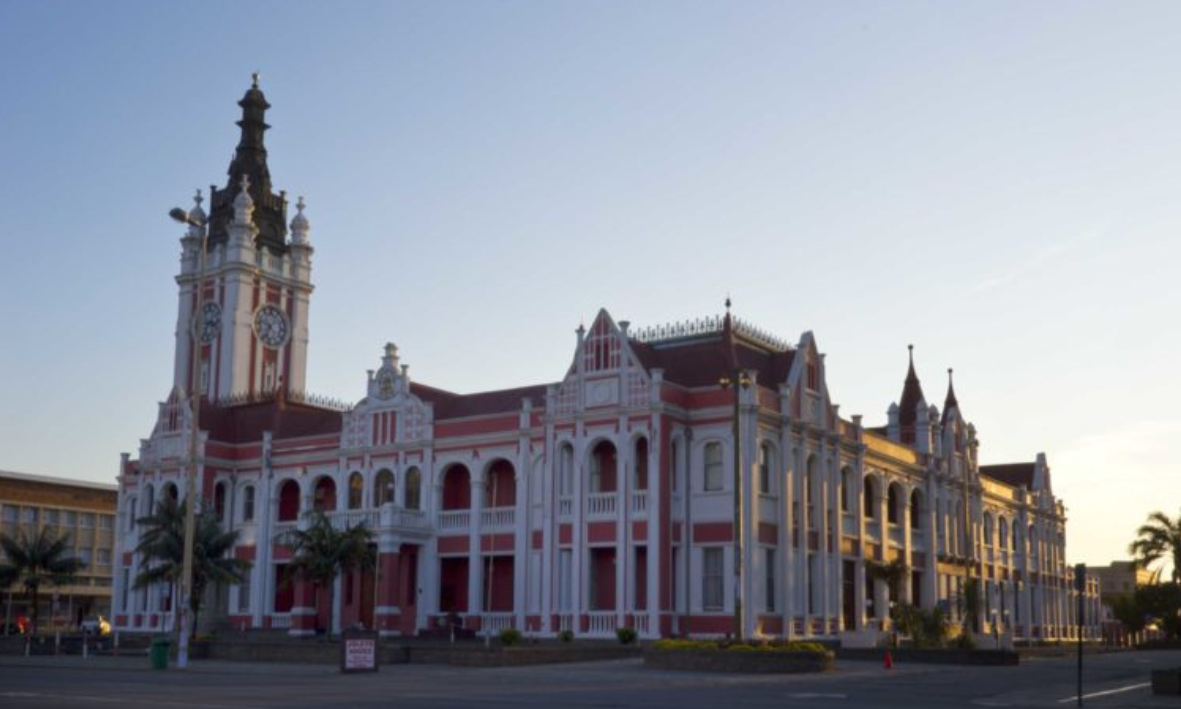
Statement by Bulelani Bobotyane, Provincial Secretary of the UDM in the Eastern Cape The United Democratic Movement (UDM) in the Eastern Cape has taken note of media reports indicating that the Executive Mayor of Buffalo City Metropolitan Municipality, Princess Faku, is allegedly the subject of a matter currently under consideration by the Independent Electoral Commission (IEC) relating to allegations of misrepresentation and the potential misuse of municipal resources for electoral purposes. The UDM in the Eastern Cape believes that the integrity of South Africa’s democratic and electoral systems must remain beyond reproach. Allegations suggesting the possible use of public resources, municipal programmes, or state platforms to advance partisan political interests are matters that require careful and transparent scrutiny. At the same time, the UDM in the Eastern Cape wishes to emphasise that South Africa’s constitutional framework is founded on the principle that every person is presumed innocent until proven otherwise. It is therefore important that the IEC be allowed to conduct its processes independently, fairly, and without interference so that the facts of the matter may be properly established and the public properly informed. This process must also serve as an opportunity to address persistent concerns about governance and the use of public resources within Buffalo City Metropolitan Municipality and, where wrongdoing is found, to ensure that accountability is finally enforced. Public institutions and municipal resources exist to serve communities impartially and in accordance with the law. Any situation that creates the perception that public resources may be used for electoral advantage risks undermining public confidence in governance and in the fairness of democratic competition. These allegations also reinforce longstanding concerns about governance and the use of public resources within Buffalo City Metropolitan Municipality, concerns that communities and opposition parties have raised repeatedly over time. In such circumstances it is particularly important that public representatives demonstrate the highest standards of ethical leadership, transparency, and accountability. The UDM in the Eastern Cape will continue to monitor this matter closely and supports all lawful and appropriate oversight processes to ensure that accountability is upheld and that the integrity of South Africa’s electoral framework is protected. The people of Buffalo City deserve governance that is transparent, responsible, and firmly grounded in the rule of law.
Admin
26 Feb, 2026
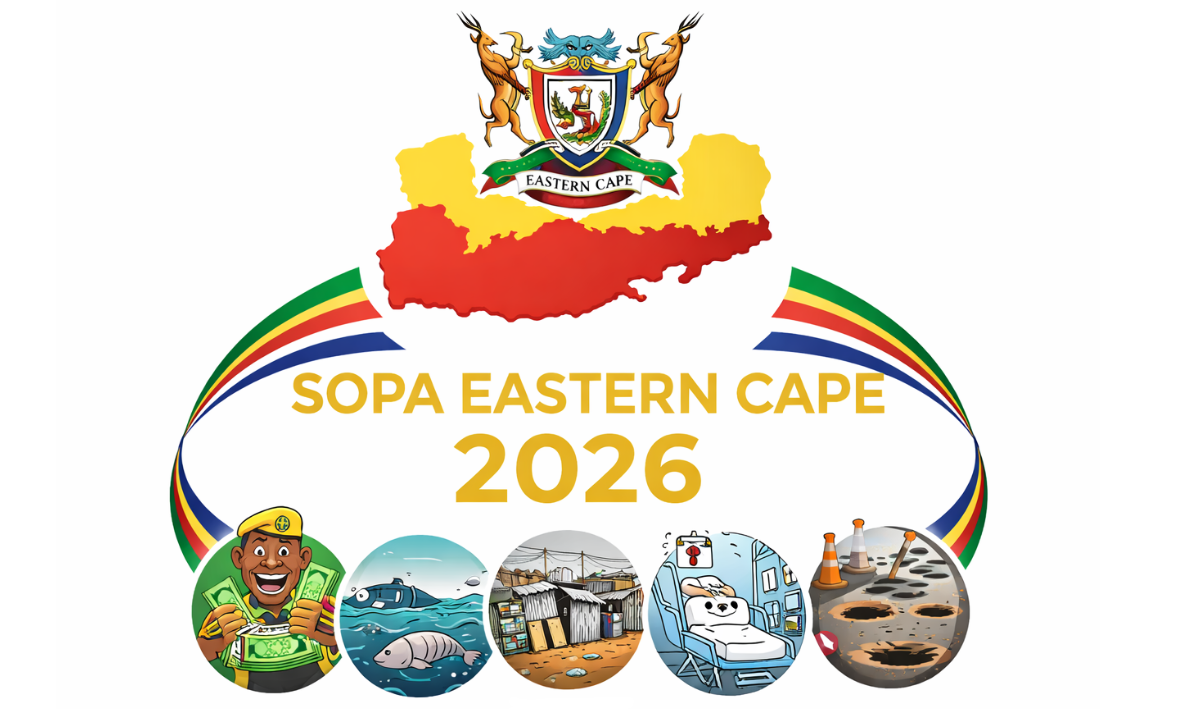
Eastern Cape SOPA2026: Mabuyane’s leadership on trial after year 7
Statement by Bulelani Bobotyane, Provincial Secretary of the UDM in the Eastern Cape The United Democratic Movement (UDM) in the Eastern Cape notes that on 27 February 2026, Premier Oscar Mabuyane will address the province in his seventh year at the helm. Across towns and villages, one hears a recurring sentiment: there was a period in this region’s history when executive authority translated into visible administrative discipline, when decisions were implemented with consistency and consequence management was not optional. That period existed within a different constitutional dispensation and must be understood in its proper historical context. It was not beyond criticism. In this province, what endures in public memory is not nostalgia for past structures, but the perception that governance was firm, coherent and enforceable. After nearly seven years in office, the current African National Congress (ANC) administration cannot dismiss that comparison. It must answer it. Seven years into the Mabuyane administration, the issue is no longer vision. The province has had vision documents, master plans, stimulus funds, growth frontiers and 2030 targets. The issue is executive control and institutional discipline. When the same sectors are re-announced year after year, when projected multipliers are pushed further into the future, and when governance reform deadlines quietly fade from the public record, the pattern reveals not a shortage of ideas, but a shortage of consolidation. After 32 years of uninterrupted ANC governance in this province, fragmentation cannot be blamed on transition or inheritance. It reflects a governing culture that accumulates initiatives faster than it stabilises systems. The Eastern Cape does not lack policy. It lacks conversion. It does not lack plans. It lacks enforcement. Seven years is sufficient time to entrench systems, discipline departments and impose consequence management. When plans multiply but structural indicators remain stubborn, it signals not complexity, but weak executive control. The ANC governs this province, with Premier Mabuyane at its helm. They cannot continue to govern through perpetual projection and recycled ambition. If the plans are sound on paper yet outcomes remain inconsistent, the question is no longer about design. It is about leadership. As the province approaches the 2026 Local Government Elections, SOPA 2026 must do more than defend a record. It must demonstrate that governance is stabilising where citizens experience the state most directly: in municipalities. Voters will not judge performance by presentation in the Chamber, but by functioning taps, maintained roads, disciplined finances and reliable services. In this election cycle, credibility will be earned on the ground. Accountability and delivery The UDM in the Eastern Cape will demand that SOPA2026 move beyond ambition and provide clear evidence of delivery. The people of the Eastern Cape have heard commitments on roads, water infrastructure, housing, health facilities and economic expansion before. This year’s address must account for what has been completed, what remains delayed and what has stalled. The public deserves measurable progress, not repetition. Municipal governance Municipal instability must be confronted honestly. If municipalities required intervention in the past year, the province must report whether those interventions worked. Financial stability, revenue collection, professional administration and consequence management determine whether communities receive services and whether local government can be trusted. Water security Access targets extending toward 2030 cannot substitute for consistent supply today. Communities experience governance through functioning taps, maintained infrastructure and effective wastewater systems. If these remain unreliable, explanations are no longer sufficient. Infrastructure maintenance Development cannot be credible if roads, stormwater systems and municipal assets deteriorate while new projects are announced. Maintenance is not secondary to growth. It is foundational to it. Economic reform and employment Sustainable job creation depends on stable municipalities, reliable infrastructure, clean procurement systems and a predictable regulatory environment. Temporary public employment programmes may offer short-term relief, but they do not replace structural reform. The province must demonstrate that institutional foundations for long-term economic expansion are being strengthened year by year. The National Development Plan’s 2030 horizon does not excuse weak implementation in the present. Governance and accountability Ethics frameworks and oversight mechanisms must translate into visible consequences. Clean governance, professional administration and disciplined public finance management are essential if public trust is to be restored. In 2020, this administration undertook to implement lifestyle audit guidelines by 2022. That deadline has passed. The province has yet to see consistent, transparent reporting on the outcomes of those audits or the consequences that followed. Anti-corruption cannot be rhetorical. It must be enforceable. With the 2026 Local Government Elections fast approaching, this address will be measured not by tone, but by evidence. The people of this province are demanding functional municipalities, reliable services and accountable leadership. In 2026, the UDM in the Eastern Cape will present a credible alternative grounded in administrative discipline, clean governance and service delivery that is felt in every municipality we contest.

Admin
18 Oct, 2025
UDM KZN demands accountability as the province’s governance falters
Statement by Remington Mazibuko, Councillor in the Inkosi Mtubatuba Local Municipality and UDM KwaZulu-Natal Provincial Chairperson The United Democratic Movement (UDM) in KwaZulu-Natal notes with deep concern the Auditor-General’s findings that the provincial departments of Education, Health and Transport must be placed under enhanced monitoring due to material irregularities and systemic governance failures. These are not minor administrative lapses but warning lights that speak to a pattern of weak internal control, poor financial discipline and a culture of impunity that continues to rob KwaZulu-Natal’s citizens of quality public services. The UDM believes that this moment demands honesty and leadership, not political point-scoring. The Government of Provincial Unity must act decisively to restore integrity to provincial administration. The provincial executive must publish clear turnaround plans with measurable timelines, ensure that disciplinary processes are concluded without delay, and recover every cent of public money lost through negligence or corruption. The people of KwaZulu-Natal deserve schools that work, hospitals that heal and roads that are safe, not yet another round of empty promises. As a partner in the Government of National Unity, the UDM in KwaZulu-Natal will continue to advocate for transparency, consequence management and a professionalised public service. We will support the Auditor-General’s call for stricter oversight and insist that the Premier and all Members of the Executive Council account fully to the legislature and to the public. The UDM in KwaZulu-Natal warns against those who exploit legitimate frustration to promote separatism or populist division. South Africa’s unity and the stability of KwaZulu-Natal depend on responsible governance within a constitutional framework, not on reckless rhetoric that seeks to dismantle it. We urge all parties to prioritise service delivery, ethical leadership and the rebuilding of public confidence. The UDM in KwaZulu-Natal reiterates that the restoration of clean governance in KwaZulu-Natal depends on accountability, not slogans. Civil society, organised labour and business have already raised their concerns about the province’s direction, and those concerns must be met with facts, transparency and lawful action. KwaZulu-Natal cannot afford leadership paralysis or administrative drift. The public expects consequence and competence, not excuses.