Illegal alcohol bust in Gugulethu exposes wider Western Cape alcohol crisis
Statement by Ms Bulelwa Zondeka, Chairperson of the United Democratic Movement in the Western Cape
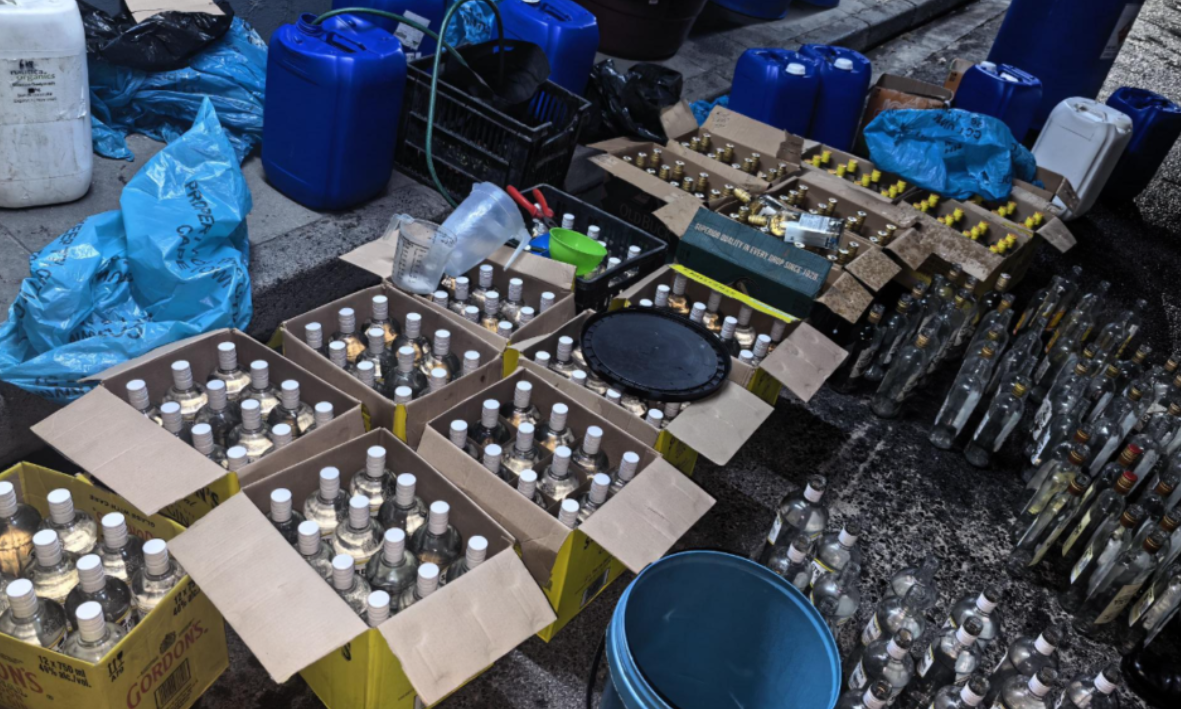
The United Democratic Movement (UDM) in the Western Cape notes the arrest of five suspects following the reported discovery of an illegal alcohol manufacturing operation in Gugulethu, where police allegedly found chemicals, bottles, labels, packaging material and equipment used in the production of illicit alcohol.
The UDM in the Western Cape welcomes this police action. Illegal and counterfeit alcohol is not a minor offence. It places lives at risk, avoids regulation, undermines lawful traders and feeds a wider alcohol economy that already causes serious damage in many Western Cape communities.
This matter must not be treated as an isolated Gugulethu incident. Reports of counterfeit and illicit alcohol operations in areas such as Eerste River and Paarl show that illegal alcohol production and distribution in the province is organised, profitable and dangerous. These operations do not only break the law. They put unsafe products into communities that are already struggling with alcohol-related harm.
The Western Cape has a long and painful relationship with alcohol misuse. The damage is visible in household poverty, domestic violence, road crashes, trauma units, foetal alcohol spectrum disorder, school dropouts, crime and the weakening of family life. In many communities, alcohol abuse is not only a personal problem. It is tied to unemployment, despair, overcrowding, violence, poor access to treatment and the absence of safe social spaces, especially for young people.
This is also a rural and farmworker issue. The old dop-system, where farmworkers were partly paid in alcohol, is illegal and may no longer exist in its crude historical form on most farms. However, the legacy of that system has not disappeared. Alcohol dependency, poverty, poor living conditions and the historic use of alcohol as a tool of control have left deep scars in many farming communities.
The UDM in the Western Cape therefore calls for a serious provincial response that deals with both enforcement and social conditions. The South African Police Service, the Western Cape Liquor Authority, the South African Revenue Service, municipalities and health authorities must work together to trace illegal supply chains, shut down counterfeit operations, act against corrupt facilitation and protect communities from unsafe alcohol.
At the same time, the Western Cape provincial government must confront the social roots of alcohol abuse. Poverty, unemployment, trauma, weak recreational facilities, poor access to rehabilitation services and the historic exploitation of farmworkers cannot be policed away. Communities need visible enforcement, but they also need treatment services, family support, youth programmes, safer public spaces and proper oversight of alcohol outlets.
The UDM in the Western Cape further calls for a focused investigation into alcohol harm in farming communities, including whether any form of the dop-system, informal alcohol inducement or alcohol-linked labour control still exists. Farmworkers must not be trapped in conditions where poverty, dependency and substance abuse are normalised.
The Gugulethu bust is a warning. The Western Cape cannot allow illegal alcohol factories, counterfeit alcohol networks, unregulated alcohol outlets and old patterns of exploitation to operate while communities carry the damage. Alcohol policy must protect people first, especially children, women, farmworkers and poor households who carry the heaviest burden.