Admin

09 Feb, 2026
From forecast to failure: South Africa’s disaster readiness crisis
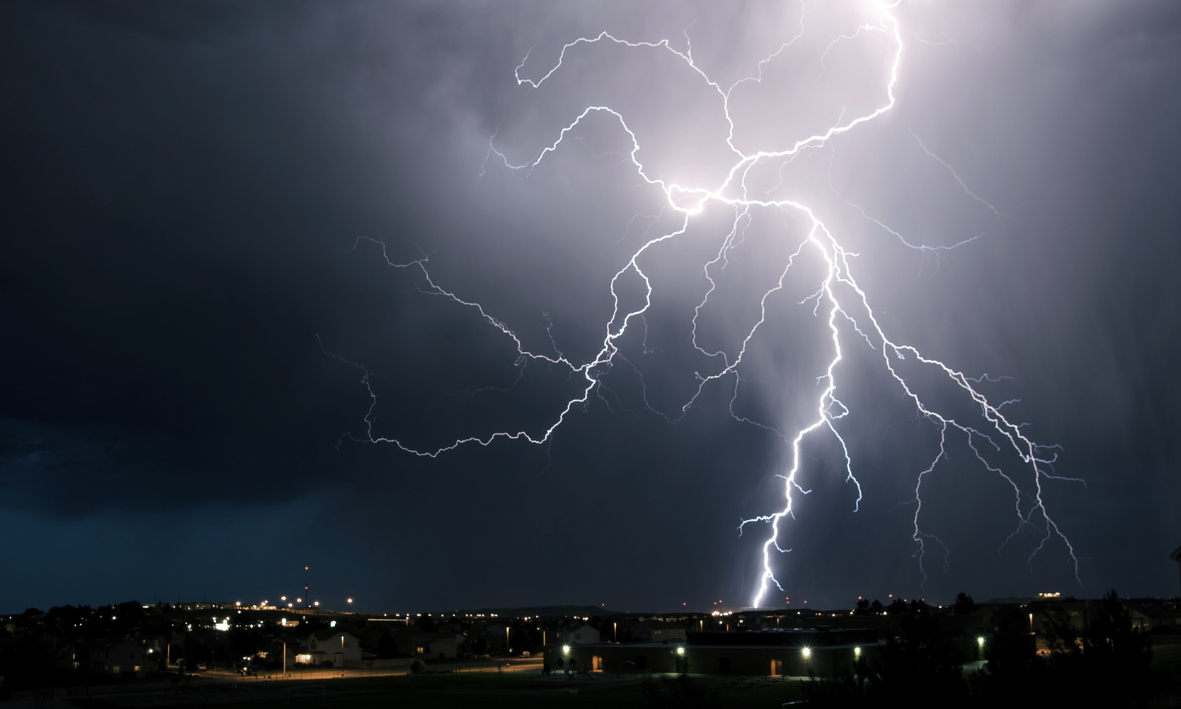
Statement by Zandile Phiri, Acting Secretary General of the United Democratic Movement In light of the recent Orange Level 5 severe thunderstorm warnings issued by the South African Weather Service for parts of KwaZulu-Natal, together with flooding alerts affecting the Eastern Cape and other regions, the United Democratic Movement (UDM) expresses serious concern about South Africa’s preparedness and resilience in the face of increasingly frequent and severe weather events. These impact-based warnings make clear that climate-related risks are no longer isolated incidents but structural threats that demand a capable and coordinated response from the state. South Africa is experiencing more intense rainfall, flooding, heatwaves, droughts, and storms that place lives, livelihoods, and infrastructure at risk. While adverse weather cannot be prevented, its consequences can and must be mitigated through proper planning, infrastructure maintenance, and competent governance. The UDM is deeply concerned that many municipalities remain dangerously ill-prepared for extreme weather. Inadequate stormwater systems, neglected roads and bridges, failing electricity infrastructure, and unsafe human settlements continue to turn foreseeable weather events into humanitarian crises. When drains are blocked, rivers unmanaged, and informal settlements located in flood-prone areas, it is ordinary communities who suffer the most. Disaster management in South Africa remains largely reactive rather than preventative. Early warnings are routinely issued, yet they are too often treated as communications exercises instead of operational triggers. Municipalities fail to clear stormwater systems, secure vulnerable infrastructure, prepare emergency shelters, or position response teams despite clear forecasts. When damage and loss of life follow, these outcomes are framed as unforeseen disasters rather than the predictable result of ignored warnings and poor planning. The UDM reiterates that climate change is no longer an abstract debate. It is a lived reality for millions of South Africans, particularly the poor and working class, who are most exposed to floods, droughts, food insecurity, and infrastructure collapse. Climate adaptation and resilience must therefore be embedded into national, provincial, and municipal planning, budgeting, and infrastructure development. South Africa’s growing vulnerability to extreme weather is not the result of limited capacity. It is the consequence of leadership failure. The country has the technical knowledge, policy frameworks, and resources to manage climate-related risks, yet communities continue to suffer because political will is absent, municipalities are allowed to decay, and infrastructure is neglected without consequence. The UDM rejects the normalisation of disaster under these conditions. When credible early warnings exist, loss of life and widespread damage cannot be blamed on nature alone. They reflect failures of governance, planning, and accountability. The state has a constitutional duty to protect communities from foreseeable harm, and repeated failure to translate warnings into preventative action represents a serious breach of that duty.
Admin
19 Mar, 2025
Reduce, Reuse, Recycle: World Recycling Day
Statement by Yongama Zigebe, Councillor in the City of Johannesburg for the United Democratic Movement and Chairperson of the S79 Committee on Gender, Youth and People with Disabilities The United Democratic Movement (UDM) in the City of Johannesburg joins the world in marking World Recycling Day - a reminder of our shared responsibility to protect the environment, save resources and work towards a sustainable future. Recycling is not just about managing waste. It is about taking care of what has been entrusted to us. Many cultural and spiritual traditions teach us that the land is a precious gift. Keeping our environment clean is not only about appearance. It is about respecting nature, protecting life, and ensuring that future generations inherit a healthy and liveable world. Recycling has benefits beyond just keeping our surroundings clean. It reduces landfill waste, lowers carbon emissions, saves energy and creates jobs in the green economy. A cleaner city means healthier communities, a stronger economy and a better quality of life for everyone. We encourage all residents of Johannesburg to take responsibility for their surroundings by keeping them clean and embracing recycling. Simple actions like separating waste, reusing materials as well as supporting recycling efforts can make a big difference. As a party committed to sustainable governance, the UDM in Johannesburg will continue to push for policies that improve waste management, promote environmental education and support community-led cleanup projects. Together, we can build a greener, cleaner, and more prosperous city. Reduce. Reuse. Recycle. The future of our city depends on how we care for our environment today.
Admin
25 Feb, 2025
South Africa’s climate crisis: UDM calls on GNU to act swiftly
Statement by Zandile Phiri, Acting Secretary General of the United Democratic Movement The United Democratic Movement (UDM) is deeply concerned about the deteriorating climate crisis gripping South Africa. The country is in the grip of a worsening climate change crisis, with extreme weather events hitting harder and more often, putting the country’s people, economy, and environment at risk. Just this month, February 2025, KwaZulu-Natal was hammered by heavy rains and mudslides that killed seven people, while the Eastern Cape saw healthcare facilities wrecked by strong winds and flooding in the Alfred Nzo region. Pretoria has also recently endured a devastating tornado and severe flooding, prompting urgent safety warnings as homes, businesses, and infrastructure were left in ruins. South Africa needs to fight back and stop matters from getting worse. In that case, we need big, bold moves, starting with fixing our energy and transport systems, to cut emissions. The African Risk Capacity (ARC) has published a white paper titled “The State of Natural Disaster in Africa”, which examines the state of natural disasters in Africa and sheds light on a growing concern about the increased frequency of weather-related natural disasters and their devastating economic impact on the continent. Over the last decade, the frequency of disasters has steadily increased, rising from 32 incidents in 2014 to 56 occurrences in 2023, mainly due to floods. This escalating crisis has left South Africa, Mozambique, and Madagascar among the worst-affected nations in Southern Africa. Tackling this crisis requires an aggressive shift towards sustainable solutions. The country must prioritise strengthening its energy and transport systems to reduce emissions and build climate resilience. Government's commitment to renewable energy, as outlined in the Integrated Resource Plan, must be expedited to a just transition away from coal dependency. The potential of solar and wind energy, especially in resource-rich regions like the Northern Cape, must be fully, but carefully, harnessed. Additionally, investment in nuclear power, including small modular reactors that have proven successful in other nations, like China could ensure a stable and clean energy supply. Equally crucial is a transformation in the transport sector, as 90% of the country's transport emissions come primarily from private vehicles. The expansion of the Bus Rapid Transit (BRT) systems, such as Rea Vaya in Johannesburg, A Re Yeng in Tshwane and MyCiTi in Cape Town, could be a game-changer in reducing congestion and emissions. However, these systems must extend beyond major cities to smaller towns and rural areas, where deteriorating roads and limited public transport options have left communities vulnerable. To achieve this, the government must also address the ongoing tensions with the taxi industry and integrate minibus taxis into a cleaner, more efficient public transport system. Rail transport remains another area in dire need of reform. PRASA’s inefficiency, compounded by years of neglect and mismanagement, has rendered the system unreliable, leaving millions (including business and manufacturing) reliant on road transport. Restoring and modernising rail networks could significantly cut emissions while providing a safer, cost-effective transport alternative, particularly during disasters when roads become impassable. Strategic investment in rail infrastructure must become a national priority, ensuring that railways play a meaningful role in South Africa’s green transition. Beyond energy and transport, climate-proofing infrastructure must be embedded into urban planning, agriculture, water management, and disaster preparedness strategies. Extreme weather events are not anomalies but a new reality. Roads, bridges, buildings, and power grids must be designed to withstand severe weather conditions, while early warning systems and emergency response capabilities need urgent enhancement. Strengthening partnerships with global actors, like the European Union, will also be crucial in securing funding and technical expertise to meet the country’s climate targets under the Paris Agreement which for example include a greenhouse gas emission target of 350-420 MtCO2e by 2030. The evidence is undeniable, climate change is no longer a distant threat but an immediate crisis. The UDM believes that the Government of National Unity must act decisively to mitigate its effects, protect vulnerable communities, and build a sustainable future. The tools, policies, and frameworks exist, but without bold leadership and swift implementation, the country risks sliding deeper into an environmental and economic catastrophe. The time for half-measures and lip service has passed, our country needs urgent, transformative action before it is too late.
Admin
25 Feb, 2025
Ikageng Village near Rustenburg under threat of water, 3 years going, and nobody cares
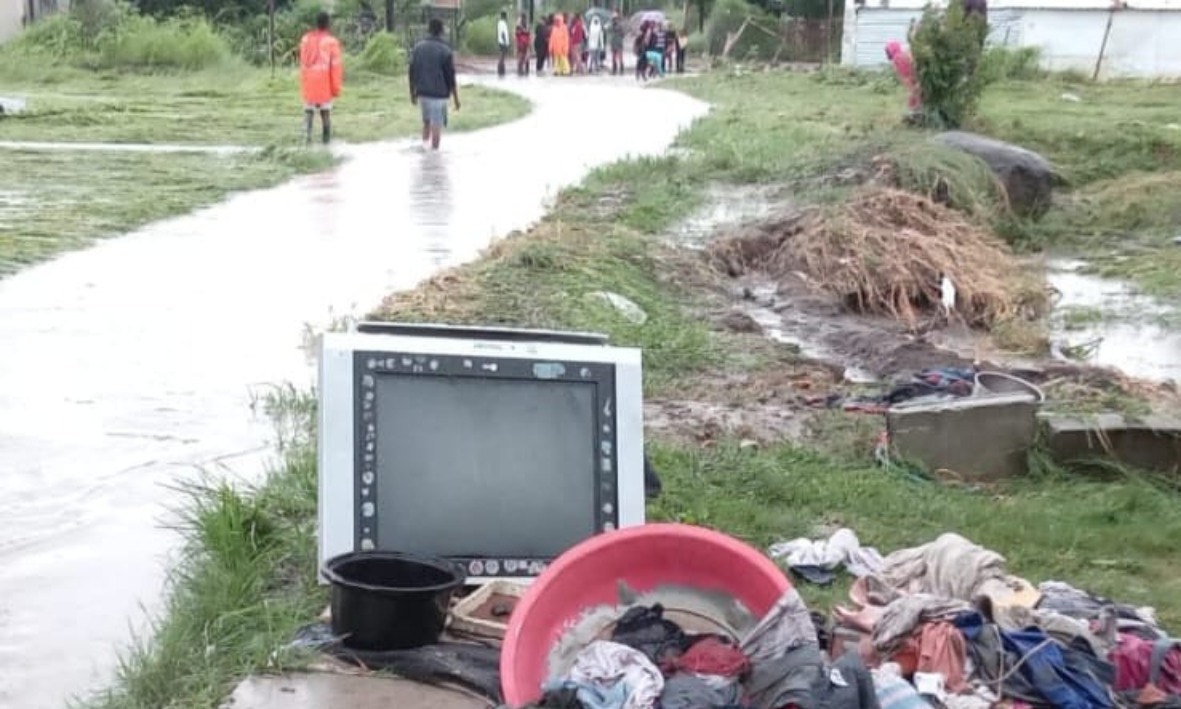
Statement by Samuel Mualefe Chairperson of the UDM in North West and Msawenkosi Dumela, UDM National Deputy Organiser who hails from North West The United Democratic Movement (UDM) in North West is deeply concerned about the persistent and worsening issue of floodwater affecting the Village of Ikageng, originating from the Village of Rankilenyana on the road to Sun City, near Rustenburg in the North West. This ongoing crisis, which has plagued the community for the past three years, continues to cause widespread damage and suffering. The floodwater, stemming from mining operating companies near Rankilenyana, flows into Ikageng, wreaking havoc on residents' homes, infrastructure, and livelihoods. Despite numerous proposals and pleas submitted to government authorities to address the situation, there has been no response, intervention, or update from either the government or the ward councillor. The silence and inaction from those in leadership positions demonstrate a gross disregard for the well-being of the affected community, leaving residents in a state of uncertainty and frustration. The consequences of the flooding are devastating and include: • Severe damage to homes, belongings, and essential infrastructure. • Loss of valuables and financial setbacks for already struggling families. • Health and safety risks, including waterborne diseases and potential drownings. • Disruptions to daily life, including access to schools, workplaces, and essential services. • Severe environmental impacts and soil erosion. While the officials from disaster management have made visits to the area, their response has been wholly inadequate. They merely take down the contact details of affected residents and leave, offering no tangible assistance, emergency relief, or long-term solutions. This level of neglect is unacceptable. The UDM in North West calls on the government and all relevant authorities to take urgent and concrete steps to resolve this crisis: 1. Government must provide a detailed and transparent response to the proposals submitted by pressure groups and concerned community leaders, outlining their validity and the planned course of action. 2. Authorities must urgently implement sustainable flood control measures to address the root cause of the problem. This includes proper drainage systems, water diversion strategies, and holding accountable the operating companies responsible for exacerbating the crisis. 3. The government must provide tangible support to residents who have suffered financial losses due to the flooding. Compensation packages, emergency aid, and improved disaster response mechanisms should be put in place to protect vulnerable families from further hardship. This ongoing disaster is a failure of governance and planning. The residents of Ikageng cannot continue to suffer while those in power remain inactive and unresponsive. The UDM will not allow this issue to be ignored any longer and will continue to push for accountability and action. The time for empty promises is over, government must act now!
Admin
24 Mar, 2020
COVID-19: Holomisa writes to NCCC: “Keep SA clean”
Dear Chairperson of the National Coronavirus Command Council CRITICAL IMPORTANCE OF ENVIRONMENTAL CLEANLINESS AND HEALTH DURING COVID-19 CRISIS AND LOCKDOWN As I stated at the Union Buildings on 22 March 2020, when the President and some of us as political leaders addressed the nation, the United Democratic Movement (UDM) believes that in order for South Africa to succeed in combating COVID-19, our plan should be guided by discipline, clean environment, speed and control. Even though all the other legs are vital, the UDM believes that a clean environment is of paramount importance. For, whether one lives in the rural villages, townships, informal settlements, cities, towns and even the leafy suburbs, the phenomenon of littering and dumping can be seen all over. As we know, the socioeconomic impacts of a dirty and foul environment run abound. Littering and dumping can promote the transmission of disease and in particular, for example, tyres and containers are perfect for collecting water and provide ideal places for mosquitos to breed, disease carrying rats multiply in these environs and contaminated medical waste can spread diseases. To compound matters, there is already anecdotal evidence that rats are becoming a problem where countries have imposed a Coronavirus lockdown as, for instance, restaurants abandon activity and people leave garbage bags out in the open, which attract rats. Now that the streets are empty of people, rats have come from their hiding places and move around with ease. Waste management in this critical period of our nation’s health should be on all our minds, but especially on that of government. As an essential service, government cannot drop this ball. However, it is not only incumbent on government to do something about environmental health and waste management. We therefore call on the National Coronavirus Command Council to direct our nation to de-litter and clean their environs as a matter of urgency. Shop owners must clear packaging and other waste materials from the backs of their shops and alleyways. Vehicle drivers, especially those in the public transport industry, must ensure that passengers do not throw garbage out of car, bus, taxi and train windows. Factory managers and owners must urgently clear dump sites on their properties. Most importantly, each individual person must take responsibility for his/her actions and surroundings, and should stop this mentality of thinking it’s someone else’s problem or that it isn’t a problem at all. As from now on, anyone seen littering or throwing out things from a vehicle window, must be stopped and made to pick up his/her garbage. We need to instil a new culture of tidiness and personal environmental responsibility. Unfortunately littering and dumping sites have scarred our environmental landscape for decades and the mess has been building up. In order to help government to catch-up and level the ground, so to speak, the Council may want to appeal to truck-owners and construction companies to make their equipment available to reinforce municipalities in dealing with this problem, thus embarking on a massive 21-day clean-up exercise. If our proposal is accepted, ideally speaking, one of the unintended consequences of this Coronavirus lockdown could be a cleaner South Africa. The UDM would like to take this opportunity to wish upon the President and the National Coronavirus Command Council the strength and stamina required to see South Africa through this crisis. God bless us all. Yours sincerely Mr Bantu Holomisa, MP
Admin
05 Dec, 2019
Call to keep South Africa rubbish-free over the Festive Season
As we approach the annual exodus where most South Africans return to their homes in the rural areas, and travel to holiday destinations, to take a rest period and celebrate the Festive Season, we are confronted with the usual littering along our roads. Travelers tend to throw garbage out of car and taxi windows, and this makes for an ugly sight, especially along our coastlines and heavily travelled routes e.g. Viedgesville to Coffee Bay/Hole in the Wall and Mthatha to Port St. John’s. Not only is this bad for our environment, but it negatively affects tourism. The United Democratic Movement (UDM) therefore call on all passengers and drivers alike to keep a container in their vehicles to dispose of rubbish inside the vehicles and then, to throw that away at the first bin marked for refuse at a rest stop. We call on people to not dispose of rubbish and building material at random spots along the roads at the outskirts of towns, but to take such rubble and waste to sites allocated for such disposal. Please go the extra mile and do the right thing. There is also a tendency of shop owners and businesses to dump packaging material, like cardboard boxes, on the pavements next to their premises. This must practice must come to an end. It is imperative that municipalities step-up their cleaning and waste disposal regime and double their efforts to keep our towns and cities clean over December and January. On 18 December, the UDM will drive a clean-up exercise in the King Sabata Dalindyebo (KSD) and Nyandeni municipalities and we invite all and sundry to take part. We have been in communication with the mayors, speakers and city managers of KSD and Nyandeni and call upon them to champion this initiative. We therefore ask that the managements in these municipalities make refuse bags and trucks available to assist in the cleaning process. Donations of bags and other cleaning materials are most welcome and shop owners and any private individuals are encouraged to contact us. We also appeal to truck and bakkie owners to take part in this clean-up drive. We call on councillors and the local communities to avail themselves and participate actively in this cleaning exercise. Released by: Mr Bantu Holomisa, MP
Admin
03 Mar, 2019
UDM welcomes President Ramaphosa’s green initiative
The United Democratic Movement (UDM) noted President Cyril Ramaphosa’s announcement that government will start a massive clean-up campaign to get rid of the litter and waste that lay by our road-sides and fouls our communities. We welcome this move, as it is in line with the UDM’s environmental policy and this year’s election manifesto. Every city, town, suburb, township, informal settlement and rural areas are filthy and is in desperate need of intervention. Many places have over the years turned into slums, because of the non-existing waste management. We are happy that he joins the coalition government in the City of Johannesburg, under the leadership of Executive Mayor Herman Mashaba, in the clean-up programme that it has started on a city-wide scale. It is good that Citizen Number One has committed himself to lead this campaign. Government must play its role to ensure that there are adequate dumping sites, skips, and trash cans, which are easily accessible. Industries and big business should be severely punished for not adhering to laws and regulations, but this means that government at all levels must enforce these laws and regulations. A green and healthy culture should be inculcated in our communities. Our people need to understand the health risks that come with dirty and waste ridden streets. The culture of not littering starts at home and the drivers of cars, taxis and buses, etc. should hold themselves responsible to ensure that their passengers don’t throw garbage out of their windows. Property owners in our CBDs should take responsibility for cleaning their immediate surroundings. The current state of repair of buildings leaves much to be desired, this also includes government properties and buildings. Issued by: Mr Bantu Holomisa, MP
Admin
10 Aug, 2017
Arbor Day
Address by Mr B Holomisa, MP (UDM President) at the Upper Ngqungqu Junior Secondary School in Mqanduli, Eastern Cape on 1 September 2017 Programme Director, Principal, teachers, parents and learners Ladies and Gentlemen I am humbled and yet extremely delighted to be re-joined with a place where my educational journey began. I am happy to be back here, wearing no uniform, carrying no slate and with no prospect of a corporal punishment administered to me for my naughty behaviour. (Kuluvuyo kakhulu kum ukuphinda ndibelapha phakathi kwanahlali base Mqanduli. Kulapha apho ndaqala khona amabanga am aphantsi emfundo. Kodwa namhlanje andinxibanga mpahla yesikolo, ndingaphethanga nasi leyiti futhi andinaxhala lokubethwa ngu titshalakazi ngenxa yokumosha). I am joining you, my family, in celebrating an achievement of the bricks and mortar that today define this important site of education. In our days, there were no prefabricated structures, we started with one rondavel which we shared with the church. So, it was a school from Monday to Friday and a church on the weekend. Remarkably with those conditions, this school has produced many outstanding leaders of society, be it in the political space, religious and elsewhere. I am certain that this is the route that we, as Upper Ngqungqu, shall not abandoned. You now have a complete school with laboratories and libraries, and therefore tools at your disposal to help you write your own destiny. (Ndize kuni njengosapho lwam ndizokubhiyozela nani ngenzame zethu. Ngentsuku zethu kwakukho uronta omnye apha wayesentyenziswa nayi Cawe. Esisikolo siphuhlise inkokhelo phantsi kweemeko ezinzima. Ndiqinisekile ukuba lomzila soze niwulahle). I said, today, I am not carrying a slate but offer trees. I am delighted that I have managed to deliver on my promise to donate trees as part of my social responsibility to plough back where I was taught basic life skills like writing and behaving. These trees are shall add value to this R30 million centre of education. It will protect the grounds on which the school is built and protect the buildings themselves, against natural disasters like storms. Above all, the tree will conserve the nature we harbour such as birds and squirrels, so we need to preserve and provide shade to be enjoyed during the coming summer days. (Ndiyavuya ke ukuba ndikwazile ukusifezekisa isithembiso sam sokunipha njenge social responsibility apho ndikhulela khina ndafundiswa khona). Indeed, many of our schools in the rural hinterland, were ignored by the minority apartheid government and thus, they were not greened and landscaped leaving them brown and dusty. We must take advantage of these trees and bring a healthy atmospheres and breath fresh airs that will make use teach and learn better. Our neighbouring Anglican Church should benefit from these trees considering our long-standing history. In this regard, I humble myself and express my gratitude to Mr Keith Kirsten for his support and the donation of these trees. He is a world-renowned gardener and a philanthropist. It is these gestures that may appear small yet are responsible for a fundamental change in the lives of the people and those in the rural areas like us. Once again, thank you Keith. Learners and teachers, you are daily custodians of this new life giver (your child) that has arrived in our home. It is your daily responsibility to nature, feed, clean and its life as it grows to be a nurturer of our wellbeing. Take care and make good use of the trees. (Kuni bafundi noo titshala, ndiyacela ukuba niyiphathe kakuhle lemithi njengabantwana benu).
Admin
05 Jun, 2015
2015 Budget Vote 33: Tourism – address by Mr LB Gaehler, MP
Honourable Chairperson, Ministers and Members The United Democratic Movement supports budget vote number 33 on tourism. In this regard, we welcome the efforts and work done by the department and many other role players in ensuring that this country remains a destination of choice for many citizens of world. This is notwithstanding socio economic challenges that the country continue to be confronted which in many instances results to inhuman and barbaric acts by criminal elements within our communities. We also note with regret that more than 90 percent of tourism activities in the country are limited to the three economic centers of the country (Cape Town, Johannesburg and Durban). This means beneficiation from this industry is limited to the urban part of the country thus excluding the majority of the unemployed and poor, who are found in the extreme rural areas of our land. The further UDM notes and welcome the commitment by the department to its focus shift towards expanding the tourism scope. However, this shift must not reduce the beneficiation currently enjoyed by urban areas, instead, more investment must be towards rural areas whilst strategically empowering the urban tourism to sustain itself through proper management and diversification. The niche for rural tourism is its heritage. The department has already made a clear case for this as paradigm shift and we support that. There are many iconic attractions in our rural areas and we must take advantage of this and maximise its strategic role on tourism. Our wildlife, fascinating history, natural beauty and culture are major and primary tourist attractions and we need to grow them into global iconic places and experiences. Heritage must be at centre of rural economic development and for the realisation of this programmes, a collaborative effort between all key stakeholders like, the Department of Cooperative Governance and Traditional Affairs, the Economic Cluster and well as the Local Sphere of governance is the pre-requirement. Accordingly, the department must invest on heritage knowledge working together with other relevant stakeholders. Total implementation of the National Rural Tourism Strategy, the National Heritage and Cultural Tourism Strategy and the National Tourism Sector Strategy as policy tools that the department has in its position can no longer be postponed. Through consistent and aggressive implementation of these tools and working together with the rural citizens, will ensure that the department plays its critical role in the fight against poverty, unemployment and inequality. The department must not fail in this historic task. Thank you
Admin
04 Jun, 2015
Request for intervention: renewable energy sector challenges in the Eastern Cape
Dear Minister Patel, Minister of Economic Development RE: REQUEST FOR INTERVENTION: RENEWABLE ENERGY SECTOR CHALLENGES IN THE EASTERN CAPE The abovementioned matter has reference. Thank you for the interest you have shown on this matter. This letter highlights some of the challenges faced by renewable energy investors, whose projects are situated in former Homeland areas of the Eastern Cape. I had intended to bring some of these issues to your attention during the Economic Development Budget Vote Debate, but due to time constraints (3 minutes speaking time) I could not do so. While some of the issues here fall under the mandate of the Department of Energy and, to a less extent, the Department of Rural Development and Land Reform, I have decided to include them in an attempt to give you a comprehensive picture – and primarily because they all have a negative impact on the economic development of the aforementioned areas. Please find hereunder the details of the issues I would like to bring to your attention. 1. REIPP Procurement Programme In 2011, the Department of Energy launched the Renewable Energy Independent Power Producer Procurement Programme (REIPPPP) consisting of 5 bidding rounds taking place over a five year period. The first 4 rounds saw 79 renewable energy projects being selected amounting to R170 billions of investment by the private sector nation-wide. The Eastern Cape Province was only awarded 1 solar project and 15 wind energy projects by the Department of Energy (DOE). The total Rand value amount of this investment is approximately R26 billion. However, regrettably none of these projects is located in former Homelands, despite these areas representing 40 per cent of the Province’s land mass and 60 per cent of its population. I therefore appeal to you Mr Minister to influence the DOE to spread the benefit of these projects as wide as possible. 2. Socio-Economic Impact of the REIPP Procurement Programme Apart from its primary objective of procuring energy, the DOE has commendably designed the REIPP Procurement Programme as a tool to foster long term rural development within a 50km radius of each project location. The social benefits of this are massive. Each successful renewable energy project is compelled and has to commit to spend between 1 to 2.1 per cent of its turnover on Socio-Economic Development (SED) contributions and Enterprise Development (ED) contributions over the 20 year life cycle of its project. In addition to the job opportunities created during the construction and operation phase, each renewable energy project has to set up a community trust that owns between 5 and 40 per cent of the project’s equity shares and the dividends should be spent on community upliftment projects. The long term benefits are substantial, and will definitely change the face of rural South Africa in the medium to long term. 2.1 Over-concentration of Projects While these policies have massive socio-economic benefits, several challenges about the overconcentration of projects in certain areas of the Province remain. For instance, the majority of Wind Farms in the Eastern Cape are situated in two areas, Jeffrey’s Bay and Cookhouse, and together they have a combined investment value of R26 billion. In other words, the entire R26 billion that has been invested on renewable energy in the Eastern Cape thus far has gone to the two “previously advantaged” areas. Needless to say, this creates a long term imbalance with regard to development in the Province. It is often argued that the Northern Cape also suffers from the same over-concentration of projects in some areas. This over-concentration results in a situation, where a few communities that happen to fall the same within the 50km radius experience massive development, while leaving those who fall outside largely depending on the limited resources of the municipality for development. If left unchanged, this will become a major source of future intra-community inequality, which would lead to major community tensions and instability in future. To balance development in the Eastern Cape and other Provinces, I would like to propose that 30 per cent of the 1 and 2.1 per cent of the turnover companies have to spend on socio-economic development and enterprise development over the 20 year life cycle of the project be channelled to municipal coffers for service delivery across the municipality. Government should also take active steps to address the over-concentration of projects in a few areas. In particular, there should be deliberate focus on projects that are situated in previously disadvantaged communities. 3. Complex Land Tenure Systems: Former Homelands at a Competitive Disadvantage A private investor has to secure land rights before participating in the REIPP Procurement Programme. To acquire such rights on communal land, an investor must follow a lengthy and complicated administrative procedure with the Department of Rural Development and Land Reform, which takes anything between 3 to 4 years to complete. In contrast it takes a couple of months to achieve the same result when land is acquired from a private landowner. Government has to streamline this process if it has to level the playing field. 4. High Community Ownership and the Role of Development Finance Institutions (IDC) In former Homelands, communities are the landowners, meaning that in rural areas instead of dealing with a few farmers as landlords; a developer has to negotiate with several communities and therefore has to ensure that the project will meaningfully benefit tens of thousands of people, who live on the land earmarked for development. However, when the community is the landlord, most developers will back-end the payment of dividends from the community trust as a way to increase the competitiveness of the project. In other words, developers delay the payment of dividends to the surrounding communities by 10 years. This enables a developer to secure much more favourable financing terms for the community trust, which has a direct impact on the improvement of the project’s finances. But the downside of it is that communities have to wait for ten years to get dividends. Again the playing field is not level, as high community ownership stakes and favourable financing terms are required for projects that have thousands of community members as landlords, but there are currently no incentive schemes or reward mechanisms built into the DOE’s selection criteria to reflect the positive long term socio-economic impacts of rural projects. Moreover, development finance institutions do not provide projects located on communal land in Former Homelands any preferential financing terms for community stakes. For instance, the Industrial Development Corporation (IDC) has been very active in financing community stakes for projects located on privately owned land in the renewable energy hotspots with 50km radius overlap between projects. The terms offered by the IDC to project’s located in former Homelands are less competitive than commercial banks. For instance, one of the Wind Farms in Motherwell had to acquire finance from commercial banks in order to finance the community stake due to the IDC’s unfavourable loan conditions. Clearly, IDC failed to play its developmental role of bridging the inequality gap in our economy in this example. It is estimated that in order to finance a 30 per cent community ownership stake for the 400MW of renewable energy projects that are currently being developed in Former Homelands, about R600 million would be required at competitive rates. The amount of R600 million might seem like a lot of money. But it is not out of reach when one considers that the Department of Economic Development has set aside R23 billion to assist black industrialists out a R100 billion rand package earmarked for industrial development. Currently, lack of funding and other challenges force developers, who are located in former Homelands, to reduce community stakes, back-end the distribution of dividends and reduce the percentage of ED and SED contributions in order to stand a slim chance of winning in the REIPP Procurement Programme. In summary, to level the playing field, I propose that two actions be taken by Government: • The DOE gives more credit in its score card to projects located on communal land in the former Homelands. • Development Finance Institutions provide very competitive financial terms for community stakes in order to beat commercial banks and allow projects to be more competitive. 5. Underutilisation of Electricity Infrastructure. Since 1994, the ANC government has successfully built brand new electricity substations in former Homelands in order to give access to electricity rural communities. This new infrastructure represents cheap and rapid means of connecting renewable energy projects to the grid, while placing no additional financial burden on Eskom. However, the large majority of projects selected to date by the DOE require substantial network investment with the associated timing implications, while the country is in the middle of an energy crisis. The DOE has not taken into account the advantages former Homelands offer in terms of rapid, cheap and decentralized energy generation capacity they bring to the Eskom grid. In other words, it is easier to connect the small wind farm projects to the substations that are in rural areas than it is to connect big renewable farms to the same substations for reasons mentioned above. Again, the playing field is not level, as these advantages which have a financial implication for the country are not taken into account. I look forward to hearing from you. Mr Nqabayomzi Kwankwa, MP Copied to: Honourable Elsie Mmathulare Coleman, Chair PC on Economic Development
Admin
17 Jul, 2014
Budget Vote 30 – Environmental Affairs (MTEF 2014)
Address by the President of the UDM, Mr BH Holomisa MP, in the National Assembly Honourable Chairperson Minister and Deputy Minister Honourable Members The United Democratic Movement (UDM) supports budget vote 30 – Environmental Affairs.In my limited time I will dedicate this speech to Madiba, the environmentalist. When the President of the republic made a call to all South Africans, to remember and celebrate this years’ birthday of this environmental activist by participating in cleaning activities, it reminded me of the olden days in the former Transkei when the 26th of October each year and as an Independence Day, the government will work together with its people, dedicating the day to a clean and healthy environment. In celebrating the first birthday of Tata Madiba, without him, we can’t but remember his passionate love and care for the nature and the environment, its relation to human kind and the people of South Africa in general. I am reminded of one of the question this icon directly asked me when he returned from his early village walks in Qunu during the early 90s. He asked me: “Bantu what happened to all the birds that used to inhabit this place, their harmonious sounds, their beautiful singing which made them to enjoy the tranquillity and nature of the village”. In response to Madiba, I said: “….due to the high level of poverty in the area, local people were forced to fell trees for use as wood fuel”. Certainly, there is a direct relationship between poverty and environment and unfortunately it is not always a good one. The concern in the question by Madiba exposed us to the need to urgently give an immediate attention to preserve our environment. The reforestation programmes for an example, will one day make it possible to have the pleasure of walking through a forest, listening to the beautiful sounds of nature as Madiba so wished. To realise his wish, the UDM suggests that as part of the much talked about cultural liberation route from Maritzburg should be to consider establishing what we would call Madiba or Nelson Mandela Forests. Such forests would go a long way in responding to the challenges of climate change, biodiversity management, combat desertification, heritage, conservation and facilitate sustainable economic growth and job creation. Given the current questionable infrastructure development map of our country, this proposal would present an opportunity for equitable reconstruction of our country. In one of his encouraging letters to me during the occasion of the tree planting ceremony in Mqanduli in 2010, Madiba said “It is wonderful to think that one day people will again have the pleasure of walking through a forest, listening to the beautiful sounds of nature … these are things no child should be deprived of”. Thank you