Admin

11 Feb, 2026
UDM Johannesburg demands accountability over R1 million ‘ghost wall’ payment
Statement by Yongama Zigebe, Councillor in the City of Johannesburg for the United Democratic Movement and Chairperson of the S79 Committee on Gender, Youth and People with Disabilities The United Democratic Movement (UDM) in the City Johannesburg notes with serious concern the reports that a City of Johannesburg entity allegedly paid approximately R1 million for a wall that was never built at the Moffat View Old Age Home. According to media reports, the payment was authorised despite the work not being completed, with photographic evidence allegedly not reflecting the actual site. This matter, involving the Johannesburg Social Housing Company, strikes at the heart of governance, financial oversight and ethical leadership within the City’s entities. Whether the funds were later recovered or not, the fact that such a payment could be processed raises fundamental questions about internal controls, verification systems and consequence management. Johannesburg residents are battling deteriorating infrastructure, housing backlogs, unsafe buildings and declining service delivery. At a time when every rand must stretch to serve the poor and vulnerable, allegations of payments for work that never materialised are not just irregularities, they are betrayals of public trust. We note that internal investigations and forensic processes have reportedly been initiated. However, the UDM in the City Johannesburg insists that transparency must accompany these processes. The people of Johannesburg deserve clear answers: 1. Who authorised the payment and on what verification basis? 2. What due diligence was conducted before disbursement? 3. Were supply chain processes followed? 4. What disciplinary steps have been taken against implicated officials? 5. How will the City strengthen controls to prevent recurrence? The UDM in the City Johannesburg further calls on the City Council and the relevant oversight committees to exercise their constitutional responsibilities without fear or favour. If wrongdoing is established, there must be visible and swift consequences. Accountability cannot depend on media exposure. This incident once again underscores the urgent need to professionalise municipal administration, depoliticise appointments in city entities, and ensure that senior positions are filled on merit and integrity, not networks and patronage. Johannesburg cannot afford “ghost projects” while communities live without basic infrastructure. Every cent mismanaged is a cent stolen from residents who rely on the City for housing, safety and dignity. The UDM in the City Johannesburg will continue to monitor this matter closely and will push for full disclosure and corrective action. Clean governance is not optional. It is the minimum standard our people deserve.

Admin
11 Feb, 2026
Johannesburg water crisis exposes a city run without foresight
Statement by Yongama Zigebe, Councillor in the City of Johannesburg for the United Democratic Movement and Chairperson of the S79 Committee on Gender, Youth and People with Disabilities The United Democratic Movement (UDM) in the City Johannesburg notes with grave concern the protest by residents in Parktown West following more than twenty days without water. When a historically well-resourced suburb such as Parktown is forced into open protest over basic services, it signals not an isolated disruption but a systemic failure across the City of Johannesburg. If residents in Parktown are now pushed to the brink, one must pause and ask how communities in Alexandra, Soweto, Orange Farm, Eldorado Park, Riverlea and other working-class areas are coping. Many of these communities have endured intermittent supply, pressure reductions and prolonged outages for years. They do not have the financial cushion to hire private tankers, install storage systems, or absorb inflated municipal bills. For poorer residents, a water outage is not an inconvenience. It is a daily assault on dignity, health and survival. The crisis unfolding in Parktown is therefore not about geography. It is about governance. Johannesburg’s water challenges are rooted in years of inadequate planning, delayed infrastructure maintenance and reactive management instead of strategic investment. Our reservoirs and reticulation networks are aging; this is not breaking news. Demand has grown with urban expansion. Preventative maintenance has been deferred. Communication with residents remains inconsistent and often opaque. Instead of long-term infrastructure renewal and capacity planning, the city has relied on pressure management and emergency measures that treat symptoms while the underlying system continues to weaken. Water is not a luxury service. It is a constitutional right and the foundation of public health, economic activity and human dignity. When supply collapses for weeks in one part of the city, the ripple effects are felt across households, schools, clinics and businesses. When communication fails, trust collapses alongside it. The UDM in the City Johannesburg calls on the City council and management to present a transparent, citywide water recovery plan with clear timelines, infrastructure investment commitments and measurable targets. Residents deserve honest explanations, not shifting blame between entities. The City must strengthen coordination with bulk suppliers, accelerate infrastructure upgrades, address leak management aggressively and ensure equitable distribution across all regions. The current situation reflects a failure of foresight. A city of Johannesburg’s size and economic significance cannot operate on crisis mode governance. Proper planning, disciplined maintenance schedules and capital investment are not optional. They are the minimum requirements of responsible administration. Parktown’s protest should serve as a wakeup call. If communities across the socioeconomic spectrum are now united by water insecurity, then the problem is not localised. It is structural. Johannesburg must choose between continued decline through neglect or renewal through decisive leadership. The UDM in the City Johannesburg stands firmly for the latter.

Admin
22 Oct, 2025
Johannesburg cannot live under the gun: UDM demands urgent action on gang violence
Statement by Yongama Zigebe, Councillor in the City of Johannesburg for the United Democratic Movement and Chairperson of the S79 Committee on Gender, Youth and People with Disabilities The United Democratic Movement in the City Johannesburg is outraged by the surge of gun violence that continues to claim innocent lives and sow fear in our communities. Over the past three months, Johannesburg has been gripped by a wave of shootings that have turned our townships and suburbs into war zones. Families are burying loved ones, children are dying in crossfire, and the sound of gunfire has become an unbearable soundtrack of daily life. The latest tragedy in Westbury, where two teenagers were killed and four others injured in a suspected gang related shooting, exposes the depth of our crisis. In Alexandra, a community that already bears the scars of poverty and inequality, gunfire has become routine. From the brutal killing of community leader and businessman Vincent Ndima to the shooting of community guardian Zandile Mojapelo and the murder of patrollers who volunteered to protect their neighbours, Alexandra has become a mirror reflecting the broader decay of safety across Johannesburg. These are not isolated incidents. They are the visible wounds of a system that has lost control over illegal firearms, failed to dismantle gangs, and neglected to restore community confidence in law enforcement. Johannesburg residents are living in fear because the state has failed to protect them. This must end now. The UDM in the City Johannesburg also notes with grave concern the National Police Commissioner General Fannie Masemola’s admission that police have been attacked by the very communities they are meant to protect. This breakdown of trust between law enforcement and residents reveals a deeper crisis of legitimacy and accountability. When communities no longer believe that reporting criminals will lead to justice, criminal syndicates gain strength while honest citizens retreat in fear. It is clear that policing alone cannot solve this epidemic. Without trust, intelligence sharing and visible integrity from officers on the ground, enforcement efforts will continue to fall short. The fight against guns and gangs must therefore begin with rebuilding confidence between the police and the people. Recent remarks by National Police Commissioner have confirmed what communities have long feared, that Johannesburg’s gang crisis now involves the recruitment of children as young as thirteen. This revelation is horrifying and underscores the complete collapse of prevention and early warning systems that should protect young people from being drawn into crime. It is unacceptable that our schools have become recruiting grounds and our streets a battlefield for minors doing the bidding of adult gangsters. The UDM in the City Johannesburg calls for urgent intervention from the Departments of Basic Education, Social Development and Police to disrupt this pipeline of child recruitment and to introduce community-based rehabilitation programmes that can save these children from a lifetime of violence and incarceration. The UDM in the City Johannesburg calls upon the Acting Minister of Police to treat Johannesburg’s gun violence epidemic as a national emergency. The time for excuses has passed. We expect an intensified anti-gang and firearm recovery operation that focuses on hotspots such as Westbury, Alexandra, Eldorado Park and Hillbrow. Police visibility must increase, community policing must be revived, and coordination between SAPS, Metro Police and Crime Intelligence must be restored. The City of Johannesburg’s Public Safety Department must strengthen patrols, fix broken streetlights and install CCTV cameras in high-risk areas. Law enforcement cannot win this war alone. The Department of Social Development must mobilise youth rehabilitation and anti-substance abuse programmes that steer young people away from criminal networks. Parliament and the Gauteng Provincial Legislature must hold law enforcement agencies accountable for their failure to regulate firearms and combat gun trafficking. The UDM in the City Johannesburg calls on the people of our city to rise together. Our safety is our collective responsibility. We cannot be silent while criminals dictate how we live. Communities must reclaim their streets, report criminals and stand united against fear. The time has come to restore dignity, to protect our children and to defend the right to life that our Constitution guarantees. This is not just about policing, it is about leadership, justice and the soul of our city. The UDM in the City Johannesburg will not look away while our city bleeds. We will hold those in power accountable, insist on real policing reform and work tirelessly to rebuild a city where safety and dignity belong to every resident.
Admin
16 Oct, 2025
No town left behind: UDM backs call to re-industrialise rural and small communities
Statement by Yongama Zigebe, Councillor in the City of Johannesburg for the United Democratic Movement and Chairperson of the S79 Committee on Gender, Youth and People with Disabilities The United Democratic Movement (UDM) welcomes the release of the report titled “The Impact of De-Industrialisation on Small Towns: Case Studies of Lichtenburg and Komati,” presented yesterday at the Heidelberg Symposium. This ground-breaking report, produced by Frontline Africa Advisory in partnership with the Industrial Development Think Tank (IDTT) and the Department of Trade, Industry and Competition (the dtic), provides a sobering analysis of how the collapse of industrial capacity in small towns has deepened unemployment, weakened municipal sustainability, and eroded the social fabric of local communities. For the UDM, this report reinforces our long-held conviction that South Africa’s economic revival depends on a deliberate, targeted, and inclusive strategy to re-industrialise small towns and rural areas. It affirms what the UDM has consistently championed: that a vibrant and resilient economy cannot be built on the prosperity of metropolitan centres alone; it must draw its strength from productive, self-sustaining communities across all regions of our country. The UDM was represented at the Heidelberg Symposium by Cllr Yongama Zigebe, who also serves as the Chairperson of the Section 79 Oversight Committee on Gender, Youth and People with Disabilities in the City of Johannesburg. Cllr Zigebe’s participation signified the Movement’s commitment to engaging in evidence-based policy dialogue and to advancing a developmental agenda that restores dignity and opportunity to South Africa’s forgotten towns. The UDM commends the report’s emphasis on place-based industrial renewal, the District Development Model (DDM), and the rebuilding of the industrial commons, which include roads, water systems, energy reliability, and local governance institutions that enable production and investment. These interventions speak directly to the UDM’s policy position that economic transformation must be locally grounded, transparent, and inclusive, ensuring that every South African community becomes a site of growth and productivity rather than decline. We also welcome the report’s gendered and youth-centred analysis, which recognises that women, young people, and persons with disabilities are disproportionately affected by economic collapse. The UDM reiterates that re-industrialisation must be socially just, integrating empowerment and equality into every policy and programme aimed at rebuilding our small towns. The UDM, calls on government to translate these findings into urgent action by aligning industrial policy, infrastructure investment, and skills development through the DDM and in partnership with local communities. Revitalising production, diversifying anchor industries, and professionalising municipal governance are critical to restoring South Africa’s economic dignity. In welcoming this report, the UDM renews its call for a new social compact for re-industrialisation that is collaborative, transparent, and responsive to the lived realities of our people. Small towns are not relics of the past; they are the frontiers of South Africa’s economic future.

Admin
16 Oct, 2025
UDM calls for unity and respect as SAHRC takes stand on hate speech
Statement by Yongama Zigebe, Councillor in the City of Johannesburg for the United Democratic Movement and Chairperson of the S79 Committee on Gender, Youth and People with Disabilities The United Democratic Movement (UDM) notes and welcomes the South African Human Rights Commission’s (SAHRC) decision to refer Mr Ngizwe Mchunu to the Equality Court following his remarks concerning the LGBTQIA+ community. This development marks an important step toward ensuring accountability and affirming that freedom of expression must never cross into the realm of hate speech or incitement. This matter underscores the vital role of our democratic institutions in maintaining respect, accountability, and adherence to the rule of law The UDM was the first political movement to respond to this incident. Our human rights advocate, Mxolisi Makhubu, lodged a formal complaint with the SAHRC immediately after Mr Mchunu’s remarks went viral, drawing millions of views and hundreds of comments openly calling for violence against queer people. The UDM recognised this not as an isolated event but as part of a broader moral and social crisis that demanded urgent institutional response. In parallel, a formal letter was submitted to the Minister of Women, Youth and Persons with Disabilities, urging government accountability and leadership in protecting vulnerable groups from hate speech and targeted violence. The letter was tabled by UDM Cllr Yongama Zigebe, Chairperson of the Section 79 Oversight Committee on Gender, Youth and Persons with Disabilities in the City of Johannesburg. “We welcome this decisive move by the SAHRC as a victory for human dignity and a reaffirmation of our Constitution’s founding principles,” said Cllr Yongama Zigebe. “This matter has never been about opinion or culture. It is about human rights. No South African should live in fear because of who they love or how they express their identity. The Equality Court must send a clear message that hate speech and incitement to violence will be met with firm consequences.” The UDM recognises and respects the rich cultural traditions that shape South Africa’s identity. However, culture can never be used as a shield for discrimination or violence. True cultural pride is rooted in Ubuntu, in recognising the humanity and dignity of all South Africans. Our Constitution guarantees freedom of belief and expression, but those freedoms end where they infringe upon the rights and safety of others. Respect for culture must go hand in hand with respect for human rights. UDM human rights advocate Mxolisi Makhubu added: “The UDM acted swiftly because silence is complicity. We cannot preach equality on paper and tolerate hate in practice. The SAHRC’s intervention is welcome, but this must also spark broader government action to educate, protect, and heal.” The UDM expresses concern over the divisive public reaction that followed the celebration of a same-sex traditional wedding. What should have been embraced as a moment of love and cultural pride regrettably became the subject of hurtful commentary and misunderstanding. The UDM believes that such occasions should inspire respect, inclusion, and appreciation of South Africa’s diversity. The UDM calls on government, civil society, and traditional leadership to open channels of dialogue rather than trading insults or deepening divisions. At present, a widening gap of misunderstanding exists between cultural communities and the LGBTQIA+ community. This must be bridged through respectful conversation, public education, and empathy. South Africa’s democracy was built on dialogue, not hostility. The UDM urges all leaders to foster open engagement so that culture and human rights can coexist in harmony, guided by the true spirit of Ubuntu. The UDM remains unwavering in its commitment to justice, equality, and human rights, the pillars upon which our democracy stands.
Admin
17 Sep, 2025
Jongikhaya crisis exposes broken promises on pit toilet eradication
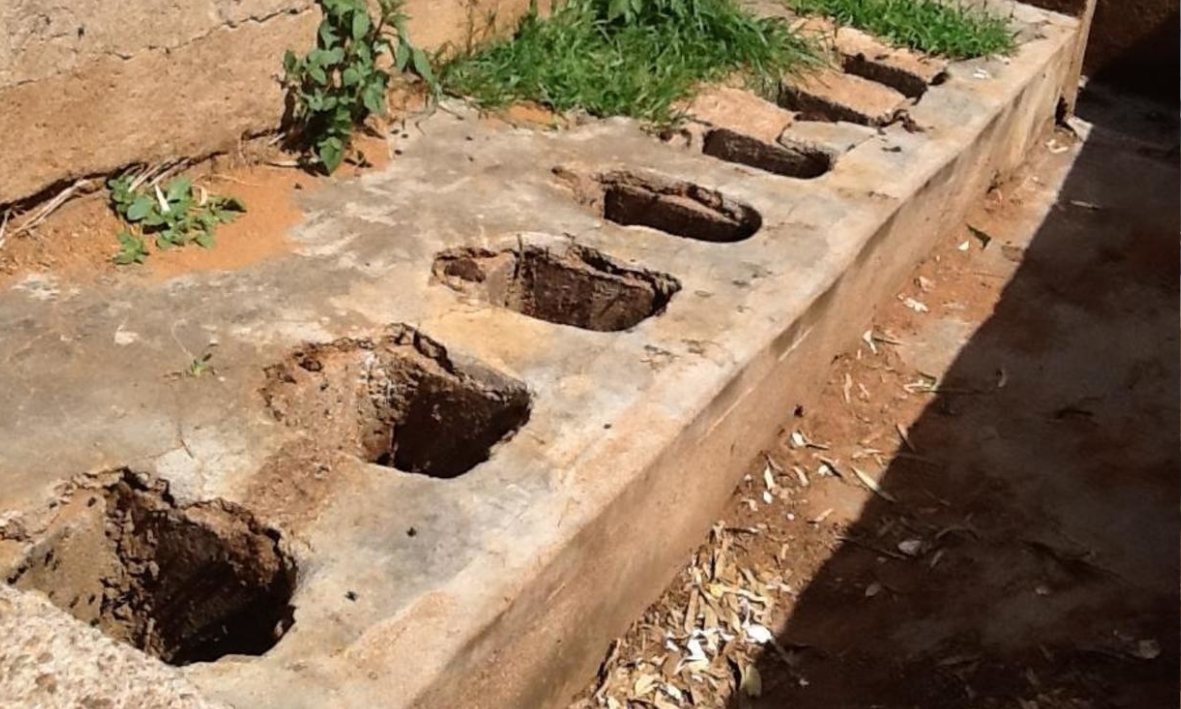
Statement by Yongama Zigebe, Councillor in the City of Johannesburg for the United Democratic Movement and Chairperson of the S79 Committee on Gender, Youth and People with Disabilities The United Democratic Movement (UDM) warned earlier this year that the Department of Basic Education’s failure to meet its 31 March 2025 pit latrine eradication deadline would have real consequences. Today, those fears have been confirmed by the shocking conditions at Jongikhaya Junior Secondary School in Lusikisiki, Eastern Cape, where teachers and learners are forced to share collapsing pit toilets. Teachers have even surrendered one of their own toilets for Grade R learners, after a child narrowly avoided falling into a crumbling pit. This is not just neglect, it is an insult to the dignity, safety, and rights of our children. In April, the UDM, now a proud participant in the Government of National Unity, expressed deep disappointment when this administration missed its own pit latrine eradication deadline. Our role in government does not silence us. On the contrary, it strengthens our responsibility to highlight failures and demand urgent corrective action. A missed target in this case is not a small bureaucratic slip; it is the extension of a public health crisis that continues to endanger children. Basic Education Minister Siviwe Gwarube claimed that 93 percent of pit toilets had been eradicated, but civil society groups such as SECTION27 raised serious concerns that this progress was being measured against an outdated 2018 audit, and that many schools with dangerous pit toilets had simply been overlooked. The situation at Jongikhaya proves that our warnings were not alarmist, they were accurate. Learners here continue to risk their lives daily because of collapsing toilets, while parents now tell their children to use the bushes instead, trading one unsafe environment for another. The Eastern Cape Department of Education has reportedly admitted that Jongikhaya is not even on the Sanitation Appropriate for Education (SAFE) programme, despite years of pleas from the school. This is a betrayal of the community and of the constitutional rights of learners. This crisis is not only about one school. It is the result of decades of poor planning, missed targets, and billions of rands underspent or misallocated, while rural schools continue to be treated as second-class. The GNU cannot repeat the mistakes of past administrations. We must be honest with the public: unless we act decisively, learners will continue to pay the price for government neglect. The UDM therefore calls on Minister Gwarube to: 1. Prioritise Jongikhaya JSS for emergency sanitation upgrades before a tragedy occurs. 2. Conduct a new, transparent national audit of all schools still using pit latrines, and make the results public. 3. Publish a clear, time-bound implementation plan to eradicate all pit toilets, with no further extensions. 4. Ringfence funds transparently for rural school infrastructure, with community oversight to prevent underspending and corruption. 5. Work with civil society and the private sector to accelerate safe sanitation projects. South Africa cannot afford another empty promise. The dignity and safety of our children must come first. Jongikhaya is not just another case, it is living proof that government’s failure to deliver on its own deadlines has left our children in danger. The UDM will continue to raise its voice within the GNU and outside of it, ensuring that the safety, dignity, and future of learners are placed above political convenience. We will not rest until every learner in South Africa has access to safe and dignified school infrastructure. Note: When Cllr Zigebe served as the Secretary General of the UDM, he championed the eradication of pit latrines as a matter of human rights and learner dignity. His presentation to Parliament in November 2023, alongside the Nguvu Collective, cemented his role as a leading voice on this issue. Today, even in his capacity as councillor, he continues to act as a spokesperson for the thousands of learners still forced to endure unsafe and undignified sanitation conditions, ensuring that this campaign remains alive in both Parliament and the public domain.
Admin
17 Sep, 2025
UDM calls for urgent action on hijacked and unsafe buildings in Joburg
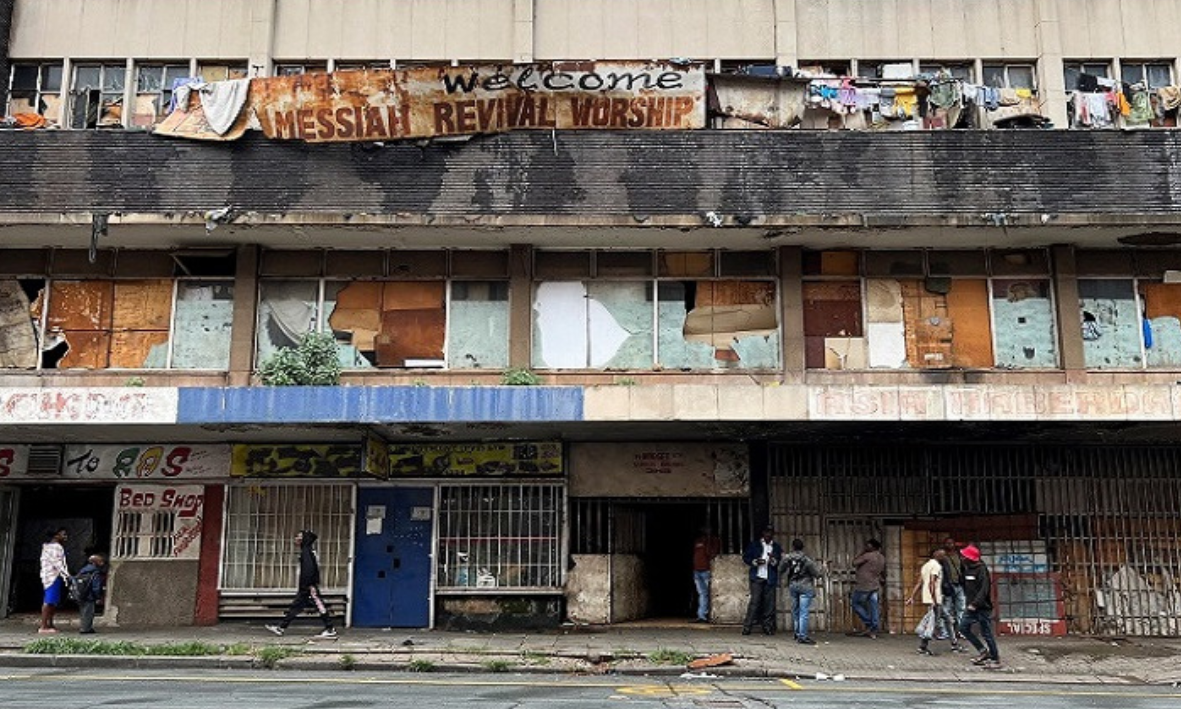
Statement by Yongama Zigebe, Councillor in the City of Johannesburg for the United Democratic Movement and Chairperson of the S79 Committee on Gender, Youth and People with Disabilities The United Democratic Movement (UDM) in the City of Johannesburg is deeply alarmed by the worsening crisis of hijacked and unsafe buildings across the city, particularly those owned by government. The tragic Usindiso fire of 2023, which claimed 77 lives, remains a painful reminder of what happens when authorities fail to act. The recent reports about families occupying the old SAPS building in Yeoville highlight the complex realities facing our city. While these buildings provide a desperate refuge for people who cannot afford formal housing, they are also unsafe and unfit for human habitation. They pose extreme risks, from fires and structural collapse to poor sanitation and crime, while placing additional pressure on already fragile municipal systems. The UDM recognises that hijacked and “dark” buildings are not simply a matter of criminality. They are a symptom of deeper failures; poverty, unemployment, and the housing shortage that continue to plague Johannesburg. The truth is that many residents occupy these spaces out of desperation, not choice. We therefore call on the City of Johannesburg to take decisive and humane action. Enforcement alone will not solve this crisis; nor can the City continue to look away while people live in death traps. What is required is a comprehensive, compassionate approach that balances public safety with social justice. The UDM in the City of Johannesburg proposes: 1. A full and transparent audit of hijacked and unsafe buildings in the city, starting with government-owned properties. We note Premier Lesufi’s commitment to a so-called “bad building strategy” and the audit of more than 200 unsafe buildings in Johannesburg. While these promises are welcome, progress has been painfully slow, and communities remain at risk. The City and Province must move beyond announcements to urgent, visible action. 2. An emergency plan to relocate residents living in life-threatening conditions into safe, alternative accommodation. 3. Action against syndicates and officials implicated in building hijackings. 4. A sustainable housing strategy that expands affordable rental options and partners with civil society and the private sector. Johannesburg cannot afford another Usindiso tragedy. The UDM will continue to speak up for residents whose lives are being placed at risk by negligence and poor governance. The City has a duty to act, not with force alone, but with fairness, foresight, and a commitment to the dignity of all its people.

Admin
13 Sep, 2025
Fair access, safer roads: UDM on e-hailing regulation
Statement by Yongama Zigebe, Councillor in the City of Johannesburg for the United Democratic Movement and Chairperson of the S79 Committee on Gender, Youth and People with Disabilities The United Democratic Movement (UDM) in the City of Johannesburg welcomes the gazetting of the National Land Transport Amendment Act and its regulations, which now officially recognise e-hailing as a legitimate mode of transport in South Africa. This long overdue development provides clarity, protection, and structure for both commuters and drivers, ensuring safety and accountability in a sector that has for too long operated in a legal grey area. However, this move comes in the wake of painful tragedies. Recently, the gruesome killing of e-hailing driver Mthokozisi Mvelase at Maponya Mall shocked the nation. This is not an isolated incident other drivers and commuters have fallen victim to violence, intimidation, and crime linked to the previously unregulated state of the industry. The UDM in the City of Johannesburg maintains that legislation must be matched by effective enforcement on the ground to restore confidence and protect lives. While we welcome the formal recognition of e-hailing in South Africa, the industry is currently dominated by foreign nationals. This reality limits South Africans’ meaningful participation in an important sector of the economy. The UDM proposes a regulatory framework that balances opportunity and inclusivity: at least 70 percent of operating permits should be reserved for South African citizens, while 30 percent may be allocated to documented migrants. This approach ensures that locals can access jobs and economic empowerment while maintaining space for legally residing foreigners to contribute. The UDM in the City of Johannesburg will, therefore, continue to advocate for stricter regulation of such industries to ensure that job opportunities, particularly in the transport sector, are reserved for South Africans. We call on law enforcement agencies, the Department of Transport, and local government to work with urgency to implement the provisions of the Act. Panic buttons, proper operating licenses, visible branding of vehicles, and rigorous compliance checks must be enforced without delay. The UDM in the City of Johannesburg stands firmly with e-hailing drivers and commuters, committed to building a safer, fairer, and more dignified public transport system that prioritises the interests of South Africans.
Admin
11 Sep, 2025
Usindiso fire: poverty, governance failures, and the search for truth
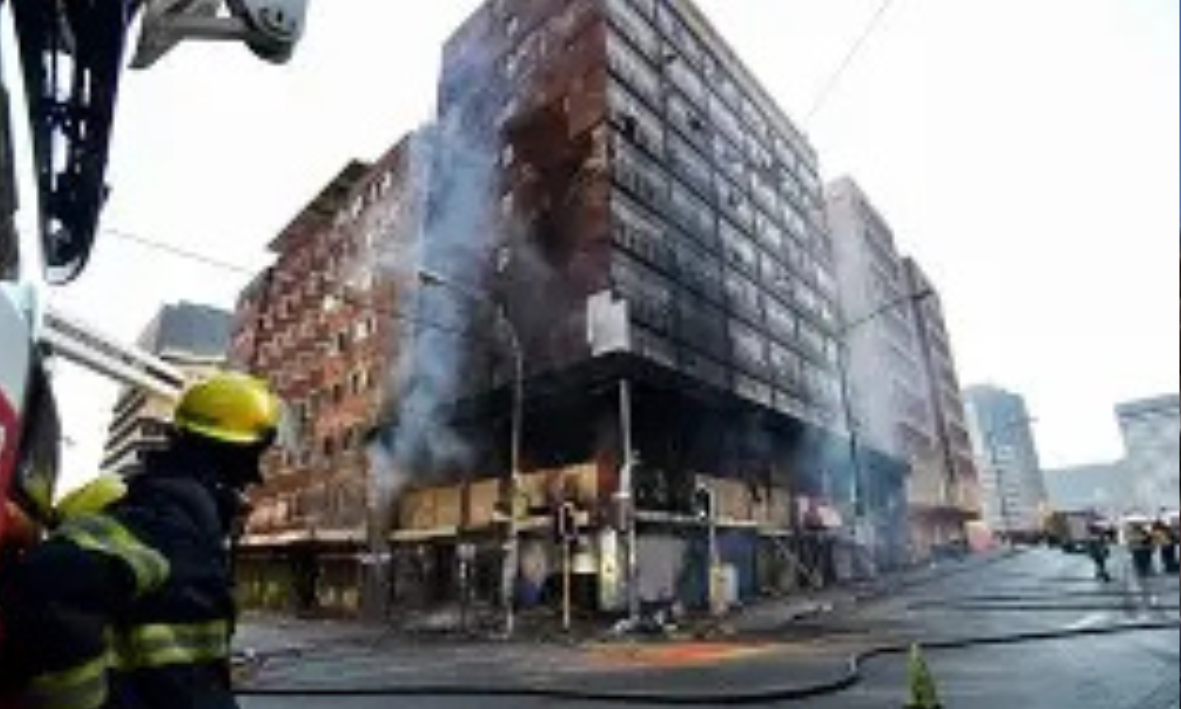
Statement by Yongama Zigebe, Councillor in the City of Johannesburg for the United Democratic Movement and Chairperson of the S79 Committee on Gender, Youth and People with Disabilities The United Democratic Movement (UDM) in the City of Johannesburg notes with concern the shocking turn in the Usindiso fire trial, where the accused now claims he falsely confessed to starting the blaze in order to secure food and shelter in prison. This desperate admission speaks volumes about the depth of poverty and despair in South Africa. That someone would rather take responsibility for one of the most heinous crimes in recent memory, a fire that killed 76 people, simply to secure “three meals and a roof over their head” is a harsh illustration of the conditions facing our nation. While the courts must determine the truth of the matter, the UDM in the City of Johannesburg insists that this tragedy cannot be seen only through the lens of one man’s testimony. It also reflects a collapse of governance, social safety nets, and accountability around hijacked and unsafe buildings. The families of the victims deserve clarity, justice, and closure. Every contradictory statement, every delay, and every failure to ensure accountability, whether through arson, negligence, or corruption in the management of municipal properties, deepens the pain of survivors. The UDM in the City of Johannesburg calls for: • A thorough and transparent investigation that goes beyond the individual accused to the broader systemic failures that enabled this tragedy • Accountability from the Johannesburg Property Company (JPC) and city authorities who allowed unsafe and hijacked buildings to become sites of danger. • Urgent action by government to address the crisis of hijacked and unsafe buildings across South Africa before another tragedy occurs. The truth about what happened at Usindiso must not be lost in shifting testimonies. The memory of the 76 lives lost demands nothing less than the full truth, accountability, and justice.
Admin
09 Sep, 2025
JMPD recruitment fatalities are unacceptable
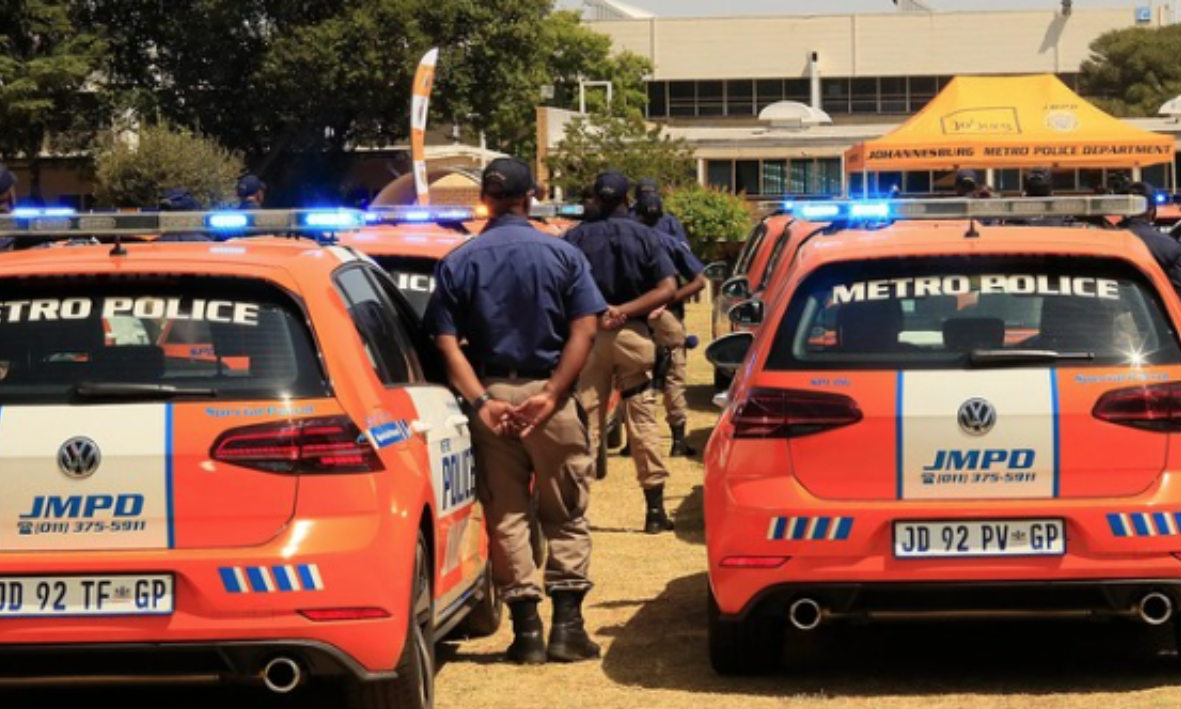
Statement by Yongama Zigebe, Councillor in the City of Johannesburg for the United Democratic Movement and Chairperson of the S79 Committee on Gender, Youth and People with Disabilities The United Democratic Movement (UDM) in the City of Johannesburg notes with deep shock and sadness the tragic deaths of two young South Africans, Mr Marvellous Michael Nyambi and Mr Zwelethu Tekete, during the recent Johannesburg Metropolitan Police Department (JMPD) recruitment programme at Ruimsig Stadium. These deaths are not only heartbreaking for their families and communities, but they also raise serious concerns about the safety, fairness, and integrity of the City’s recruitment processes. The youth of our country continue to struggle with unemployment and limited opportunities. For many, the chance to serve as JMPD officers represented hope and dignity. To have such hope end in tragedy is devastating and unacceptable. The UDM in the City of Johannesburg is further disturbed by allegations that hundreds of young applicants were turned away on the basis of proof of residence letters allegedly sourced only through councillors. If true, this points to unacceptable gatekeeping practices that undermine fairness, transparency, and equitable access to opportunities. As a Councillor in the City of Johannesburg and Chairperson of the Section 79 Oversight Committee on Gender, Youth, and People with Disabilities (GEYODI), I have formally written to the Member of the Mayoral Committee (MMC) for Public Safety, Cllr M Tshwaku, requesting a comprehensive report on the circumstances surrounding these deaths, the absence of medical and emergency readiness on site, the suitability of instructors, risk management protocols, and the measures being taken to prevent such tragedies from recurring. The Speaker of Council, Cllr M Arnolds, has also been copied in this correspondence. The UDM in the City of Johannesburg calls for: 1. Immediate transparency from the City of Johannesburg on the events that led to these fatalities. 2. Accountability for the failures in planning, oversight, and risk management. 3. Fair and inclusive recruitment practices that do not discriminate or impose unfair barriers on applicants. 4. Support and compensation for the families of the deceased candidates. The lives of young people cannot be treated carelessly in the pursuit of building law enforcement capacity. These incidents must serve as a turning point for how the City approaches youth recruitment, safety standards, and public trust. The UDM in the City of Johannesburg will continue to raise these matters until satisfactory answers and corrective measures are put in place.

Admin
19 May, 2025
UDM Johannesburg welcomes arrests in JMPD officer murder case
Statement by Yongama Zigebe, Councillor in the City of Johannesburg for the United Democratic Movement and Chairperson of the S79 Committee on Gender, Youth and People with Disabilities The United Democratic Movement (UDM) in the City of Johannesburg welcomes the recent arrests of suspects linked to the heinous murder of a Johannesburg Metropolitan Police Department (JMPD) officer in Lenasia. This swift action by law enforcement is a crucial step toward justice and serves as a stern message to those who seek to undermine the rule of law and the safety of our communities. We commend the South African Police Service (SAPS), the JMPD, and all involved in the investigations for their diligent work. We remain deeply concerned by the rising levels of violent crime targeting law enforcement officers, who risk their lives daily to maintain order and protect our residents. Attacks on officers are attacks on the very fabric of our democracy. As the UDM Johannesburg Caucus, we reiterate our call for better resourcing, training, and protection for our metro police officers. We also urge communities to cooperate with the police to root out criminal elements. We continue to extend our heartfelt condolences to the family, friends, and colleagues of the fallen officer. May their courage and service never be forgotten.

Admin
19 May, 2025
UDM welcomes the launch of the white paper review on local government
Statement by Yongama Zigebe, Councillor in the City of Johannesburg for the United Democratic Movement and Chairperson of the S79 Committee on Gender, Youth and People with Disabilities The United Democratic Movement (UDM) warmly welcomes the official launch of the Review of the 1998 White Paper on Local Government by the Department of Cooperative Governance and Traditional Affairs (CoGTA), under the leadership of Minister Velenkosini Hlabisa. This Review is long overdue and comes at a critical juncture in South Africa’s democratic journey. For years, local government has been the epicentre of governance failure - characterised by service delivery collapse, financial mismanagement, deepening inequality, and the erosion of public trust. The UDM has consistently raised these concerns across all spheres of government, and we are encouraged to see the Department finally initiating a reform process that seeks to address these structural and systemic shortcomings. We are particularly pleased that the Discussion Document for the Review does not shy away from confronting the hard truths. It acknowledges the challenges of over-politicisation, the disconnect between municipalities and their communities, the need for fiscal reform, and the growing threat of climate change on local infrastructure and service sustainability. However, the Review must go beyond diagnosis. It must offer a bold and implementable vision of what a fit-for-purpose, ethical, and citizen-responsive local government system should look like. This includes addressing areas not adequately covered in the Discussion Document, such as the rampant abuse of procurement and supply chain systems, the absence of a clear separation of powers within local municipalities, and the need to institutionalise participatory governance and oversight mechanisms. The UDM calls on all South Africans, community organisations, traditional leaders, youth, faith-based groups, business, labour, and academic institutions, to actively participate in this Review. It is only through inclusive and transparent engagement that we can rebuild municipalities that serve the people, not parties or elites. We remind all stakeholders that the deadline for written submissions on the White Paper Review is 30 June 2025. Submissions can be sent to WPLG26@cogta.gov.za or delivered to the Department’s offices as outlined in the official Government Gazette. Our presence at the Launch underscored the Movement’s commitment to constructive engagement on matters of governance and public accountability. As a party committed to accountable and developmental governance, the UDM will be making detailed submissions to this Review process. We believe that local government must be rescued from dysfunction and repositioned as the engine of grassroots development, social cohesion, and democratic renewal.
Admin
03 May, 2025
UDM condemns medical negligence towards JMPD officer and calls for systemic accountability
Statement by Yongama Zigebe, Councillor in the City of Johannesburg for the United Democratic Movement and Chairperson of the S79 Committee on Gender, Youth and People with Disabilities The United Democratic Movement (UDM) in the City of Johannesburg is appalled and disturbed by the inhumane and unethical treatment of a Johannesburg Metropolitan Police Department (JMPD) officer who was reportedly denied emergency medical care after being shot in the line of duty. We have noted with grave concern that Milpark Hospital allegedly refused to treat the officer - who had sustained two gunshot wounds to the upper body - citing an alleged municipal debt of R35 million. The City has since clarified that the actual outstanding amount is R3.9 million, with ongoing weekly payments being made. This discrepancy between fact and conduct highlights a systemic failure in both communication and healthcare ethics. This is not merely an administrative dispute. It is a gross violation of the constitutional right to life and access to emergency healthcare. That a frontline officer - injured while protecting residents of Johannesburg - could be subjected to such neglect is unacceptable and reprehensible. As the UDM, we firmly support the City's intention to lodge a formal complaint with the Health Professions Council of South Africa (HPCSA). We further urge that this incident be treated not only as an ethical breach, but also as a test case for accountability in the private healthcare sector. No financial ledger should take precedence over a human life - especially the life of one who serves and protects the public. We also call on the Speaker of Council and relevant authorities to ensure that councillors refrain from issuing statements that are not grounded in verified facts. In moments of crisis, our collective responsibility is to provide clarity, not contribute to chaos. The UDM acknowledges the ongoing investigation by Group Forensic and Investigation Services (GFIS) and encourages full transparency in determining any possible administrative failings within the municipality. To the injured officer and their family, we extend our heartfelt prayers and unwavering support. Your service and sacrifice are valued. We trust that justice—both medical and moral—will be pursued with the urgency this matter demands. The UDM remains committed to upholding ethical governance, compassionate leadership, and unwavering respect for those who serve on the frontlines.

Admin
16 Apr, 2025
A giant has fallen: UDM City of Johannesburg caucus pays tribute to the late Don Mlangeni Nawa
Statement by Yongama Zigebe, Councillor in the City of Johannesburg for the United Democratic Movement and Chairperson of the S79 Committee on Gender, Youth and People with Disabilities The United Democratic Movement (UDM) Caucus in the City of Johannesburg is deeply saddened by the passing of legendary South African actor, Mr Don Mlangeni Nawa, at the age of 65. His death marks the end of an era in the arts, one that gave dignity to black voices and brought the real stories of township life to our screens. Mr Nawa was not just an entertainer, he was a storyteller, a cultural activist and a mirror to South African society. His unforgettable performances from Bra Zeb in Isidingo, to roles in 'Sgudi 'Snaysi, Hlala Kwabafileyo, The Throne, The Estate and Shaka iLembe, captured the daily struggles, dreams and strength of ordinary people across this country. In a nation where the arts have historically been a battleground for identity, justice, and resistance, Mlangeni stood as a cultural freedom fighter. He gave voice to people emerging from oppression, navigating the new terrain of democracy and striving for self-definition. His performances resonated across generations, transcending screens and theatres to become a part of our national consciousness. As the UDM Caucus in the City of Johannesburg, a city that serves as the heartbeat of our country’s artistic and cultural life, we salute this son of the soil. His contribution to civic memory and cultural development cannot be overstated. In every township street and city apartment where his voice once echoed, there now lingers the silence of loss. But there also remains the echo of his truth — unfiltered, uncompromising, and unforgettable. We call on the City of Johannesburg to consider a fitting tribute to Mr Nawa. Whether it be through renaming a public theatre, launching a scholarship fund for young actors or establishing a cultural project in his honour, we believe his legacy must be preserved for future generations. To the family, friends and colleagues of Mr Don Mlangeni Nawa, we send our deepest condolences. South Africa mourns with you. He was not only loved, but he was also significant. A true national treasure. May his journey to the spirit world be in peace, and may his name be remembered among the greats who shaped our culture and national identity.
Admin
01 Apr, 2025
UDM disappointed as Education Department fails to meet pit toilet eradication deadline
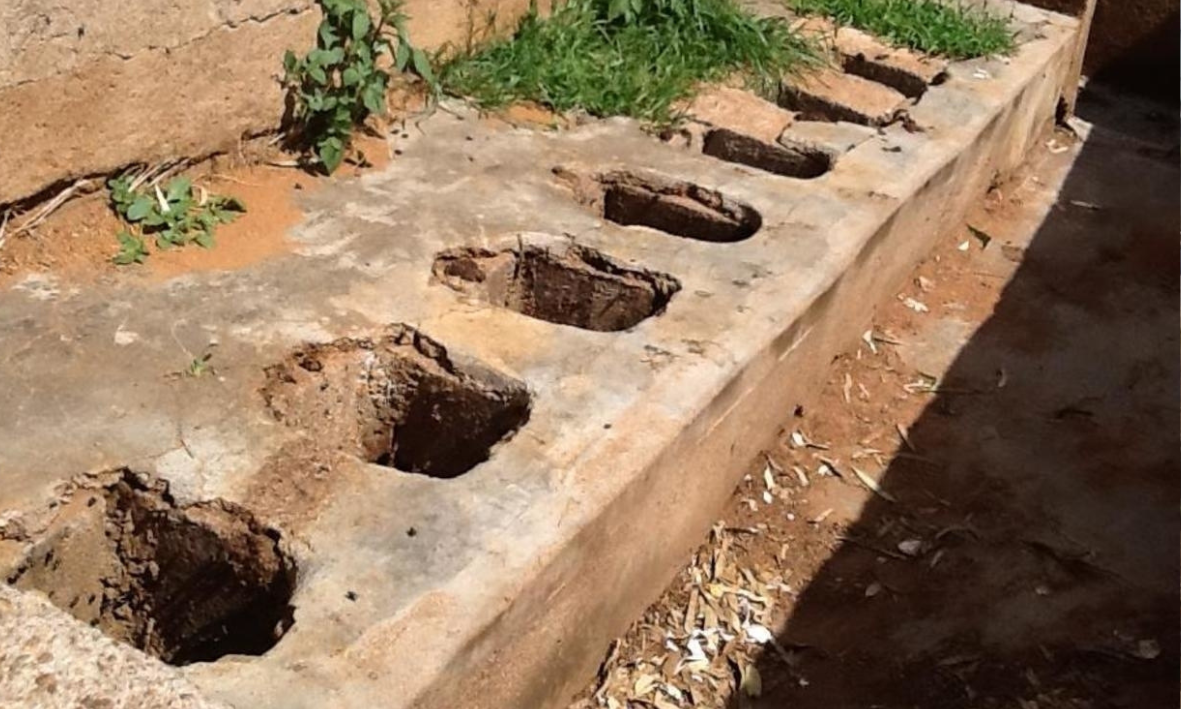
Statement by Yongama Zigebe, Councillor in the City of Johannesburg for the United Democratic Movement and Chairperson of the S79 Committee on Gender, Youth and People with Disabilities The United Democratic Movement (UDM) expresses deep disappointment over the Department of Basic Education's failure to meet its deadline for eradicating pit latrines in schools. This failure is not just a missed deadline, but an extension of a health hazard to our children. The deadline, set for 31 March 2025, has once again come and gone, leaving thousands of learners exposed to unsafe and undignified conditions. Basic Education Minister Siviwe Gwarube recently claimed that 93% of identified pit latrines have been eradicated. However, civil society organisations, including SECTION27, have raised serious concerns that the 2018 audit used to track progress is outdated, and many schools still operating with pit toilets have been overlooked. This failure is not just a missed deadline, it is an extension of a public health crisis and a health hazard to the lives of our children. The tragic case of a five-year-old learner who drowned in a pit latrine in 2014 in the Eastern Cape, should have been a wake-up call, instead, after years of court battles and repeated extensions, the government continues to move at an unacceptably slow pace. Reports from civil society indicate that many schools, particularly in rural provinces like Limpopo and the Eastern Cape, remain without proper sanitation. Some schools rely on unsafe and unhygienic mobile toilets, which are not a viable solution. In some cases, there are not enough toilets to accommodate all learners, and they are not properly maintained. According to media reports, almost 11,000 schools across the country still lack a single flushing toilet, and hundreds of schools have no running water. Learners are forced to use unsafe facilities creating serious hygiene and health risks. The government's continued failure to address this crisis with urgency is unacceptable. The UDM demands the following immediate actions: • A new, transparent national audit of all schools still relying on pit latrines, with the results made publicly available. • A clear, time-bound implementation plan for eradicating all remaining pit latrines, with no further extensions. • An accountability mechanism to track progress and ensure that responsible officials are held accountable for ongoing failures. • Increased collaboration between government, civil society and the private sector to accelerate sanitation projects. South Africa cannot afford another empty promise. The dignity and safety of our children must come first. The UDM will continue to monitor this issue closely and hold the government accountable for ensuring that no learner is forced to endure these inhumane conditions any longer.
Admin
19 Mar, 2025
Reduce, Reuse, Recycle: World Recycling Day
Statement by Yongama Zigebe, Councillor in the City of Johannesburg for the United Democratic Movement and Chairperson of the S79 Committee on Gender, Youth and People with Disabilities The United Democratic Movement (UDM) in the City of Johannesburg joins the world in marking World Recycling Day - a reminder of our shared responsibility to protect the environment, save resources and work towards a sustainable future. Recycling is not just about managing waste. It is about taking care of what has been entrusted to us. Many cultural and spiritual traditions teach us that the land is a precious gift. Keeping our environment clean is not only about appearance. It is about respecting nature, protecting life, and ensuring that future generations inherit a healthy and liveable world. Recycling has benefits beyond just keeping our surroundings clean. It reduces landfill waste, lowers carbon emissions, saves energy and creates jobs in the green economy. A cleaner city means healthier communities, a stronger economy and a better quality of life for everyone. We encourage all residents of Johannesburg to take responsibility for their surroundings by keeping them clean and embracing recycling. Simple actions like separating waste, reusing materials as well as supporting recycling efforts can make a big difference. As a party committed to sustainable governance, the UDM in Johannesburg will continue to push for policies that improve waste management, promote environmental education and support community-led cleanup projects. Together, we can build a greener, cleaner, and more prosperous city. Reduce. Reuse. Recycle. The future of our city depends on how we care for our environment today.