Admin

20 Oct, 2025
Exposing the water-tanker mafia: UDM urges SCOPA to act on corruption and sabotage in municipal supply
Mr Songezo Zibi, MP Chairperson of the Standing Committee on Public Accounts PO Box 15 Cape Town 8000 Dear Chairperson and Members of SCOPA Exposing the water-tanker mafia: UDM urges SCOPA to act on corruption and sabotage in municipal supply 1. The United Democratic Movement (UDM) wishes to bring to the Standing Committee on Public Accounts’ (SCOPA) urgent attention the alarming escalation of spending on water-tanker services by municipalities across South Africa, and the growing evidence of systemic abuse, corruption, and sabotage of water infrastructure associated with these contracts. 2. Recent investigative reports reveal that the City of Tshwane spent R777 million on water-tanker services in the 2024/25 financial year, an astronomical figure that far exceeds the reasonable cost of emergency water provision. This follows earlier findings that Tshwane alone paid more than R116 million in 2023/24 for tanker operations in areas repeatedly affected by burst pipes and alleged deliberate vandalism. 3. These numbers are not merely accounting anomalies; they speak to a wider pattern of dysfunction and profiteering. Treasury has already warned municipalities that water tankering must remain a temporary emergency measure, yet it has become a long-term business model feeding a network of contractors who thrive on public desperation. 4. The South African Human Rights Commission has gone so far as to suggest that deliberate interference with water infrastructure for profit could amount to terrorism against essential services. Lack of oversight, weak internal controls, or corruption in tendering and contracting tanker services, meaning funds may not be used optimally, or contracts may be awarded to unqualified providers. 5. The abuse of tanker procurement undermines every principle of clean administration and human dignity. It drains municipal budgets, discourages maintenance of pipelines, and forces poor communities to depend on unreliable and unsafe water sources. Every rand spent on this corruption-ridden system is a rand diverted from lasting solutions such as reservoirs, reticulation upgrades, and proper maintenance. 6. In view of these disturbing trends, I respectfully request that SCOPA: 6.1. Launch a national investigation into municipal expenditure on water-tanker services for the past five years, beginning with the City of Tshwane as a case study. 6.2. Summon the National Treasury, Department of Water and Sanitation, and the Auditor-General to account for the monitoring and control of tanker-related procurement. 6.3. Direct the Special Investigating Unit and Hawks to examine allegations of sabotage of water infrastructure and possible collusion between municipal officials and private contractors. 6.4. Recommend policy reform to ensure that water-tanker services are used only for emergency relief and are strictly time-bound, audited, and publicly reported. 6.5. Ensure transparency to communities by compelling municipalities to publish all tanker contracts, expenditure, and service records on accessible platforms. 7. South Africa’s water crisis is deepening, not only because of scarcity but because corruption has been allowed to pollute the very systems meant to deliver relief. The people deserve answers and decisive action. It is time for Parliament to intervene before water delivery becomes the next national scandal. Yours sincerely Ms Thandi Nontenja, MP United Democratic Movement Member of SCOPA

Admin
20 Oct, 2025
AGSA’s findings: South Africa’s parole system betrays its constitutional duty
Media Statement by Thandi Nontenja, MP and UDEMWO Secretary General The United Democratic Movement Women’s Organisation (UDEMWO) welcomes the recent findings of the Auditor-General of South Africa (AGSA) on the Department of Correctional Services, which expose deep and long-standing weaknesses in the country’s parole system. For years, UDEMWO has warned that South Africa’s parole regime places the lives of women, children and communities in danger. The AGSA report confirms what victims have known all along: the system no longer serves justice. It is failing its constitutional and moral duty to protect citizens and to uphold the rule of law. According to the AGSA, offenders whose parole was previously revoked are still being considered for release on new sentences. The report also shows that more than a third of inmates are remand detainees who receive no meaningful rehabilitation, while many convicted offenders, including those found guilty of sexual offences, do not receive the mandatory psychological services required by law. The audit further revealed that the Department’s Integrated Inmate Management System lacks basic integrity, with incomplete records and missing identifiers that make it impossible to track offenders properly or to assess their risk before release. This negligence has deadly consequences. When a system allows violent offenders to walk free without proper preparation, supervision or rehabilitation, it fails the victims who continue to live with trauma and fear. UDEMWO shares the anguish of families whose loved ones became victims of a system that released danger back into their communities UDEMWO calls for immediate and decisive action from the Department of Correctional Services and Parliament: 1. Victims must be placed at the centre of parole decisions, and their safety must carry more weight than administrative convenience. 2. Risk assessments must be strengthened to ensure that offenders with a history of violence or parole revocation are not released without thorough multidisciplinary review. 3. Data systems must be repaired and regular reports on parole approvals, reoffending and violations must be tabled in Parliament and made available to the public. 4. Offenders should only become eligible for parole once they have completed meaningful rehabilitation and demonstrated readiness to reintegrate into society. 5. Parliament must hold parole boards accountable for negligent decisions and ensure that consequences follow where released offenders commit serious crimes. Each act of violence committed by a parolee is not an isolated incident but a symptom of a system that has lost its moral compass. Justice cannot end at sentencing; it must extend to ensuring that rehabilitation is real, that victims are respected and that communities are safe. Communities also have a duty to support survivors, report crime and break the silence that protects perpetrators. Real reform will require collective responsibility from government, society and every institution tasked with protecting the vulnerable. Until the parole system is rebuilt on principles of accountability, transparency and compassion for victims, it will remain a danger to the very people it was meant to protect. UDEMWO will continue to speak for those whose voices are ignored and to demand a justice system that honours both the Constitution and the sanctity of human life.

Admin
17 Oct, 2025
Request for intervention regarding Jozini: where a full dam meets empty taps
Mr Paul Shipokosa Mashatile, MP Deputy President of the Republic of South Africa Private Bag X1000 Cape Town 8000 and Ms Pemmy Majodina, MP Minister of Water and Sanitation Private Bag X9052 Cape Town 8000 and Mr Velenkosini Hlabisa, MP Minister of the Department of Cooperative Governance and Traditional Affairs Private Bag X802 Pretoria 0001 and Mr Leonard Jones Basson Chairperson of the Portfolio Committee on Water and Sanitation PO Box 15 Cape Town 8000 Dear Deputy President, Minister Majodina, Minister Hlabisa and Chairperson Basson Request for intervention regarding Jozini: where a full dam meets empty taps 1. Introduction In 2011, government promised that families living around the Jozini Dam (Pongolapoort Dam), in KwaZulu-Natal, would soon drink water from the dam for the first time in 40 years. Fourteen years later, thousands of those same families are still waiting. The people of Jozini and the greater uMkhanyakude District continue to fetch untreated water from the dam that towers above their homes. Children, elders, and livestock share the same water source in one of South Africa’s greatest contradictions, abundance without access. This is no longer an infrastructure problem. It is an accountability crisis. 2. The record of some of the reported broken promises In 2011, government announced the imminent launch of three water reticulation schemes expected to benefit about eight thousand families in the kwaJobe Traditional Authority area of Jozini. By 2015, elderly residents were still walking long distances to collect water directly from the dam, carrying heavy containers home each day while living in sight of the vast reservoir they could not access. In 2017, government declared that more than 10,000 residents across the wider Jozini area would henceforth have access to potable water. This promise was tied to phase launches of bulk infrastructure intended to expand coverage beyond urban nodes into rural settlements. However, despite this public commitment, countless households in these same areas remain without functional taps today; a stark reminder that grand launches have not translated into sustained service at the household level. That same year, the Jozini Bulk Water Supply Project launched a new treatment works designed for 40 million litres per day, meant to supply about 135,000 people (16,200 households). However, despite this major investment (over R1.075 billion spent) and the appointment of Mhlathuze Water as implementing agent, far too many in Jozini remain without functional taps. Infrastructure was built, yet the link from bulk works to community households has broken down. This disconnect between promise and performance demonstrates that the challenge is not just constructing infrastructure, but making it work for the people it was meant to serve. In 2022, the district finally obtained a licence to draw water from Jozini Dam, raising hopes that the long wait was ending. Yet, years later, the pipelines and treatment works remain incomplete, and most households still have no reliable supply. Between 2023 and 2024, frustration boiled over as residents in Mathayini and Mbabanana blocked roads and marched in protest after burst pipes, illegal connections and poor maintenance once again left entire wards without water. By 2024 and 2025, the much-celebrated Nondabuya Water Scheme, funded at R151 million and intended to reach 2,400 households, had collapsed, reaching only about 700 families before allegations of corruption and over-expenditure surfaced. Two senior officials were suspended, yet one has since resurfaced in another province’s department, continuing the cycle of impunity that defines this tragedy. 3. The cost in human dignity Behind every failed project is a community forced to live without the most basic necessity of life. Schools and clinics operate without reliable water supply. Women and children spend hours each day walking for water instead of attending school or work. Farmers lose livestock because pumps and canals lie idle. Families bury children who drown fetching water from unsafe sources. Water is life, but for many in Jozini it remains a privilege. 4. Findings from national oversight The Department of Water and Sanitation has acknowledged uMkhanyakude as one of the municipalities under Section 63 intervention, meaning national government itself recognises local collapse. The South African Human Rights Commission has confirmed that water supplied by nearly half of South Africa’s municipalities is unsafe to drink, with uMkhanyakude among those in critical condition. We take note of Water and Sanitation Minister Pemmy Majodina’s commitments in her 2025/26 Budget Vote, where she pledged to strengthen accountability, professionalise municipal water services, and accelerate delivery through the Water Partnerships Office and new legislative reforms. These undertakings are welcome and necessary. However, communities like Jozini must see these commitments materialise in real, functioning infrastructure and visible results on the ground, not only in plans, task teams, or budget lines. Minister Majodina’s speech identified vandalism, illegal connections, and non-payment as national challenges, but Jozini’s experience shows the deeper truth: these failures persist because accountability remains optional. We also note the establishment of the Makhathini Lower Pongola Water User Association in 2023 by Gazette Notice No. 48514, designed to manage the dam, river, and canal infrastructure across Jozini, uMhlabuyalingana, and parts of Zululand in a coordinated manner. Its governance structure is to include representation from farmers, municipalities, conservation authorities, traditional leaders, and other user groups to ensure equity in decision-making over water releases, allocation and infrastructure operations. Yet despite this statutory framework, the association remains largely aspirational: canal sections are vandalised or illegally tapped, refurbishment is unfunded, and community voices seem excluded from real oversight. If it is to be more than symbolic, the Water User Association must be empowered, resourced and held to account, and its operations must align with the accountability and transparency demands outlined above. We further note with grave concern the redeployment of Chuleza Hombisa Jama, a former KwaZulu-Natal Cooperative Governance and Traditional Affairs (CoGTA) official who was suspended in connection with the failed R151 million Jozini water project, to a senior position in the Eastern Cape’s disaster management unit. Despite her suspension and the unresolved investigations, she was transferred without clear vetting or accountability. Such actions undermine the principle that those under investigation should not be placed in positions of authority over public resources or emergency response. This practice erodes public trust and highlights the urgent need for national safeguards against the redeployment of officials implicated in misconduct. The UDM firmly holds that cadre deployment and redeployment without accountability have become a mechanism for perpetuating maladministration and corruption. Time and again, officials who fail or are implicated in wrongdoing are simply shuffled from one department to another with no consequence. They are recycled instead of being removed. This practice undermines public confidence and shows that loyalty and political patronage matter more than competence, integrity or results. According to UDM policy, the state must institute measures to vet, sanction and, when necessary, dismiss such officials permanently from public service. Appointments and redeployments must be subject to transparent scrutiny, and no individual should be protected from consequence because of political connections. 5. A Parliamentary call for action As a Member of the Standing Committee on Public Accounts (SCOPA), I therefore call for the following actions, each with clear lines of responsibility for the: 5.1. Minister of Water and Sanitation and the Auditor-General of South Africa to commission a joint forensic and performance audit, with the Special Investigating Unit, into all Jozini and uMkhanyakude water projects since 2010, including Nondabuya, Greater Ingwavuma, and the Makhathini Canal. 5.2. KwaZulu-Natal MEC for CoGTA to implement the immediate suspension of any official implicated in financial or project irregularities, pending the finalisation of investigations, and ensure that no redeployments occur until due process is completed. 5.3. Department of Water and Sanitation, working with the uMkhanyakude District Municipality to publish up-to-date progress reports on all water projects in Jozini and uMkhanyakude, detailing expenditure, appointed contractors, and realistic timelines for completion. 5.4. Department of Water and Sanitation and the National Treasury to fast-track the completion of the Greater Ingwavuma Bulk Water Supply Scheme and secure the funding necessary to ensure full functionality before the 2026 financial year. 5.5. Minister of Water and Sanitation, in collaboration with CoGTA and the Municipal Infrastructure Support Agent to establish a multi-agency task team, including the Department of Water and Sanitation, the Department of Cooperative Governance and Traditional Affairs, the National Treasury, the Municipal Infrastructure Support Agent, and local civil society, to coordinate funding, technical support, and consequence management. 5.6. Deputy President of the Republic, in his capacity as Chairperson of the Infrastructure and Investment Committee to provide executive coordination and oversight to ensure that national, provincial, and municipal interventions in the Jozini and uMkhanyakude water projects are properly aligned, funded, and implemented within measurable timelines, with quarterly progress reports submitted to Parliament. 5.7. Parliamentary Portfolio Committee on Water and Sanitation, together with SCOPA to receive and review all audit outcomes from the above processes and ensure ongoing Parliamentary oversight and follow-up to guarantee accountability and delivery. 6. Restoring trust and transparency The people of Jozini deserve honesty. They deserve updates, site visits, and written reports, not ribbon-cutting ceremonies. Transparency must replace secrecy and confusing messaging, and delivery must replace excuses. 7. Conclusion The African National Congress and Inkatha Freedom Party in KwaZulu Natal have repeatedly traded accusations over who are to blame for the ongoing water crisis in Jozini, while actual delivery to communities remained absent. The political squabbling has become a spectacle, a diversion from the core failure: that waterless residents suffered years of neglect. This unhealthy dynamic has allowed both parties to claim moral high ground without ever changing the status quo for the people. The Jozini crisis also reflects a massive failure of coordination between the three spheres of government. Over the years, every department and level of authority has made promises; yet there has been no sustained follow-through. The national department announces interventions, the province appoints task teams, and the district and local municipalities hold community meetings, but these efforts rarely converge into one accountable plan. The result is duplication, confusion, and continued hardship for ordinary residents. The lack of alignment between policy, funding, and implementation is glaring, and the people of Jozini are bearing the brunt. The Government of National Unity (GNU) has promised to turn a page on this legacy of division and failure. That promise will mean nothing if it does not reach the most neglected corners of our country. The crisis in Jozini is a test of the GNU’s sincerity: whether it can replace political blame with shared responsibility and turn promises into pipes that actually deliver water. Water is life, and accountability must now flow as freely as the water that surrounds Jozini. It is now imperative for Deputy President Paul Mashatile, as Chairperson of the Infrastructure and Investment Committee, to convene all stakeholders at national, provincial, and local levels, into one coordinated platform to resolve this crisis once and for all. Yours sincerely Ms Thandi Nontenja, MP United Democratic Movement Member of the Standing Committee on Public Accounts Copied to: ? Mr Enoch Godongwana, MP - Minister of Finance ? Mr Songezo Zibi, MP - Chairperson of the Standing Committee on Public Accounts ? Rev Thulasizwe Buthelezi, MPL – KwaZulu-Natal MEC for Cooperative Governance and Traditional Affairs ? Ms Tsakani Maluleke - Auditor-General of South Africa ? Adv Andy Mothibi - Head of the Special Investigating Unit ? Adv Chrystal Pillay – Acting Chief Executive Officer of the South African Human Rights Commission ? Cllr Remington Mazibuko - Provincial Chairperson of the UDM in KwaZulu-Natal
Admin
14 Oct, 2025
Rural women deserve more than platitudes, they deserve power
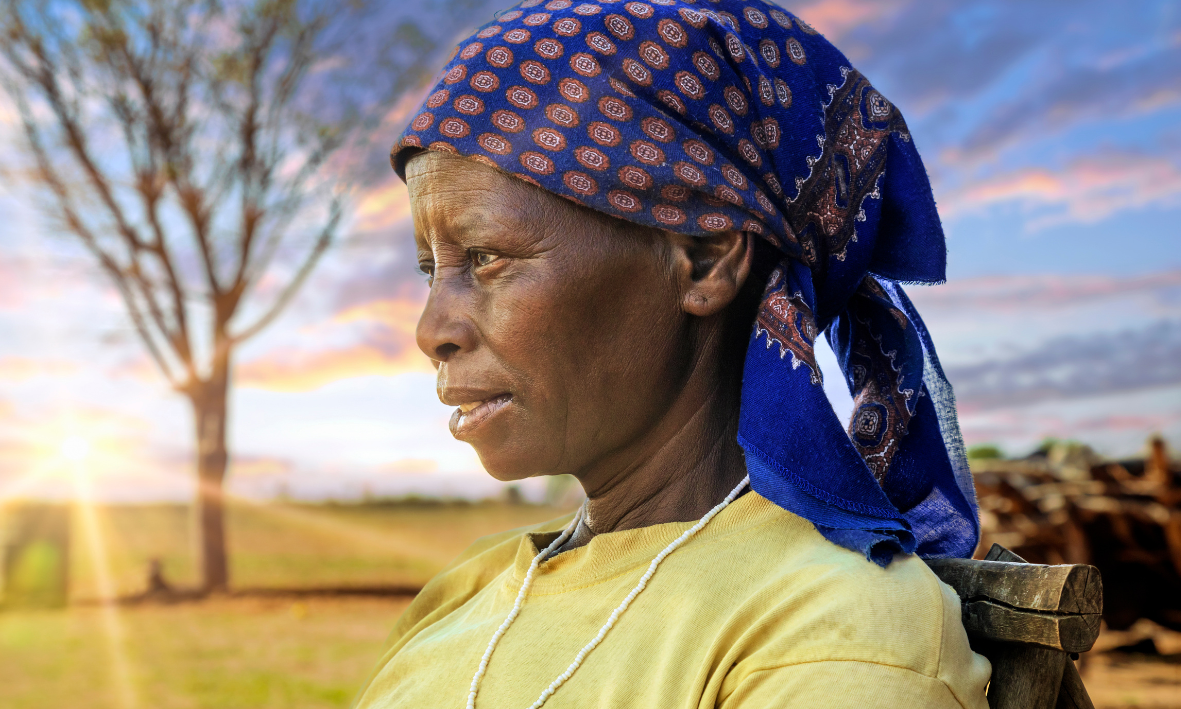
Media Statement by Thandi Nontenja, MP and UDEMWO Secretary General The story of rural South Africa is written in the hands of women who work the soil, raise families and rebuild communities in the face of hardship. Tomorrow is International Day of Rural Women, and the United Democratic Movement Women’s Organisation (UDEMWO) calls for their recognition not as beneficiaries of policy, but as partners in shaping the nation’s future. Across South Africa’s villages and farmlands, rural women anchor our food systems and local economies, yet their contribution remains undervalued and under-supported. Many continue to face barriers to owning or inheriting land, limited access to clean water and energy, and exclusion from local decision-making. Complicated land application procedures and unclear local regulations, combined with traditional gatekeeping and weak oversight, continue to deny rural women the security, dignity and opportunity they deserve. The result is predictable: hunger, unemployment and disempowerment. When rural women lack secure land, clean water, reliable energy and protection from climate shocks, entire communities fall behind. Yet despite these challenges, rural women continue to feed households, nurture future generations and hold the fabric of our society together. UDEMWO believes that true gender equality cannot be achieved until rural women enjoy the same rights, resources and respect as their urban counterparts. Empowering them is not charity; it is an investment in South Africa’s social and economic recovery. UDEMWO calls on the Government of National Unity to: 1. Work with traditional leaders to develop a Gender-Responsive Communal Land Framework that honours cultural heritage while ensuring that women can also enjoy secure rights to land. 2. Prioritise rural water, sanitation and clean-energy infrastructure as part of the national anti-poverty and food-security strategy. 3. Invest in climate-resilient agriculture and skills development led by rural women farmers, cooperatives and youth. 4. Ensure that every government budget includes specific allocations for rural women’s development, so that promises of equality are backed by real resources and measurable results. 5. Include rural women’s voices in climate, land and local-government forums where decisions affecting their lives are made. 6. Task the Minister of Women, Youth and Persons with Disabilities with leading a coordinated national programme to monitor rural women’s development, ensuring that every department and province delivers tangible outcomes in land access, services and economic empowerment. As we celebrate the courage of rural women, UDEMWO reaffirms its commitment to ensuring that no woman is left behind in land ownership, in leadership or in the fight against hunger and climate injustice. Rural women feed the nation. It is time South Africa fed their hopes with justice, dignity and opportunity.

Admin
06 Oct, 2025
Urgent Inquiry into the expenditure and delays of the Upper and Lower uMkhomazi Water Projects
Mr Songezo Zibi, MP Chairperson of the Standing Committee on Public Accounts PO Box 15 Cape Town 8000 Dear Chairperson and Members of SCOPA Urgent Inquiry into the expenditure and delays of the Upper and Lower uMkhomazi Water Projects 1. Introduction 1.1. The United Democratic Movement (UDM) writes to formally request that the Standing Committee on Public Accounts (SCOPA) institute a full inquiry into the expenditure, procurement processes and governance failures associated with the Upper and Lower uMkhomazi Water Projects. 1.2. In my understanding, the uMkhomazi development has always been envisaged as two complementary projects with distinct roles. The Upper uMkhomazi Water Project centres on the construction of the Smithfield Dam and a transfer tunnel into the uMngeni system, designed to secure bulk raw water for Durban, Pietermaritzburg and inland communities. The total costing reportedly R28 billion. By contrast, the Lower uMkhomazi Water Project is focused on potable water delivery, with a balancing dam, treatment works, and bulk pipelines intended to serve an estimated 50,000 households in southern eThekwini and the Ugu District, including Amanzimtoti, Umkomaas, Scottburgh and Hibberdene. 1.3. The Upper project is therefore about storage and transfer to the metropolitan supply, while the Lower project is about immediate, treated water supply to households along the coast. The latter project is valued at over R20 billion. The UDM did note the recent statement by Water and Sanitation Minister Pemmy Majodina that the Lower uMkhomazi scheme has reached over 60% completion, with key components such as the Ngwadini Dam, bulk pipelines and treatment works underway. 1.4. These projects, with a combined estimated value of R48 billion, are meant to secure water supply for both inland and coastal communities in KwaZulu-Natal . Instead, they have become emblematic of delays, disputes and dysfunction, leaving thousands of households without access to their constitutional right to water. 2. Problems and delays 2.1. The Upper uMkhomazi scheme, was originally projected to be completed by 2018. It has now been pushed back to 2032, a 14-year delay . Communities such as Tafelkop , west of Durban, have already lived with dry taps for more than 15 years and now face the prospect of another generation without water. 2.2. In 2022, the then Minister of Water and Sanitation noted that the Department is making efforts to deal with abandoned projects by resuscitating them and accelerating those that have been slow to implement. He admitted that in the past the Department struggled with weak project management, premature announcements of projects without proper planning or budgets, and failures to complete essential processes such as procurement. He added that steps are currently being taken to resolve these shortcomings. 2.3. The Lower uMkhomazi scheme, has a R7 billion tender was interdicted in court due to disputes about the adjudication process . This is not a minor administrative hiccup but a sign of systemic weaknesses in procurement governance. 3. Governance and procurement failures 3.1. The UDM is gravely concerned that: 3.1.1. Funding shortfalls have been allowed to derail timelines repeatedly, even though public money continues to flow into the projects. 3.1.2. Procurement disputes have resulted in costly litigation, effectively freezing delivery while contractors and departments fight in court. 3.1.3. Former Minister Senzo Mchunu made explicit commitments to resuscitate and fast-track these projects, commitments that have not been honoured. 3.1.4. Current leadership — Minister Pemmy Majodina and Deputy President Paul Mashatile — have yet to provide the public with clear milestones or an accountability framework for delivery on both projects. 3.2. Recent media reports highlight troubling governance lapses at uMngeni-uThukela Water (UUW), the implementing institution for the uMkhomazi schemes. A forensic probe by Strauss Daly found that Mr Khanyisani Stanley Shandu, Chairperson of UUW’s subsidiary, uMngeni Water Services (UWS), failed to fully declare his and his spouse’s interests in several companies, including one doing business with UUW. Following these findings, the UUW board removed Shandu from his roles as chairperson of UWS and member of its Capital Projects and Fixed Assets Committee. However, he remains a member of the main UUW board. Reports also note that Minister of Water and Sanitation Pemmy Majodina considered his removal in July 2024 but did not proceed. These red flags go beyond individual failings. They highlight systemic weaknesses in conflict-of-interest controls, related-party disclosures, procurement integrity, and executive oversight in the water sector. The fact that a senior figure implicated in such governance failures remains on the board of a critical water utility undermines public confidence in the stewardship of multi-billion-rand projects such as the Upper and Lower uMkhomazi schemes. For this reason, SCOPA’s potential inquiry cannot be limited to tracing financial flows alone. It must also scrutinise the fitness of governance structures and leadership at implementing institutions and assess whether ministerial oversight has been exercised effectively to protect the public interest. 4. Financial oversight concerns 4.1. The scale of investment is staggering: R48 billion committed, yet the tangible benefit for communities remains minimal. Parliament has no transparent breakdown of: 4.1.1. How much of this money has already been spent. 4.1.2. Which contracts have been signed and honoured. 4.1.3. The cost implications of court interdicts and legal wrangles. 4.1.4. The extent of waste, irregular expenditure, or overpayments over the years. 4.2. Without this clarity, the risk is that billions will continue to be consumed without producing a single drop of water for households. 5. Variations in project costs 5.1. Over the past decade, the projected cost of the Upper uMkhomazi project has escalated dramatically. As far back as 2015 and 2016, government admitted “affordability concerns”, with early estimates for project climbing into the range of R19 billion . In 2023 it was estimated to cost R23 billion by 2028 . In the most recent reporting from 2024 and 2025, figures as high as R26 billion have been cited. In her 100-days performance report, Minister Pemmy Majodina confirmed that the Department is pursuing the R28 billion Upper uMkhomazi project, including a new dam and transfer tunnel intended to supply eThekwini and surrounding municipalities. 6. Human impact 6.1. At the heart of this crisis are people. Communities west of Durban such as Tafelkop, and along the coast from Amanzimtoti to Hibberdene, remain without safe, reliable water despite living next to multi-billion-rand projects. 6.2. Families are forced to fetch water from rivers and streams. Children go to school without the guarantee of clean water at home. Clinics and local businesses operate under extreme constraints. The constitutional promise of access to sufficient water is being violated. 6.3. This is not simply a technical or financial issue. It is a matter of human dignity and social justice. 7. Request to SCOPA 7.1. The UDM therefore requests that SCOPA: 7.1.1. Launch a full inquiry into the expenditure on the Upper and Lower uMkhomazi Water Projects, with disclosure of every contract, payment, and variation order to date. 7.1.2. Summon former and current Ministers of Water and Sanitation, including Mr Senzo Mchunu, as well as the incumbent Minister Pemmy Majodina, to account for promises made, delays, and failures of oversight. 7.1.3. Call Deputy President Paul Mashatile to outline the role of the Infrastructure Fund and coordination mechanisms in preventing further waste. 7.1.4. Require National Treasury to provide a detailed account of funding allocations, affordability assessments and interventions since the start of the projects. 7.1.5. Examine the impact of court interdicts on the Lower scheme and recommend measures for expediting the resolution of procurement disputes, including interim service delivery arrangements so that communities are not left hostage to litigation. 7.1.6. Assess the human cost of these delays by inviting submissions from affected communities, civil society, and municipalities in eThekwini and Ugu. 7.1.7. Report quarterly to Parliament and the public on the progress of the inquiry and recommendations for corrective action. 7.1.8. Assess the fitness of leadership at uMngeni-uThukela Water and its subsidiaries, including the conduct of board members and the adequacy of ministerial oversight, to ensure that governance failures do not derail multi-billion-rand water projects 8. Conclusion 8.1. The Upper and Lower uMkhomazi schemes were meant to represent hope for communities long denied water. Instead, they have become symbols of how governance failures, procurement disputes and weak financial oversight can hollow out even the most important infrastructure projects. 8.2. SCOPA has a constitutional duty to ensure that every rand spent produces results. Water is life, and public money is sacred. The UDM urges SCOPA to take up this inquiry without delay, as a test of Parliament’s commitment to accountability and the protection of the rights of ordinary South Africans. Yours sincerely Ms Thandi Nontenja, MP United Democratic Movement Member of SCOPA
Admin
11 Oct, 2025
For ALL Women and Girls: equality cannot wait
Media Statement by Thandi Nontenja, MP and UDEMWO Secretary General The United Democratic Movement Women’s Organisation (UDEMWO) joins the global community in marking the International Day of the Girl under the theme For ALL Women and Girls. This year’s observance reminds us that genuine gender equality requires inclusion across class, race, geography, and generation. Across South Africa, girls continue to live between promise and prejudice. Women make up 51% of the population and head 42% of households, yet they remain underrepresented in the economy and leadership. Female unemployment stands at 33.9%, rising to 38% among Black African women, and women occupy less than a third of senior management positions. These figures reveal not a lack of talent but a failure of opportunity. Gender-based violence and femicide remain the most devastating expression of inequality in our country. South Africa continues to record some of the highest levels of violence against women and girls, turning homes and communities into unsafe spaces. This brutality reflects a deep moral and social crisis that demands urgent action. Laws alone are not enough; we need a justice system that acts swiftly, police who protect survivors with compassion, and communities that refuse to normalise abuse. UDEMWO continues to advocate for the denial of parole to those convicted of rape and the murder of women and girls, as a clear message that such cruelty will not be tolerated. Every woman and girl deserves to live without fear, and every act of violence must be met with justice. Cultural and social norms continue to hold girls back. Faith and culture are important sources of identity and guidance, but they should never be used to justify the subordination of women and girls. A recent study shows that seven in ten men believe women should obey their husbands, demonstrating the urgent need to reinterpret cultural norms in ways that promote equality and dignity for all. From villages to boardrooms, transformation must reach tradition. Traditional and religious leaders, families, men, and boys must work together to dismantle harmful stereotypes and build communities where girls’ dreams are nurtured and respected. UDEMWO believes that empowering girls begins with economic freedom, quality education, and bodily autonomy. Economic inclusion, from equal pay to access to finance for women-owned enterprises, is not charity; it is justice. It is also smart economics because when women and girls thrive, entire communities benefit. UDEMWO therefore calls for: 1. Equal investment in girls’ education, especially in rural and low-income communities. 2. Gender-responsive budgeting at all levels of government to fund programmes that directly improve the lives of women and girls. 3. Zero tolerance for gender-based violence and femicide, including the denial of parole for rapists and murderers of women and girls, and better support for survivors through policing, prosecution, and psychosocial care. 4. Partnerships with faith and traditional leaders to reinterpret cultural practices in ways that affirm equality and human dignity. 5. Economic inclusion and empowerment through equal pay, targeted support for women-owned enterprises, and access to credit and land. 6. Mentorship and leadership pathways for girls to enter science, politics, business, and community leadership. As we commemorate the International Day of the Girl, UDEMWO honours the courage of girls who, despite obstacles, refuse to be silenced. Their struggle is not separate from that of women; it forms its foundation. Our collective task is to ensure that every girl in every community can live and lead freely, safely, and equally. For ALL Women and Girls. Our future depends on it.

Admin
04 Oct, 2025
Reform parole, protect victims: UDEMWO’s call for action
Media Statement by Thandi Nontenja, MP and UDEMWO Secretary General The United Democratic Movement Women’s Organisation (UDEMWO) has consistently raised the alarm about South Africa’s broken parole system. Time and again, we have argued that the safety of women, children, and communities cannot be compromised by releasing offenders who remain a clear danger to society. Recent figures provided in Parliament are nothing short of devastating. In just three years, 18 052 parolees reoffended including 493 murders and 624 rapes. The most common crimes committed while on parole were theft and housebreaking, compounding the daily fear ordinary families already live with. Between 2022 and 2025, a staggering 46 627 inmates were released on parole, yet parole violations reached over 28 000 in five years, mostly due to reoffending. These are not just numbers, they represent destroyed lives, families left in pain, and communities stripped of their sense of safety. We note that Correctional Services Minister Pieter Groenewald convened the National Parole Review Summit in September 2025, where he committed to reforms that place public safety and victim justice at the centre of parole decisions. He acknowledged the shocking reality that parole must never be used as a tool simply to ease overcrowding in prisons, and that only those genuinely rehabilitated and posing no risk to the public should be considered. UDEMWO welcomes this shift in tone, but we stress that words and summits are not enough. What is needed is decisive, transparent reform that prioritises: 1. The Department of Correctional Services and parole boards must ensure that the voices and safety of victims and their families weigh heavily in all parole decisions. 2. Parliament and the Ministry of Justice must hold parole boards accountable when offenders they release commit violent crimes. 3. Offenders must demonstrate readiness for parole through meaningful participation in skills training, education, and reintegration programmes under the supervision of the Department of Correctional Services. 4. The Department of Correctional Services must publish regular reports on parole approvals, reoffending, and violations, and these reports must be tabled before Parliament for public scrutiny. The South African public is tired of empty promises. Every rape, every murder committed by someone released too soon, is a failure of the system and an insult to victims. UDEMWO will continue to speak out until a parole system exists that truly protects the living while respecting the memory of those we have lost. Communities must also take responsibility by reporting such crimes, rather than concealing them due to stigma, fear, or misplaced loyalty.
Admin
01 Oct, 2025
The R26 billion question: where is the uMkhomazi water?
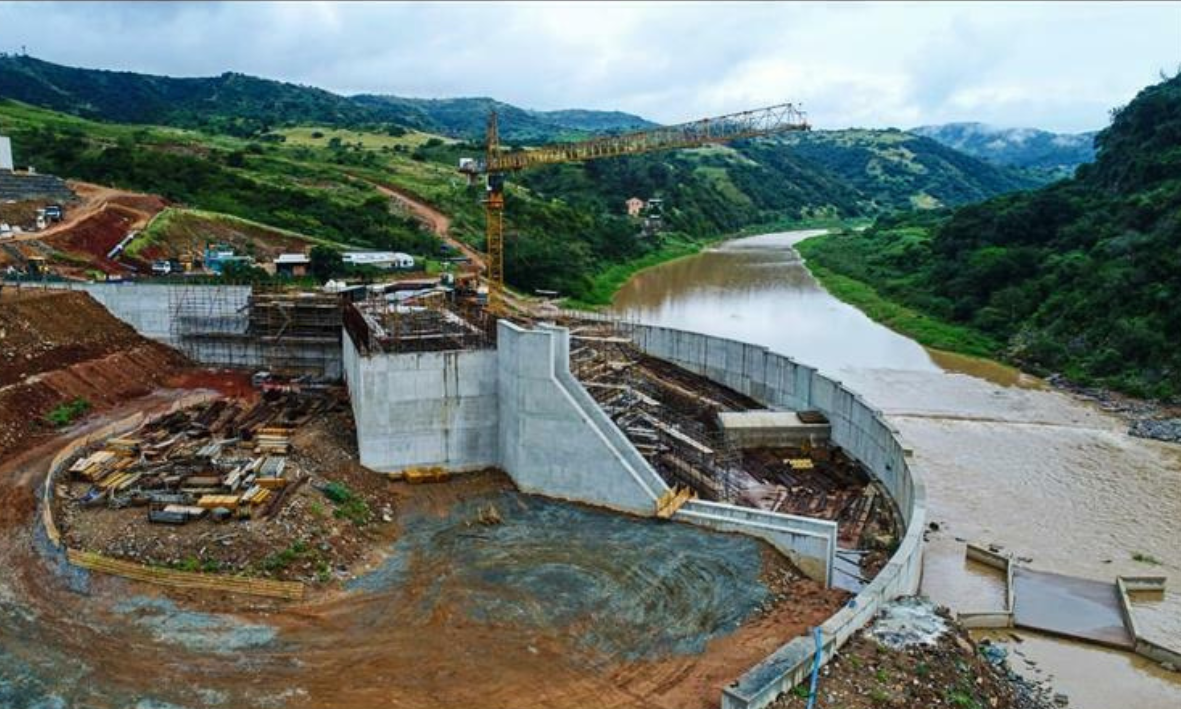
Statement by Thandi Nontenja, MP, UDM Member of the Standing Committee on Public Accounts LISTEN: Ms Nontenja on the subject of the uMkhomazi projects The United Democratic Movement (UDM) is gravely concerned about the continuing delays and disputes in the Upper and Lower uMkhomazi Water Projects, which have left communities without water despite billions of rands being committed. The Upper and Lower uMkhomazi Water Projects were meant to secure supply for both inland and coastal communities. The Upper scheme, centred on the Smithfield Dam and transfer tunnel, was designed to boost the uMngeni system and bring long-awaited relief to Durban and surrounding areas. The Lower scheme, with its storage dam and treatment works, was intended to serve southern eThekwini and the Ugu District, benefiting an estimated 50,000 households in towns like Amanzimtoti, Umkomaas, Scottburgh and Hibberdene. The Upper uMkhomazi scheme was originally projected to be completed in 2018. Instead, it has been dogged by funding shortfalls, procurement disputes and legal wrangles. Its completion date has now been pushed to 2032. This means that communities such as Tafelkop, west of Durban, have lived with dry taps for over 15 years and will wait another generation for what their constitutional right is. The UDM is disturbed that public money continues to flow, but public benefit does not. Government admitted as far back as 2015 that affordability concerns had stalled the project. In 2025, a R7 billion tender for the Lower uMkhomazi scheme was interdicted in court over disputes about the adjudication process. These are not small technical glitches — they are signs of systemic weaknesses in financial governance and procurement. The promises made to resuscitate and fast-track the project, including those by Senzo Mchunu during his tenure as Minister of Water and Sanitation, have not been honoured. Now the urgent question is what the incumbent Minister, Pemmy Majodina, and Deputy President Paul Mashatile, who oversees infrastructure coordination in the Government of National Unity, are doing to prevent billions more from being wasted while people still fetch water from streams. It is unacceptable that a R26 billion investment can be committed to schemes that deliver ribbon cuttings, contracts and disputes, but not water. The UDM therefore demands: 1. A full Standing Committee on Public Accounts (SCOPA) inquiry into the expenditure on the uMkhomazi projects to date, with disclosure of every contract and payment. The UDM will formally write to SCOPA to request that such an inquiry be initiated as a matter of urgency. 2. A halt to further waste until there is assurance that the money is translating into water for households. 3. Quarterly reporting to the Portfolio Committee on Water and Sanitation on progress, costs and delays. 4. Accountability from both current leaders and former ministers who presided over these failures, including appearances before Parliament and referrals to law enforcement where misconduct is proven. 5. Transparency and expedited resolution of procurement disputes that have landed in court, so that communities are not held hostage to years of litigation, with interim measures put in place to ensure access to water in the meantime. The UDM is serious about infrastructure development as the backbone of service delivery and economic growth. We have long argued for investment in dams and water storage schemes to secure supply for households, agriculture and industry. Projects like the uMkhomazi Water Scheme are urgently needed and should be welcomed, but they must be delivered on time, on budget and free of corruption. South Africans cannot drink blueprints and promises - they need functioning infrastructure that works Water is life, and public money is sacred. It is SCOPA’s duty to ensure that every rand spent on infrastructure, including water, translates into services that work, not empty promises and endless delays.

Admin
30 Sep, 2025
The R2 billion warning: reform procurement or repeat Tembisa everywhere
Statement by Thandi Nontenja, MP, UDM Member of the Standing Committee on Public Accounts The United Democratic Movement (UDM) has note with alarm the interim report of the Special Investigating Unit (SIU) into the looting of Tembisa Hospital. The SIU has confirmed what many South Africans feared: more than R2 billion was siphoned away through coordinated syndicates that exploited procurement loopholes. The report reveals that 2 207 procurement bundles, 4 501 purchase orders and 207 service providers are under scrutiny. Three criminal networks alone are linked to nearly R1.7 billion. At least 15 officials have been implicated, while R122 million in corrupt payments have been traced to insiders. Services were invoiced and paid for but never delivered. Even losing bidders were paid. The sophistication of these schemes, including fake supply chain documents, front companies and manipulation of three quote rules, proves that this was not opportunism but organised criminality within the state. The assassination of whistle-blower Babita Deokaran is a tragic reminder of how dangerous it has become to expose corruption in our country. Her murder was not in vain; the SIU findings vindicate her warnings. But South Africans cannot be expected to rely on martyrs to defend public money. The UDM is clear: Tembisa is not an outlier. It is a mirror of how corruption has hollowed out our state. The same patterns can be seen in housing projects, water schemes, municipal contracts, state owned enterprises and schools. This case must be treated as a wakeup call for comprehensive reform across all sectors, not only in health. We therefore call for: 1. Swift prosecution of all implicated individuals with clear timelines for referrals from the SIU to the National Prosecuting Authority (NPA), and public updates on progress in the courts. 2. End to end digital procurement across government with full transparency and audit trails. 3. Whistle-blower protection as a matter of urgency, with the state ensuring that the next Babita is not left vulnerable. 4. A specialised anti-corruption task team combining the SIU, NPA, Auditor General and SAPS commercial crimes units, with quarterly public reporting. 5. Swift recovery of assets so that mansions, cars and bank accounts bought with stolen funds are seized and redirected to service delivery. 6. Political accountability so that senior officials and politicians who presided over these failures must answer, not hide behind process. South Africa cannot afford another decade of commissions and reports gathering dust while syndicates loot unchecked. Every stolen rand is a bed without linen, a clinic without medicine and a community without water. The Tembisa heist is not only about one hospital. It is the clearest example yet of a state where corruption has become a parallel system of government. Unless procurement is reformed from top to bottom, we will see Tembisa repeated in every department and municipality. The UDM stands ready to fight for reforms that restore dignity to our public finances, protect whistle-blowers, and return stolen resources to the people they were meant to serve.

Admin
11 Sep, 2025
Alleged rape of 8 Soweto boys at gunpoint; are our children safe at school?
Media Statement by Thandi Nontenja, MP and UDEMWO Secretary General The United Democratic Movement Women’s Organisation (UDEMWO) notes with deep concern reports that eight boys from Khomani Primary School in Diepkloof, Soweto, were allegedly drugged by a fellow grade 7 learner and subsequently raped at gunpoint by an adult. We are shocked, outraged and devastated by this heinous act. This tragedy highlights how sexual violence against learners is escalating; this is an unacceptable and recurring crisis in South Africa’s education system. This case is a painful reminder that boys too are vulnerable to sexual abuse, and that our fight against gender-based violence must recognise the suffering of all children. It is deeply disturbing that a learner was seemingly coerced into participating in this appalling act, which speaks to the urgent need for greater vigilance, education, and support as no child should ever suffer such violence in or near a school. UDEMWO welcomes the quick arrest of a suspect in this matter and calls for a thorough, transparent investigation to make sure every detail is uncovered. The perpetrator must face the full might of the law, and no leniency should be shown for crimes of such brutality against children. We further call on authorities to strengthen protective measures in schools, to prioritise psychosocial support for survivors and to ensure that communities are mobilised to create safe and nurturing environments for all learners. Anything less than justice for the victims would send a dangerous message that our children’s lives and dignity are negotiable.
Admin
04 Sep, 2025
UDEMWO on worrying trend of teenage pregnancies in South Africa
The United Democratic Movement Women’s Organisation (UDEMWO) is deeply alarmed by recent revelations from the Eastern Cape government that more than 100 children between the ages of 10 and 14 have given birth between April and July this year, with close to 5,000 teenagers giving birth during the same period. These statistics are not only shocking but represent a tragic failure of society, government, and law enforcement to protect our children. The fact that so many minors are becoming mothers, many as a result of statutory rape, highlights the urgent need for a coordinated national response. While we welcome the cases opened by the police against adults accused of impregnating minors, UDEMWO insists that justice must not be delayed. Perpetrators of sexual abuse and exploitation of children must face the full might of the law. Communities must also take responsibility by reporting such crimes, rather than concealing them due to stigma, fear, or misplaced loyalty. UDEMWO calls on: 1. Government and law enforcement to prioritise child protection and strengthen efforts to end the cycle of abuse. 2. The Department of Basic Education and Health to intensify comprehensive sexual education, access to family planning, and psychosocial support for learners. 3. Traditional and community leaders to be active participants in protecting children and speaking out against practices that normalise child abuse. 4. Civil society and faith-based organisations to play a stronger role in advocacy, awareness, and direct support to survivors of abuse. This is not only a women’s issue; it is a human rights crisis. Our children deserve to be children, free to grow, learn, and dream, not robbed of their childhoods by predatory adults. UDEMWO will continue to advocate for stronger laws, better enforcement, and comprehensive community-based interventions to ensure that no child is left vulnerable to such abuse.
Admin
16 May, 2025
UDEMWO welcomes the sentencing of rapist Moses Gqesha
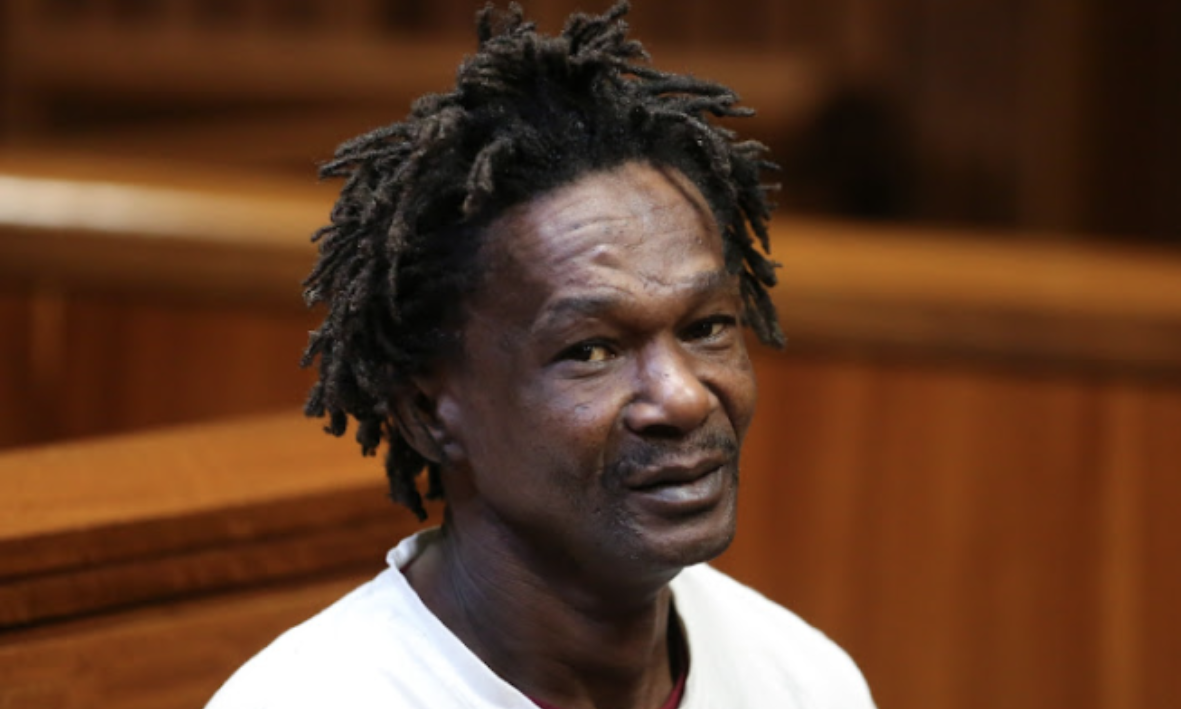
Media Statement by Thandi Nontenja, MP and UDEMWO Secretary General The United Democratic Movement Women’s Organisation (UDEMWO) welcomes the sentencing of Moses Gqesha, who has been handed eight life sentences for the brutal 2010 rape of Ms Andy Kawa, along with additional sentences for robbery, kidnapping, assault and theft. This long-overdue justice marks a significant moment for Ms Kawa, her family and all survivors of gender-based violence in South Africa. We commend her courage and unwavering pursuit of justice despite the many obstacles she has faced over the past 15 years. UDEMWO notes with deep concern, however, the unacceptable delay in securing this conviction, due in large part to the DNA backlog crisis that continues to undermine the fight against gender-based violence. Although DNA samples were collected in 2020, a match was only confirmed in 2023, leading to Gqesha’s arrest in January 2024. This delay is a glaring indictment of the state’s failure to ensure that justice is delivered swiftly and efficiently. Survivors cannot be expected to wait more than a decade for closure because of avoidable bureaucratic and systemic failures. The Department of Justice and relevant forensic units must treat the DNA backlog as an emergency and allocate the necessary resources to resolve it urgently. In addition, UDEMWO calls on the Department of Correctional Services to take a firmer stance when dealing in cases involving extreme violence, particularly those rooted in gender-based violence. Individuals convicted of such heinous crimes must not be granted parole under any circumstances. The severity of these crimes justifies the full and uninterrupted serving of life sentences. Survivors and their families should not have to live in fear of their perpetrators ever walking free again. Correctional Services must align its policies with the broader national commitment to ending gender-based violence. While the sentencing of Moses Gqesha is a step toward justice, the broader system still fails far too many survivors. UDEMWO will continue to advocate for the dignity, safety and rights of women across South Africa and will remain vigilant in holding all arms of the state accountable in the fight against gender-based violence.
Admin
10 May, 2025
UDEMWO welcomes Timothy Omotoso’s arrest
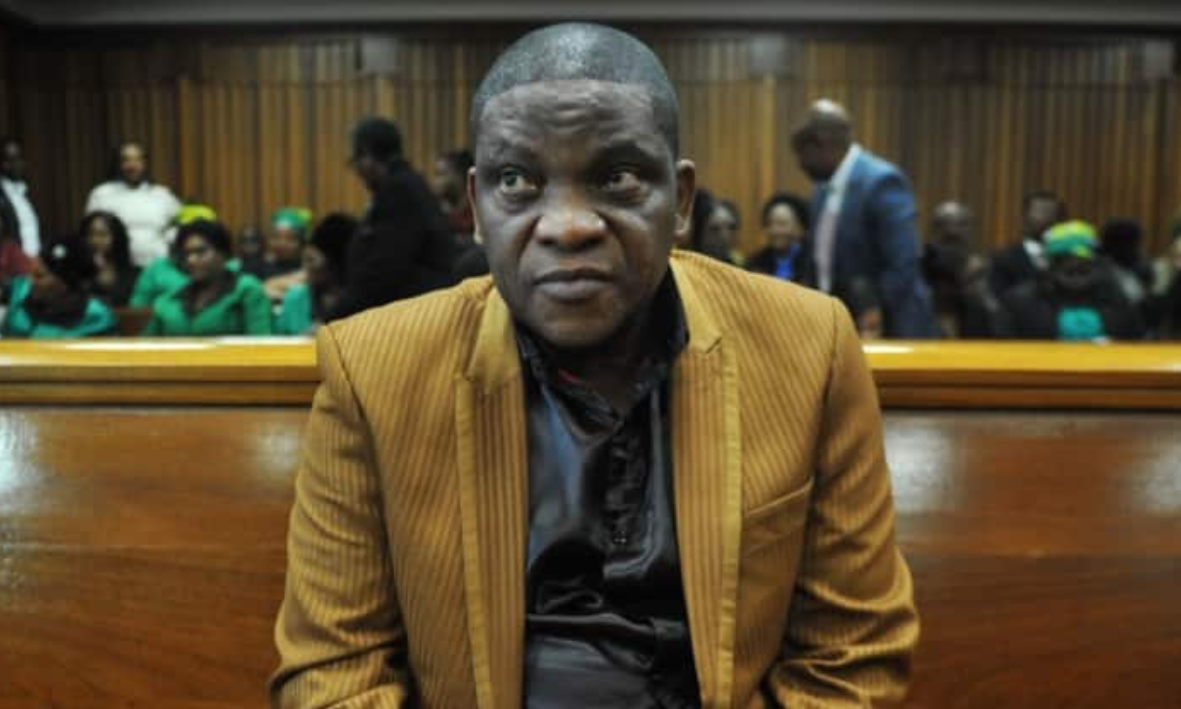
Media Statement by Thandi Nontenja, MP and UDEMWO Secretary General The United Democratic Movement Women’s Organisation (UDEMWO) welcomes the arrest of controversial pastor Timothy Omotoso on immigration-related charges. We sincerely hope that this time, the law will take its full and proper course and that the arrest will not become another example of impunity disguised as religious expression. Women and girls across South Africa watched in disbelief as Omotoso, who was recently acquitted on serious charges of sexual assault and human trafficking, returned to public life with astonishing speed. That acquittal, which came after a seven-year detention, was not the result of his exoneration but rather a consequence of poor prosecution and a failure to present key evidence. His highly publicised return to preaching through the so-called New Dawn Crusade has been deeply distressing to survivors of gender-based violence and to all those who believe in justice and accountability. UDEMWO calls on the Department of Home Affairs and the South African Police Service to pursue this matter with diligence and transparency. The public deserves to know the legal basis for Omotoso’s continued presence in the country, and all actions taken must reflect the seriousness of the charges and circumstances. Far too often, South Africa has become a refuge for foreign religious leaders who exploit their positions of influence to prey on the vulnerable. Figures like Shepherd Bushiri and Timothy Omotoso, both of whom have faced serious allegations of rape and sexual abuse, are emblematic of a dangerous trend where charismatic authority is used to shield criminal behaviour. These individuals manipulate faith to gain trust, silence victims, and avoid accountability. South Africa must tighten its immigration and regulatory frameworks to ensure that those who claim to lead in faith do not use our hospitality as a cover for predation and impunity. The pulpit must never become a hiding place for perpetrators. Furthermore, gender-based violence and femicide (GBVF) has reached crisis levels in our country. The fact that a woman is murdered every three hours is not merely a statistic. It is a national shame and a painful indictment of our collective failure to protect the most vulnerable members of our society. This crisis demands urgent, coordinated, and uncompromising action from all sectors of government and civil society. South Africa cannot claim to be a free and just society while women live in fear, suffer in silence, or are silenced by violence. In the end, no person is above the law, regardless of their religious title or popularity. South Africa must not allow religious platforms to become sanctuaries for those accused of abuse. We hope that this arrest marks a turning point. Let justice be done, and this time, let it be done without fear, favour or interference. No backroom deals, favours or corrupt acts must allow Mr Omotoso to escape the full might of the law.

Admin
03 May, 2025
UDEMWO welcomes justice in the Joshlin Smith case
Media Statement by Thandi Nontenja, MP and UDEMWO Secretary General The United Democratic Movement Women’s Organisation (UDEMWO) welcomes the Western Cape High Court’s conviction of Raquel “Kelly” Smith and her co-accused for the kidnapping and trafficking of six-year-old Joshlin Smith. This judgment is a long-awaited step towards justice for Joshlin and the many South Africans who were shocked and horrified by her disappearance. The verdict confirms what so many in the community feared and suspected: that the very people who were meant to protect Joshlin were in fact the ones who betrayed her in the most vile and inhumane way. There is a saying that it takes a village to raise a child. This case is a heartbreaking reminder that in this village, a child was not safe. It raises serious questions about the safety and well-being of children in vulnerable communities where social neglect; substance abuse and poverty too often go hand in hand. We commend Judge Nathan Erasmus for his clear and firm judgment, and we salute the community members of Saldanha Bay who searched for Joshlin and have continued to demand justice. We also acknowledge the work of law enforcement in bringing this case to trial and securing a conviction. UDEMWO calls on the Department of Social Development and all relevant government structures under the current Government of National Unity to urgently strengthen community-based child protection systems. Children should never fall through the cracks of a society that claims to care. UDEMWO continues to demand justice not just in courtrooms, but in homes, communities and institutions across the country. Let the memory of Joshlin Smith compel us all to protect the most vulnerable among us. Lastly, while UDEMWO welcomes the guilty verdict, we are deeply disturbed that the whereabouts of Joshlin Smith remain unknown. Justice cannot end with a conviction alone. The guilty must be compelled to tell the truth about what happened to Joshlin. They must reveal where she is and bring her back. The courts have spoken, but the most important question remains unanswered. We demand full accountability, not only for the crime, but for the pain and unanswered questions that continue to haunt her family and community.

Admin
17 Apr, 2025
US pastor saved by SAPS; now save our children
Media Statement by Thandi Nontenja, MP and UDEMWO Secretary General The United Democratic Women’s Organisation (UDEMWO) notes the successful rescue of the American pastor who was kidnapped in Gqeberha. We commend the swift and coordinated response by the South African Police Service’s (SAPS) multidisciplinary units, which led to the neutralisation of the suspects and the safe recovery of the victim. This operation demonstrates what can be achieved when our law enforcement agencies act decisively and collaboratively. Too often, kidnappings in South Africa are driven by ransom demands a terrifying reality for victims and their families. The pastor’s case, although foreign in nationality, highlights a problem that affects our own people daily. We must now turn the same urgency and coordination toward the heartbreaking epidemic of missing South Africans, particularly children. According to recent reports, over 600 children have been reported missing in 2024 alone, with dozens still unaccounted for. Among these tragic cases is that of Joshlin Smith, whose disappearance from Saldanha Bay shocked the nation and remains unresolved. The lack of closure in such cases is devastating to families and communities alike. We urge SAPS to apply the same multidisciplinary expertise and urgency shown in the Gqeberha rescue to the ongoing crisis of missing persons across South Africa. Every missing child, woman, or man deserves the same energy, resources, and attention. It is time that we stop treating these disappearances as isolated incidents and recognise them as a national emergency that demands immediate and consistent action. The UDEMWO stands in solidarity with the families of the missing. We will continue to push for accountability, effective investigations, and real outcomes. We call on government to prioritise the safety of our people; all of them. We furthermore urge the families and caregivers of missing children to report such incidents to the SAPS immediately; do not delay, even by a few hours. The 24-hour waiting period is a myth. Time is of the essence when a child goes missing, and swift reporting significantly increases the chances of a safe recovery.
Admin
03 Apr, 2025
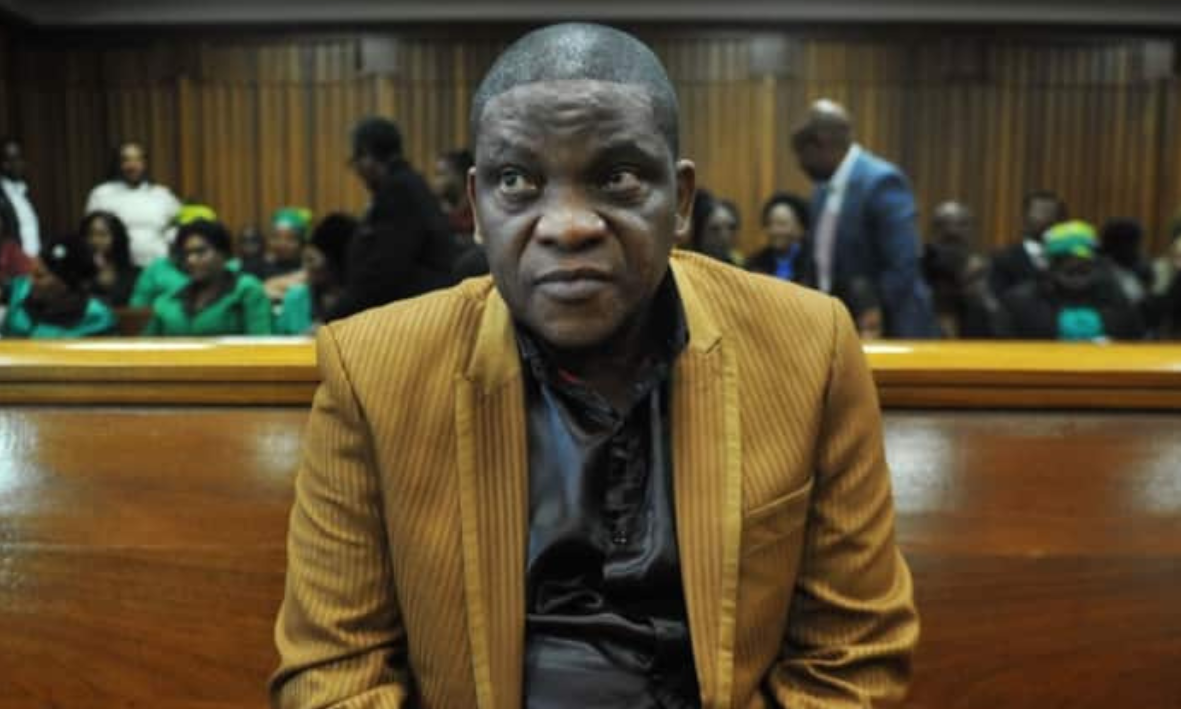
Omotoso case: prosecution failed the victims
Media Statement by Thandi Nontenja, MP and UDEMWO Secretary General The United Democratic Women’s Organisation (UDEMWO) expresses deep concern over the handling of the case against Nigerian televangelist Timothy Omotoso and his co-accused, Lusanda Sulani and Zikiswa Sitho. After nearly eight years of legal proceedings, the High Court in Gqeberha has acquitted all three accused due to shortcomings in the prosecution's case. This outcome raises serious questions about the efficiency of our justice system and the rights of victims seeking justice. Justice delayed is justice denied. For almost a decade, the complainants in this case have been waiting for a fair and decisive resolution. The prolonged delays, inadequate cross-examination and mishandling of evidence have ultimately resulted in a failure to secure a conviction. This is a devastating setback not only for the complainants but for all South Africans who rely on the courts to uphold justice and protect victims of crime. The court acknowledged that while there were inconsistencies in the complainants' testimonies, the evidence presented by the defence was not properly tested due to prosecution failures. This highlights the urgent need for reforms in how complex criminal cases, especially those involving gender-based violence (GBV) and human trafficking, are handled. UDEMWO calls on the National Prosecuting Authority to urgently review this case and ensure that such procedural failures do not happen again. Victims of serious crimes must not be subjected to drawn-out trials that end in technical acquittals due to prosecutorial weaknesses. We also urge government and legal authorities to strengthen investigative and prosecutorial processes to prevent similar injustices in future. South Africa cannot afford a justice system that fails victims due to inefficiency and unnecessary delays and criminals being set free to perpetrate further crimes against hapless victims; especially GBV victims. UDEMWO will continue to advocate for a legal system that delivers timely and effective justice for all.
Admin
11 Sep, 2020
Nosiviwe Mapisa-Nqakula must resign!
The United Democratic Movement Women’s Organisation (UDEMWO) is totally dismayed at how Nosiviwe Mapisa-Nqakula decided to use a South African Air-Force jet to transport African National Congress members to Zimbabwe. The ruling party is so used to abuse state resources, that are paid by the hard-earned money of taxpayers, this mind set is not helping the country to go forward nor our crummy economy. UDEMWO calls on the Minister of Defence Nosiviwe Mapisa-Nqakula to resign with immediate effect clearly she is not interested in her job and has no respect for the taxpayers, which is why she takes such irrational decisions. It is high time that the ANC start drawing a line between the state and their organisation, the abuse of state resources has to come to an end. Since when state assets are to be used to give lifts? Nosiviwe Mapisa Nqakula’s attitude is disgusting! This is unacceptable and as UDEMWO we won’t allow it to happen under our watch. Issued by: Ms Thandi Nontenja UDEMWO Secretary General
Admin
01 Sep, 2020
Open Letter by UDEMWO to Minister of Women, Youth and Persons with Disabilities Mrs Maite Nkoana-Mashabane
Mrs Maite Nkoana-Mashabane Minister of Women, Youth and Persons with Disabilities Private Bag X931 Pretoria 0001 Dear Minister Nkoana-Mashabane ACTIONS SPEAK LOUDER THAN WORDS: YOU ARE LEAVING THE WOMEN OF THIS COUNTRY WITH THE IMPRESSION THAT YOU SIMPLY DO NOT CARE ABOUT THEM The time for annual talk shops, when it is Women’s Month in August, and in December, for Sixteen Days of Activism, is over. The same applies to the drawing of rosy pictures by the provincial representatives as was seen at the recent Women’s Parliament held on 28 August 2020. The United Democratic Movement Women’s Organisation (UDEMWO) has heard enough lip-service as women’s lives are ruined and lost, daily, and you appear to be nothing more than a minister that is there for window dressing. We want action and we want to see you taking that action. Gender-based violence (GBV) is real and claiming far too many women and children’s lives and we are left with the impression that you are not taking this matter very seriously. UDEMWO was totally flabbergasted at the fact that you chose to join this year’s Women’s Parliament virtually. What has happened to the Batho Pele principle that says: “Citizens should be treated with courtesy and consideration.” Seemingly, Minister, you have forgotten about this principle. This event happens only once a year and you could have taken the time from your “busy schedule” to show respect due to the women of South Africa and in particular to the victims of GBV. We understand that Covid-19 has meant that we must navigate uncharted waters, but travelling is possible now and your presence in the house would have made a difference. Worse still, you left the virtual platform just after your presentation, leaving many women hanging with several unanswered questions. This brings a new level to disrespect and is a total disregard of the Batho Pele principles. If President Cyril Ramaphosa attends Parliament for a mere question and answer session in person, as he recently did, what excuse could you have for not attending Women’s Parliament? Your department’s, and therefore your, mission is: “To provide strategic leadership, coordination and oversight to government departments and the country in mainstreaming empowerment programmes on women, youth and persons with disabilities”. Yet this seems to be a few words strung together with no personal or professional meaning to you. What are you in reality doing to fight the scourge of GBV; i.e. not riding on the coattails of the President and the Minister of Police? Simply delivering a Women’s Month speech, issuing a press release here and there, and attending press briefings cannot be the scope, and entire product, of your work. Minister, seemingly you do not have a solution for GBV, besides the so-called Thuthuzela Care Centres, which we do not even see in our communities, that only try to assist after the crime of rape has been committed. UDEMWO calls you to establish a mass programme that focusses on self-defence for women, so that they can fight for themselves when they are pushed into a tight corner by the opposite gender. Women die with protection orders in their hands and such a self defence programme could help to flatten the GBV curve. We are tired of being victims, it is time for us to be able to defend ourselves. The need of South African women is great, and the time for action is now, please help! Yours sincerely Ms Thandi Nontenja UDEMWO Secretary General
Admin
24 Jul, 2020
UDEMWO welcomes the President’s intervention on schools
After numerous calls and press statements from various organisations, including the United Democratic Movement (UDEMWO), as well as frustrations from parents, sundry teachers’ unions and those who care for the younger generation and the nation at large, the President of South Africa finally took the brave and courageous decision to close schools for some time. UDEMWO welcomes President Ramaphosa’s intervention to close schools for four weeks, Looking from a climatological view, as the country, we will be seeing the back-side of the winter season so the young pupils being Grade R will go back to classroom when it is a little warmer. The Department of Basic Education should use this time to clean up schools, procure the required personal protective equipment (PPE) and monitor the infections, death and recoveries, no blanket opening of schools, our children are not weapons to fight coronavirus, they must be protected at all cost. UDEMWO also accepts the extension of the current academic year into 2021, should the community transmission of Covid-19 continue to increase, the nation must be prepared to sacrifice this school year. Our schools, students and teachers need all the support and compassion during this time. Issued by: Ms Thandi Nontenja UDEMWO Secretary General
Admin
15 Jun, 2020
Gender-based violence: back in spotlight
The United Democratic Movement Women’s Organisation (UDEMWO) is enraged that gender-based violence (GBV) is on the rise during the Covid-19 lockdown. GBV has never dissipated; we live amongst abusers, rapists, and murderers in our communities. Simply put, being a woman in South Africa is dangerous. If a GBV crime is not featured in the media, it does not get the attention it deserves. We realise that there are many dynamics that play into the combating of GBV, but the South African Police Service is not doing its part. Seeing the Minister of Police inspecting “spaza shops” at the weekend, is extremely disturbing. It’s not his job! He should leave shop inspections to qualified environmental practitioners and address the life-threatening problems women are facing. UDEMWO is also disappointed that government is so silent about the R1,1 billion that was allocated to fight GBV in September 2019. Has the money done any good to fight GBV or are the comrades in corruption at it again? How long will hashtags trend in social media… with more GBV victims’ names added every single day: Naledi Phangindawo, Tshegofatso Pule, Simbongile Mnangcotywa and Sinah Molefe to name but a recent few. Enough is enough! Issued by: Ms Thandi Nontenja UDEMWO Secretary General
Admin
09 Jun, 2020
Schools are going to be major coronavirus transmission centres
Schools opened yesterday and the United Democratic Movement Women’s Organisation (UDEMWO) is outraged at government’s willingness to risk the lives of school pupils and teachers. It was quickly reported that Gauteng alone had 38 schools with coronavirus infections and the Western Cape had 55; which is the epicentre of this deadly enemy at the moment. Three weeks ago, UDEMWO warned the Department of Education not to open schools until it is safe. We have pleaded with Basic Education Minister Angie Motshekga to act as a parent, yet she chose not to. UDEMWO is aware of a learner at Woodhill College (Pretoria) who tested positive for Covid-19, thus endangering all the came into contact with that learner. We are also in possession of a letter from West Bank High School (East London), where a learner whose parent tested positive and the school was forced to send back home all grade 7 learners until further notice. UDEMWO calls on the Department of Basic Education and the National Coronavirus Command Council to urgently review this decision, even if it means that the current academic year must be revised. South Africa cannot afford this kind of negligence, young lives are at stake and not all immune systems can fight this disease; think of pupils in rural areas where there is no clean water and poor toilet facilities. If schooling continues, the worst is yet to come where coronavirus infections are concerned. Issued by: Ms Thandi Nontenja UDEMWO Secretary General